‘Warships, sub-sea drones, robots’: How is the US planning to clear Iran-laid mines from Strait of Hormuz?

Officials described the move as an early phase aimed at enabling secure maritime transit, with naval assets being positioned to support detection, protection, and clearance efforts in the strategically important and heavily contested shipping corridor.
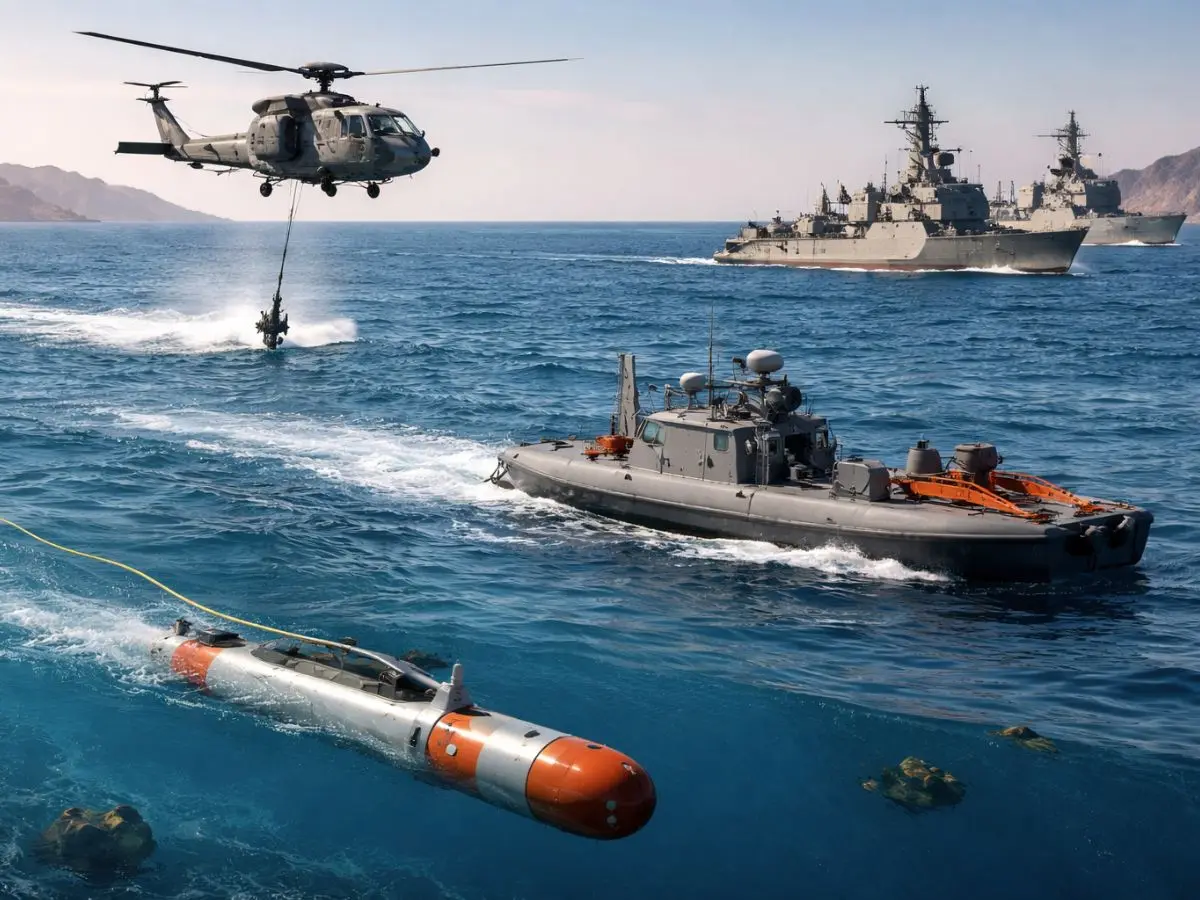
Strategic chokepoint under pressure
US Central Command (CENTCOM) has said its forces have begun ‘setting conditions’ for potential mine-clearance operations in the Strait of Hormuz, as two US Navy guided-missile destroyers carry out coordinated activity in the area. Officials described the move as an early phase aimed at enabling secure maritime transit, with naval assets being positioned to support detection, protection, and clearance efforts in the strategically important and heavily contested shipping corridor.

Strategic chokepoint under pressure
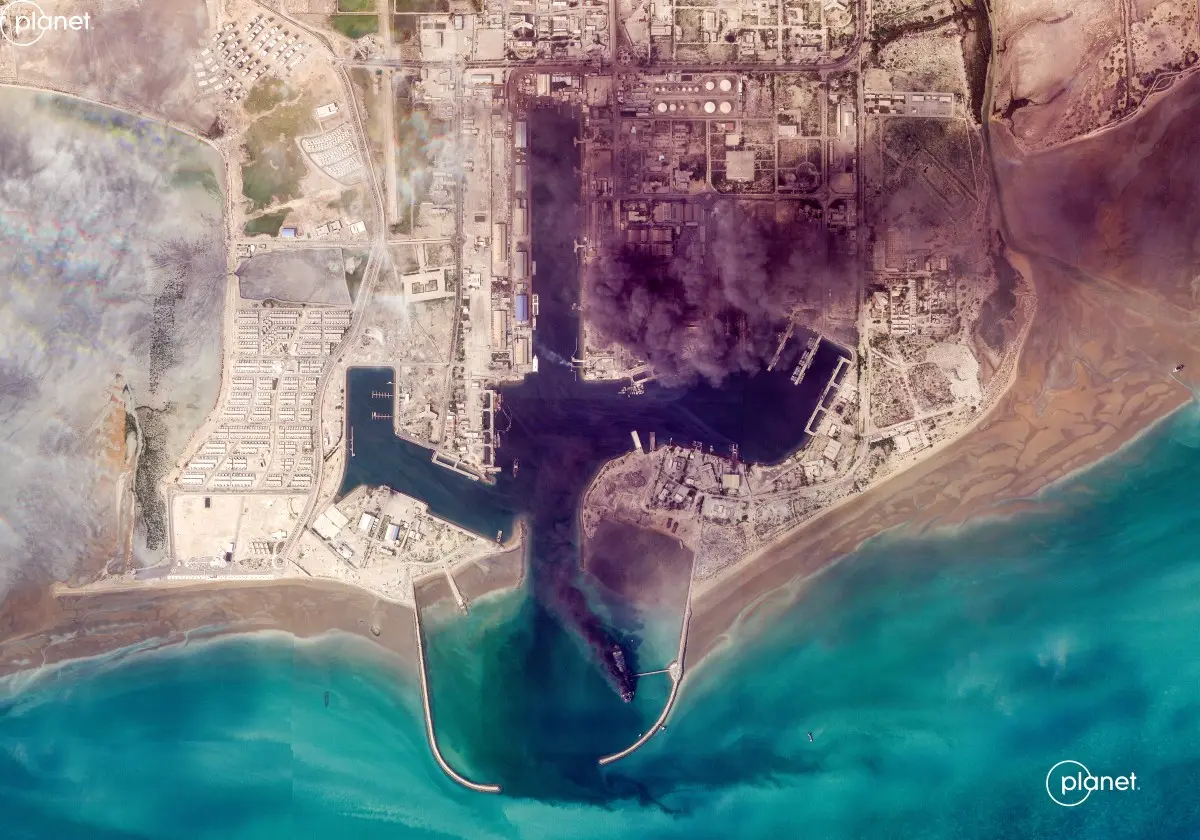
Earlier, US President Donald Trump had laid out plans to begin the anti-mine operations in the strait, which has in effect been closed to marine traffic by Iran since the US and Israel launched their war in late February. In the absence of much of its fleet of large naval vessels, which have been destroyed by US and Israeli strikes, Iran had deployed small surface vessels to lay mines in parts of the strait of Hormuz. It is not publicly known where mines may have been laid. CENTCOM, in it's official press release had also said: Additional U.S. forces, including underwater drones, will join the clearance effort in the coming days.
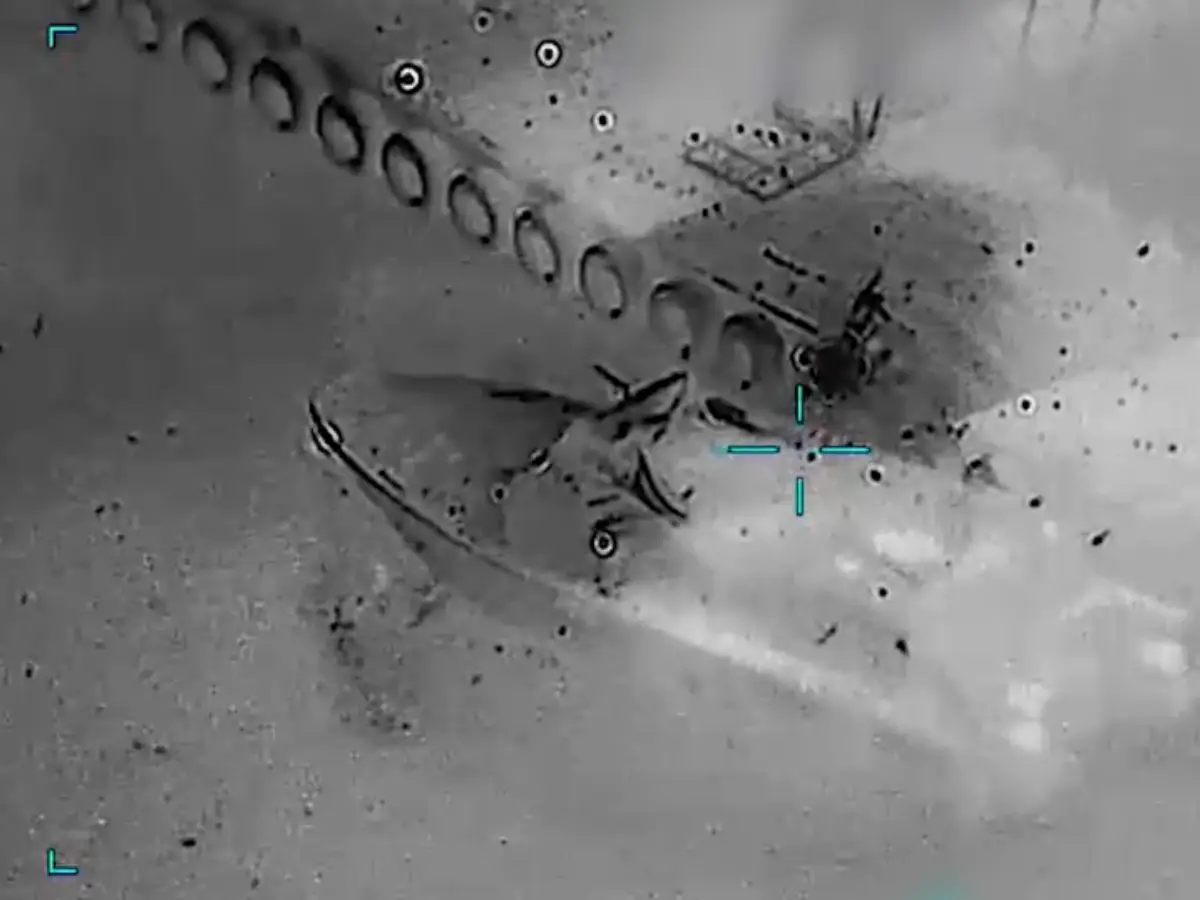
Destroyers lead initial passage operations
The USS Frank E. Peterson (DDG 121) and USS Michael Murphy (DDG 112) transited the strait and operated in the Arabian Gulf as part of a broader mission aimed at ensuring the waterway is fully clear of sea mines previously laid by Iran’s Islamic Revolutionary Guards Corps (IRGC). Their role is not only protection but also supporting mine-clearing operations in contested waters, establishing what US officials describe as an initial “safe passage” corridor for maritime traffic
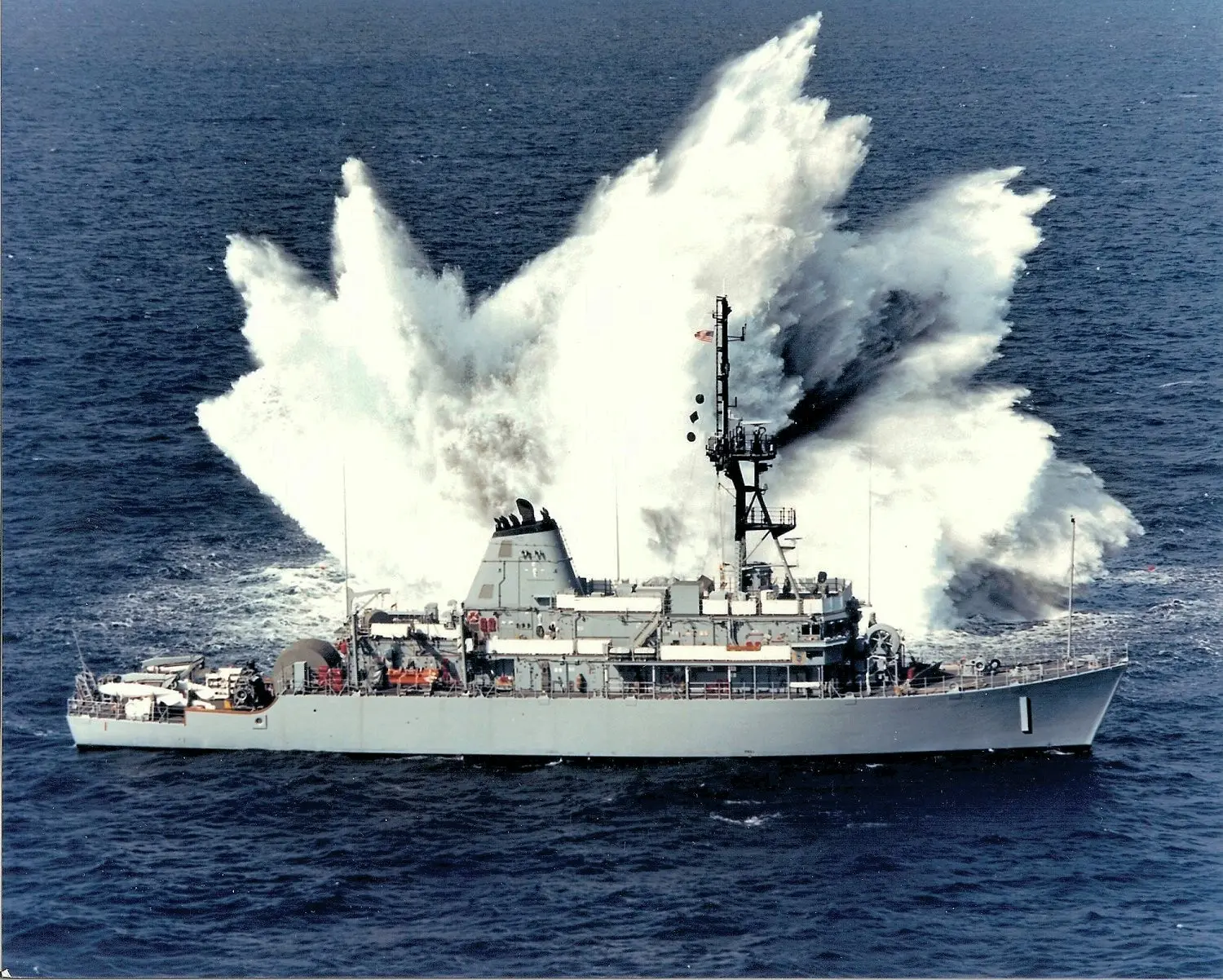
Manned minesweepers
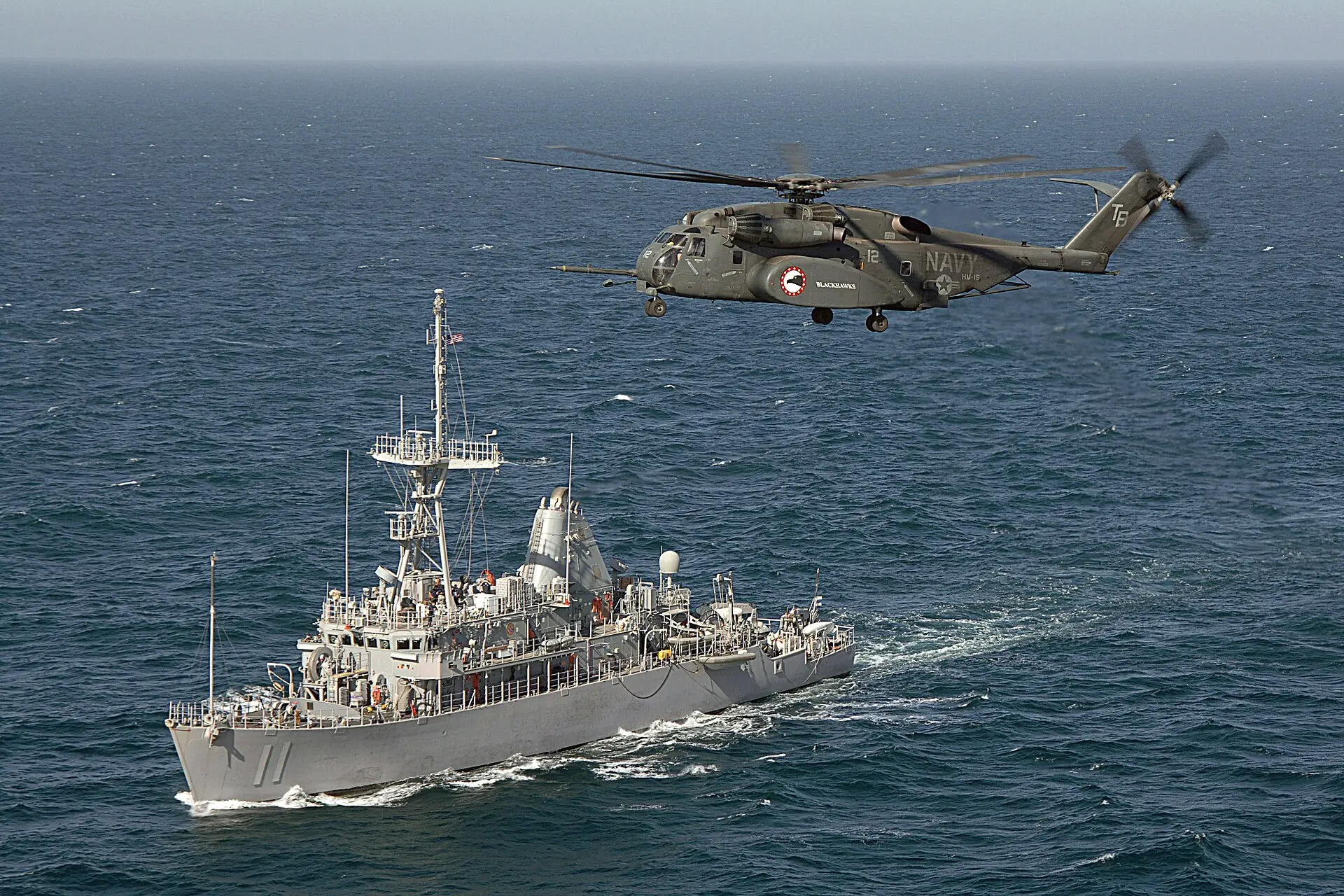
Traditionally, the US Navy conducted mine-clearing operations using manned minesweeping ships that would enter suspected minefields directly. These vessels relied on hull-mounted sonar systems to detect underwater explosives and deployed mechanical sweep gear to trigger or remove mines, often with the assistance of human divers operating in hazardous conditions. However, much of this older minesweeping fleet has now been retired. In its place, the Navy has introduced lighter littoral combat ships equipped with more advanced mine-warfare systems, including semi-autonomous surface and underwater drones and remotely operated robotic devices. These platforms are designed to allow crews to remain at a safer distance from minefields while conducting detection and neutralisation operations with greater precision and reduced risk.
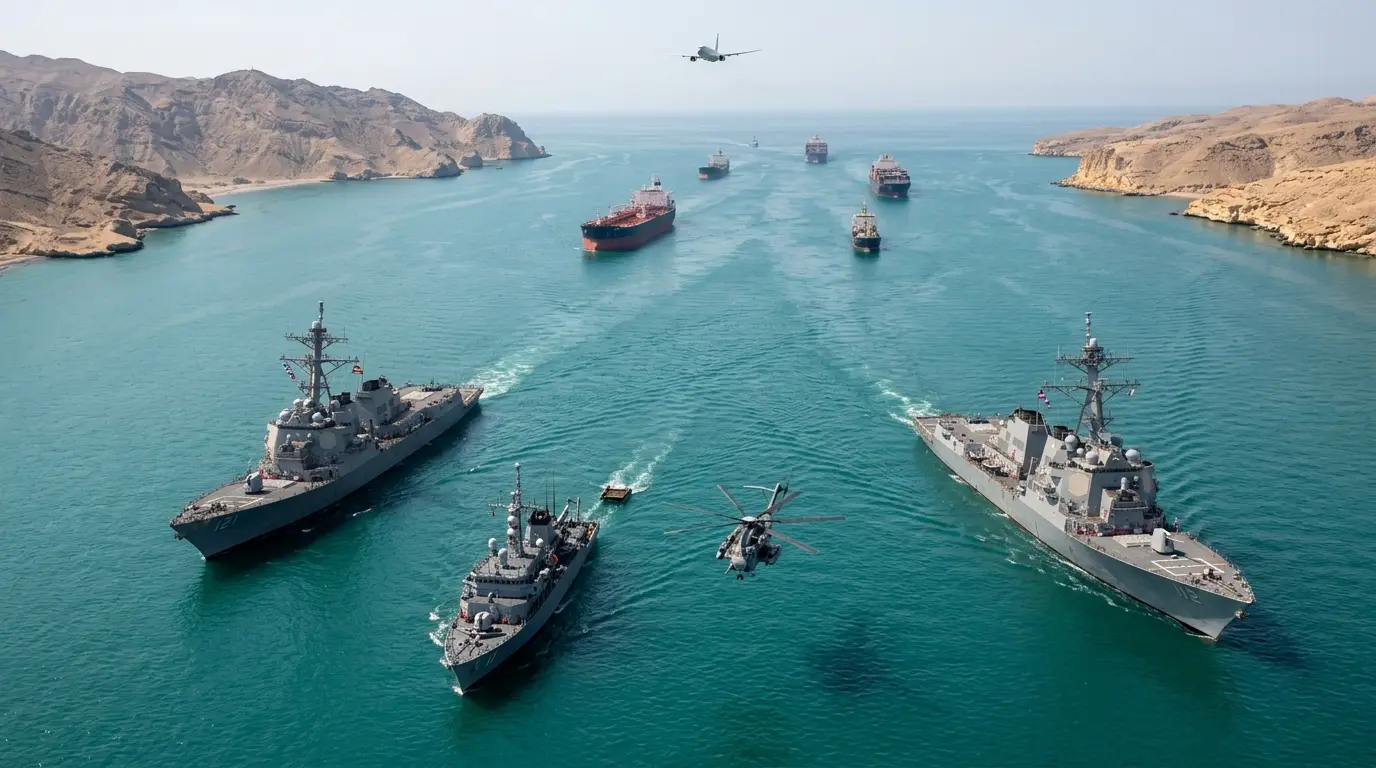
Drone-led detection and remote neutralisation
The US operation is expected to rely heavily on unmanned surface and underwater vehicles fitted with advanced sensors to search for mines. When a potential mine is detected, the information is relayed to crews operating safely outside the minefield, who then confirm the threat and decide on the method of neutralisation. The Navy’s detection toolkit also includes sonar-equipped unmanned systems alongside helicopters used to identify mines close to the surface, according to former naval officials.
Archerfish: precision destruction at distance
According to Reuters, the US Navy can neutralise mines using systems such as the Archerfish, a torpedo-shaped, remotely operated device developed by BAE Systems. Measuring around two metres in length, it carries an explosive charge and streams live video back to operators through a tethered cable, allowing precise targeting decisions from a safe distance. Designed to be expendable, each unit costs tens of thousands of dollars, reflecting its role as a single-use tool in high-risk mine-clearing operations.
Surface drones, sleds and diver support
The US could also deploy unmanned surface vessels towing mine-sweeping sleds designed either to trigger detonations or collect mines, Bryan Clark, a retired US naval officer and senior fellow at the Hudson Institute told Reuters. Alongside these systems, human divers may still be used in limited roles, particularly for reconnaissance and intelligence-gathering tasks, specialists told the news agency. These methods reflect a layered approach combining robotic systems with selective human deployment in high-risk environments.

Wider stakes for global trade stability
The operation is intended to restore the free flow of commerce through one of the world’s most critical energy corridors.
)
)
)
)
)