'Warped Decks': How the USS Abraham Lincoln prevents heavy jets from bending its steel runway

The USS Abraham Lincoln uses thermal spray non-skid coatings, upgraded blast deflectors, and reinforced steel to protect its deck from warping under the 3,600°F exhaust of heavy F-35C jets.
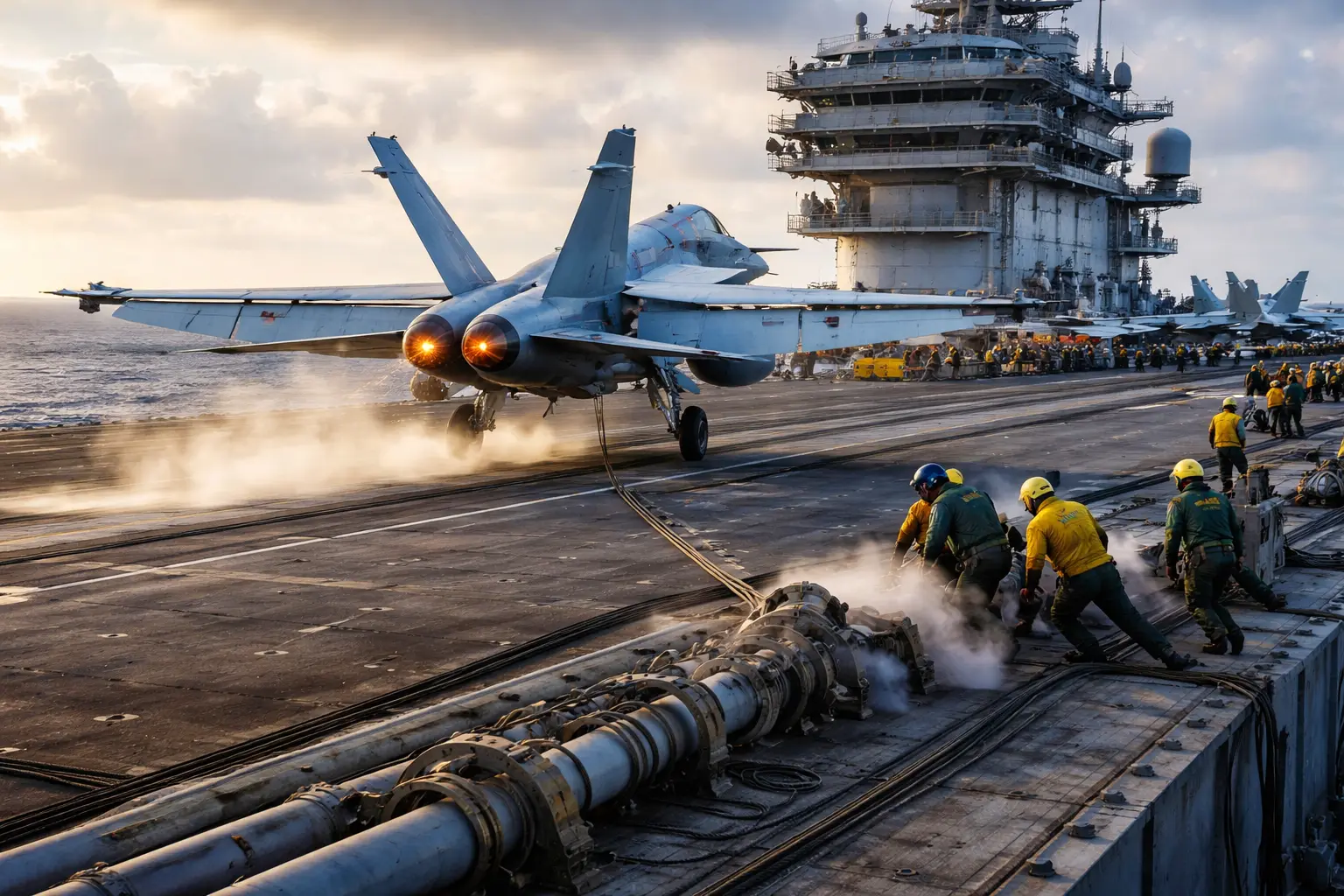
The 3,600°F Engine Core
While the F-35C stealth fighter’s engine reaches internal temperatures of roughly 3,600°F, it blasts exhaust onto the runway at over 1,000°F during operations. Without specialized thermal protection, this intense heat and thrust could quickly warp standard steel deck plates and severely weaken the carrier's understructure.
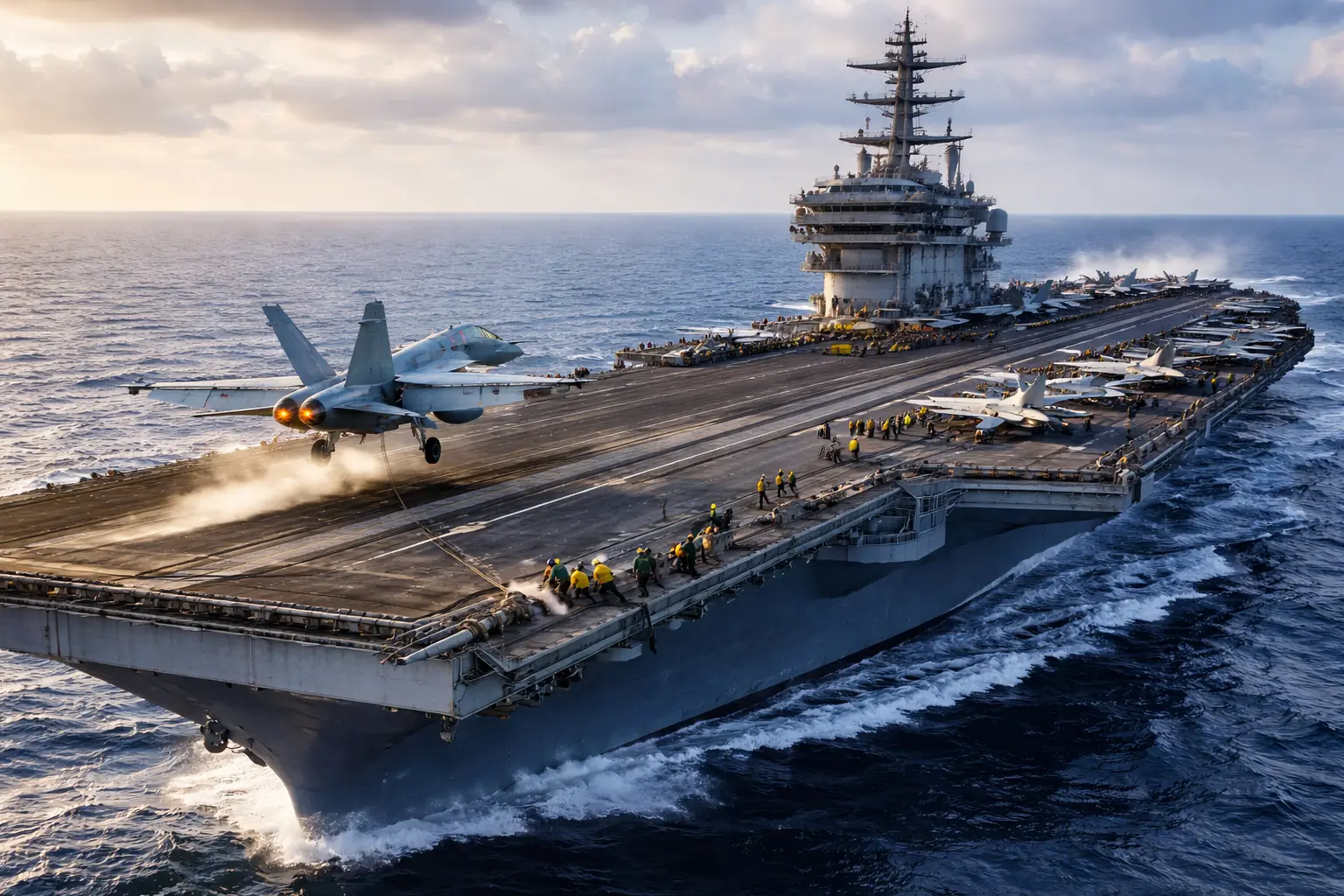
Shielding The 4.5-Acre Deck
To shield the metal runway, the navy applies advanced thermal spray non-skid coatings. This multifunctional layer acts as a sacrificial thermal barrier against extreme temperatures while providing crucial traction for aircraft across the massive deck.
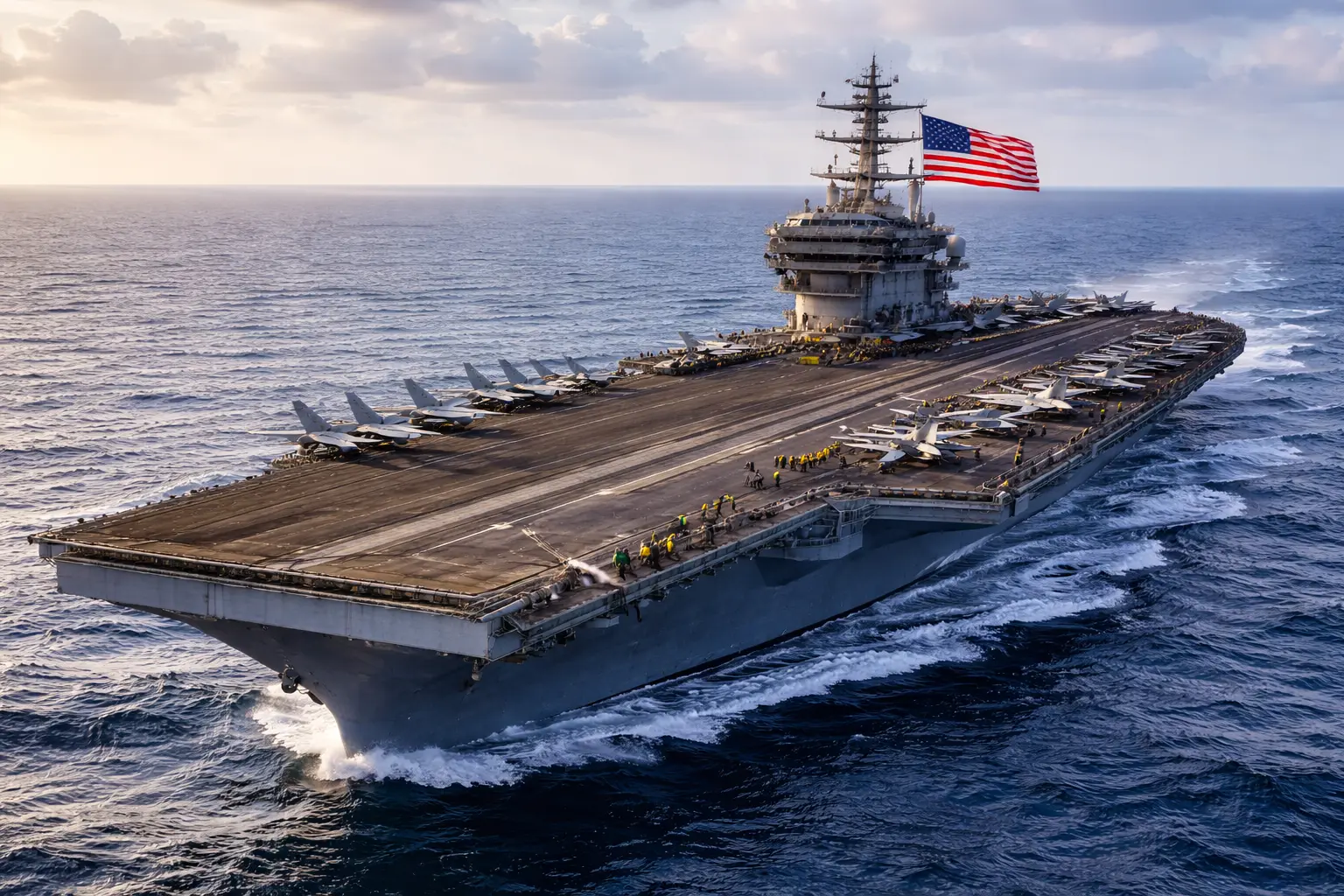
Upgraded Jet Blast Deflectors
The carrier uses specialised jet blast deflectors engineered to redirect intense thrust and heat. These heavily reinforced panels prevent the F-35C's exhaust from damaging the deck and ensure the steel runway remains structurally sound.
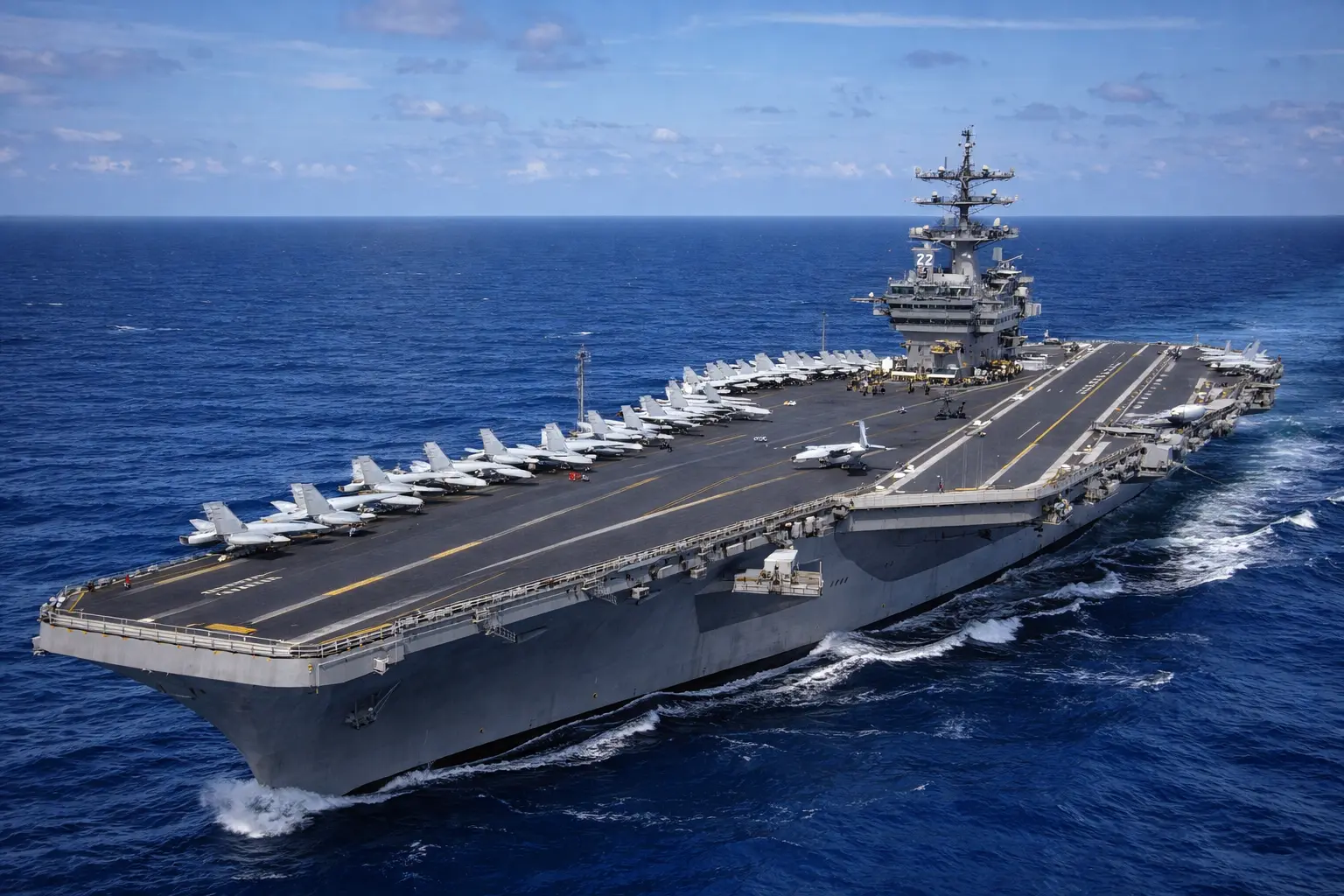
Handling Heavy Jet Stress
During operational refits, the USS Abraham Lincoln received necessary structural reinforcements. The use of high-yield steel across its flight deck helps absorb kinetic energy and prevents the metal from buckling under the weight of modern stealth jets.
Hydraulic Dampers Absorbing Impact
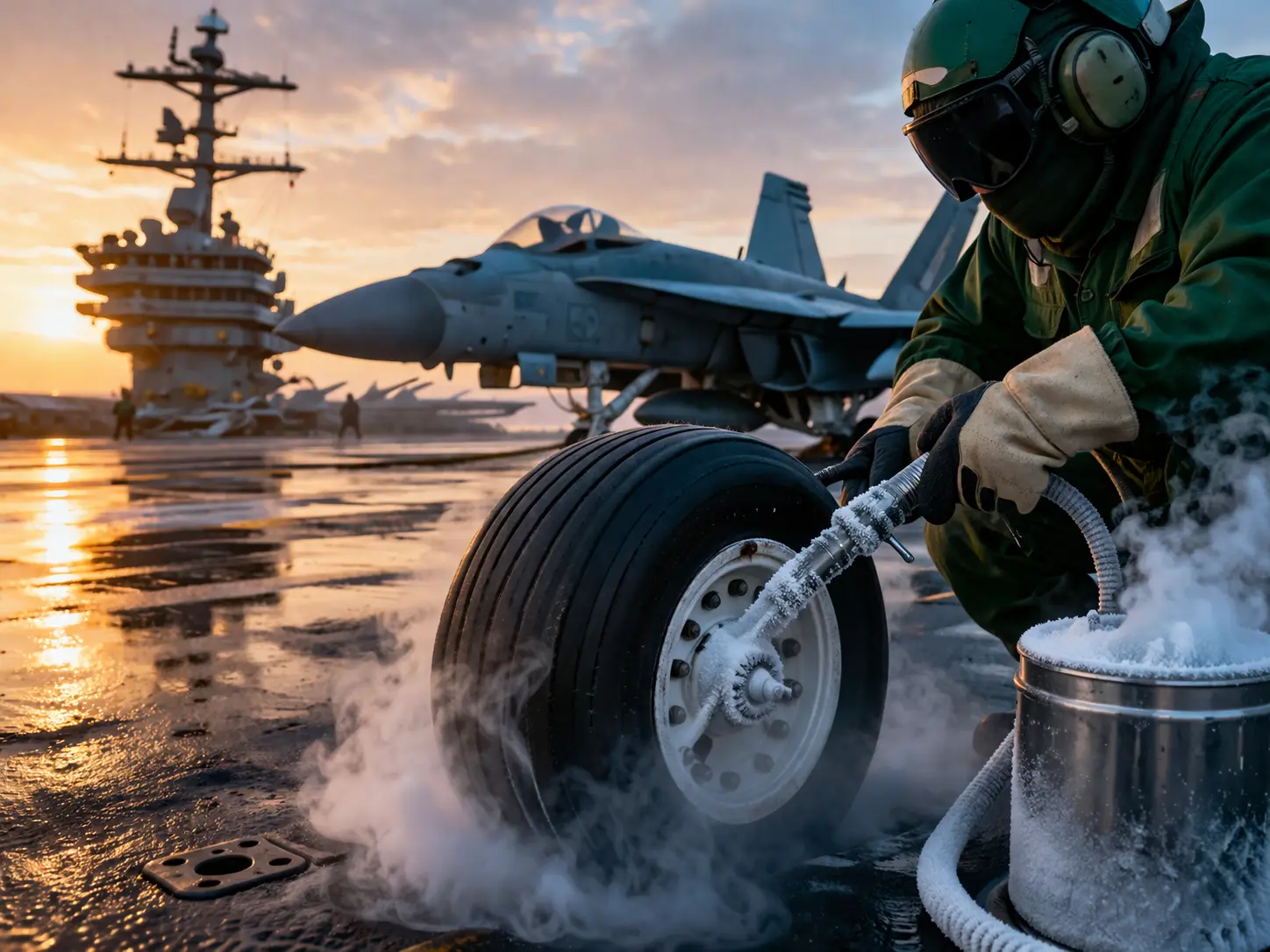
When heavy jets land, the carrier's arresting cables rely on damper sheaves that act as hydraulic shock absorbers. This mechanism safely dissipates the violent physical forces, stopping the sheer mechanical stress from warping the runway's framework.
Resisting Mach 1 Exhaust
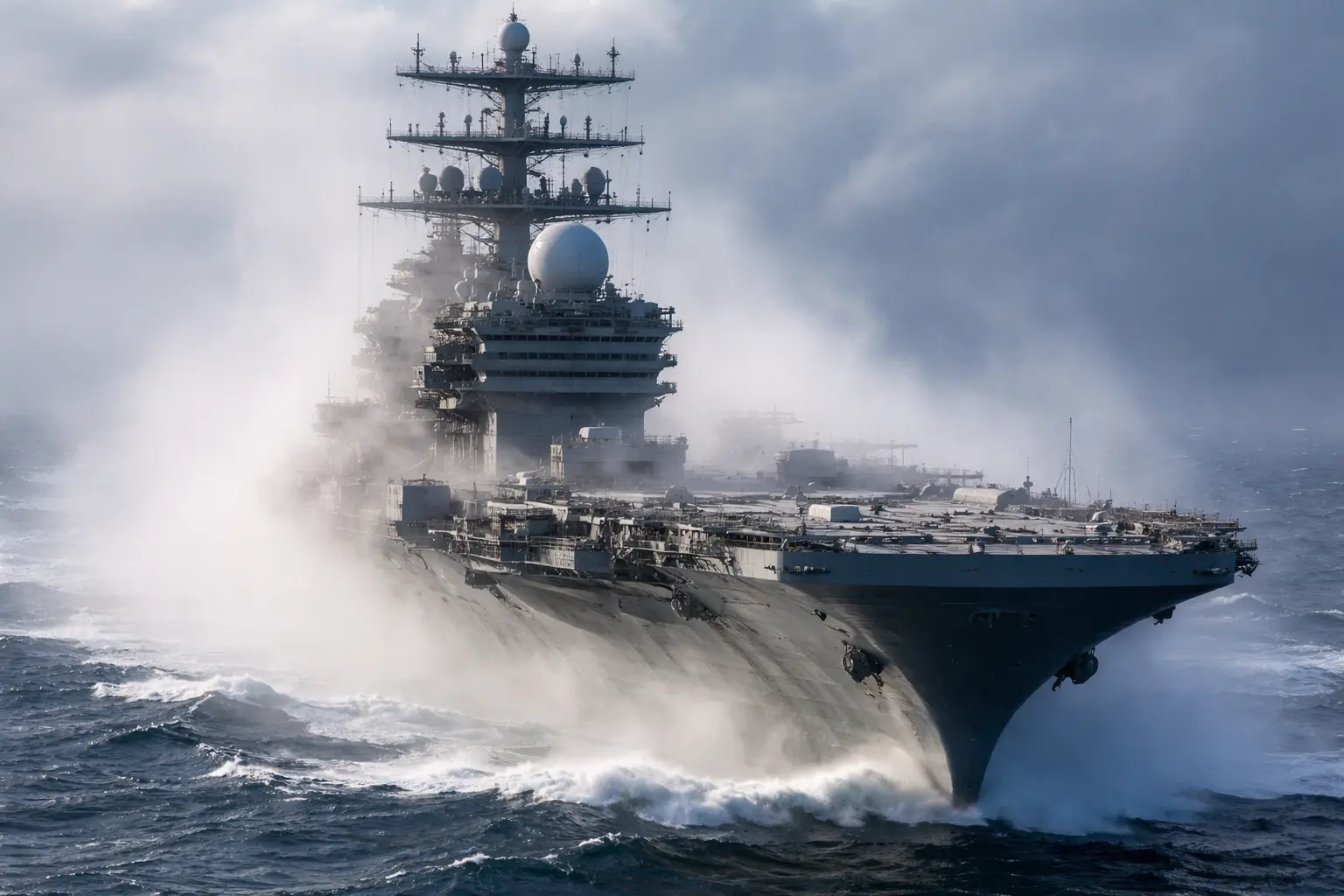
Standard concrete or sealants would simply spall or melt under Mach 1 exhaust velocities. The warship utilises continuous, heat-resistant sealants across the deck to eliminate weak joints where sudden thermal expansion might cause cracking.
Tempered Steel Launch Tracks
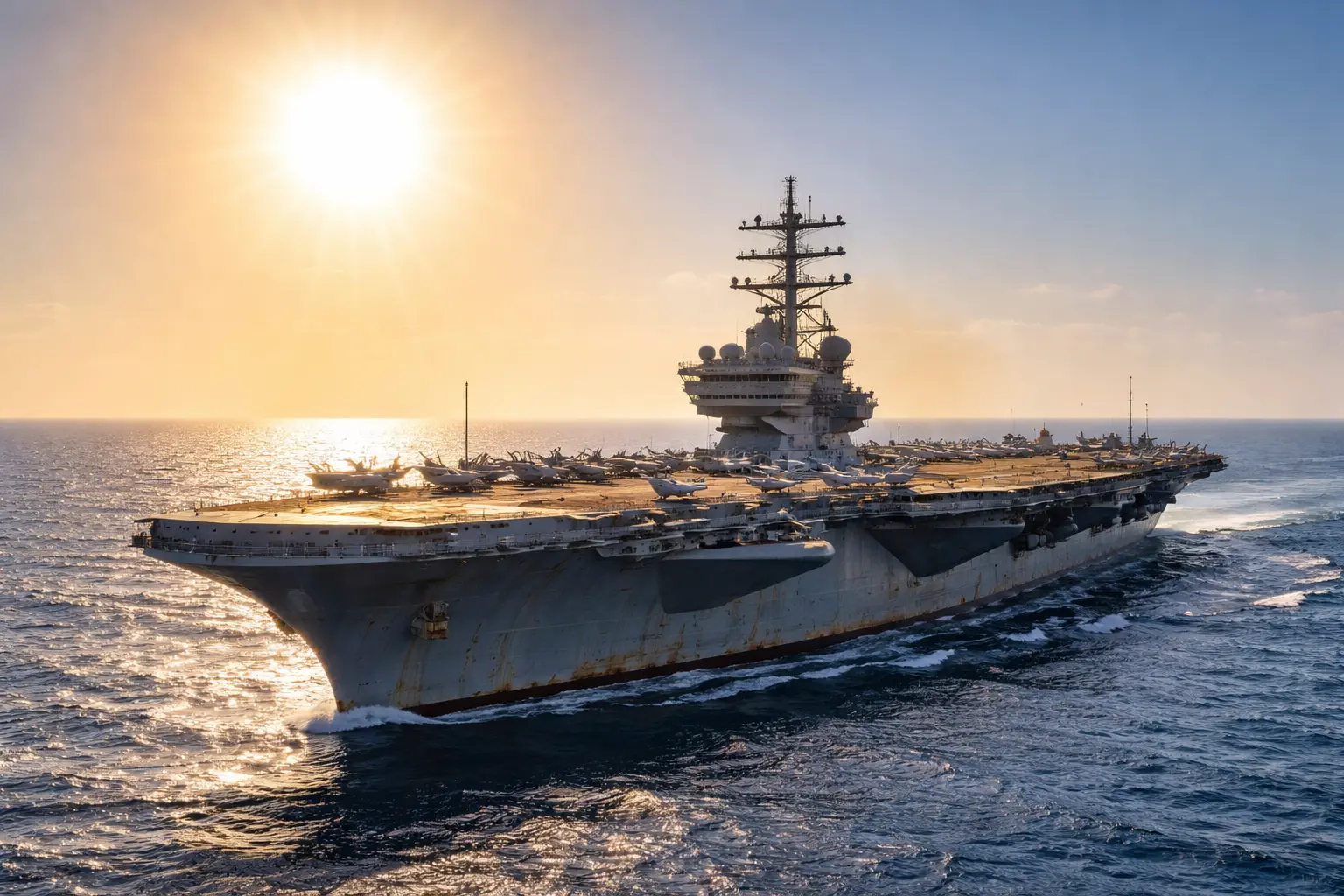
Launching a fully loaded fighter jet requires immense force concentrated along a very short track. The steel immediately surrounding the steam catapults is specifically tempered to withstand both rapid temperature shifts and the harsh friction of daily launches.
)
)
)
)
)