'War is coming': 7 ways Trump could strike Iran in 2026

President Donald Trump has made it clear: time is running out for Tehran. While indirect talks continue in Geneva and Oman, the White House has signaled that the window for "strategic submission" is closing.
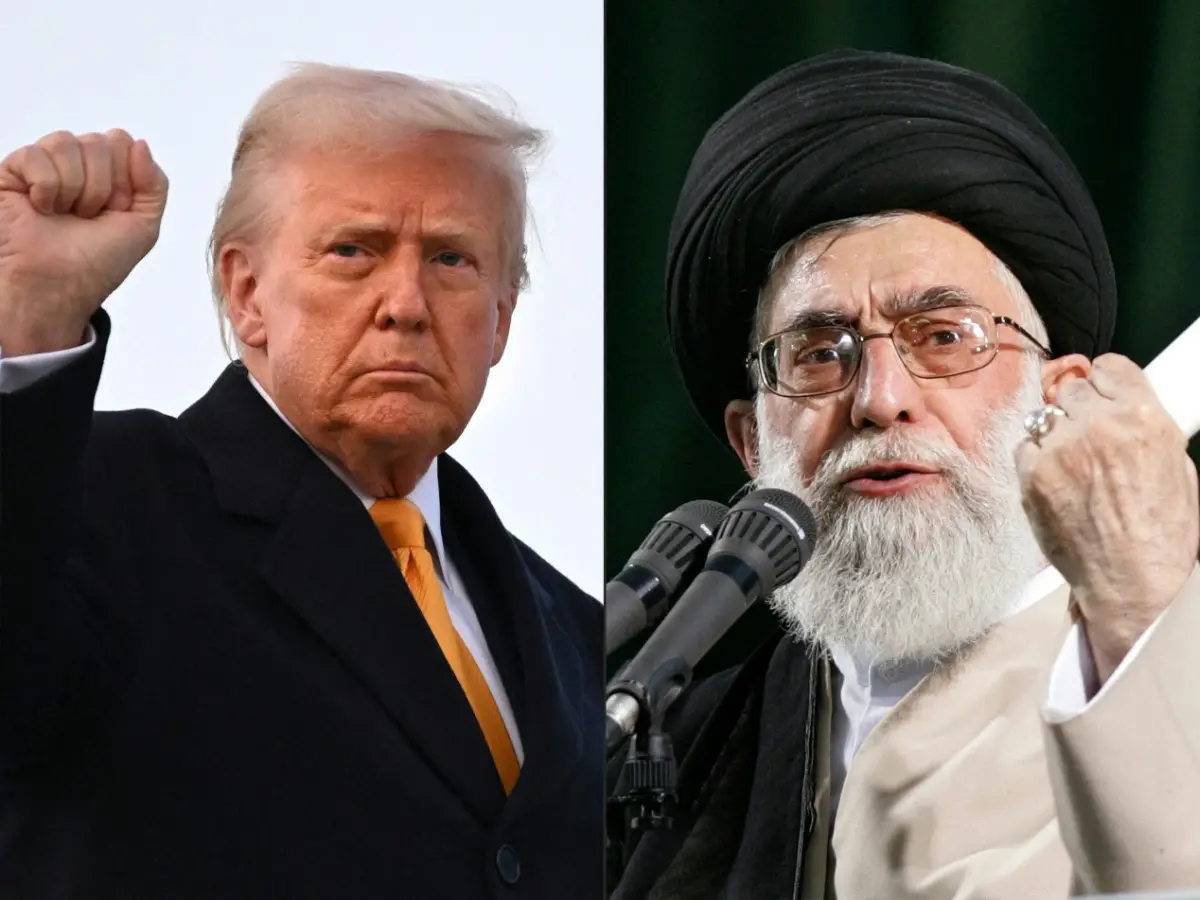
1. Operation "Midnight Hammer II": Targeted Nuclear Decapitation
After the limited strikes on Fordow and Natanz last summer, military planners are reportedly preparing a much larger follow-up. This "Version 2.0" would aim to permanently bury Iran’s nuclear ambitions by using "bunker-buster" munitions to collapse underground facilities that were only partially damaged in 2025. The objective is to ensure Iran has zero capacity for nuclear breakout for at least a decade.
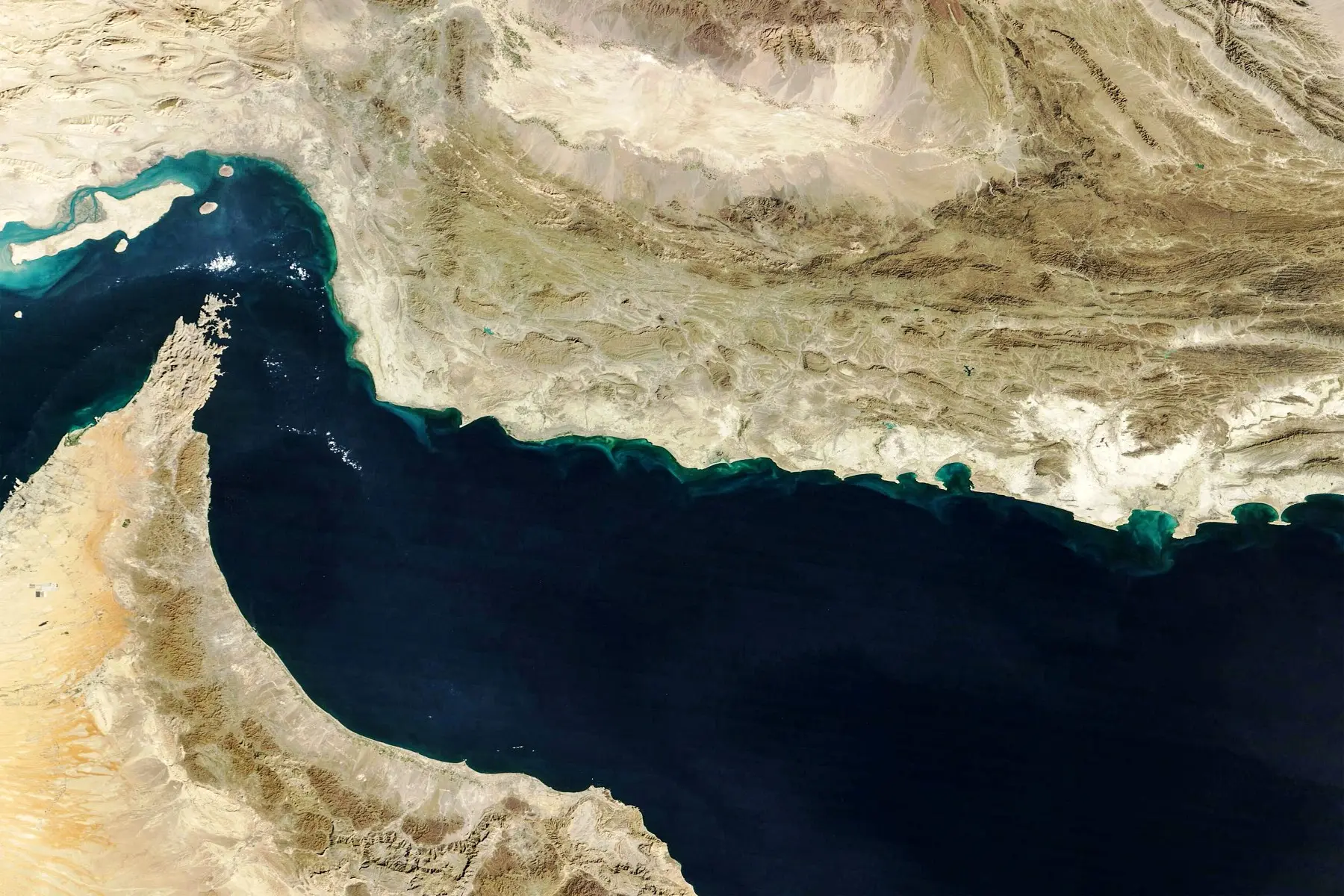
2. The "Maduro Play": A Total Maritime Blockade
Fresh off the successful capture of Venezuelan leader Nicolás Maduro in early 2024, Trump is considering a similar "stranglehold" strategy. This would involve using the U.S. Navy to blockade Iran’s "shadow fleet" of sanctioned oil tankers. By physically cutting off Iran’s oil exports to third parties, Washington aims to induce an economic cardiac arrest, forcing the regime to choose between total bankruptcy or surrender.
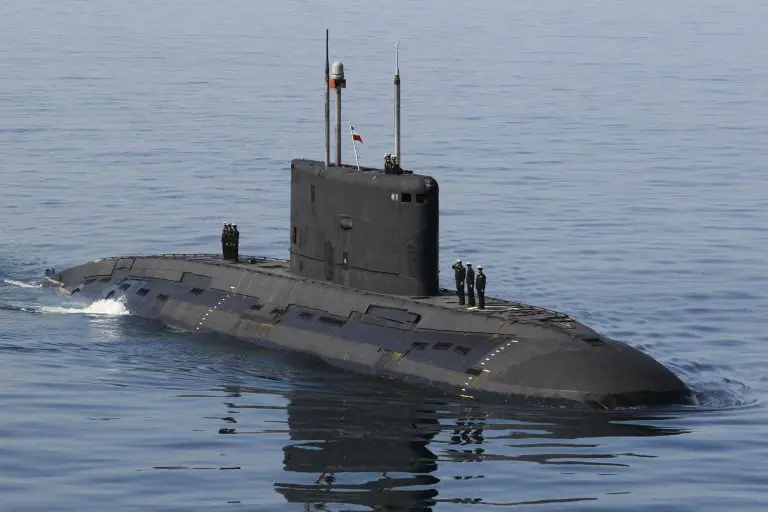
3. Kinetic Response to Domestic Repression
In a major policy shift, Trump has explicitly tied Iran’s internal stability to external military consequences. Following the "2026 Iran Massacres" where thousands of protesters were killed in January, the U.S. has threatened "consequences with violence" if executions of dissidents continue. This could manifest as precision strikes on the headquarters of the Basij or IRGC units responsible for the crackdowns, framing the war as a humanitarian intervention.
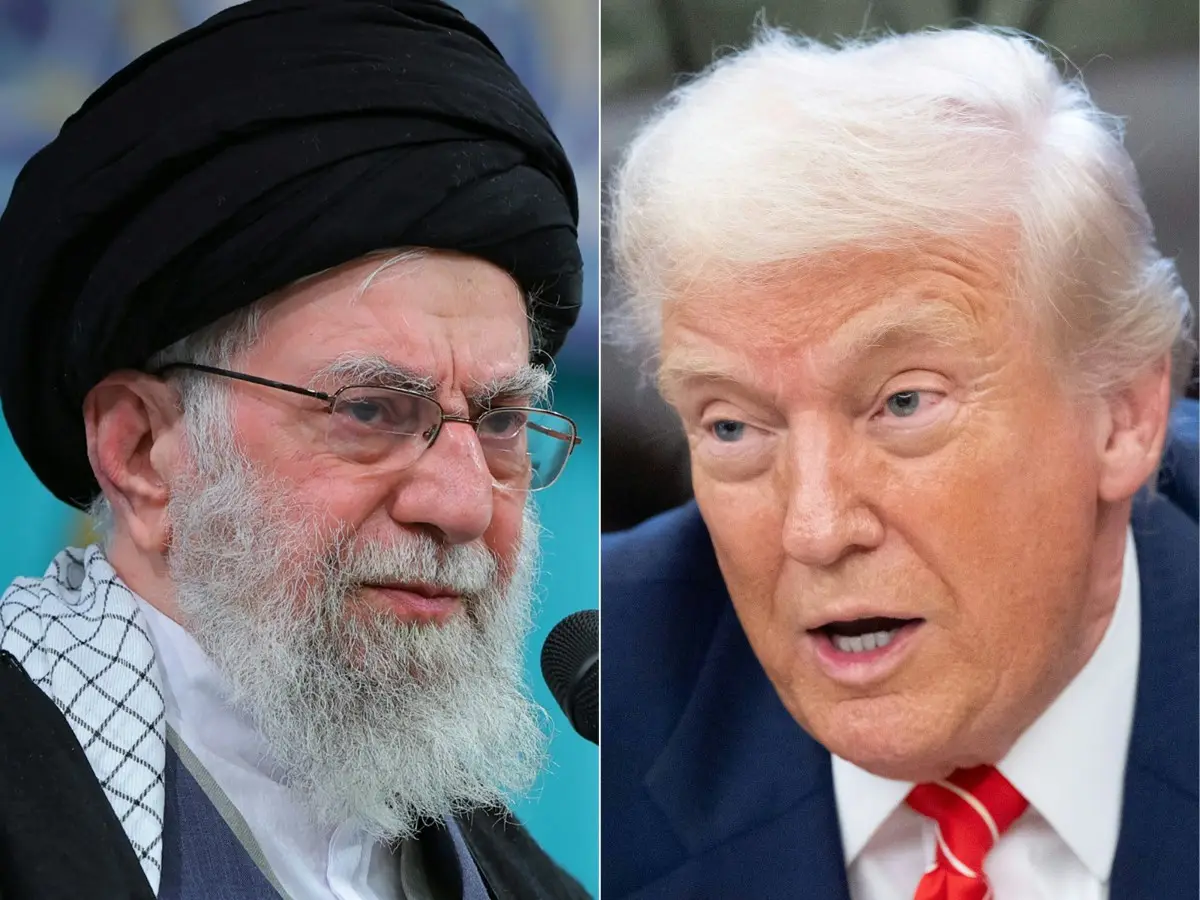
4. Systematic Dismantling of the "Axis of Resistance"
The US is prepared to launch a multi-front campaign against Iran's regional proxies. Defence Secretary Pete Hegseth has already warned that Iran will "pay for supporting Houthi attacks" in the Red Sea. A "weeks-long operation" would likely involve sustained air strikes on IRGC assets in Iraq, Syria, Lebanon, and Yemen, effectively isolating Tehran and stripping away its regional "forward defense" layers.
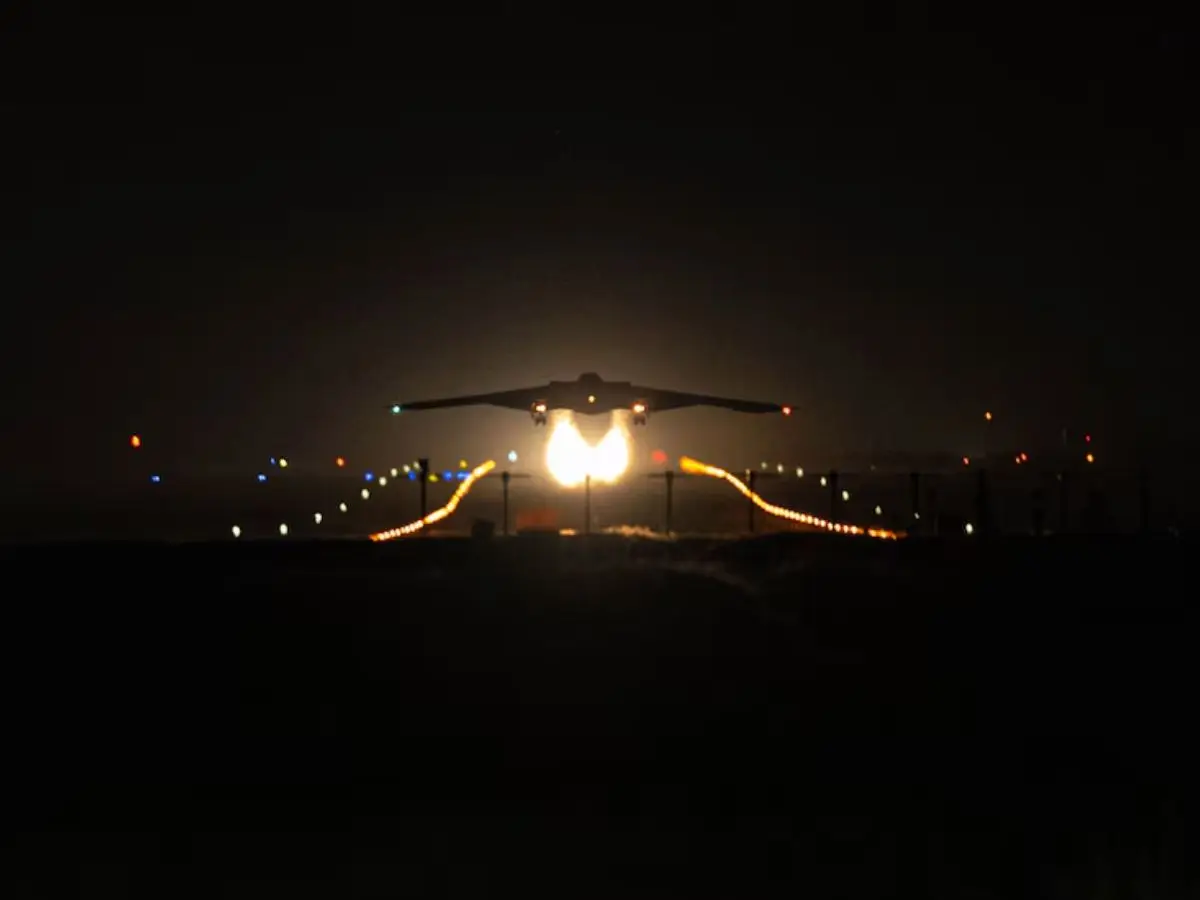
5. Cyber-Sabatoge and Grid Blackouts
Building on the daily rolling blackouts already plaguing Iran, US Cyber Command is reportedly ready to deploy "Next-Gen Stuxnet" level attacks. These would target Iran's aging electrical grid, water infrastructure, and communication networks. The goal is to maximize internal chaos, making it impossible for the regime to coordinate its security forces or its "Axis" allies during a kinetic conflict.
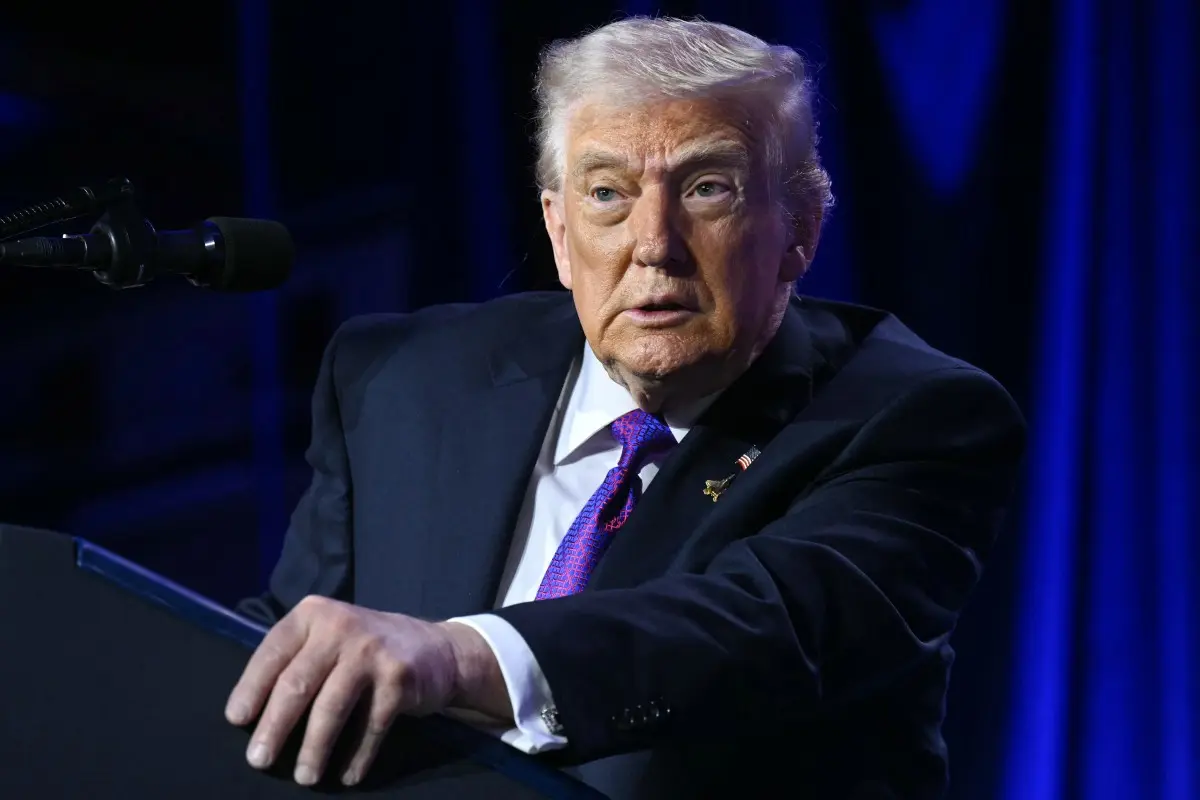
6. Special Operations: Raids on Missile Silos
Instead of just high-altitude bombing, reports suggest that US Special Operations forces could be deployed for "hit-and-run" raids. These high-risk missions would target mobile ballistic missile launchers and drone factories—the "swarm" weapons that Iran has used to threaten U.S. ships. Destroying these on the ground prevents the "hell gates" retaliation promised by IRGC General Salami.
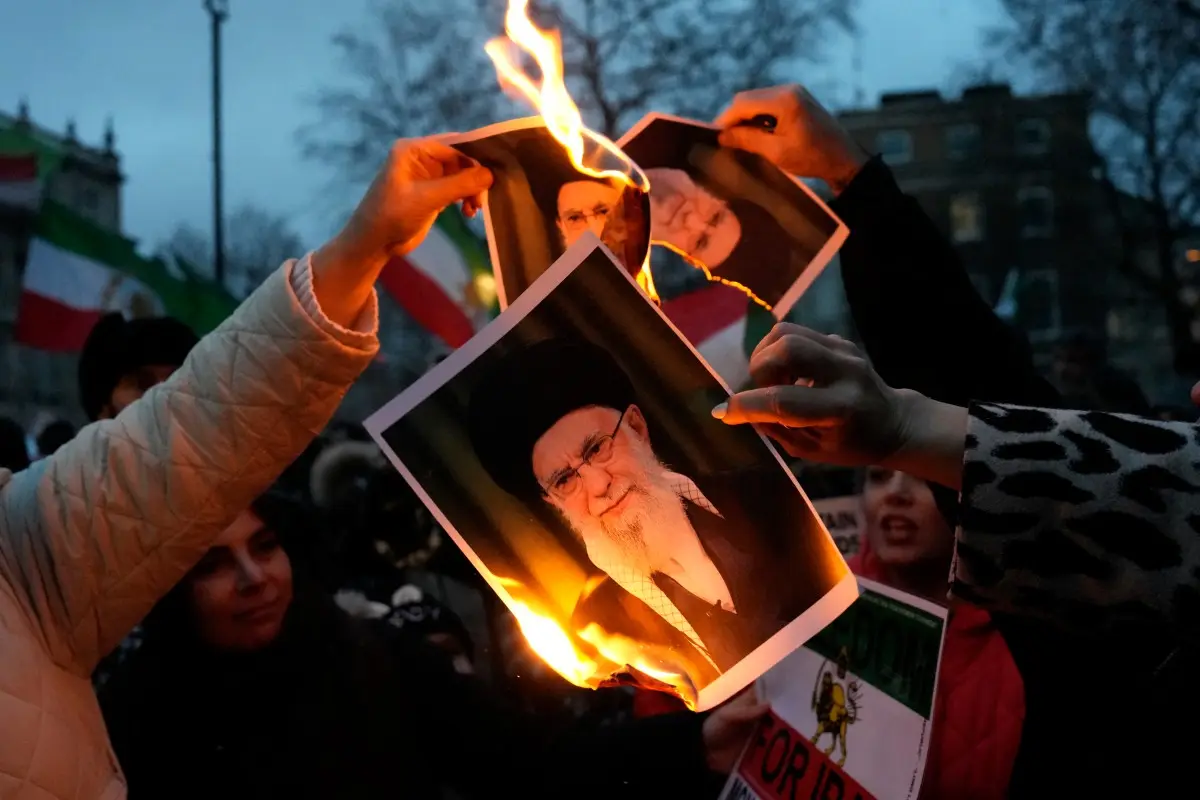
7. The "Surrender or Change" Ultimatum
Trump’s final "attack" is psychological and political. By demanding a deal that includes the total dismantling of nuclear enrichment and the missile program, he has set a bar for "Strategic Submission." If the regime refuses, the "massive armada" is authorised to fulfill its mission with "speed and violence." Trump has publicly stated that a "change in power would be the best thing," suggesting that regime collapse is no longer just a side effect, but a primary goal.
)
)
)
)
)