‘War at -40°C’: What are the most critical weapons soldiers use during arctic combat?

Fighting in the Arctic requires specialized weaponry that can function when standard oil turns to glue and steel becomes brittle. Weapons like the C-19 rifle with oversized triggers and the Tor-M2DT missile system for deep snow.
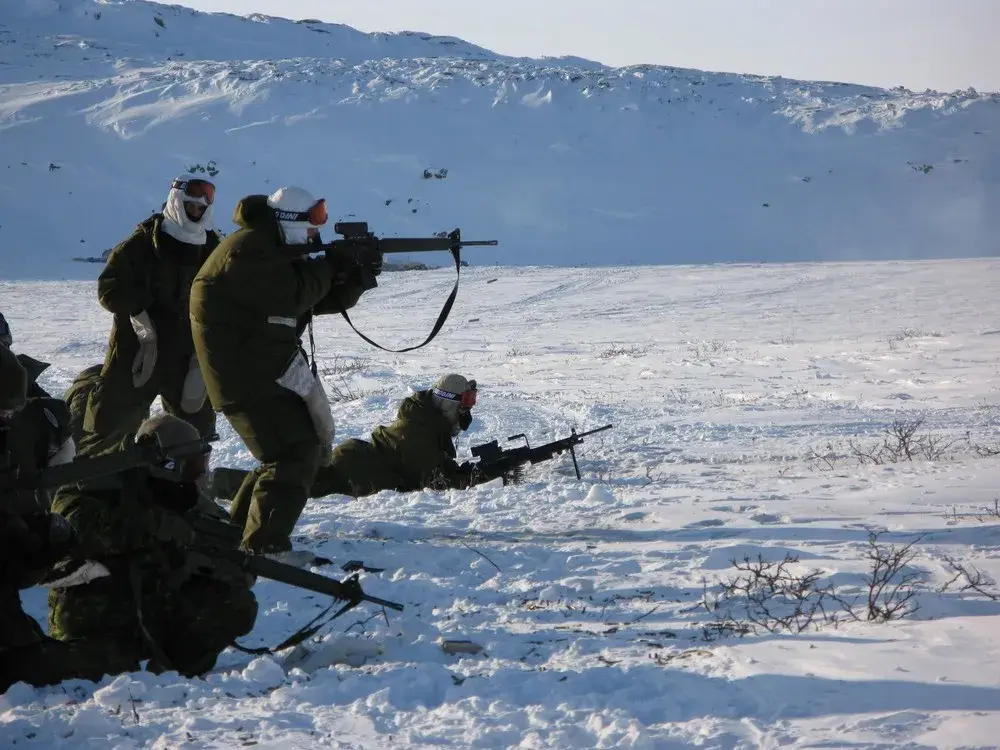
The C-19 Ranger Rifle Built for heavy mittens
The Canadian Rangers use the C-19 rifle, designed with an oversized trigger guard and bolt handle specifically for soldiers wearing thick Arctic mittens. Unlike standard semi-automatics, its manual bolt-action mechanism is far less likely to freeze or jam in temperatures below -50 degrees Celsius.
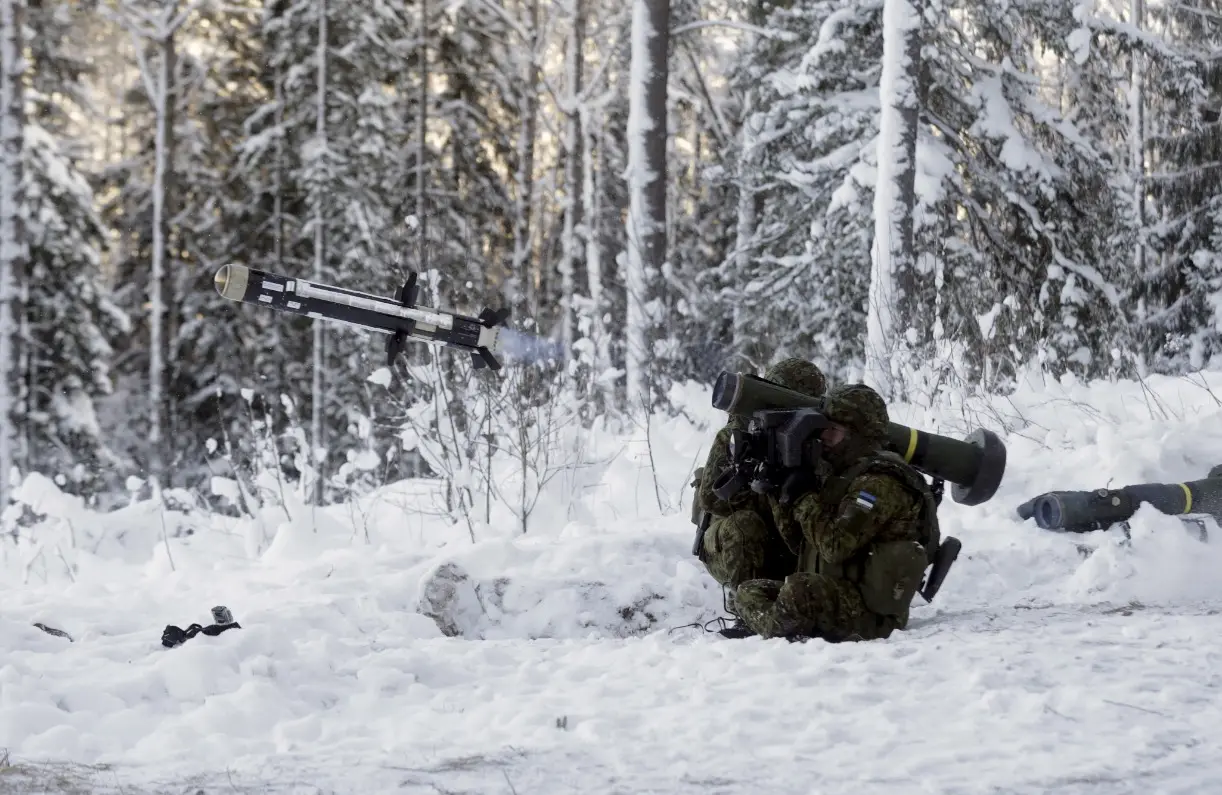
The Javelin Missile Warhead against the cold
Infantry use the FGM-148 Javelin to stop vehicles on frozen terrain, but the weapon's battery unit is its weak point in the cold. Soldiers must carry the Command Launch Unit batteries inside their jackets against their skin, as sub-zero air drains power in minutes.
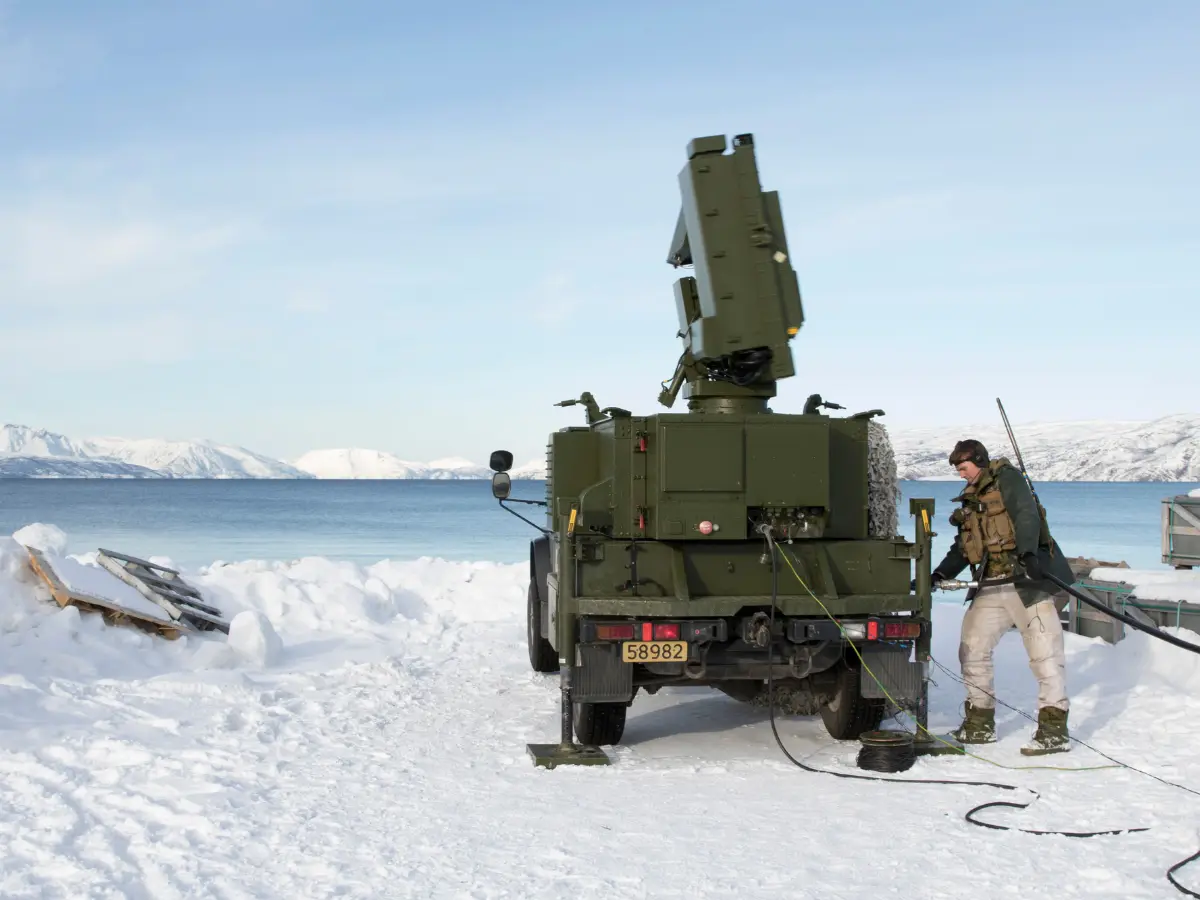
Tor-M2DT System
Russia deploys the Tor-M2DT, a surface-to-air missile system mounted on a DT-30 dual-section tracked vehicle unique to the Arctic. This distinct design allows the heavy weapon system to ‘float’ over deep snow and swamps that would trap standard wheeled launchers.
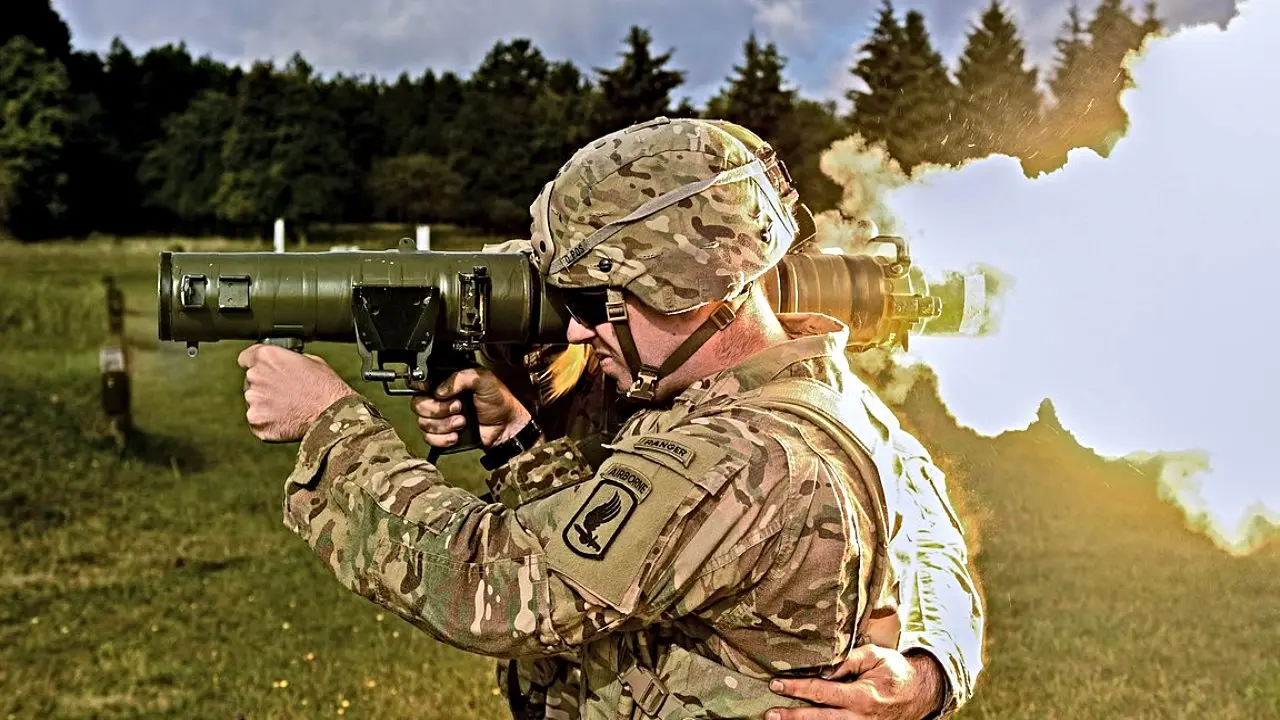
Carl Gustaf Recoilless Rifle Firepower on skis
The Carl Gustaf 84mm is a critical asset for Arctic troops because it is lightweight enough to be carried by soldiers moving on skis. It provides heavy anti-armour capability without the logistical nightmare of hauling heavy guided missile systems through snowdrifts.
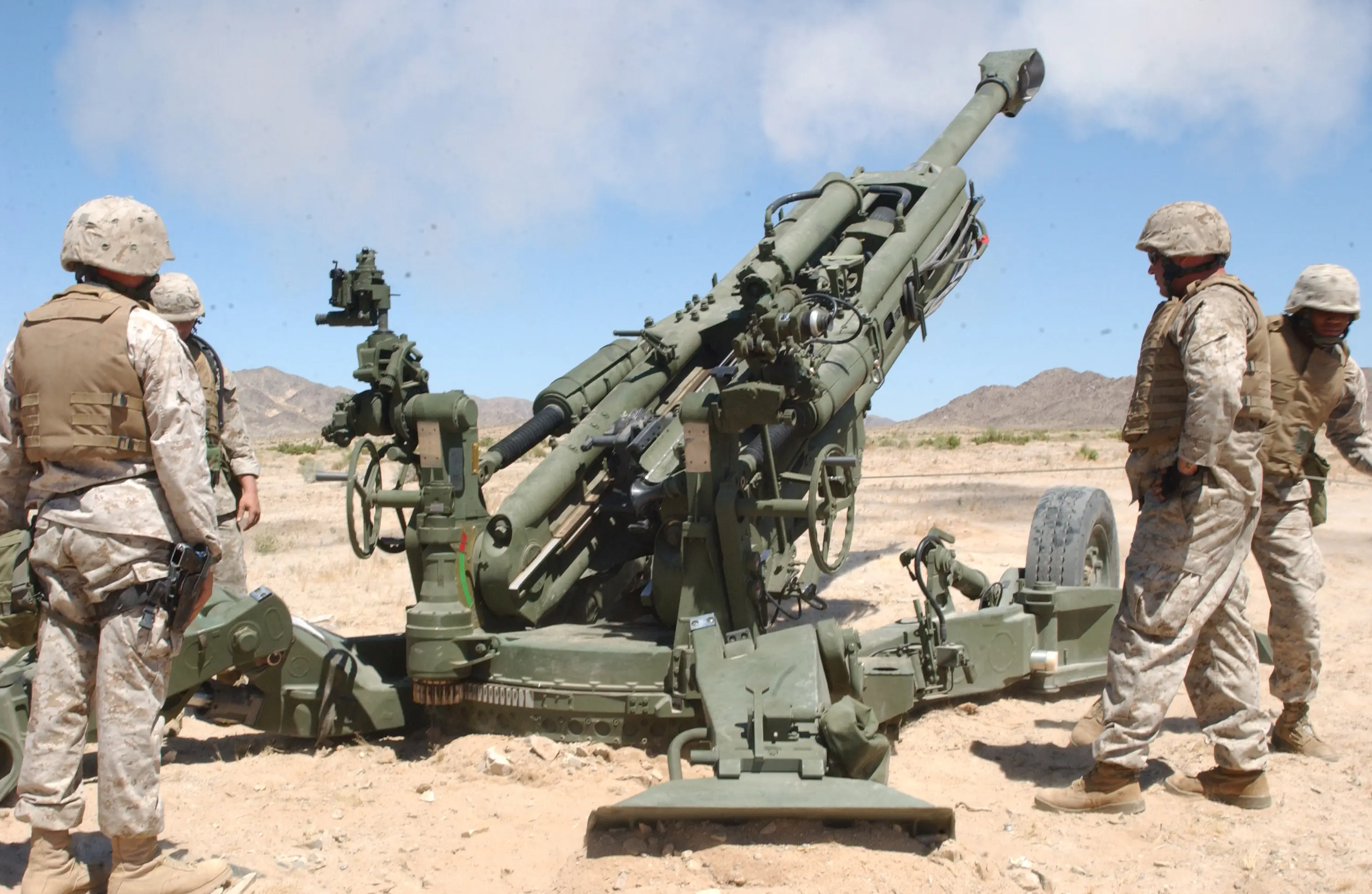
M777 Lightweight Howitzer Adjusting for dense air
Artillery crews use the M777 howitzer, but they must use special firing tables because cold, dense Arctic air significantly alters the trajectory of shells. Soldiers also use heaters on the hydraulic systems to prevent the fluid from thickening and rendering the gun inoperable.
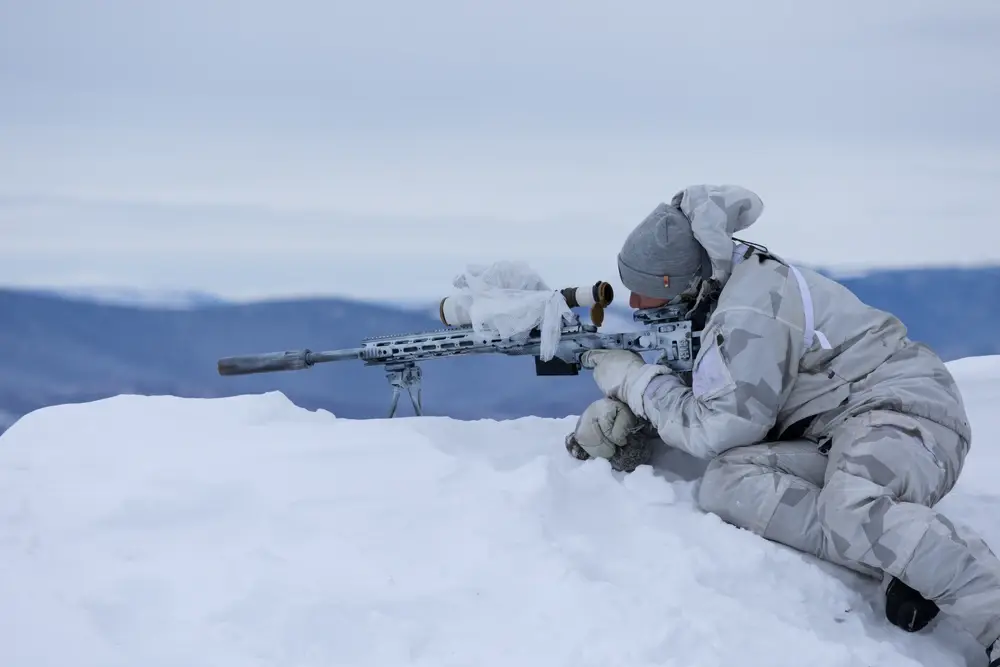
Sniper Systems (L115A3) Graphite instead of oil
Arctic snipers, such as the British Royal Marines, rely on bolt-action rifles lubricated with dry graphite powder rather than liquid oil. At extreme temperatures, standard gun oil freezes into a sticky glue that stops the weapon from firing, making dry lubrication essential for survival.
)
)
)
)
)