'Voyager 1’s Pulsars': The cosmic GPS guiding humanity’s farthest probe

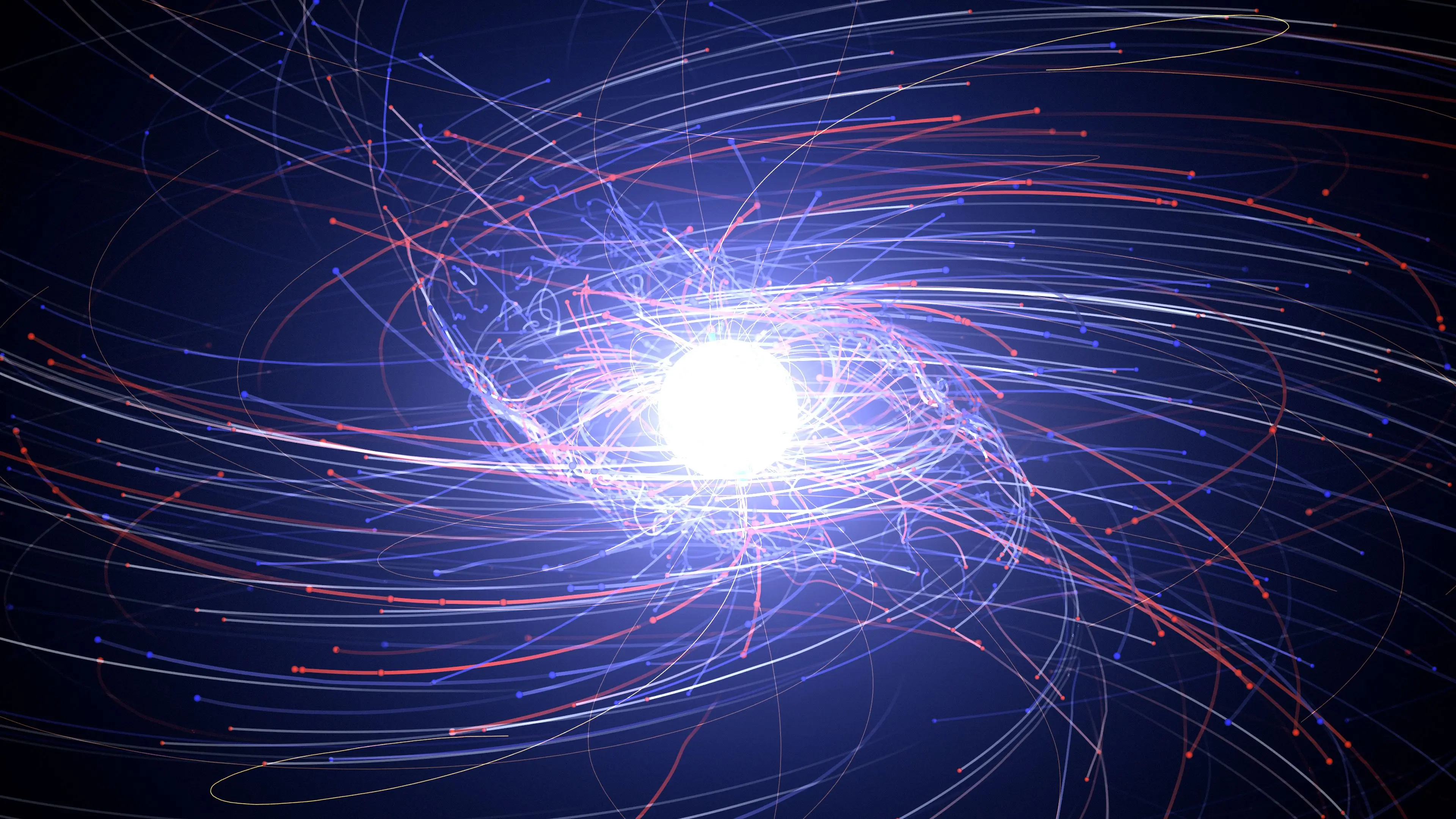
Pulsars are the remnants of massive stars that collapsed into neutron stars after supernova explosions. They spin at incredible speeds, emitting beams of radio waves and X-rays like cosmic lighthouses. Their pulses are so regular that scientists compare them to the ticking of an atomic clock.
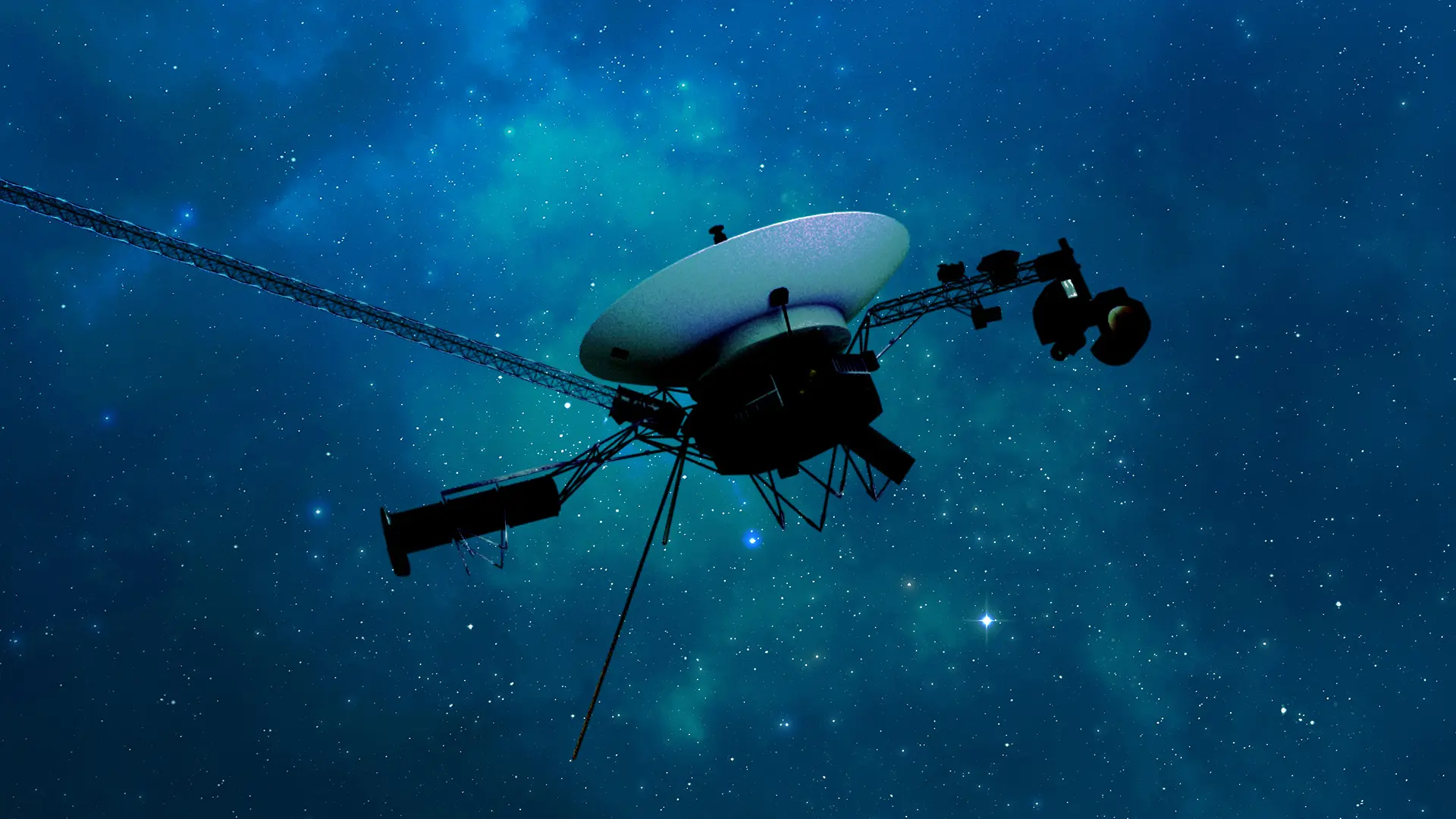
Voyager 1 and Its Celestial Map
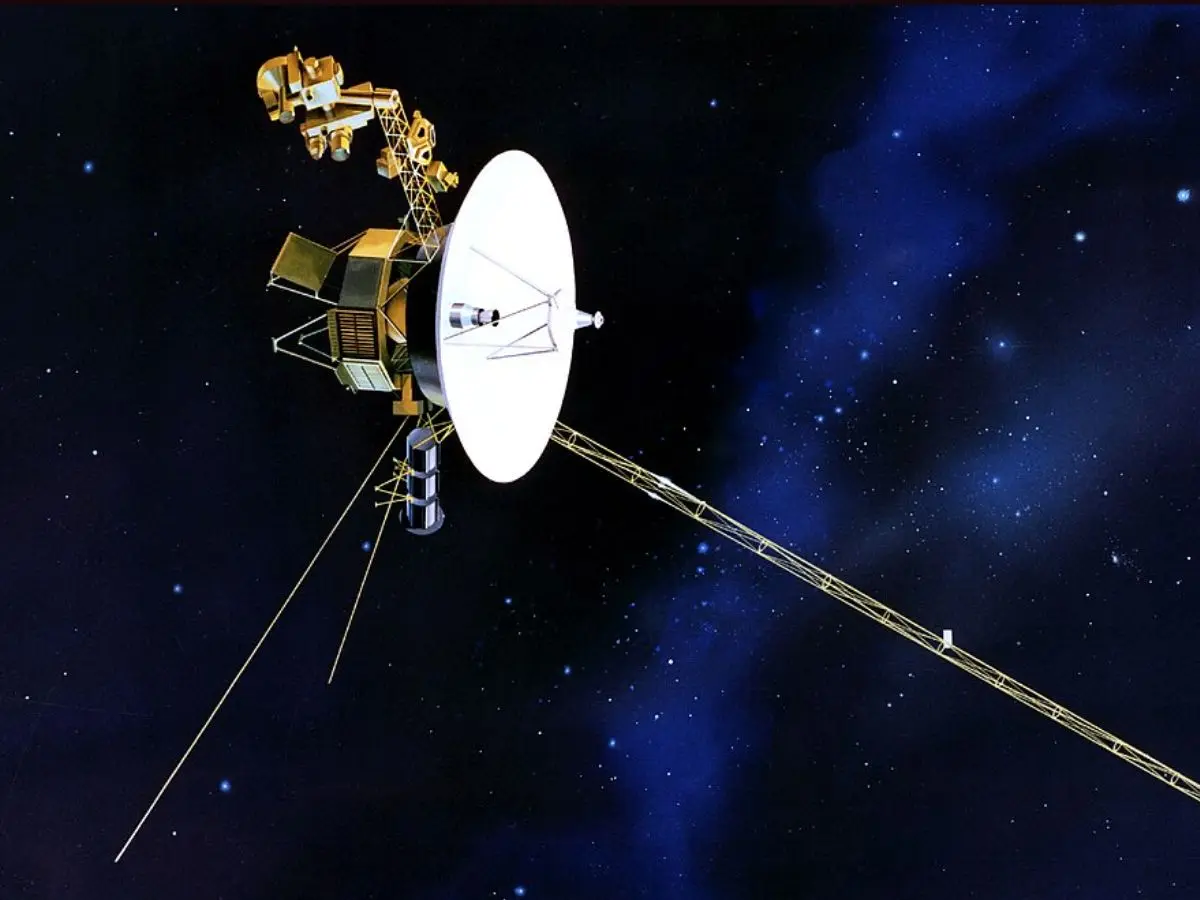
Launched in 1977, Voyager 1 carries a Golden Record and a unique map etched onto its cover. This map uses pulsars, rapidly spinning neutron stars, as cosmic landmarks to point the way back to Earth for any intelligent beings who might find it.
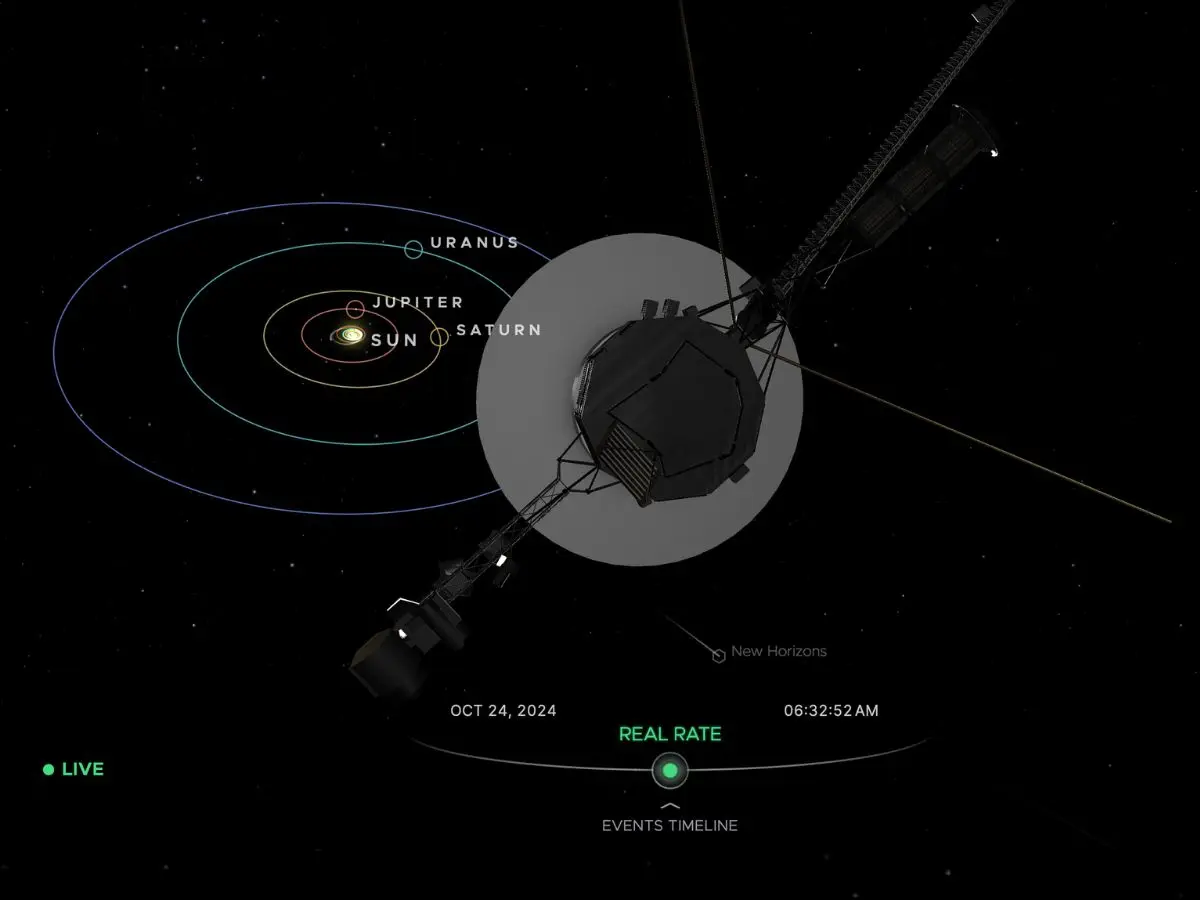
What Are Pulsars?
Pulsars are the remnants of massive stars that collapsed into neutron stars after supernova explosions. They spin at incredible speeds, emitting beams of radio waves and X-rays like cosmic lighthouses. Their pulses are so regular that scientists compare them to the ticking of an atomic clock.
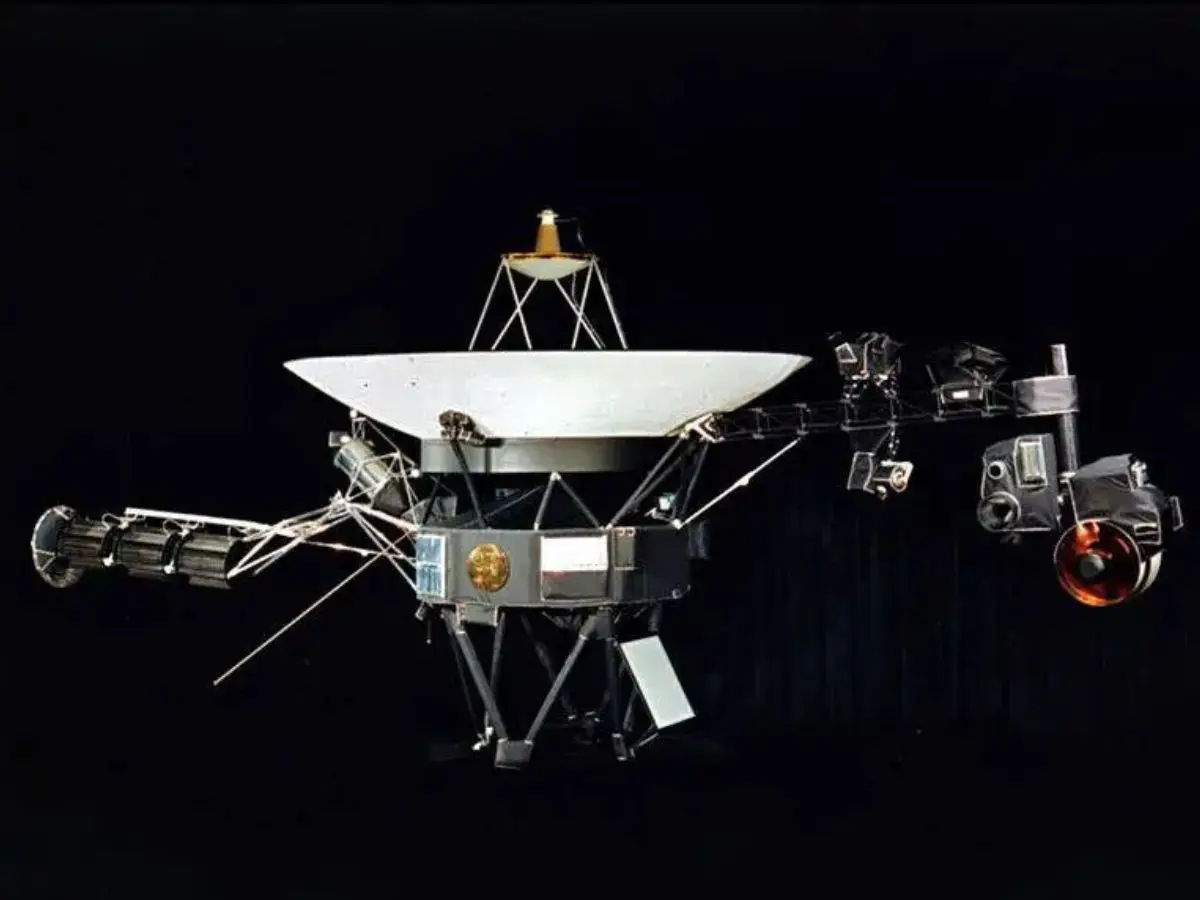
Why Pulsars Work as GPS
Just as GPS on Earth uses satellite signals to calculate your location, pulsars can be used for navigation in deep space. Because each pulsar has a unique “fingerprint”, its rotation period and pulse signature, they can be identified from anywhere in the galaxy.
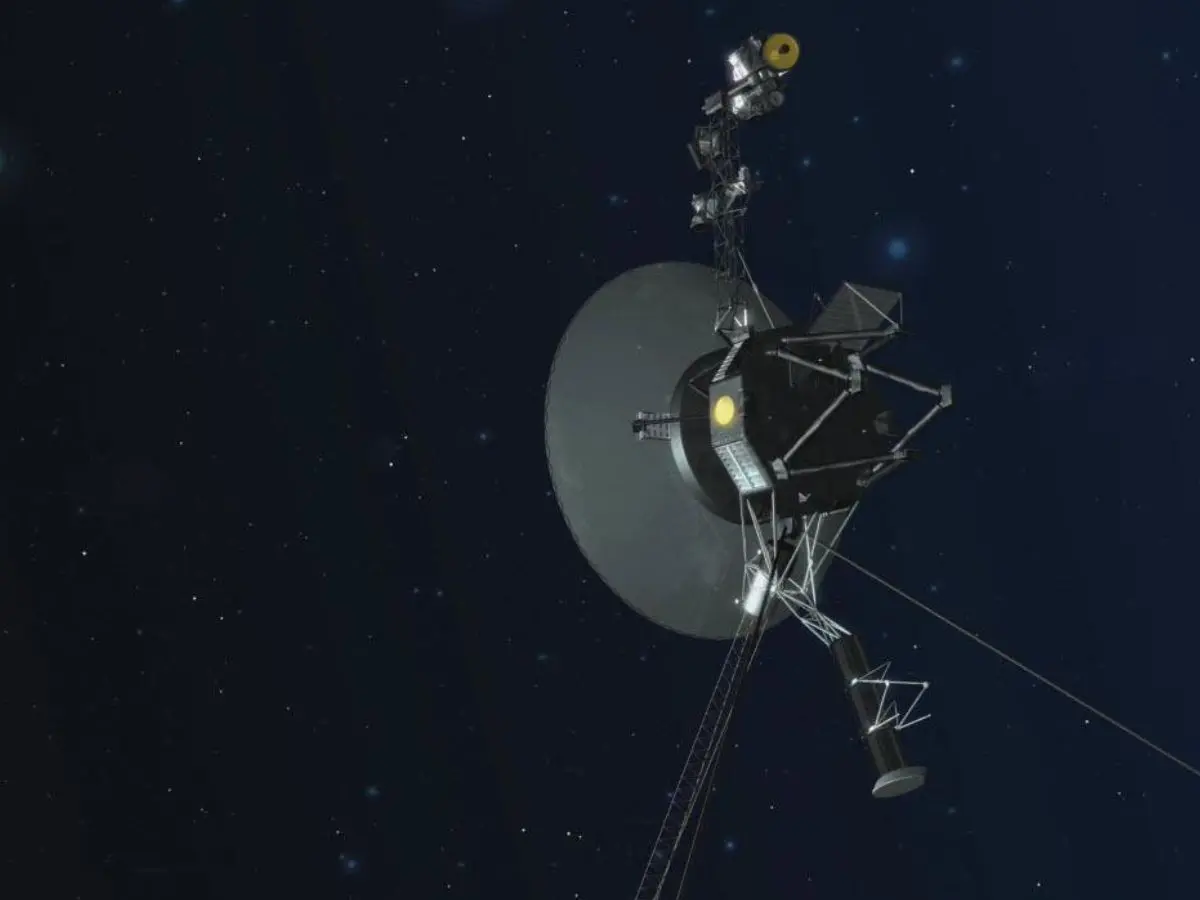
The Golden Record’s Pulsar Map
On Voyager’s Golden Record cover, NASA engraved a pulsar map showing 14 pulsars around the Sun. Each pulsar is drawn with its period encoded in binary. If an extraterrestrial civilisation finds Voyager, they could trace the signals back to locate our solar system.
Precision Across the Universe
The pulses from neutron stars are so stable that even tiny changes can be detected over millions of years. This makes them reliable cosmic GPS markers, allowing scientists or alien astronomers, to pinpoint Voyager’s origin with astonishing accuracy.
Why Pulsars Are Timeless Beacons
Unlike planets or stars that move significantly over cosmic timescales, pulsars spin steadily for millions of years. Even as they slow down, their gradual changes can be calculated. That means Voyager’s pulsar map could still work for civilisations millions of years in the future.
Humanity’s Galactic Address
By embedding pulsars as reference points, Voyager carries humanity’s “cosmic home address” across the stars. Whether or not aliens ever find it, the pulsar map shows how humans cleverly used the universe’s own beacons to announce our presence.
)
)
)
)
)