'Venezuela's neighbour': This country has made coca cultivation legal and its President was himself a farmer of it once

Bolivia's 'social control' policy for coca, known as the "coca yes, cocaine no" strategy, is an internationally recognised, non-violent model that allows registered farmers to grow a limited amount of coca leaf in authorised zones.
Introduction
The US capture of Venezuelan President Nicolás Maduro and his transfer to New York to face federal charges has renewed scrutiny of how Latin American states intersect with the global cocaine trade. A newly unsealed US Justice Department indictment accuses captured Venezuelan President of running a ‘corrupt, illegitimate government’ fueled by an extensive drug-trafficking operation that flooded the US with thousands of tons of cocaine. Maduro is charged alongside his wife, his son and three others. He is indicted on four counts: narco-terrorism conspiracy, cocaine importation conspiracy, possession of machine guns and destructive devices and conspiracy to possess machine guns and destructive devices.
A comparison that needs clarity
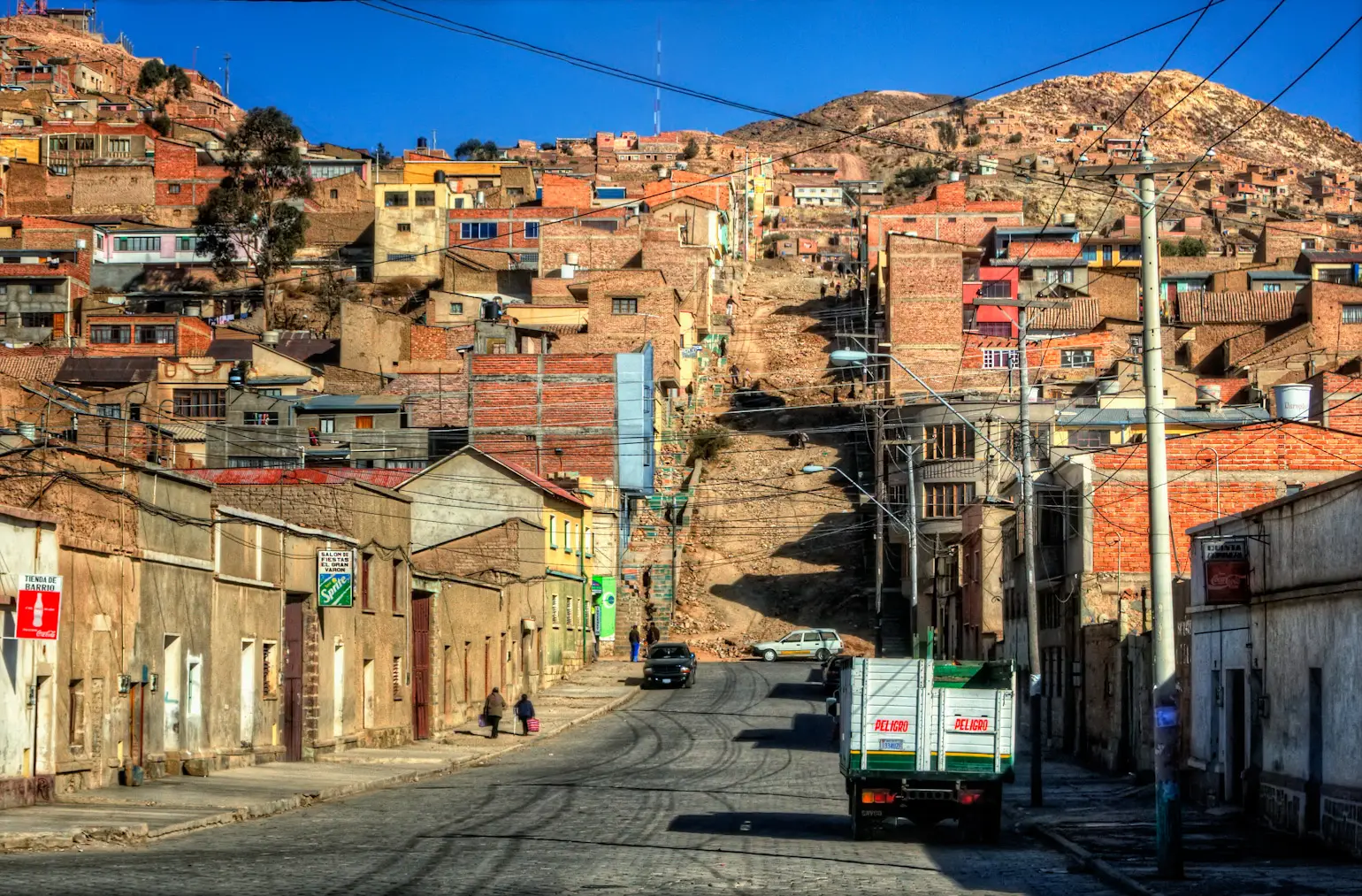
As Washington increasingly describes Venezuela as a 'narco-state', comparisons have emerged with neighbouring Bolivia, a country where coca cultivation is legal under state regulation. However, Bolivia’s approach differs fundamentally from the allegations levelled against Venezuela, particularly in how coca cultivation is distinguished from cocaine production. Bolivia's 'social control' policy for coca, known as the ‘coca yes, cocaine no’ strategy, is an internationally recognised, non-violent model that allows registered farmers to grow a limited amount of coca leaf in authorised zones.
Coca versus cocaine
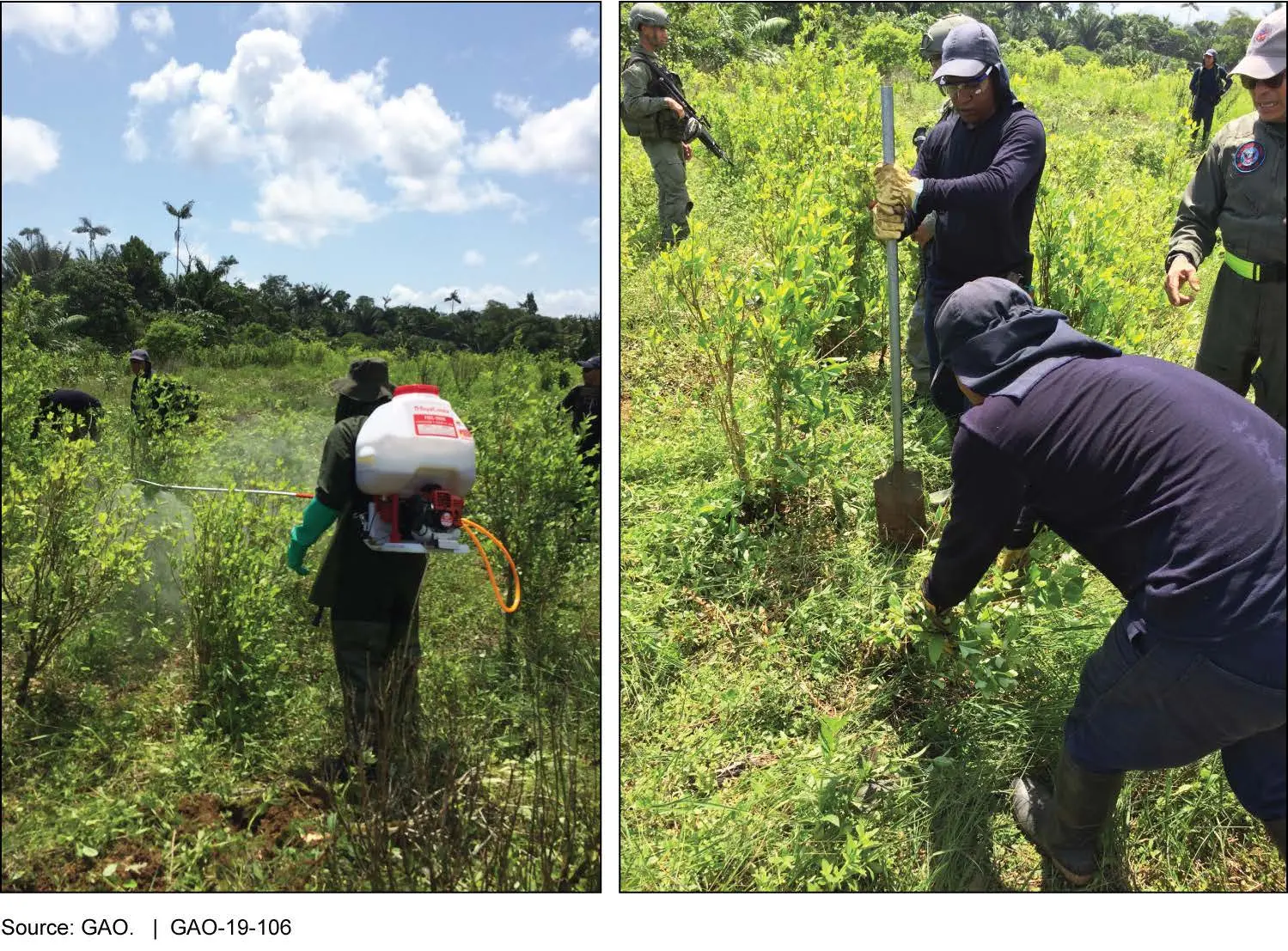
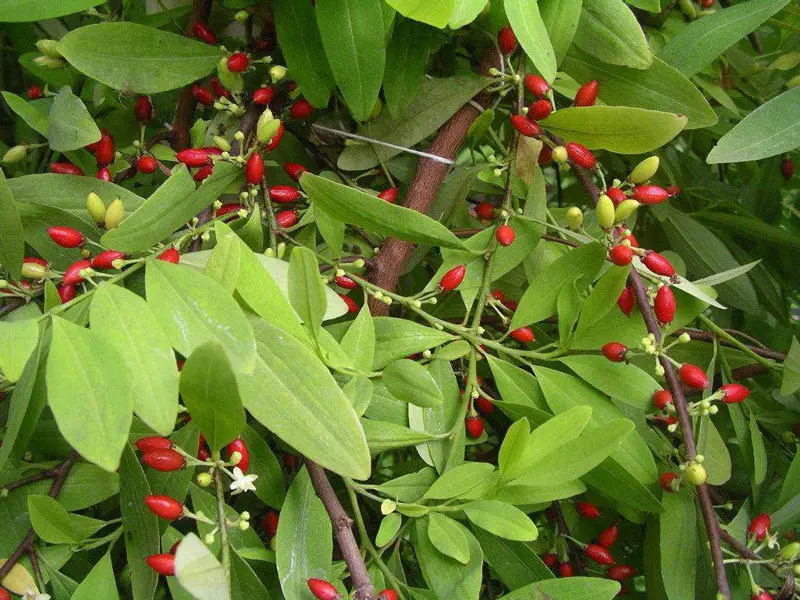
The country permits the cultivation and traditional use of the coca leaf, not cocaine. Coca has been chewed and brewed into tea for centuries by Indigenous Andean communities to reduce fatigue and counter altitude sickness. Under Bolivian law, the plant is recognised as cultural heritage, while cocaine production and trafficking remain illegal. However, according to the US government's Drug Enforcement administration museum, Colombia produce 70 to 80 per cent of the world's cocaine, which is made from locally grown coca plants and cocaine base imported from Peru and Bolivia.
Policy shift under Evo Morales
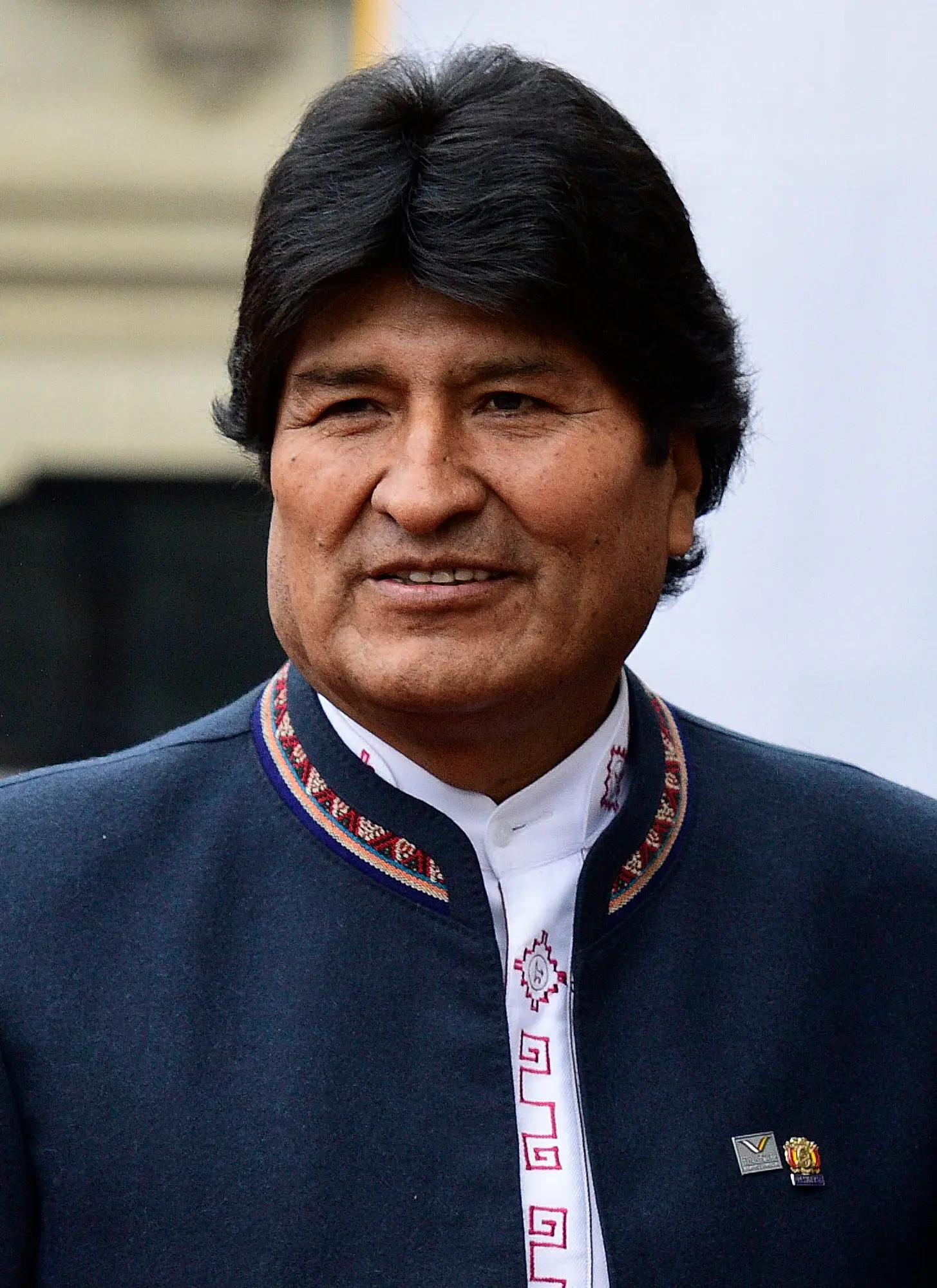
Bolivia’s coca policy took shape after Evo Morales, a former coca farmer and union leader, was elected president in 2006. Morales rejected the US-backed 'war on drugs', arguing that forced eradication harmed subsistence farmers without dismantling drug trafficking networks. Evo's government reframed coca cultivation as a regulated economic activity tied to livelihoods and cultural rights.
Regulation instead of eradication
Bolivia replaced forced eradication with a system known as 'social control', allowing farmers limited plots of coca monitored by growers’ unions and the state. In 2017, the government increased the legal coca cultivation limit to 22,000 hectares (roughly 54,000 acres) nationwide from the previous 12,000 hectares (30,000 acres) to regulate supply and support local farmers. This 2017 General Law of Coca also formalised rules governing cultivation, trade and consumption, creating a legal domestic market.
What the data shows
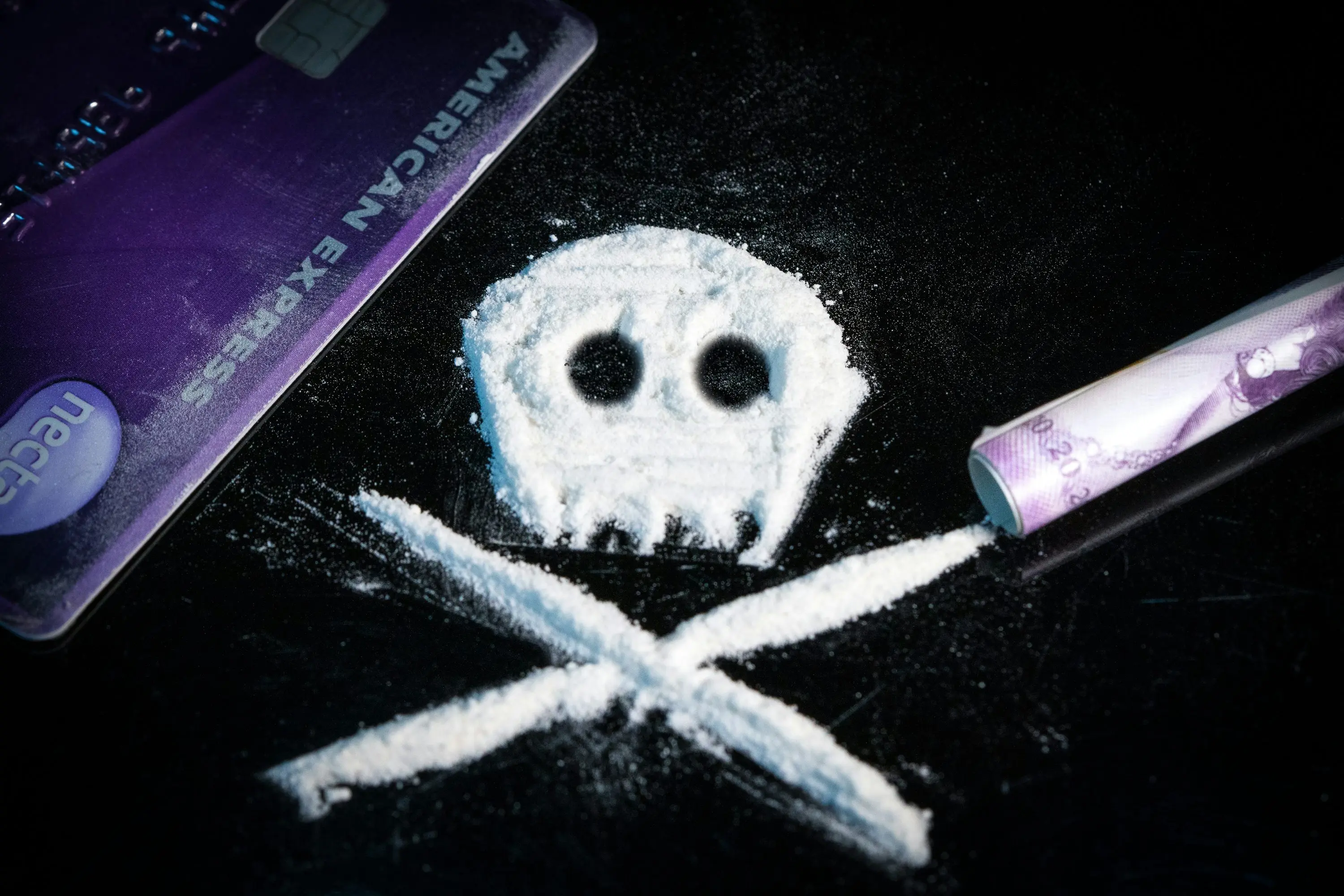
Coca cultivation is concentrated in three countries: Colombia, Peru and Bolivia. According to UN Office on Drugs and Crime 2024 report Bolivia recorded 34,000 hectares of coca cultivation, surpassing the 22,000-hectare legal limit set by the 2017 General Law of Coca. This marked an increase from 2023, when UNODC data showed coca cultivation at about 31,000 hectares nationwide.
International legal position
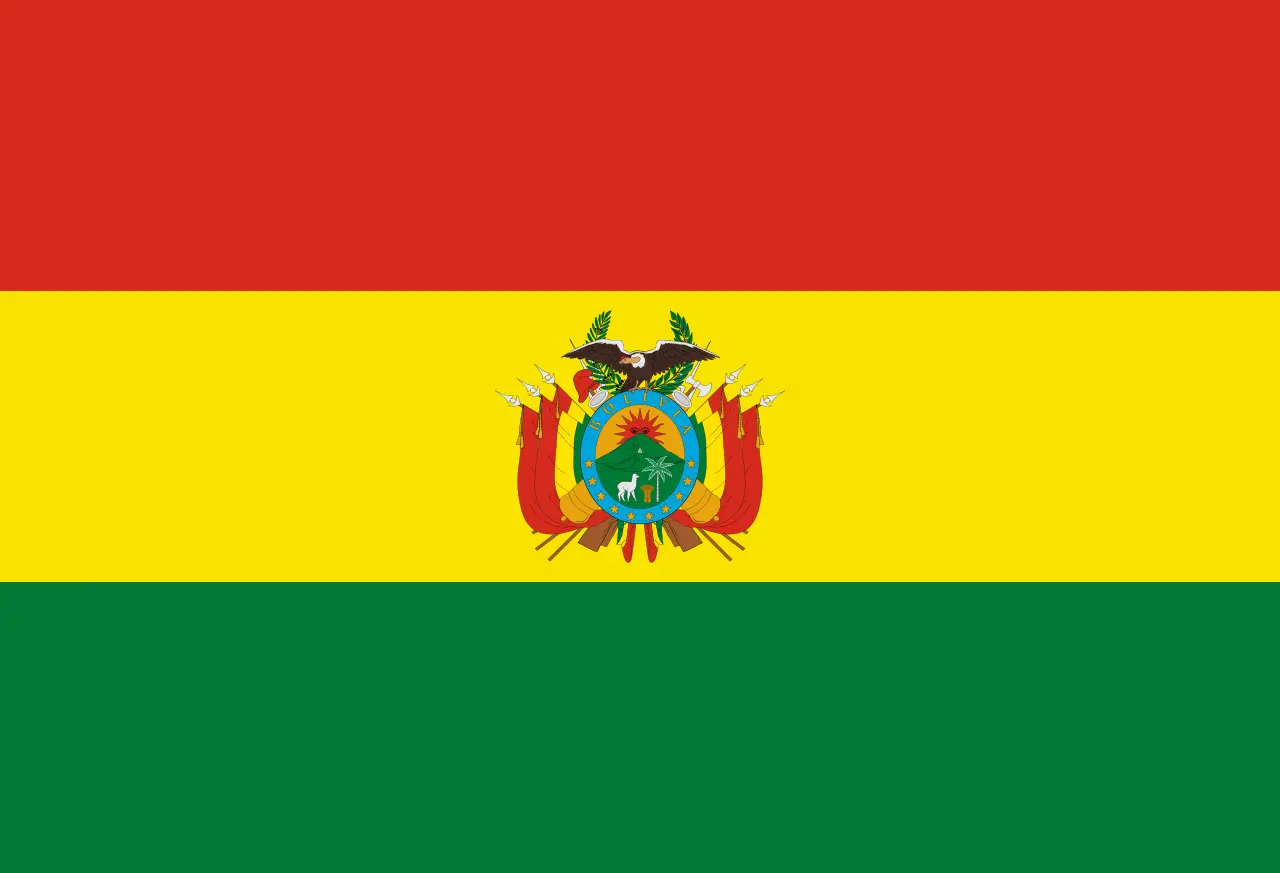
Bolivia’s stance conflicted with international drug conventions. In 2011, it withdrew from the UN Single Convention on Narcotic Drugs, rejoining in 2013 after securing an exemption allowing coca use within its borders. This move formalised Bolivia’s separation of traditional coca use from illegal cocaine trafficking.
Trafficking networks and regional roles
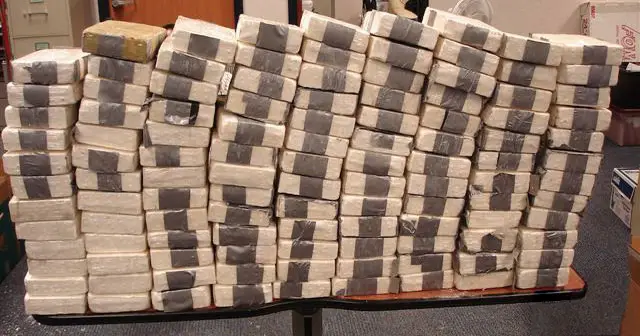
According to the US Drug Enforcement Administration Museum, Colombia remains the primary producer of illegal cocaine, with Peru, Bolivia and Chile supplying significant quantities of coca. Colombian-based drug cartels control most cocaine trafficking, processing coca from across these three region and shipping it worldwide.
)
)
)
)
)