'USS Abraham Lincoln to USS Theodore Roosevelt': Why are warships named after US presidents?

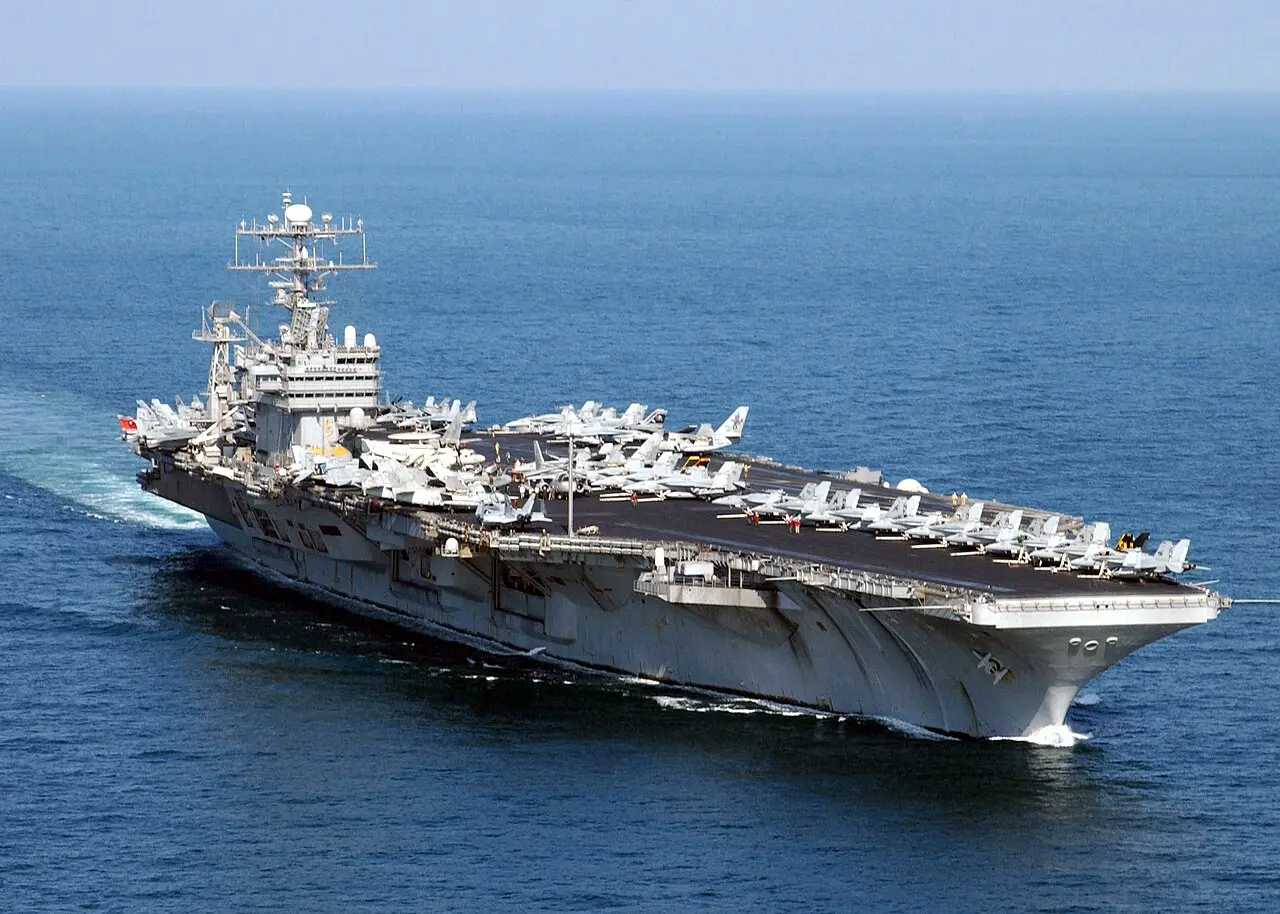
US warships carry presidential names to honour their role as Commander-in-Chief and project national strength. These floating tributes, from carriers like USS Abraham Lincoln to USS Theodore Roosevelt, symbolise American leadership and naval history.
Honouring the Commander-in-Chief
The US President holds the title of Commander-in-Chief of the armed forces, making it fitting to name capital ships in their honour. This tradition acknowledges their leadership and responsibility over the military. It serves as a permanent tribute to their service and influence on the nation's defence strategies.
A legacy of power
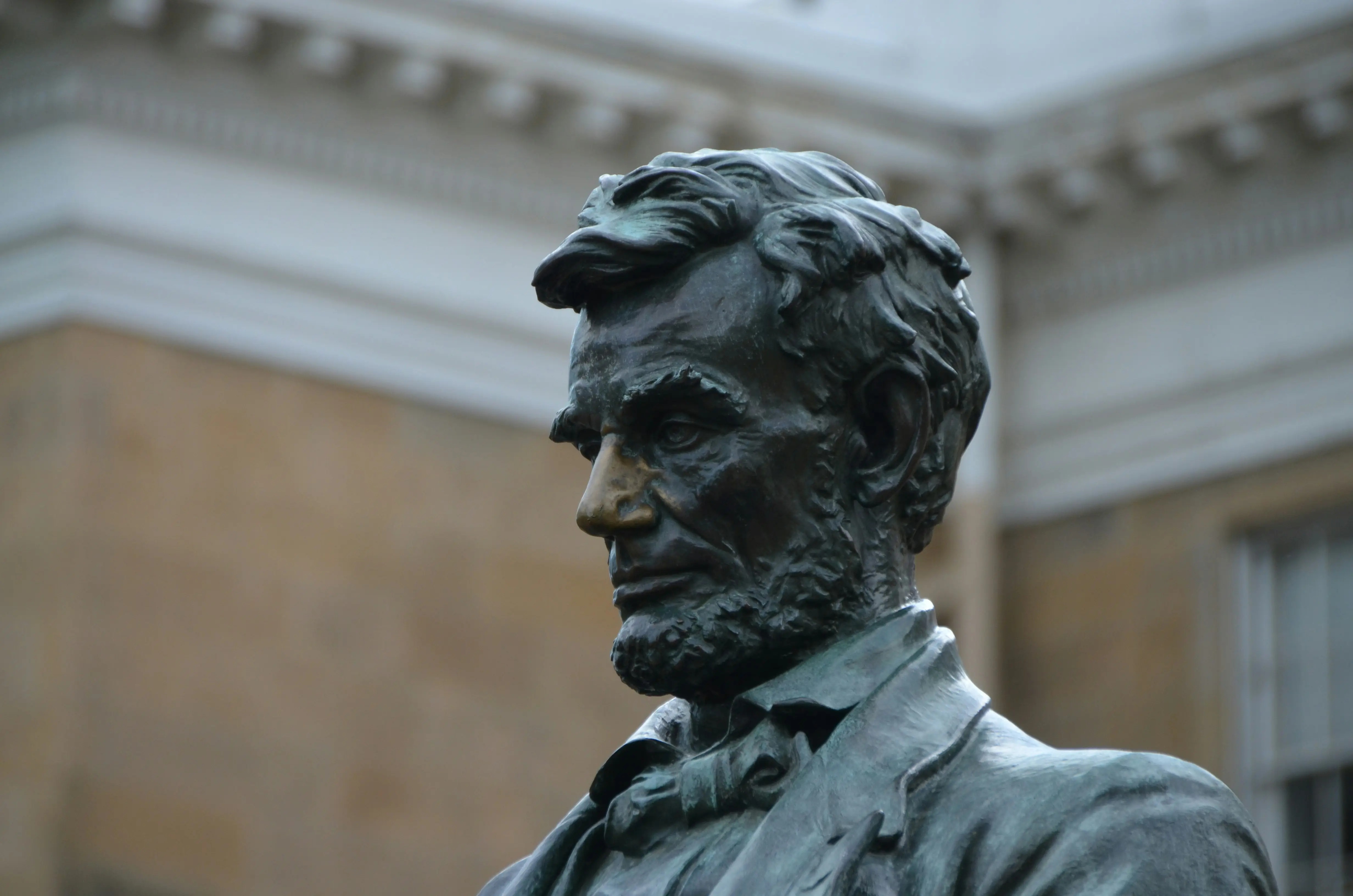
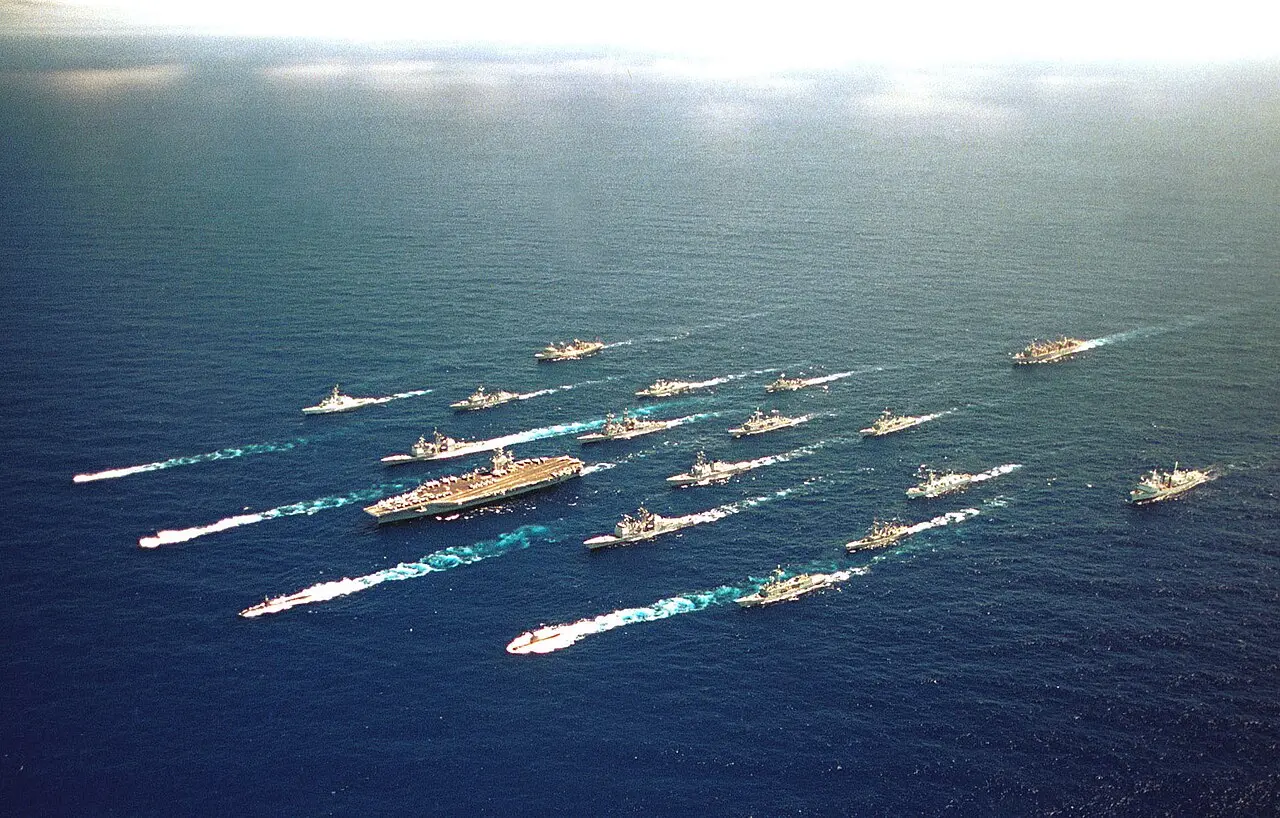
Aircraft carriers are often chosen for these names because they are the largest and most prestigious vessels in the fleet. Naming a carrier after a president reflects the immense responsibility they held in office. These ships, like floating cities, project US influence and diplomacy globally.
USS Abraham Lincoln
Commissioned in 1989, the USS Abraham Lincoln (CVN 72) is a Nimitz-class aircraft carrier honouring the 16th president. It played a significant role in various operations, including enforcing no-fly zones following the Gulf War and executing critical Pacific missions. The ship represents Lincoln's leadership during the Civil War and his effort to preserve the Union.
USS Theodore Roosevelt
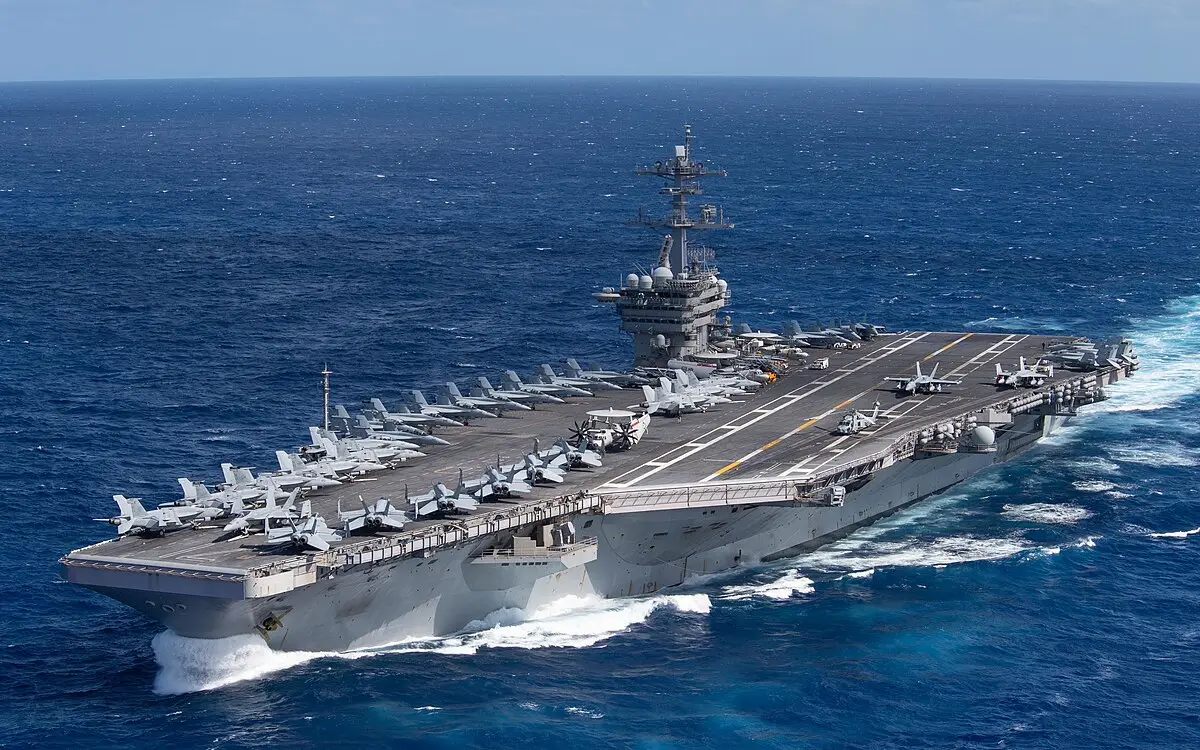
Known as the 'Big Stick', the USS Theodore Roosevelt (CVN 71) pays homage to the president who expanded US naval power. Roosevelt sent the 'Great White Fleet' around the world, establishing America as a global maritime force. This Nimitz-class carrier continues that legacy of projecting strength through sea power.
USS George Washington
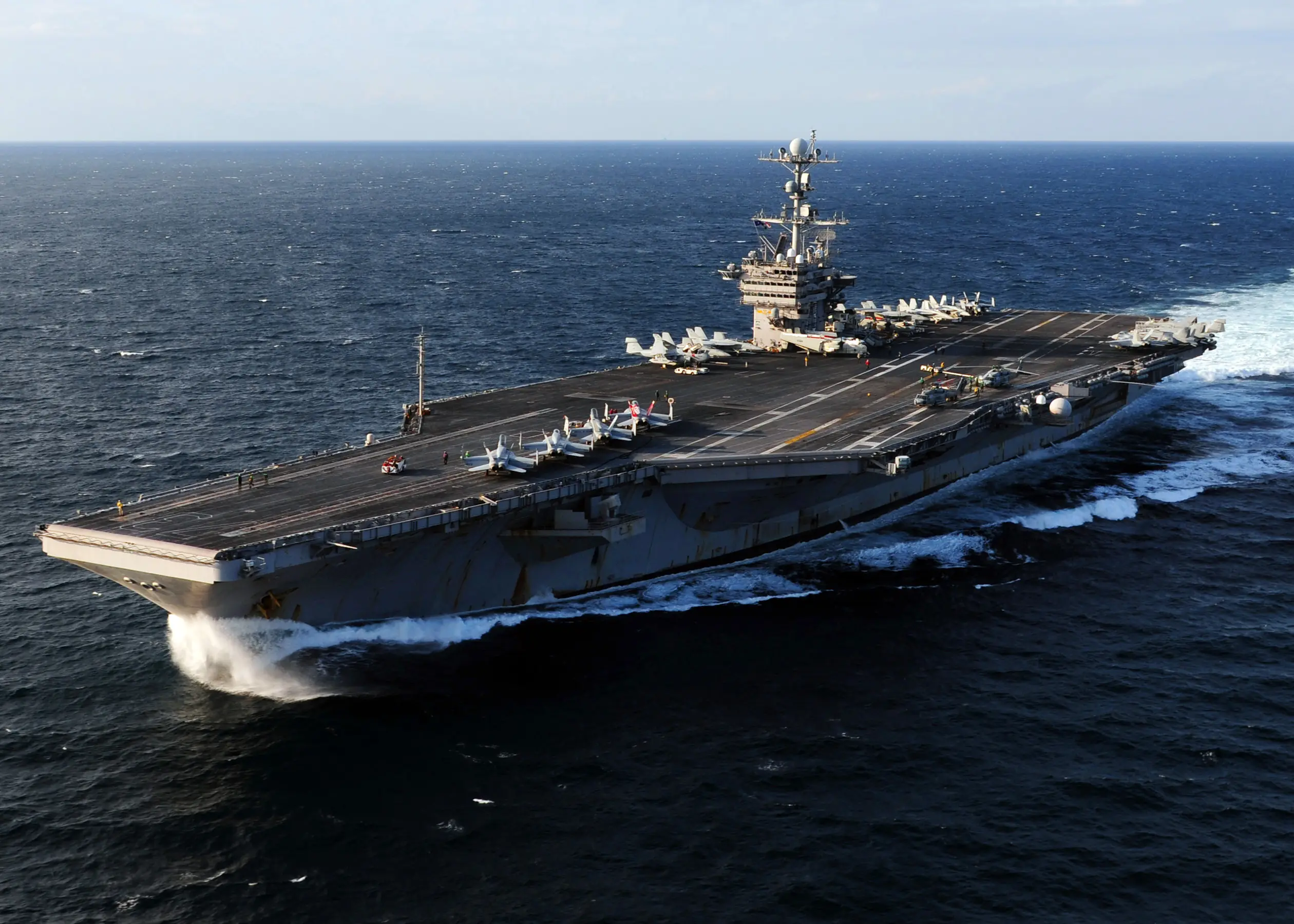
The USS George Washington (CVN 73) is named after the first US president and founding father. Commissioned on 4 July 1992, it was the first nuclear-powered carrier to be permanently forward-deployed in Japan. The vessel symbolises the birth of the nation and its enduring strategic partnerships.
USS Dwight D. Eisenhower
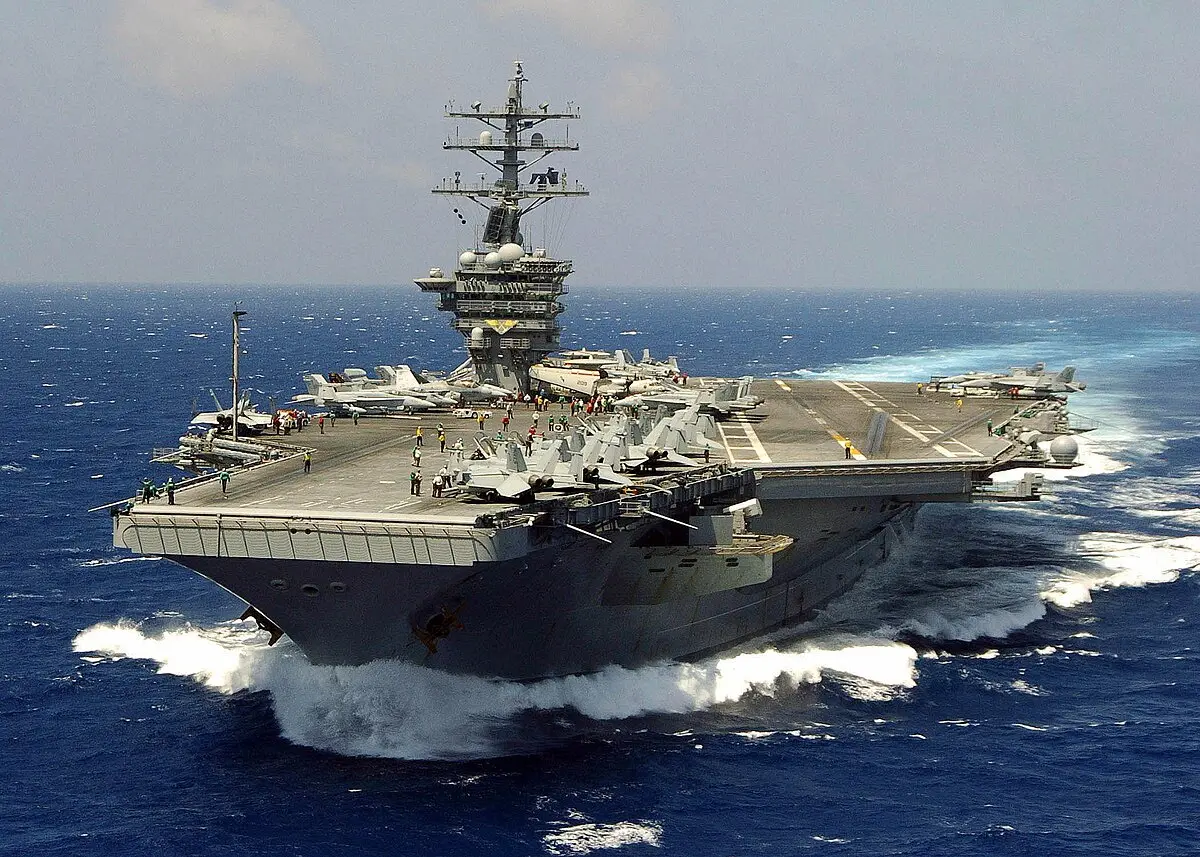
Named after the 34th president and five-star general, the USS Dwight D. Eisenhower (CVN 69) honours his military and political leadership. Eisenhower was instrumental in the Allied victory in Europe during World War II. The ship has seen extensive service in the Middle East and remains a key asset.
USS Gerald R. Ford
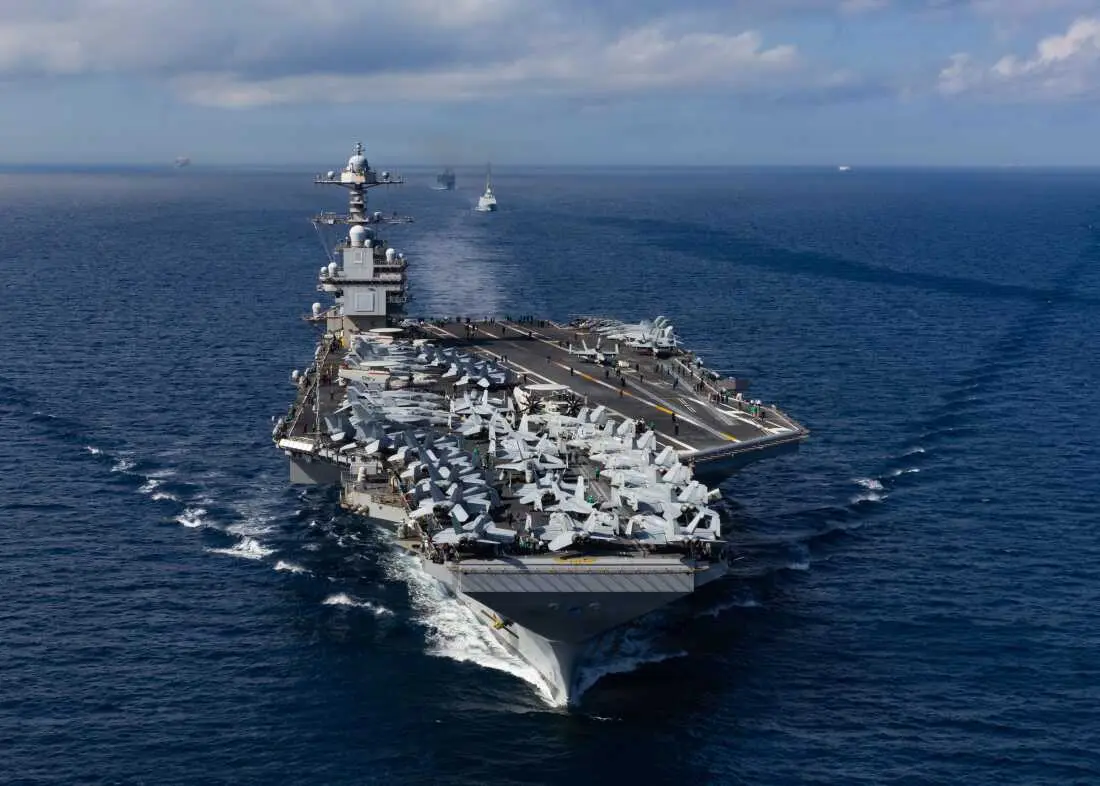
The lead ship of a new class of supercarriers, the USS Gerald R. Ford (CVN 78), represents a leap in naval technology. Commissioned in 2017, it honours the 38th president who served in the Navy during World War II. This vessel features advanced electromagnetic launch systems and enhanced operational capabilities.
The submarine exception
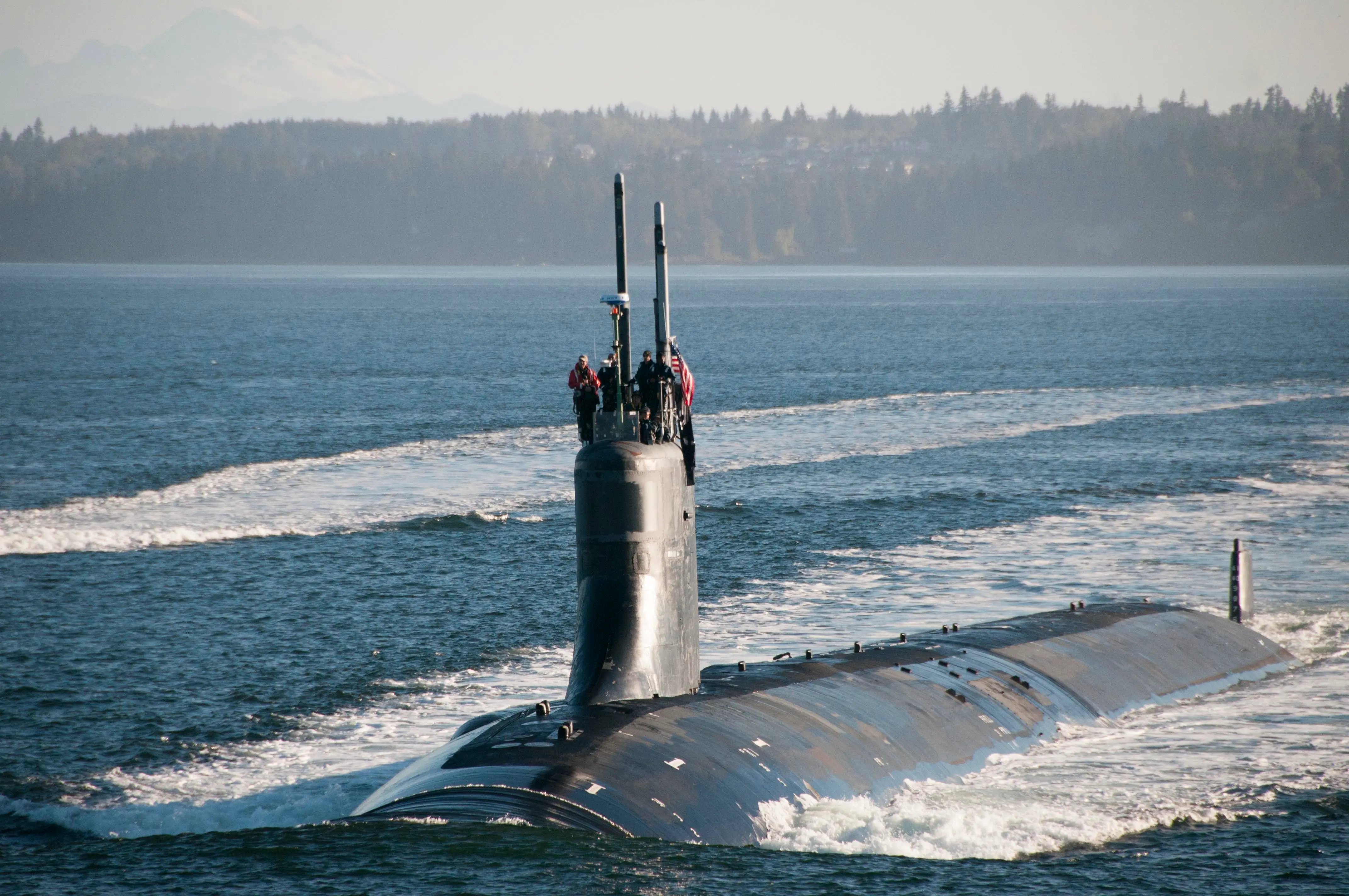
While most presidents adorn carriers, the USS Jimmy Carter (SSN 23) is a Seawolf-class submarine. Carter is the only US president to have qualified as a submariner, making this naming particularly apt. It is a highly specialised vessel designed for intelligence gathering and covert operations.
USS Ronald Reagan
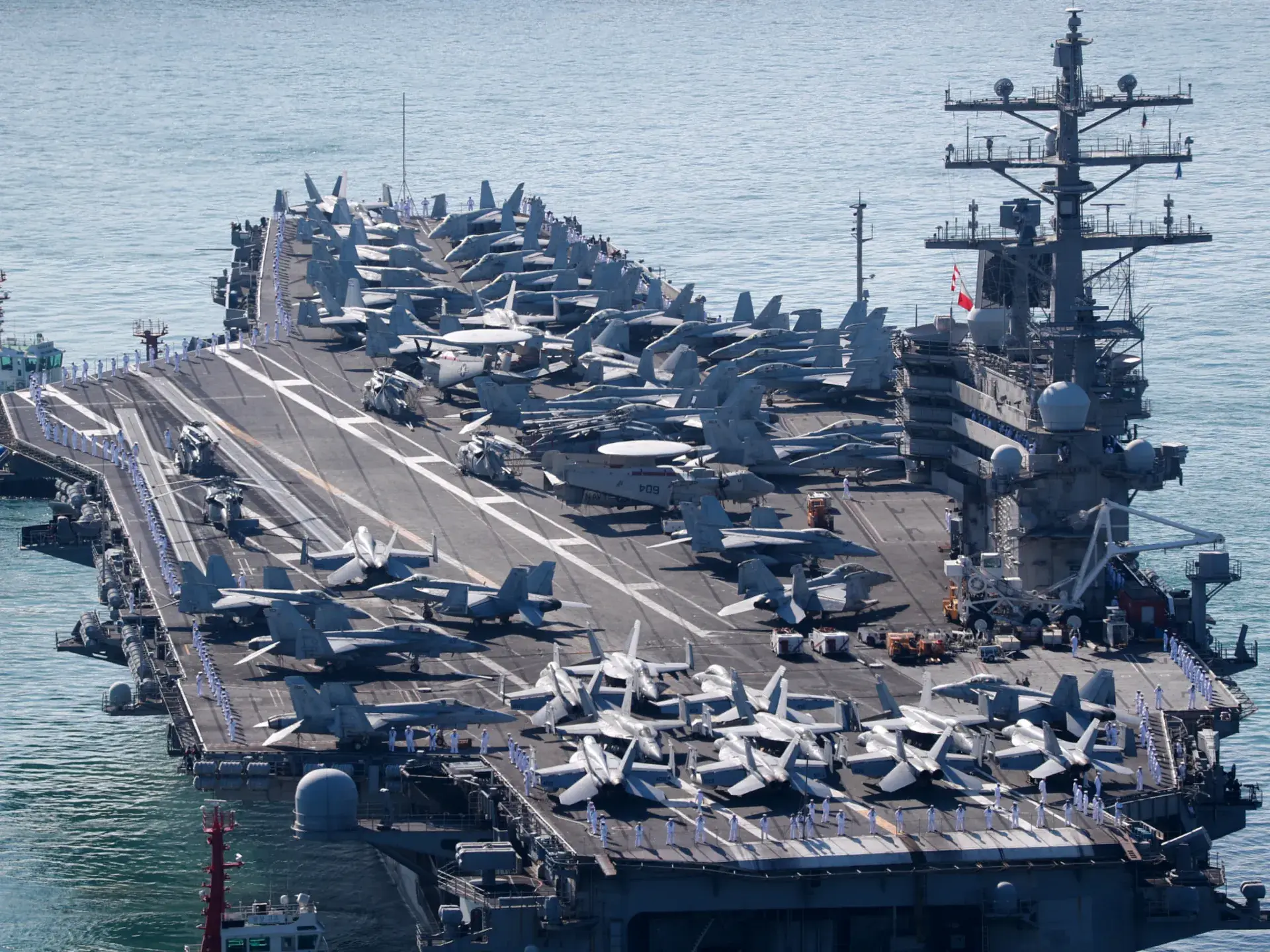
The USS Ronald Reagan (CVN 76) honours the 40th president, credited with rebuilding the US military in the 1980s. Its motto, 'Peace Through Strength', reflects Reagan's foreign policy philosophy during the Cold War. The carrier often operates in the Pacific, supporting regional stability and allies.
Symbols of diplomacy
These warships are more than military machines; they act as sovereign territory and diplomatic tools. When a ship like the USS Harry S. Truman arrives in a region, it signals US commitment and resolve. The names they bear remind the world of America's historical leadership and enduring values.
)
)
)
)
)