'USS Abraham Lincoln on move': How F-35 fighter jets could make Iran’s radar systems obsolete

The F-35C carries one of the most advanced electronic warfare (EW) systems ever designed, providing the pilot with a protective "electronic bubble."
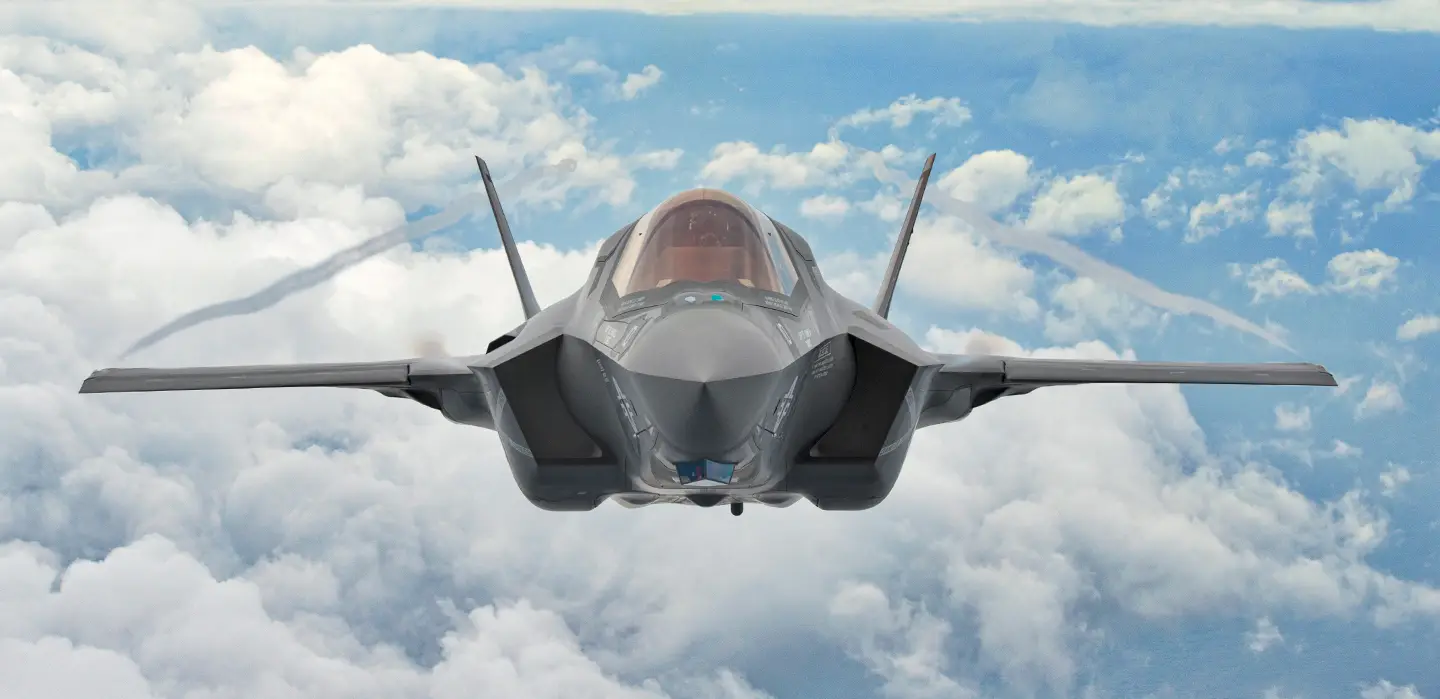
1. Low-Observable (LO) Shaping
The physical design of the F-35C is its first line of defense against traditional radar systems. Its airframe features aligned edges, internal weapons bays, and radar-absorbent materials (RAM) that combine to reduce its radar cross-section (RCS) to roughly the size of a metal marble. This design allows the jet to loiter within "red zones" without providing enemy SAM (surface-to-air missile) systems like the S-300 or Bavar-373 a "weapons-quality track," effectively making the aircraft invisible to the fire-control radars necessary to launch a successful attack.
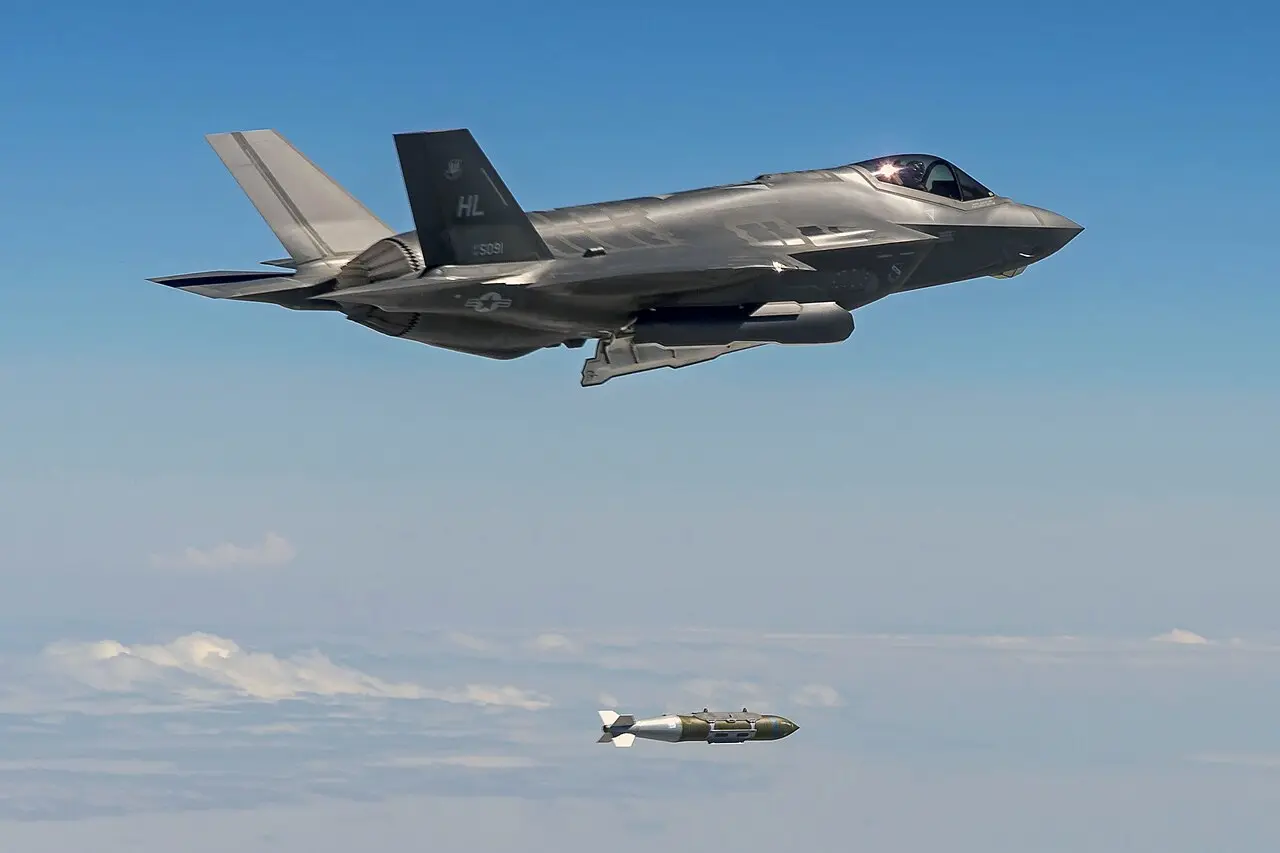
2. Active Electronically Scanned Array (AESA)
The AN/APG-81 radar on the F-35C is a revolutionary leap over traditional mechanically scanned radars. Unlike older systems that emit a steady, trackable beam, the AESA radar uses "frequency hopping" to scan the environment in nanoseconds, making its own signals nearly impossible for Iranian electronic support measures (ESM) to intercept or jam. This allows the pilot to "see" everything in the battlespace while remaining electronically quiet themselves, preserving their stealth profile while actively gathering intelligence.
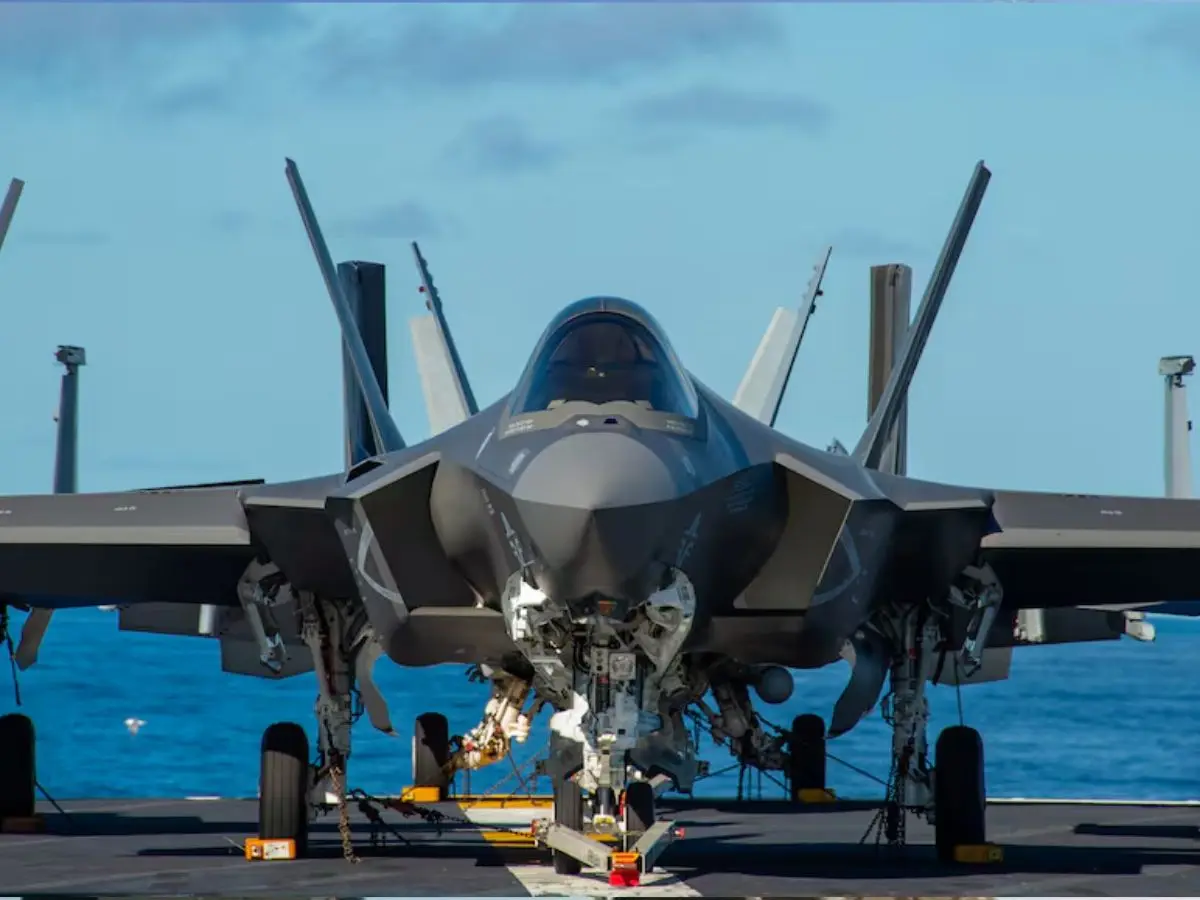
3. Revolutionary Sensor Fusion
Sensor fusion acts as the "brain" of the F-35C, integrating data from every onboard sensor into a single, intuitive tactical picture. Instead of a pilot having to interpret separate radar, infrared, and electronic warfare screens, the jet's computer correlates all data automatically, identifying threats and targets with 360-degree awareness. This enables the Lincoln's pilots to make split-second decisions that would overwhelm operators using traditional, non-integrated cockpits found in 4th-generation fighters.
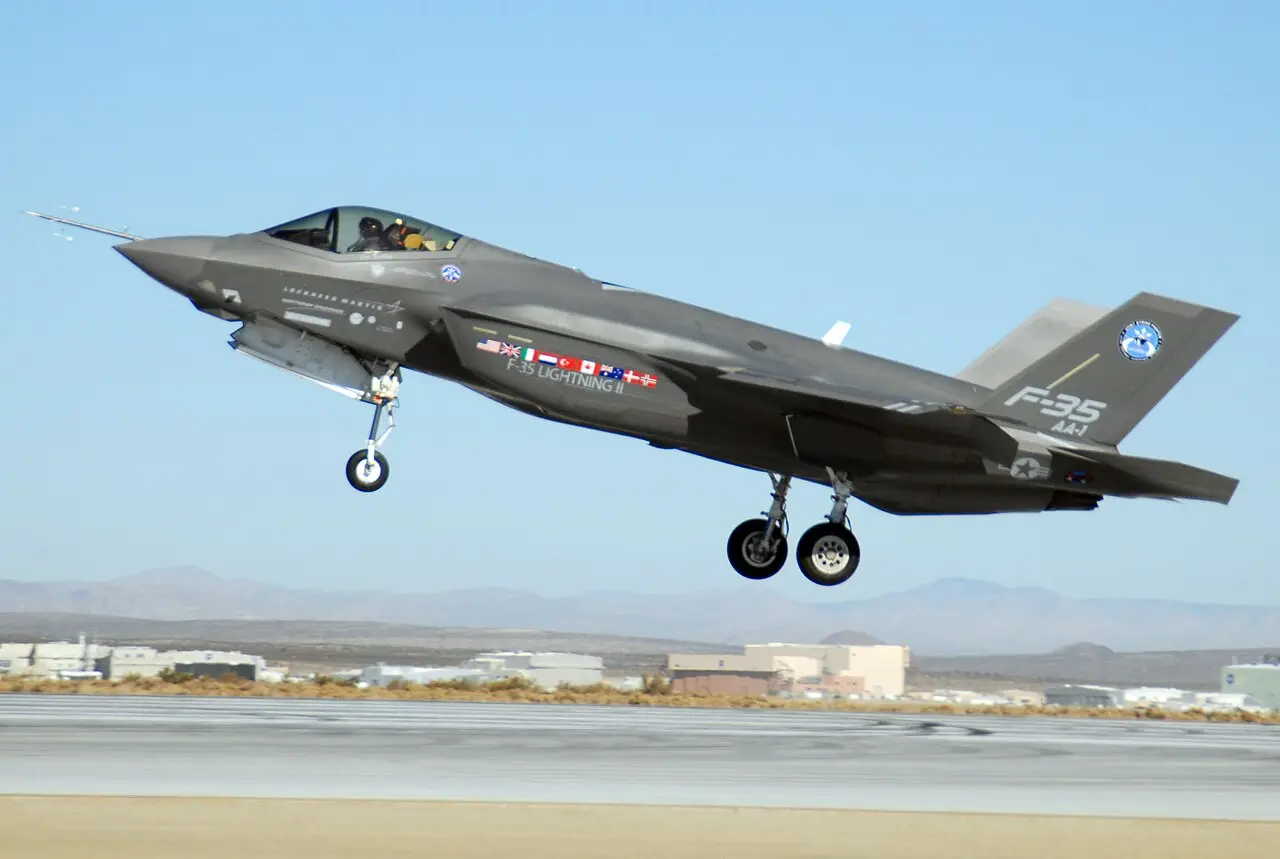
4. AN/ASQ-239 Electronic Warfare Suite
The F-35C carries one of the most advanced electronic warfare (EW) systems ever designed, providing the pilot with a protective "electronic bubble." This suite can detect, categorise, and jam enemy radar emissions simultaneously, allowing the jet to suppress enemy air defences (SEAD) without firing a single missile. By the time an Iranian radar site realises a "ghost" is nearby, the ASQ-239 has often already neutralised its ability to lock onto any US or allied aircraft in the vicinity.
5. Distributed Aperture System (DAS)
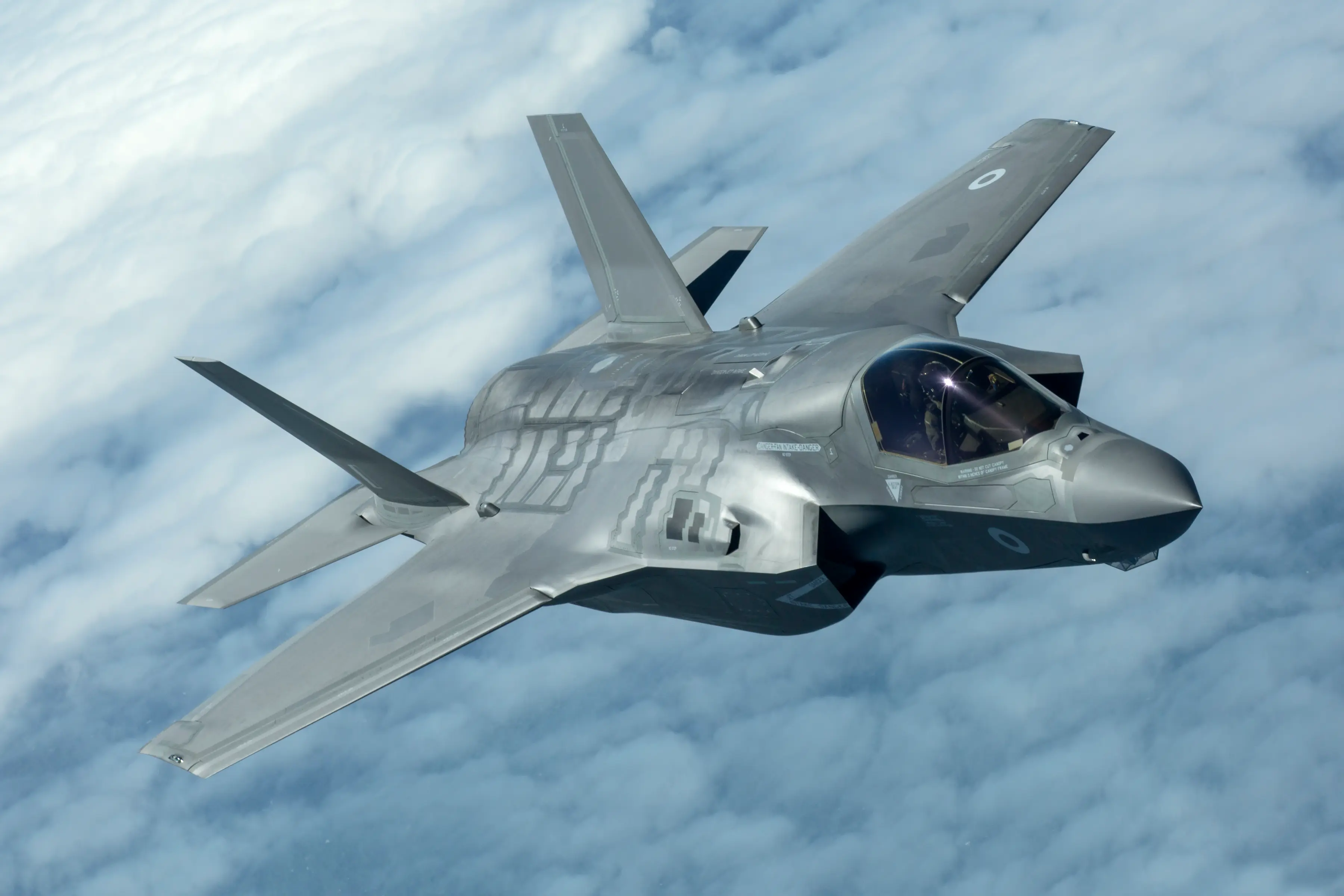
The AN/AAQ-37 DAS consists of six infrared cameras mounted around the fuselage, giving the pilot "X-ray vision" through the floor and walls of the cockpit. This system provides a 360-degree real-time infrared feed directly to the pilot's helmet-mounted display, allowing them to track incoming missiles and enemy aircraft from any angle. In the contested airspace over Tehran, this ensures that no threat can sneak up on the "Black Knights" of VMFA-314, regardless of visibility or radar conditions.
6. The "Battlefield Quarterback" Role
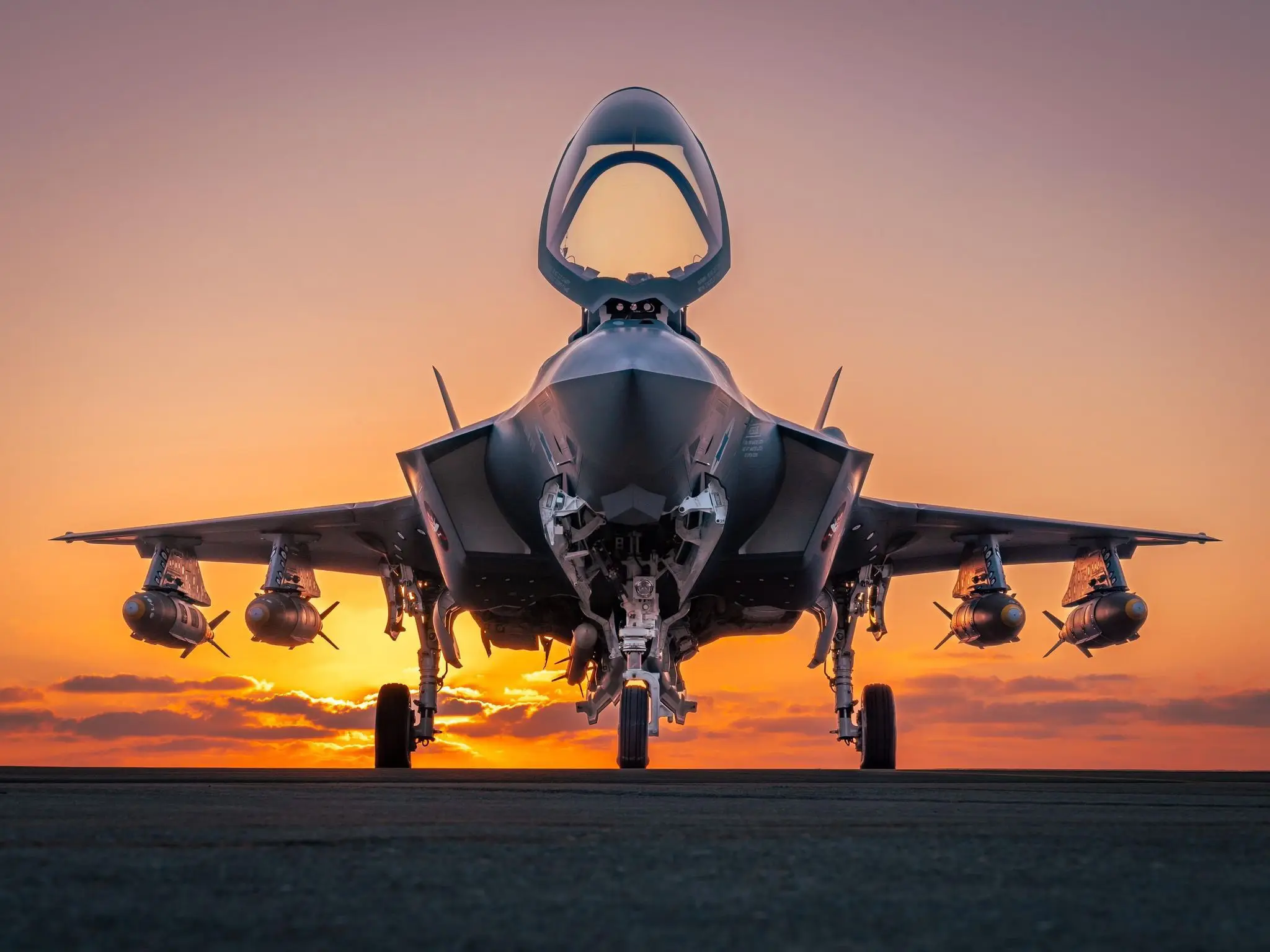
Beyond its own lethality, the F-35C acts as a force multiplier for the entire Carrier Air Wing 9. It uses secure, high-bandwidth data links (MADL) to share its stealth-gathered intelligence with non-stealth assets like the F/A-18 Super Hornets and USS Spruance destroyers. This allows the stealth jets to identify targets for the rest of the armada to strike from safe distances, effectively using the F-35C as a forward observer that the enemy can't even see.
7. Strategic Persistence and Internal Fuel
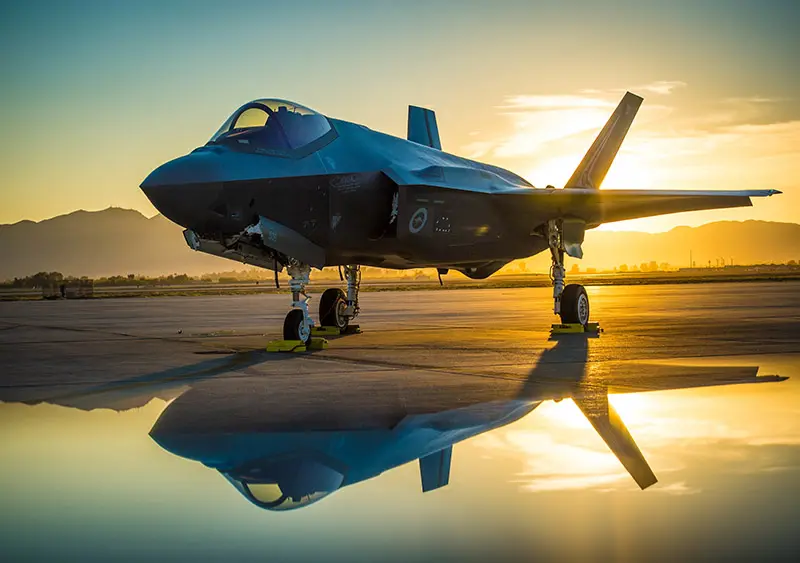
The F-35C is unique among stealth variants for its massive internal fuel capacity, carrying nearly 20,000 lbs to maintain its "clean" stealth profile for long-range missions. This persistence is vital for the current mission, as it allows the jets to launch from the Lincoln in the Indian Ocean, bypass coastal defences, and loiter deep inside Iran to monitor sensitive sites like the Parchin facility. Without external fuel tanks to create radar drag, the F-35C remains a "ghost" from takeoff to landing.
)
)
)
)
)