'USS Abraham Lincoln is useless': Why US army will have to invade Iran to secure rogue uranium elements

Here's breakdown of why the "Concrete Sarcophagus" strategy might force the US from a surgical air campaign into a devastating ground invasion:

1. The "Concrete Sarcophagus" Defense
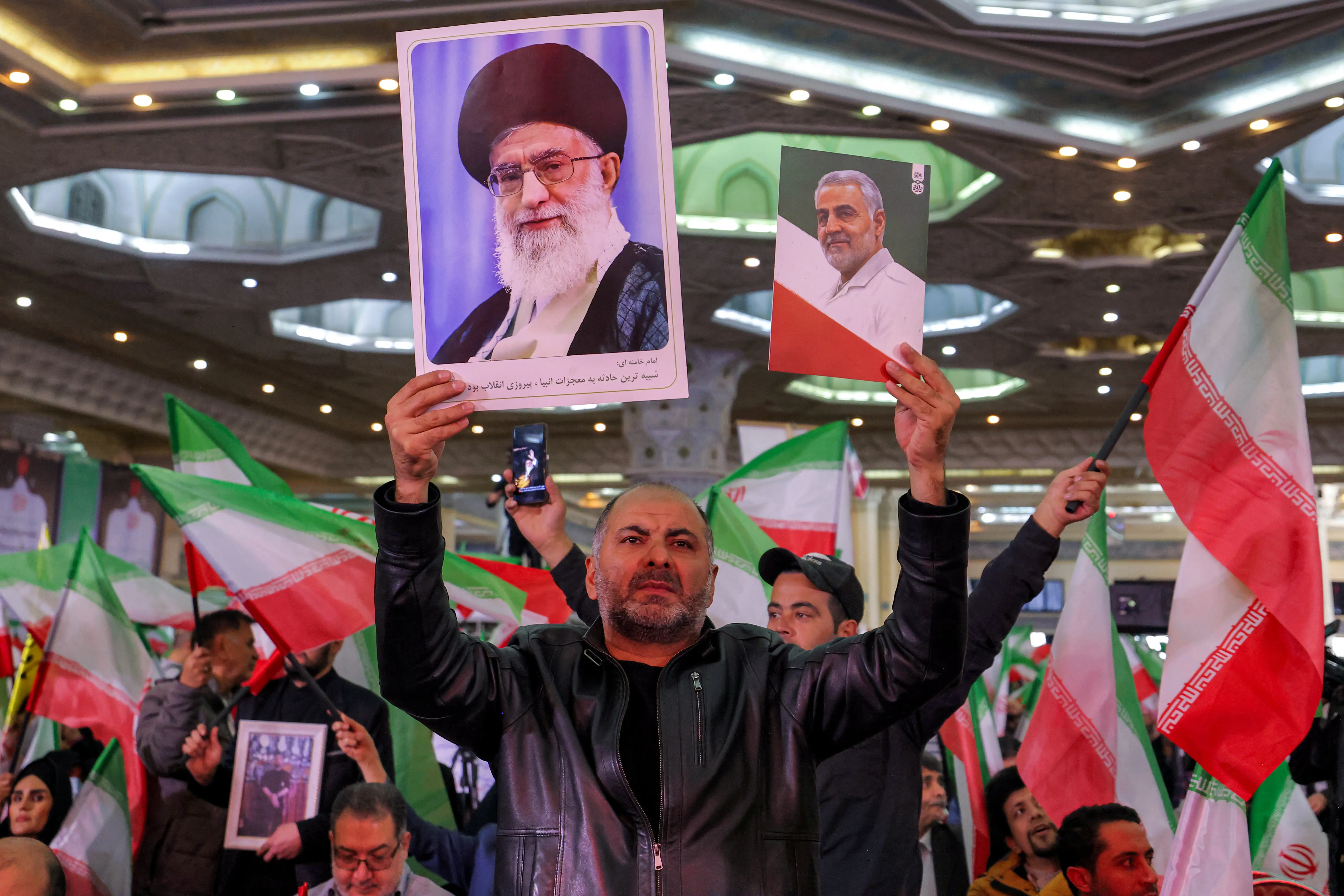
Over the past decade, Iran has learned from US airstrikes in Iraq and Syria. Instead of building facilities above ground, they have buried their most critical nuclear infrastructure inside mountains. The Fordow Fuel Enrichment Plant is buried roughly 80 to 90 meters (260-300 feet) under solid rock. More alarmingly, the newer Natanz tunnel complex (sometimes referred to as "Pickaxe Mountain") is estimated to be up to 150 meters deep.
2. The Limits of the GBU-57 Bunker Buster
The United States' primary weapon for deep underground targets is the 30,000-pound GBU-57 Massive Ordnance Penetrator (MOP), dropped exclusively by B-2 stealth bombers. While devastating, physics has its limits. The MOP is designed to penetrate roughly 60 feet of reinforced concrete or up to 200 feet of earth before detonating. It physically cannot punch through 300 to 500 feet of compressed granite and specialized concrete to reach the deepest enrichment halls.

3. Surviving the Shockwave
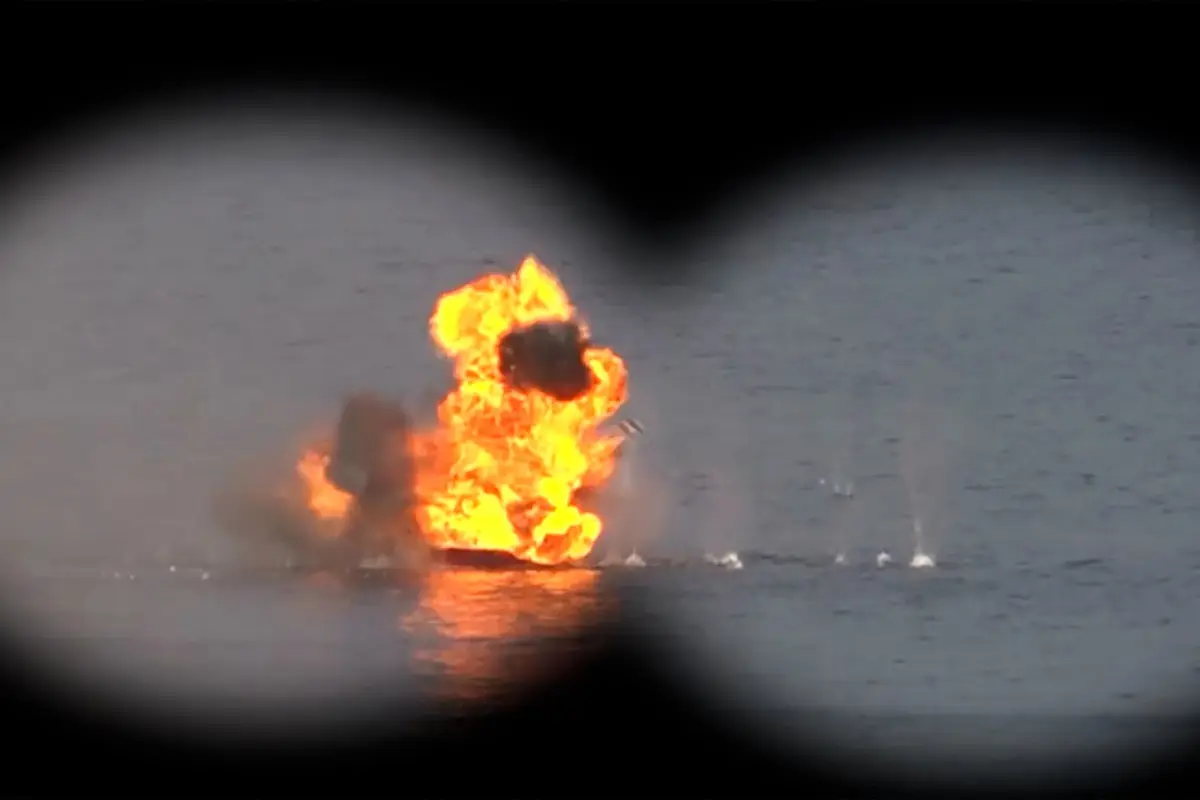
Even if multiple MOPs are dropped sequentially down the same crater or ventilation shaft to dig deeper, the results are not guaranteed. Intelligence assessments from recent wargames and limited strikes suggest that while bunker busters can collapse entrance tunnels and destroy delicate centrifuges via overpressure, the deeply buried physical stockpiles of highly enriched uranium (HEU) will likely survive the blast intact.
4. The "Loose Nuke" Nightmare
If a US bombing campaign shatters the Iranian regime's chain of command, it creates a terrifying new problem. The surviving highly enriched uranium effectively becomes "rogue." Without a stable government guarding the sites, radical factions within the Islamic Revolutionary Guard Corps (IRGC) or splinter terrorist organizations could dig through the rubble, secure the fissile material, and smuggle it out of the country.

5. Airpower Cannot Confiscate
As the famous military adage goes: you can bomb a country forever, but if you want to control what's on the ground, you have to put troops there. An F-35 stealth fighter or a Tomahawk cruise missile cannot confiscate a 400kg stockpile of near-weapons-grade uranium. Airpower can delay a nuclear program by destroying the machinery, but it cannot permanently secure the raw materials required to build a bomb.

6. The Necessity of "Boots on the Ground"
To categorically guarantee that Iran's uranium stockpile does not fall into the wrong hands or get relocated to a new, secret facility, the U.S. would have no choice but to physically extract it. This would require deploying specialised ground forces, such as Navy SEALs, Delta Force, and Nuclear Disablement Teams, to physically breach the irradiated, heavily fortified mountain complexes, find the material, and pull it out.

7. A Logistical and Human Nightmare
Sending Special Operations Forces into central Iran is not a quick raid; it requires securing the surrounding airspace, establishing forward operating bases, and fighting through layers of IRGC ground defenses in brutal, mountainous terrain. What begins as a mission to secure loose nuclear material would rapidly escalate into a full-scale ground invasion, risking a protracted and bloody conflict reminiscent of the 2003 Iraq war, but against a much larger and better-equipped adversary.
)
)
)
)
)