‘USS Abraham Lincoln destroyers in Hormuz’: US military to start clearing mines from the Strait of Hormuz

The United States Central Command has launched a high-stakes naval operation to clear Iranian sea mines from the Strait of Hormuz. Spearheaded by two heavily armed destroyers, this mission aims to restore the safe flow of commerce through one of the world's most critical maritime chokepoints.
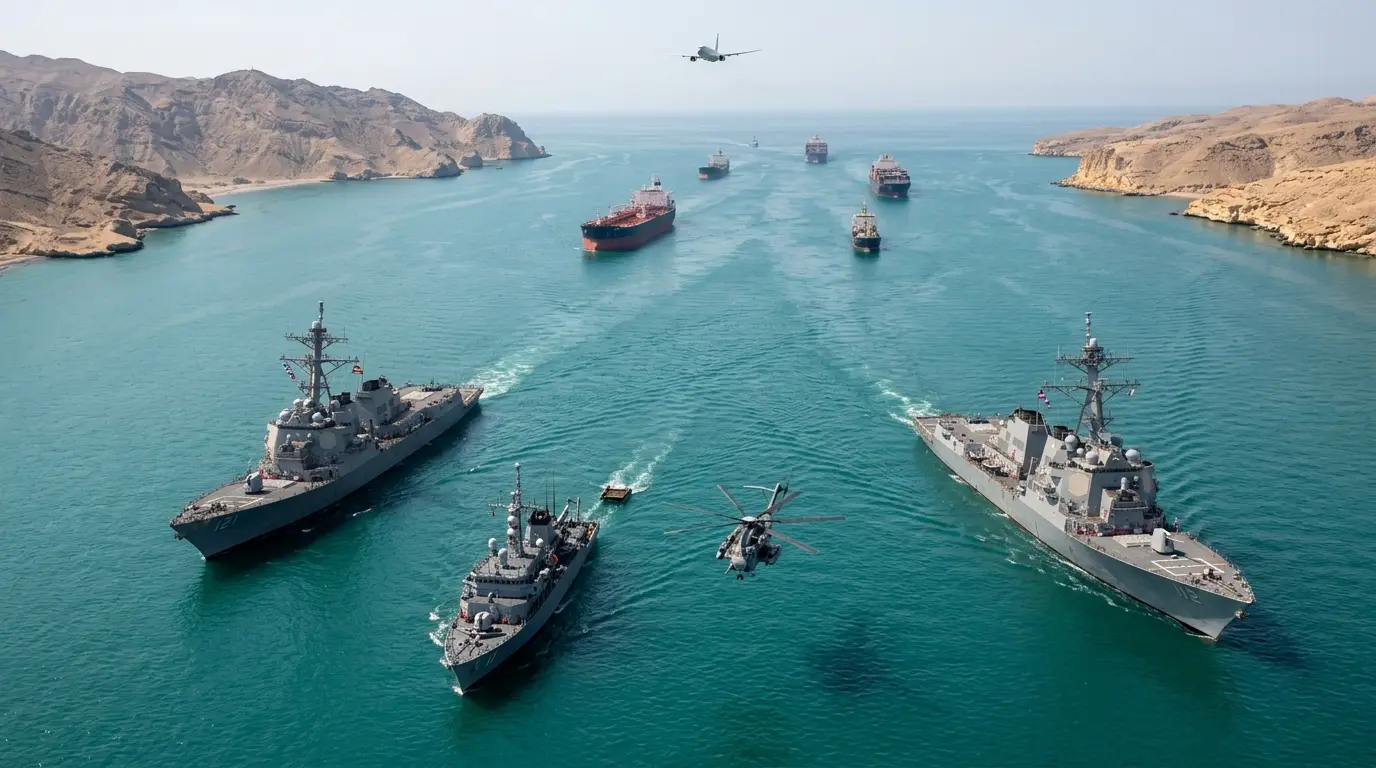
The Hormuz Clearance Mission
US Central Command initiated operations to clear deadly sea mines from the Strait of Hormuz. The mission targets explosive devices previously laid by Iran’s Islamic Revolutionary Guard Corps in an attempt to choke global shipping.
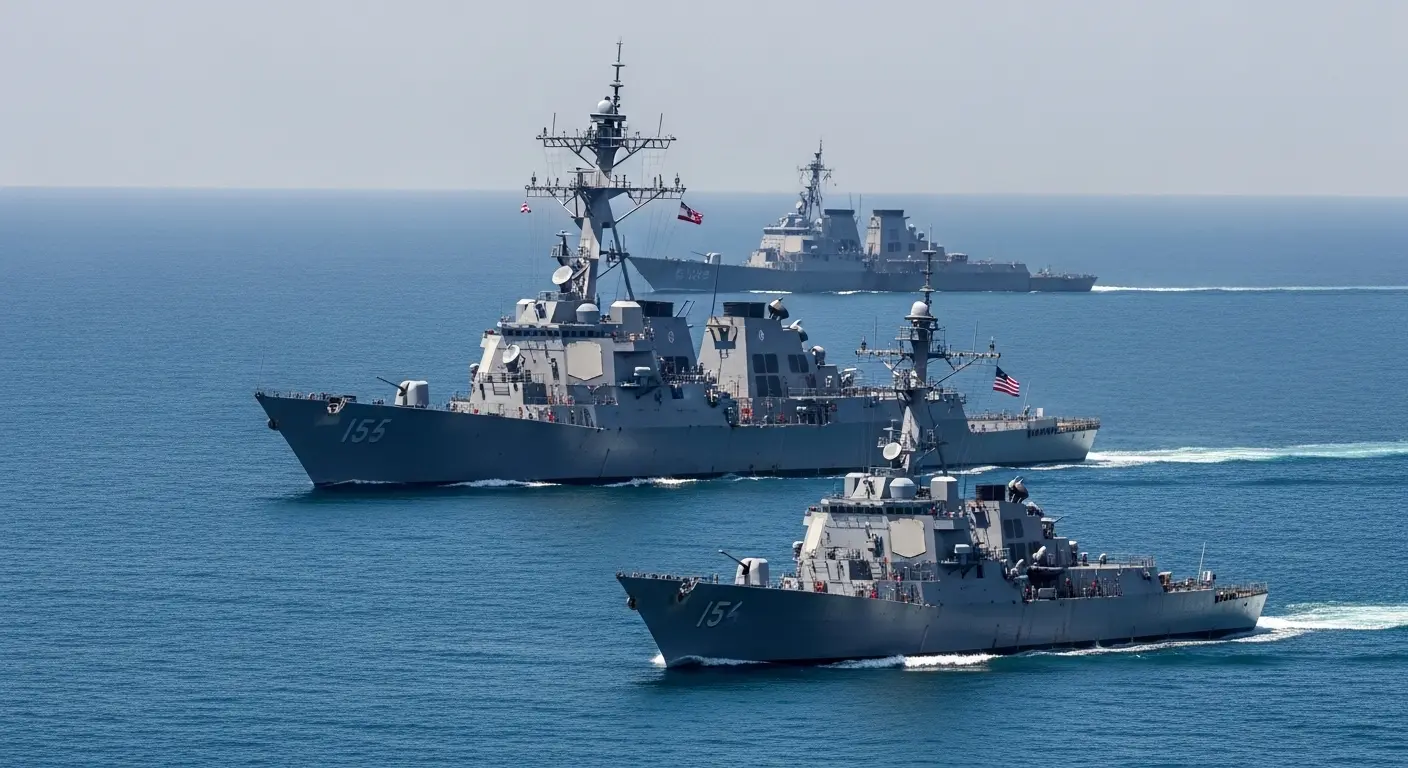
Deploying the Destroyers
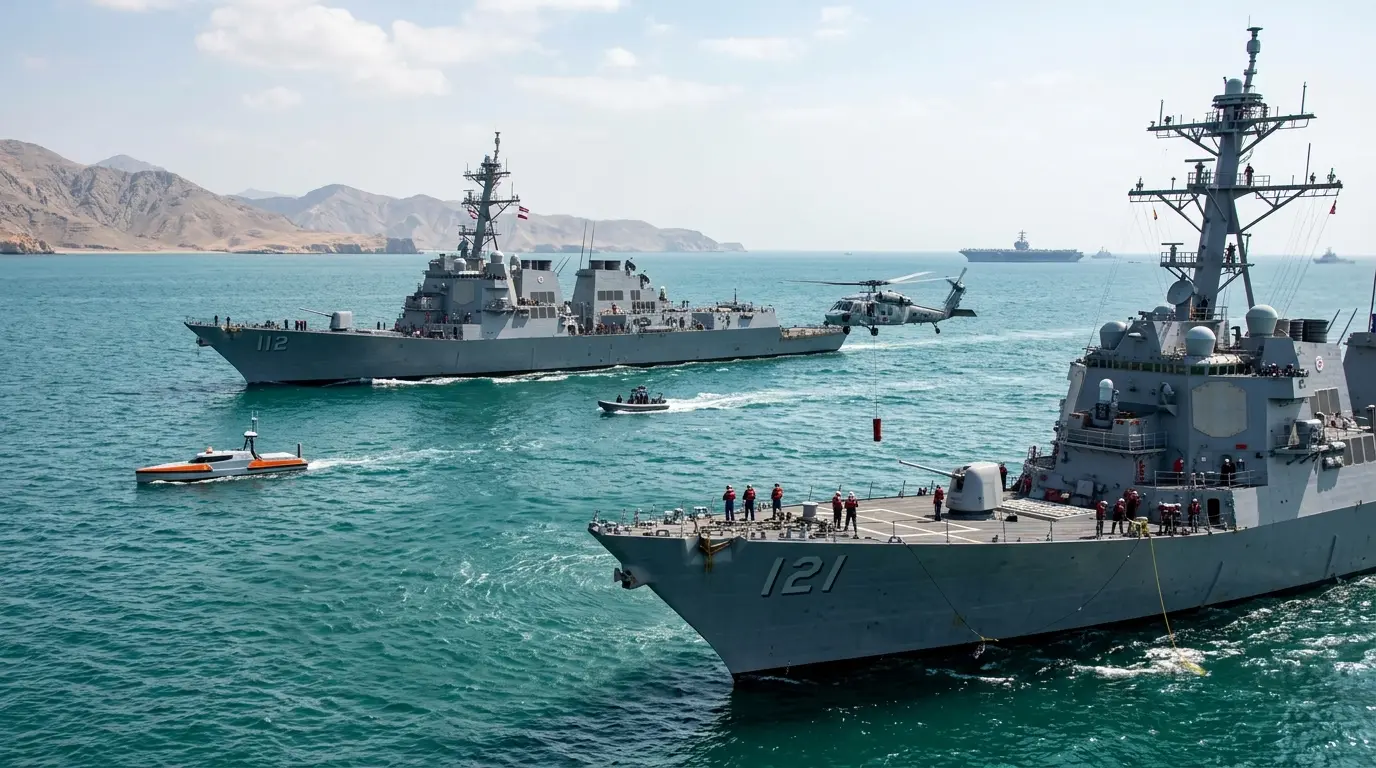
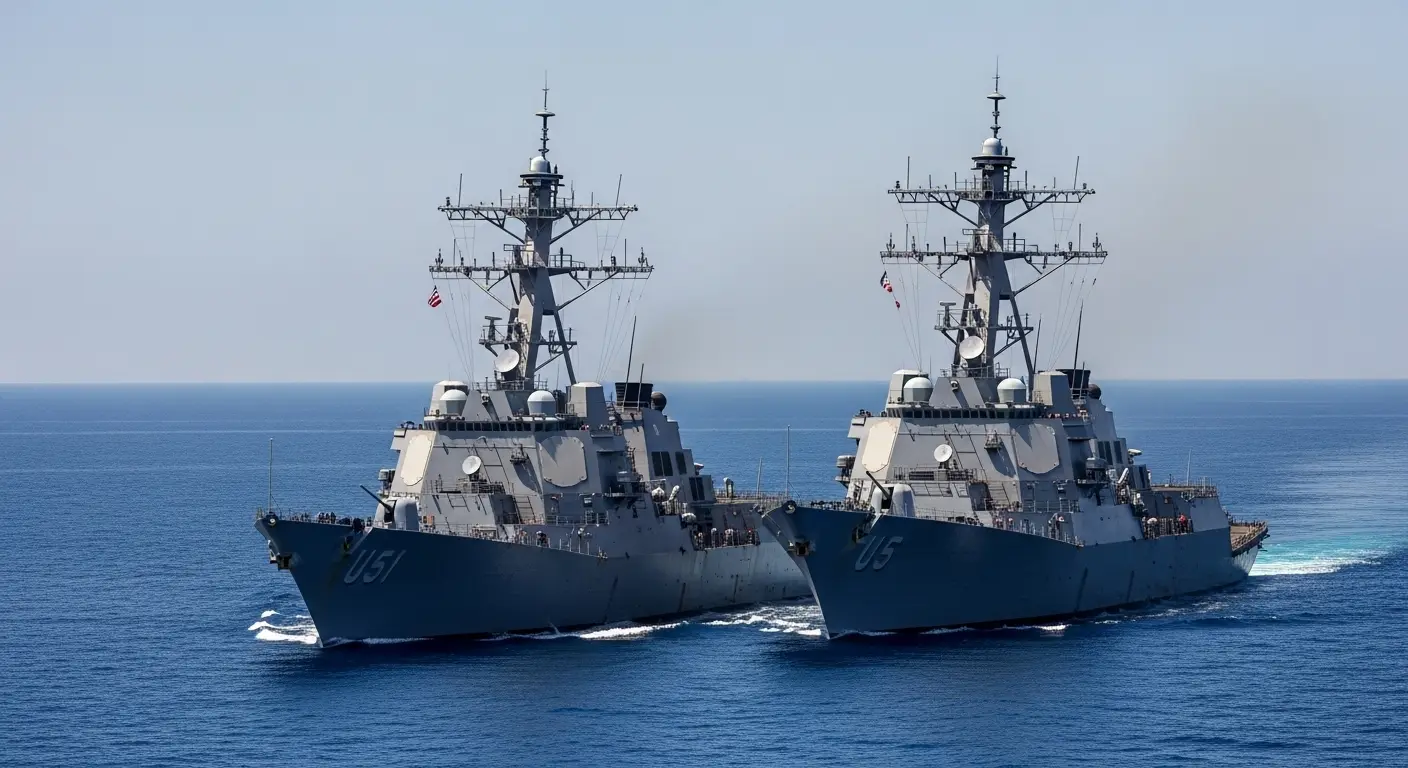
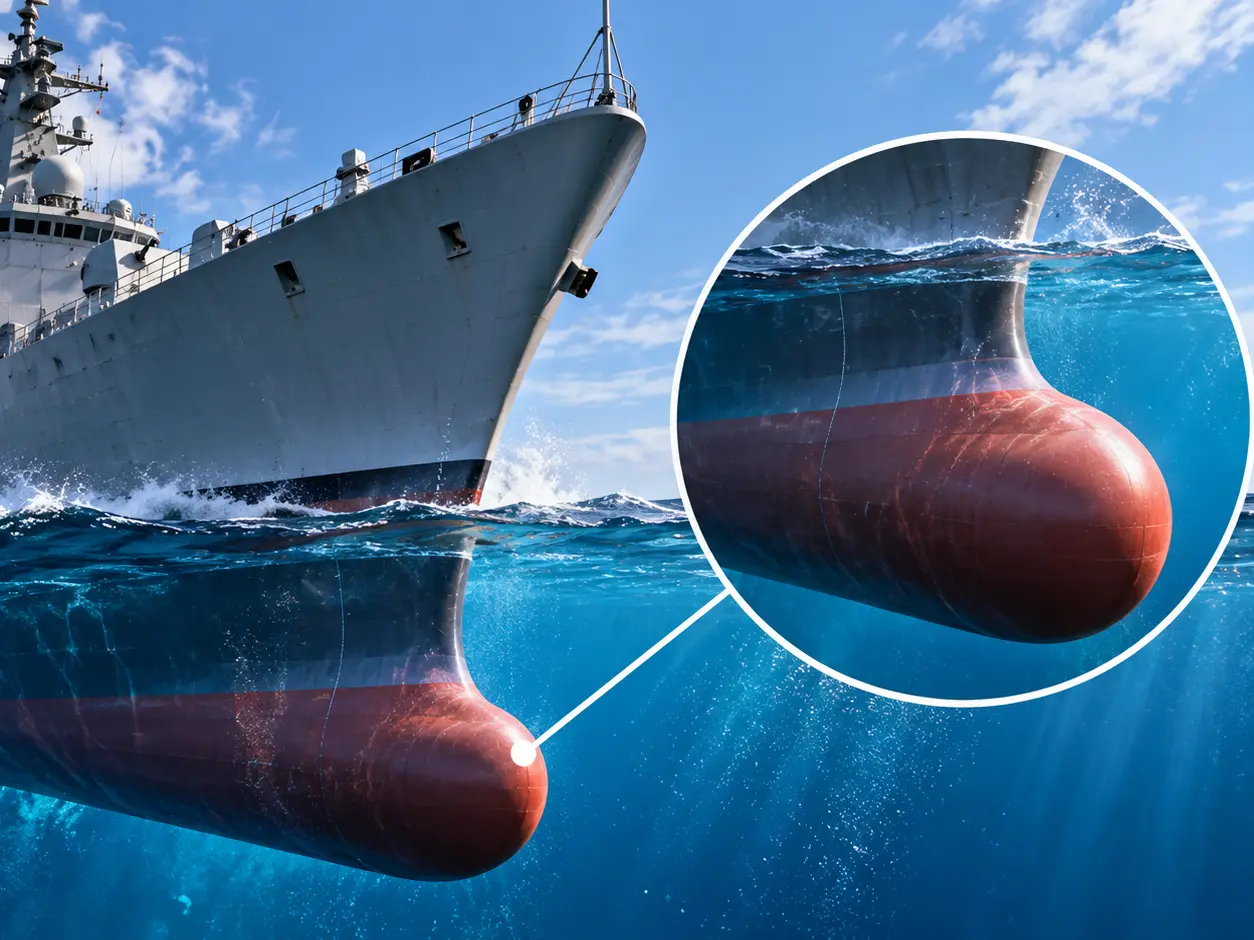
The operation is being spearheaded by the USS Frank E. Peterson and the USS Michael Murphy. These multi-billion dollar guided-missile destroyers are actively transiting the volatile strait to secure the area and establish safe operational conditions.
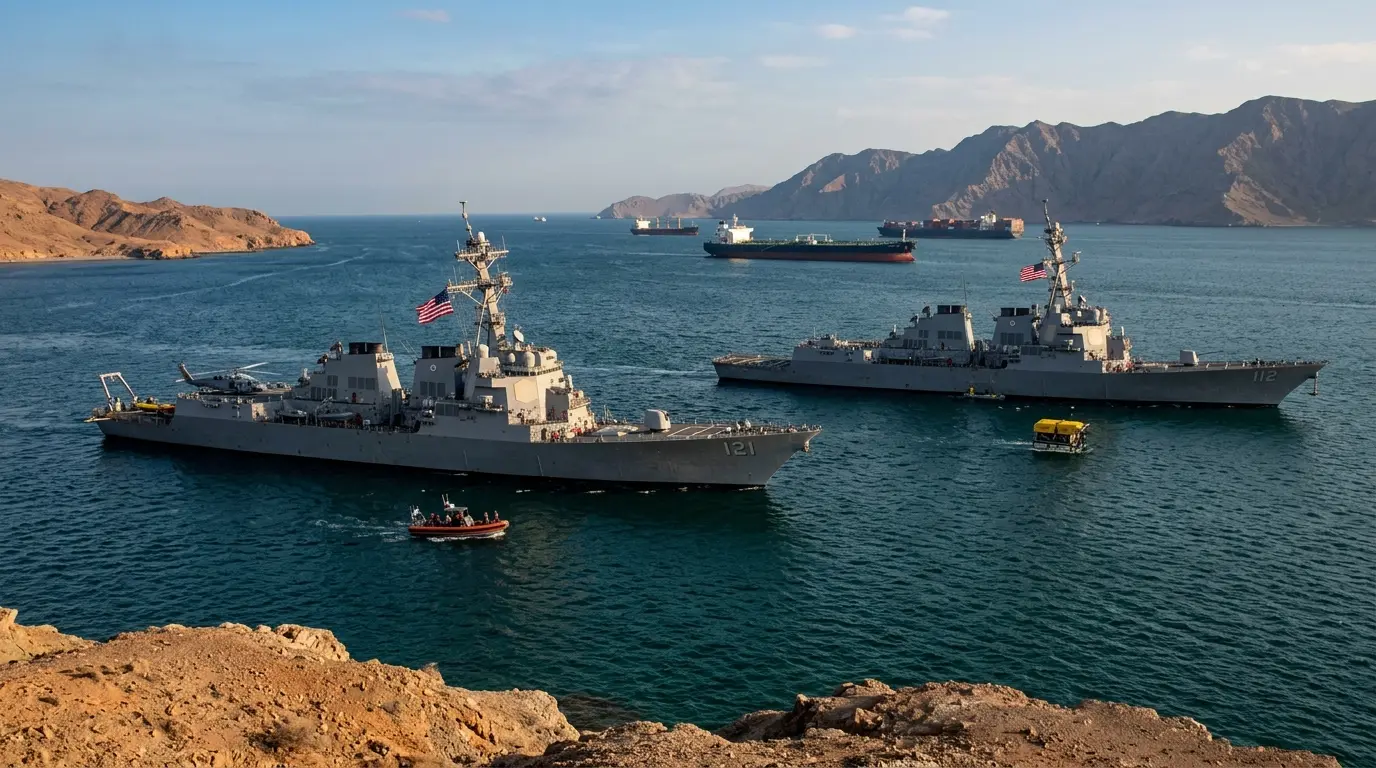
The Carrier Escorts
Both of these highly capable Arleigh Burke-class warships operate as vital escorts for the USS Abraham Lincoln aircraft carrier. By deploying these destroyers, the US Navy is projecting overwhelming firepower to deter any Iranian naval interference during the sweeping process.
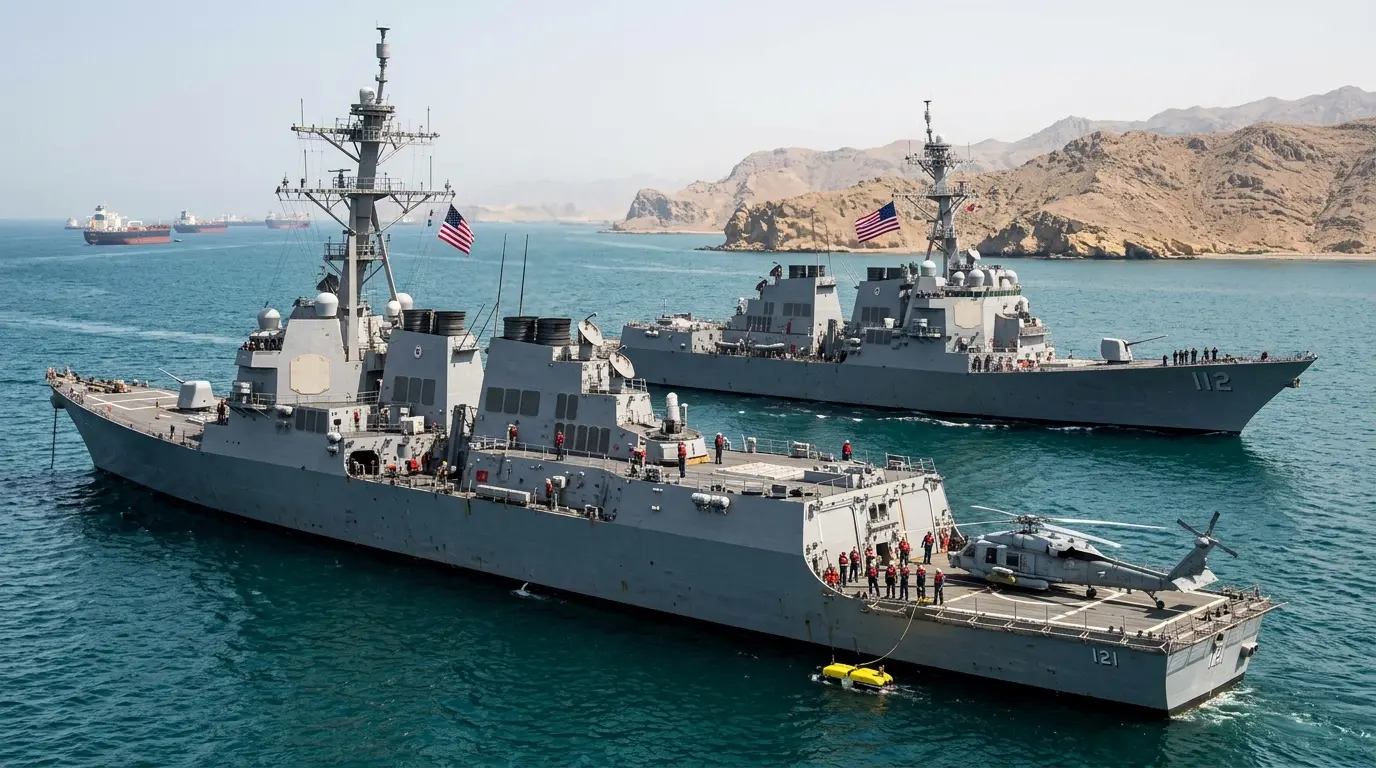
Establishing a Safe Pathway
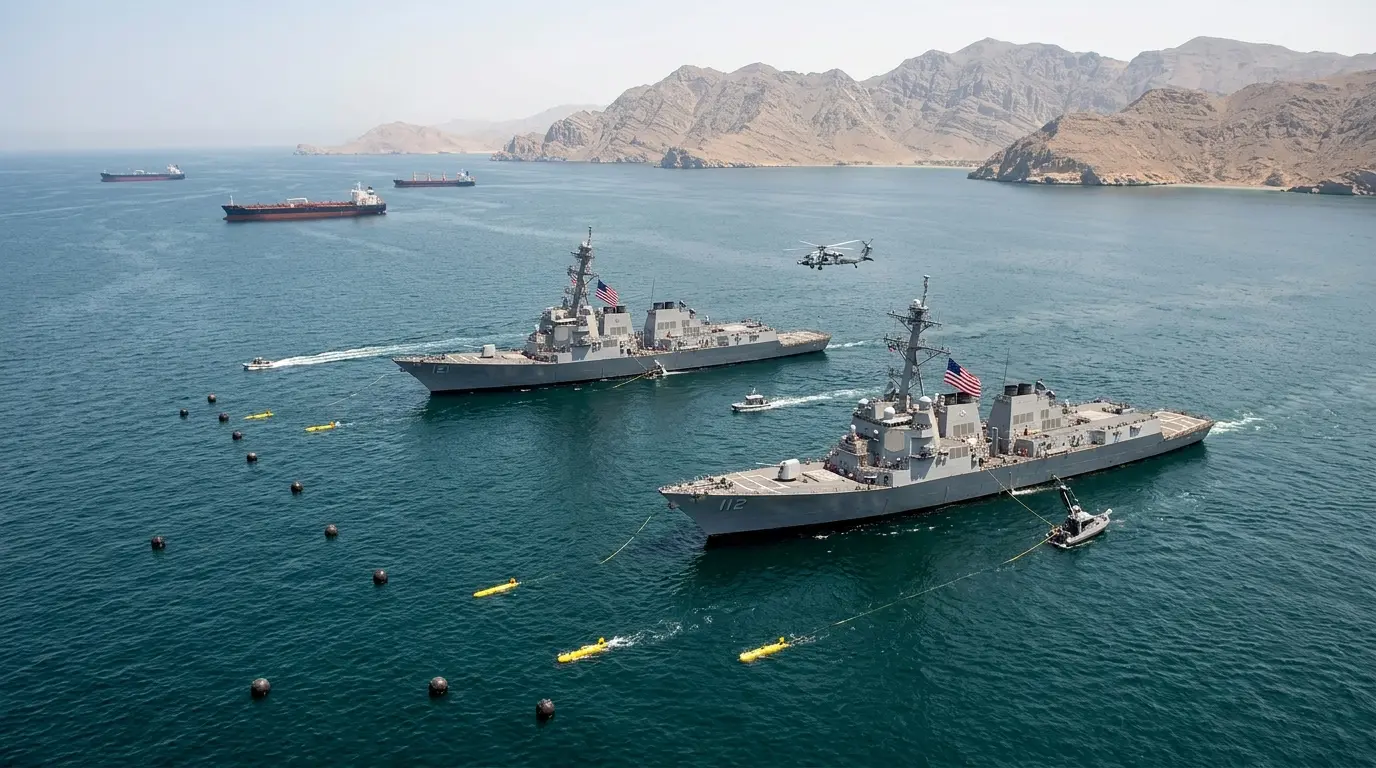
Admiral Brad Cooper confirmed the US military is actively carving out a secure navigational corridor. CENTCOM plans to share this newly established safe pathway with the international maritime industry shortly to encourage the immediate resumption of commercial traffic.
The Underwater Drone Fleet
Clearing unpredictable, drifting mines requires highly specialised and expendable technology. In the coming days, the US Navy will deploy a fleet of advanced underwater drones to detect, map, and neutralise the underwater explosives without risking human divers.
A Global Economic Imperative
The Strait of Hormuz is an international sea passage that handles roughly 20 per cent of the world's daily oil consumption. Washington views the rapid removal of these Iranian mines as an absolute necessity for regional stability and global economic prosperity.
A High-Stakes Standoff
The physical presence of heavily armed US destroyers sends a clear, uncompromising signal to Tehran regarding the freedom of navigation. As underwater drones begin detonating the IRGC mines, the region remains on extreme alert for any potential military escalation.
)
)
)
)
)