'US vs Iran': Why USS Abraham Lincoln is the primary target for Iran's military

The USS Abraham Lincoln faces relentless cruise missile strikes as it spearheads regional combat operations. The 100,000-tonne carrier remains a high-value target to disrupt strategic aerial dominance.
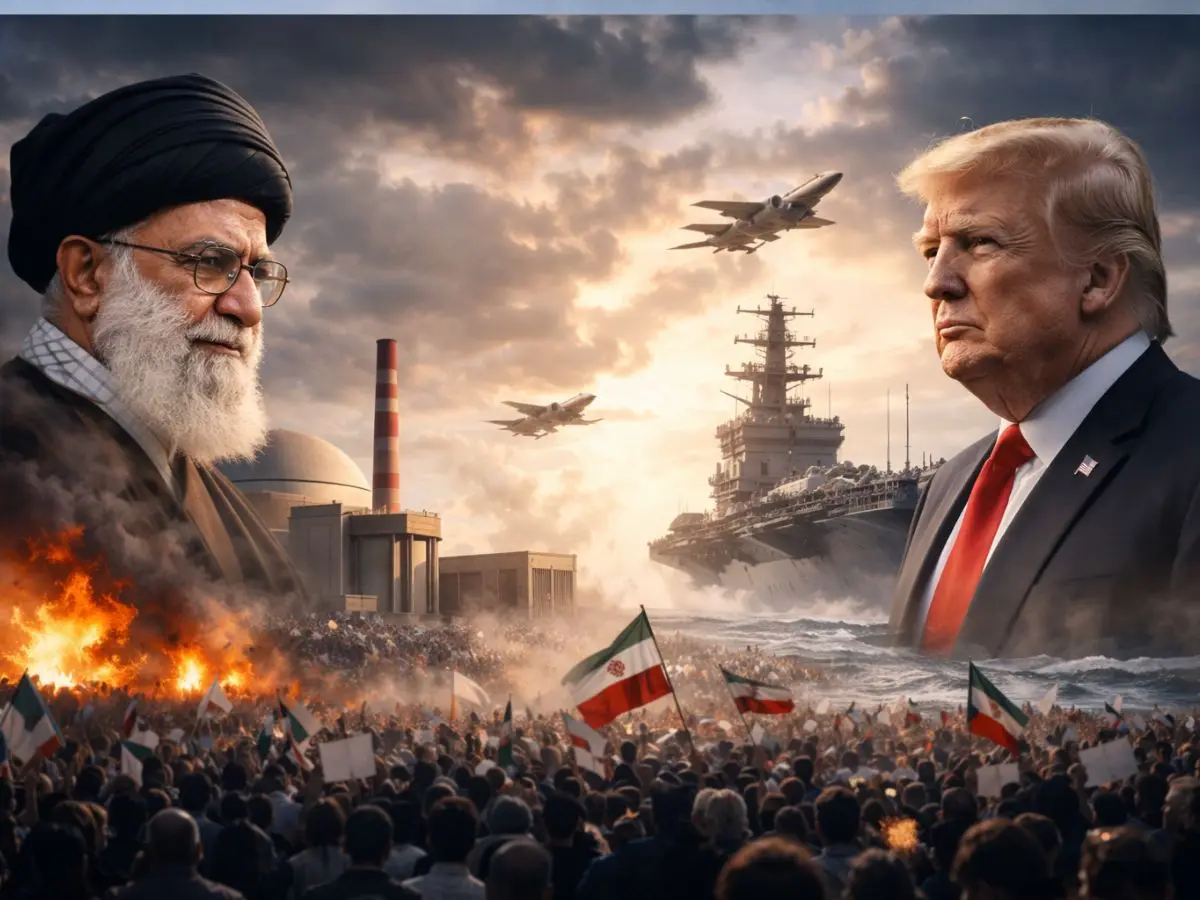
100,000-Tonne Naval Flagship
The massive Nimitz-class aircraft carrier serves as the central command base for regional military operations. It leads a heavily armed strike group, projecting immense maritime and aerial power across the Arabian Sea.
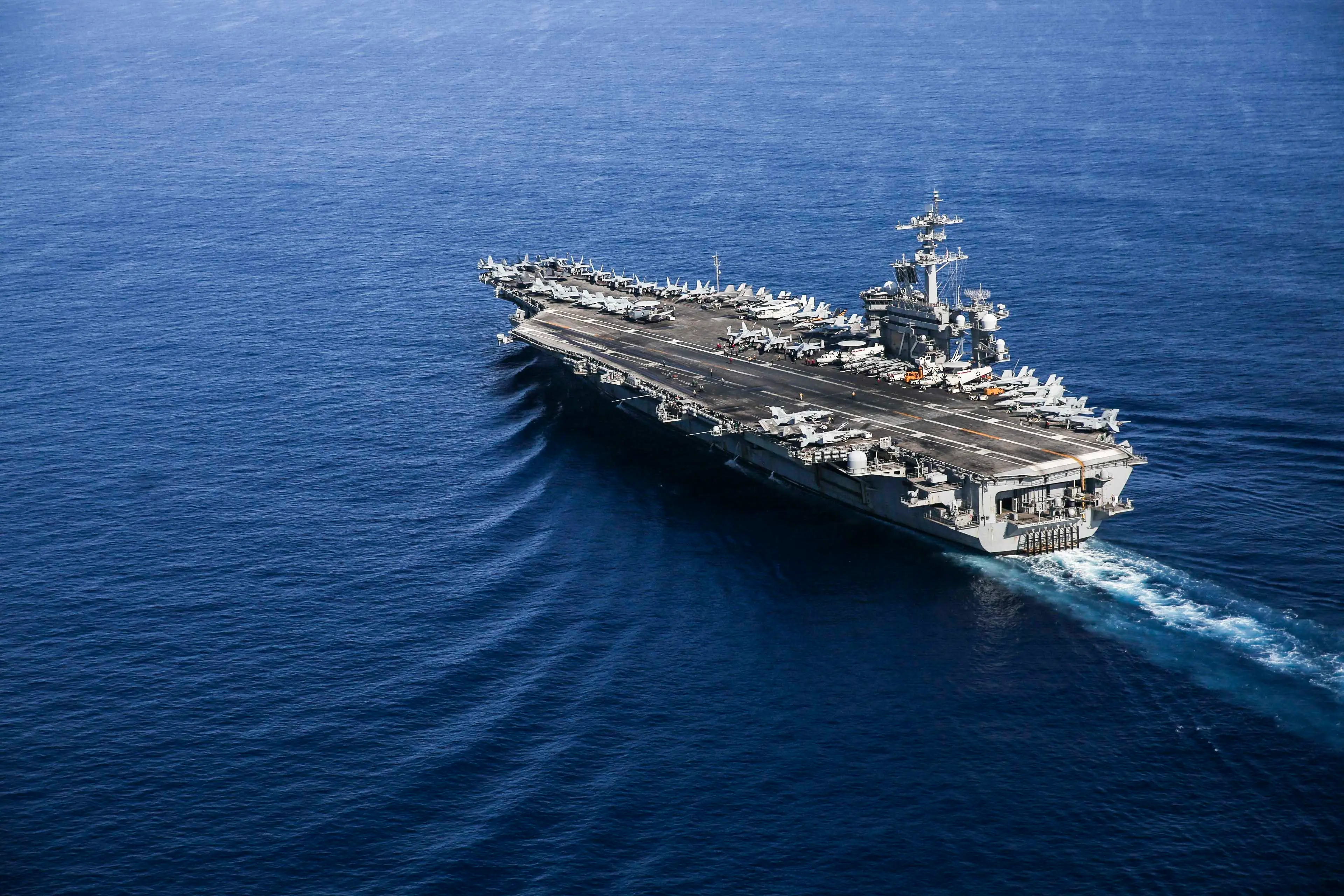
Over 9,000 Targets Hit
Fighter jets operating from the vessel's flight deck conduct continuous combat sorties against military infrastructure. This relentless aerial bombardment campaign makes the carrier a primary focus for retaliatory defensive strikes.
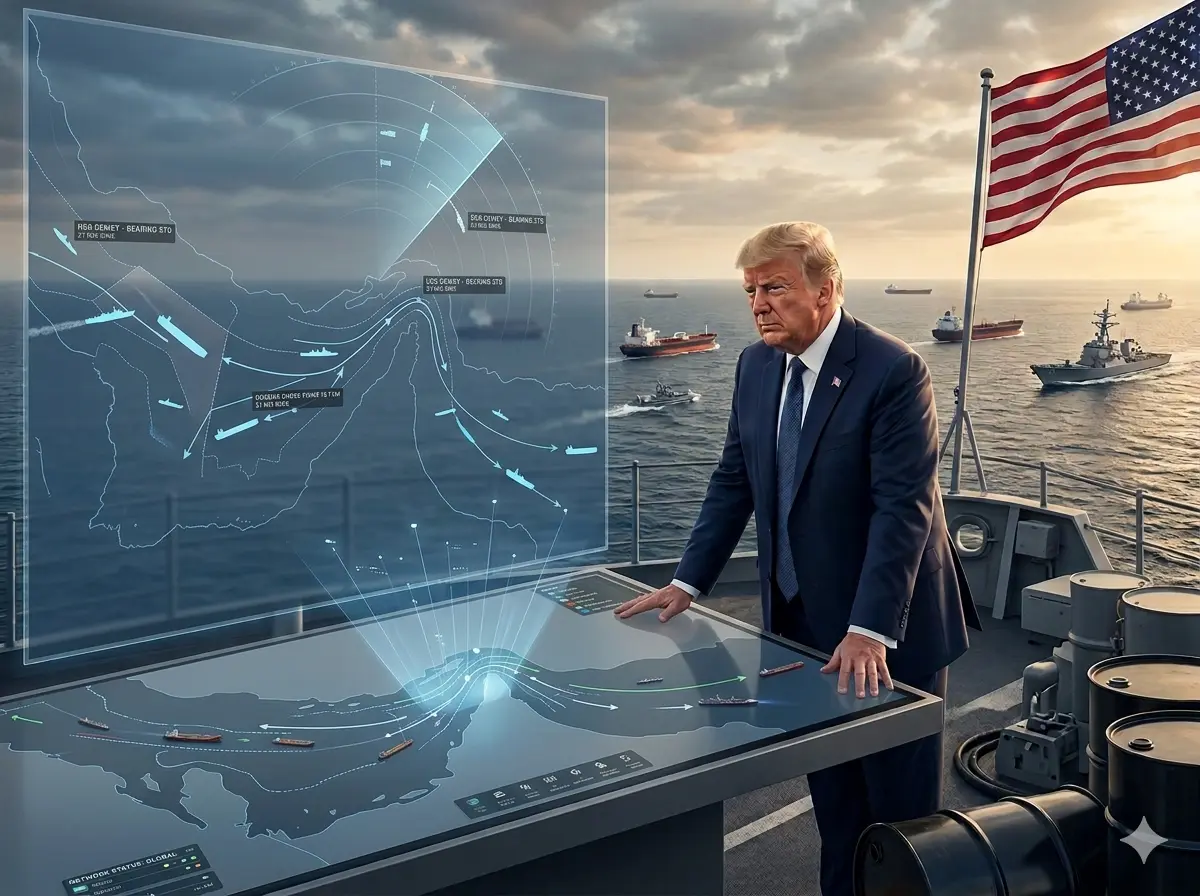
Firing Incoming Missiles
Hostile forces have launched heavy barrages of coastal-to-sea cruise missiles directly at the carrier group. These coordinated weapon deployments aim to breach the warship's advanced air defence systems and halt flight operations.

Forcing Tactical Naval Repositions
The constant threat of anti-ship ballistic projectiles regularly forces the carrier group to alter its maritime coordinates. Maintaining unpredictable mobility is an essential survival tactic against continuous radar tracking and missile locks.
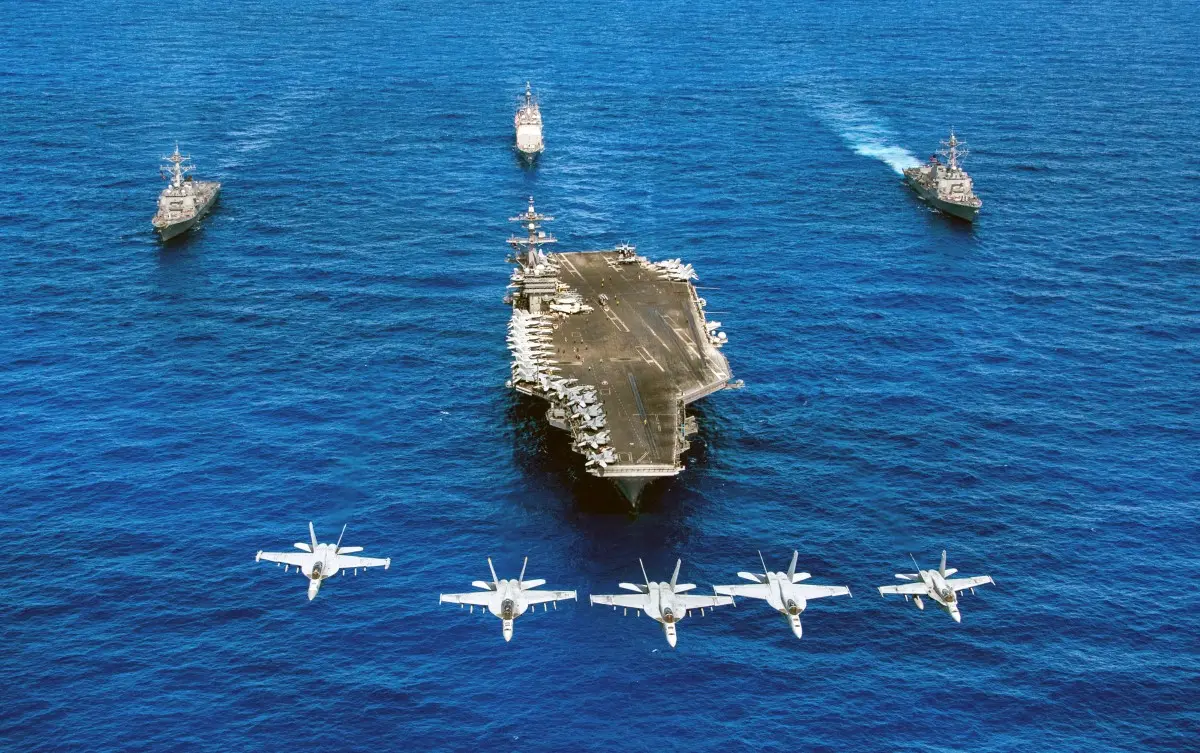
Retaliating For 1,340 Casualties
Sustained bombardment campaigns have inflicted severe infrastructure damage and significant personnel losses on the defending nation. Striking the prominent American warship serves as a high-value retaliatory goal to avenge these heavy tolls.
)
)
)
)
)