'US vs Iran': Why the US Navy takes Iran’s anti-ship missiles seriously in the Persian Gulf

The US Navy faces a genuine threat from Iran’s anti-ship missiles in the Persian Gulf. Iran uses the narrow geography of the Strait of Hormuz, supersonic missiles like the Khalij Fars, and saturation tactics to challenge superior American firepower.

The geography trap
The Strait of Hormuz is only about 34 kilometres (21 miles) wide at its narrowest point. This restricted space forces large US warships into predictable shipping lanes, limiting their ability to manoeuvre during an attack. Iran controls the northern shore, allowing its coastal batteries to cover the entire width of this critical chokepoint.
The ‘Khalij Fars’ missile
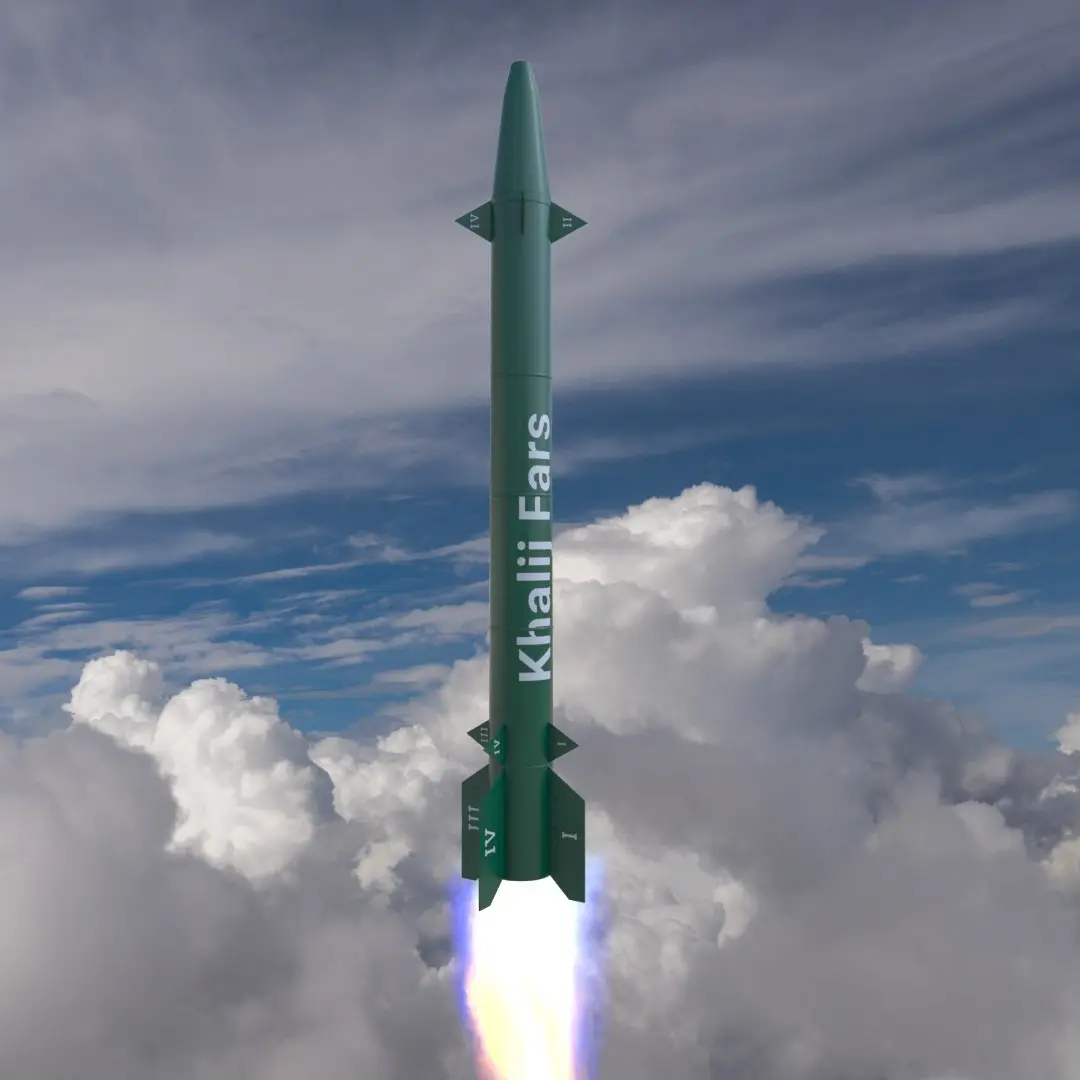
Iran has developed the 'Khalij Fars' (Persian Gulf), an anti-ship ballistic missile (ASBM) specifically designed to hit moving targets at sea. It reportedly carries a 650-kilogramme warhead and travels at supersonic speeds of Mach 3 to 4. US experts note that its trajectory makes it harder to intercept than standard cruise missiles.

Saturation attack strategy
The biggest fear for any navy is a saturation attack, where dozens of missiles are fired simultaneously. Iran’s strategy relies on overwhelming the US Navy’s AEGIS defence systems by launching more missiles than the ships can track and shoot down at once. Even if most are intercepted, just one hit can disable a capital ship.

Swarm boat tactics
The Islamic Revolutionary Guard Corps (IRGC) uses hundreds of small, fast attack craft armed with heavy machine guns and short-range missiles. These boats operate in 'swarms' to harass and distract larger US vessels. This tactic forces American ships to divide their fire, potentially allowing a larger anti-ship missile to slip through defences.

Mobile missile launchers
Iran utilises highly mobile truck-mounted launchers for its anti-ship missiles. These vehicles can hide in the rugged coastal terrain, emerge to fire, and relocate immediately to avoid counter-fire. This ‘shoot and scoot’ capability makes it extremely difficult for US aircraft to locate and destroy the missile sites before they launch.

Short reaction time
Due to the narrow geography of the Persian Gulf, a missile fired from the Iranian coast can reach a US ship in minutes or even seconds. This leaves the crew with very little time to detect the threat, activate countermeasures, and deploy decoys. The supersonic speed of missiles like the Khalij Fars further reduces this window.

Optical guidance systems
Unlike older missiles that rely solely on radar, which can be jammed, some Iranian missiles use electro-optical seekers. This allows the missile to visually ‘lock on’ to the heat or shape of a ship in its final phase. This technology makes US electronic warfare jamming attempts less effective against specific incoming threats.

The cost imbalance
This is a classic case of asymmetric warfare involving a massive cost difference. A US aircraft carrier costs billions of dollars and carries thousands of sailors, while an Iranian missile costs a fraction of that amount. Iran can afford to lose dozens of missiles to achieve one successful strike, making the economic trade-off dangerous for the US.

Threat to global oil
The Strait of Hormuz is the world’s most important oil transit chokepoint, with roughly 20 per cent of global oil consumption passing through it. A successful missile attack on a tanker or a US escort ship could panic global markets. This economic leverage forces the US to act with extreme caution to avoid sparking a wider conflict.

US Navy countermeasures
The US Navy employs advanced defensive tech like the Phalanx Close-In Weapon System (CIWS) and Rolling Airframe Missiles (RAM) to destroy incoming threats. They also use soft-kill measures like Nulka decoys to seduce missiles away from the ship. However, commanders admit that no defence system is 100 per cent perfect against a massed attack.
)
)
)
)
)