'US vs Iran': Why sanctions no longer work the way they once did

US sanctions on Iran are failing as Tehran utilises a 'ghost fleet' and Chinese buyers to export 1.7 million barrels of oil daily. By bypassing the US dollar and using ship-to-ship transfers, Iran generated $43 billion in 2024, proving old economic weapons ineffective.
The failure of 'zero exports'
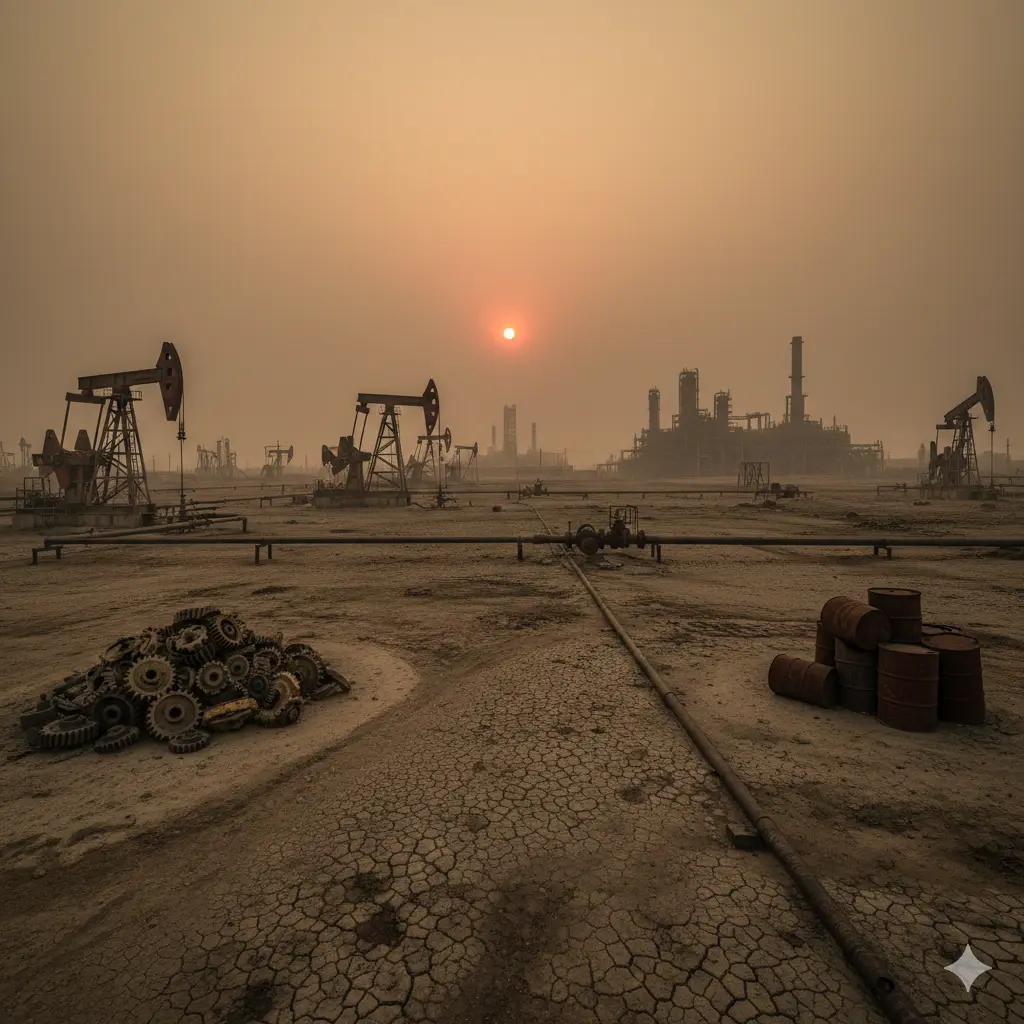
Despite Washington's aim to reduce Iran's oil exports to zero, Tehran’s shipments surged to a five-year high in 2024. Reports confirm that exports averaged between 1.5 and 1.7 million barrels per day, generating roughly $43 billion in revenue. This resilience indicates that the US 'maximum pressure' campaign has largely lost its ability to halt Iranian trade.

Rise of the 'Ghost Fleet'
To move this oil, Iran relies on a 'ghost fleet' or 'dark fleet' of over 300 aging tankers that operate outside the formal maritime system. These vessels manipulate their Automatic Identification Systems (AIS) to hide their location and frequently change their names and flags. This covert armada allows Tehran to ship millions of barrels without easy detection by Western trackers.
The China lifeline
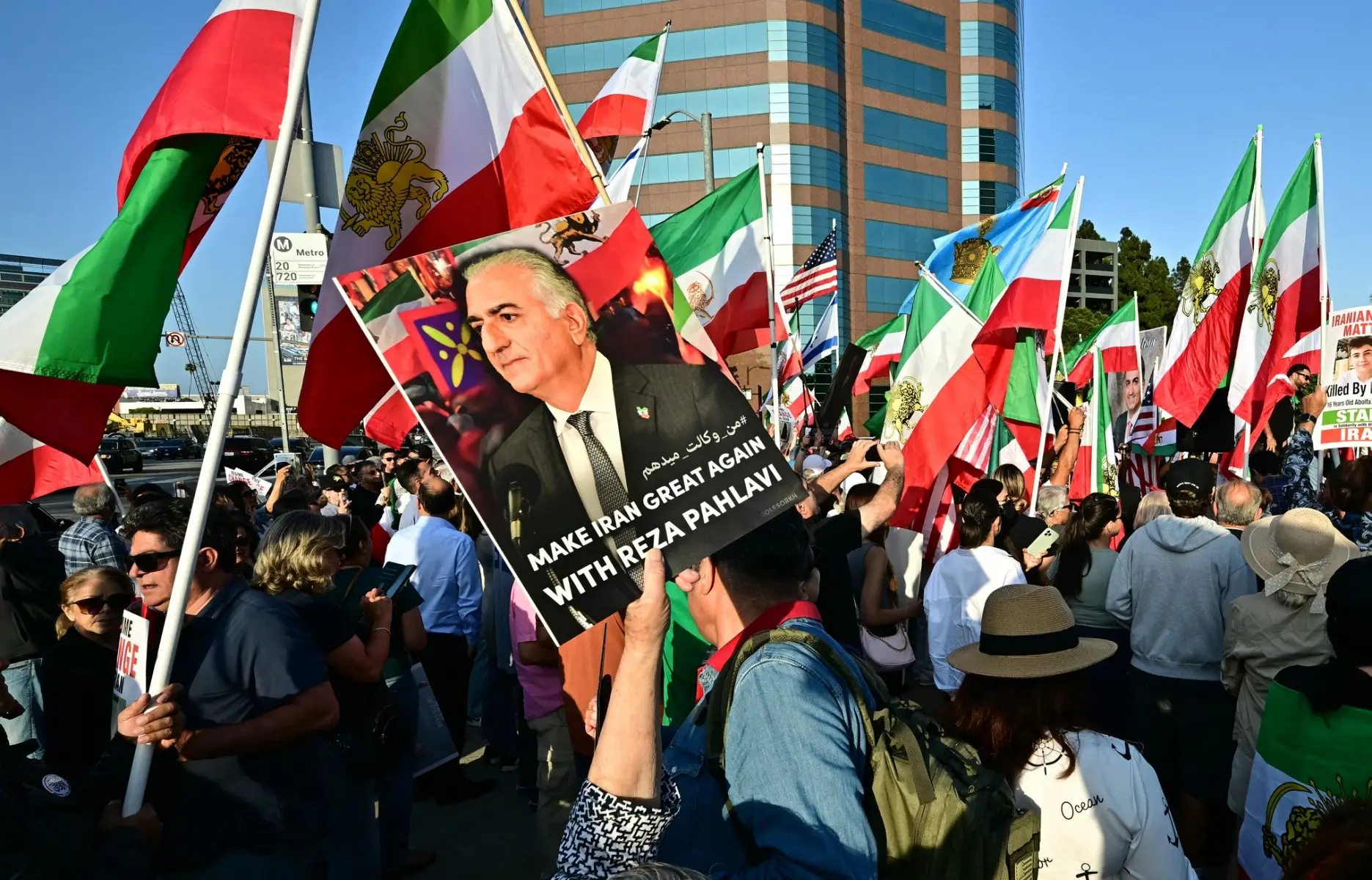
China has emerged as the primary buyer, purchasing nearly 90 per cent of Iran’s oil exports. Unlike state-owned giants, small independent Chinese refineries, known as 'teapots', process this crude. These smaller entities have little exposure to the US financial system, making them immune to American secondary sanctions and fines.
The 'Malaysian blend' trick
A key evasion tactic involves ship-to-ship (STS) transfers in international waters, particularly near Malaysia. Iranian oil is offloaded onto other vessels and relabelled as 'Malaysian blend' or crude from other origins. This complex shell game obscures the oil's true source, allowing it to enter global supply chains technically 'sanction-free'.
Discounts drive the trade
Iran incentivises buyers to take the risk of sanctions by offering steep discounts on its oil. Chinese refiners reportedly save between $4 and $6 per barrel on Iranian crude compared to global benchmarks. This price difference creates a powerful economic motive that outweighs the threat of US penalties for many buyers.
Bypassing the US dollar
Sanctions typically work by cutting nations off from the US dollar, but Iran has adapted by shifting to alternative currencies. Much of the oil trade with China is settled in Chinese Yuan or through a network of small, sanctions-proof banks. By removing the dollar from the transaction, Iran effectively neutralises the US Treasury's oversight.
A new global bloc
Iran is no longer isolated but part of a growing bloc of sanctioned nations, including Russia and Venezuela, that share evasion tactics. These countries are building a parallel economy with its own insurance markets and shipping networks. This cooperation ensures that US sanctions effectively push adversaries closer together rather than breaking them.
)
)
)
)
)