Why has Iran’s rial lost about 20,000× of its value since 1979?

Iran’s currency has lost roughly 20,000 times its value since 1979 due to US sanctions, political turmoil, and economic mismanagement. The rial fell from 70 per USD to over 1.4 million.
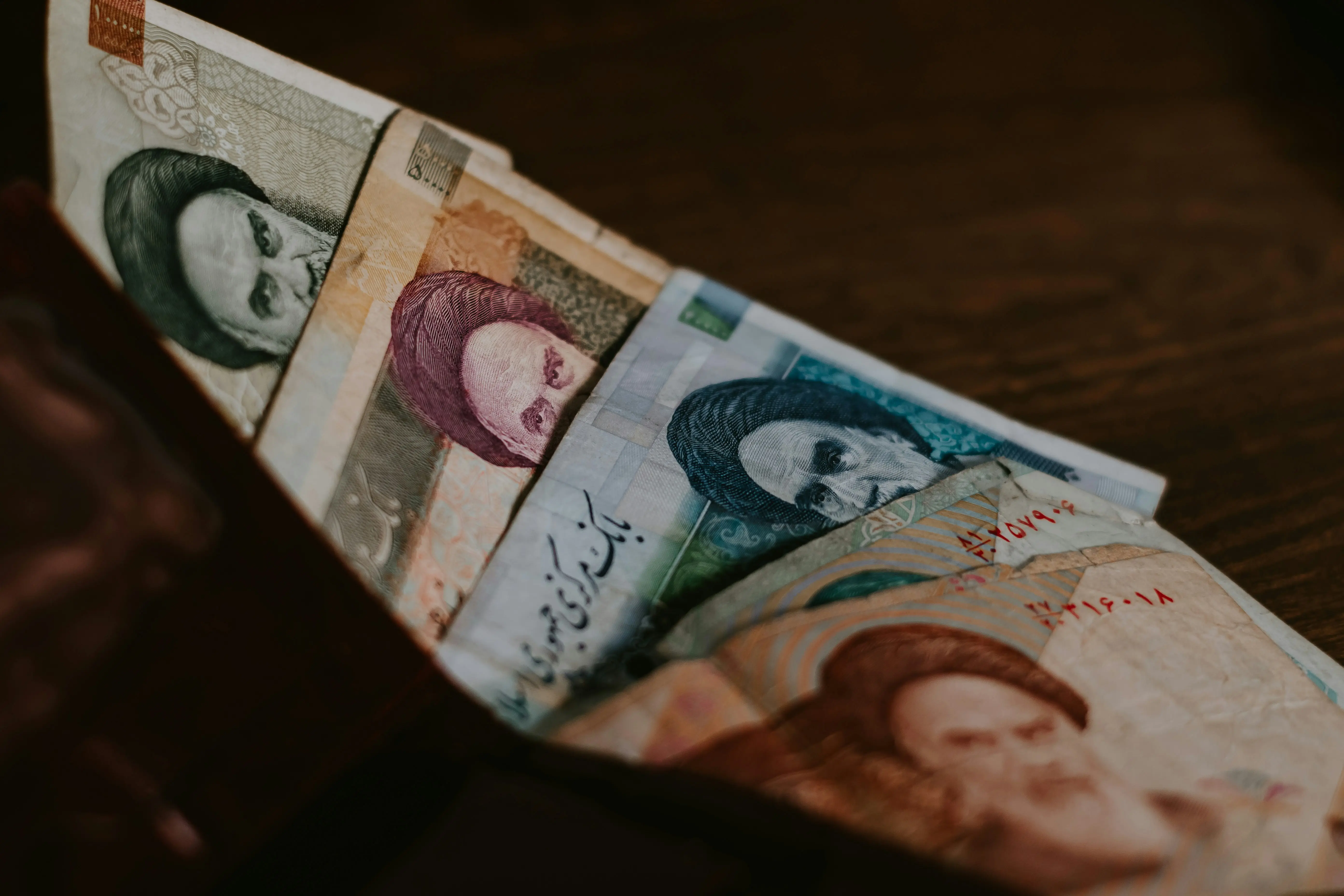
The 1979 Revolution baseline
Before the Islamic Revolution in 1979, Iran’s economy was growing, and the currency was strong. At that time, one US dollar exchanged for roughly 70 rials. This period marks the last time the Iranian currency held significant international value before political upheaval changed the financial landscape forever.
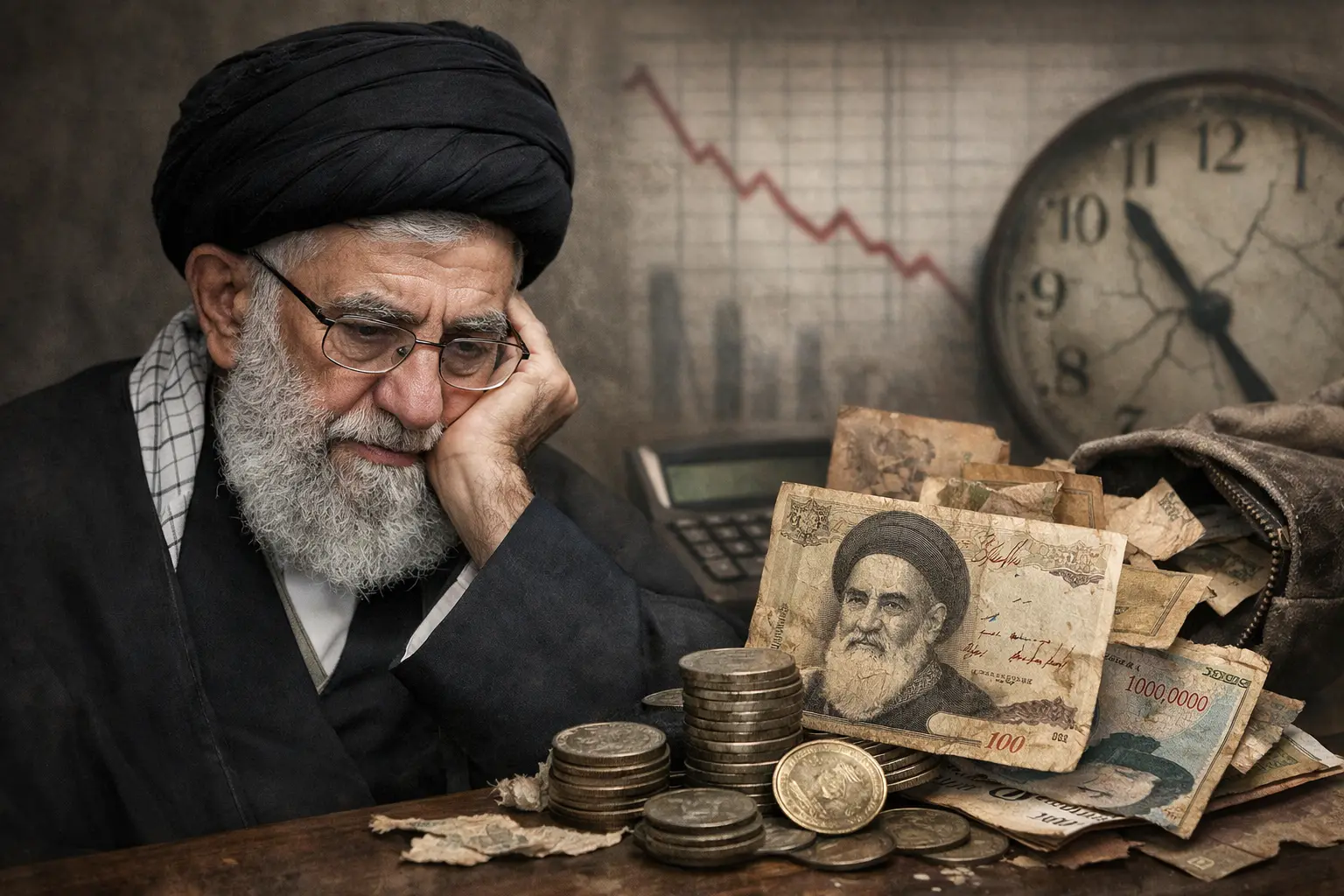
Hostage crisis and first shocks
Following the storming of the US Embassy in Tehran, Washington imposed its first major sanctions, freezing billions in Iranian assets. This isolation triggered capital flight, causing the rial’s value to wobble. By the early 1980s, the currency began its long descent as diplomatic ties with the West disintegrated.
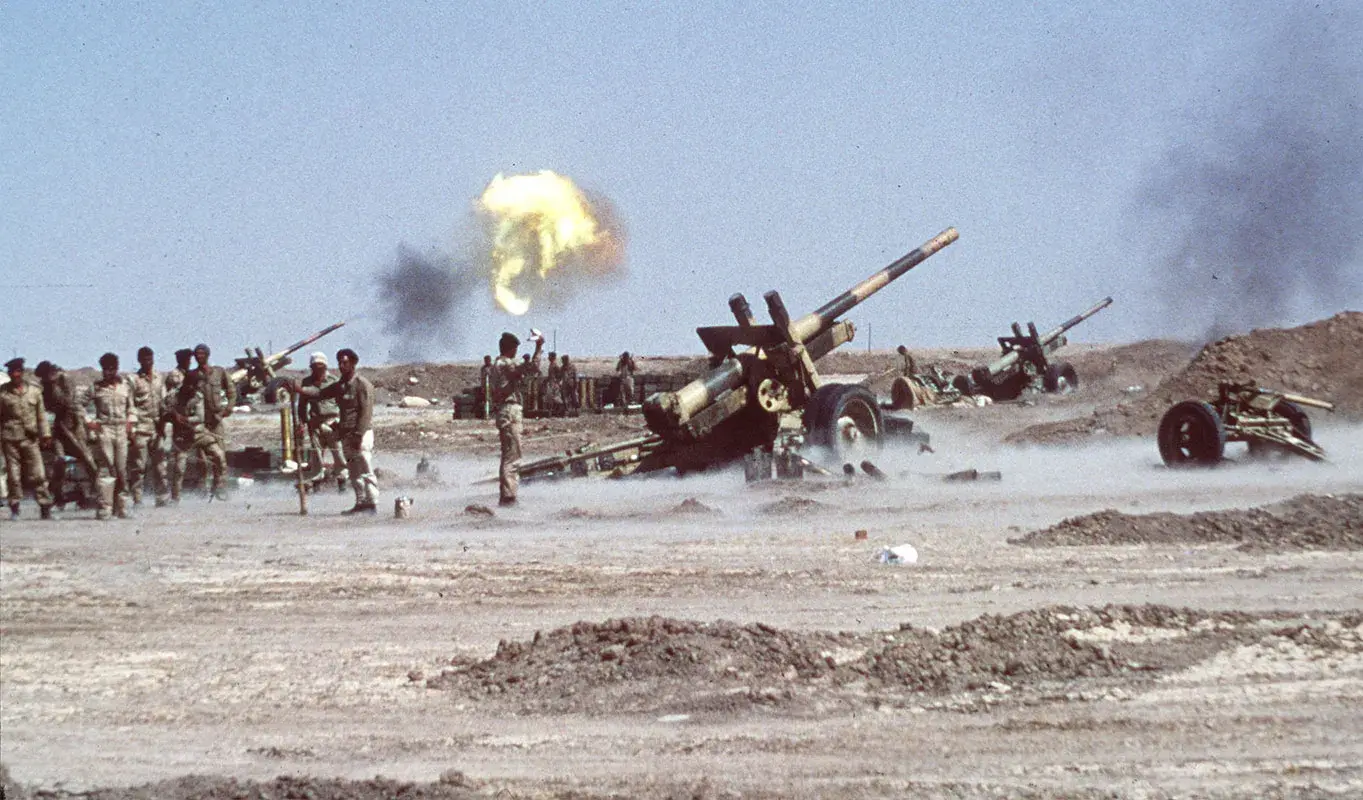
The devastating eight-year war
The Iran-Iraq War (1980-1988) drained the nation’s treasury and diverted funds to defence. To finance the conflict, the government printed money, fuelling inflation. By the end of the war, the official exchange rate remained artificially low, but the black market rate had depreciated significantly, widening the gap.
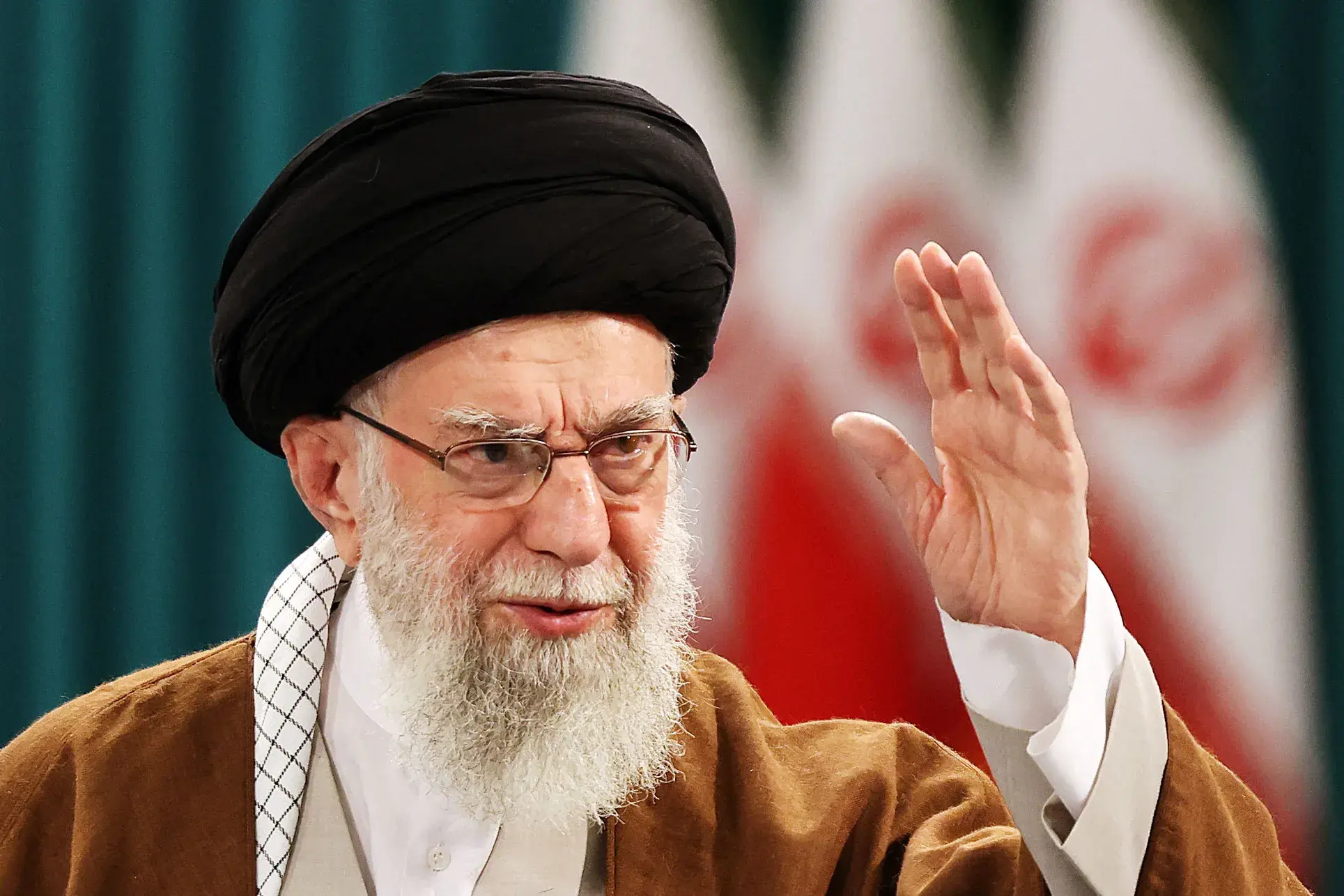
Post-war inflation and isolation
Throughout the 1990s, the rial continued to slide due to economic mismanagement and fluctuating oil prices. The government attempted to unify exchange rates, but high inflation persisted. By the late 90s, the exchange rate had slipped to thousands of rials per dollar, eroding the savings of ordinary citizens.
Nuclear tensions and 2012 sanctions
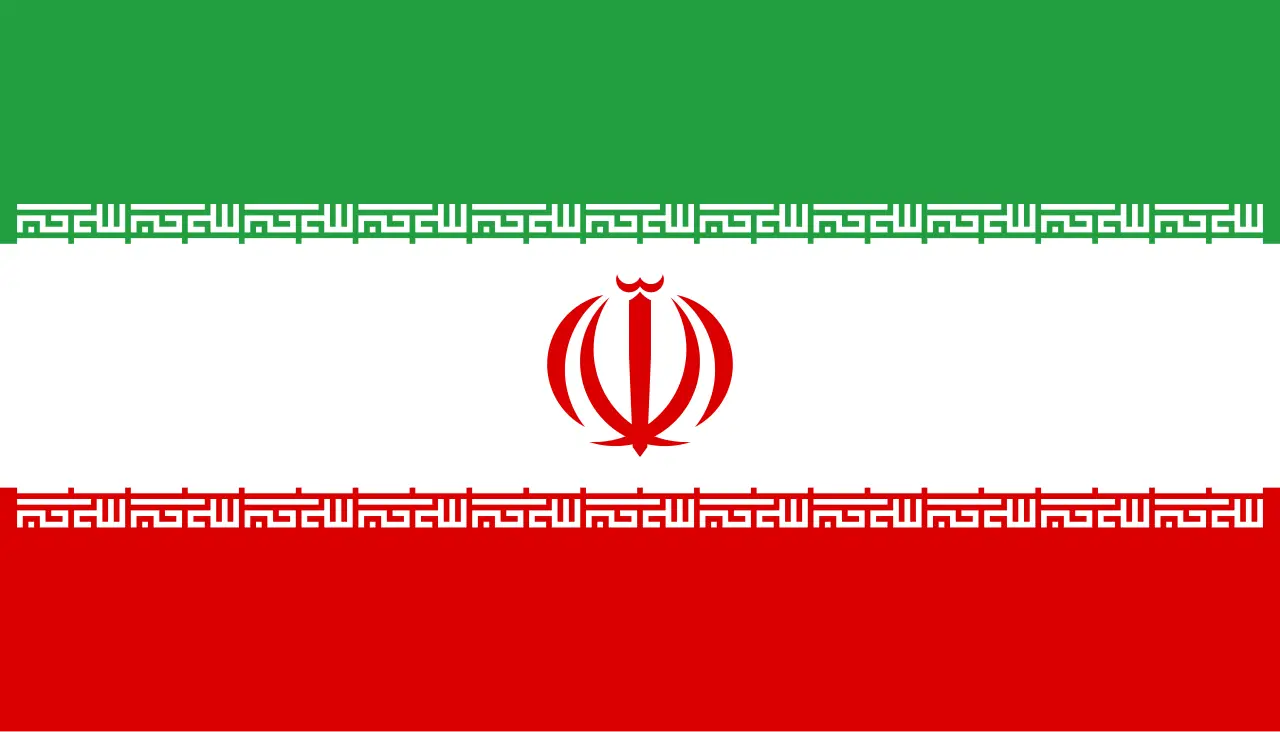
The discovery of Iran’s clandestine nuclear programme led to harsh international penalties. In 2012, the US and EU barred Iranian banks from the global SWIFT system and targeted oil exports. The rial lost nearly 80 per cent of its value in a single year, crashing from around 10,000 to nearly 35,000 against the dollar.
The 2015 nuclear deal relief
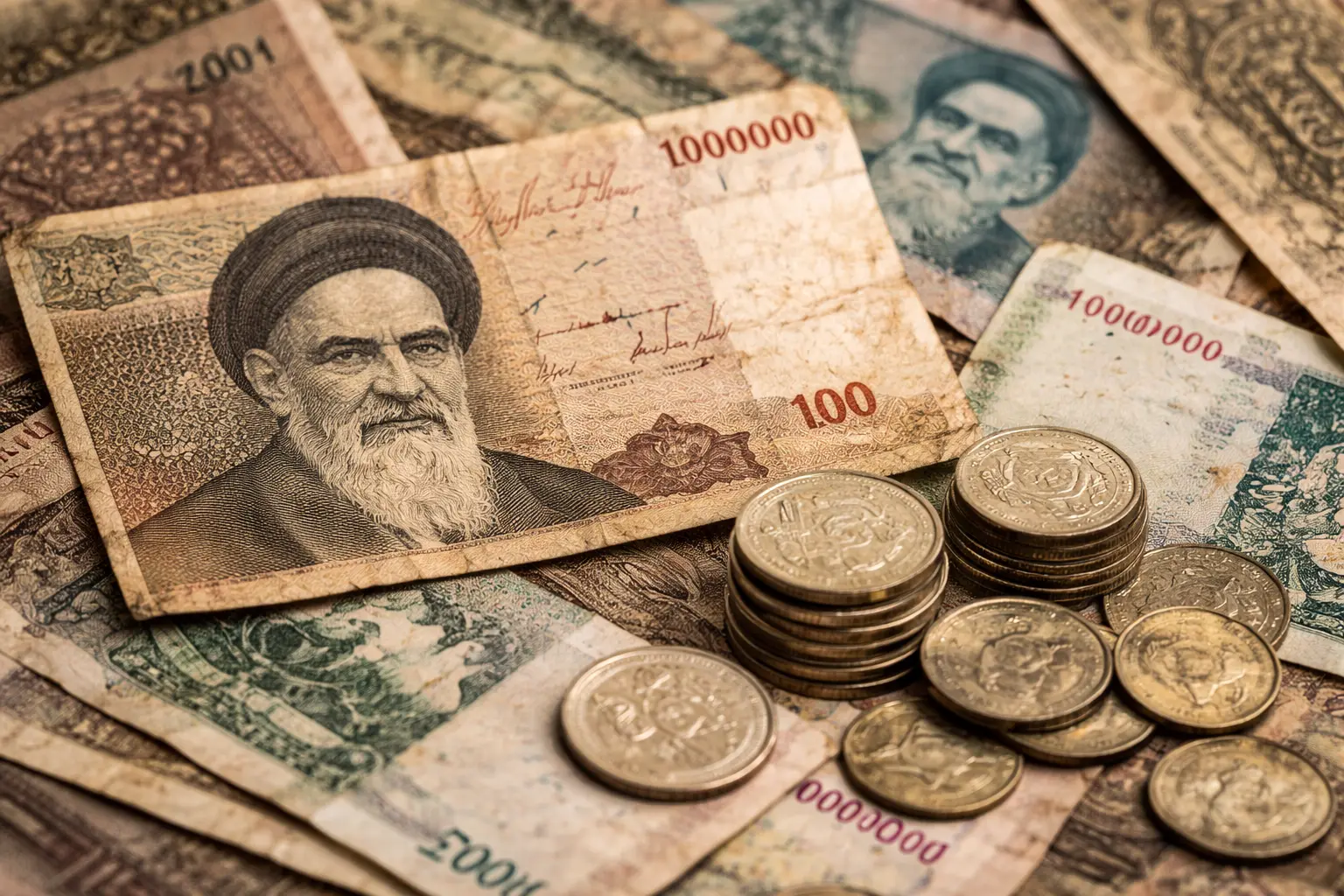
The signing of the Joint Comprehensive Plan of Action (JCPOA) offered a brief glimmer of hope. Sanctions were eased, and the rial stabilised somewhat as foreign investment returned. However, the structural issues in the economy remained, and the recovery was fragile and short-lived.
Trump’s ‘Maximum Pressure’ campaign
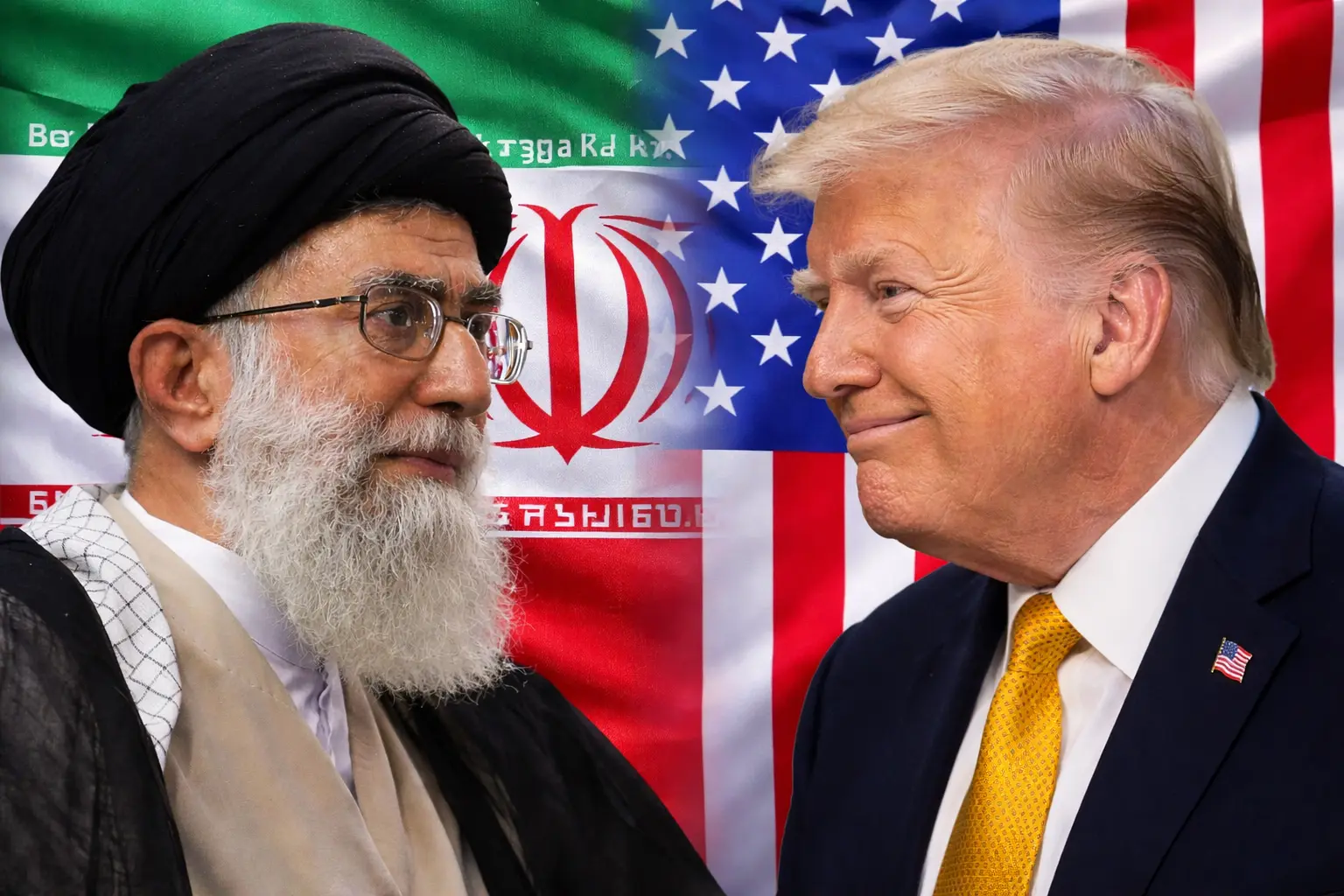
In 2018, the US unilaterally exited the nuclear deal and reimposed crippling sanctions on Iran’s banking and energy sectors. This ‘maximum pressure’ strategy cut off Iran’s access to foreign currency. The rial went into freefall, crossing the 100,000 mark per dollar as panic gripped the markets.
Hyperinflation and money printing
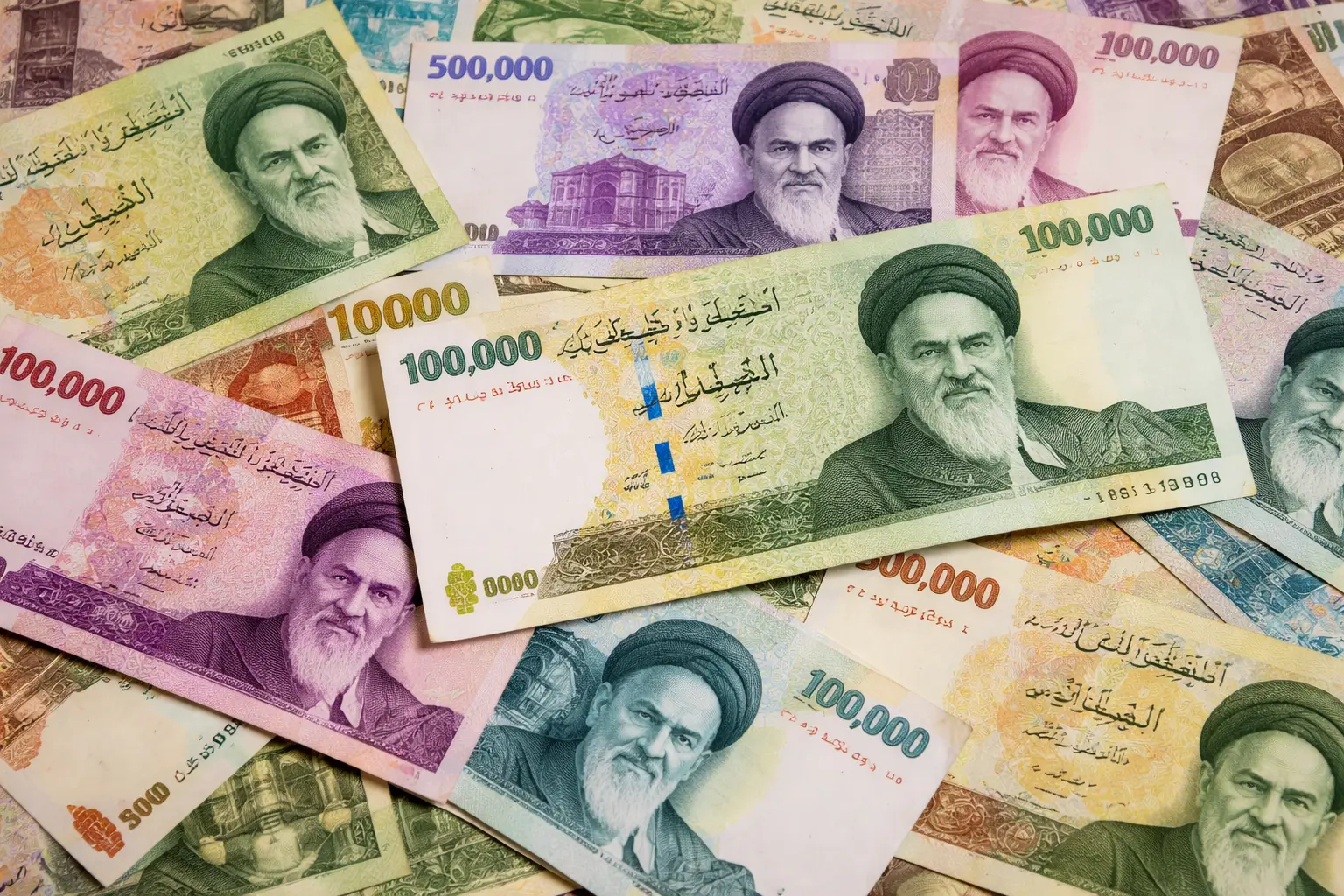
To cover budget deficits caused by lost oil revenue, the Central Bank of Iran printed vast amounts of money. Reports indicate annual inflation rates frequently topped 40 per cent. This excess liquidity, combined with a lack of goods, pushed the currency’s value down further, making daily necessities unaffordable.
The 20,000x devaluation reality
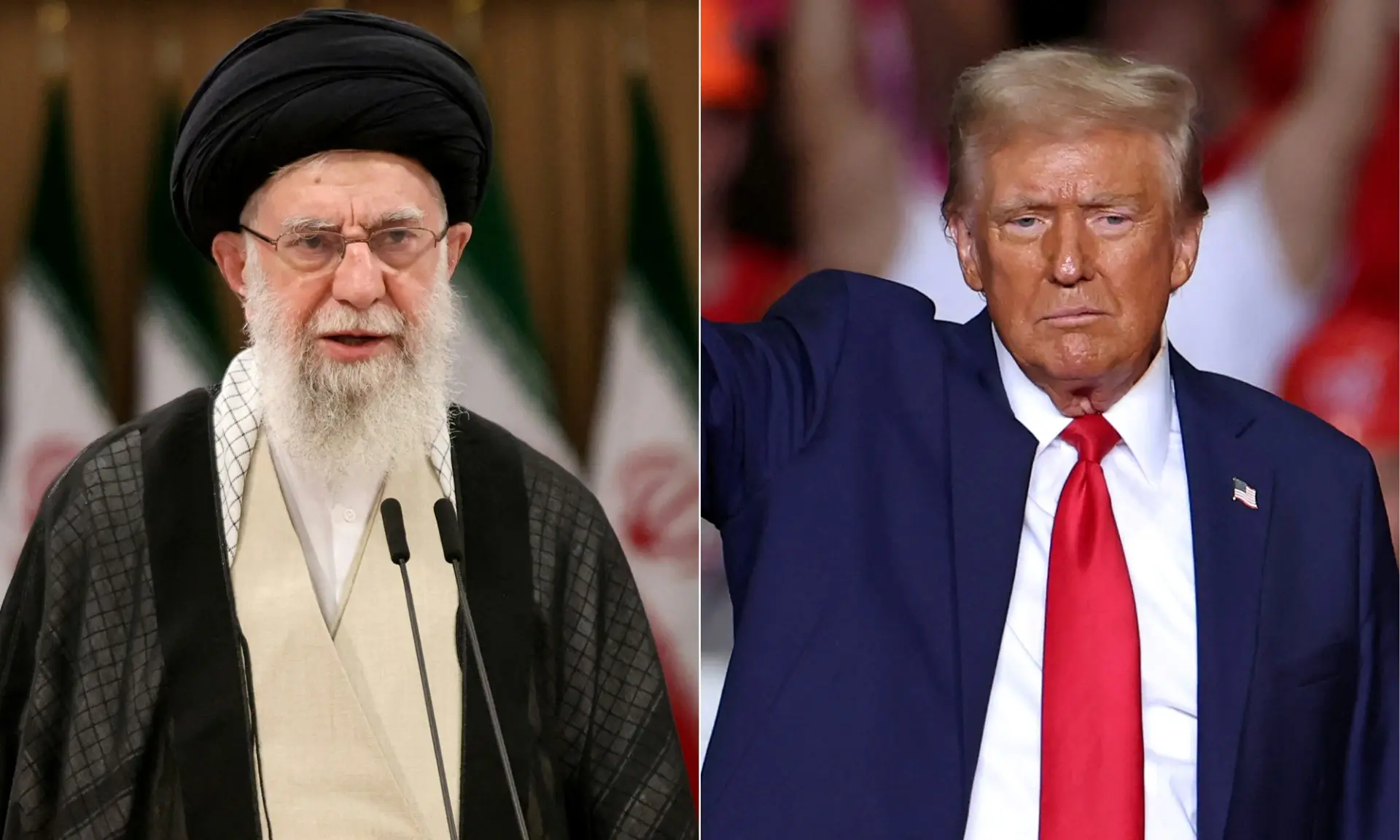
Recent market reports indicate the US dollar now trades at unofficial rates exceeding 1.4 million rials. This staggering figure represents a 20,000-fold decrease from the 70 rials per dollar rate in 1979. The collapse reflects the cumulative impact of decades of sanctions and internal economic distress.
Ongoing crisis and future outlook
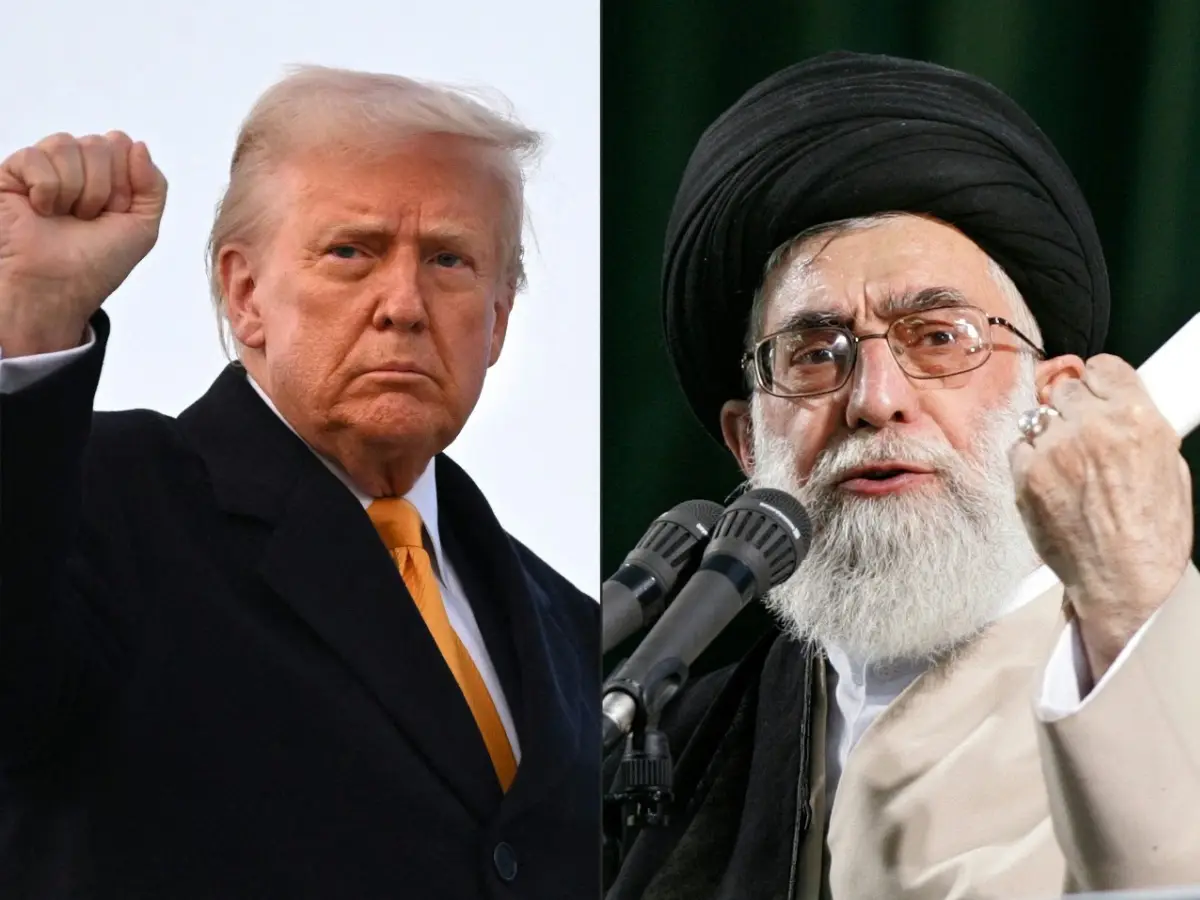
Tensions between the US and Iran continue to keep the currency volatile. With no clear path to sanctions relief, the rial remains under immense pressure. For the Iranian people, this massive devaluation means a continuous struggle to preserve the value of their wages and savings against a shrinking currency.
)
)
)
)
)