‘US vs Iran’: Which military really dominates in the Persian Gulf?

The US military dominates Iran in budget and tech, but Tehran’s missiles and swarm tactics in the narrow Gulf waters pose a serious, costly threat.
The massive budget gap
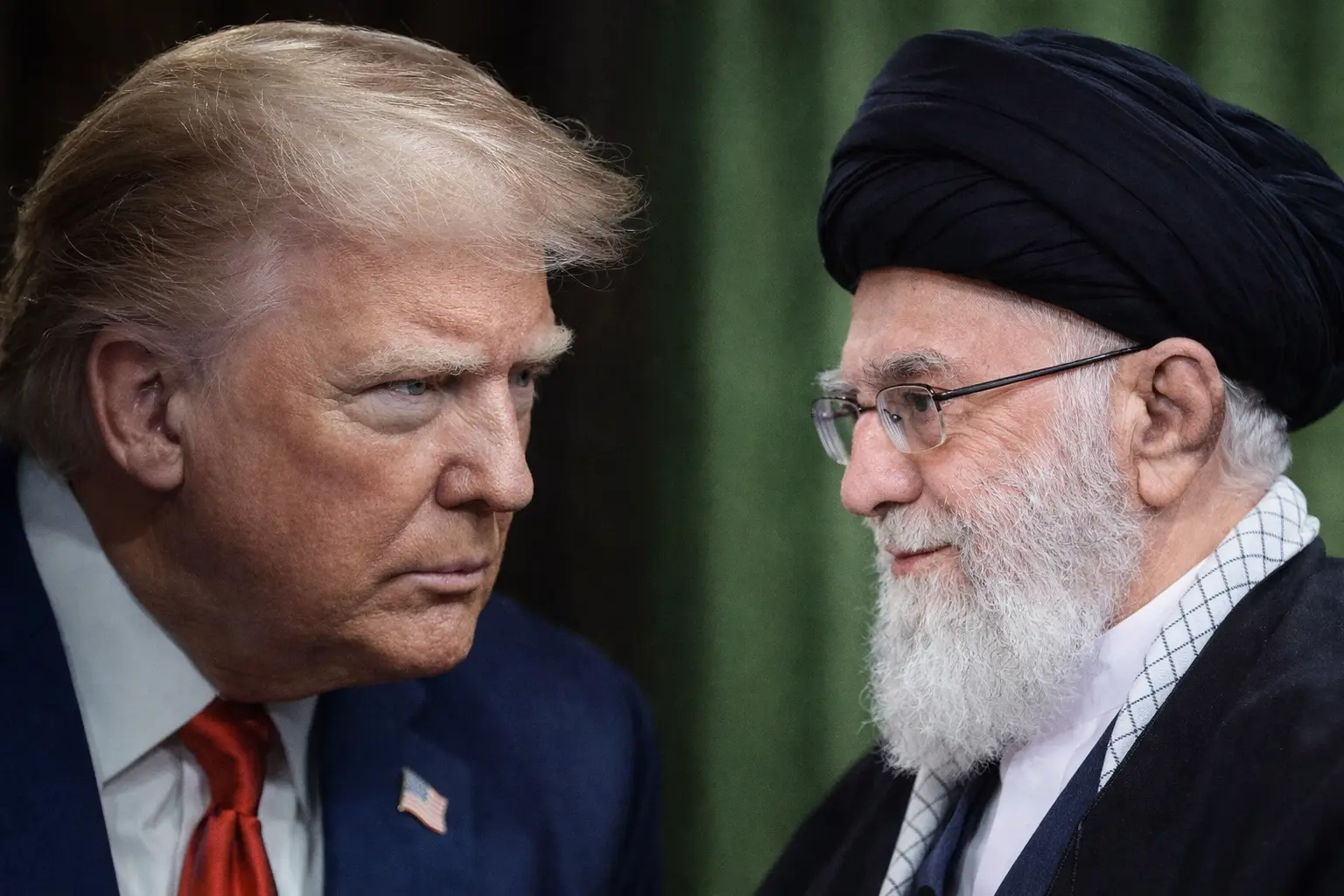
The financial disparity between the two nations is staggering. The US defence budget hovers around $850 billion, enabling endless modernisation and maintenance. In contrast, Iran spends approximately $15 billion to $25 billion annually, forcing them to rely on cost-effective, locally produced asymmetrical weapons rather than expensive imports.
Troops: Quality vs Quantity
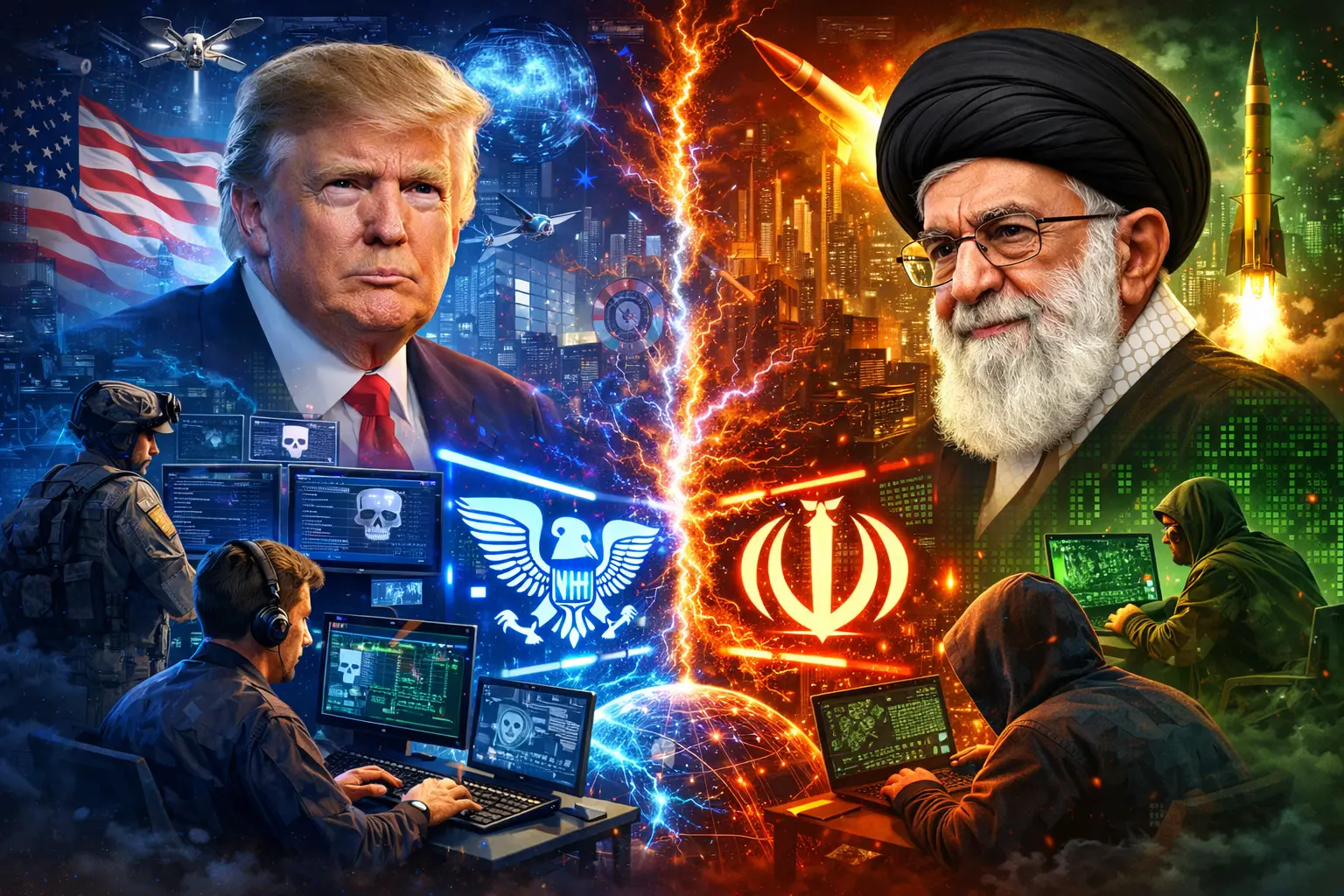
The US military has about 1.3 million active personnel, highly trained in combined-arms warfare. Iran counters with roughly 600,000 active troops but can mobilise hundreds of thousands of Basij paramilitary forces. While the US soldier has superior gear, Iran relies on sheer numbers and ideological commitment for home defence.
Air power: Total US dominance
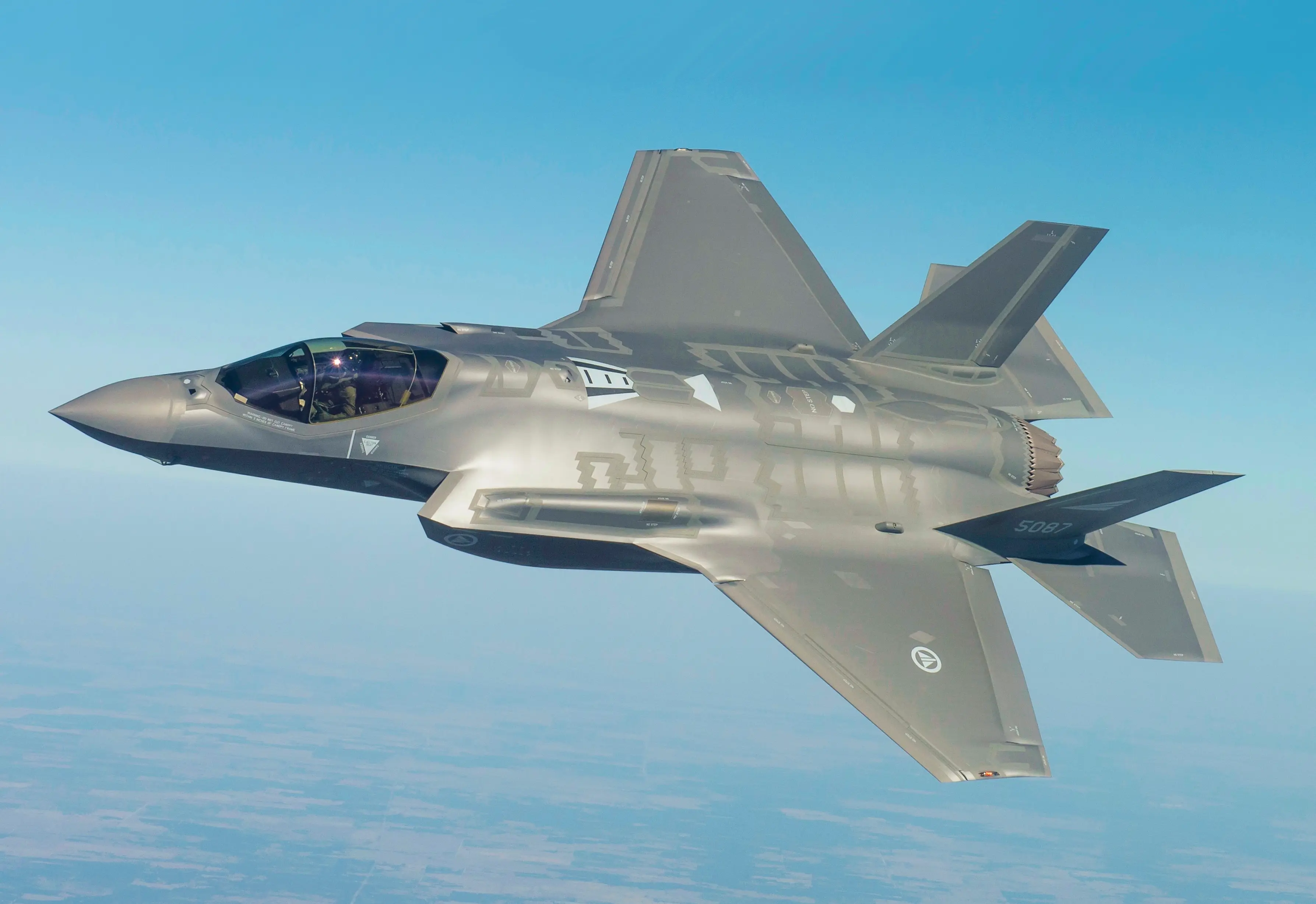
The US Air Force operates the world’s most advanced stealth fighters, including the F-35 and F-22, ensuring total air superiority. Iran’s air force is aging, still flying pre-1979 American F-14 Tomcats and older Russian jets. In a direct dogfight, Iranian pilots would struggle to survive against modern US radar and missile systems.
Naval giants vs lethal swarms
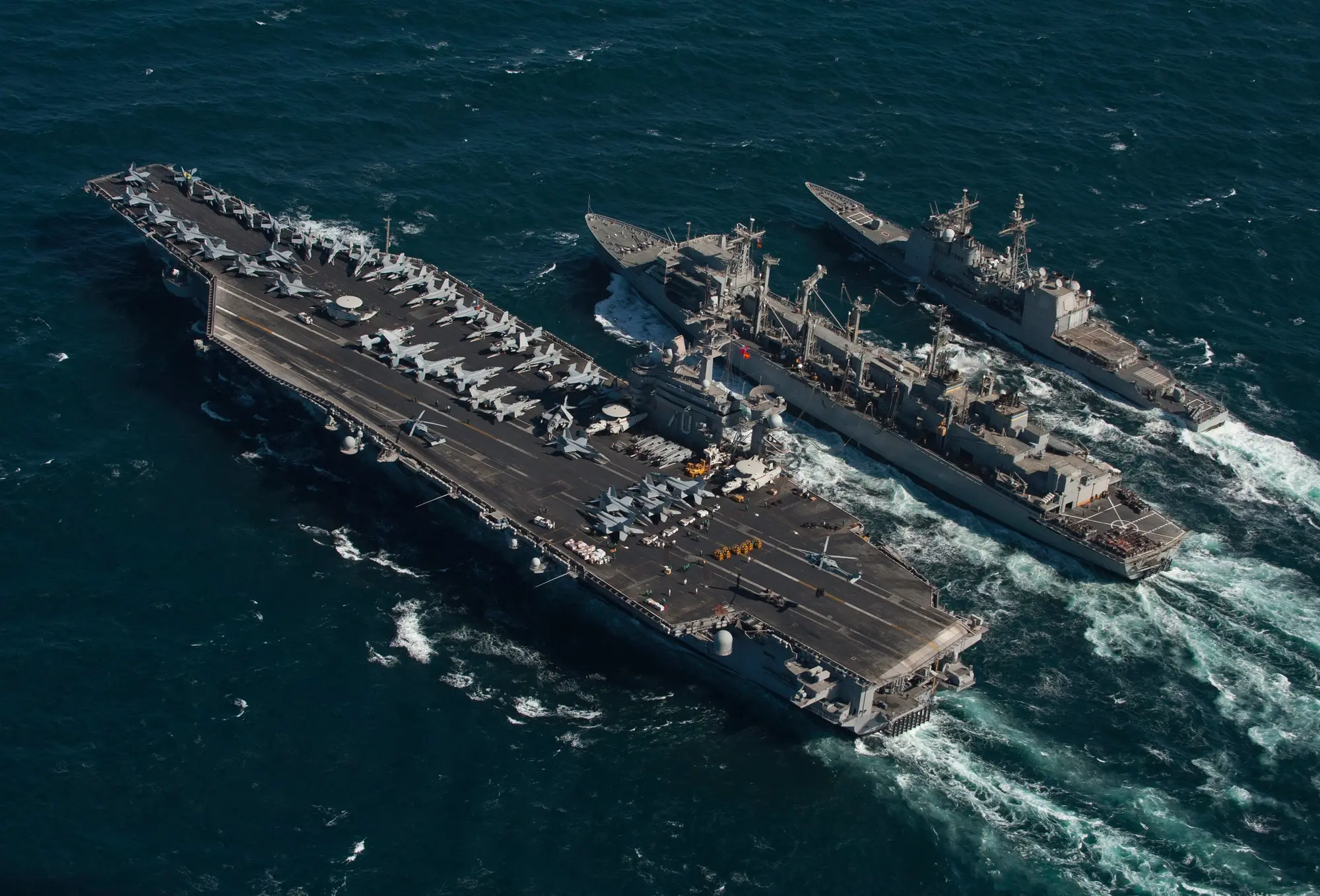
The US Fifth Fleet, based in Bahrain, deploys massive aircraft carriers and destroyers designed for open-ocean dominance. Iran knows it cannot compete ship-for-ship, so the IRGC Navy uses swarms of fast attack speedboats equipped with rockets. These small boats aim to overwhelm large American vessels in the narrow waters of the Gulf.
Iran’s missile arsenal
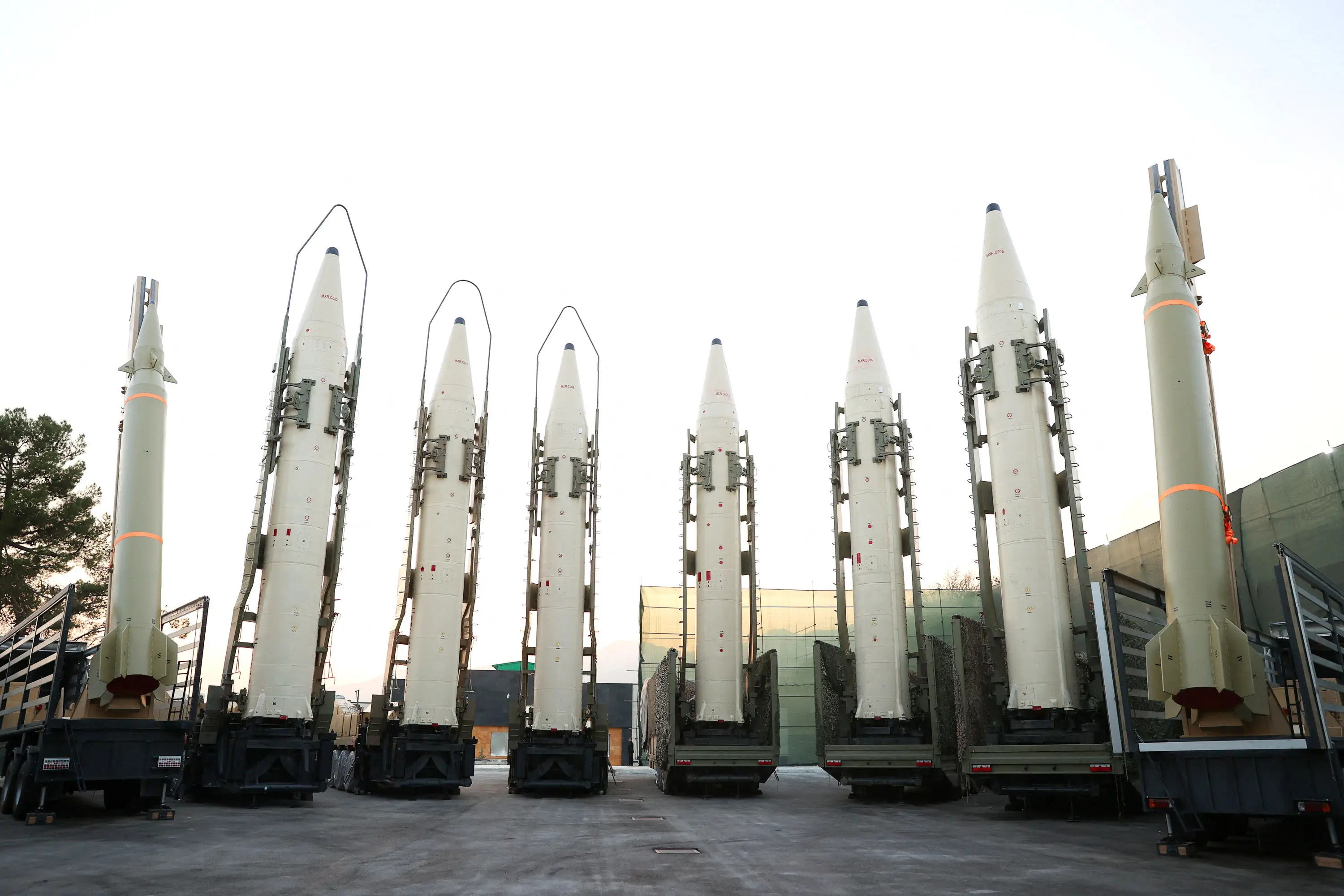
This is where Tehran holds a significant card; it possesses the largest ballistic missile arsenal in the Middle East, with over 3,000 missiles. These can target US bases across the region and airfields in allied nations. The US relies on Patriot and THAAD defence systems to intercept these threats, but a mass volley could still cause damage.
The drone revolution
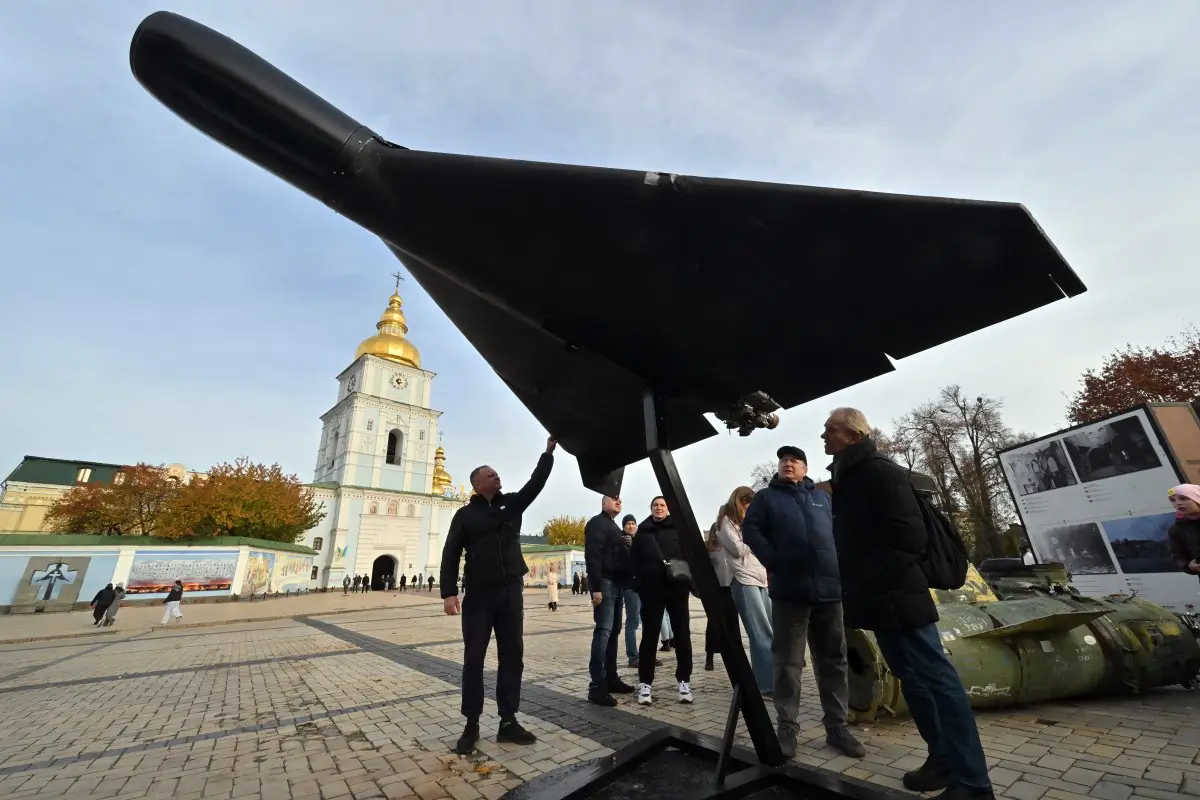
Iran has become a global leader in cheap, effective combat drones like the Shahed series. These 'suicide drones' can crash into US radar systems and ships, offering a low-cost way to harass high-tech forces. The US counters with advanced electronic warfare and laser defences, but the sheer volume of cheap drones remains a headache.
The Strait of Hormuz factor
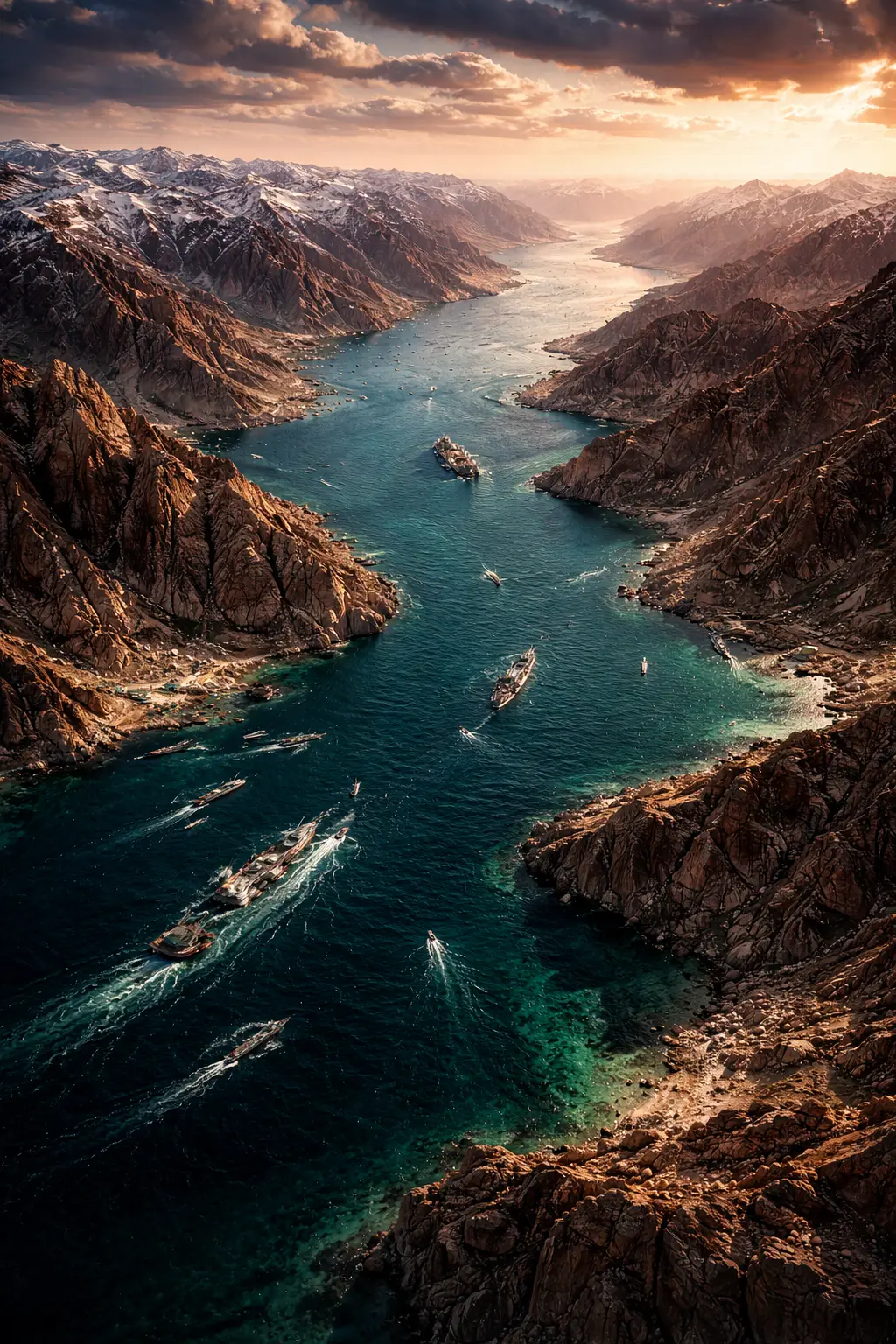
Geography favours Iran in this critical chokepoint, which is only 39 kilometres wide at its narrowest. Iran controls the northern coastline and can deploy sea mines to disrupt global oil shipping and US naval movements. The US Navy trains constantly to keep this waterway open, but clearing mines under fire is a slow, dangerous process.
Undersea capabilities
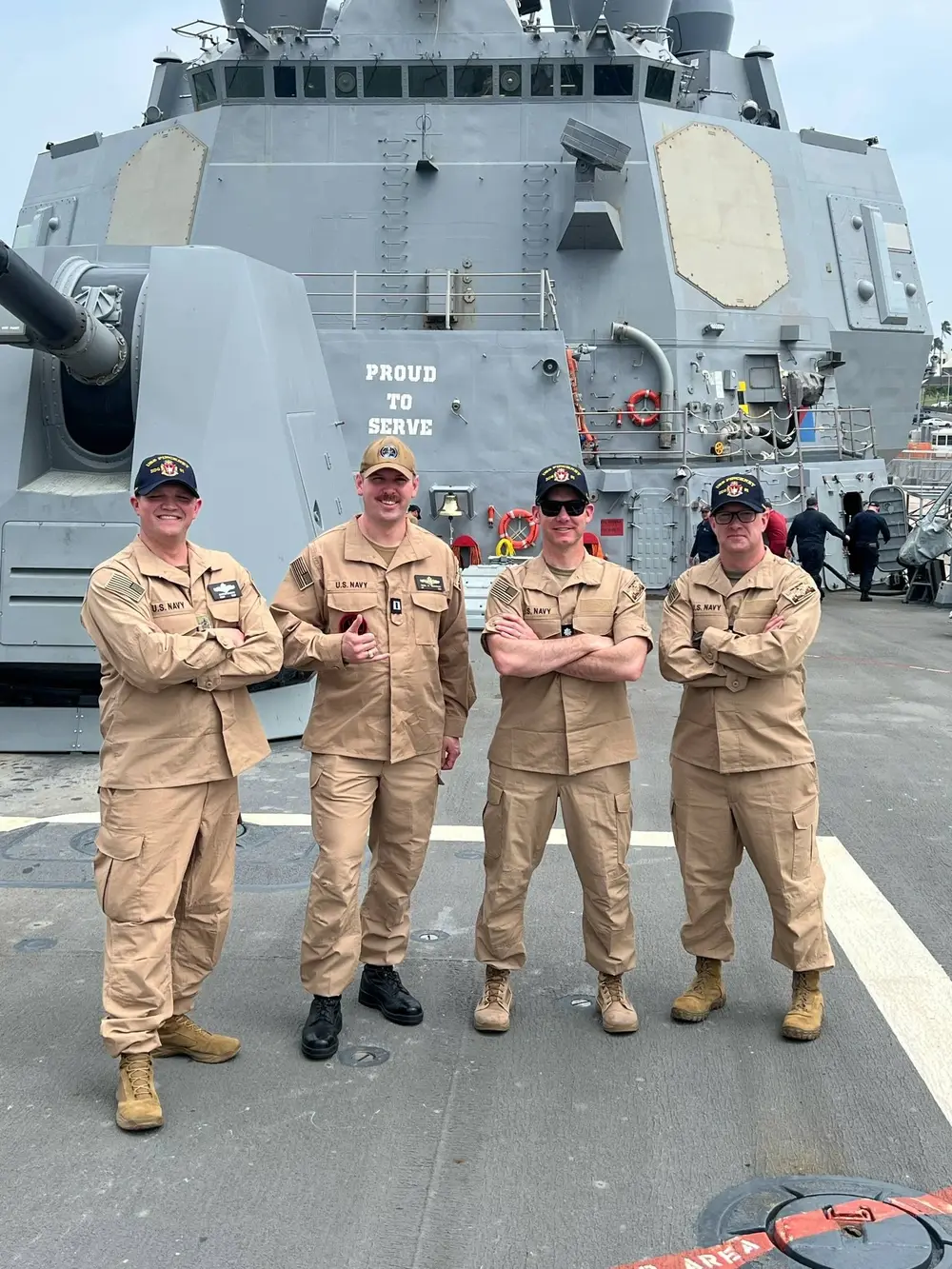
The US Navy’s nuclear-powered submarines are the stealthiest and most lethal in the world, capable of striking land targets from deep underwater. Iran operates a fleet of smaller, diesel-electric Kilo-class and midget submarines. While less advanced, Iranian subs can sit silently in the shallow Gulf waters, waiting to ambush passing ships.
Cyber and intelligence
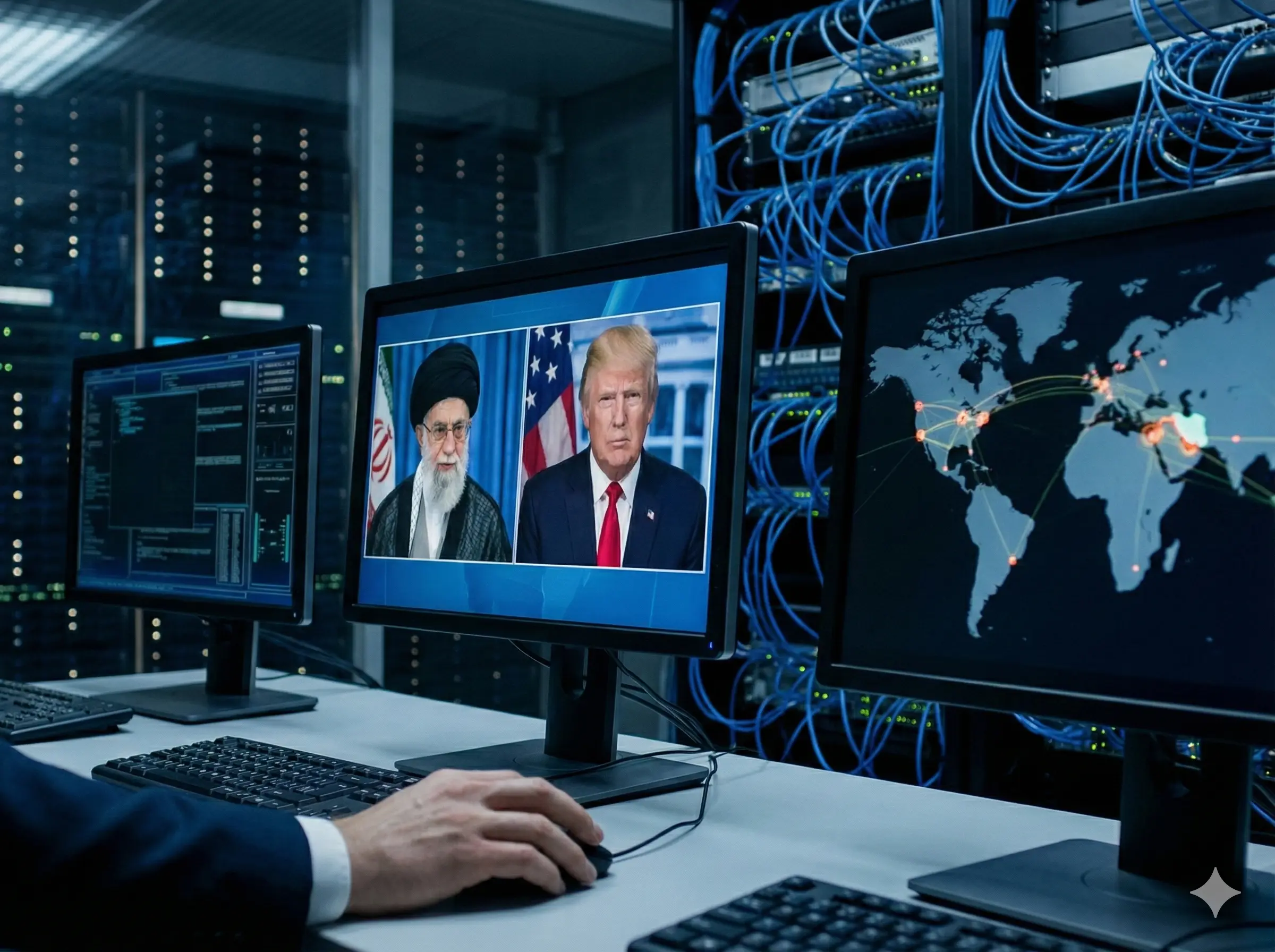
The US enjoys a massive advantage in satellite reconnaissance and cyber warfare, allowing it to track Iranian movements in real-time. However, Iran has invested heavily in its own cyber capabilities, frequently targeting US infrastructure and networks. While the US can blind Iranian communications, Tehran’s hackers remain a persistent disruptive force.
The verdict: Superiority with a cost
The US military remains superior in almost every conventional metric, from technology to firepower. Yet, Iran’s strategy of 'asymmetric warfare' means it can inflict heavy losses without winning a direct battle. A conflict would result in a US military victory, but Iran could make the price of that victory devastatingly high.
)
)
)
)
)