‘US vs Iran war’: What is the attack range of cheap Iranian Shahed-136 kamikaze drones?

Iran’s Shahed-136 drone has an approximate range of 2,500 kilometres and carries a 50-kilogram explosive payload. Its low cost and ability to fly in swarms make it a significant threat to distant military and energy infrastructure across the Middle East.
The 2,500-kilometre reach
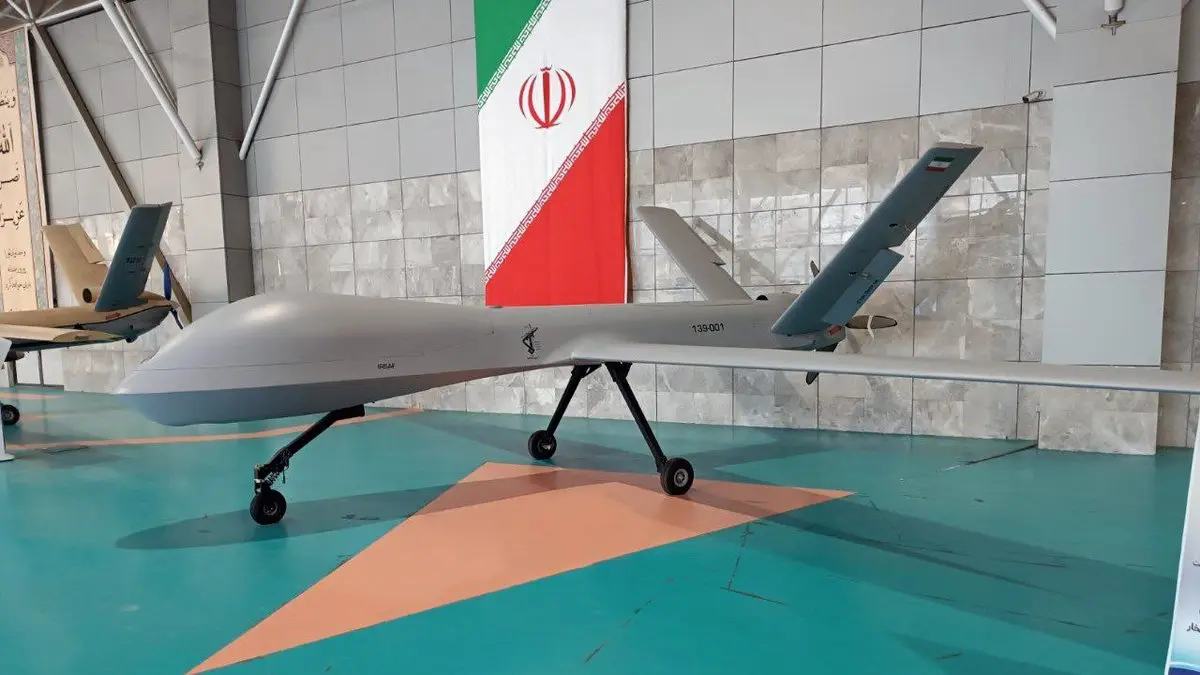
The Shahed-136 is designed for long-range precision, with Iran claiming an operational radius of up to 2,500 kilometres. This allows it to reach targets as far as Israel or US bases in the Mediterranean from Iranian soil.
A 50-kilogramme warhead
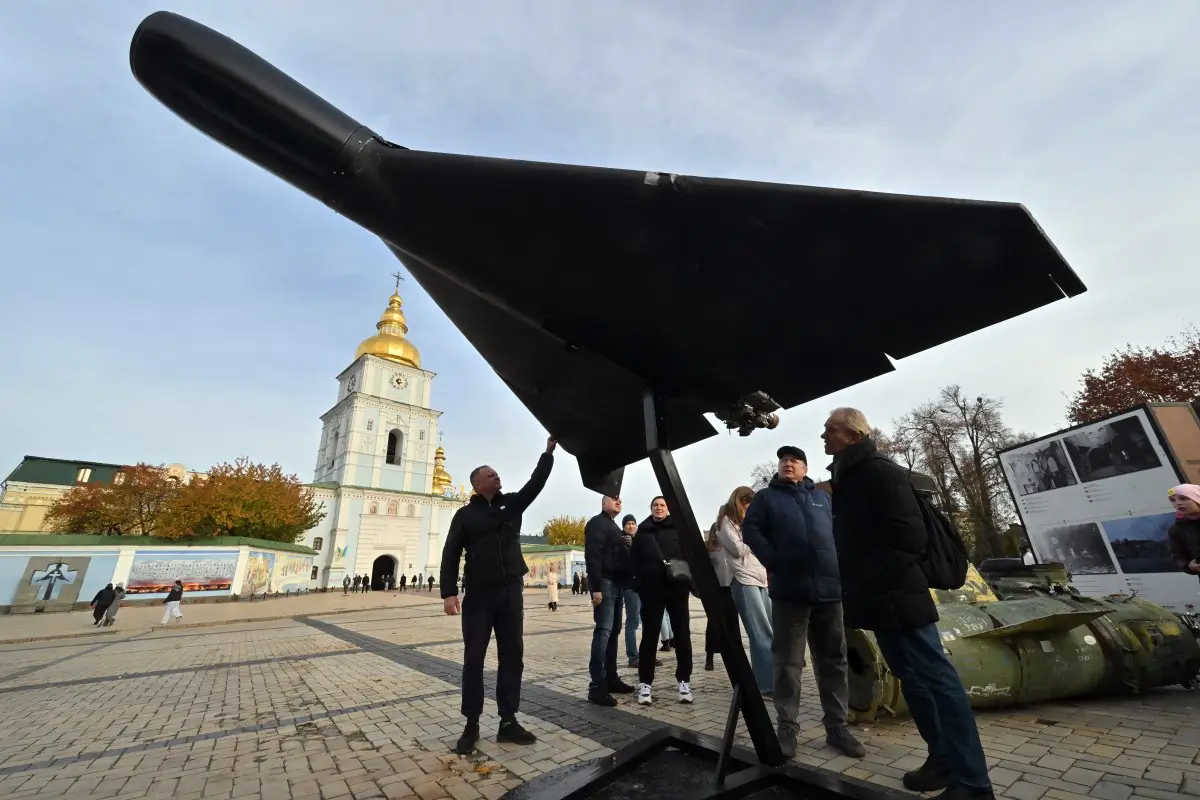
Each drone carries a high-explosive warhead weighing approximately 50 kilogrammes in its nose section. This payload is sufficient to destroy buildings, radar installations, or critical oil infrastructure upon impact.
Low-speed ‘lawnmower’ engine
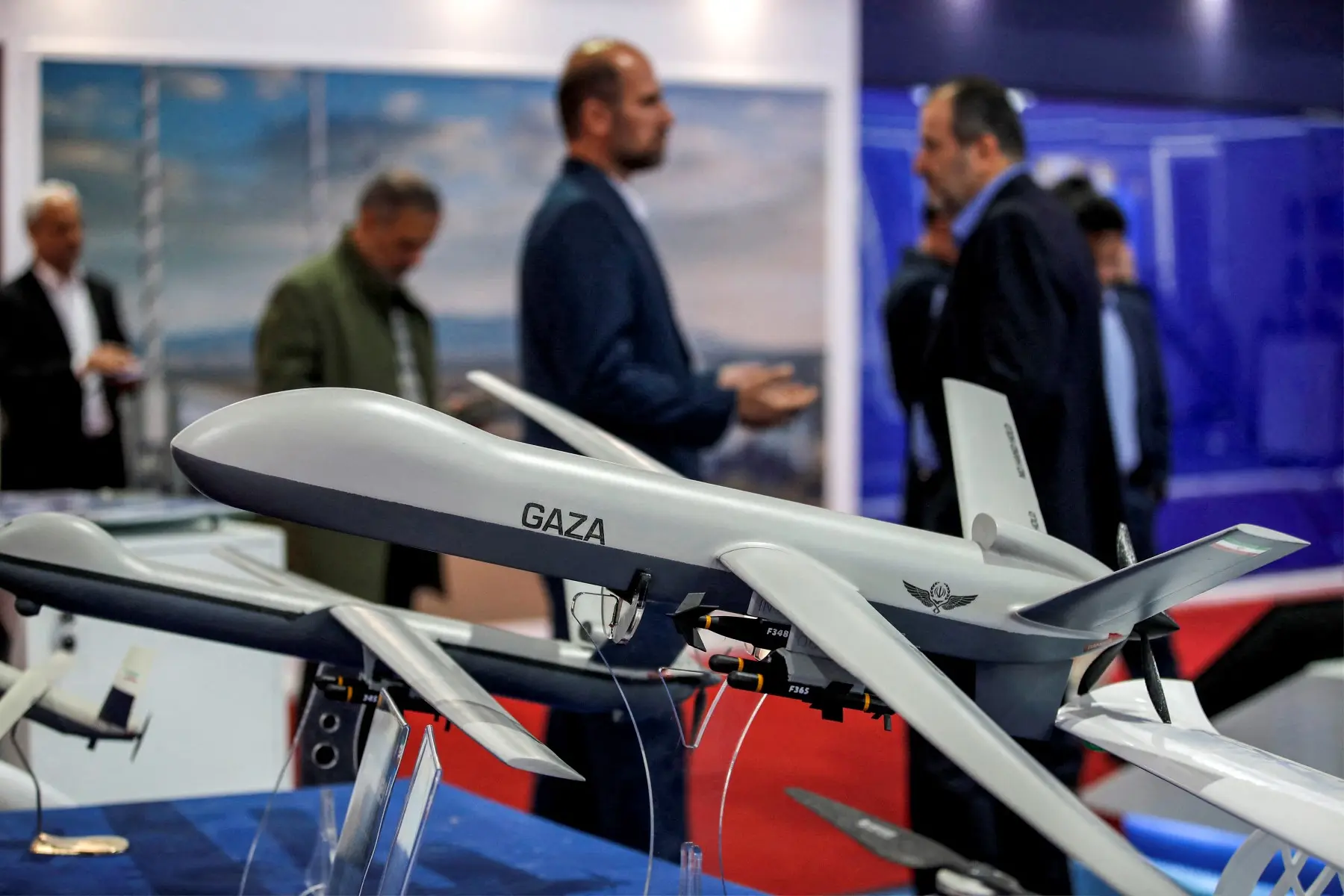
The drone is powered by a basic four-cylinder piston engine, giving it a cruise speed of roughly 185 kilometres per hour. Its distinct, noisy engine has earned it the nickname ‘the flying lawnmower’ in various conflict zones.
Radar-evading flight path
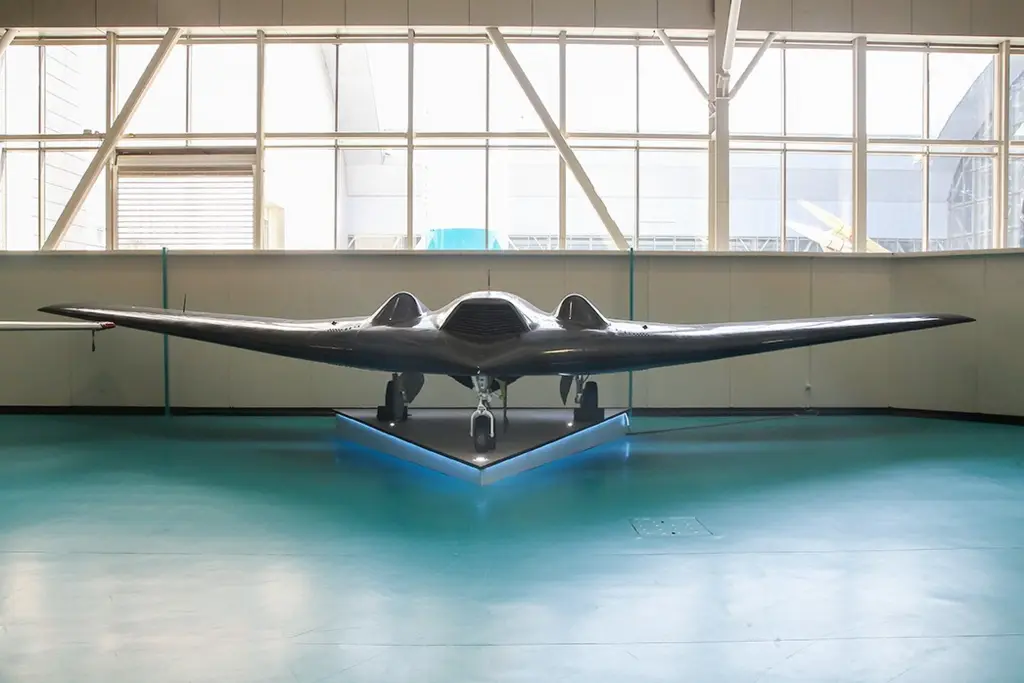
By flying at very low altitudes, the Shahed-136 can often slip under traditional radar detection systems. Its small size and composite build make it difficult for standard air defences to track until it is close to the target.
The power of the swarm
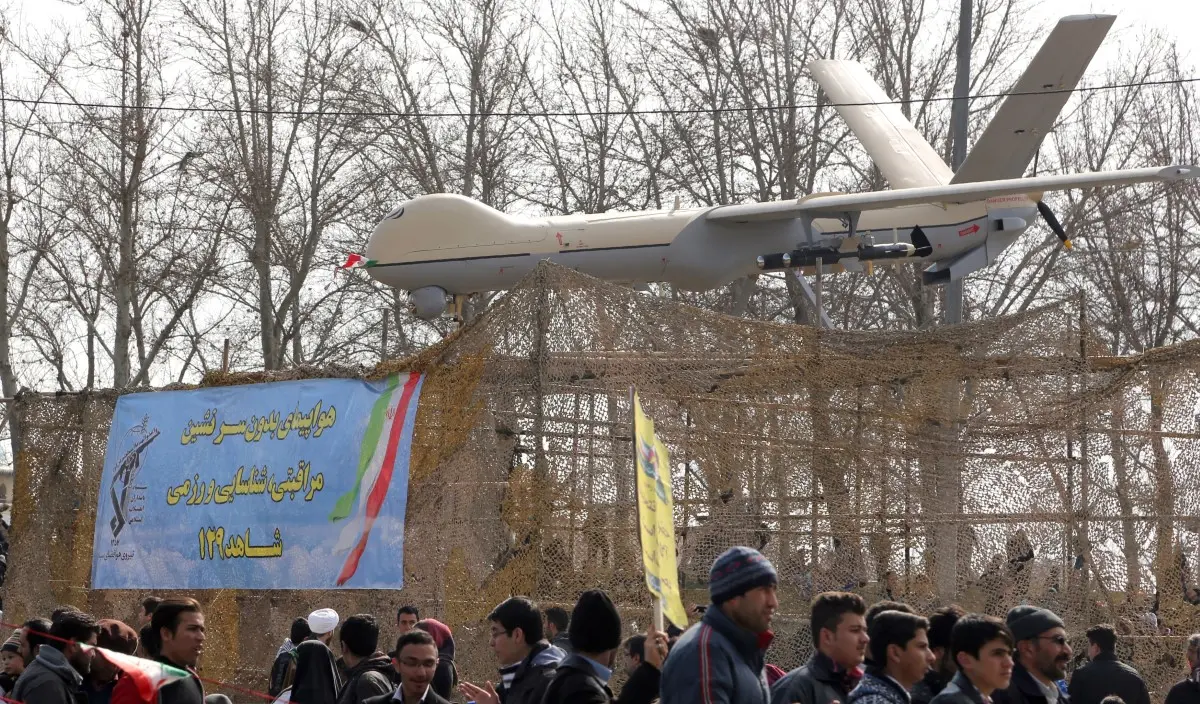
Iran frequently launches these drones in ‘swarms’ from a truck-mounted container that holds five units. This tactic is designed to overwhelm enemy air defences through sheer numbers, ensuring at least one drone gets through.
Satellite-guided precision
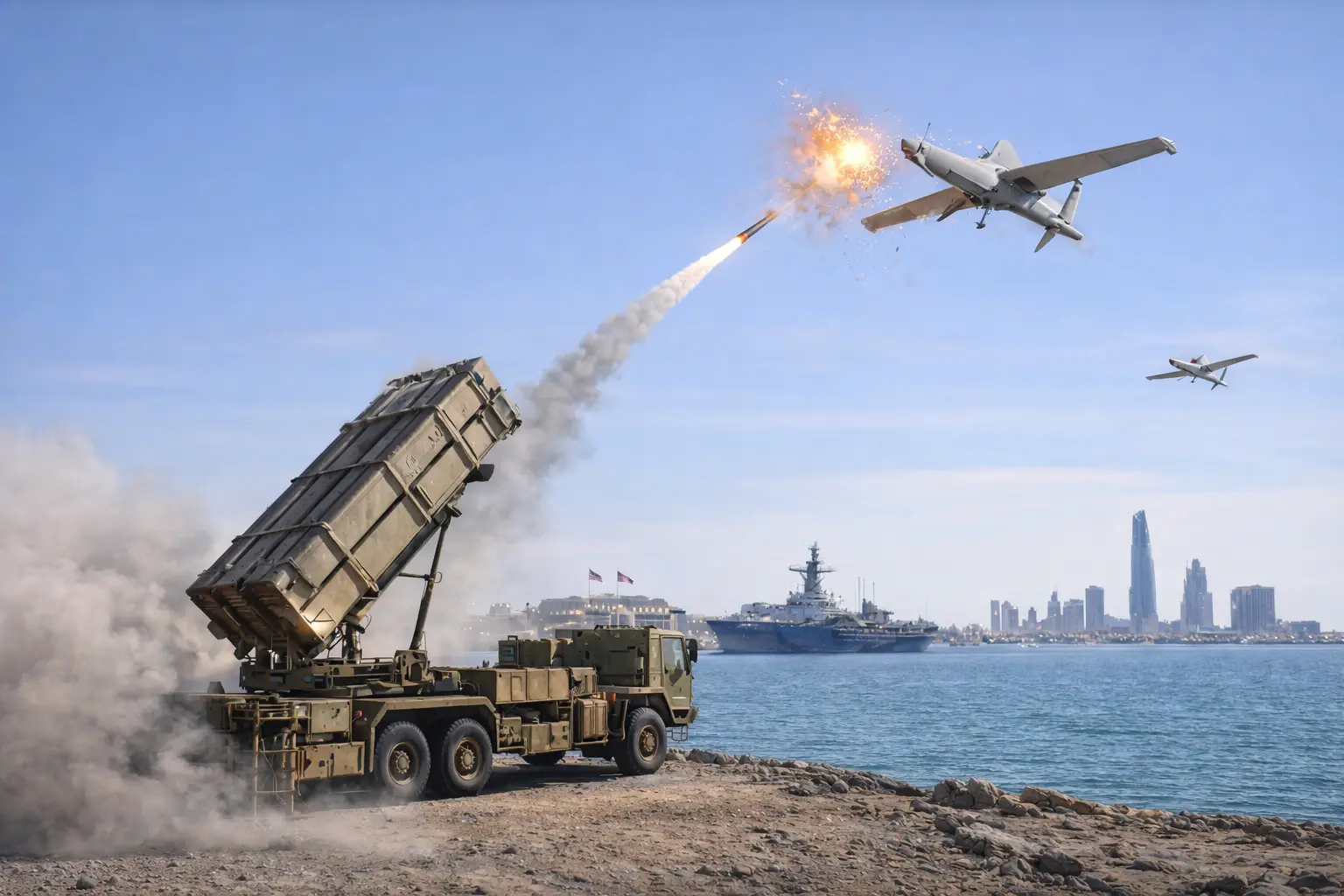
The drone uses civilian-grade GPS and GLONASS satellite navigation to find its way to fixed coordinates. While it cannot hit moving targets, its accuracy against stationary infrastructure remains a major threat to regional bases.
Cost-effective destruction
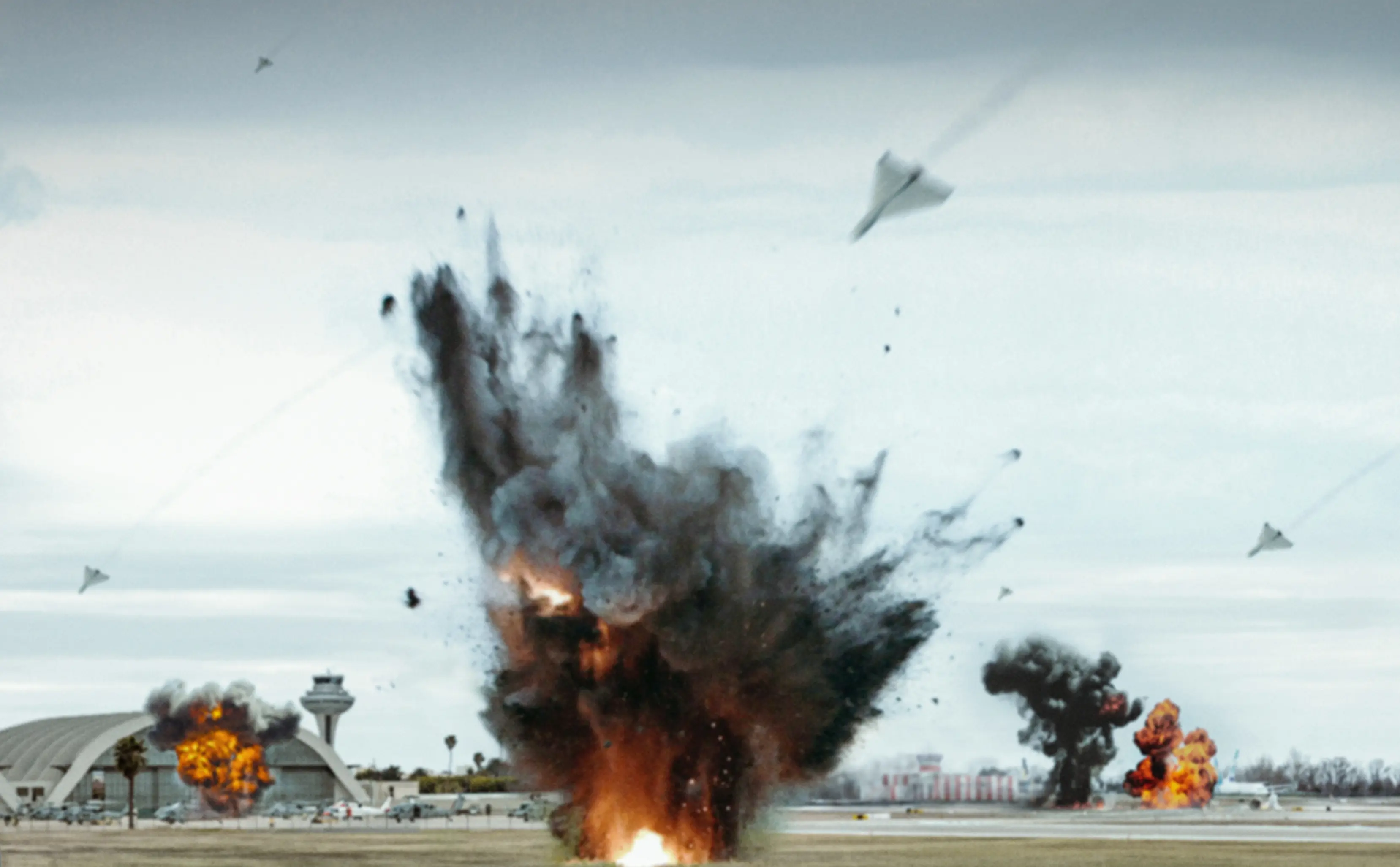
Manufacturing a Shahed-136 costs roughly $20,000 to $50,000, which is a fraction of the cost of the missiles used to shoot it down. This creates a massive financial imbalance for the US and its allies during prolonged attacks.
)
)

)
)