’US vs Iran conflict’: Why it is nearly impossible for Iran to intercept and stop US Tomahawk missiles

Flying at just 100 feet above the ground with a range of over 1,600 kilometres, the US Tomahawk cruise missile can easily evade Iran’s high-altitude radar networks.
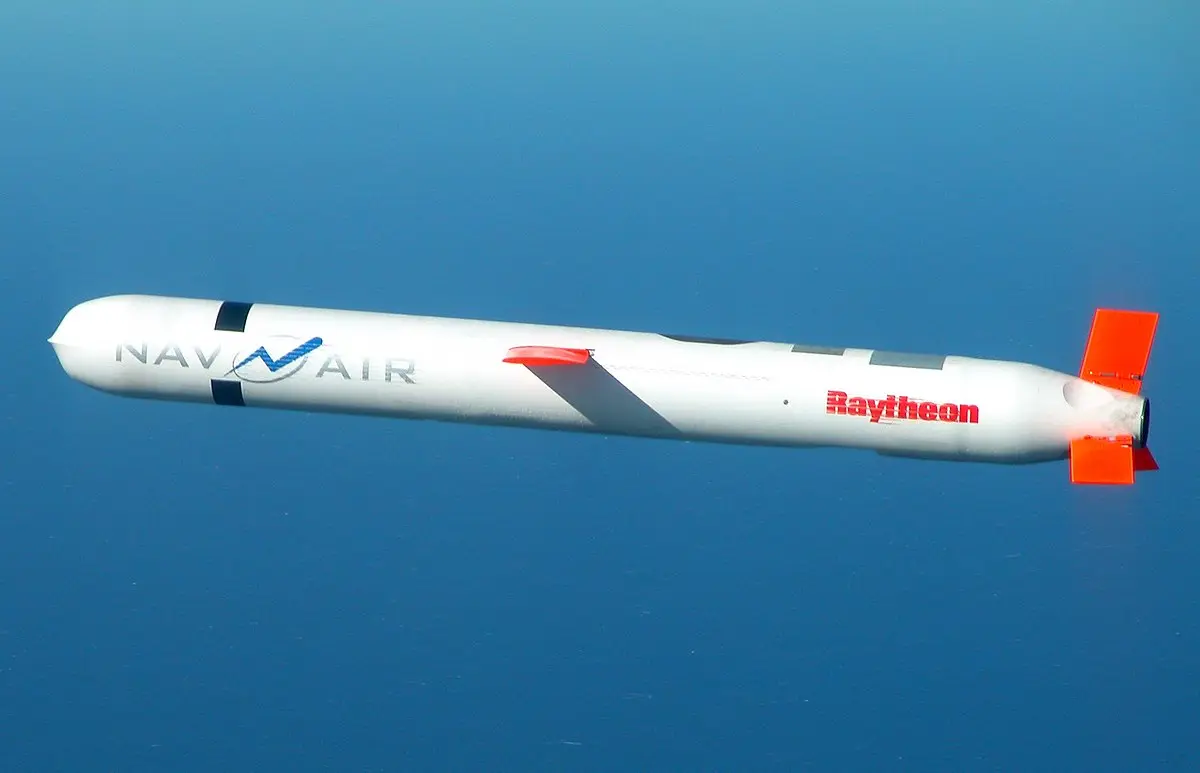
The terrain-hugging flight path
The Tomahawk missile travels at extremely low altitudes, often flying just 100 feet above the ground. This nap-of-the-earth flight profile keeps it hidden below the radar horizon, making early detection by Iranian systems nearly impossible.
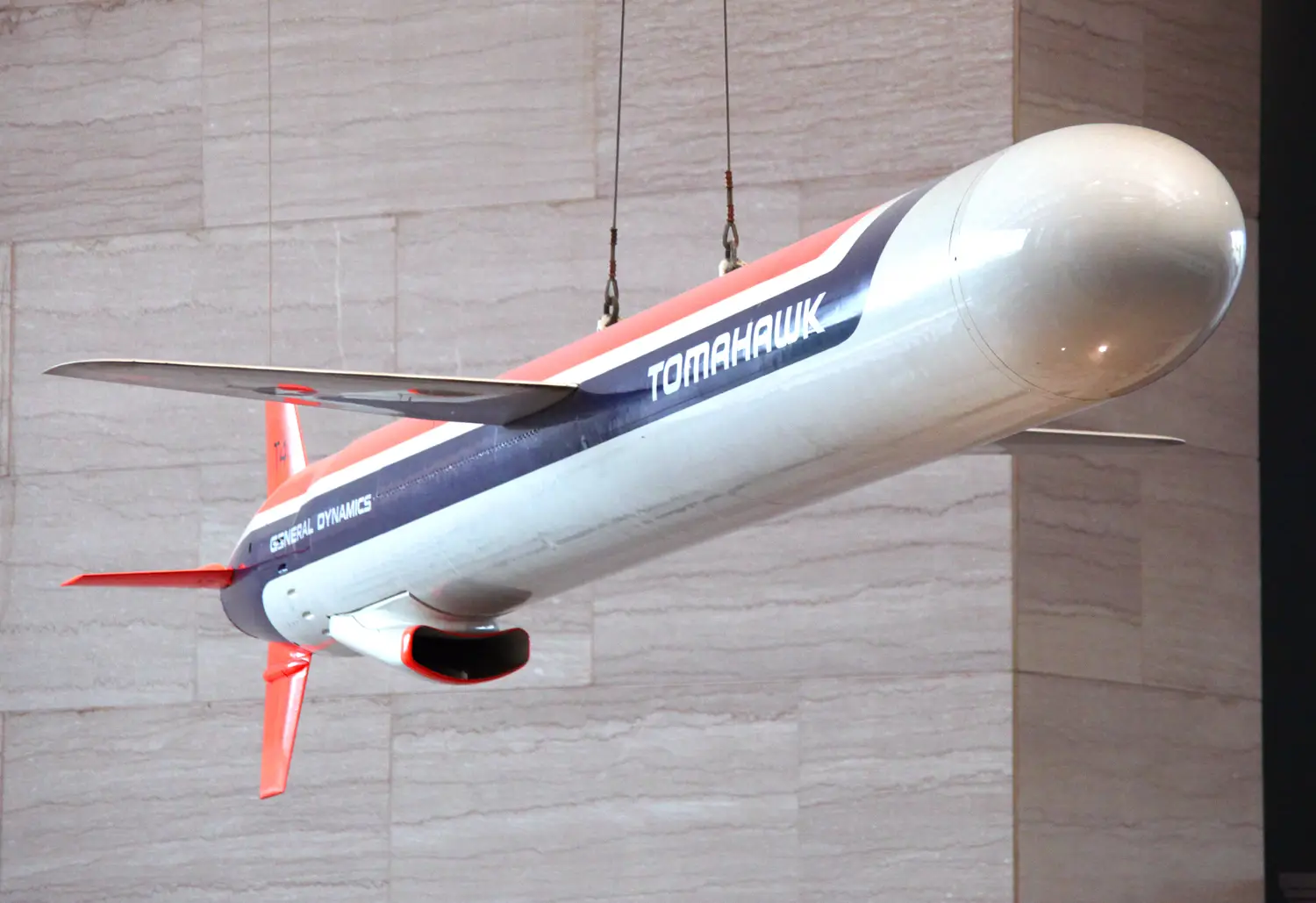
Defeating the radar horizon
Because the Earth is curved, ground-based Iranian radars cannot see objects flying extremely low until they are very close. By the time a Tomahawk appears on a radar screen, air defence crews have only seconds to react.
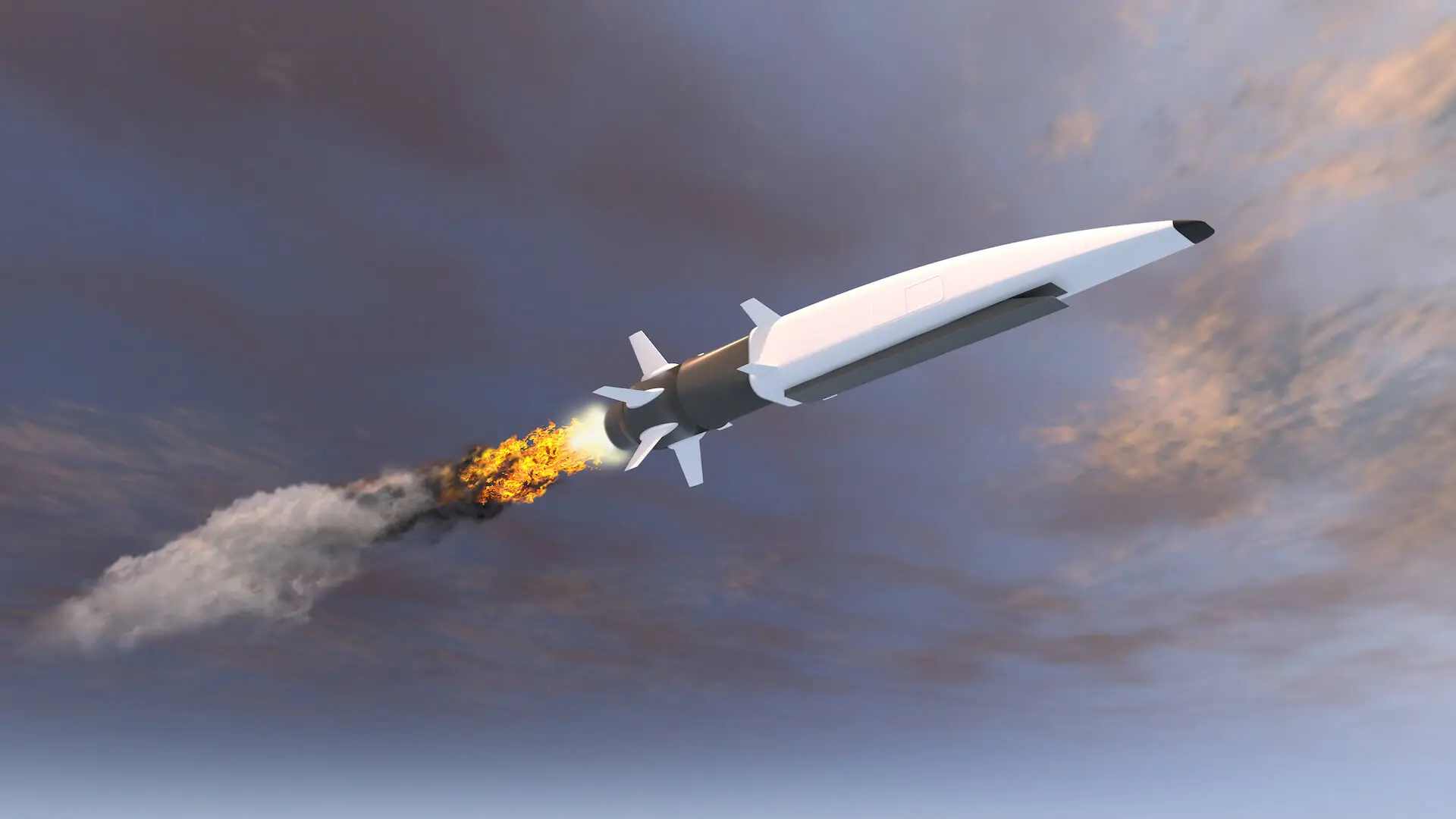
Advanced terrain mapping
These missiles use Terrain Contour Matching (TERCOM) to navigate without relying solely on GPS signals. The system compares the ground below with a pre-loaded 3D map, allowing the missile to weave through valleys and mountains to avoid detection.
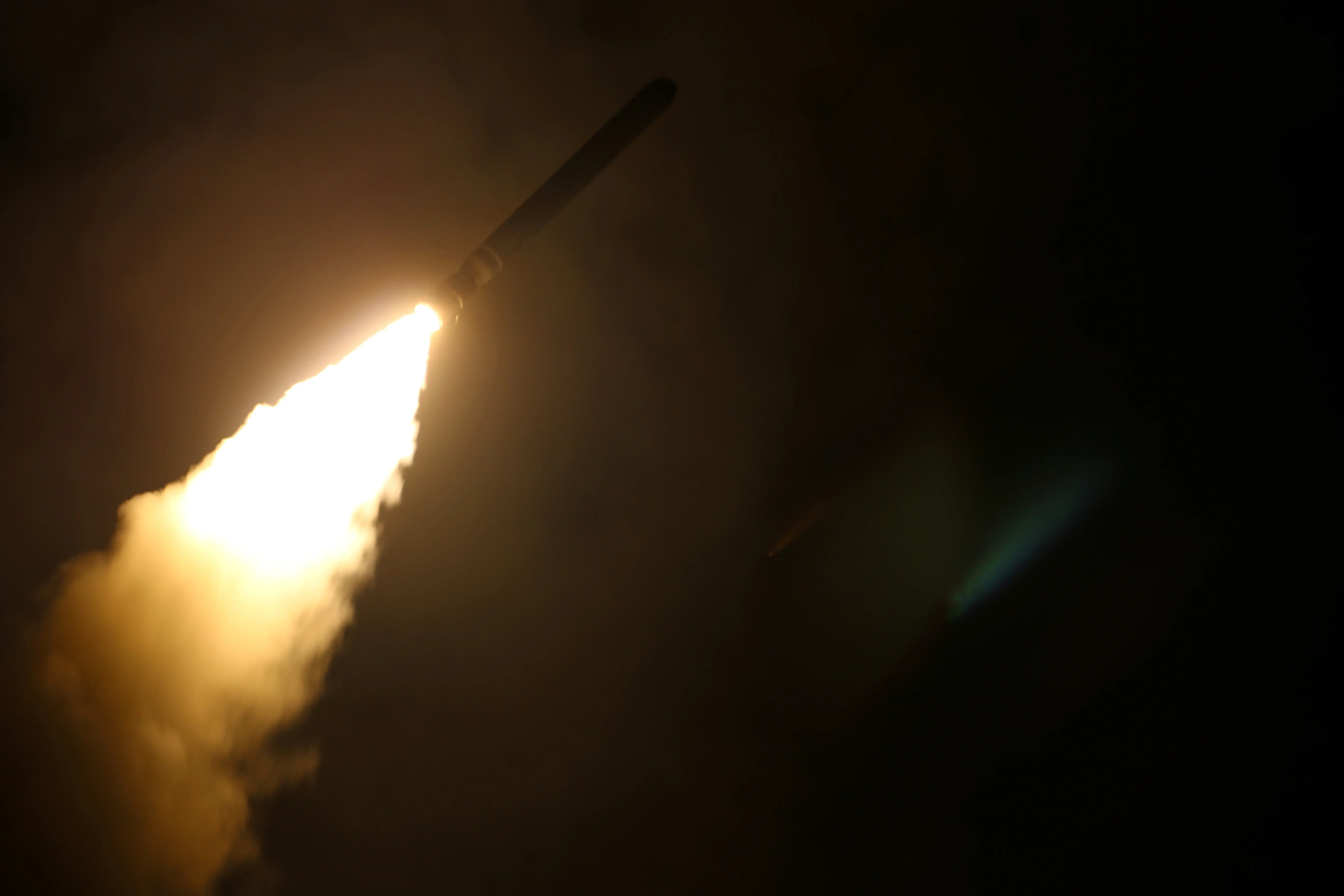
Precision target matching
As it approaches the target, the Tomahawk switches to Digital Scene-Matching Area Correlation (DSMAC). A built-in camera captures the target area and matches it with a stored image to ensure a 100 per cent accurate strike on Iranian military facilities.
Swarm attack saturation
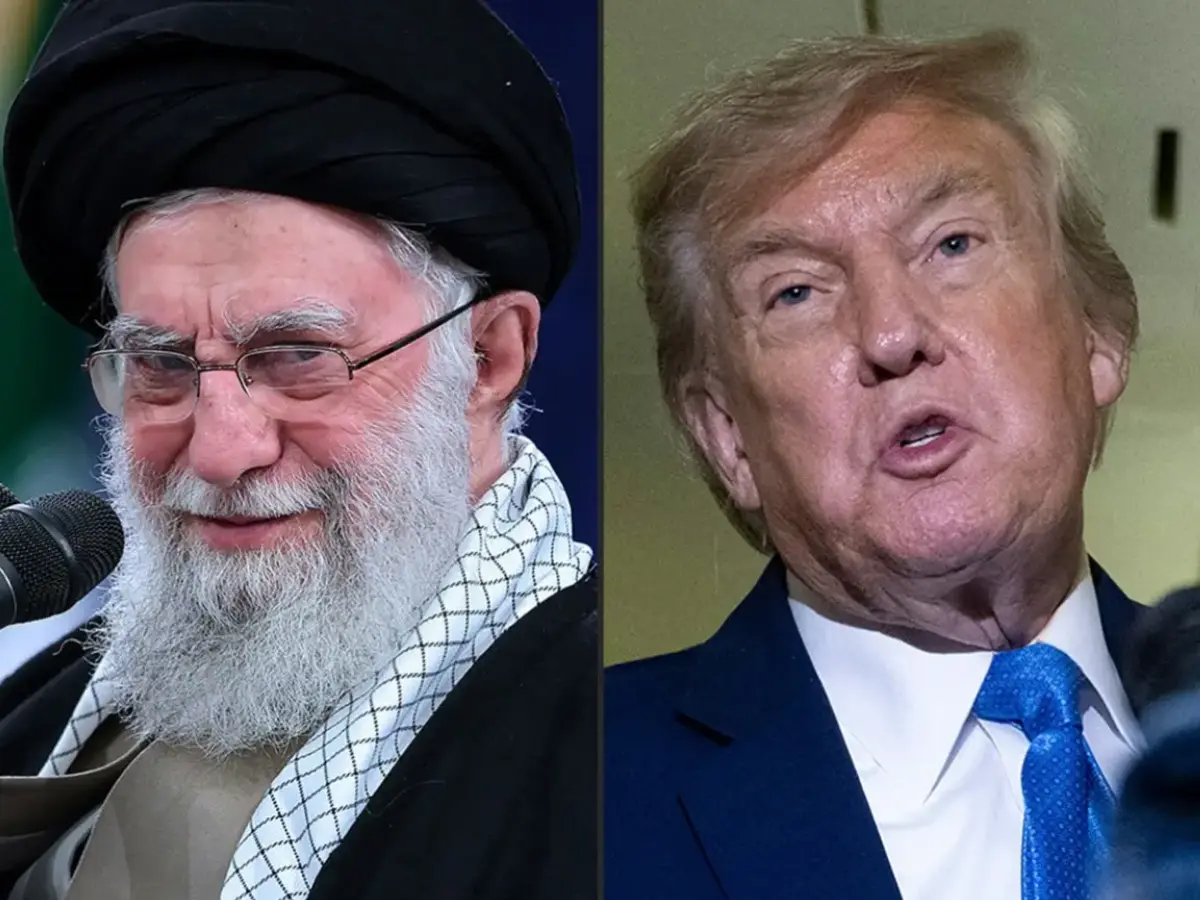
The US military rarely fires just one cruise missile during a major operation. Launching dozens of Tomahawks simultaneously from Arleigh Burke-class destroyers easily overwhelms and saturates Iran's limited number of interceptor batteries.
The limits of Iran's Bavar-373
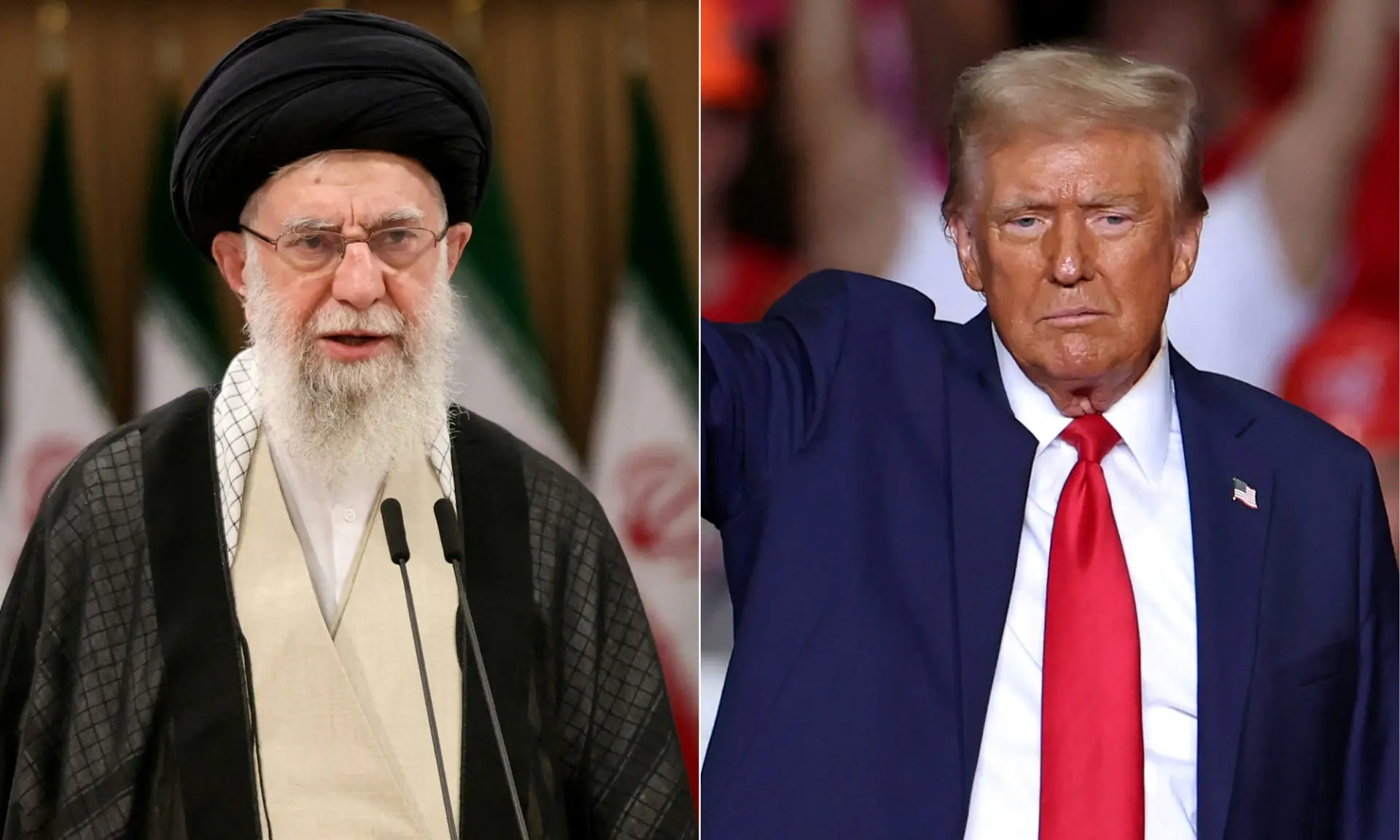
While Iran's indigenous Bavar-373 system boasts a tracking range of 450 kilometres, it is primarily designed to shoot down high-flying aircraft and ballistic missiles. It struggles significantly to lock onto small, subsonic cruise missiles hugging the terrain.
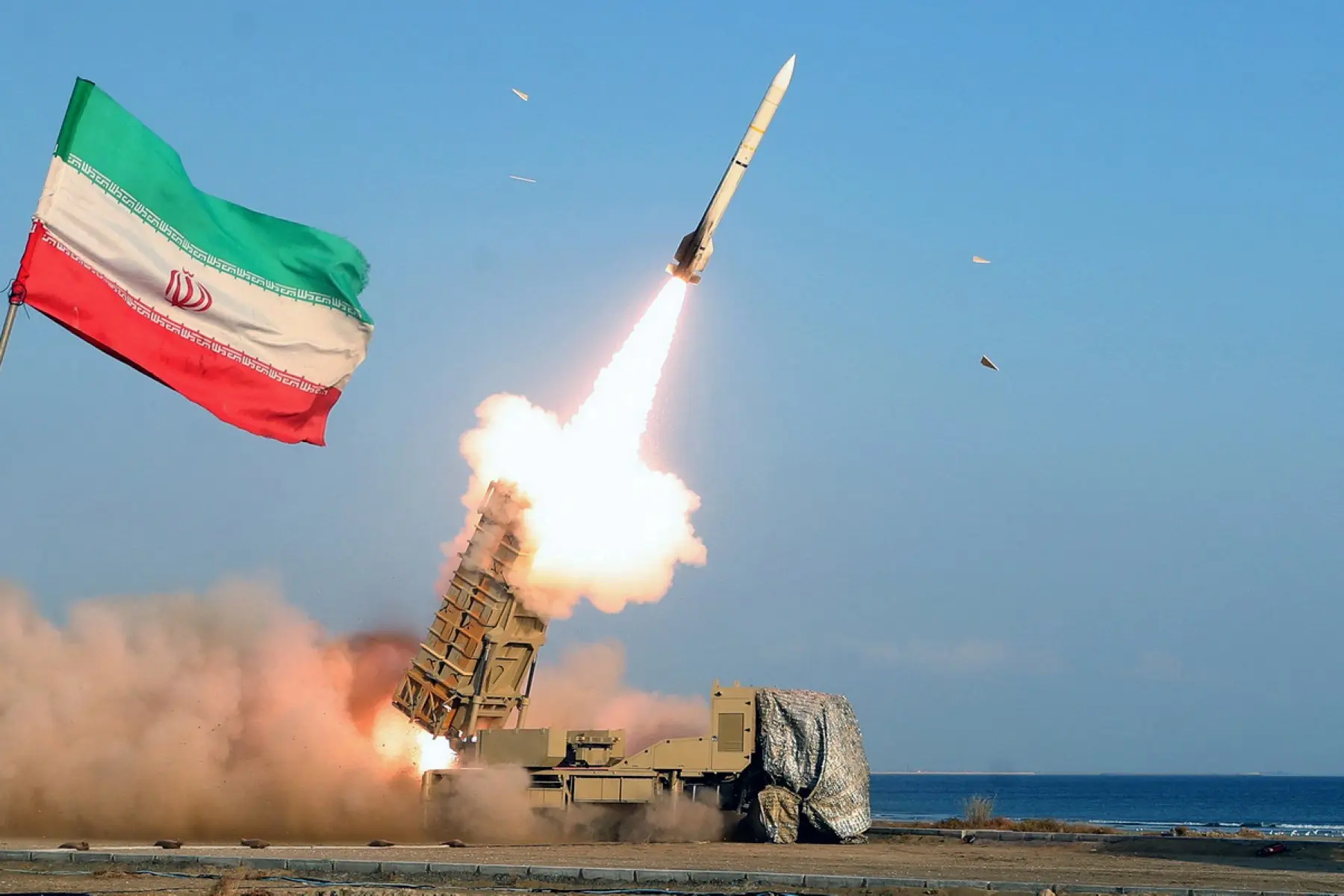
US warships can launch Tomahawks safely from the Arabian Sea.
With a combat range exceeding 1,600 kilometres, US warships can launch Tomahawks safely from the Arabian Sea. This eliminates the need to risk expensive fighter jets or American pilots over heavily defended Iranian airspace.
)
)
)
)
)