’US vs Iran conflict’: Can Iran sink the USS Abraham Lincoln today?

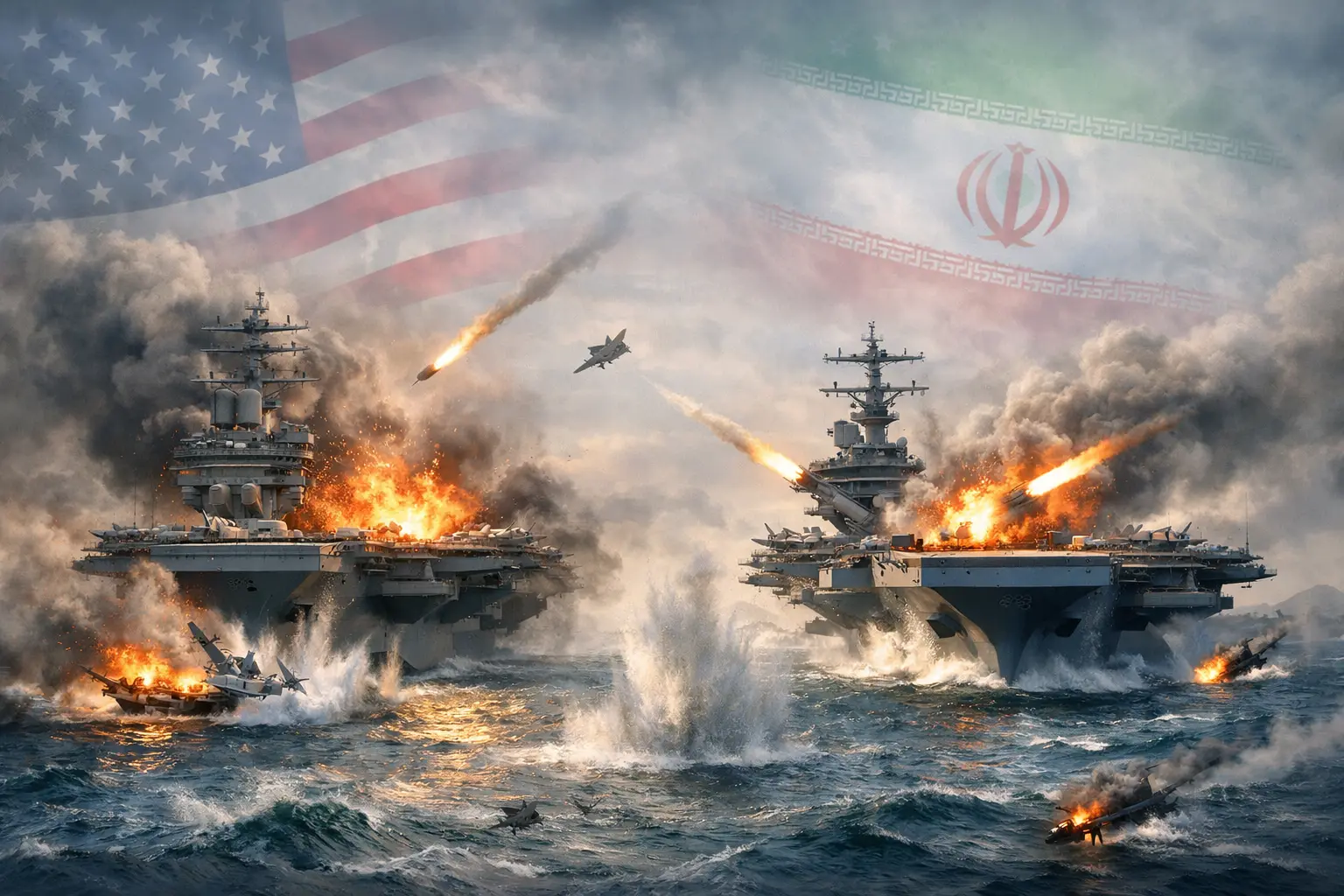
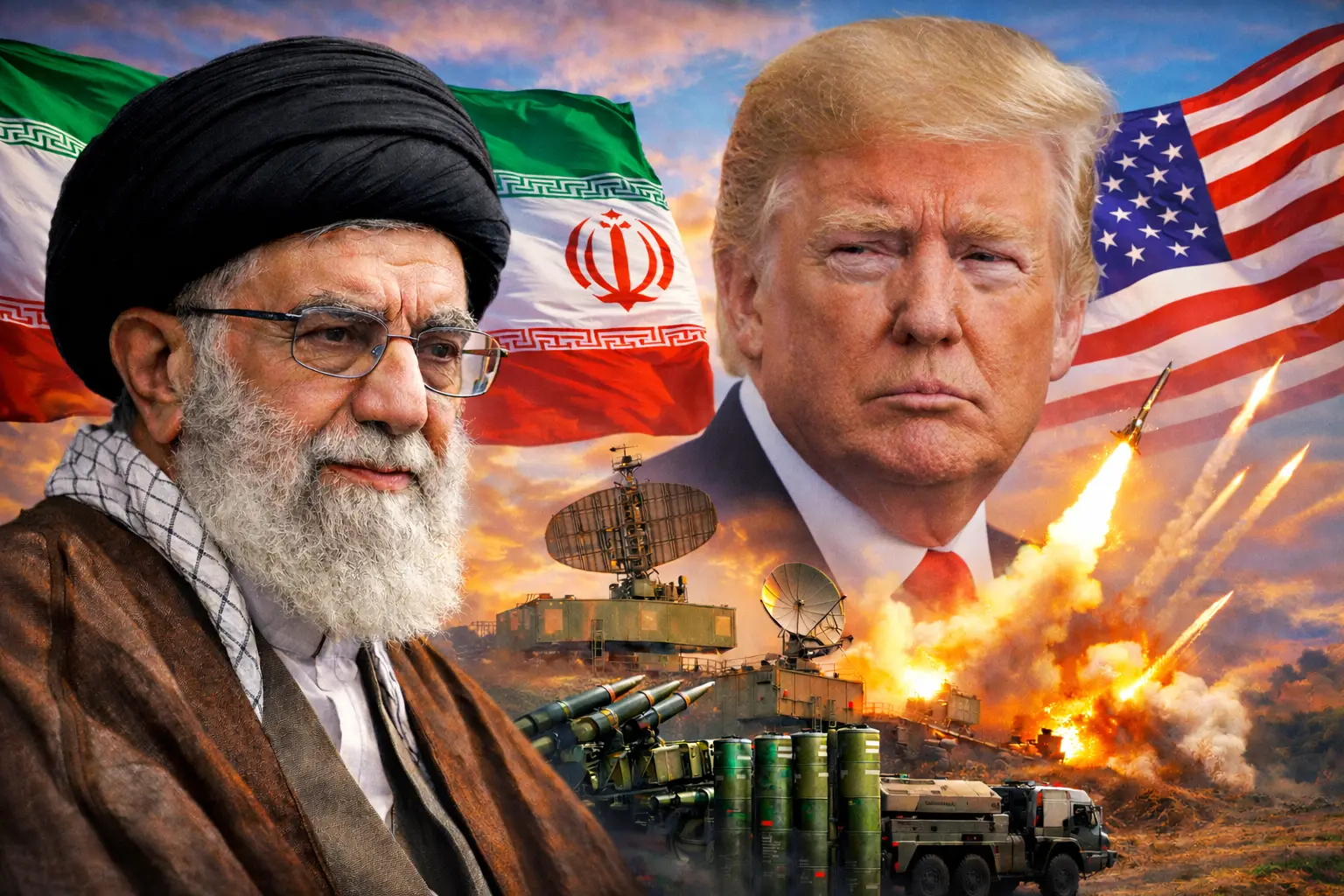
As the US-Iran conflict intensifies following the launch of 'Operation Epic Fury', Iranian Supreme Leader Ayatollah Ali Khamenei has warned that American warships could be sent to the bottom of the sea.

Khamenei Warnings
Iran's Supreme Leader Ayatollah Ali Khamenei recently warned that Tehran possesses weapons capable of sending US warships to the seabed. This threat directly targets vessels like the USS Abraham Lincoln, currently deployed in the Arabian Sea.

Iran's hypersonic arsenal
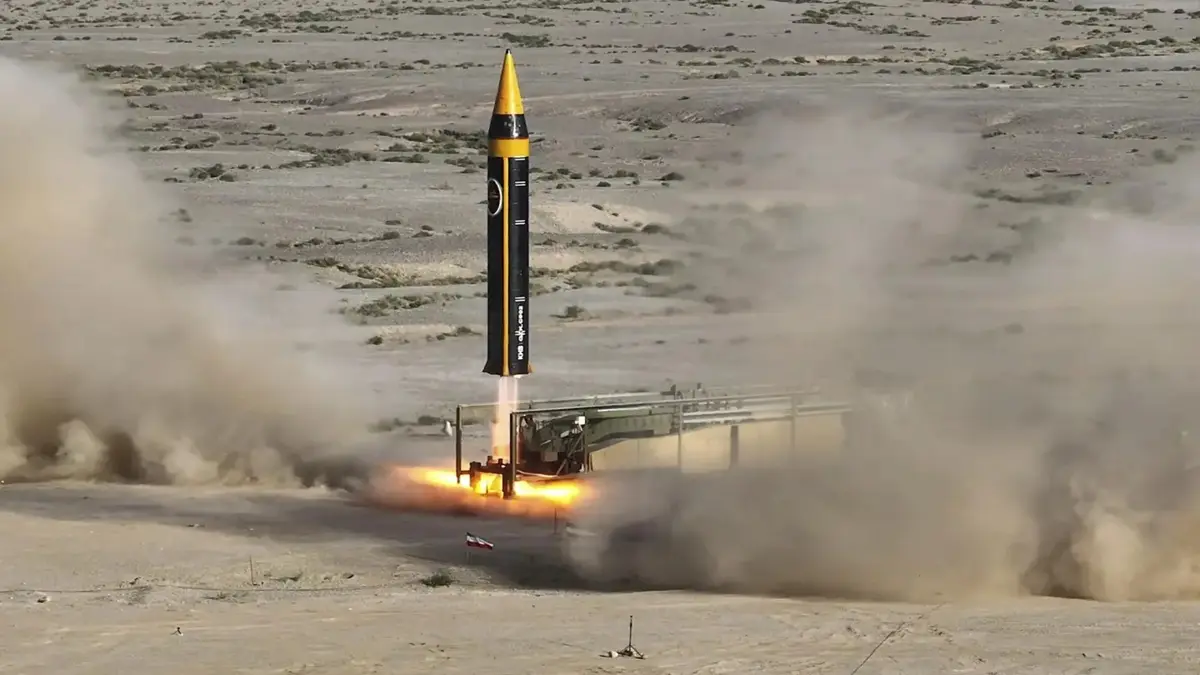
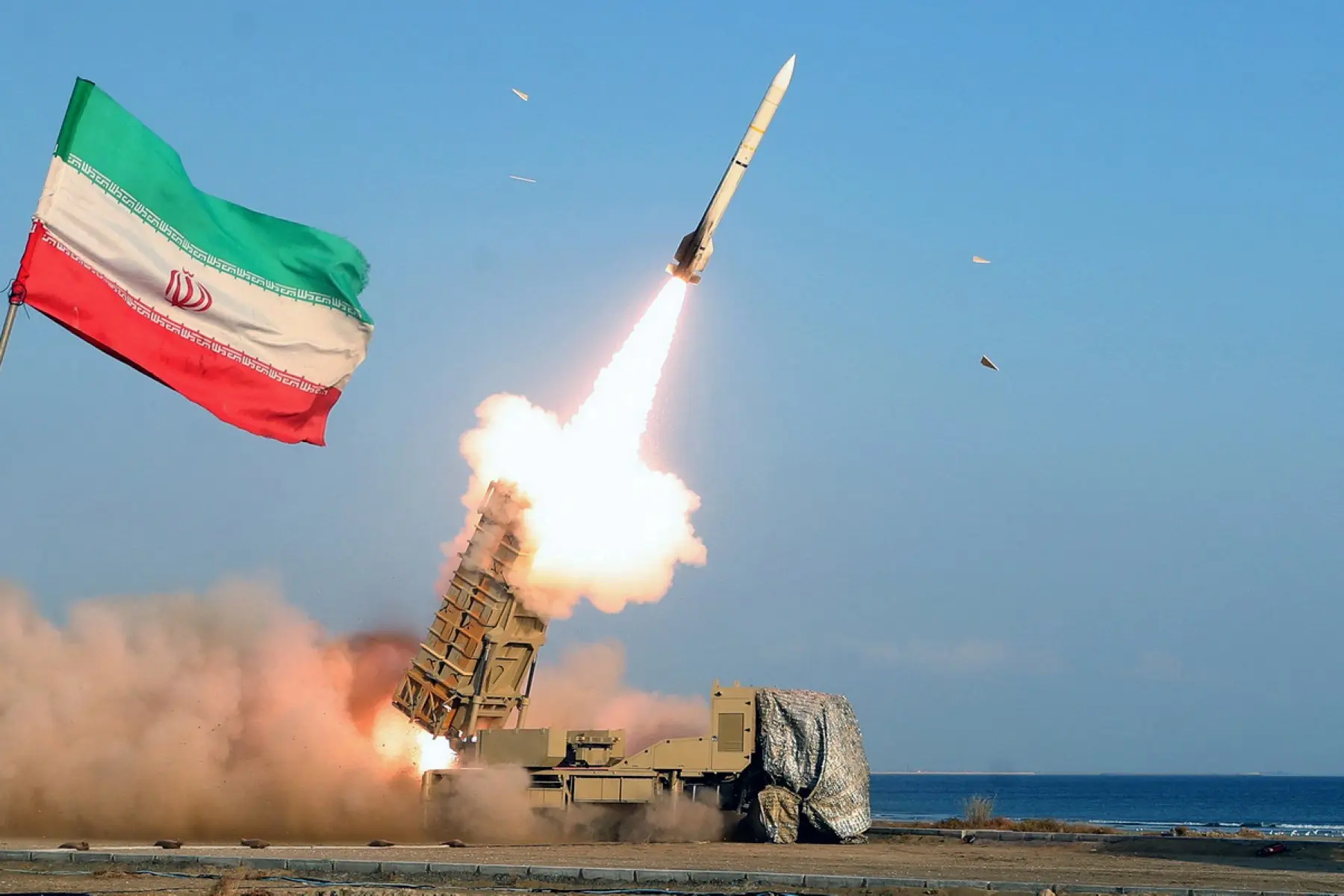
To strike a carrier, Tehran would rely on its advanced missile stockpile. This includes the Abu Mahdi anti-ship cruise missile and the Fattah-2, a hypersonic weapon that travels at over Mach 5 to evade standard air defences.
The drone swarm tactic
Rather than firing a single missile, Iran's military doctrine focuses on saturation attacks. The Islamic Revolutionary Guard Corps would likely launch hundreds of Shahed-136 drones simultaneously to exhaust American interceptor stockpiles.
The Aegis defensive shield
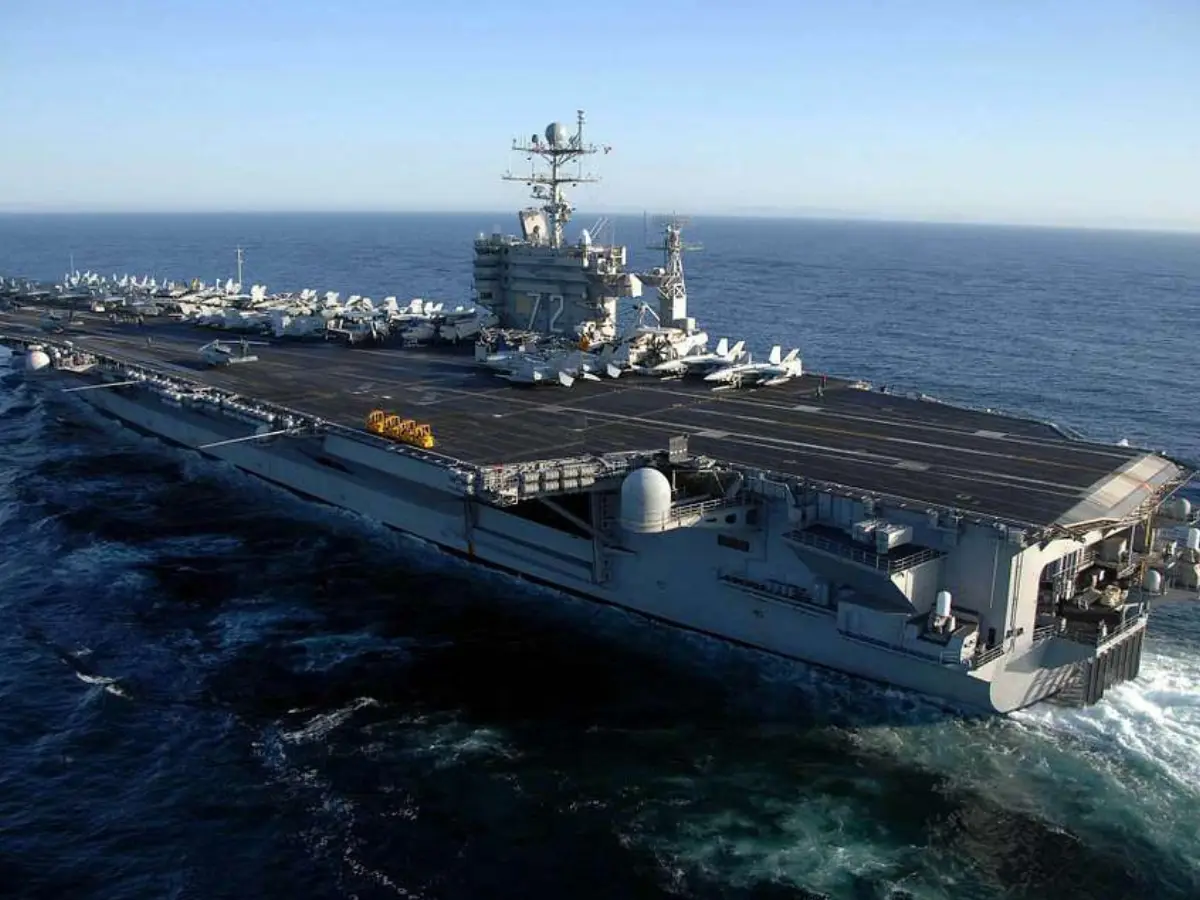
The USS Abraham Lincoln never operates alone; it is protected by a Carrier Strike Group. Escorting destroyers utilise the highly advanced Aegis combat system and SM-6 interceptor missiles to shoot down incoming threats from hundreds of miles away.
Blinding the enemy
Before Iranian projectiles can reach the fleet, the US Navy employs powerful electronic warfare. EA-18G Growler jets and shipborne jammers actively scramble enemy radar frequencies, blinding the guidance systems of incoming missiles.
The tracking dilemma
A Nimitz-class carrier weighs 100,000 tonnes but constantly moves at speeds exceeding 25 knots. Because Iran currently lacks near-real-time military satellite surveillance, accurately tracking and hitting a fast-moving ship in the open ocean is extremely difficult.
Can Iran sink it?
While a lucky strike could damage the flight deck or temporarily halt operations, sinking the vessel outright is highly improbable. Modern supercarriers feature double hulls and multiple watertight compartments specifically engineered to survive heavy bombardments.
)
)
)
)
)