'US vs Iran': Can the US Navy's deadly SM-6 interceptors shoot down Iran's fastest hypersonic missile?

Iran's Mach 15 Fattah hypersonic missile poses a major threat to US aircraft carriers. The US Navy counters this with the Mach 3.5 SM-6 interceptor, relying on terminal-phase defence. The SM-6 recently proved its combat effectiveness in the Red Sea.
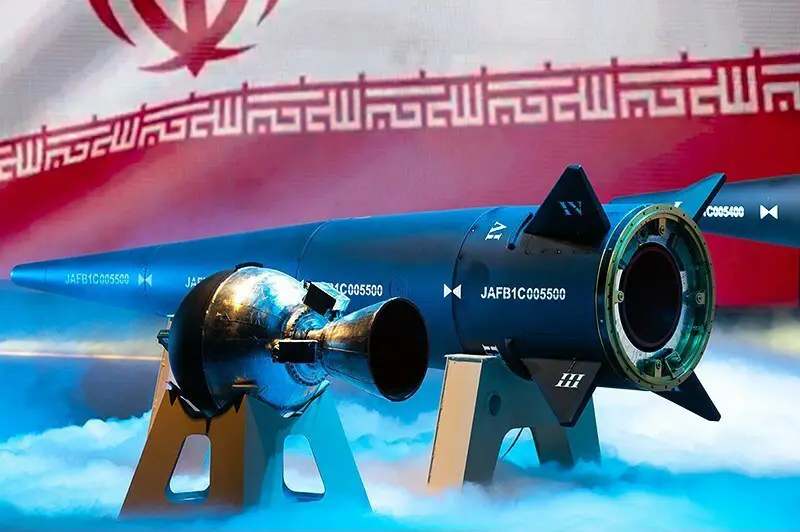
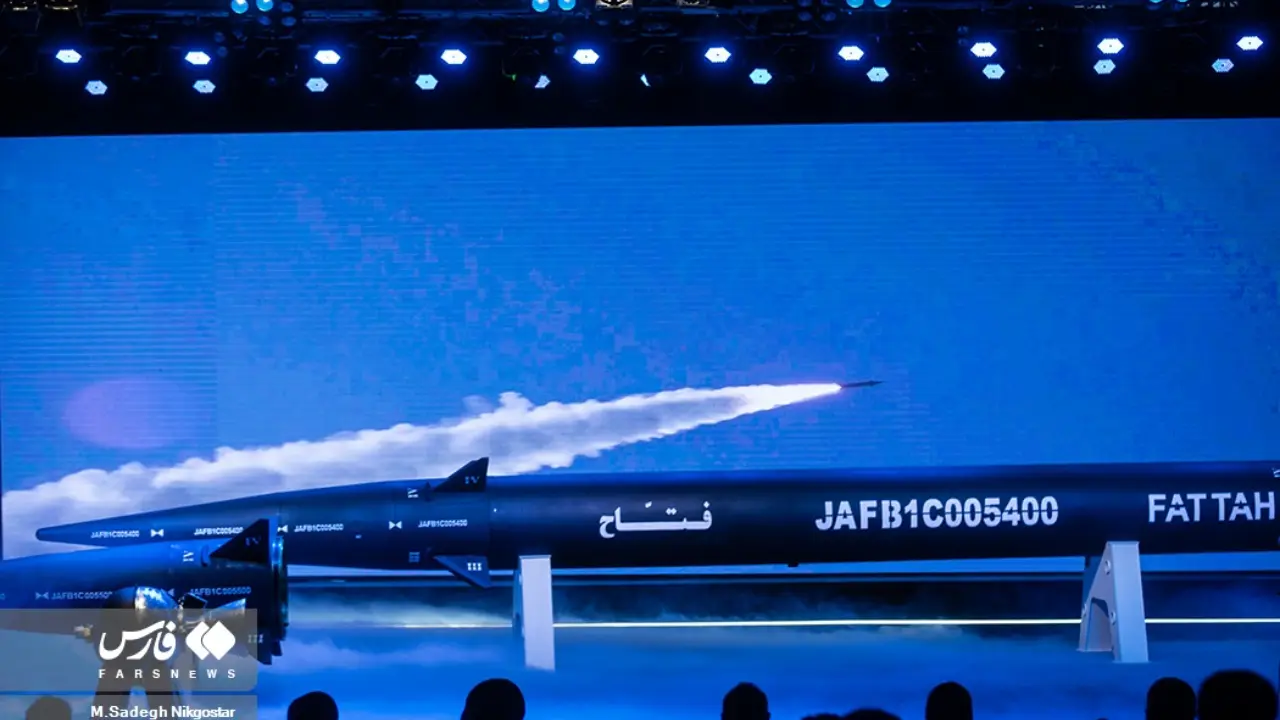
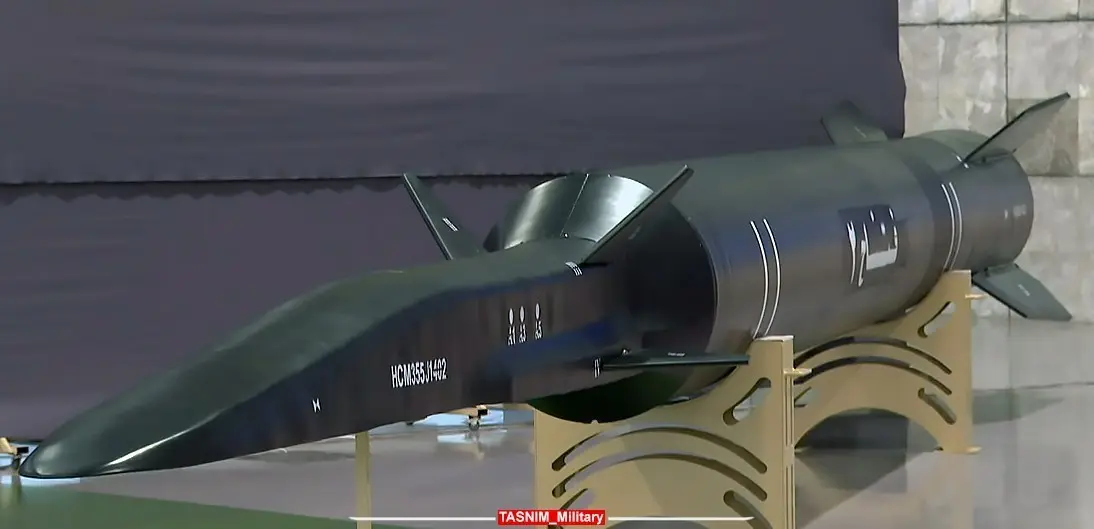
Mach 15 Fattah weapon
Iran introduced the Fattah-1 in 2023 as a two-stage solid-fuel hypersonic ballistic missile. It boasts a strike range of 1,400 kilometres and operates with a movable nozzle. Iranian officials claim the weapon reaches extreme speeds between Mach 13 and Mach 15.
1,500 km strike range
The upgraded Fattah-2 features a hypersonic glide vehicle engineered for high agility. It carries a 200 kg explosive payload and has an extended range of 1,500 kilometres. Its unpredictable flight path makes tracking the missile incredibly difficult for naval radars.
Speeds over Mach 5
Hypersonic weapons travel at more than five times the speed of sound, drastically reducing reaction times. The Fattah missile can alter its trajectory both inside and outside the Earth's atmosphere. This mid-flight manoeuvrability helps it bypass traditional anti-missile shields.
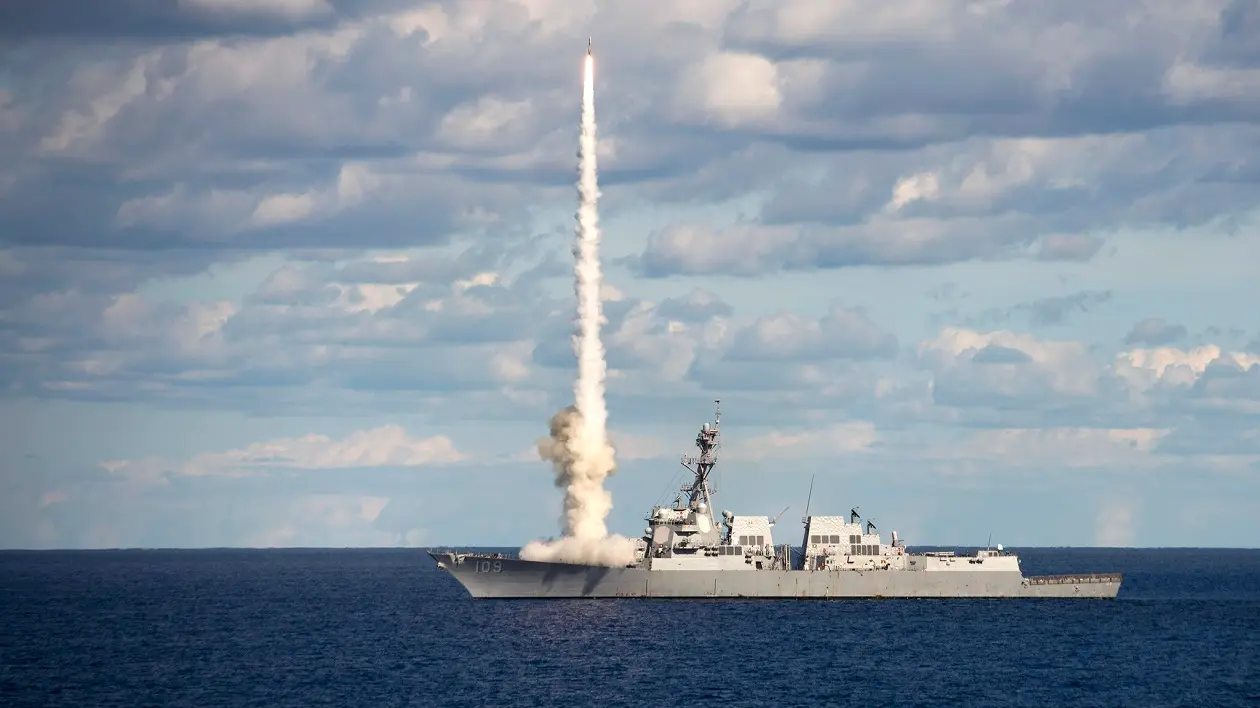
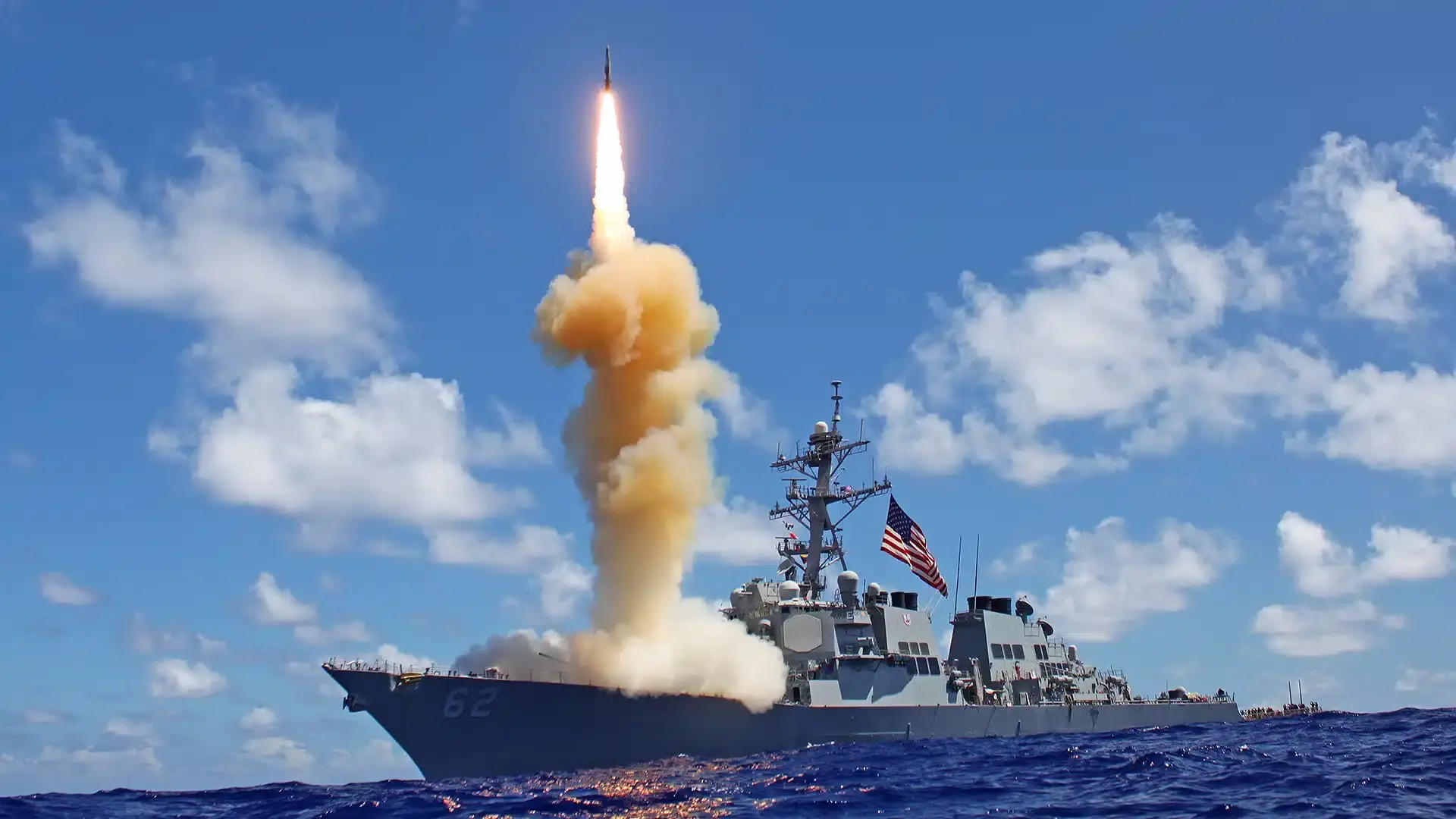
Mach 3.5 SM-6 interceptor
The US Navy protects its carrier strike groups using the Standard Missile-6 interceptor. Flying at speeds of Mach 3.5, the SM-6 uses dual-mode radar homing to lock onto targets. It deploys a 64 kg blast-fragmentation warhead to destroy incoming threats.
460 km defence shield
The SM-6 provides a protective umbrella with a maximum operational range of about 460 kilometres. Ships equipped with the Aegis combat system launch the weapon vertically from Mk 41 canisters. The interceptor receives initial midcourse flight control directly from the ship's radar.

Intercepting at Mach 15
The US Navy relies on terminal phase interception to defeat highly manoeuvrable hypersonic weapons. The SM-6 targets the incoming missile in the final seconds of its flight as it dives toward the sea. Upgraded software allows it to track targets descending at extreme velocities.

80 missiles fired recently
The SM-6 remains the only combat-proven weapon in the US arsenal capable of terminal ballistic missile defence. US Navy destroyers fired 80 SM-6 interceptors during recent operations in the Red Sea. They successfully engaged and neutralised multiple anti-ship ballistic missiles.

Costing Rs 390 million
Firing an SM-6 is a highly expensive defensive measure for the US military. Each interceptor costs approximately $4.3 million, which translates to over Rs 390 million. Naval commanders typically launch two interceptors per incoming threat to ensure a successful kill.

50 per cent success
Combat data indicates the SM-6 has a 50 per cent single-shot kill probability against complex targets. However, its terminal ballistic missile defence feature achieved a 100 per cent success rate in acknowledged Red Sea engagements. The active radar seeker performed exceptionally well against electronic jamming.
90 interceptors per ship
An Aegis-equipped destroyer carries around 90 air defence missiles. Iran could launch a massive swarm of long-range drones and cruise missiles simultaneously to overwhelm the vessel. This saturation tactic aims to exhaust the US warship's interceptor supply before the hypersonic weapon is fired.
)
)
)
)
)