'US vs Iran': Can Iran’s MiG‑29 jets compete with US modern fighters?

Iran’s MiG-29s offer agility but lack the stealth and sensors to match US 5th-gen fighters. The technical gap in radar and BVR missiles gives the US a decisive edge in aerial combat.
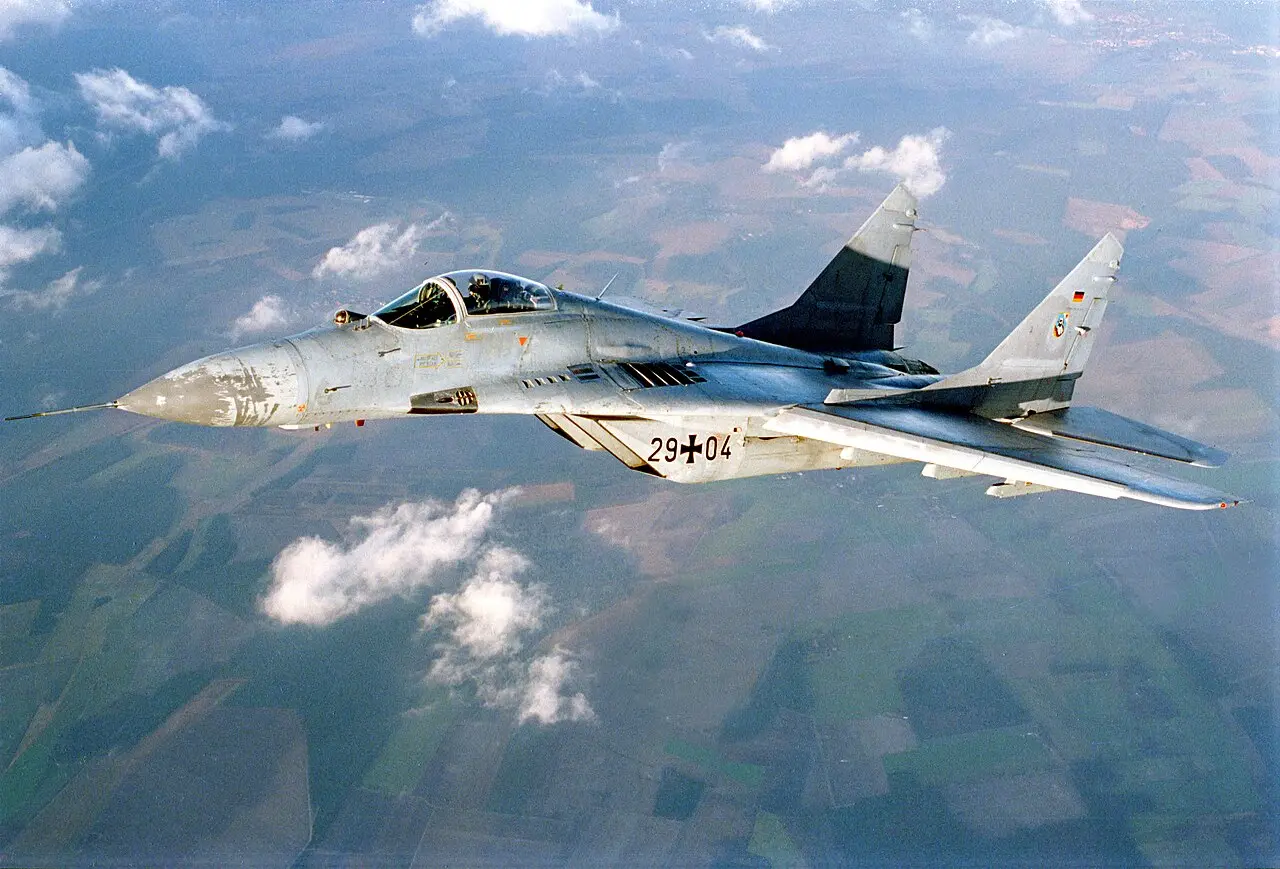
Iran’s Aging Air Fleet
Iran’s air force relies heavily on aircraft acquired in the 1990s, including the Soviet-designed MiG-29 Fulcrum. These jets serve as a primary interceptor for point defence missions over critical infrastructure. While capable, the fleet faces significant challenges due to decades of international sanctions. Tehran has attempted domestic upgrades, but the core airframes remain fourth-generation technology.
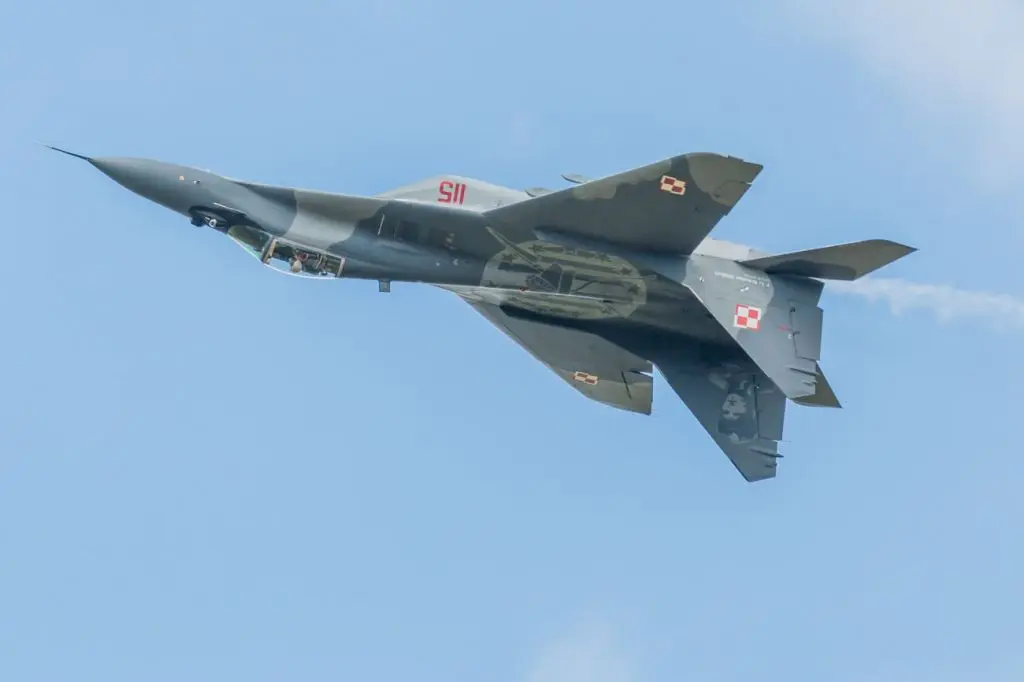
The Agility of the MiG-29
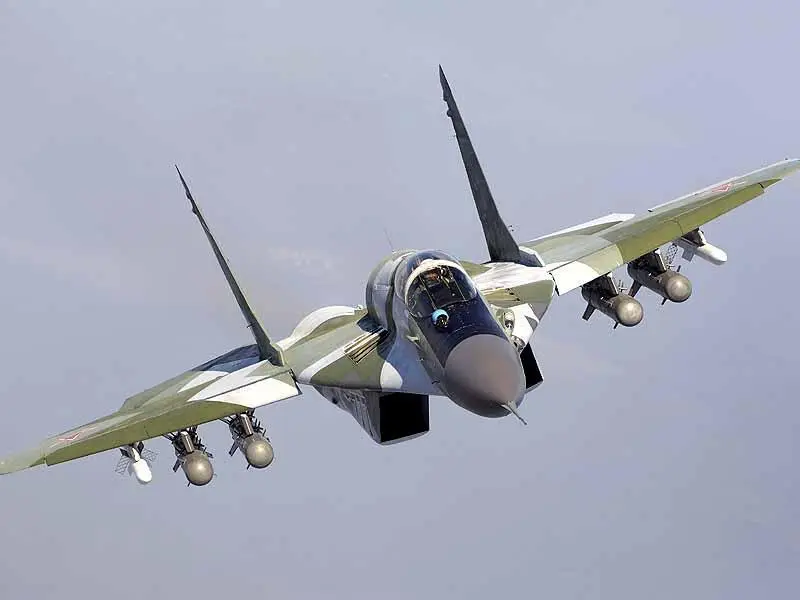
The MiG-29 is renowned for its exceptional manoeuvrability and high thrust-to-weight ratio. It can perform aggressive 9G turns and high-angle-of-attack manoeuvres that challenge even modern jets. In a close-range dogfight, its helmet-mounted sighting system and R-73 missiles make it a dangerous opponent. This agility remains its most significant tactical asset in visual combat.
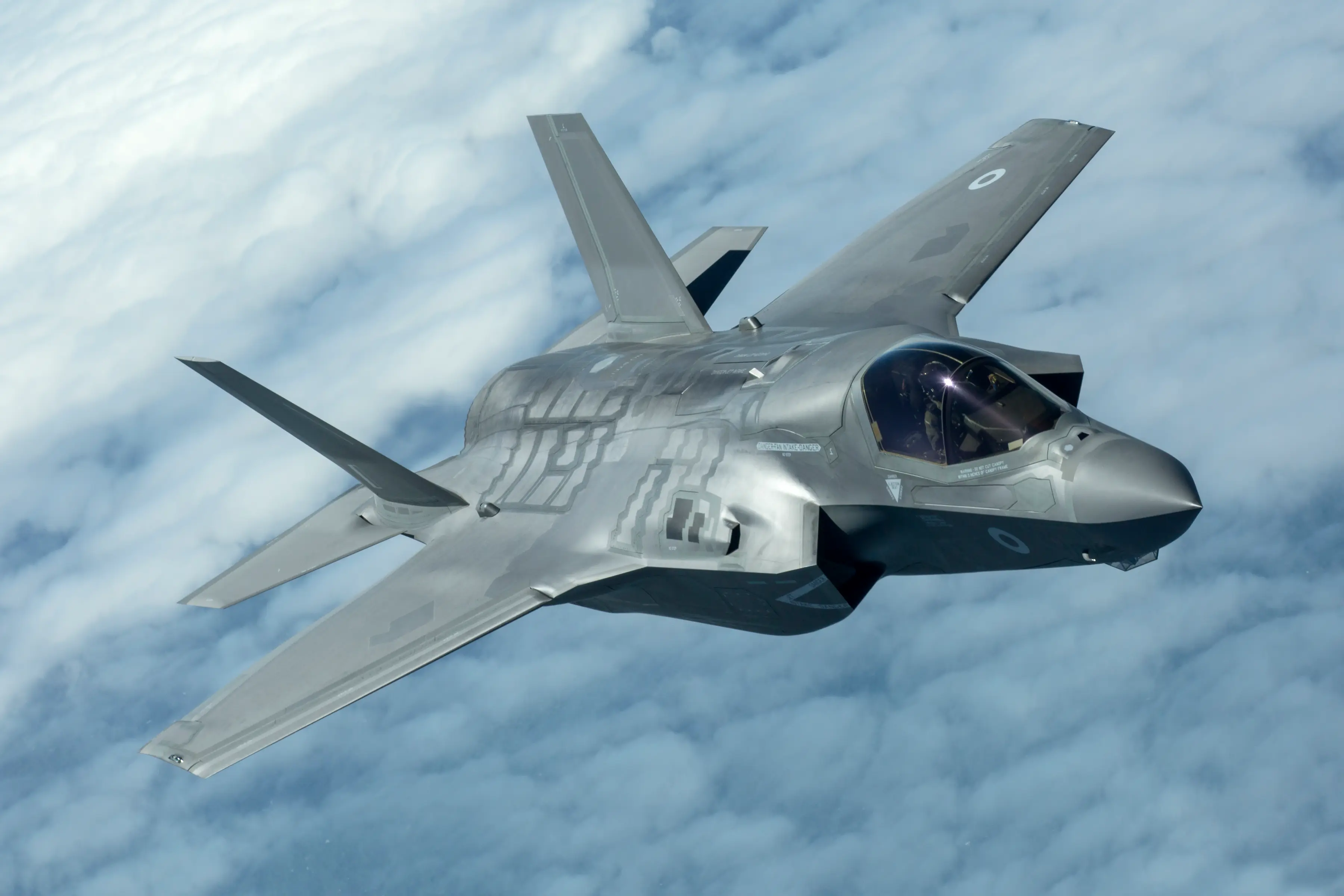
US Stealth Dominance
The United States operates fifth-generation fighters like the F-22 Raptor and F-35 Lightning II. These aircraft utilise advanced stealth coatings and shapes to remain virtually invisible to enemy radar. An Iranian MiG-29 would likely be targeted and engaged long before its pilot could detect the American aircraft. This technological gap fundamentally changes the nature of any potential engagement.
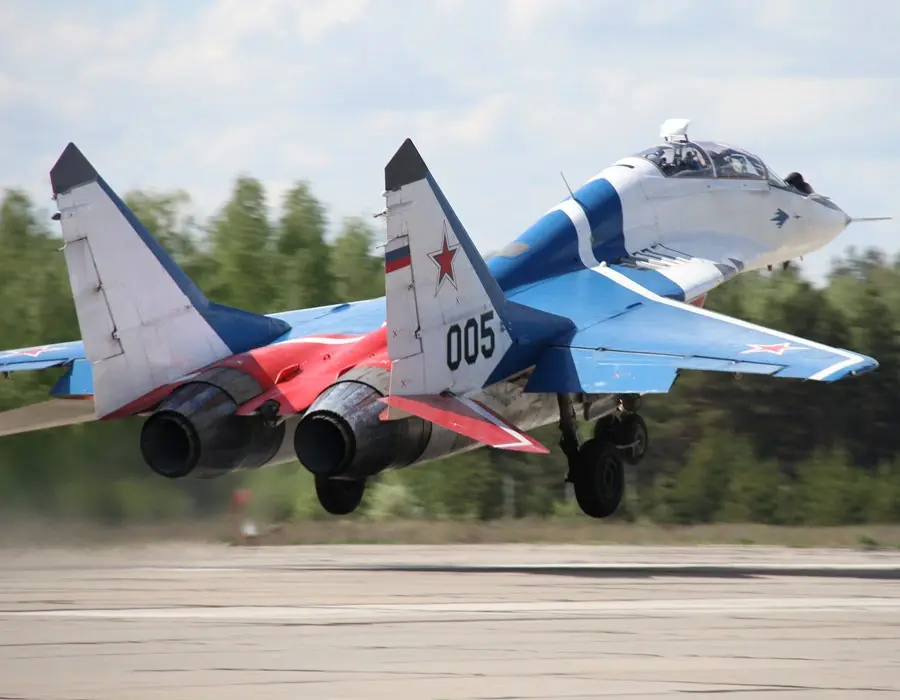
Radar Technology Gap
Most of Iran’s MiG-29s use older mechanical pulse-Doppler radars with limited detection ranges. In contrast, US modern fighters are equipped with Active Electronically Scanned Array (AESA) radars. AESA systems can track multiple targets simultaneously, resist jamming, and detect enemies at vastly greater distances. This sensor disparity gives US pilots a decisive 'first look, first shot' advantage.
Beyond Visual Range (BVR)
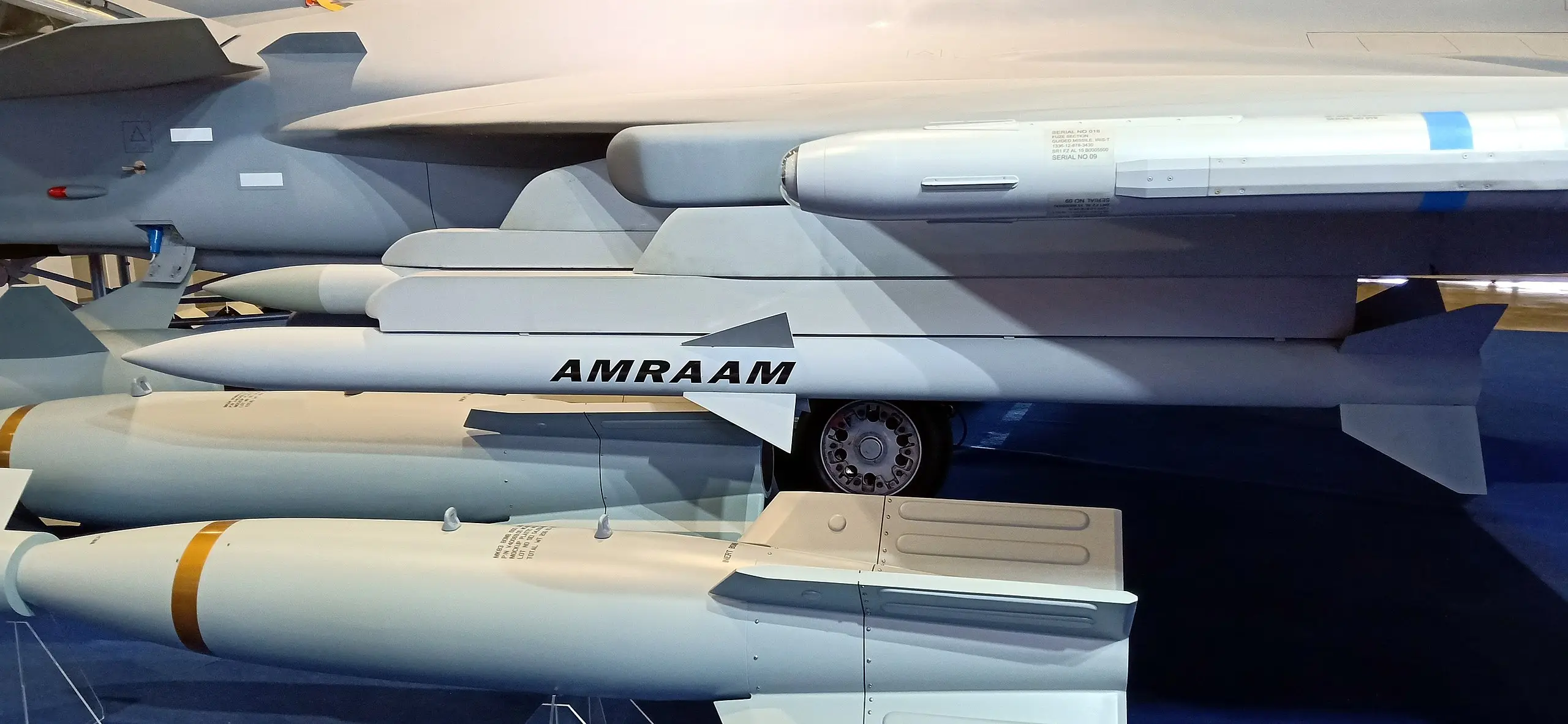
Modern air combat is often decided before pilots ever see each other. US fighters carry the AIM-120D AMRAAM, a missile capable of hitting targets from over 160 kilometres away. Iran’s inventory relies on older Russian R-27 or R-77 missiles, which have shorter effective ranges and lower reliability. This range disadvantage forces Iranian pilots into a purely defensive posture.
Impact of Sanctions
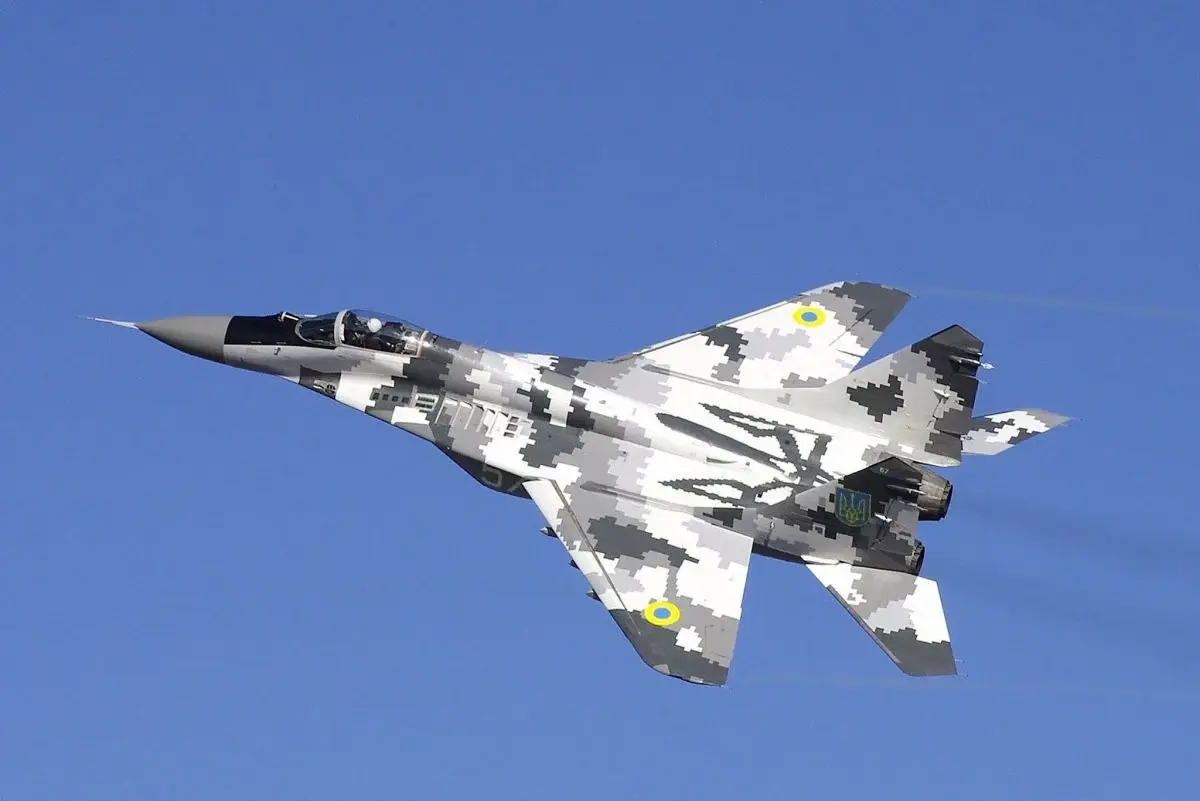
Decades of sanctions have severely restricted Iran’s ability to import genuine spare parts. The air force often relies on cannibalising older aircraft or reverse-engineering components to keep the MiG-29s flying. This leads to lower operational readiness rates compared to the well-funded logistics of the US Air Force. Sustaining a high-intensity conflict would be logistically difficult for Tehran.
The Asymmetric Reality
While the MiG-29 is a capable machine, a direct symmetrical fight with US air power is unlikely to favour Iran. The combination of stealth, advanced sensors, and superior networking allows US forces to dominate the airspace. Iran’s strategy would likely focus on asymmetric tactics, using ground-based air defences rather than relying solely on fighter-to-fighter combat.
)
)
)
)
)