'US vs Iran': Can Iran control the Persian Gulf with anti-ship missiles?

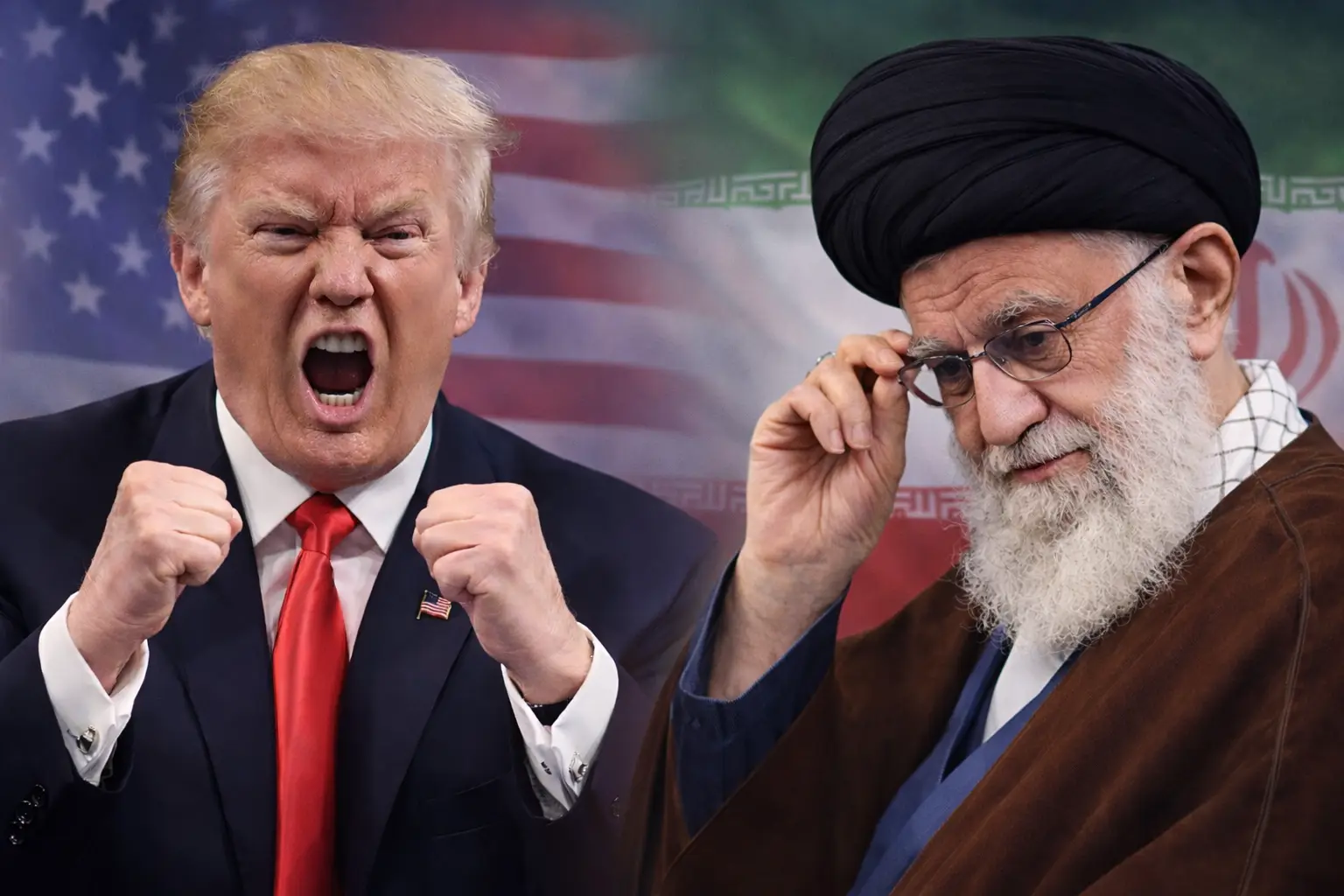
Iran's supersonic anti-ship missiles and swarm tactics pose a severe threat to US naval dominance in the narrow Strait of Hormuz, risking a global energy crisis if tensions boil over.

The Global Chokepoint
The Strait of Hormuz is the world's most critical oil transit route, linking Middle East producers to global markets. At its narrowest point, the waterway is only 34 to 39 kilometres wide, forcing ships into tight channels. Any conflict here immediately impacts energy prices worldwide.

A Geography of Vulnerability
Shipping lanes in the Strait are just two miles wide in each direction, making vessels easy targets from the Iranian coast. Iran controls the entire northern shoreline, allowing its mobile missile batteries to hide in rugged terrain. This geography heavily favours land-based attackers over sea-based defenders.
Iran's 'Carrier Killer' Missile
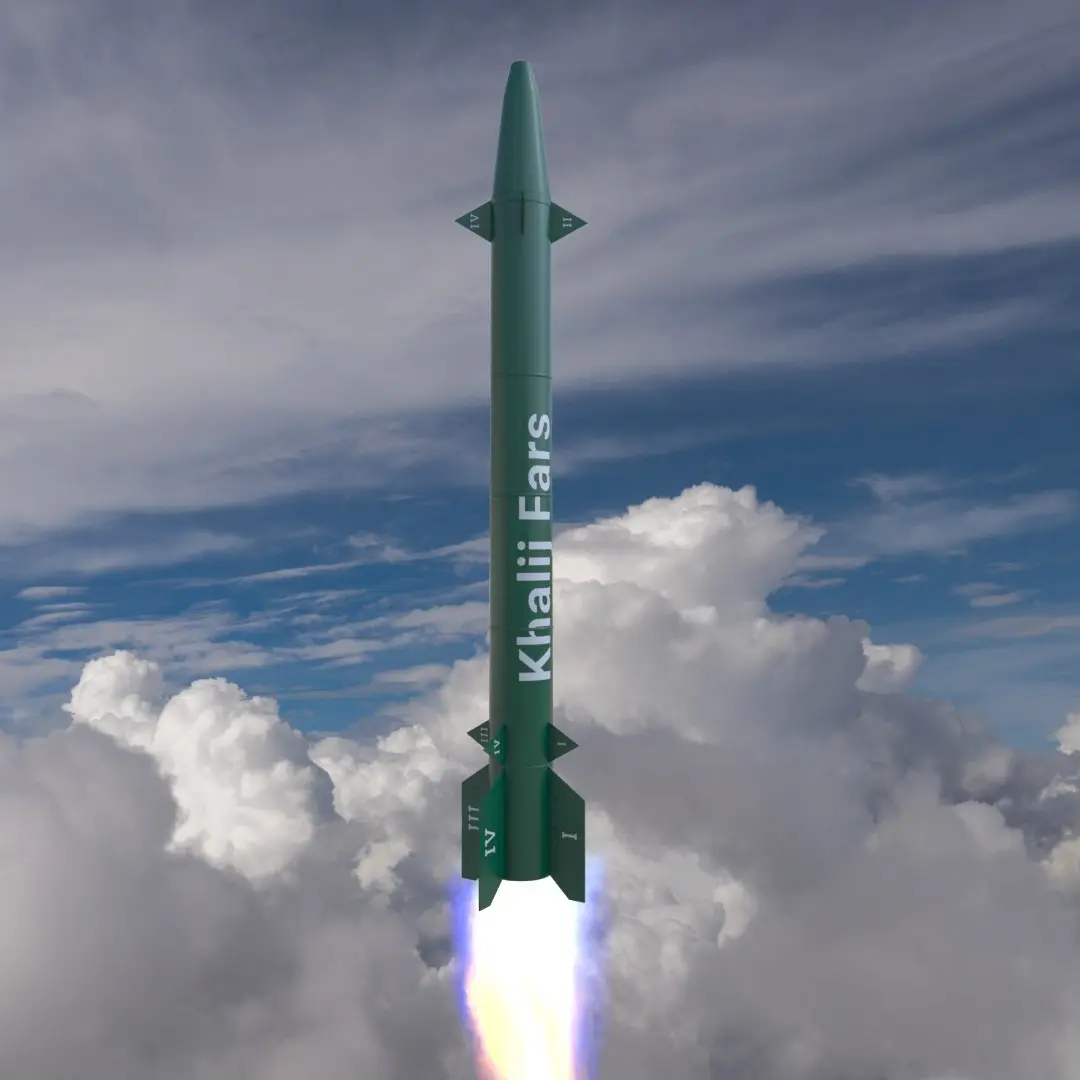
Tehran's arsenal includes the 'Khalij Fars' (Persian Gulf), an anti-ship ballistic missile designed specifically to target moving vessels. Unlike traditional cruise missiles, it follows a ballistic trajectory, making it harder to intercept. Iran claims this solid-fuel missile is precise enough to hit warships.
Speed as a Weapon
The Khalij Fars reportedly travels at supersonic speeds of Mach 3 or 4, giving target ships very little reaction time. With an operational range of roughly 300 kilometres, it covers the entire width of the Persian Gulf. This speed challenges standard naval defence systems.
The Swarm Strategy
Iran does not rely on large warships but uses 'swarm tactics' with hundreds of small fast boats and varied missile attacks. By launching dozens of missiles simultaneously from different locations, they aim to overwhelm the US Navy's tracking radars. This asymmetric approach focuses on quantity and saturation.

US Naval Defence Shield
The US Navy counters these threats with the advanced Aegis Combat System found on its destroyers and cruisers. This integrated radar and missile system can track and destroy multiple incoming threats simultaneously. It is arguably the most capable naval air defence network in existence.
Close-In Weapon Systems
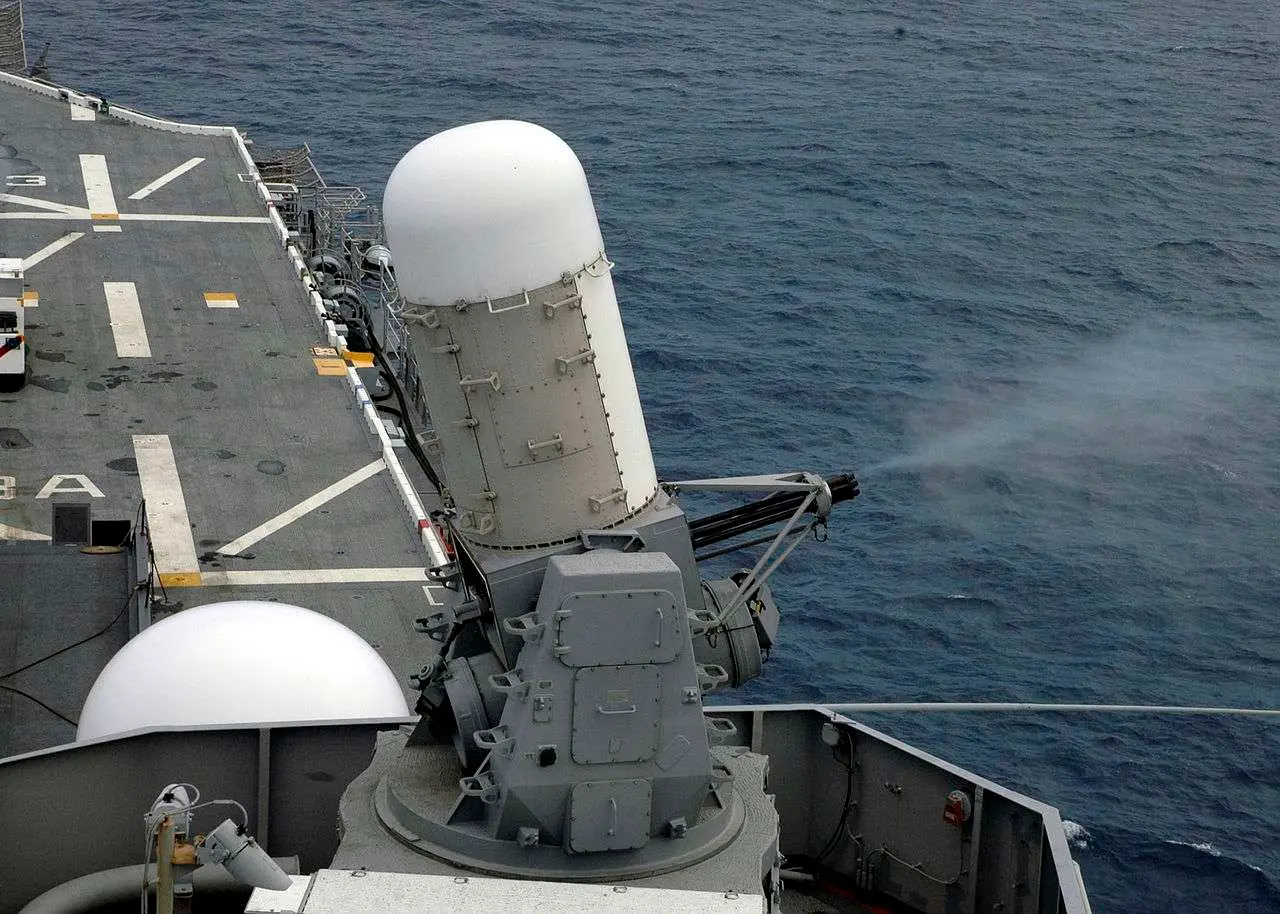
If a missile slips past long-range interceptors, US ships use the Phalanx CIWS, a rapid-fire gatling gun. It creates a wall of tungsten bullets to destroy incoming threats seconds before impact. However, this is a last-ditch defence against a potential saturation attack.

The Economic Stakes
Roughly 20 to 30 per cent of the world's total oil consumption passes through this strait daily. A successful Iranian blockade or missile campaign could cause oil prices to skyrocket instantly

Asymmetric Cost of War
A key advantage for Tehran is the cost difference between its weapons and US targets. An Iranian missile costs a fraction of the multibillion-dollar aircraft carriers it targets. This economic disparity means Iran can afford to fire many missiles for every single hit it attempts.

Stalemate or Control?
While Iran can severely disrupt shipping and damage warships, controlling the Gulf completely remains difficult against US air power. The US can strike launch sites, but finding mobile launchers in mountainous terrain is tough. The result would likely be a prolonged, destructive stalemate rather than total control.
)
)
)
)
)