‘US vs Iran’: Can Iran afford a long war against the US?

The US operates an $895 billion defence budget, dwarfing Iran's $15 billion military spend. Facing severe economic sanctions, Tehran cannot afford a long conventional war and relies heavily on asymmetric drone strikes and proxy tactics.

$895B vs $15B Budget
The United States allocates around $895 billion annually for its defence needs. In contrast, Iran operates on a limited defence budget of just $15 billion. This significant financial disparity makes a prolonged conventional conflict structurally impossible for Tehran to sustain.
13,000 vs 550 Aircraft
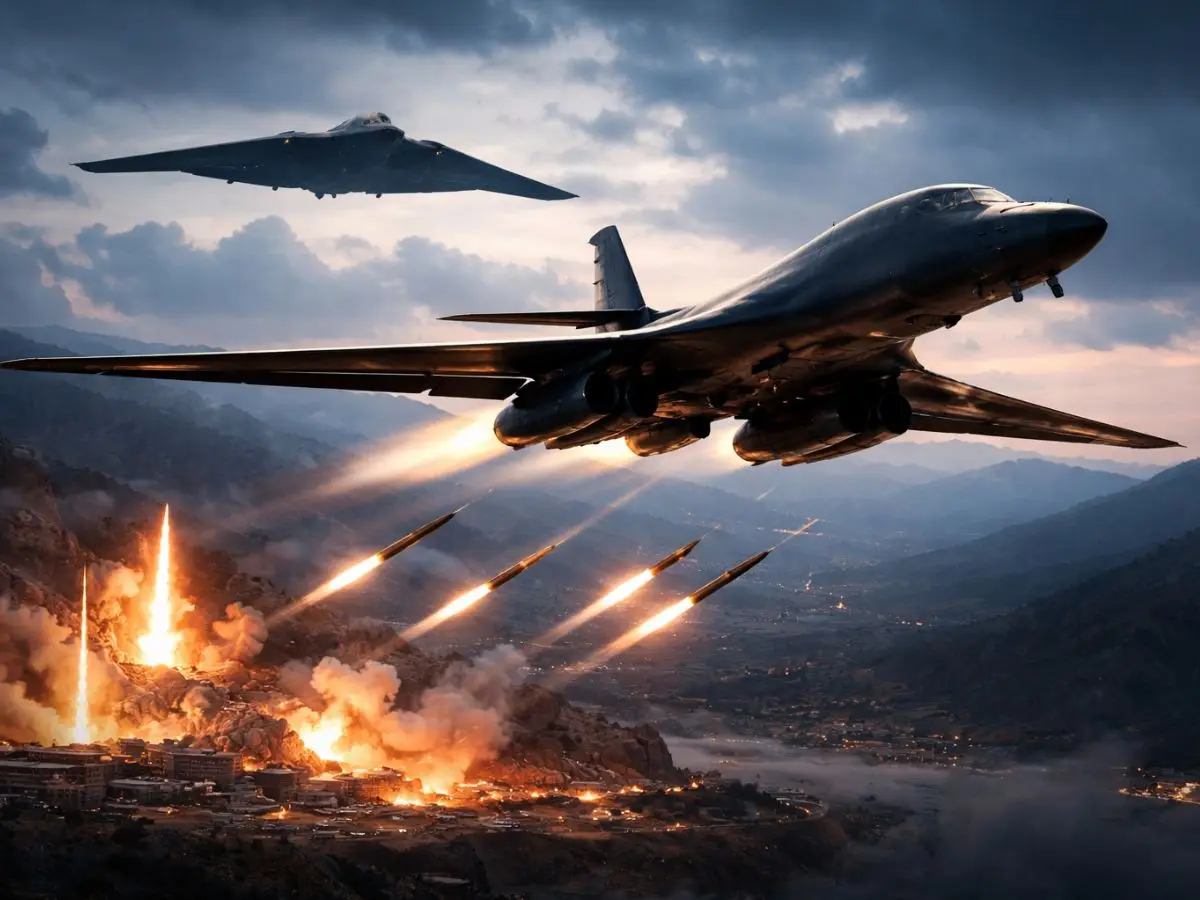
Washington maintains heavy air superiority with over 13,000 advanced military aircraft. Tehran relies on an ageing fleet of roughly 550 Soviet-era jets and older airframes. To compensate for this gap, Iran focuses heavily on ground-based air defence systems.
1.33 Million Active Troops
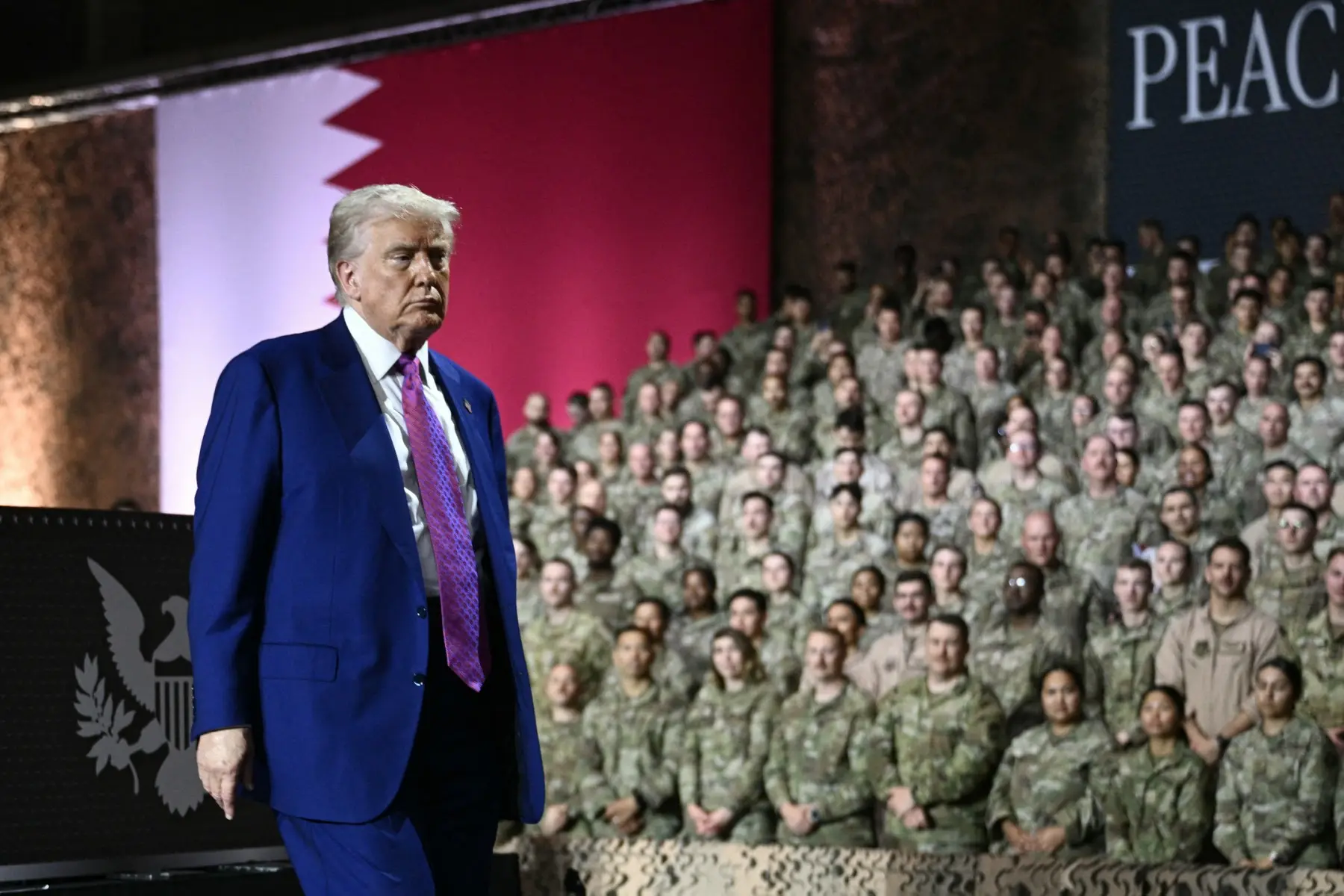
The American military fields approximately 1.33 million active-duty personnel alongside highly advanced logistical networks. Iran has roughly 610,000 active troops, supplemented by paramilitary forces. While Iran possesses strong ground mobilisation capability, it lacks global reach.

$1.9 Trillion Fragile Economy
The American economy possesses a purchasing power exceeding $31.8 trillion. Tehran operates a $1.9 trillion economy severely restricted by international sanctions. High inflation and limited foreign reserves prevent Iran from funding a long-term conventional war.
3,000 Ballistic Missiles Stockpile
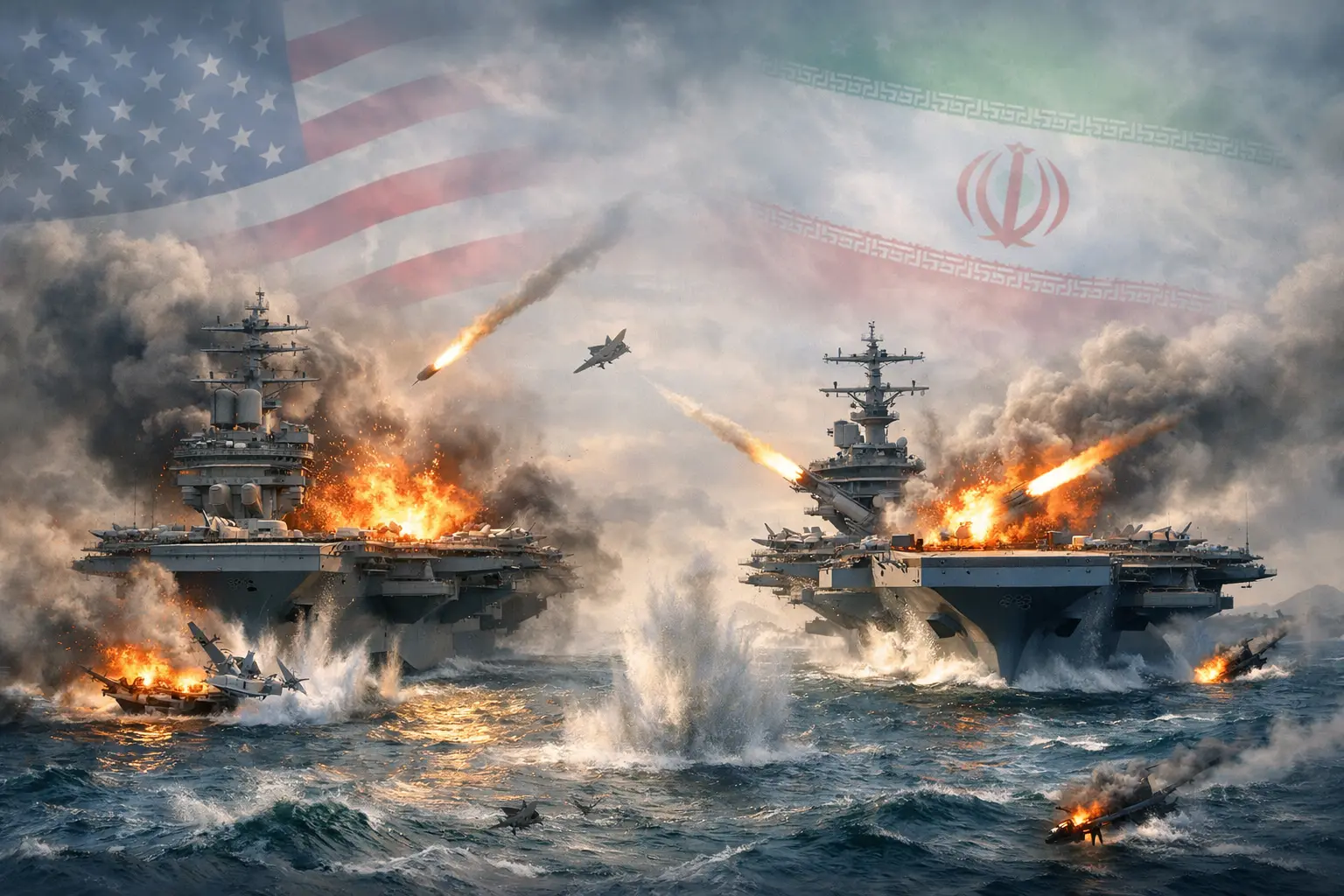
Unable to match American spending, Iran relies heavily on asymmetric warfare tactics. Tehran maintains an arsenal of over 3,000 domestically produced ballistic missiles. It also manufactures cheap kamikaze drones to launch cost-effective strikes against advanced military targets.
$82 Global Oil Threat
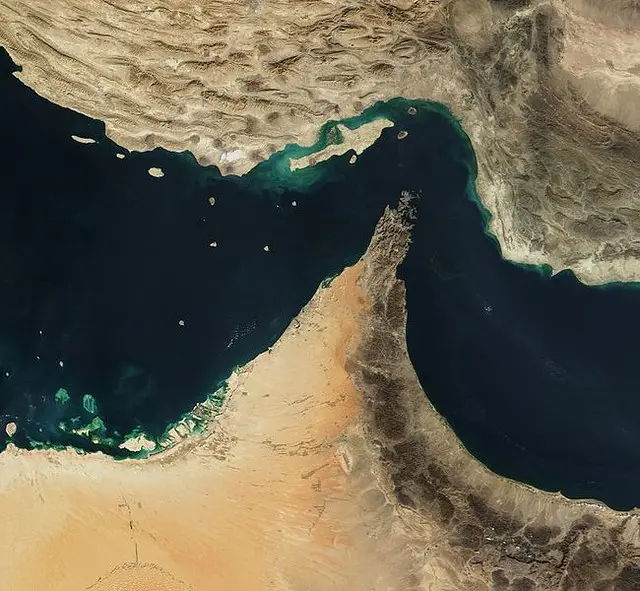
Iran holds strategic leverage over the Strait of Hormuz, handling 20 per cent of global oil trade. Any blockade could disrupt global energy supplies and impact massive importers like India. Escalations have already pushed Brent Crude prices up, risking an increase in fuel prices by several Rs per litre.
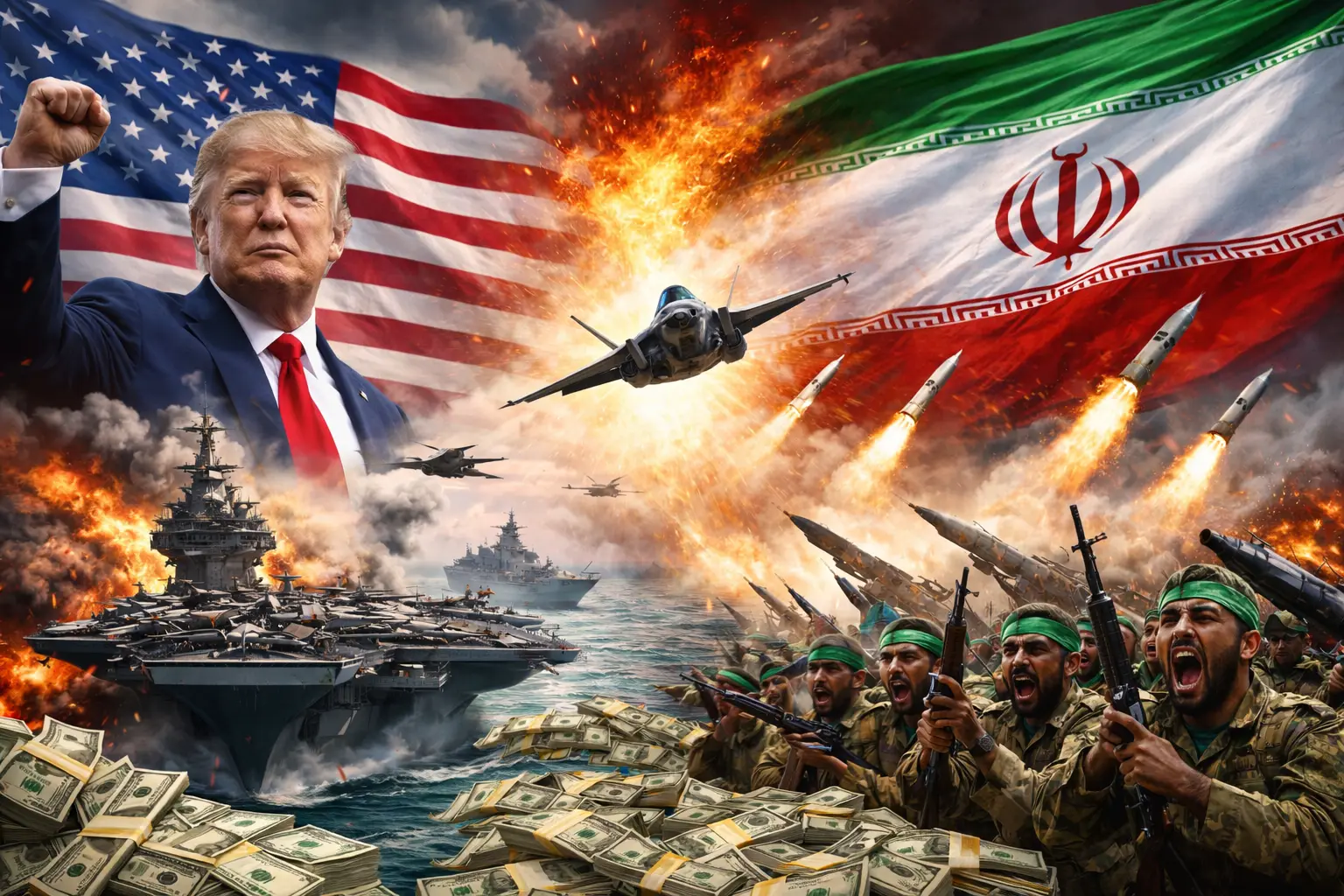
Zero Aircraft Carriers Owned
The United States commands the seas with 11 aircraft carriers and heavily armed destroyers. Iran possesses zero aircraft carriers, relying entirely on smaller patrol vessels and 25 submarines. This naval imbalance forces Iran to avoid direct maritime confrontation and use regional proxies.
)
)
)
)
)