'US uses it in Iran war': Which is the deadliest rocket launcher?

US forces are using M142 HIMARS to launch ATACMS and PrSM ballistic missiles during Operation Epic Fury. These precision strikes have destroyed 50 Iranian ships and a submarine, successfully hitting critical targets up to 500 kilometres away.
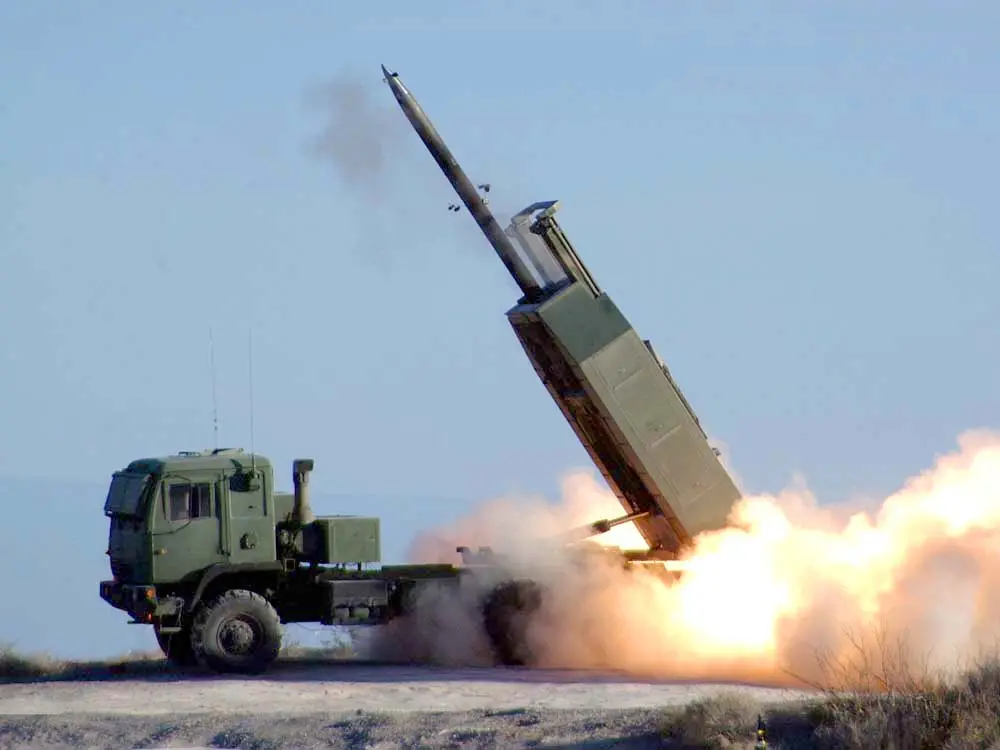
M142 HIMARS mobile launcher
The M142 High Mobility Artillery Rocket System (HIMARS) is a wheeled vehicle capable of firing ballistic missiles. It offers a rapid shoot-and-scoot capability, allowing it to reposition quickly after launch to avoid counter-battery fire. This mobility ensures greater survivability for forces deployed in allied Gulf states.
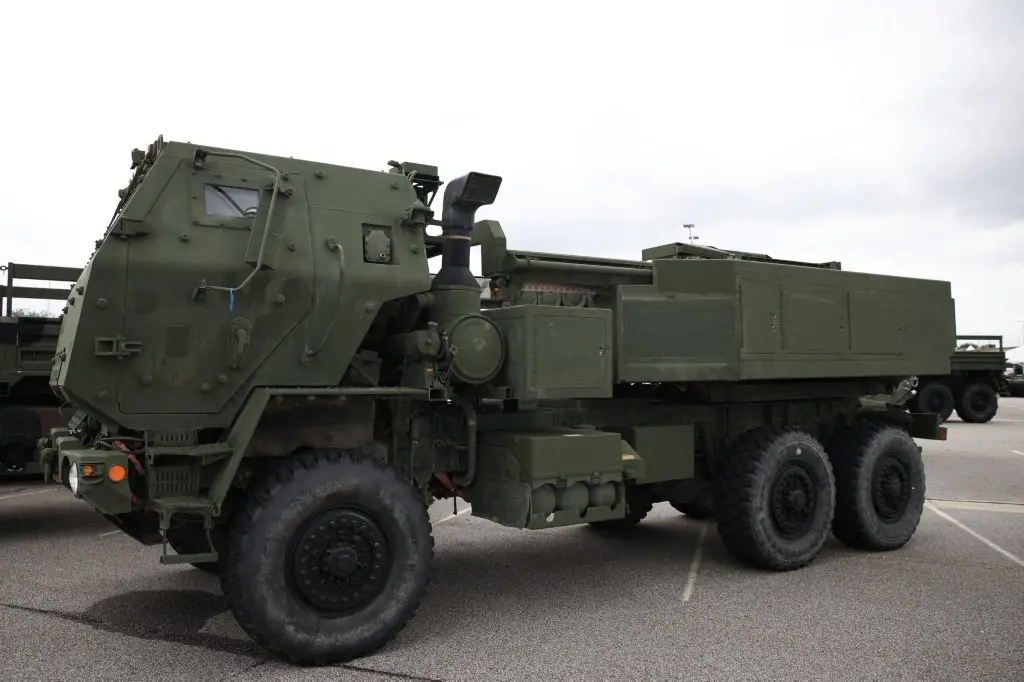
300km range ATACMS missile
The legacy Army Tactical Missile System (ATACMS) has a maximum range of 300 kilometres. Fired from the HIMARS platform, each pod contains a single ATACMS missile. These surface-to-surface missiles carry either a 213-kilogramme fragmentation warhead or a 247-kilogramme penetrating warhead.
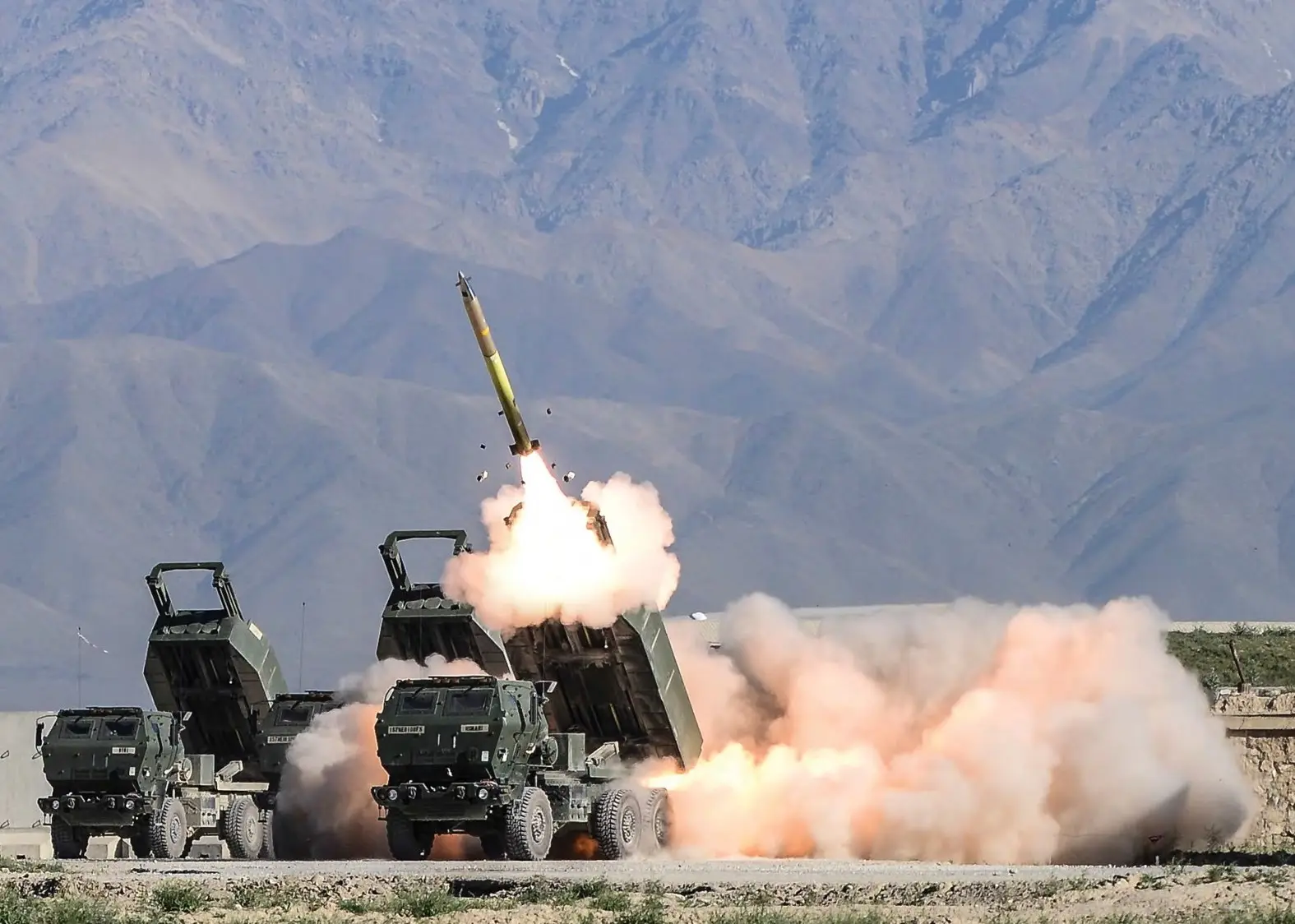
Sinking 1 Kilo-class submarine
US forces have successfully used HIMARS-launched ATACMS missiles to strike Iranian naval assets at the Bandar Abbas naval base. Satellite imagery confirmed the sinking of a Russian-built Kilo-class diesel-electric submarine. Several smaller Ghadir-class submarines were also hit during the precision strikes.
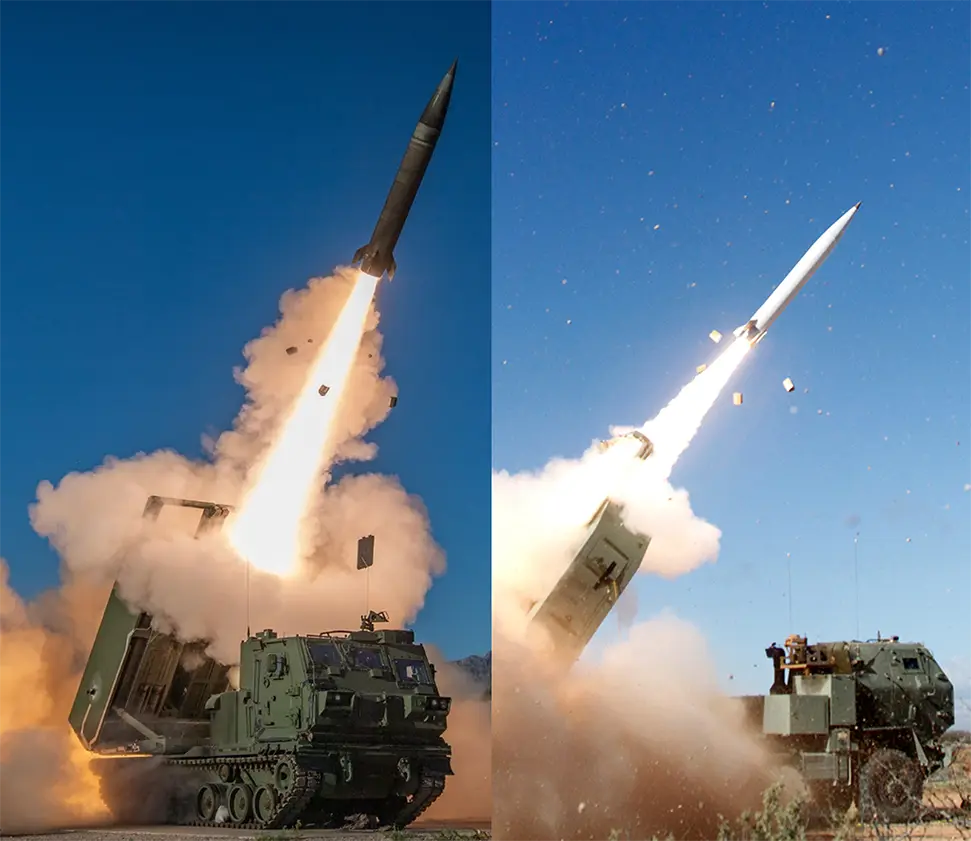
Destroying 50 Iranian ships
During the first 10 days of Operation Epic Fury, ballistic missiles fired from HIMARS launchers destroyed 50 Iranian naval vessels. This marks a major shift in naval warfare, as ground-launched ballistic missiles were used to target ships in actual combat for the first time.
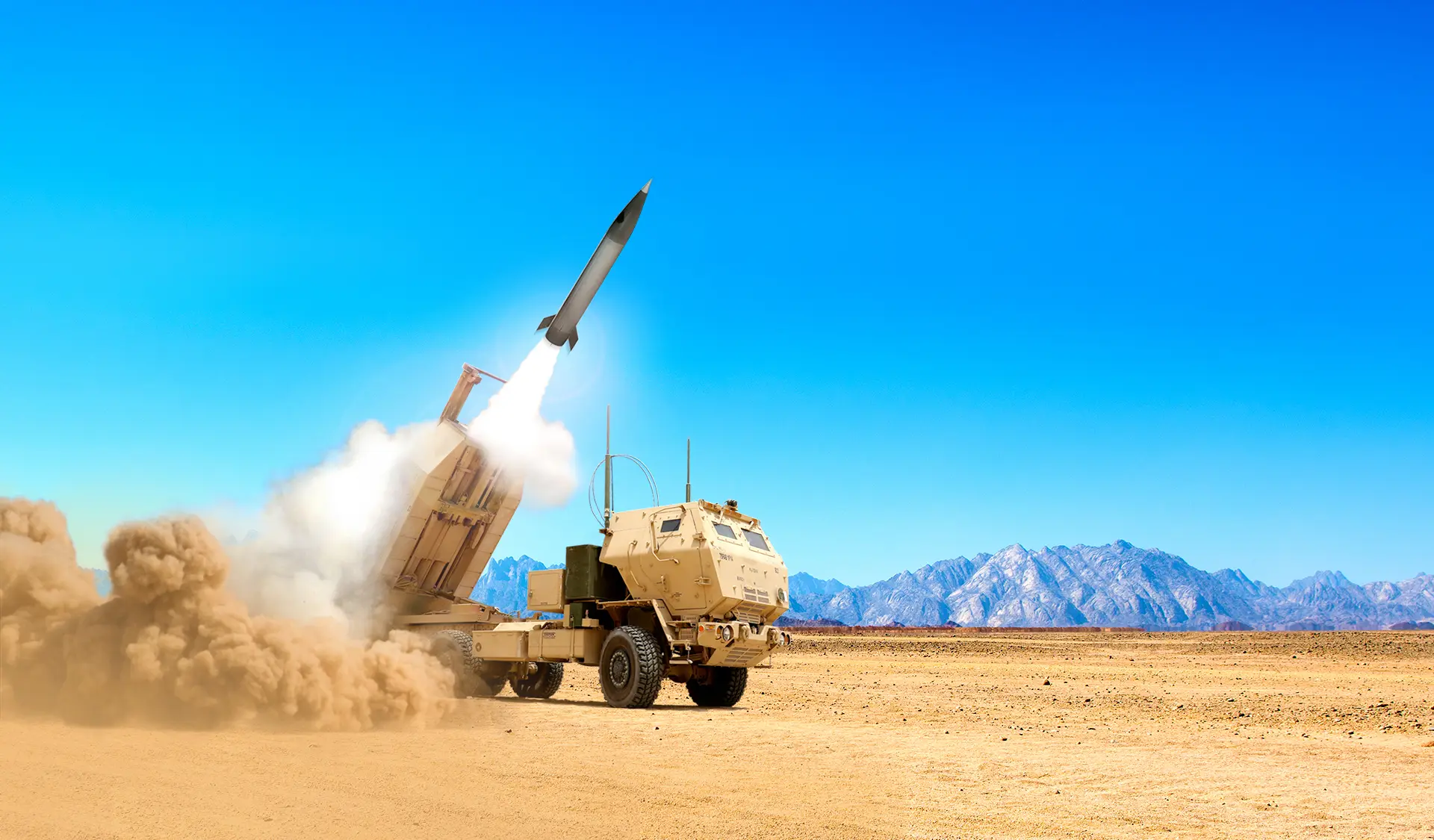
First PrSM combat debut
Operation Epic Fury marks the first time the United States has used the next-generation Precision Strike Missile (PrSM) in combat. Developed to gradually replace the ATACMS, the PrSM provides an unrivalled deep strike capability against critical Iranian military infrastructure.
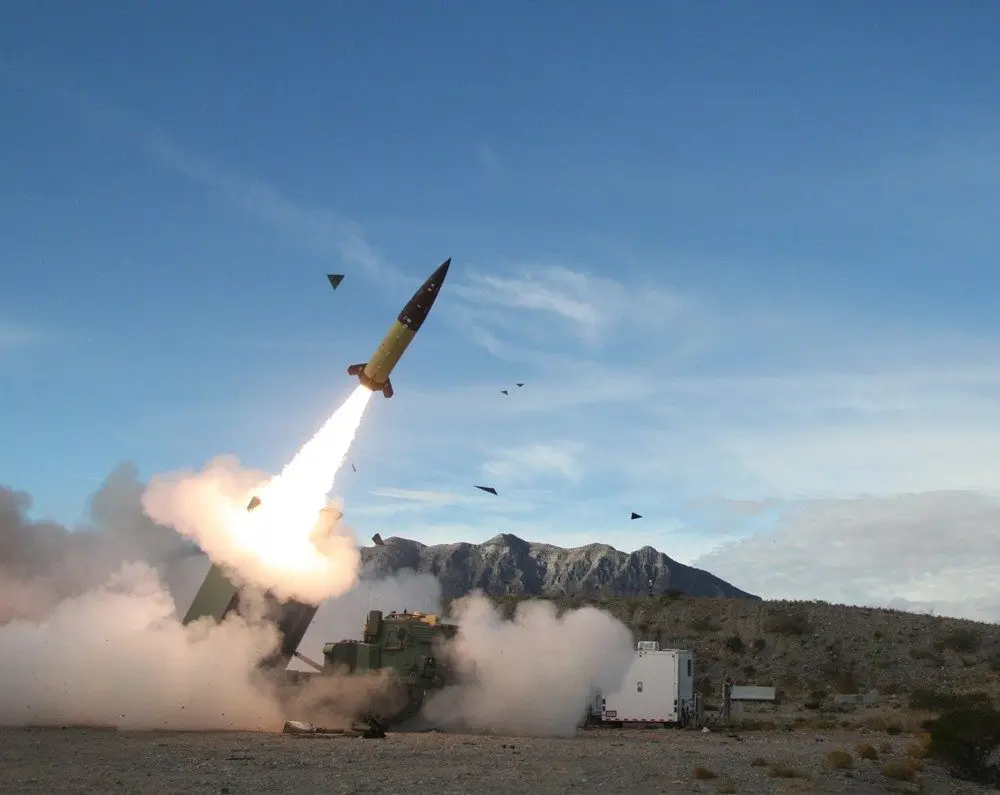
2 PrSMs per HIMARS pod
The newly introduced PrSM features a slimmer design than its predecessor, allowing a single HIMARS pod to carry two missiles instead of one. This upgrade effectively doubles the firepower and strike capacity of each mobile launcher without requiring additional vehicles.
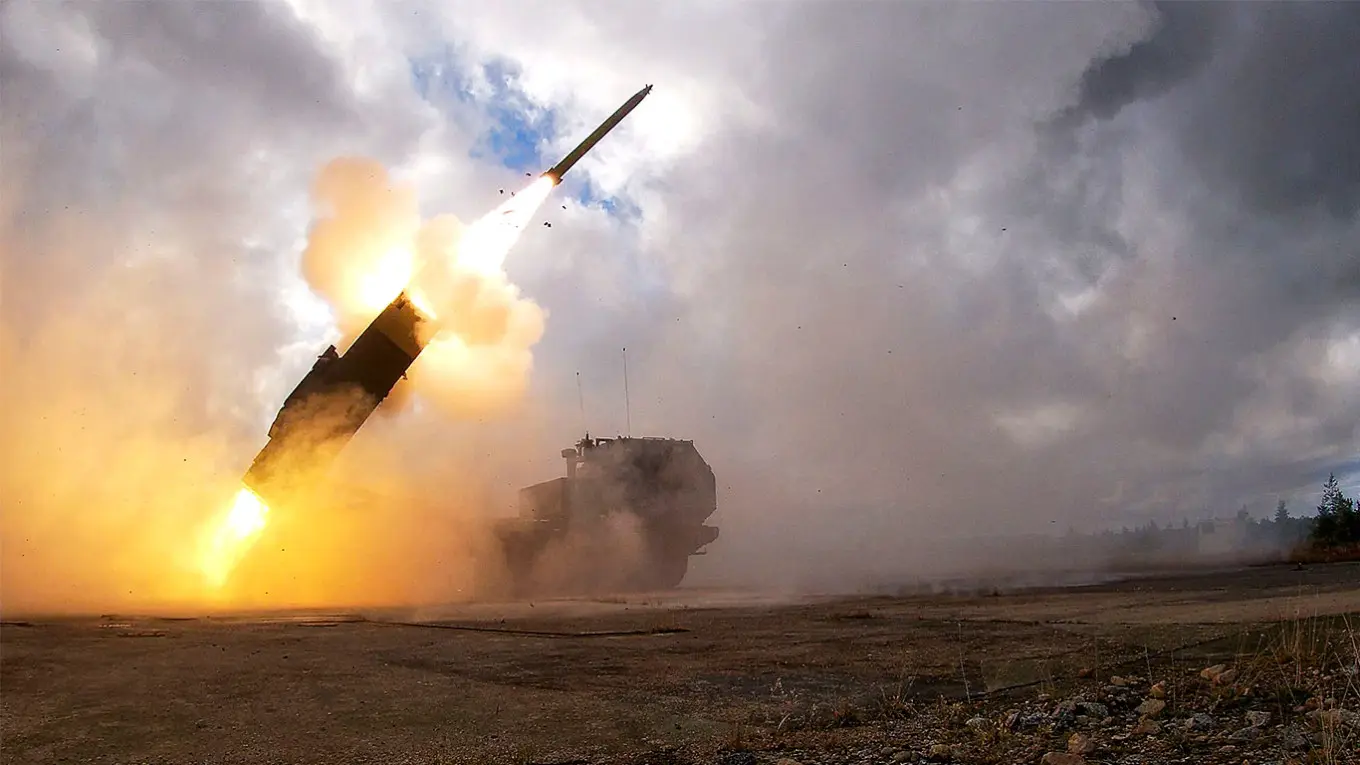
Striking targets 500km away
The baseline PrSM Increment 1 significantly extends the reach of US artillery units, capable of striking targets at least 500 kilometres away. This extended range allows forces to hit high-value assets deep inside enemy territory from bases across the Persian Gulf.
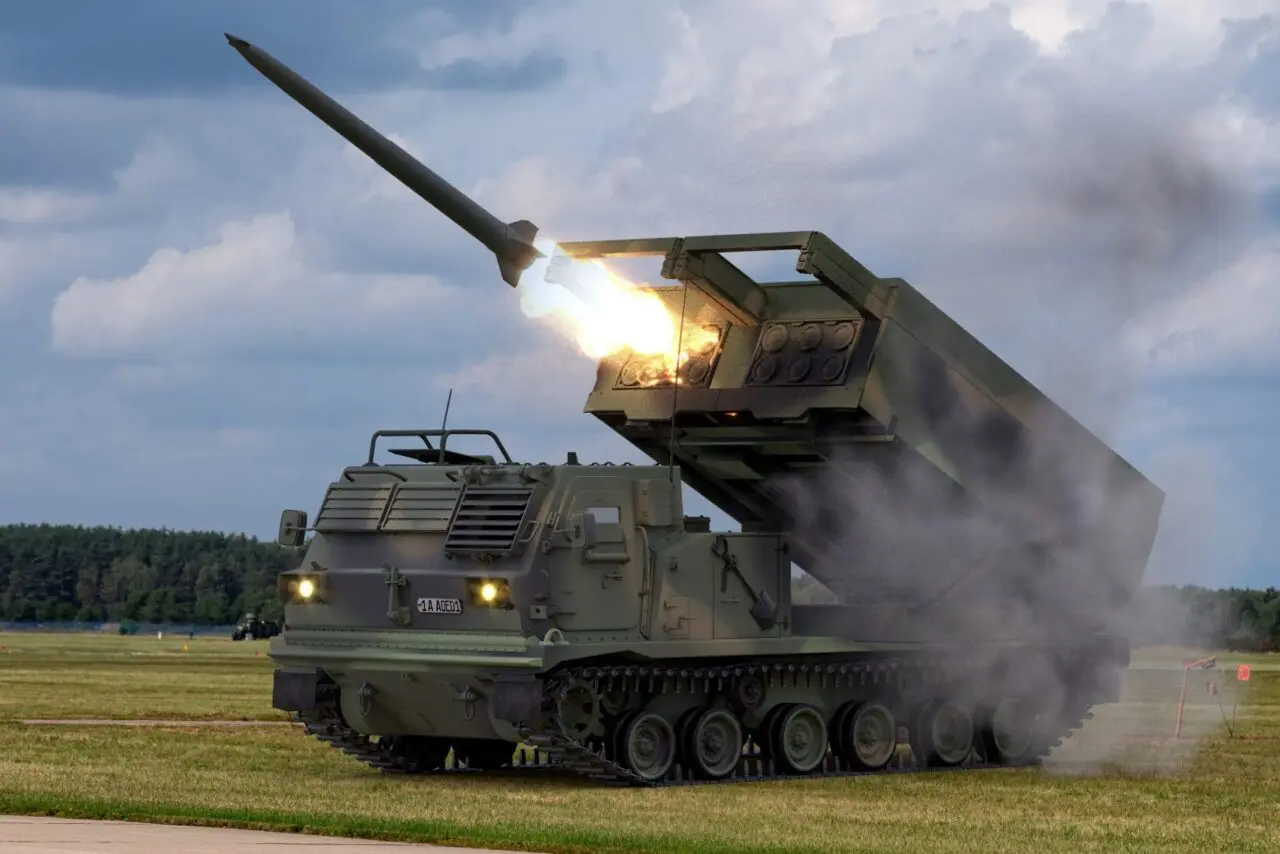
High terminal velocity impact
The PrSM is a solid-fuel ballistic missile that flies on a quasi-ballistic trajectory. Its extreme speed and high terminal dive significantly reduce enemy reaction time, making it exceptionally challenging for air defence networks to track and intercept.
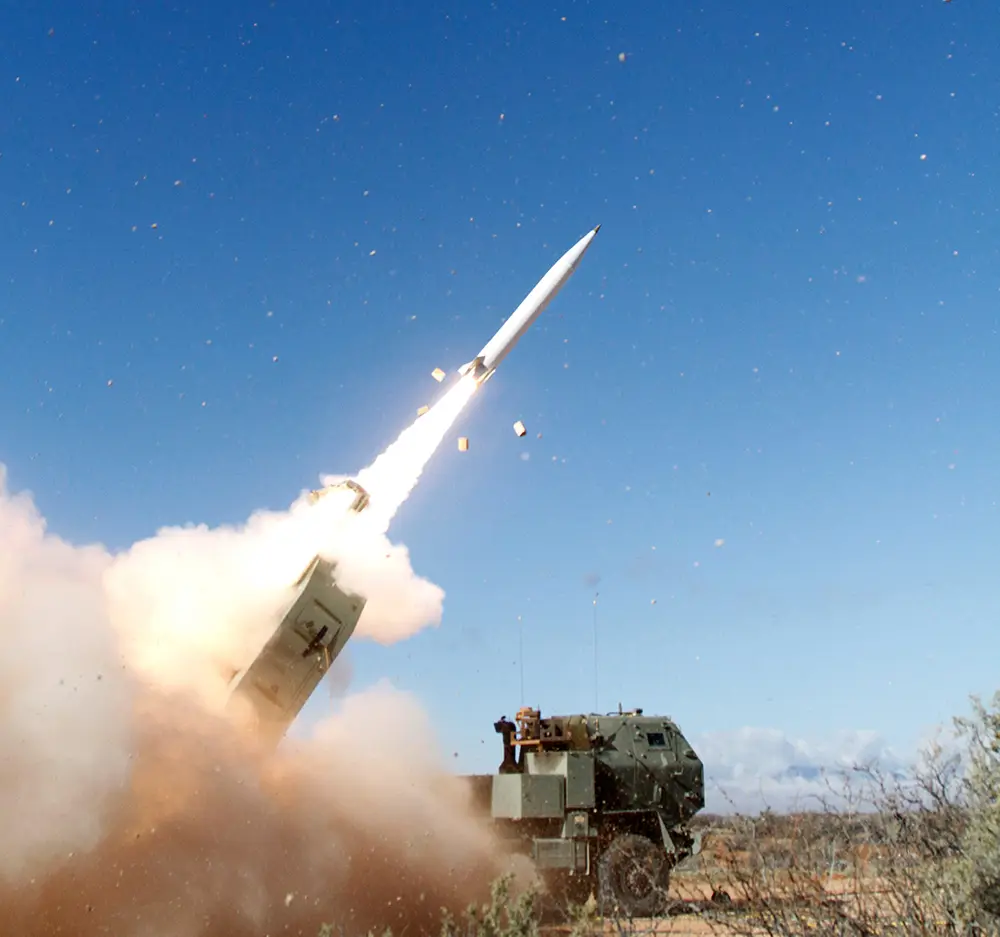
Striking key defence networks
The extreme kinetic energy of the PrSM makes it highly effective against hardened infrastructure. During the campaign, these missiles have successfully targeted Iranian command centres, radar installations, air defence nodes, and ballistic missile launch sites.
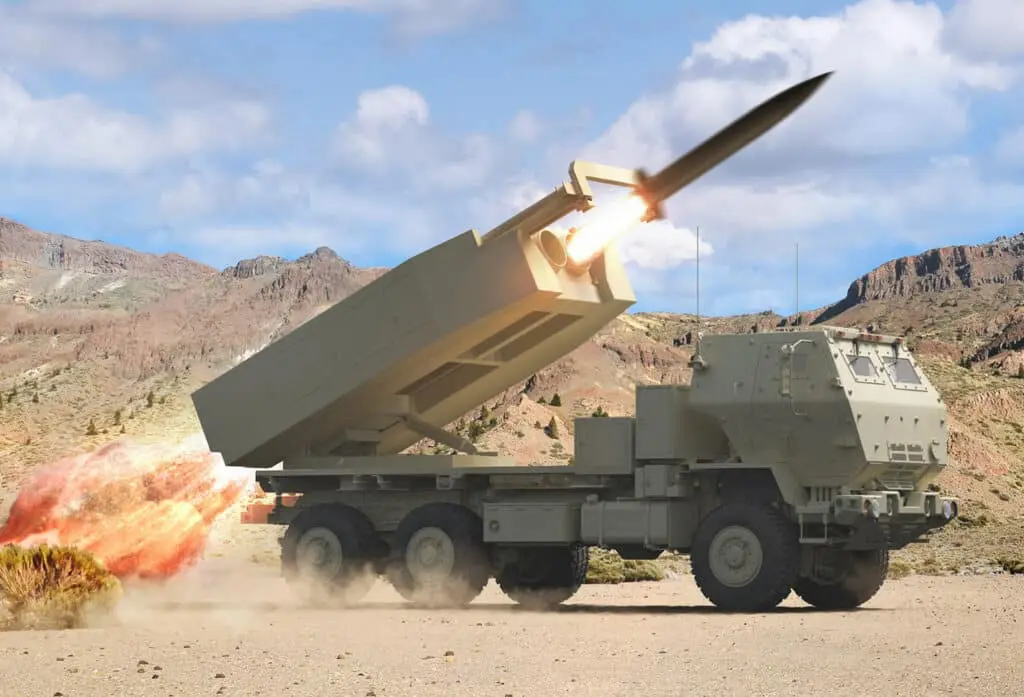
Missiles costing $1.6 million
Deploying these advanced weapons requires significant financial investment, with a single PrSM costing between $1.6 million and $3.5 million. Future missile variants aim to extend the operational range to over 1,000 kilometres to counter broader regional threats.
)
)
)
)
)