‘US Navy’s first operational carrier-based UAV’: What is Boeing and Rolls-Royce powered MQ-25 Stingray?

Built by Boeing and powered by a Rolls-Royce engine, the MQ-25 is the US Navy’s first carrier-based unmanned aerial vehicle.
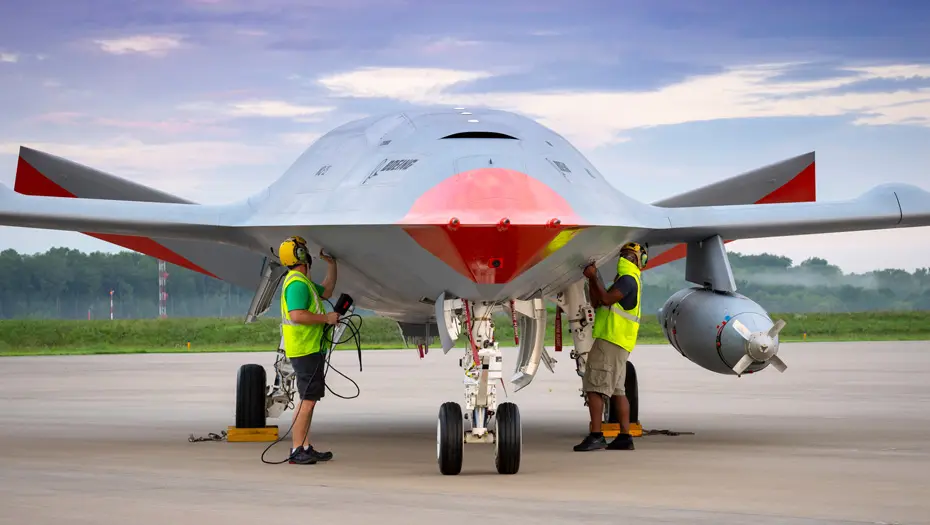
A Quiet Shift on the Flight Deck
When the MQ-25 Stingray begins routine operations, US aircraft carriers will host something entirely new: an unmanned aircraft designed to work alongside pilots without actually replace them. Built by Boeing and powered by a Rolls-Royce engine, the MQ-25 is the US Navy’s first carrier-based unmanned aerial vehicle. Its initial test in early 2026 will mark a structural change in how carrier air wings operate, thus extending reach while reducing strain on manned aircraft.
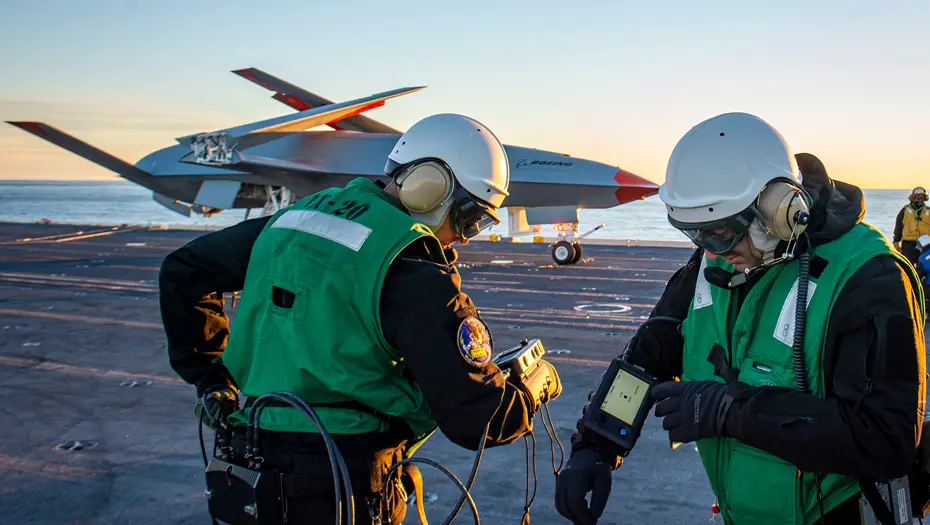
Why the Navy Needed the MQ-25
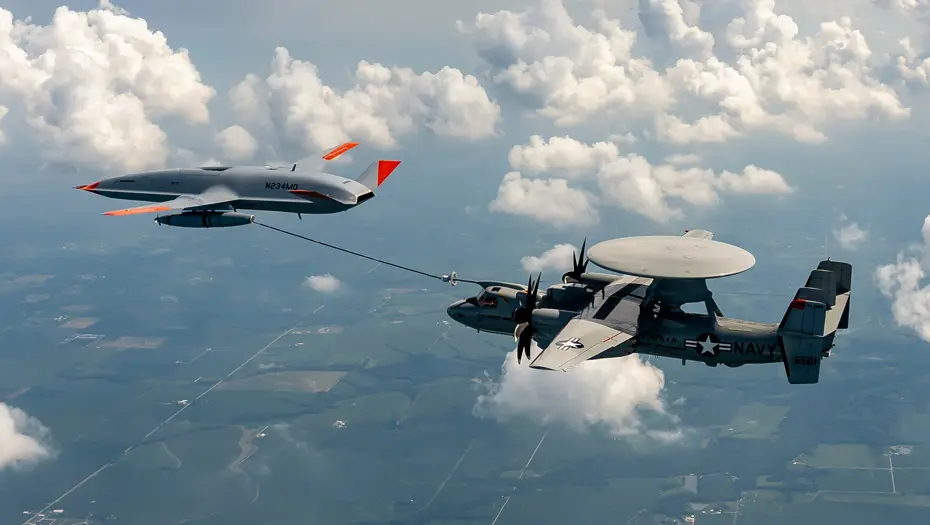
It was designed to operate from aircraft carriers. The most important mission of Stingray is to extend the range of the carrier air wing by providing unmanned aerial refueling. By taking over the refuelling role, it allows fighters such as the F/A-18 Super Hornet and F-35C to focus entirely on their primary mission such as strike, air defence and electronic warfare missions.
Autonomous Operations on a Moving Carrier
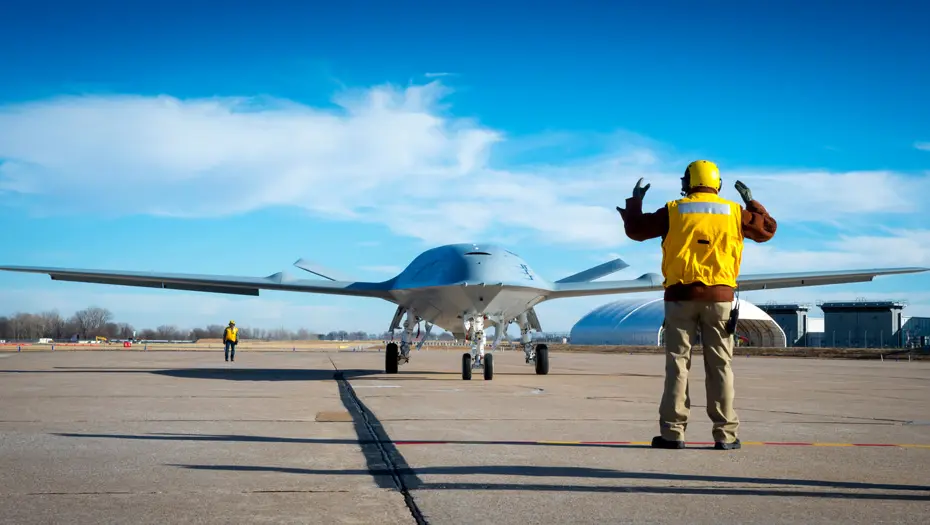
One of the MQ-25’s most demanding features is its ability to launch and recover autonomously on an aircraft carrier. The drone is capable of taking off, flying and landing without direct human intervention, thus integrating safely with manned aircraft in complex naval operations.
Built for More Than Refuelling
Although refuelling is its primary mission, the MQ-25 has been designed with future growth in mind. Its open systems architecture allows for potential intelligence, surveillance and reconnaissance roles, offering flexibility as naval requirements evolve.
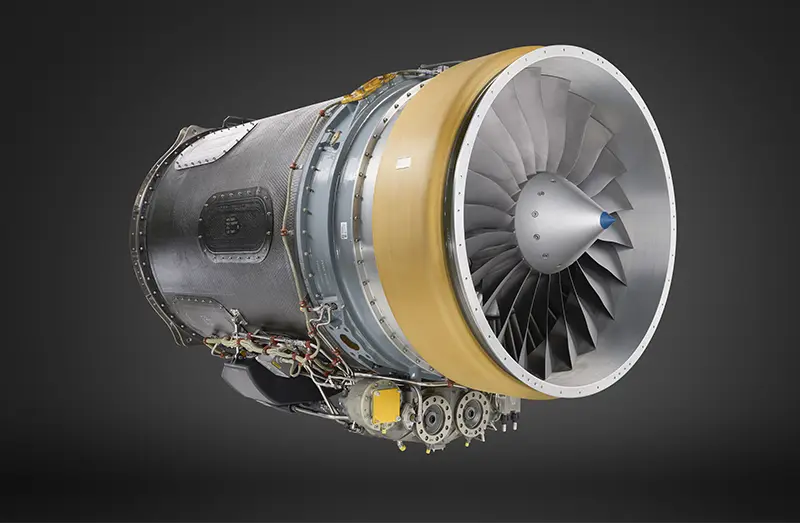
Rolls-Royce Power Under the Wing
The Stingray is powered by the Rolls-Royce AE 3007N turbofan engine, a reliable platform already used on high-endurance unmanned aircraft. Its efficiency supports long on-station time, a key requirement for sustained carrier operations.
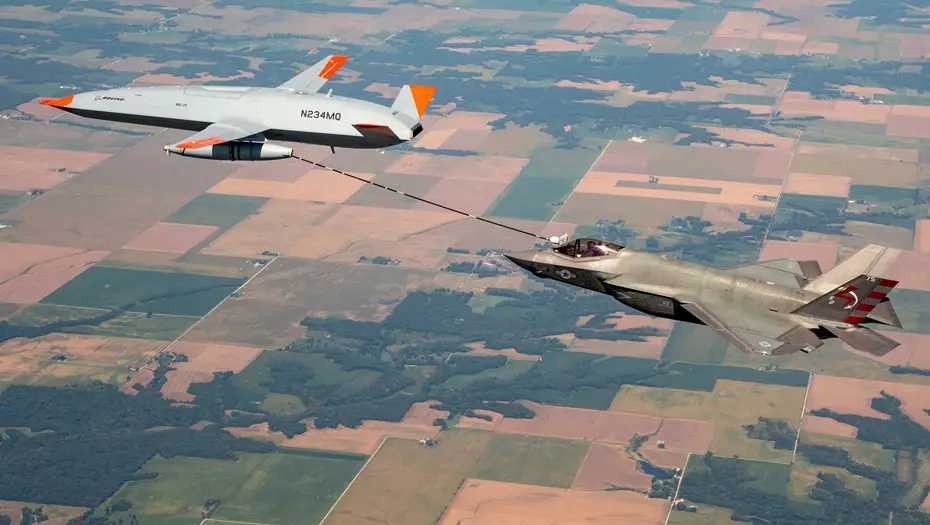
Testing, Milestones and What Comes Next
Since its first flight in 2019, the MQ-25 has achieved several historic milestones, including the first unmanned aerial refuelling of US Navy aircraft. Production aircraft are now being built, with carrier integration planned to make the Stingray a routine presence on flight decks.
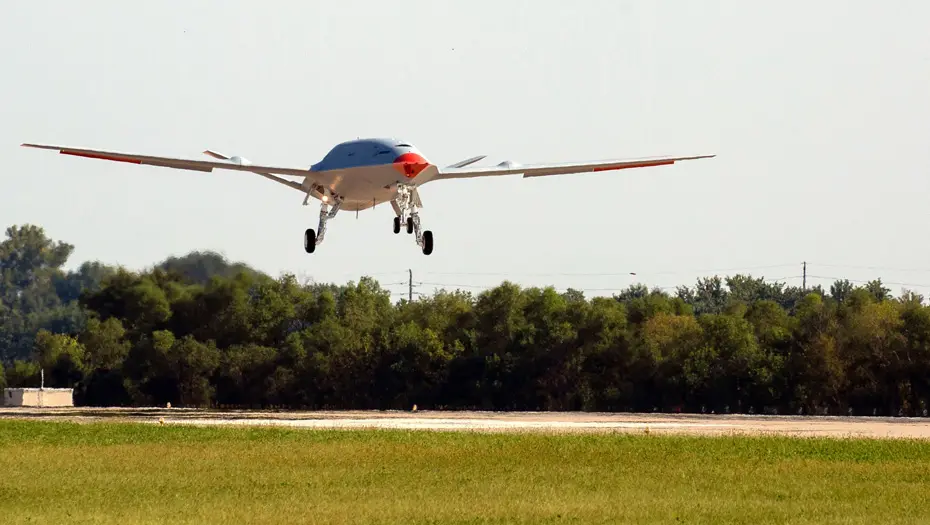
How the Stingray Refuels Aircraft at Sea
The MQ-25 is designed to carry and transfer around 15,000 pounds of fuel at extended distances from an aircraft carrier. Although the US Navy and Boeing have recently postponed the first carrier-based flight tests of the MQ-25A Stingray until early 2026, the programme signals a future in which unmanned systems significantly extend the reach and resilience of carrier power at sea.
)
)
)
)
)