‘US Military in Danger’: Why an attack on Iran may put USS Abraham Lincoln and USS Gerald R. Ford at risk?

A US strike on Iran places the USS Abraham Lincoln and USS Gerald R. Ford at immense risk. Tehran's vast arsenal of drone swarms and coastal missiles may overwhelm naval defences.
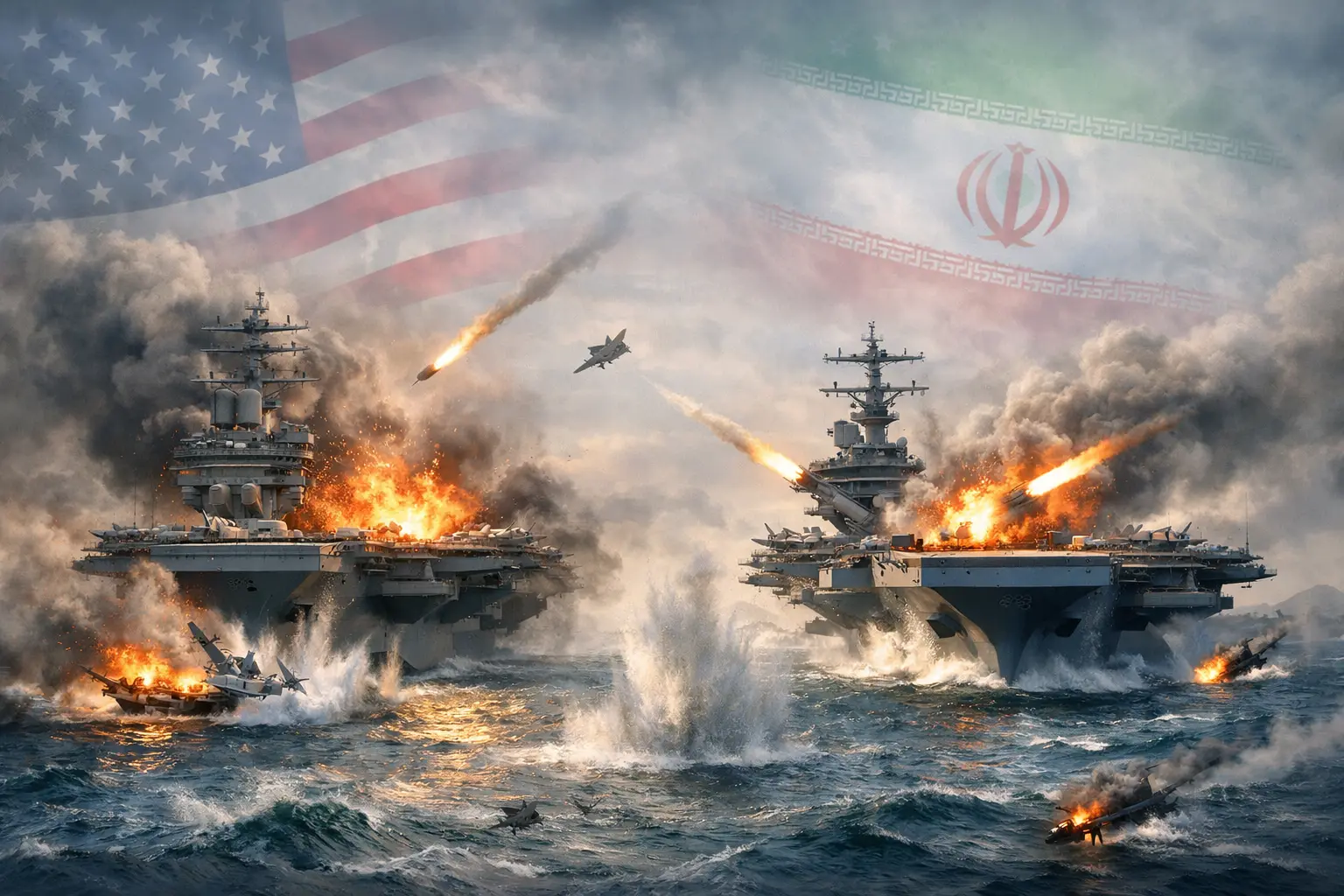
2 carriers face Iran
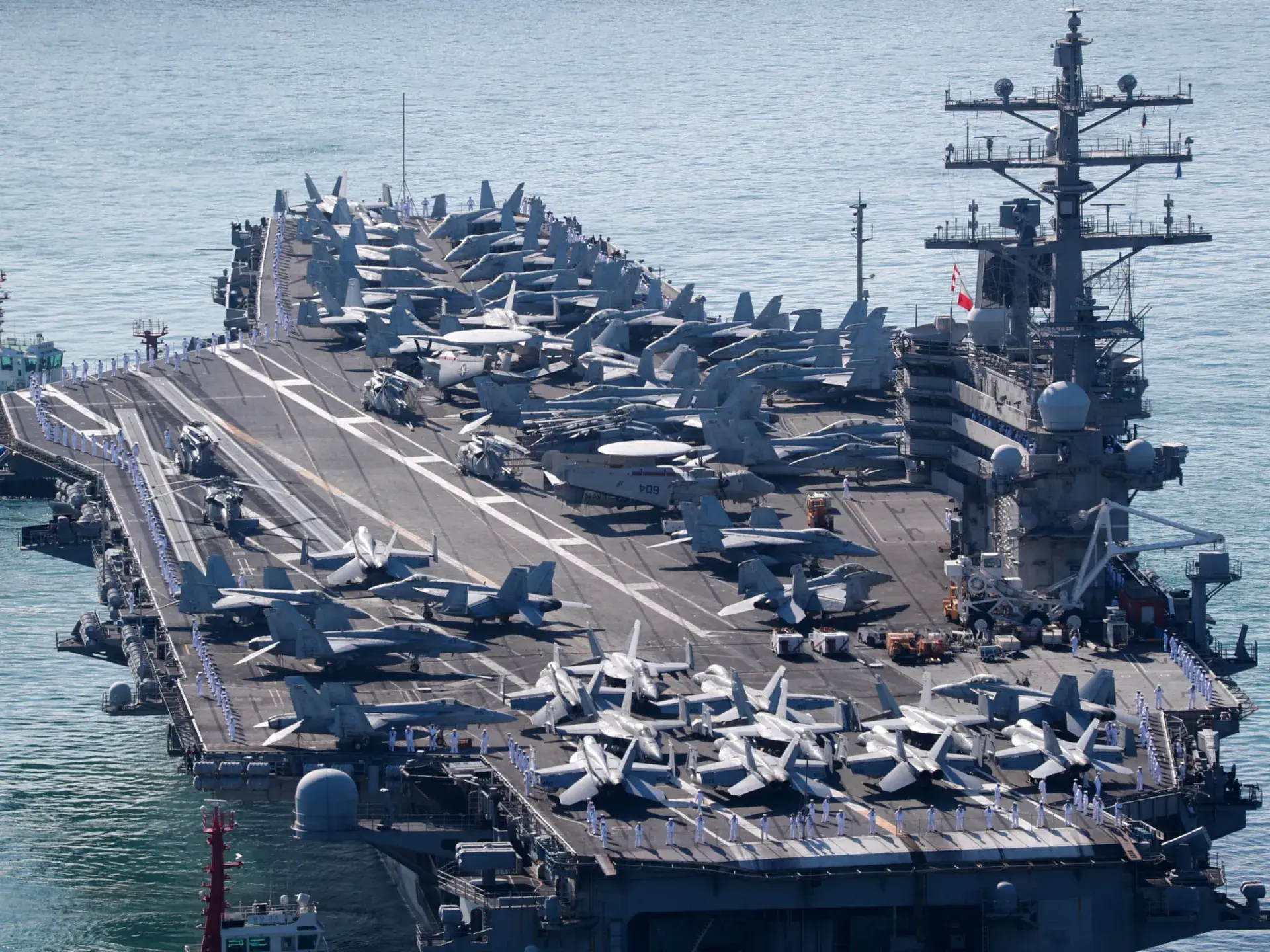
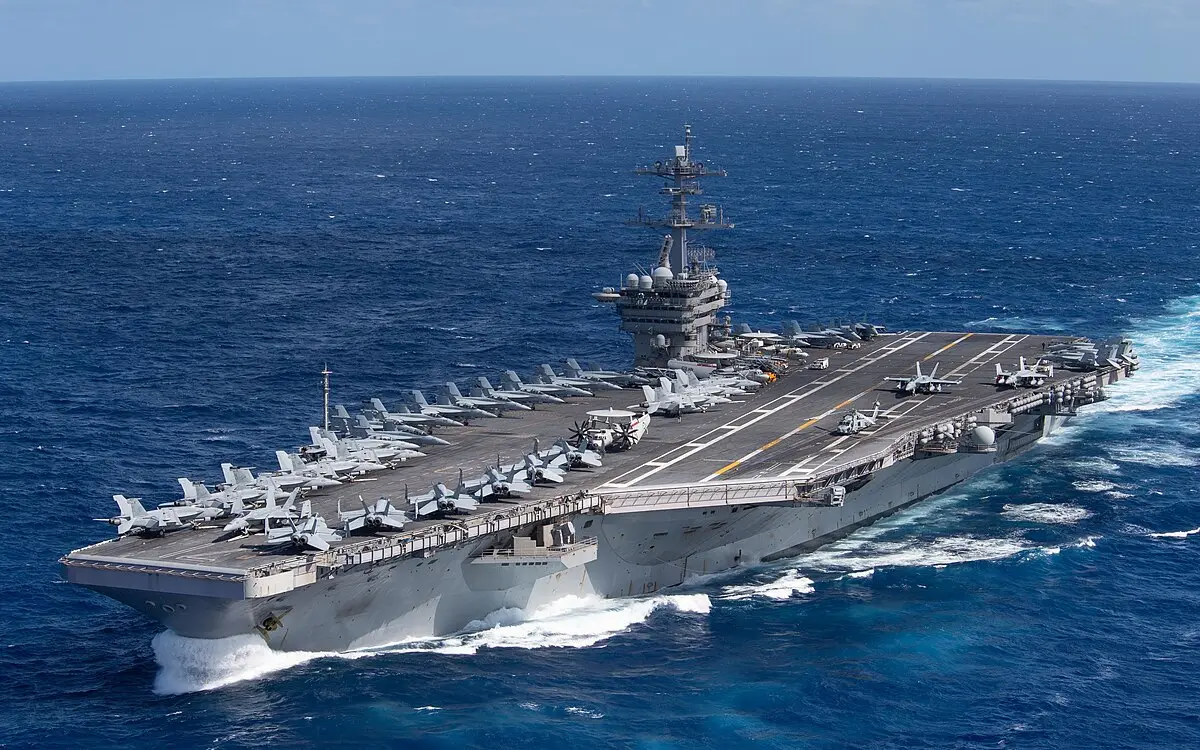
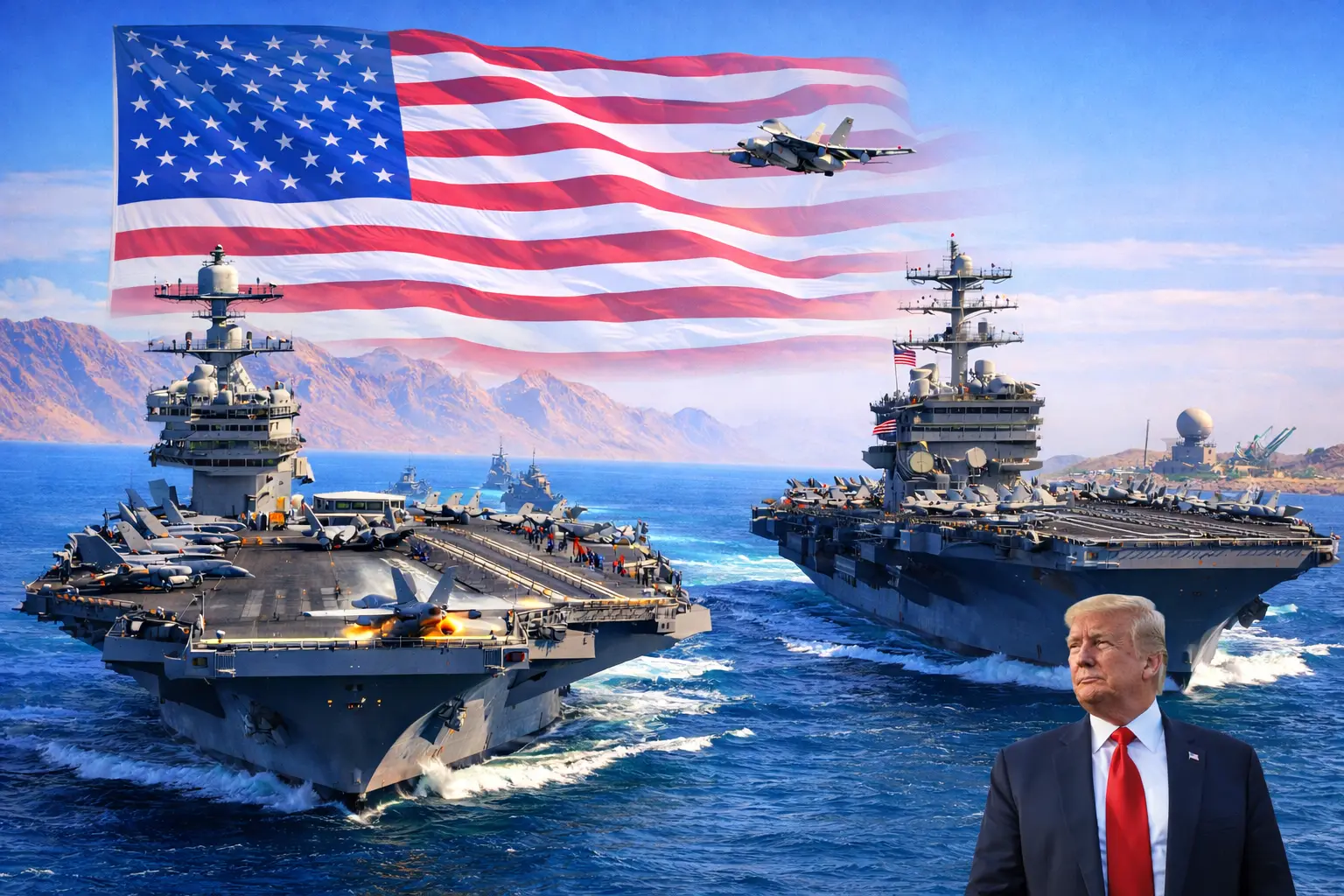
The United States has positioned two massive aircraft carriers in the Middle East to pressure Tehran. This rare dual-carrier deployment includes thousands of sailors and dozens of advanced fighter jets. The massive show of force aims to deter any potential Iranian aggression.
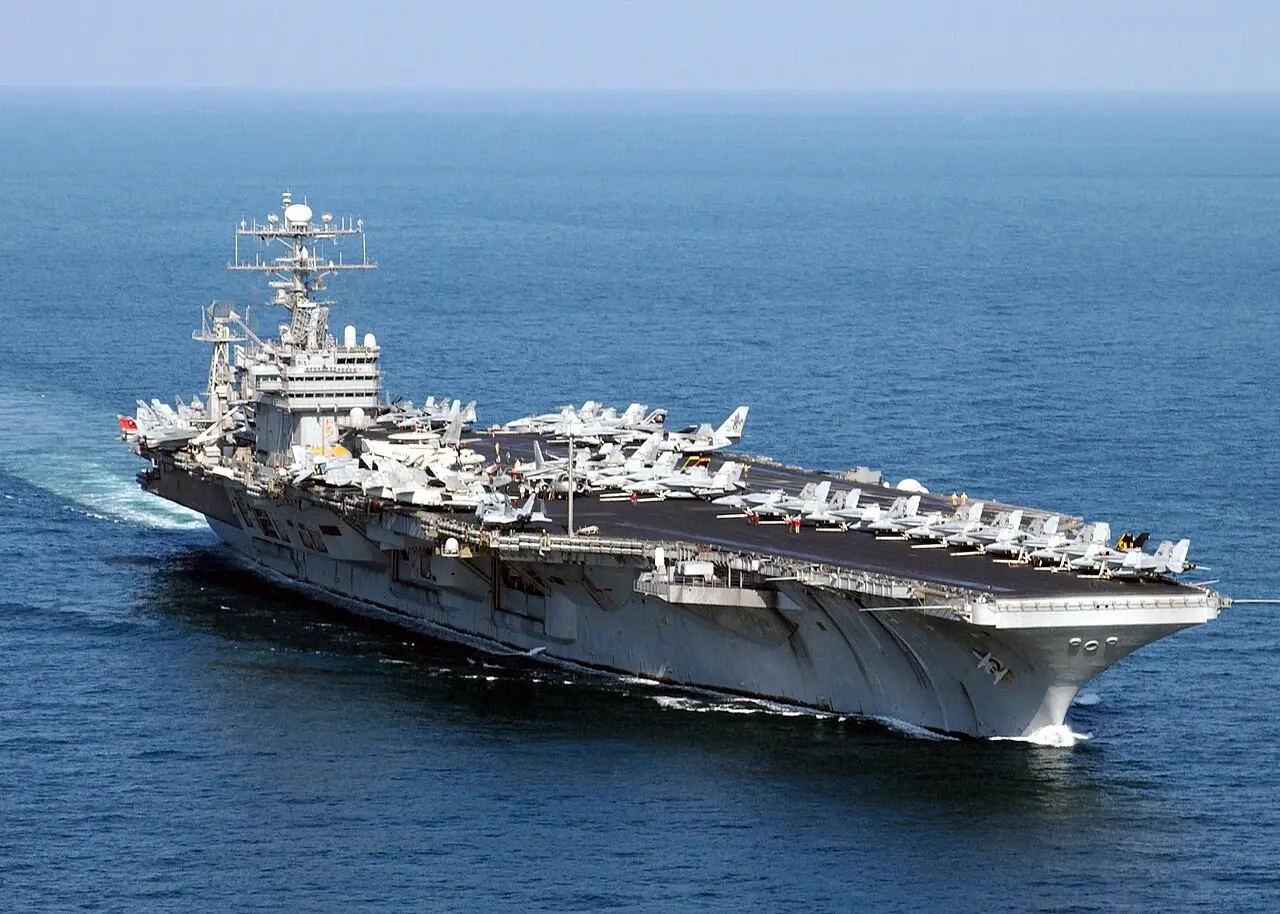
100,000-tonne Ford deployed
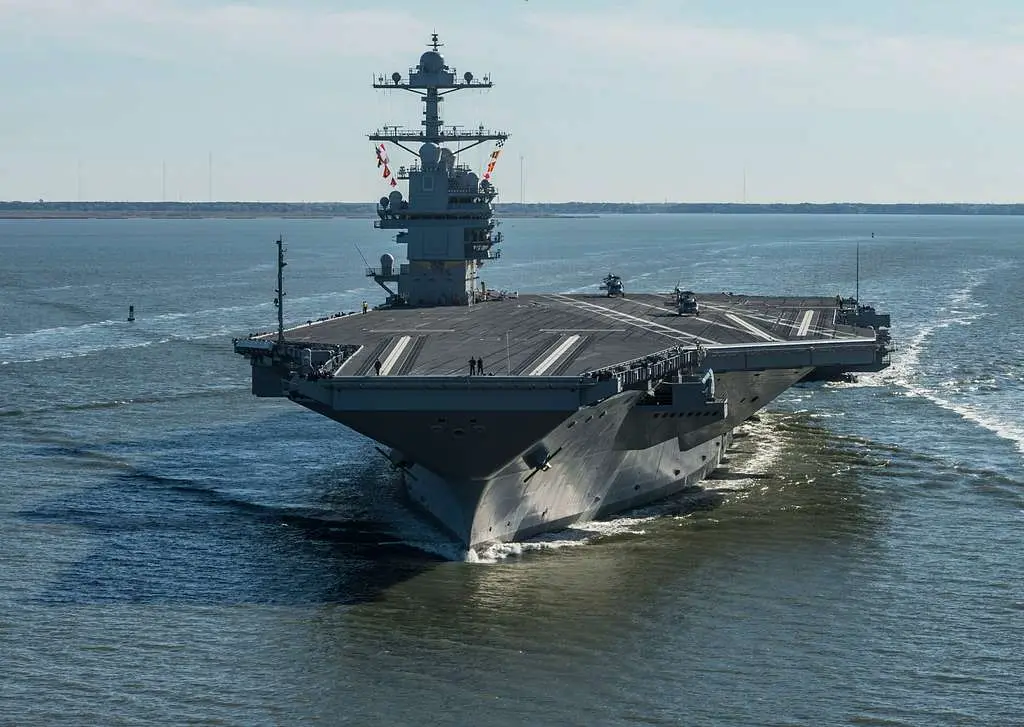
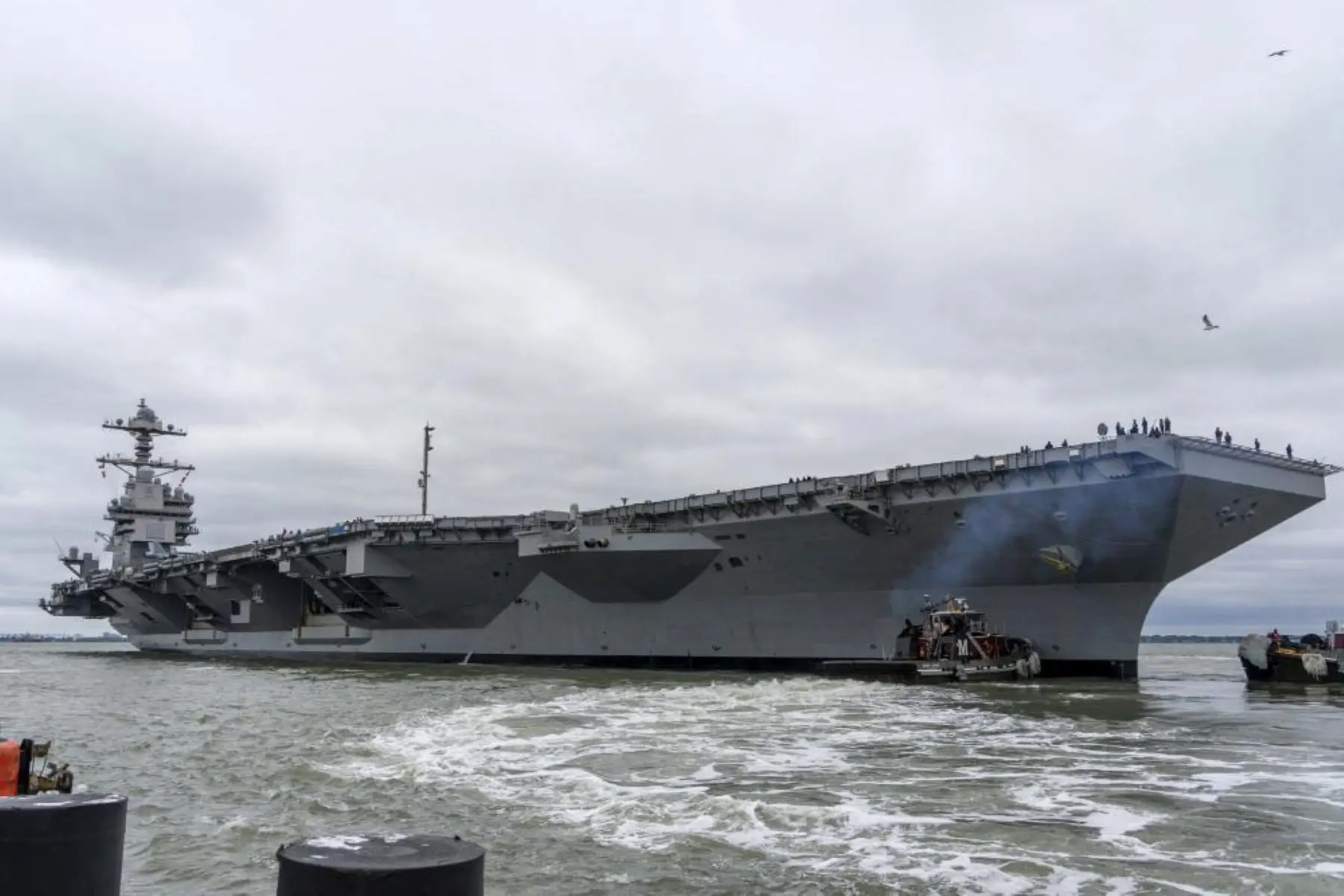
The USS Gerald R. Ford is the largest and most advanced warship in the world. It recently entered the Mediterranean Sea after a long deployment. The massive 100,000-tonne carrier brings devastating firepower but also presents a highly valuable target.
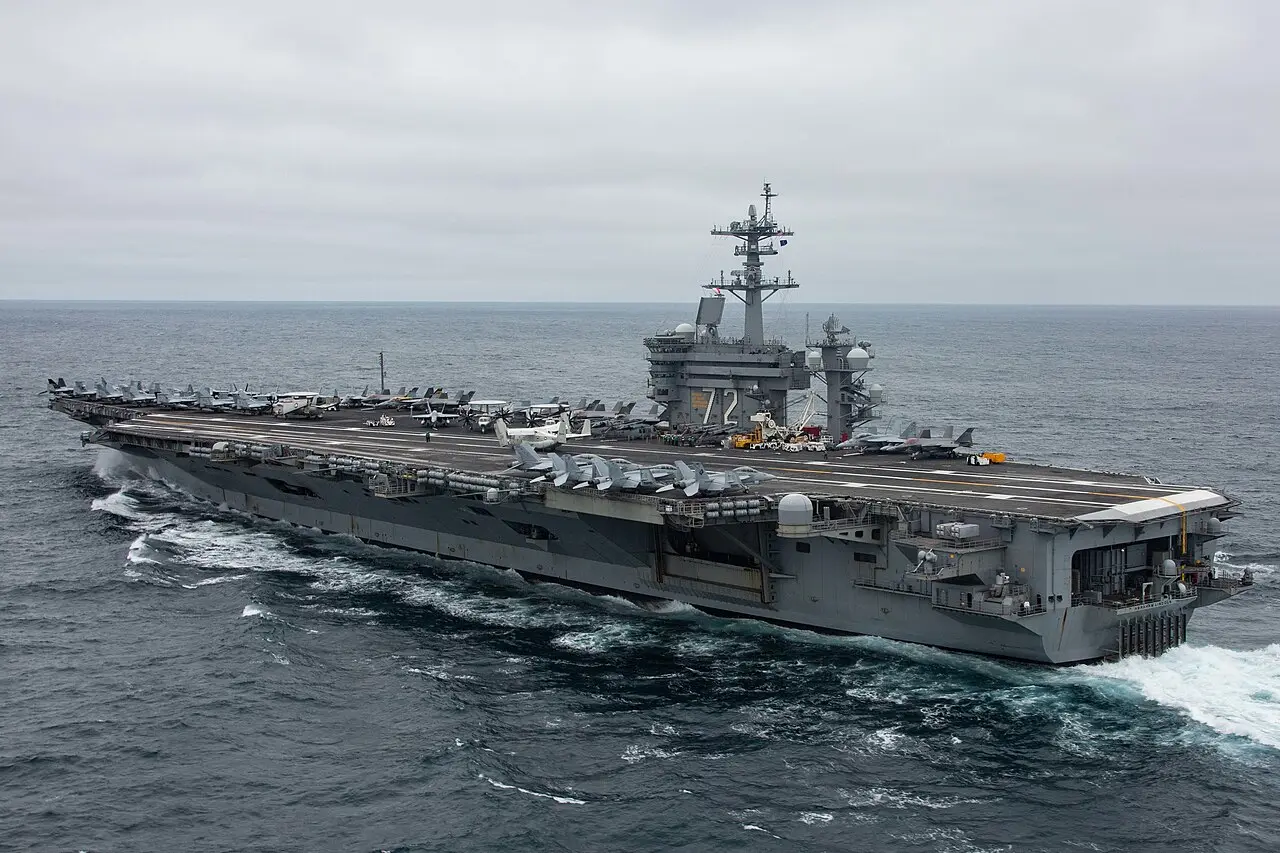
Lincoln 150 miles away
The USS Abraham Lincoln is currently operating in the Arabian Sea, roughly 150 miles off the coast of Oman. Its proximity gives US fighter jets immediate reach into southern and central Iran. However, staying so close to the Iranian coast drastically increases its exposure to counterattacks.
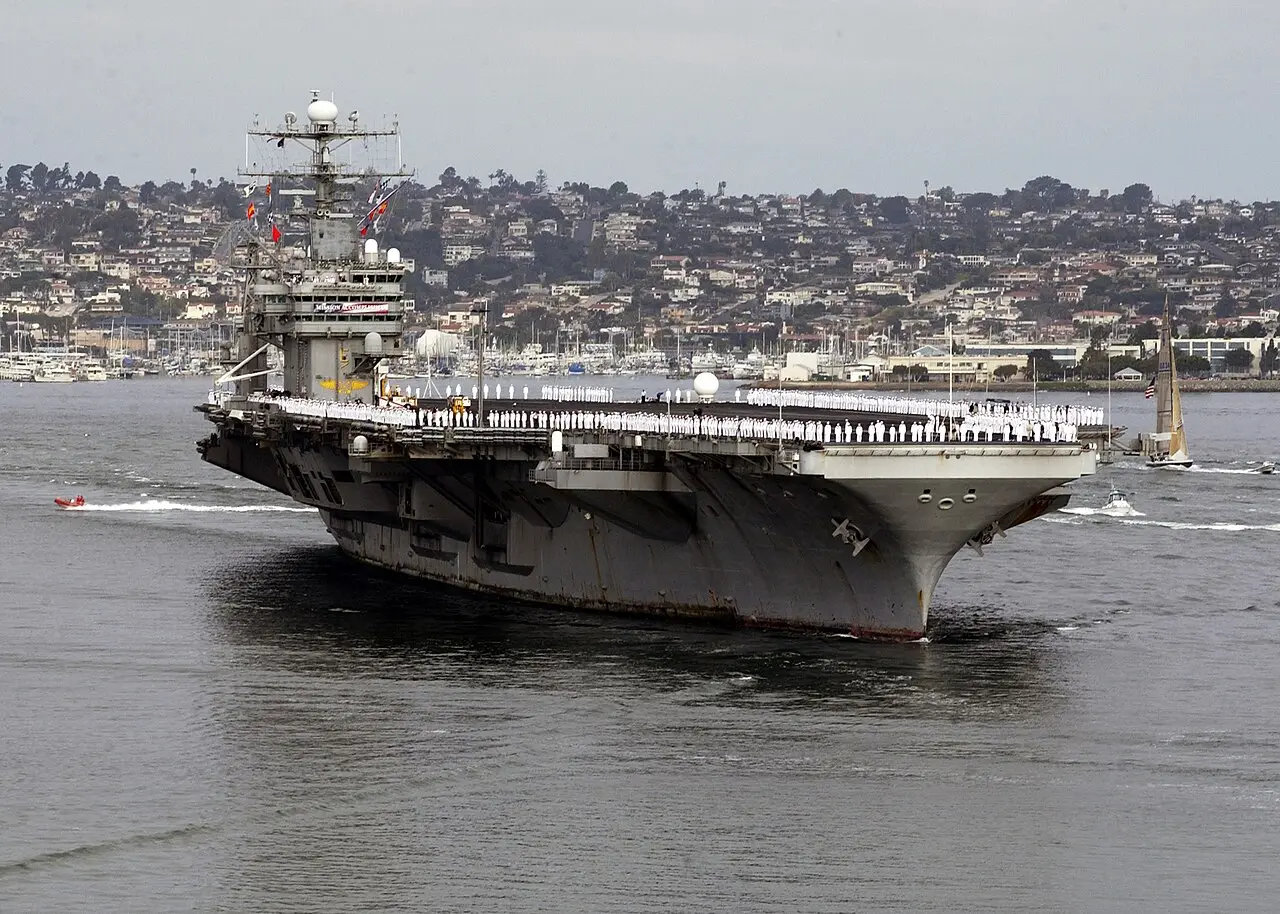
Thousands of Iranian missiles
Iran possesses one of the most heavily armed missile arsenals in West Asia. In the event of an American strike, Tehran could launch hundreds of ballistic and cruise missiles in retaliation. Such a massive barrage is explicitly designed to overwhelm any naval fleet.
Threat of drone swarms
The Iranian military heavily relies on low-cost, explosive-laden drones to conduct saturation attacks. By launching hundreds of these unmanned aircraft simultaneously, they can confuse and exhaust carrier defence systems. This tactic remains a severe threat to both carriers and their escorting destroyers.
20 per cent oil choke
Any conflict would inevitably spill into the Strait of Hormuz, a critical transit route for 20 per cent of the world's oil. Operating in such constricted waters leaves massive ships with very little room to manoeuvre. An attack here could severely damage global energy markets and trap naval assets.
Defences face saturation risk
US warships rely on advanced interceptors to shoot down incoming threats. However, a coordinated barrage of Iranian missiles and drones could quickly deplete these defensive stocks. Once interceptors run out, the carriers become highly vulnerable to direct hits.
Dozens of attack craft
Iran's naval forces utilise massive fleets of fast-attack speedboats equipped with anti-ship missiles and torpedoes. These small vessels employ swarm tactics to encircle and strike much larger warships. A coordinated boat swarm could easily damage a carrier's escort ships.
Danger in narrow waters
Aircraft carriers project the most power when operating in vast, open oceans. By entering the narrow confines of the eastern Mediterranean and the Gulf of Oman, both US carriers lose their geographical advantage. They are now well within the range of Iran's coastal defence batteries.
High risk of escalation
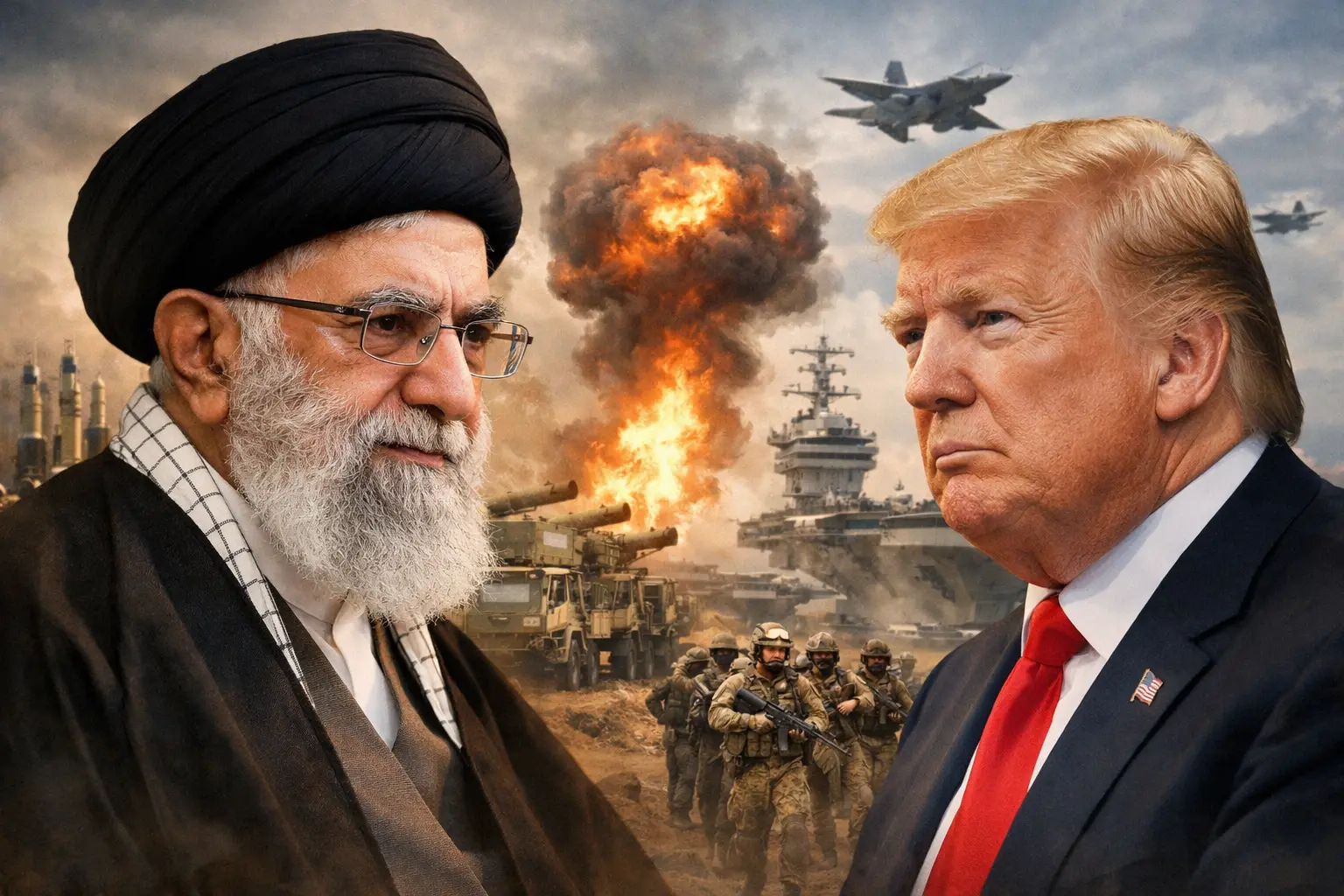
A direct military strike on Iran would not be a simple, isolated operation. It risks dragging both the USS Gerald R. Ford and USS Abraham Lincoln into a prolonged and devastating regional war. The carriers face unprecedented dangers if the current standoff turns into an active conflict.
)
)
)
)
)