‘Understanding AESA radar jamming’: How UFOs blind America's fighter jets

Newly declassified WAR.GOV files reveal that advanced UAPs effortlessly jam the US military's multibillion-dollar AESA radar systems. By emitting overwhelming electronic noise, these crafts blind fifth-generation fighter jets.
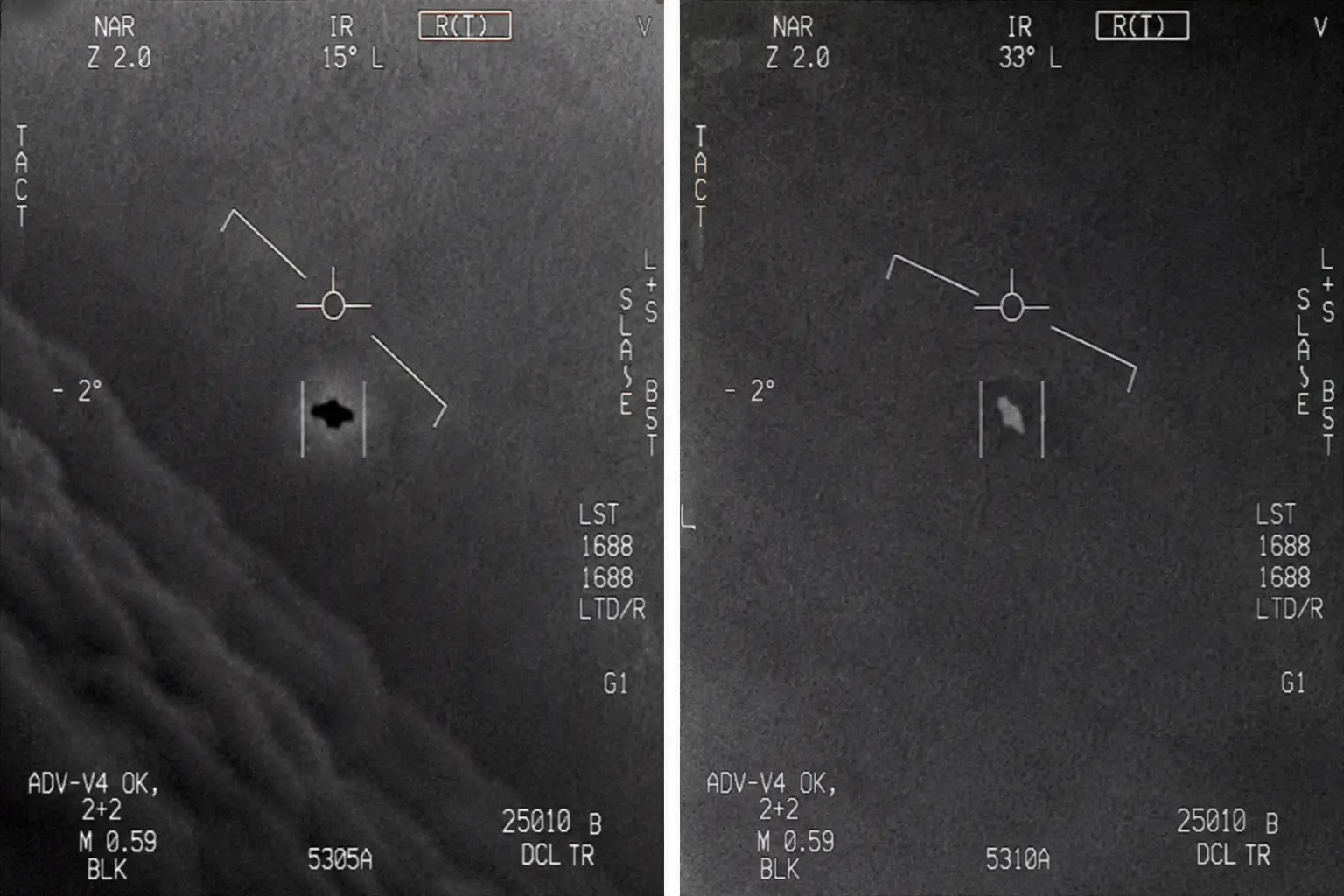
The AESA Shield
Active Electronically Scanned Array (AESA) radar represents the absolute pinnacle of modern military tracking. Installed on fifth-generation jets like the F-35 Lightning II, these multibillion-dollar systems use thousands of tiny transmitters to track targets instantly without moving a mechanical dish.
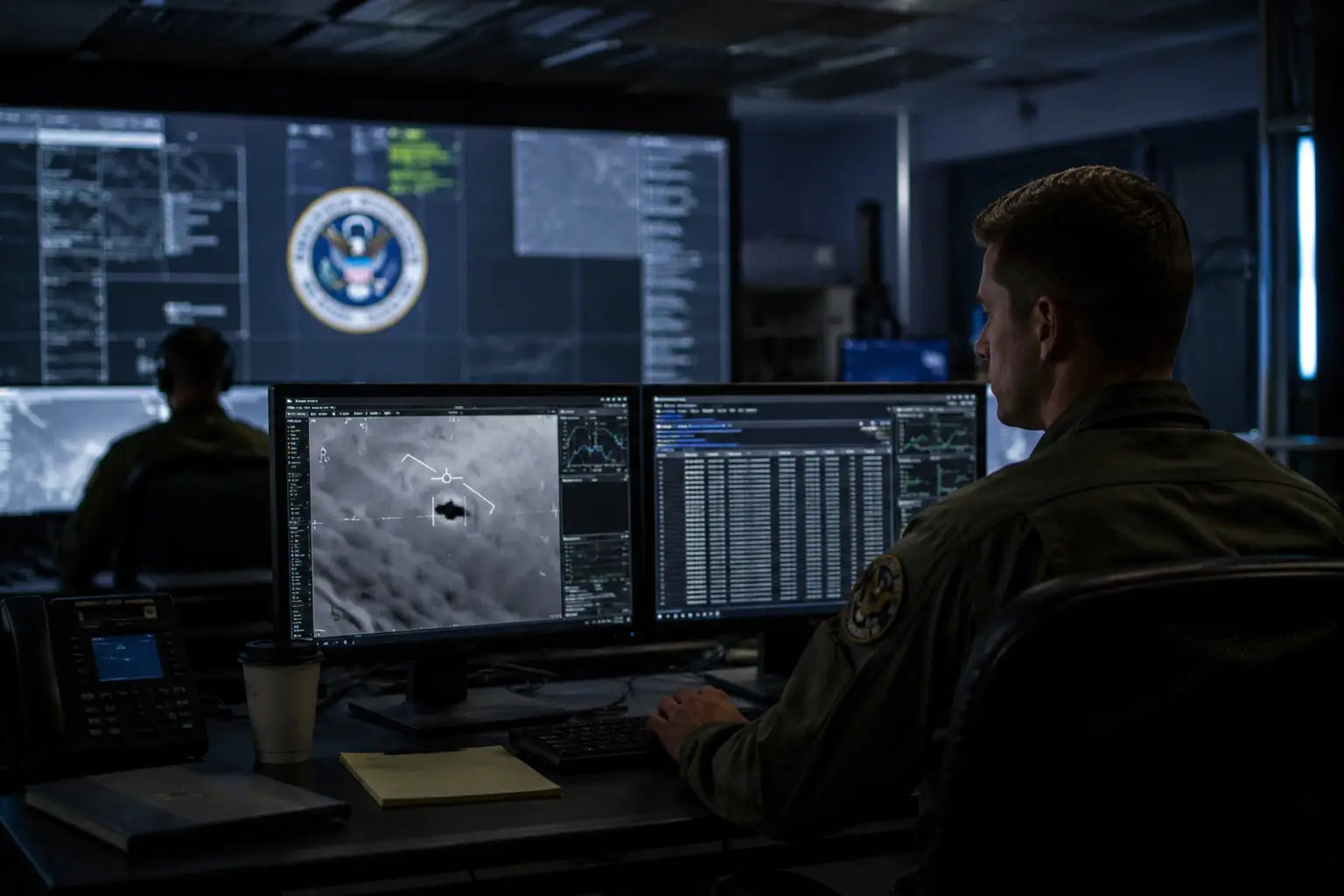
A 'Jam-Proof' System
Conventional adversaries struggle to jam AESA systems because the radar rapidly shifts frequencies across a wide electronic spectrum. This extreme agility prevents enemy aircraft from isolating and blocking the specific tracking signals used by US fighter pilots.
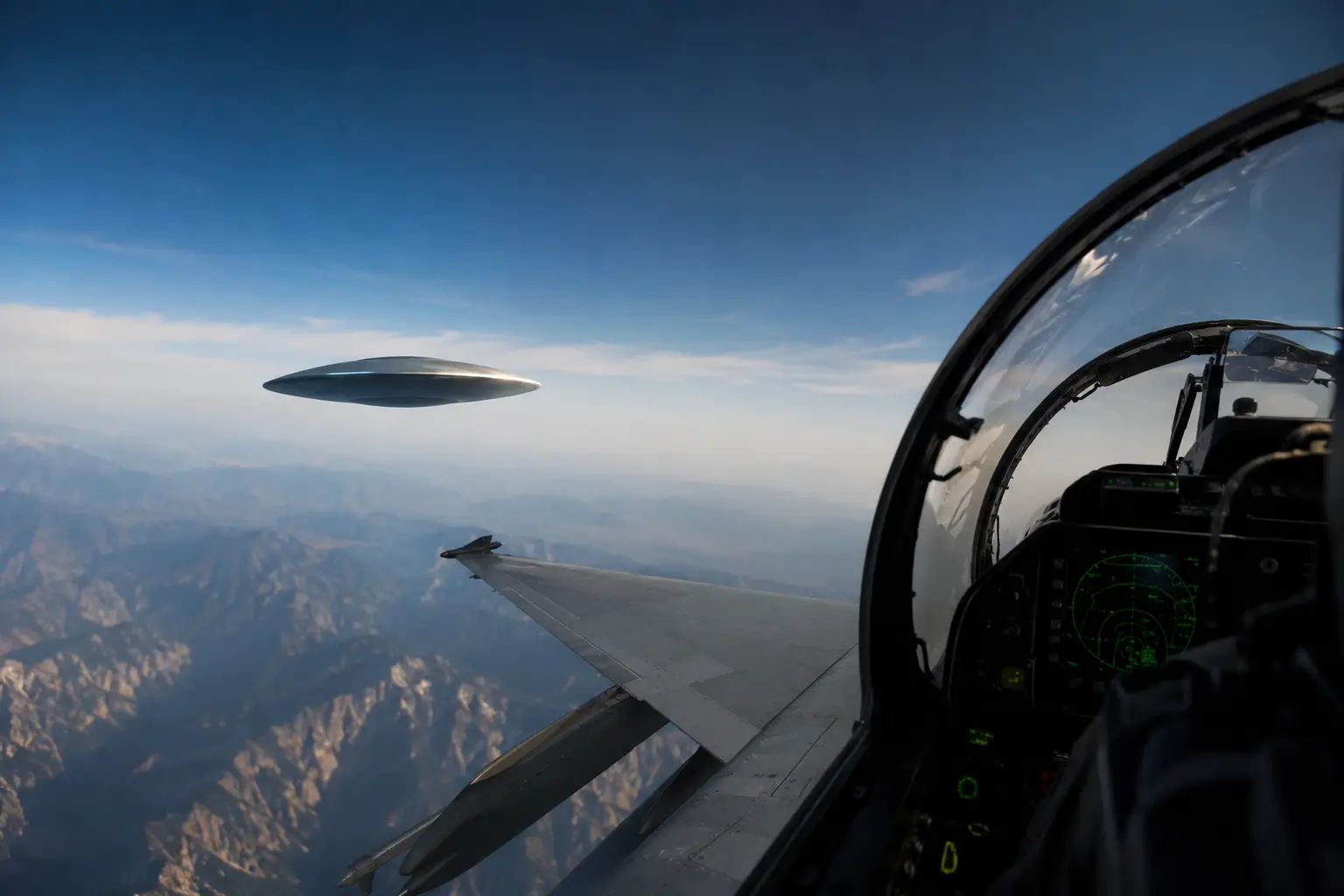
The WAR.GOV Revelation
Newly declassified files from the Department of War expose a critical vulnerability in this advanced technology. Official combat reports reveal that UAPs actively defeat AESA arrays, frequently registering as completely empty airspace on pilot combat displays despite visual confirmation.
Broad-Spectrum Blinding
Instead of deploying traditional radar-evading chaff, these anomalous crafts emit an overwhelming, broad-spectrum electronic noise. This unprecedented interference instantly overwhelms the receiver modules of the F/A-18 and F-35, instantly breaking any attempted missile lock.
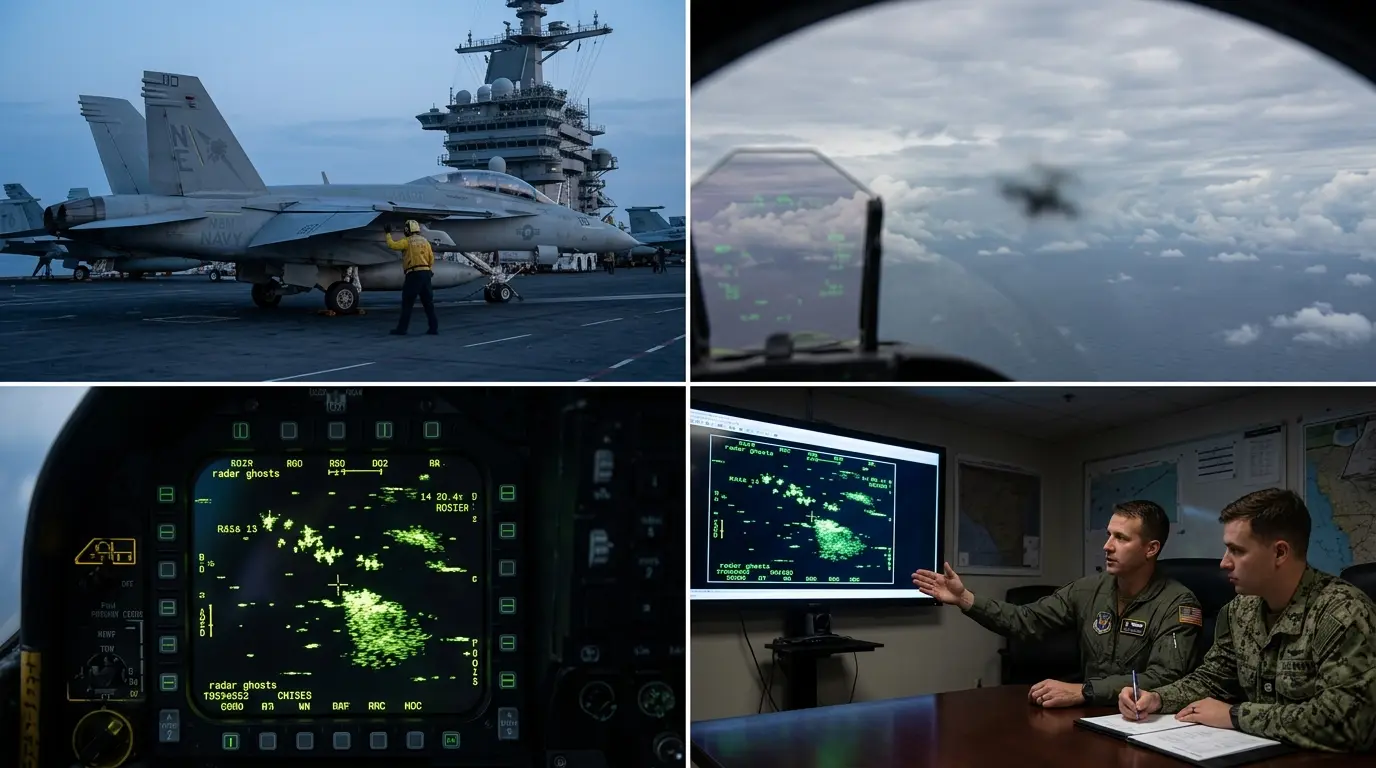
The 'Ghost' Telemetry
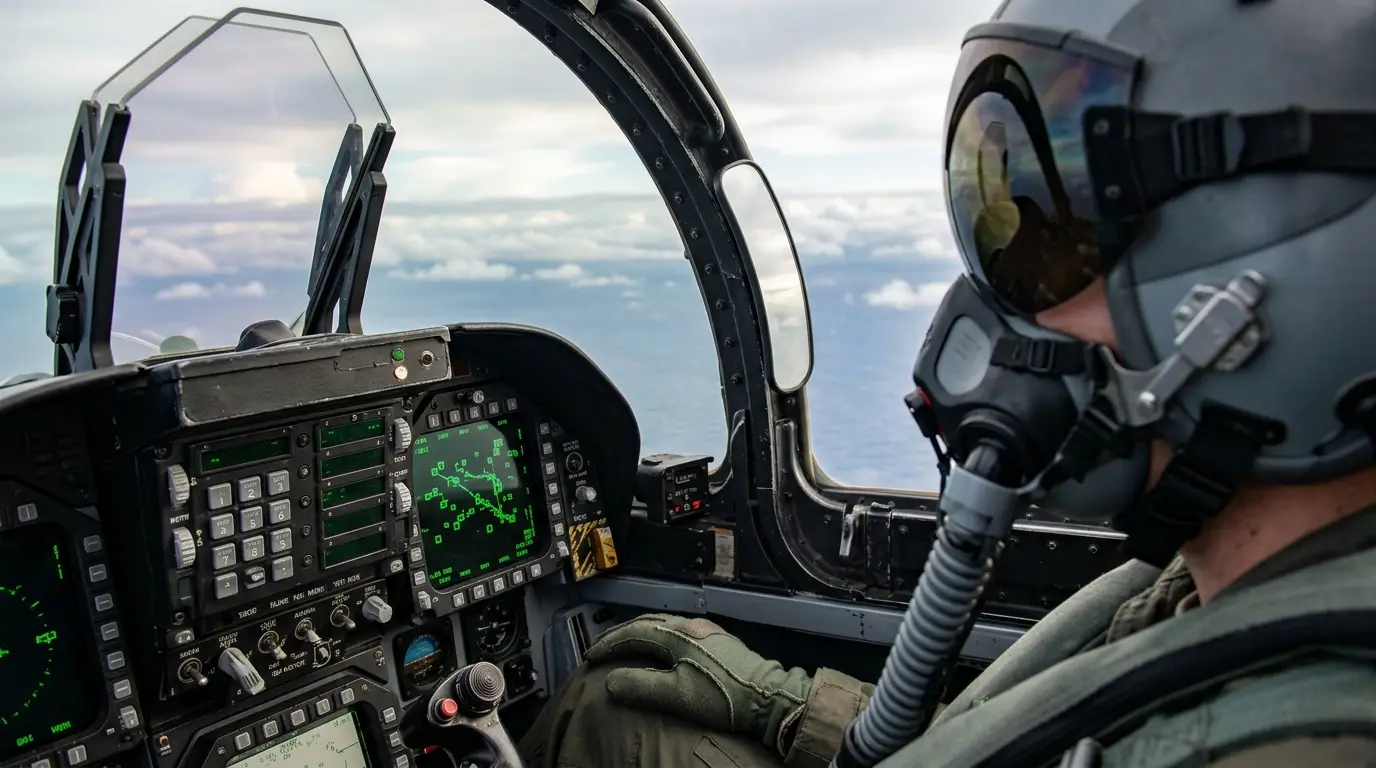
Navy electronic warfare officers documented UAPs creating phantom radar signatures that appear and vanish in milliseconds. This aggressive 'ghosting' capability forces combat crews to abandon multibillion-dollar tracking software and rely entirely on human vision.
Failing the Thermal Test
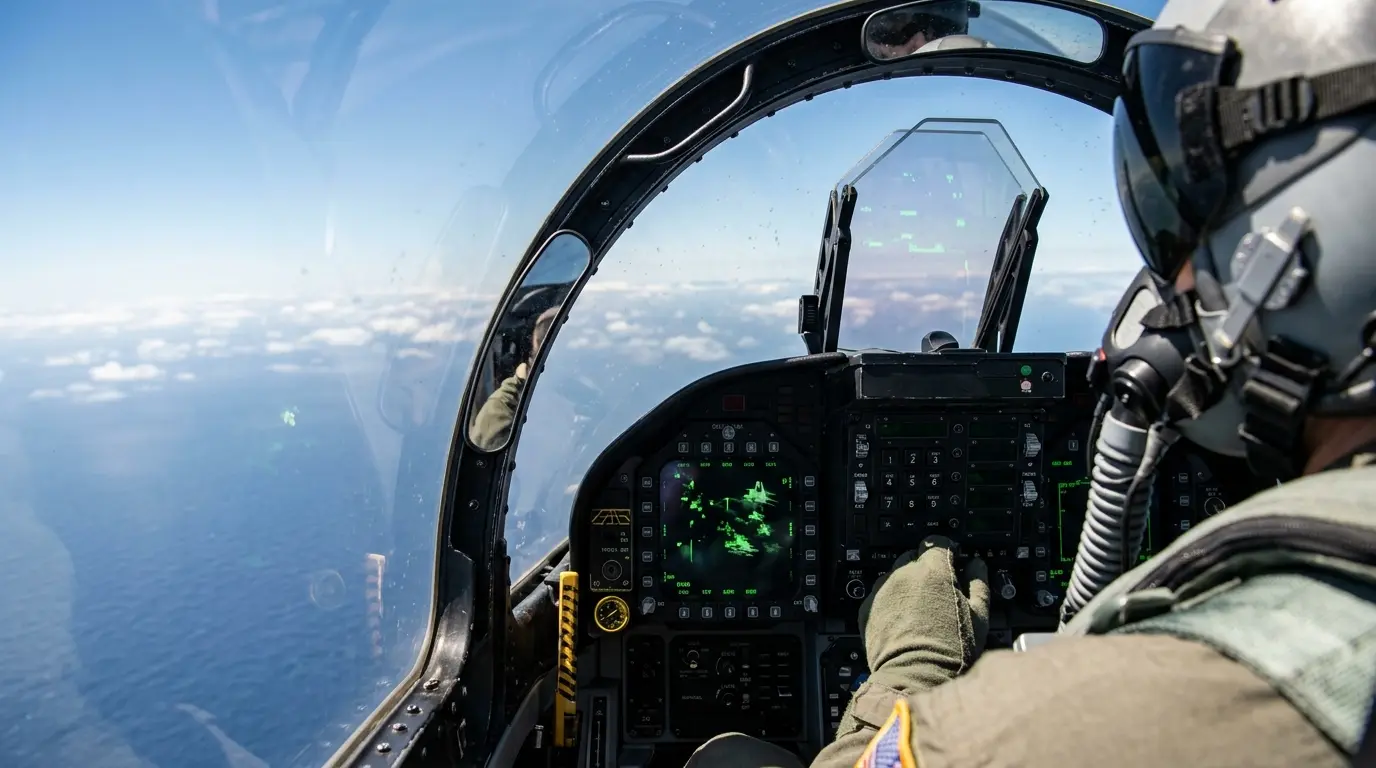
When AESA radar fails, pilots immediately switch to Forward Looking Infrared (FLIR) targeting pods. However, the WAR.GOV database confirms these objects emit zero thermal exhaust plumes, bypassing secondary heat-seeking sensors entirely.
AARO's Official Verdict
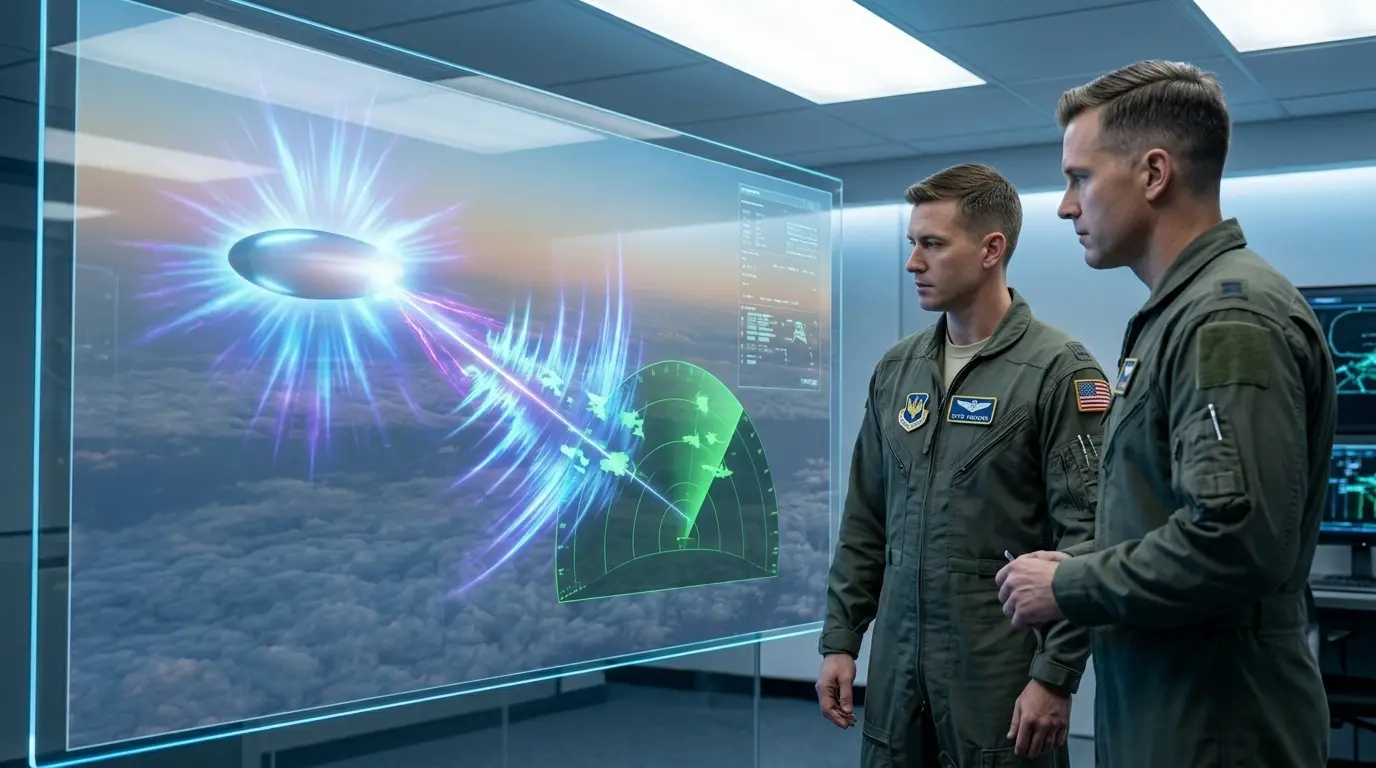
The All-domain Anomaly Resolution Office (AARO) officially classifies these AESA-jamming incidents as 'unresolved'. To combat this massive technological gap, the Pentagon is currently accelerating funding for next-generation quantum radar development.
)
)
)
)
)