'U.S. vs. Iran': Why US bases in Qatar, Iraq, and Bahrain could be Iran’s primary targets

As tensions rise, US military hubs in Qatar, Bahrain, and Iraq face the risk of attack. These bases house critical command centres, naval fleets, and troops. Their proximity to Iranian missile sites and strategic importance makes them potential primary targets in any regional conflict.
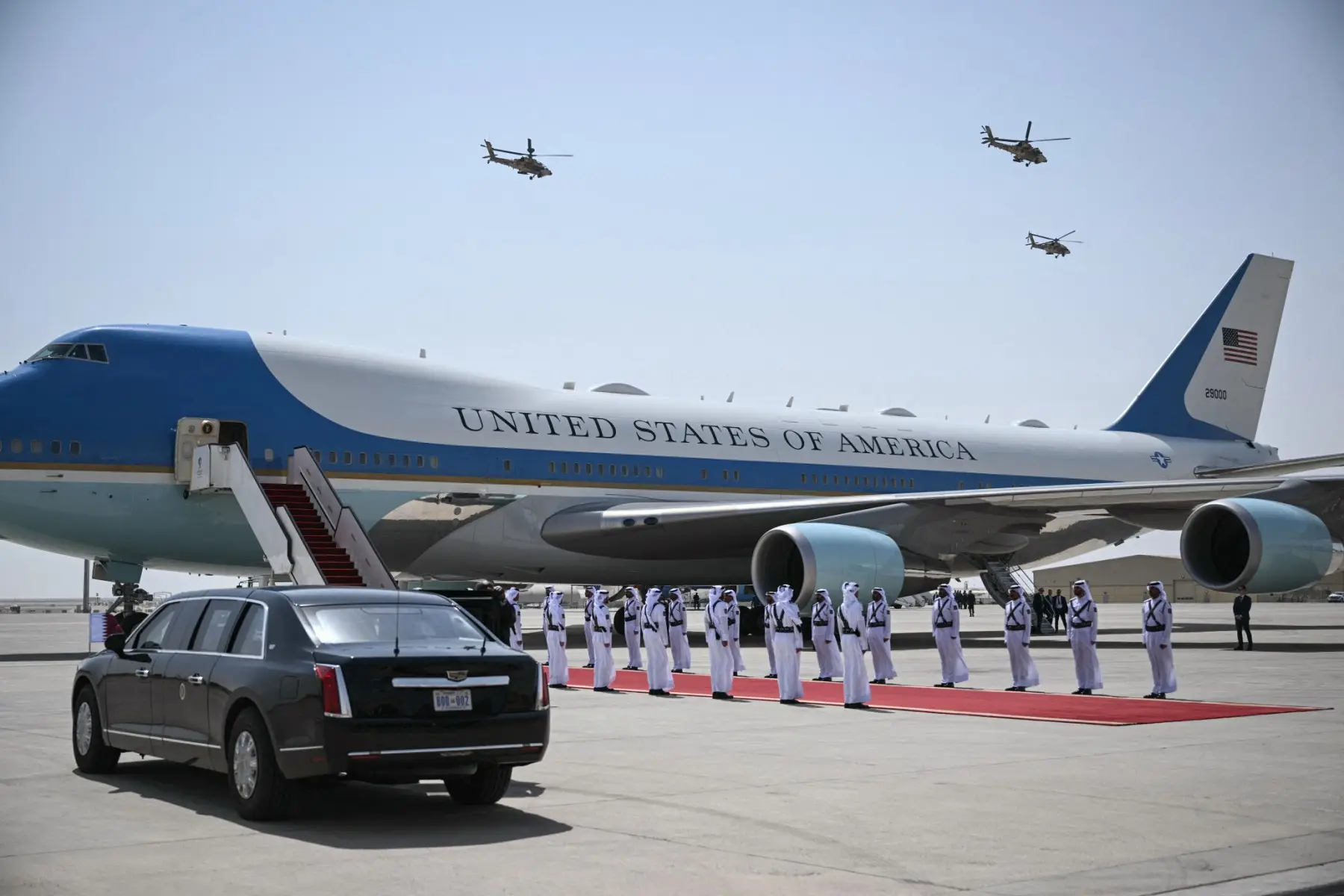
Al Udeid Air Base, Qatar
Al Udeid is the largest US military installation in the Middle East and serves as the forward headquarters for US Central Command. It functions as the nerve centre for all American air operations and surveillance across the region. Iran views this facility as a high-priority target because disabling it would severely hamper US command and control capabilities. Its location just southwest of Doha places it well within the range of Iran’s vast ballistic missile arsenal.
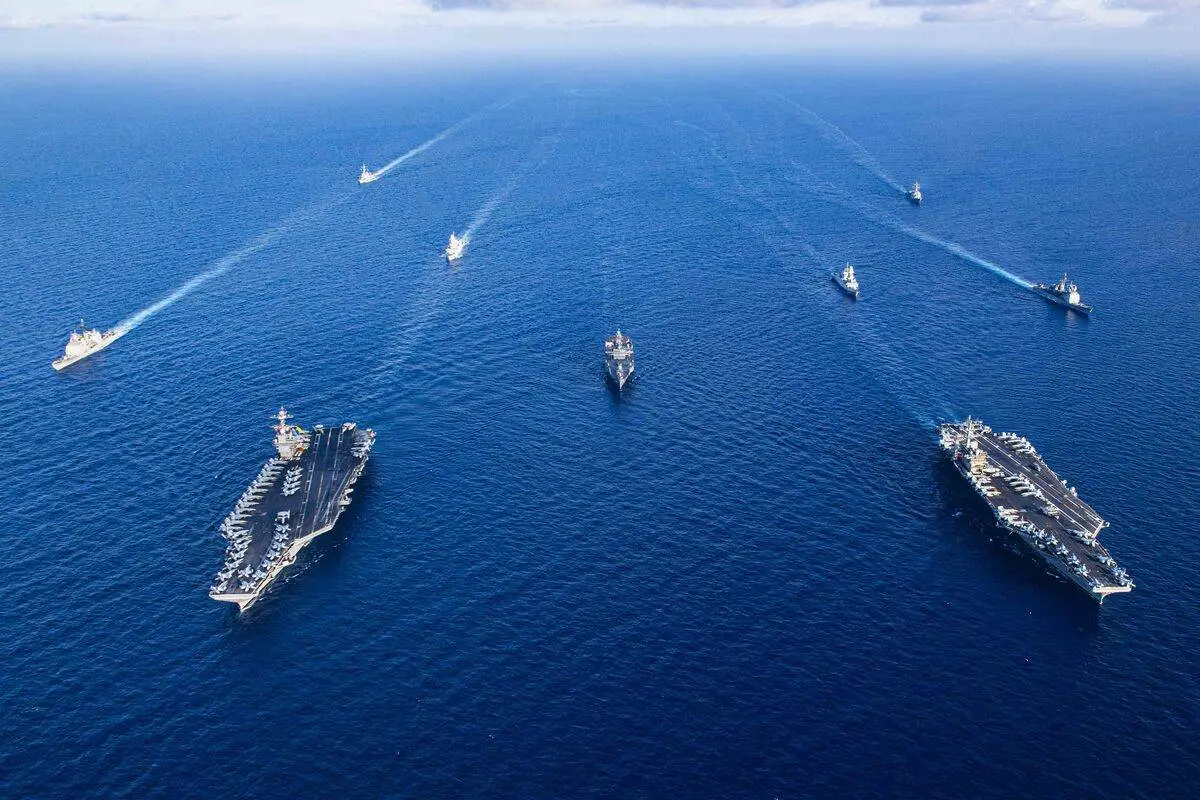
Naval Support Activity Bahrain
Bahrain hosts the headquarters of the US Navy’s Fifth Fleet, which is responsible for patrolling the Persian Gulf and Red Sea. This base is essential for securing global oil shipping lanes and maintaining maritime superiority against Iranian naval forces. A strike here would not only challenge US naval dominance but also threaten the flow of energy through the Strait of Hormuz. The island’s close proximity to Iran makes it vulnerable to short-range missiles and drone swarms.
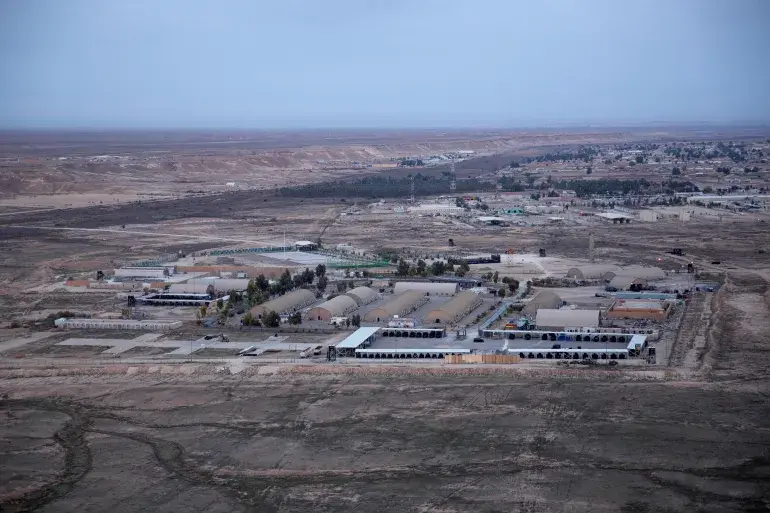
Al Asad Airbase, Iraq
Located in western Iraq, Al Asad Airbase has historically been a focal point for tensions and was targeted by Iranian missiles in 2020. It houses US troops and critical assets used for counter-terrorism operations and regional stability. Its position on the ground in Iraq makes it accessible to Iran-backed militias, increasing the risk of ground assaults and drone attacks. For Tehran, striking this base serves as a direct message to Washington regarding its presence on Iraq’s soil.

Iranian Missile Capabilities
Tehran possesses the largest ballistic missile arsenal in the Middle East, with specific variants designed to reach US bases in the Gulf. Precision-guided missiles like the Fateh and Zolfaghar classes can strike targets in Qatar, Bahrain, and Iraq with high accuracy. The short flight time from Iranian launch sites to these bases leaves US air defence systems with very little reaction time. This capability allows Iran to threaten simultaneous strikes across multiple countries.
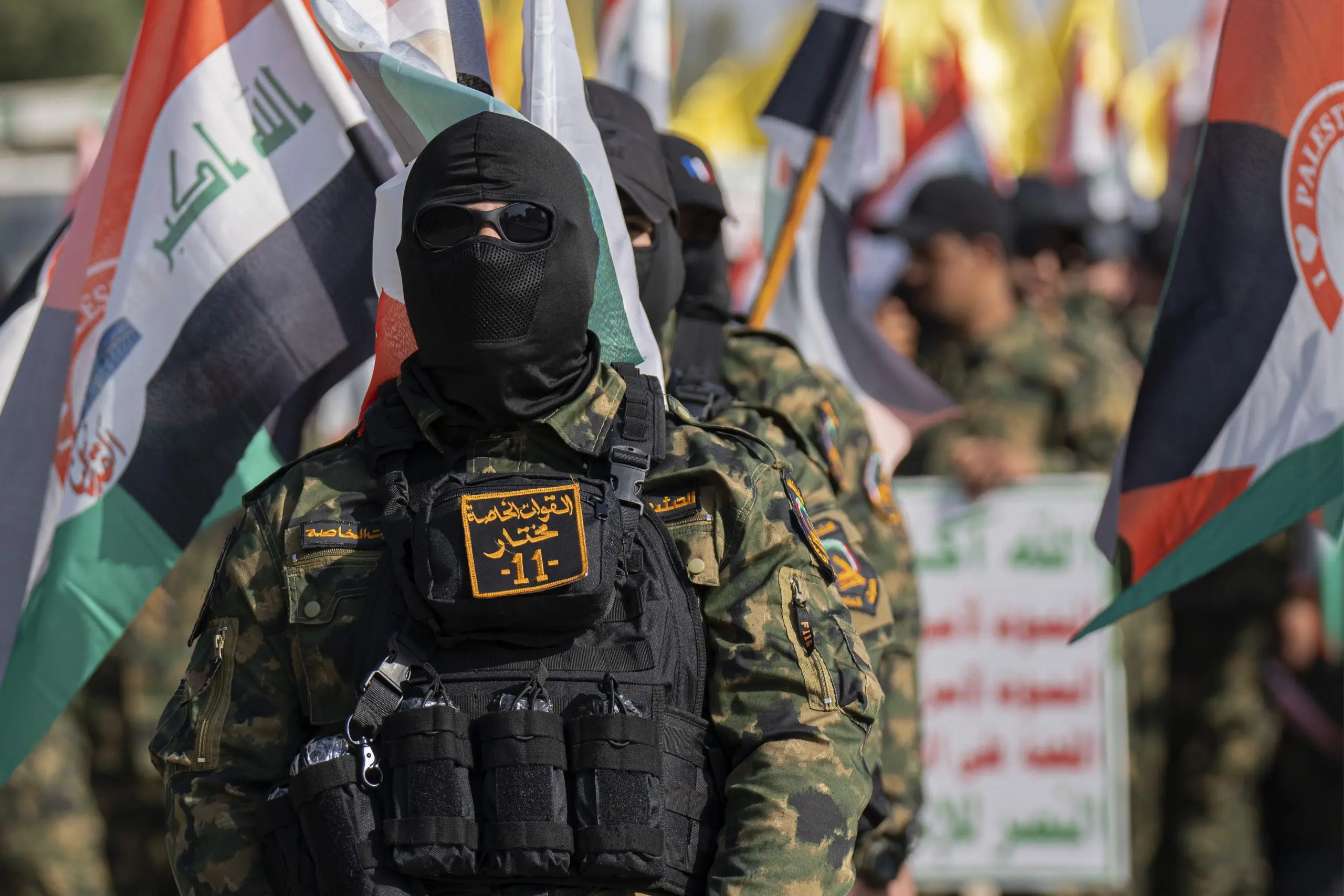
The Role of Proxy Militias
Iran supports a network of powerful militias in Iraq which operate independently of the state’s formal armed forces. These groups have previously targeted US facilities like Al Asad and the US embassy with rockets and drones. Their proximity to US bases allows for frequent, low-level harassment that can escalate into major attacks without a direct launch from Iranian soil. This ‘grey zone’ warfare complicates US defensive responses and increases the security burden on American troops.
Economic and Strategic Fallout
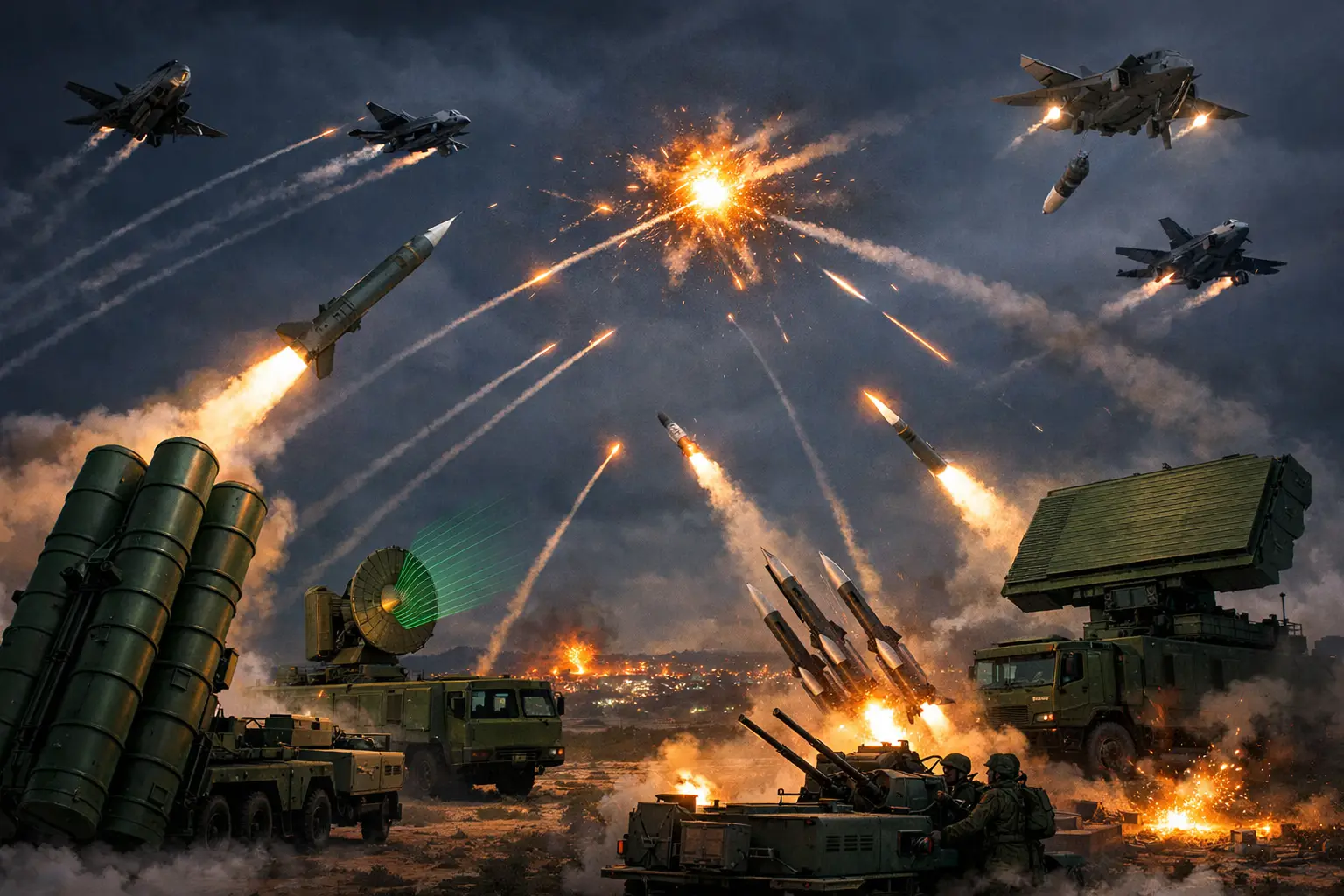
Attacking bases in Qatar and Bahrain would have immediate repercussions beyond military damage, potentially destabilising global energy markets. These host nations are key economic partners, and conflict on their soil could disrupt the export of liquefied natural gas and oil. Iran creates leverage by threatening these hubs, knowing that the economic cost of a war would be felt globally. This strategy aims to fracture the alliance between the US and its Gulf partners.
US Defence Limitations
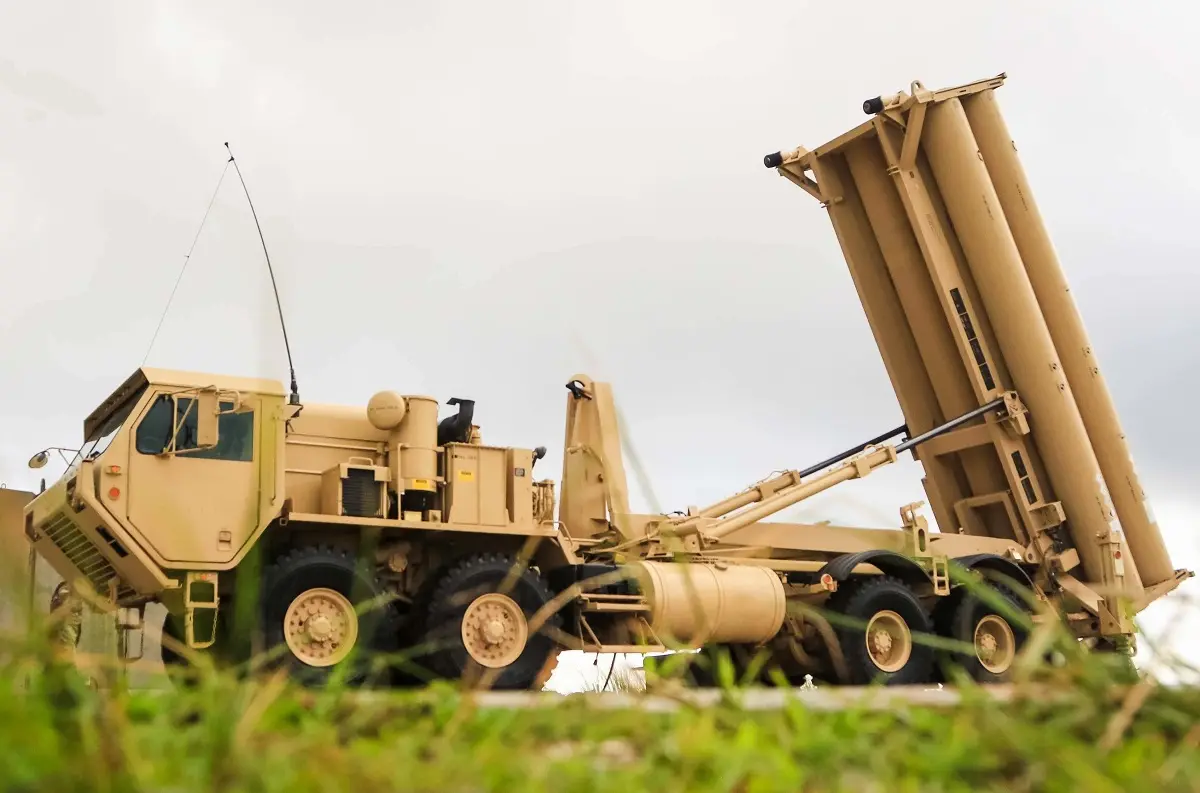
While the US deploys advanced Patriot and THAAD missile defence systems across the region, they are not impenetrable against mass volleys. A saturation attack involving hundreds of missiles and drones could overwhelm these defensive shields. The geographic concentration of US assets in Qatar and Bahrain creates a ‘target-rich’ environment for Iranian planners. This vulnerability forces the US to constantly reassess the safety of its forward-deployed forces.
)

)
)
)