‘US vs Iran’: What would it mean for the world economy?

A US-Iran war could push oil to $150, crash stock markets, and spike global inflation. Shipping costs may rise 50 per cent, hitting importers like India hard.
Oil Prices Could Hit $150
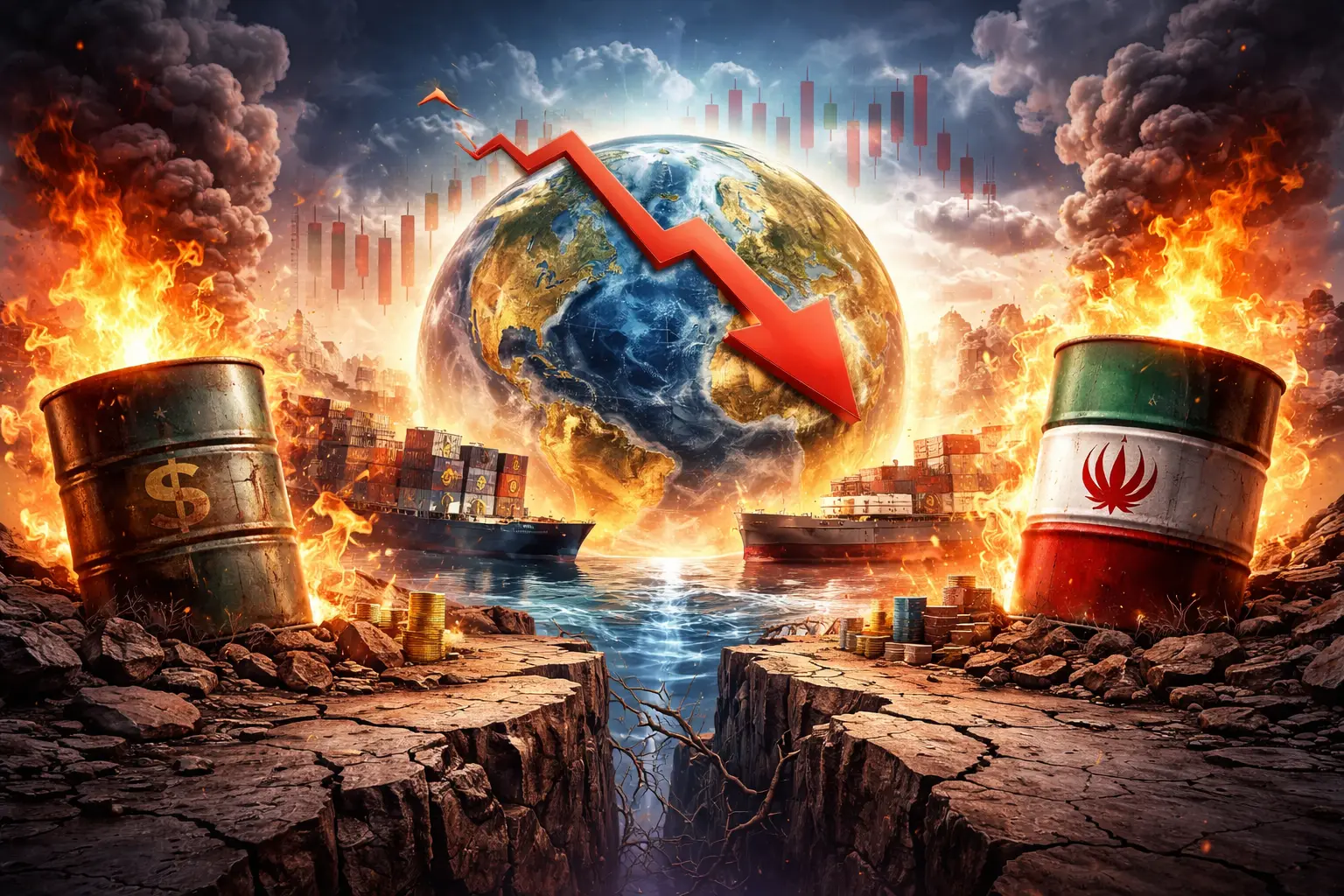
A direct conflict would immediately panic energy markets, potentially pushing crude oil prices to record highs. Experts predict Brent crude could surge past $150 per barrel if infrastructure is targeted. This sharp rise would increase fuel costs globally, affecting transport and manufacturing sectors instantly.
Strait of Hormuz Closure
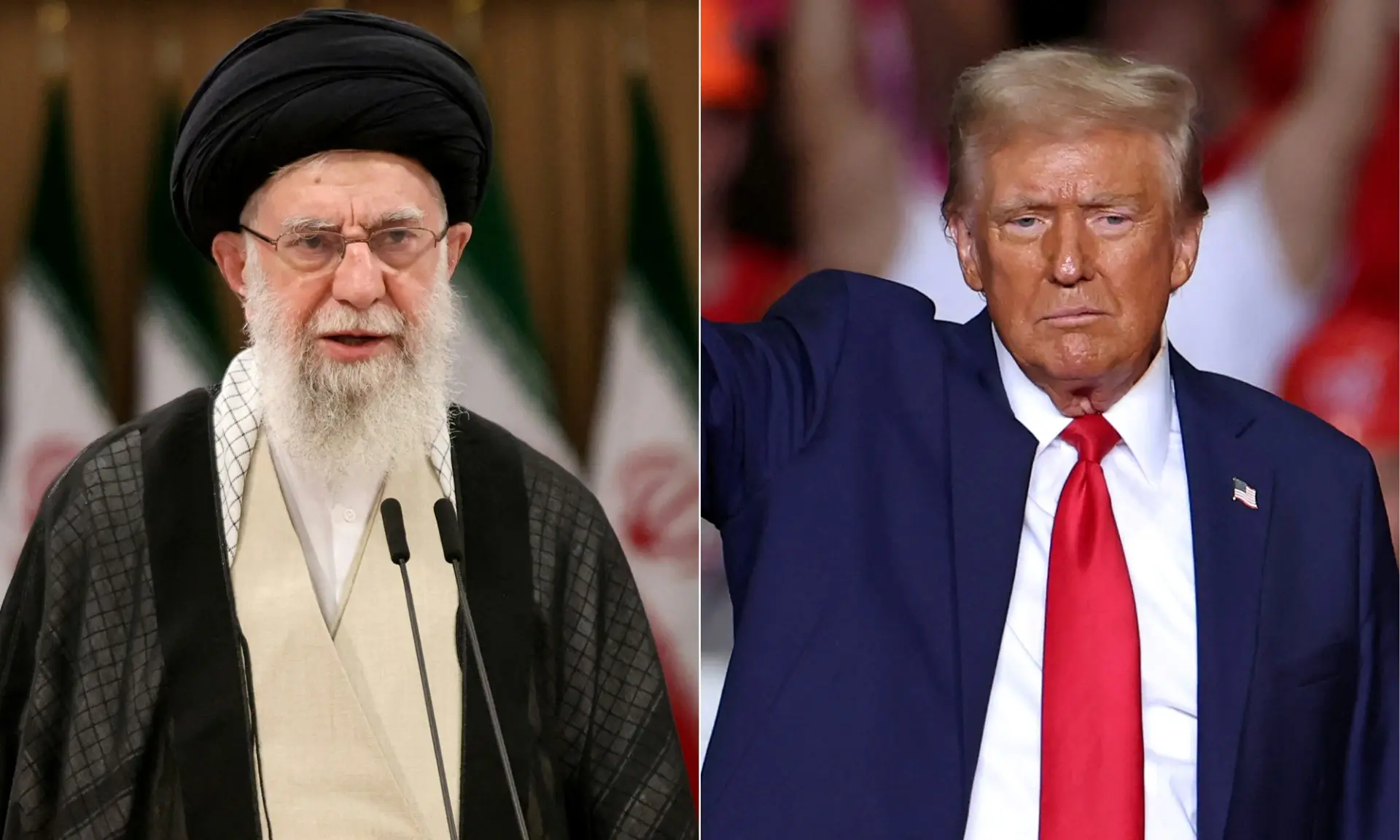
The Strait of Hormuz is the world’s most critical oil choke point, handling 20 per cent of global supply. Iran has threatened to close this waterway in a war scenario, blocking shipments. Such a blockade would cut off energy exports to Asia and Europe, creating a massive supply shortage.

Inflation May Spike Again
Just as global inflation begins to cool, a war could send it soaring back up. Higher energy costs directly increase the price of goods, food, and services. Central banks might struggle to control this cost-of-living crisis, leaving households with less disposable income.
Stock Markets Would Crash
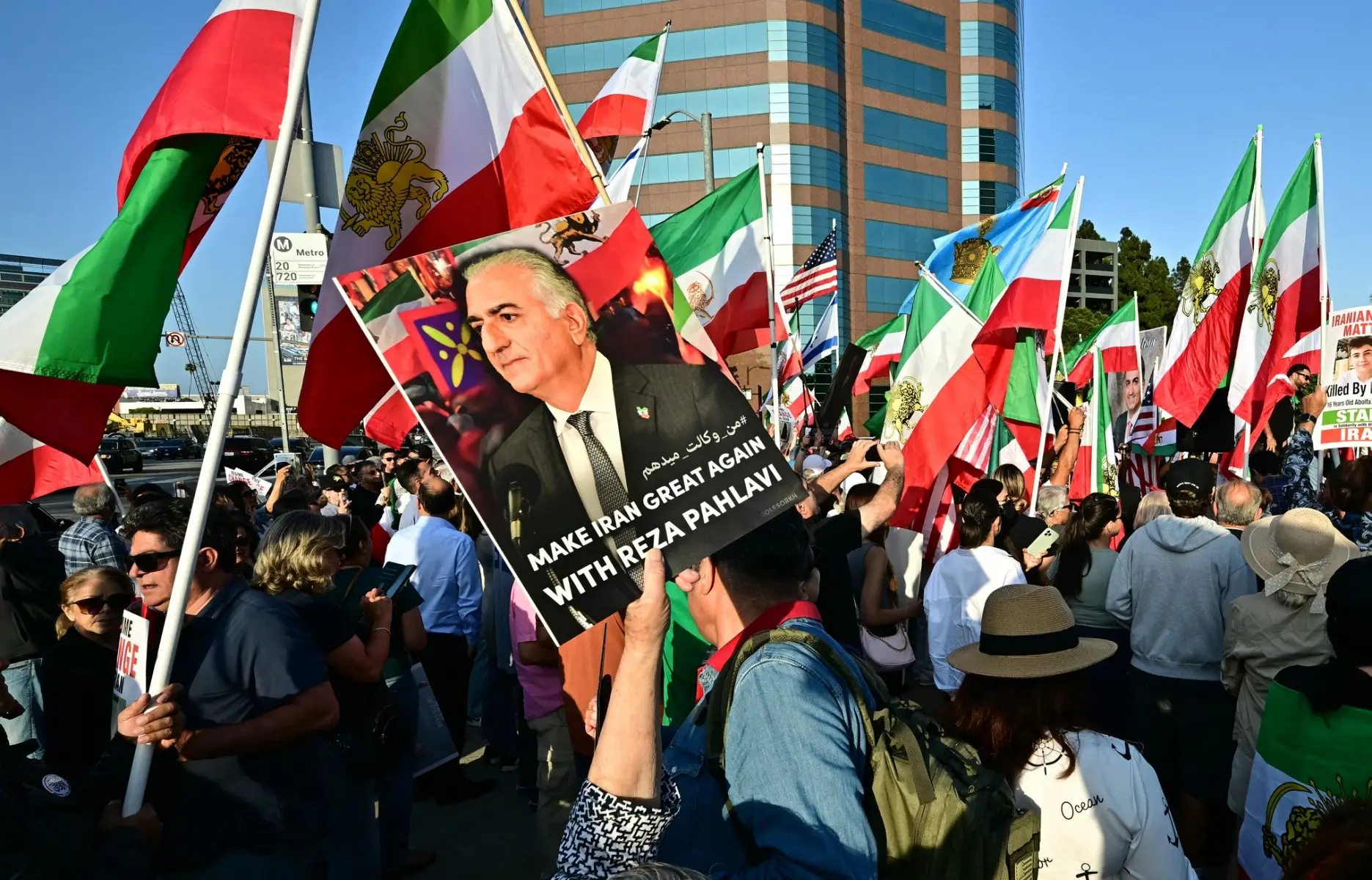
Global equity markets hate uncertainty and would likely suffer an immediate sell-off. Investors would dump risky assets, wiping billions off stock exchanges in New York, London, and Tokyo. Sectors like aviation and tourism would be hit hardest, while defence stocks might see a rally.
Rush for Safe-Haven Assets
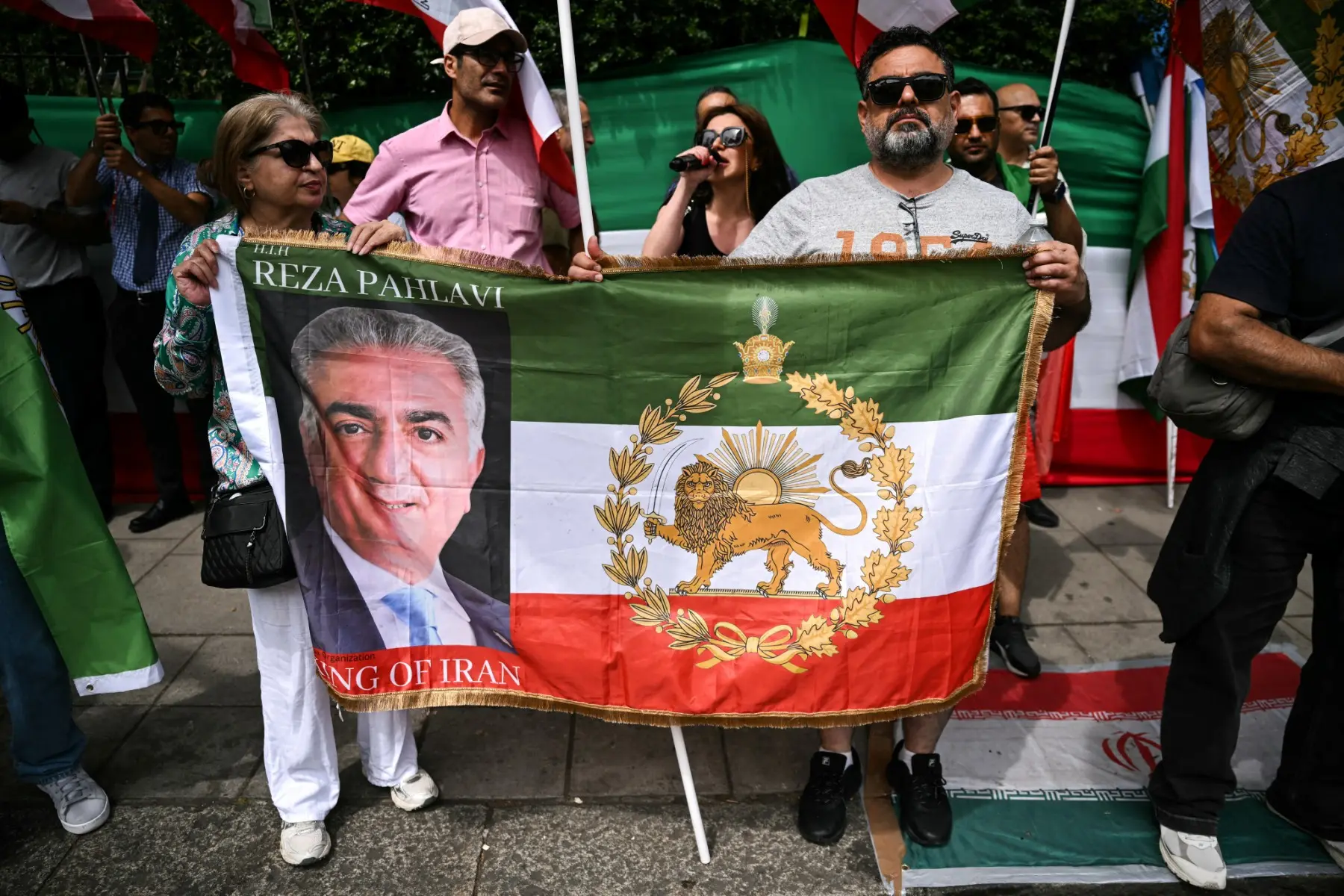
In times of war, investors flee to safety, driving up the price of gold and the US Dollar. Gold prices could break new records as fear grips the financial markets. A stronger dollar would make imports more expensive for emerging economies, worsening their debt burdens.
Freight Rates to Jump 50 Per Cent
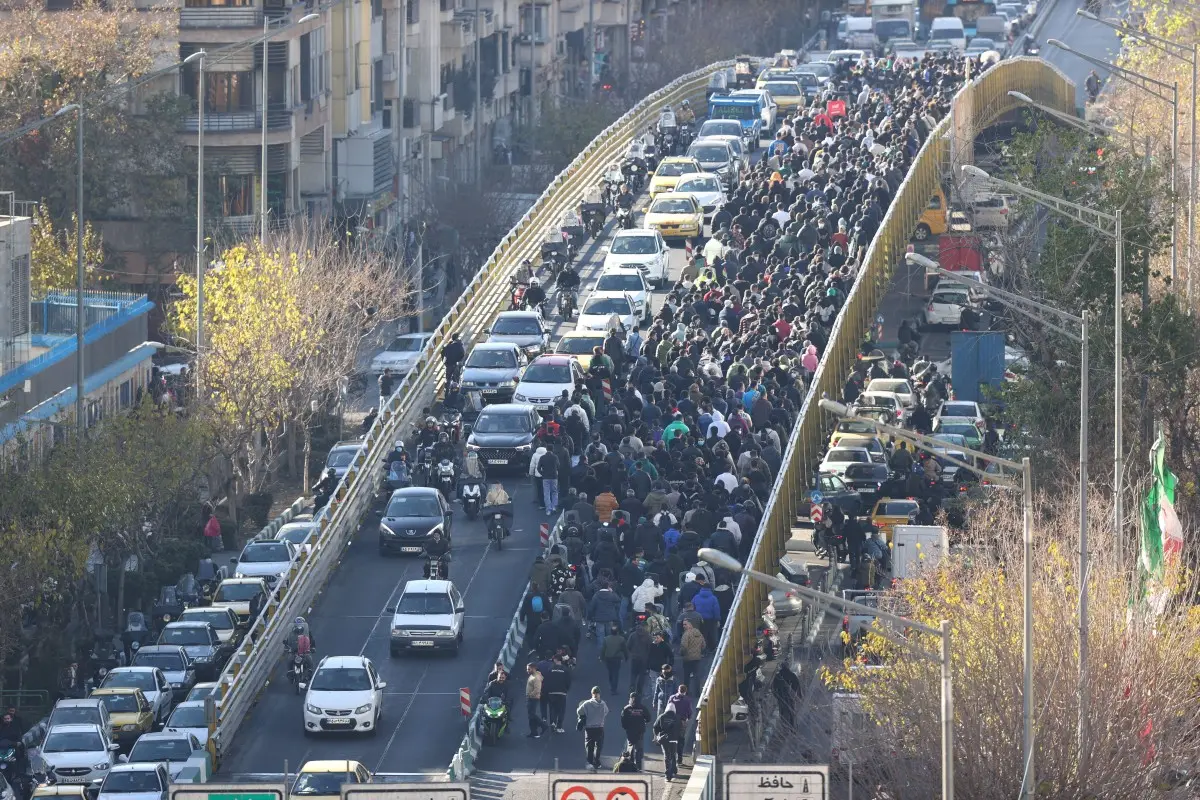
Shipping companies would face extreme risks, leading to skyrocketing insurance premiums. Diverting ships away from the Persian Gulf would add weeks to delivery times. Analysts estimate freight rates could rise by 50 per cent, further inflating the cost of imported goods.

Heavy Hit for India and China
Asian giants like India and China are the biggest importers of Iranian and Middle Eastern oil. A supply disruption would force them to buy expensive crude elsewhere, widening their trade deficits.

Global GDP Growth at Risk
The World Bank and IMF would likely downgrade global growth forecasts in the event of a war. High energy prices and broken supply chains act as a tax on growth, potentially pushing major economies into recession. Developing nations would suffer the most from this economic slowdown.
Delayed Interest Rate Cuts
Central banks, including the US Federal Reserve, planned to cut interest rates to boost growth. However, a war-induced inflation spike would force them to keep rates high. This means mortgage rates and borrowing costs for businesses would remain expensive for much longer.

Supply Chain Chaos
Beyond oil, the conflict would disrupt the trade of petrochemicals and fertilisers produced in the region. Industries ranging from agriculture to plastics manufacturing would face shortage of raw materials. This supply shock would lead to production delays and higher prices for finished products globally.
)
)
)
)
)