‘US Arctic Ambitions’: How far can Trump go to seize Greenland?

The United States has long viewed Greenland as a critical strategic asset in the Arctic. The US has sought to control Greenland since 1946. While a purchase is unlikely, Washington can use the 1951 Treaty, offer to replace Denmark's $700 million subsidy, and engage directly with Nuuk.
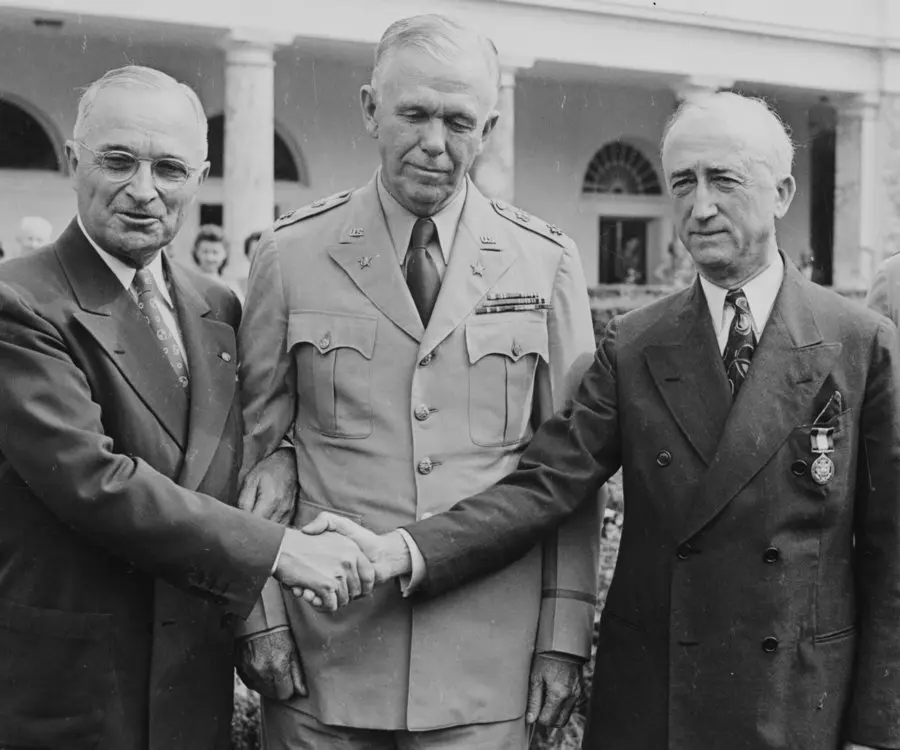
A history of purchase offers from Truman to Trump
The US has tried to buy Greenland before; in 1946, President Harry Truman offered Denmark $100 million in gold. Donald Trump revived this idea in 2019, calling it a "large real estate deal," highlighting Washington's long-standing desire to control the territory.
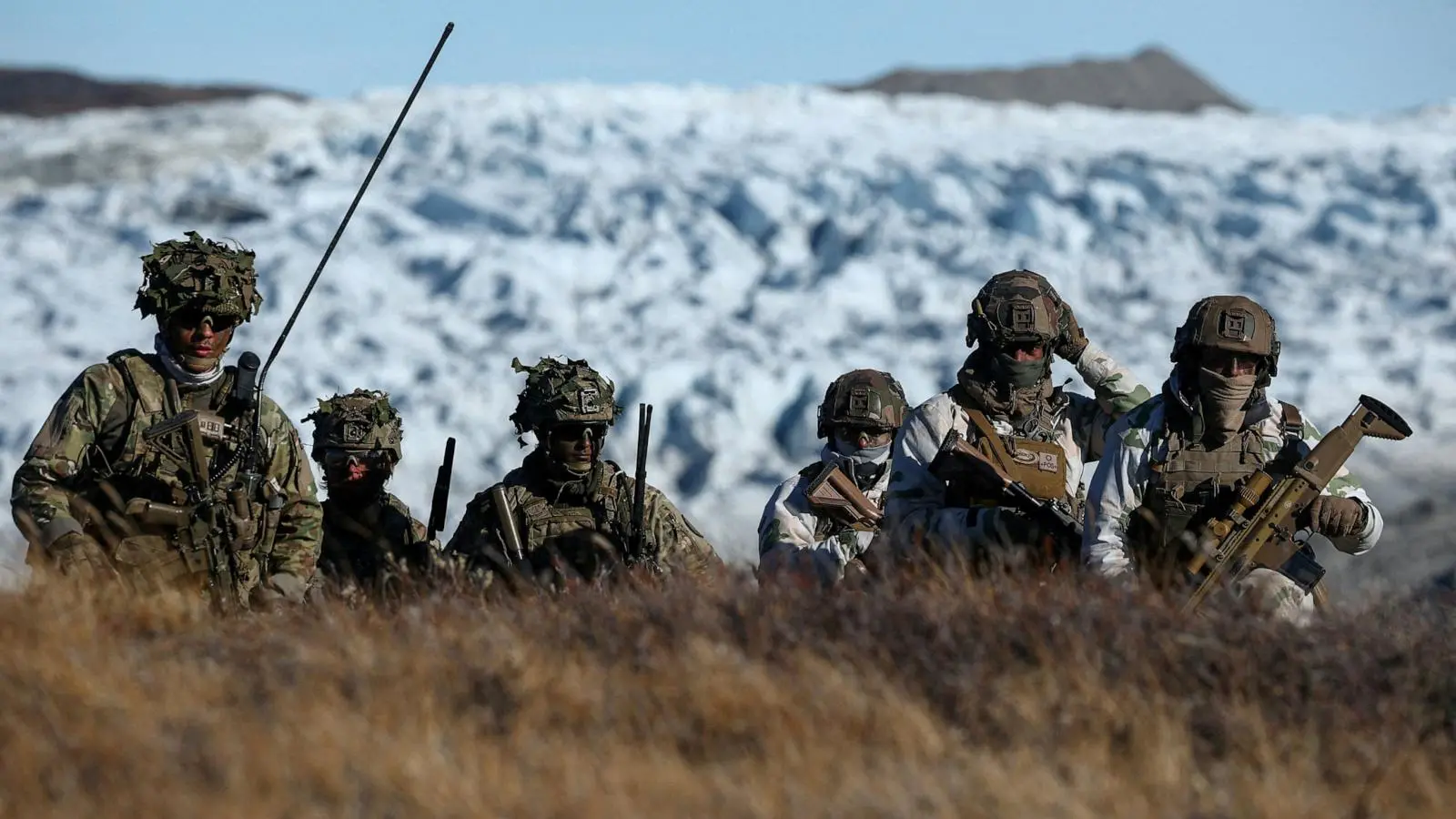
The 1951 Defence Treaty: Existing military rights
The US already holds significant power through the 1951 Defence of Greenland Treaty. This agreement grants the US military the right to operate "defence areas" rent-free, a legal foothold that could be aggressively expanded without needing a new sale.

Replacing the Block Grant: The $600 million leverage
Greenland relies on an annual subsidy from Denmark of roughly $600 to $700 million. Experts suggest the US could offer to match or exceed this funding directly to Nuuk, effectively buying the island's economic loyalty and reducing Danish influence.
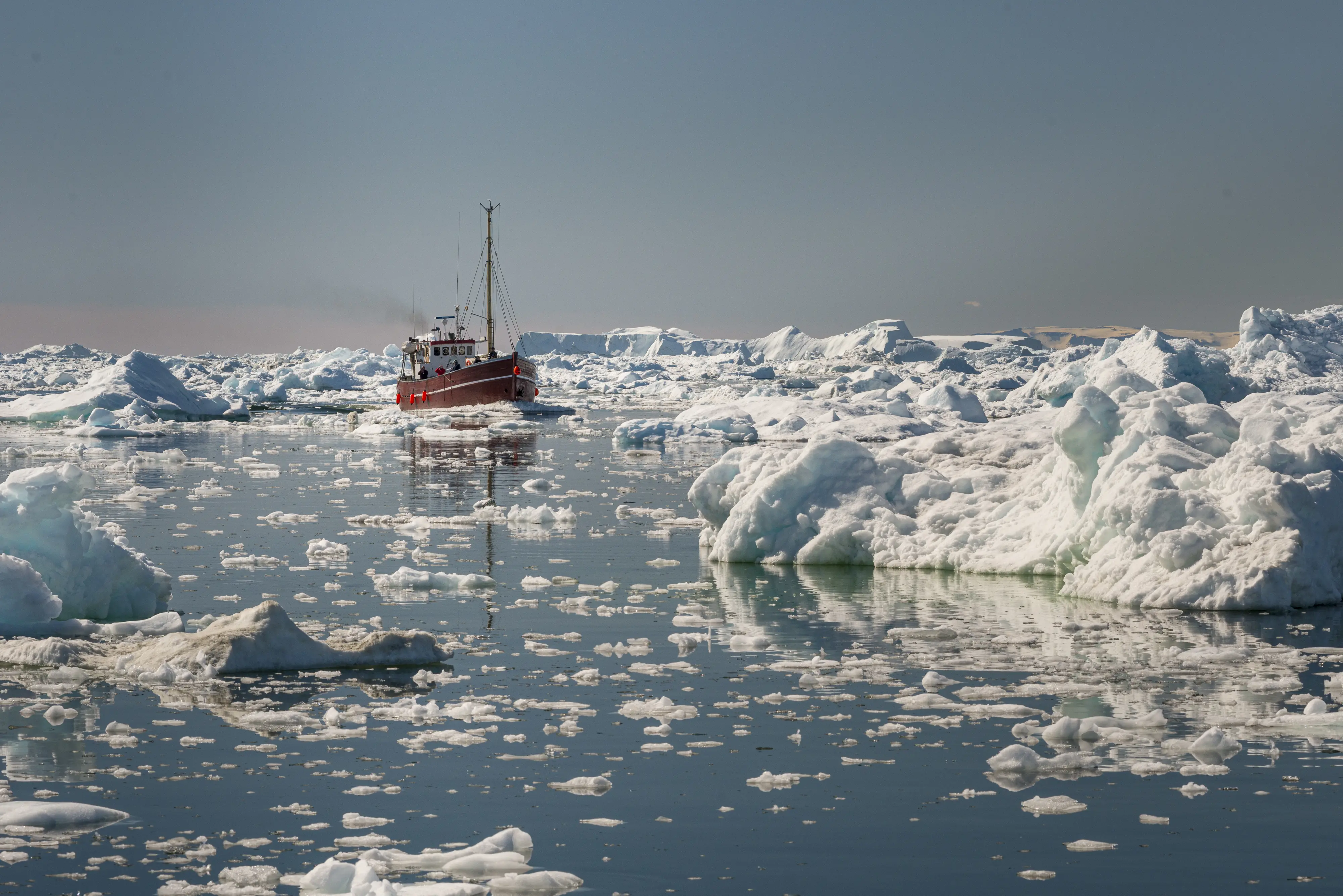
Bypassing Copenhagen Direct diplomacy with Nuuk
The US State Department has already begun engaging directly with Greenland's local government. By opening a consulate in Nuuk and offering direct aid packages, Washington aims to build a bilateral relationship that sidelines Denmark in daily affairs.
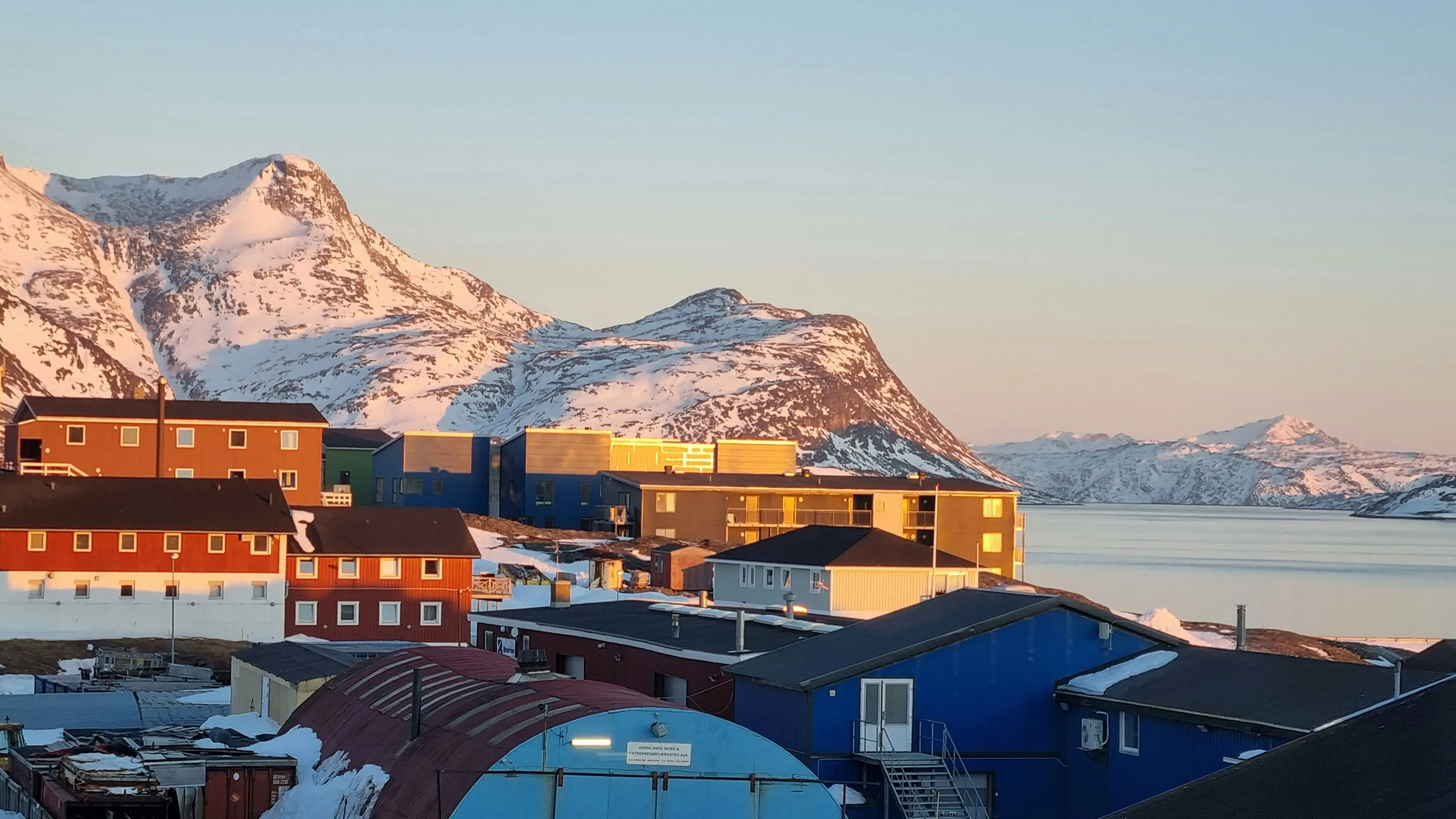
Controlling rare earth minerals
Greenland holds an estimated 38.5 million tonnes of rare earth oxides. The US views securing these resources as a national security priority to break reliance on China, potentially using sanctions or investment bans to control who mines them.
Encouraging independence: A path to a protectorate
If Greenland declares independence from Denmark, it would lose its Danish subsidy. The US could step in as the new guarantor of security and finance, effectively turning the newly sovereign nation into an American protectorate.

The constitutional barrier: Denmark still holds the keys
Despite US pressure, Denmark retains control over Greenland’s foreign and defence policy under the constitution. Any formal change in sovereignty or major territorial transfer would require Copenhagen’s approval, making a hostile takeover legally impossible.
)
)
)
)
)