‘Tubeless vs tube tyres’: Which works better for Indian roads?

Tubeless tyres are easier and faster to repair in most situations. A small puncture can usually be fixed with a plug kit without removing the wheel, allowing riders to resume their journey quickly.
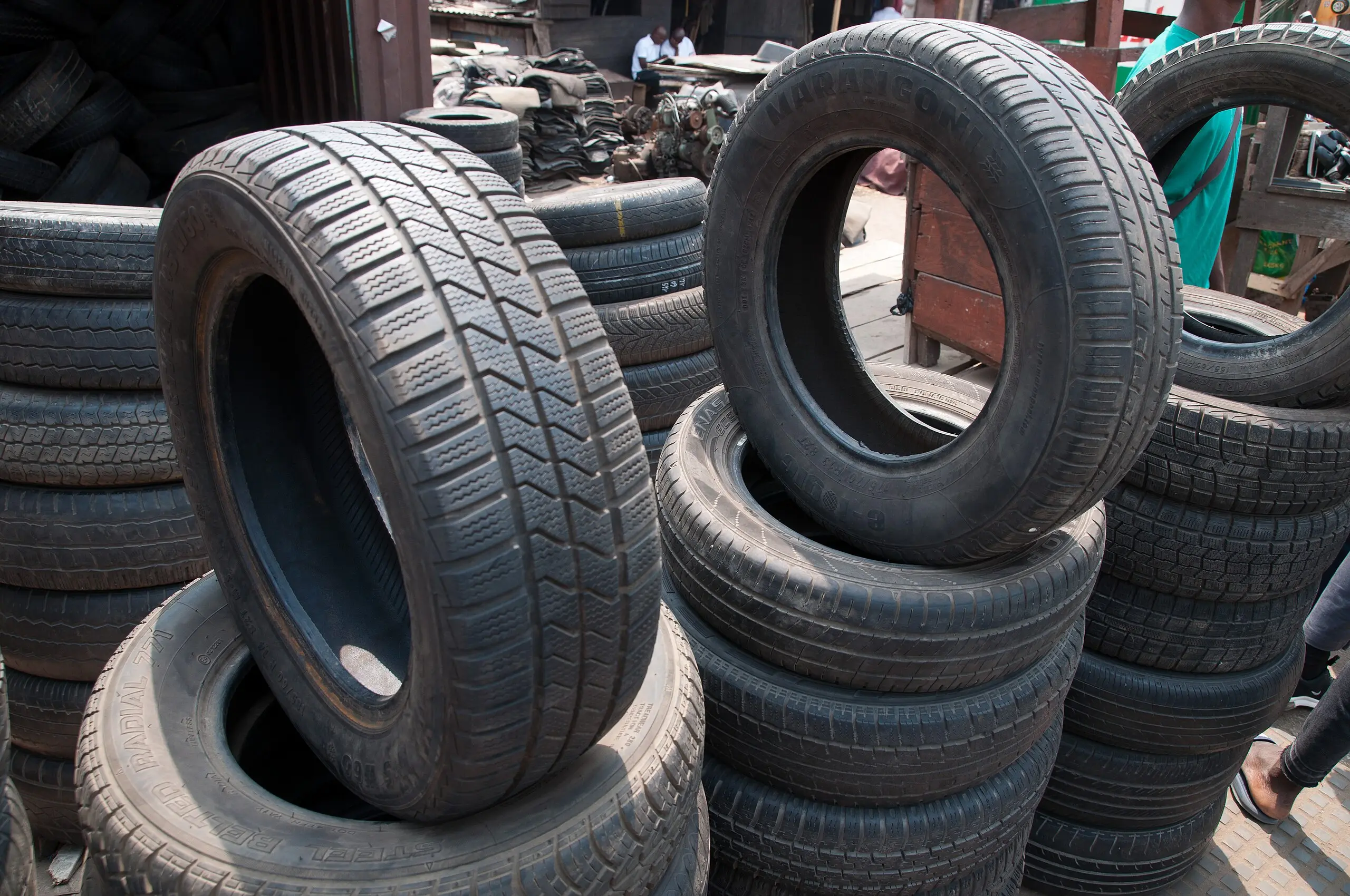
1. Construction Differences
Tubeless tyres do not use an inner tube; instead, the tyre and rim create an airtight seal that holds the air inside. Tube tyres use a separate inflated tube placed between the tyre and rim. This difference in structure affects how each tyre behaves during punctures, how much heat it generates, and how it handles rough surfaces, making construction the foundation of their performance differences.
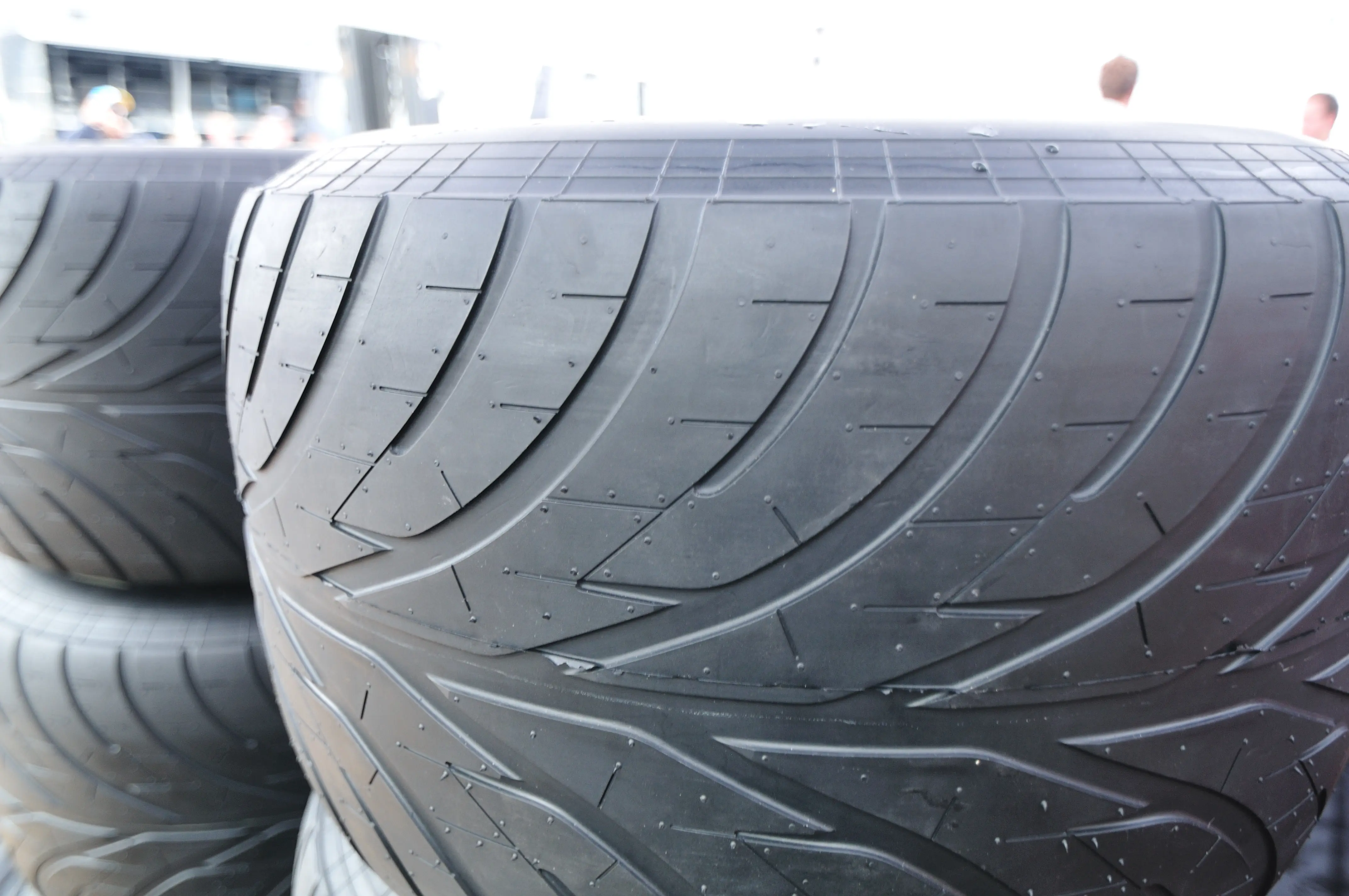
2. Puncture Behaviour
Tubeless tyres generally deflate slowly during punctures because the air escapes through a small hole in the tyre itself, giving riders time to stop safely. Many tubeless tyres also work with liquid sealants that can temporarily plug tiny holes. Tube tyres, on the other hand, lose air rapidly because the tube collapses immediately after being punctured. This can lead to sudden loss of pressure, making punctures more disruptive and potentially unsafe at higher speeds.
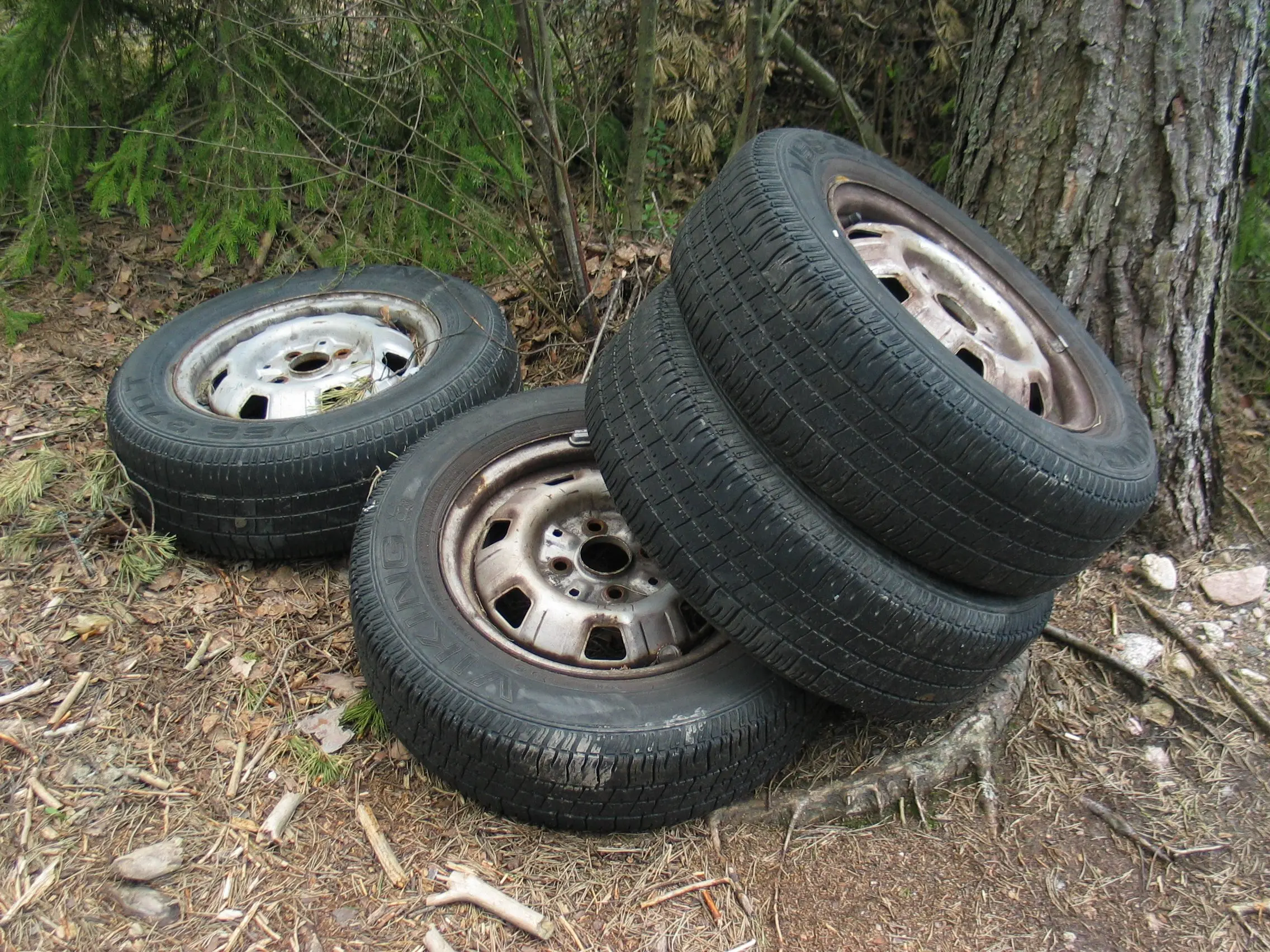
3. Ride Quality on Bad Roads
On uneven, pothole-filled urban roads, tubeless tyres tend to perform better because they are less prone to pinch flats, which occur when a tube gets squeezed between the rim and tyre. This makes tubeless tyres more forgiving on broken surfaces. Tube tyres are more vulnerable to pinch flats on rough roads, especially when the bike is heavily loaded or the tyre pressure is low, making them more sensitive to road defects.
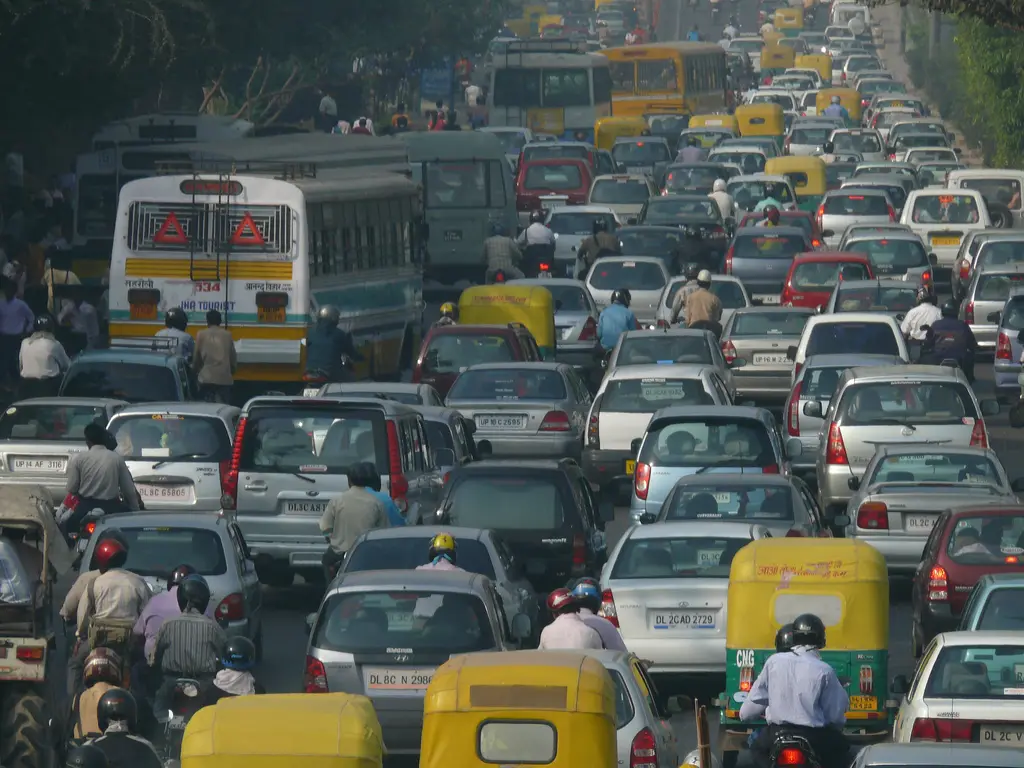
4. Heat Management
During long rides or high-speed travel, tubeless tyres maintain better temperature control since there is no inner tube generating additional friction. Lower internal heat improves stability and reduces the likelihood of bursts. Tube tyres can heat up faster because friction between the tyre and tube adds to the temperature, which may cause wear over time, particularly in hot Indian weather or during extended highway use.
5. Repair Convenience
Tubeless tyres are easier and faster to repair in most situations. A small puncture can usually be fixed with a plug kit without removing the wheel, allowing riders to resume their journey quickly. Tube tyres require more effort to repair, as the wheel often needs to be removed, the tube located, and then patched or replaced. This makes tube-tyre repairs more time-consuming, especially during roadside breakdowns.
6. Cost Difference
Tubeless tyres typically cost more upfront and require compatible alloy or tubeless-ready rims, increasing overall initial expense. However, they can save money over time due to fewer puncture-related breakdowns. Tube tyres are cheaper to buy and install, which makes them popular for older bikes, entry-level models, and rural usage. The lower initial cost is the primary reason they remain widespread in many parts of India.

7. Real-World Durability on Indian Roads
In everyday conditions, tubeless tyres offer better resistance to small punctures, better handling in city traffic, and improved safety on highways due to gradual air loss. They work well for urban commuting and mixed road conditions. Tube tyres, however, still perform reliably in rural or off-road environments where bikes may carry heavy loads and encounter unpaved roads. Their simple setup makes them easier to maintain in areas with limited access to repair facilities.
)
)
)
)
)