'Trump's card': Why F-35C is the only fighter jet that can pierce Iran's shield

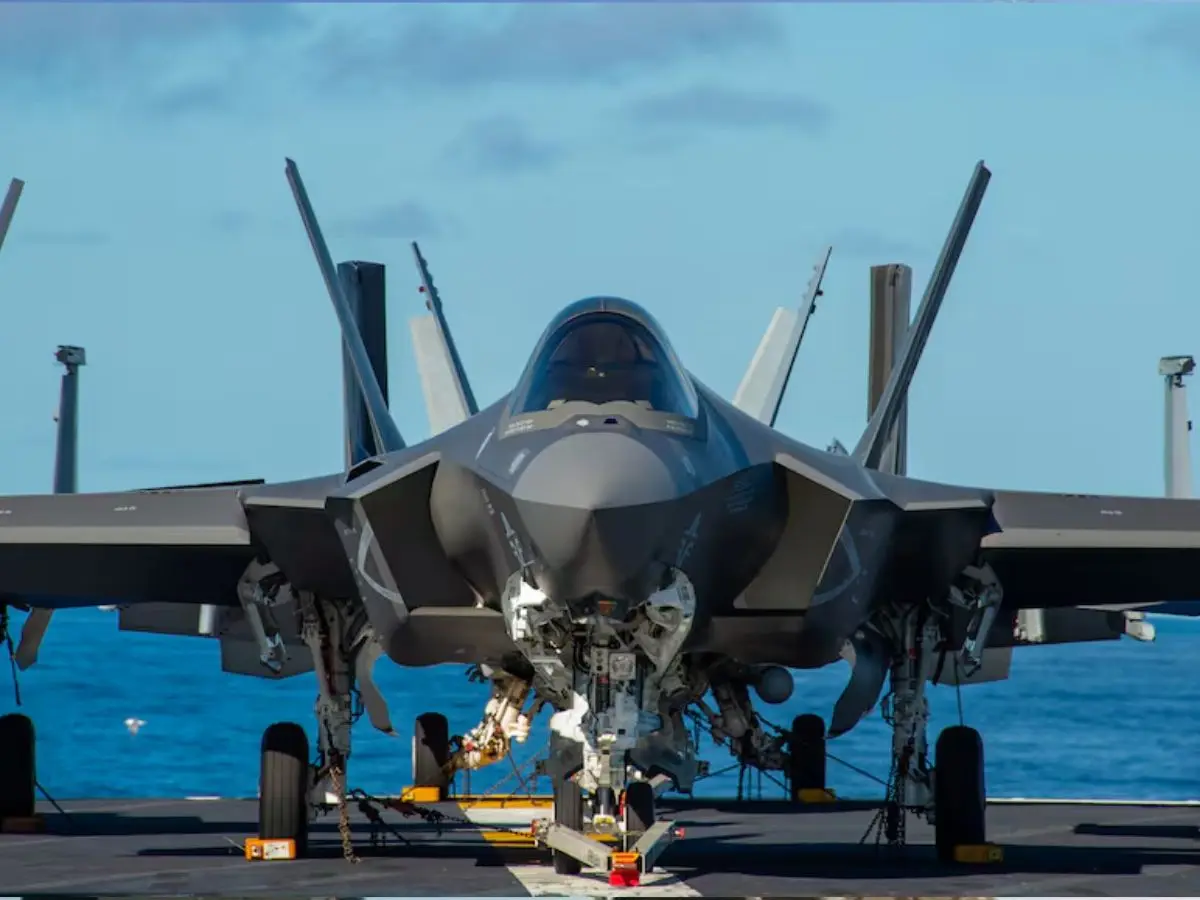
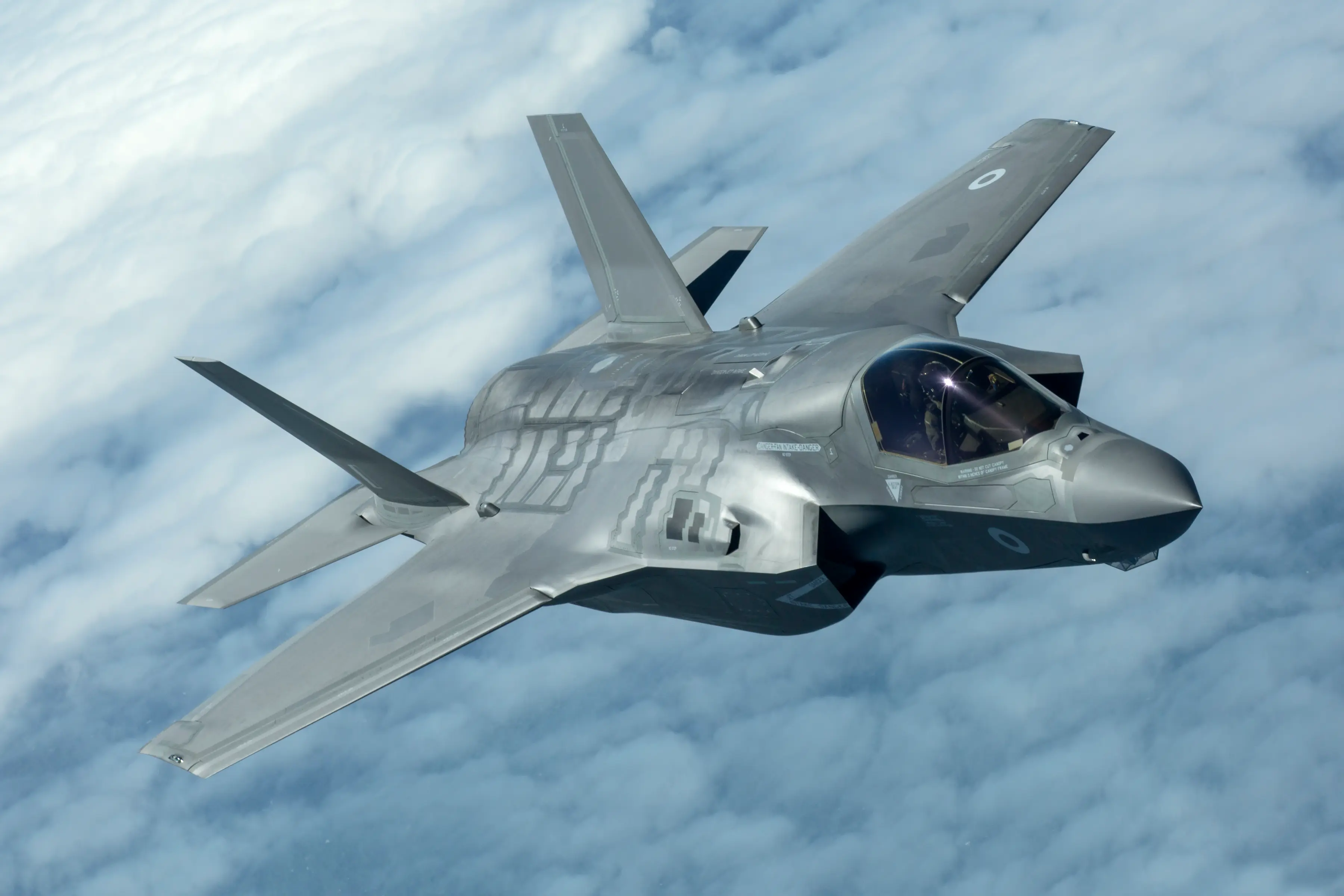
Tehran is protected by a layered air defence network, including the Russian S-300PMU2 and the domestic Bavar-373. However, military analysts suggest these systems are "blinded" by the F-35C’s low-observable profile.
1. Surgical Enforcement of Red Lines
The redirection of the Lincoln from the South China Sea to the Middle East follows a brutal crackdown in Tehran that has claimed over 5,100 lives. By positioning the F-35C within striking distance, the Trump administration has established an "invisible enforcer." These jets can launch from the Indian Ocean and penetrate Tehran's airspace with virtually no radar warning, providing the U.S. with a surgical option to target IRGC command centers responsible for domestic violence without escalating to a full-scale ground war.
2. Dismantling the "Sky Shield"
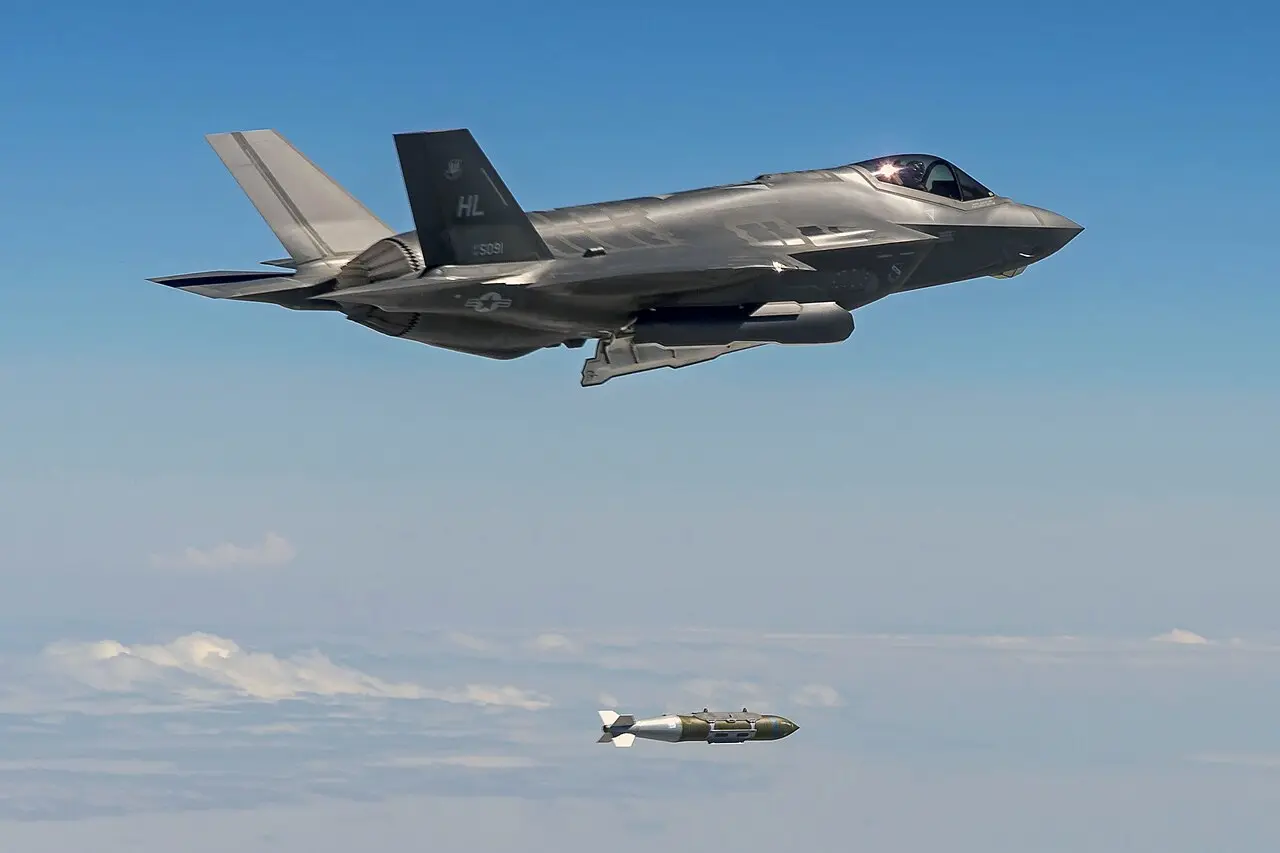
Tehran is protected by a layered air defence network, including the Russian S-300PMU2 and the domestic Bavar-373. However, military analysts suggest these systems are "blinded" by the F-35C’s low-observable profile. The Lincoln’s primary mission is to provide “one-way transparency”, where the F-35 can see every battery in the capital while remaining untraceable by Iranian fire-control radars. This renders Tehran’s multi-billion dollar defence grid strategically obsolete.
3. The "Black Knights" Combat Edge
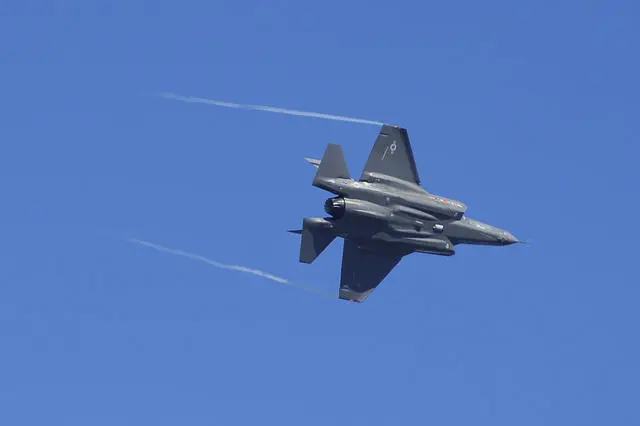
The pilots of VMFA-314 are not just on a routine patrol; they are the most combat-experienced F-35C operators in the world. Having led the first-ever stealth strikes in the theater during the 2024-2025 campaigns, the "Black Knights" represent a tested spearhead. Their presence on the Lincoln confirms that the US is not relying on theoretical deterrence but on a proven combat unit capable of managing complex "Red Zone" operations deep inside hostile territory.
4. Battlefield Management via "Sensor Fusion"
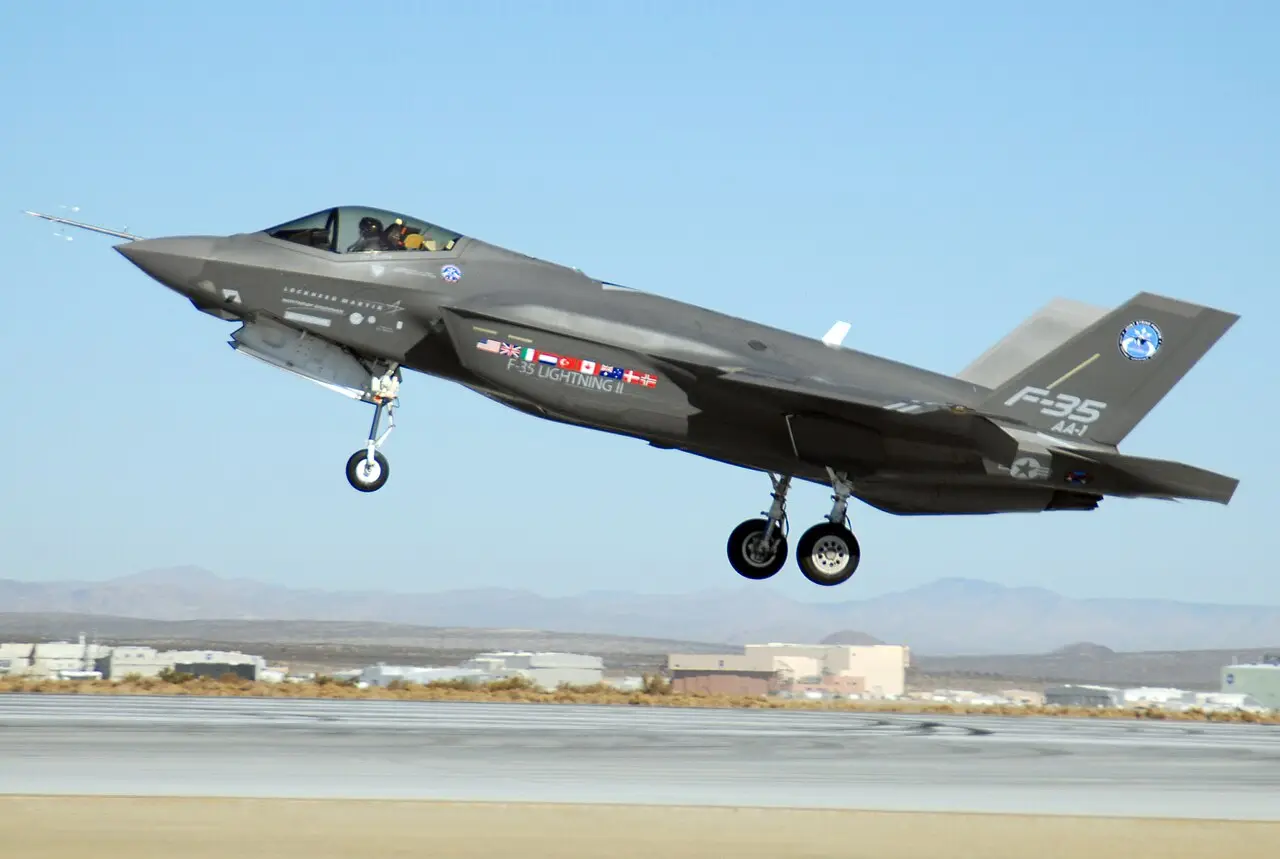
The F-35C serves as a "Battlefield Quarterback," a capability that is critical for strikes in high-density urban areas like Tehran. These jets can loiter over the capital, identifying high-value targets, such as leadership bunkers or mobile missile launchers and relay that data in real-time to the USS Michael Murphy or USS Spruance. This allows the Armada to launch long-range Tomahawks while the F-35 provides the "eyes," ensuring 100 per cent accuracy with minimal collateral damage.
5. Overcoming Geographic Isolation
Iran’s mountainous terrain and deep-seated bunkers were designed to evade traditional surveillance. The F-35C’s advanced AN/APG-81 AESA radar and Distributed Aperture System (DAS) allow it to "see through" terrain and identify hidden assets that satellite imagery might miss. By moving the Lincoln to the Indian Ocean, the US has effectively removed the "Home Court Advantage" of the Iranian landscape, putting every hidden bunker in Tehran under a 24/7 microscope.
6. Neutralizing the Nuclear "Sarcophagus"
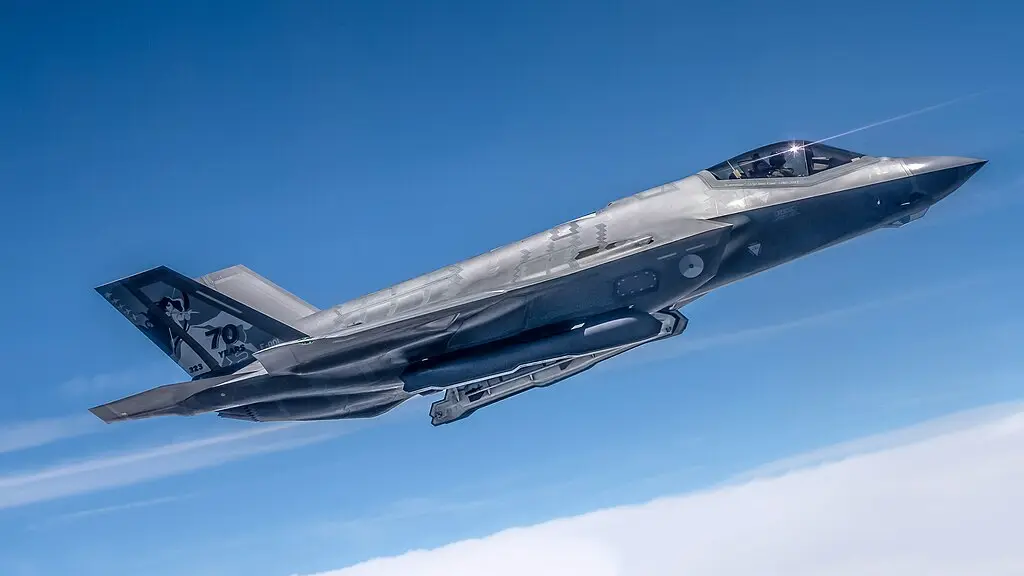
Intelligence reports from late January 2026 indicate Iran is attempting to shield its Taleghan 2 nuclear facility by encasing it in a concrete "sarcophagus." The F-35C is the only carrier-borne asset capable of delivering the precision-guided "bunker-buster" munitions required to compromise such a structure. The Lincoln’s proximity ensures that any attempt to "go dark" with nuclear assets can be met with an immediate, stealth-enabled response before the defences are fully reinforced.
7. Strategic Reach from the "Open Sea"
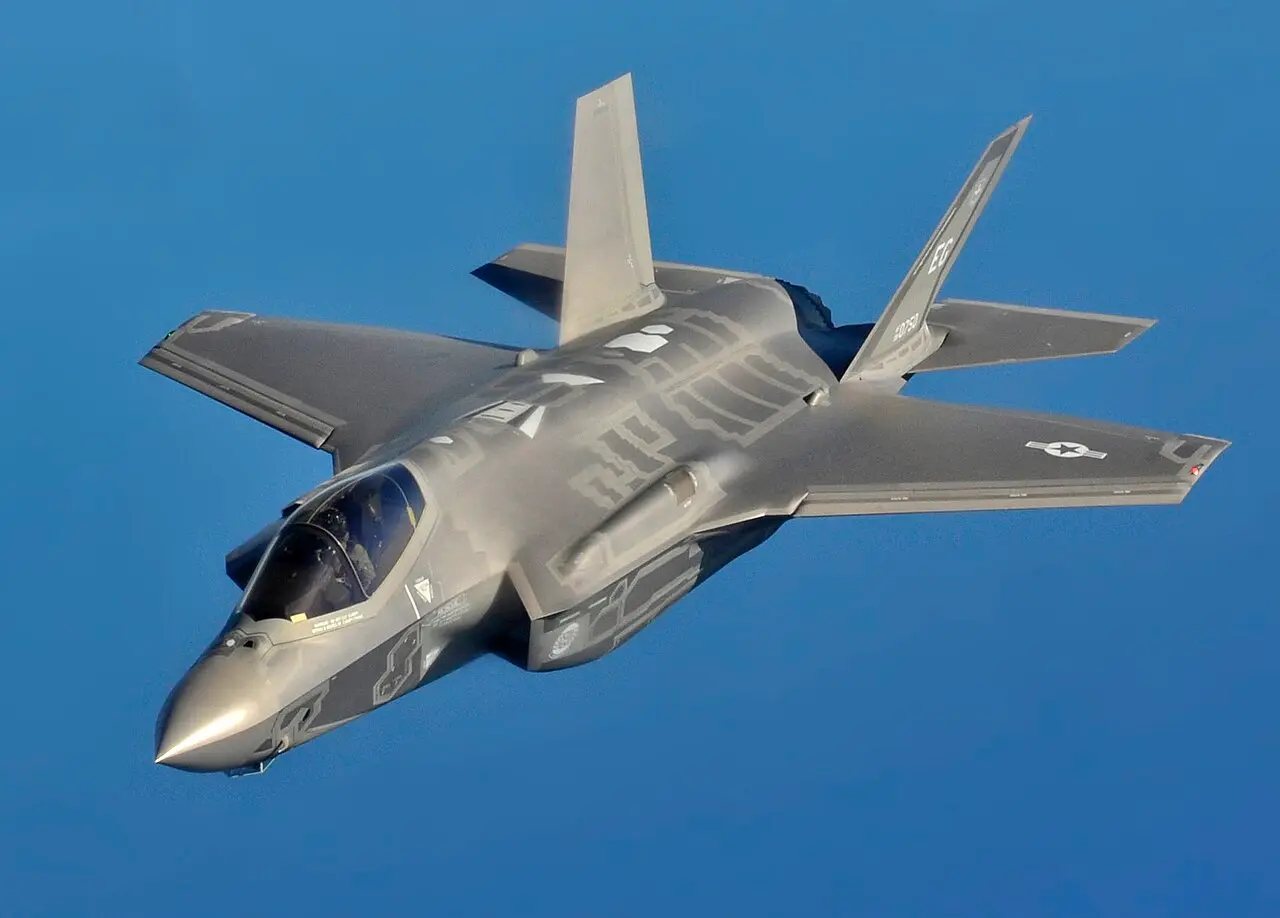
A major reason for the Lincoln’s positioning in the Indian Ocean is safety. The F-35C possesses the longest range of any stealth fighter, allowing it to launch from the carrier while the ship remains in the open, safe waters of the Arabian Sea. This avoids the "chokepoint" danger of the Strait of Hormuz, where Iran’s swarming drone boats are most effective, and allows the US to project power into Tehran while keeping the multi-billion dollar carrier group out of the range of coastal anti-ship missiles.
)
)
)
)
)