'Trump's call': Why China could betray Iran and send warships to the Strait of Hormuz

Iran and China are finding out that their immediate goals are completely incompatible. Iran's primary objective is to weaponize the strait, inflicting maximum economic pain on the US and its allies by choking off 20% of the world's daily oil supply.
1. The Existential Energy Lifeline
The Strait of Hormuz is the ultimate geographic chokepoint for the global economy, and no superpower is more vulnerable to its closure than China. Beijing imports roughly 40% of its crude oil and 30% of its liquefied natural gas (LNG) through this narrow 54-kilometer waterway. While China has spent the last year aggressively stockpiling strategic reserves and increasing Russian overland imports, a prolonged disruption of Middle Eastern crude is a direct threat to China's industrial engine and energy security.

2. The Economic Hemorrhage of Trapped Ships
Despite the "strategic partnership" between Beijing and Tehran, Chinese vessels are not immune to the chaos. Since the conflict escalated in late February 2026, maritime transit through the strait has plummeted to near-zero. Dozens of Chinese-flagged tankers and cargo ships are currently idling, trapped either inside the Persian Gulf or waiting outside in the Gulf of Oman. Every day these ships sit idle, it costs the Chinese economy millions in disrupted supply chains and soaring freight rates.
3. Diverging Strategic Priorities
Iran and China are finding out that their immediate goals are completely incompatible. Iran's primary objective is to weaponize the strait, inflicting maximum economic pain on the US and its allies by choking off 20% of the world's daily oil supply. China’s core national interest, however, relies on uninterrupted global maritime trade and stable energy markets. Tehran wants chaos to leverage its position; Beijing desperately needs stability to prevent domestic inflation.
4. The Limits of Special Treatment
There have been reports that Iran might allow a limited number of tankers to pass if the cargo is traded in Chinese Yuan, or that vessels broadcasting "CHINA OWNER" on their tracking systems might be spared. However, in a militarized, chaotic waterway where GPS jamming and drone strikes are the new normal, these unofficial workarounds are highly unreliable. If Beijing determines that diplomatic assurances aren't enough to protect its massive energy requirements, it will look for military solutions.
5. The "Escort Mission" Precedent
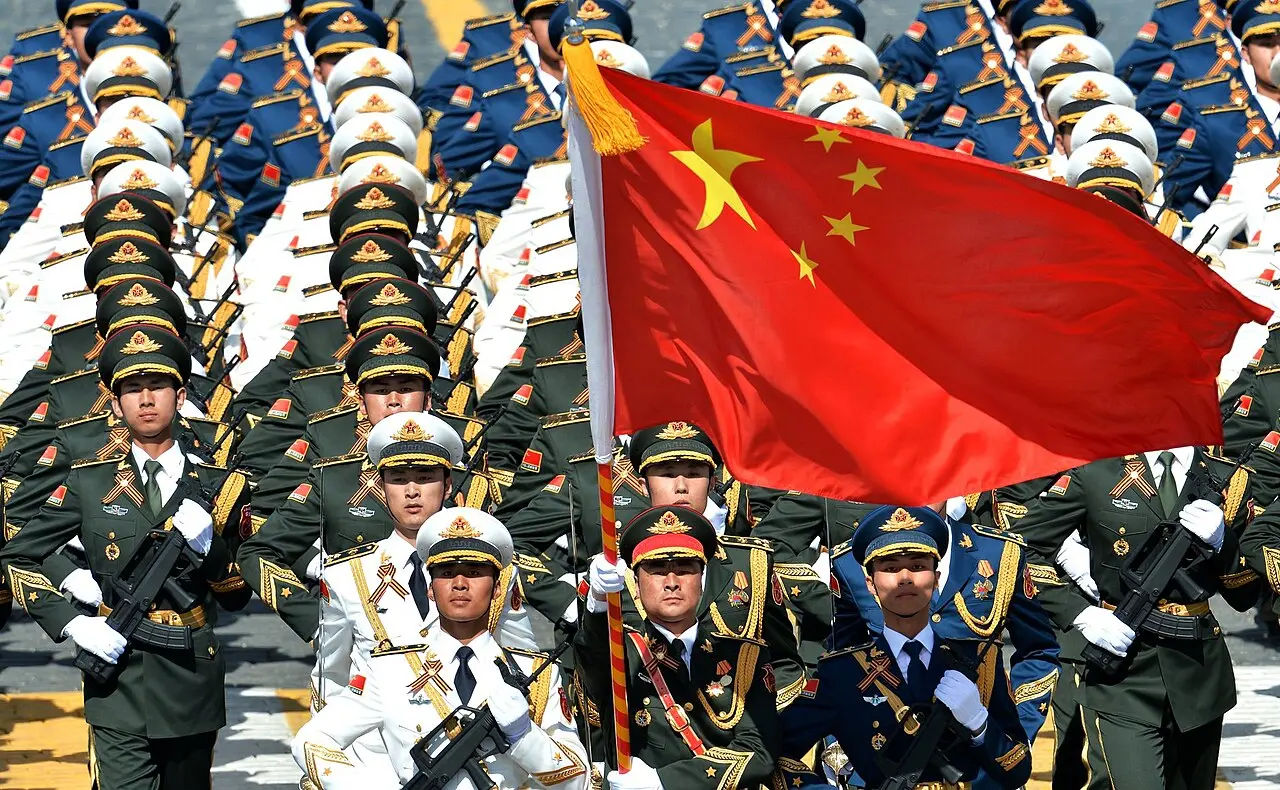
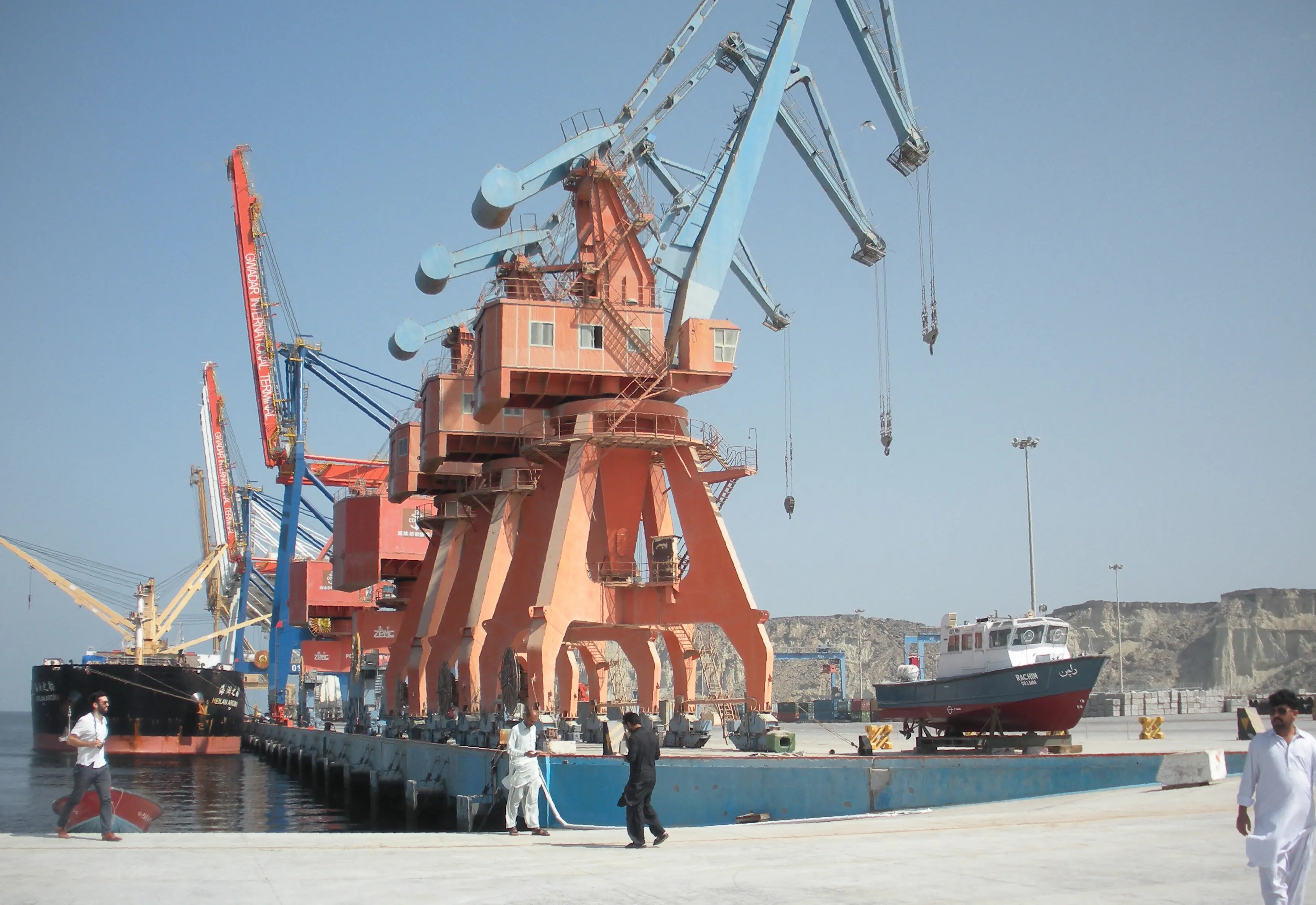
Sending warships to the Middle East wouldn't be a completely new move for the People's Liberation Army Navy (PLAN). China already operates a heavily fortified naval base in nearby Djibouti (the Horn of Africa) and has years of experience conducting anti-piracy escort missions in the Gulf of Aden. Expanding these operations to actively escort Chinese-flagged commercial vessels through the Strait of Hormuz is a logical, highly feasible escalation of their current maritime capabilities.
6. Countering Western Naval Hegemony
With the US Navy leading operations to restore tanker traffic, and European nations like France organizing "purely defensive" escort missions, Beijing risks looking weak on the global stage. China cannot afford the geopolitical embarrassment of relying on American or European warships to protect its sovereign vessels and secure its energy lifeline. Deploying its own naval assets ensures China maintains an independent power projection in the Indian Ocean and the Gulf.
7. Pragmatism Over Partnership
China’s foreign policy is famously transactional and ruthlessly pragmatic. While Iranian Foreign Minister Abbas Araghchi recently boasted about receiving "military cooperation" from Russia and China, Beijing's loyalty only goes as far as its own economic survival. If push comes to shove, and Tehran refuses to grant safe, bulk passage to Chinese tankers, Beijing will not hesitate to prioritize its own economy. By sending its navy to effectively break the Iranian blockade for its own ships, China would be signaling that its domestic stability heavily outweighs its alliance with Tehran.
)

)
)
)