‘Trojan horse’ strategy? Is Russia quietly seeding spy bases across Europe by buying homes near military sites?

Finland is widely regarded by intelligence officials as the epicentre of the strategy. In July it imposed a near-blanket ban on Russians and Belarusians buying property.
A covert real-estate footprint
Russian spies have turned properties across Western Europe into a network of 'Trojan horses' designed to enable co-ordinated surveillance and sabotage, according to intelligence officials who spoke to The Telegraph. Exploiting weak legal frameworks, clandestine Russian units are suspected of purchasing sensitive real estate near military and civilian infrastructure in at least a dozen European countries.
Hybrid war on European soil
Officials say the acquisitions form part of Moscow’s escalating 'hybrid war' against the West since its full-scale invasion of Ukraine. Serving and former officers at three European intelligence agencies told The Telegraph they fear some sites may already contain explosives, drones, weapons or undercover operatives 'ready to be activated in a crisis'. Rather than conventional warfare, the Kremlin is accused of preparing deniable operations aimed at transport, energy and communications networks.
Testing NATO in the ‘grey zone’
Intelligence sources argue that sabotage offers Moscow strategic ambiguity. “A sabotage campaign is less likely to produce consensus around Article 5 than a conventional Russian military operation,” one officer said. “Deniability, plausible or otherwise, makes attribution harder and, without certainty, it becomes much trickier to rally support.” Such tactics, they warn, are designed to test NATO resolve below the threshold of open war.
Britain seen as exposed
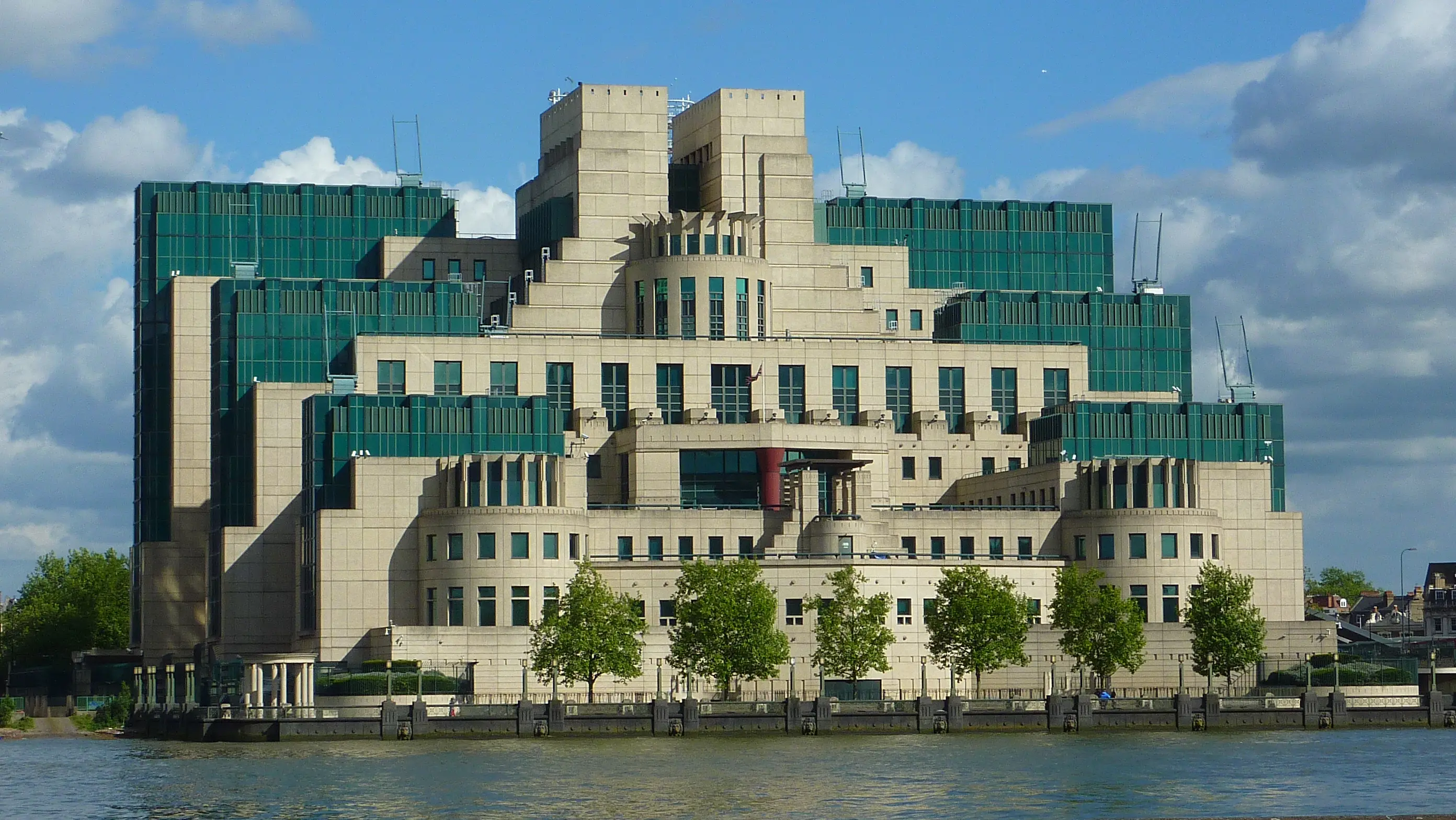
Blaise Metreweli, the head of MI6, warned in her first speech that Britain is 'operating in a space between peace and war', adding: 'Russia is testing us in the grey zone with tactics that are just below the threshold of war.' The Telegraph also reported concerns about property purchases near MI6’s headquarters in Vauxhall, the US embassy in Nine Elms, the Trident submarine base at Faslane, subsea cable landing points in Shetland and RAF Akrotiri in Cyprus.
Finland’s cautionary example
Finland is widely regarded by intelligence officials as the epicentre of the strategy. In July, it imposed a near-blanket ban on Russians and Belarusians buying property. The move followed the Airiston Helmi case, in which a Russian-owned company acquired 17 properties near key maritime routes and telecommunications infrastructure. A 2018 raid on the island of Sakkiluoto uncovered multiple piers, a helipad and advanced communications equipment. The owner, Pavel Melnikov, was later convicted of fraud. Moscow dismissed espionage claims.
Norway, Switzerland and beyond
In Norway, cabins linked to Kremlin-connected figures overlook Bardufoss air base, while the Russian Orthodox Church has acquired property near naval and radar installations. Switzerland has emerged as another concern. Officialscited by The Telegraph said that Russian operatives used properties near a federal chemical protection institute linked to the Salisbury investigation to intercept Wi-Fi and monitor weapons experts. There are also reports of Russian purchases near the Large Hadron Collider.

A pattern recognised
Intelligence agencies also warn that China is pursuing a more limited but similar approach focused on long-term surveillance near fibre-optic routes and data centres. Across Europe, governments are now reassessing property laws. As one intelligence official told The Telegraph: “Allowing Russian nationals to invest largely unimpeded in strategic real estate is a significant threat vector that urgently needs addressing.”
)
)
)
)
)