‘Travels 13,000 km’: Can this North Korean missile hit New York?

North Korea’s ICBM arsenal, featuring the Hwasong-15, 17, and the new solid-fuel Hwasong-19, has verified ranges exceeding 15,000 km. These missiles can reach New York in roughly 30 minutes, carrying heavy nuclear payloads that challenge US defence systems.
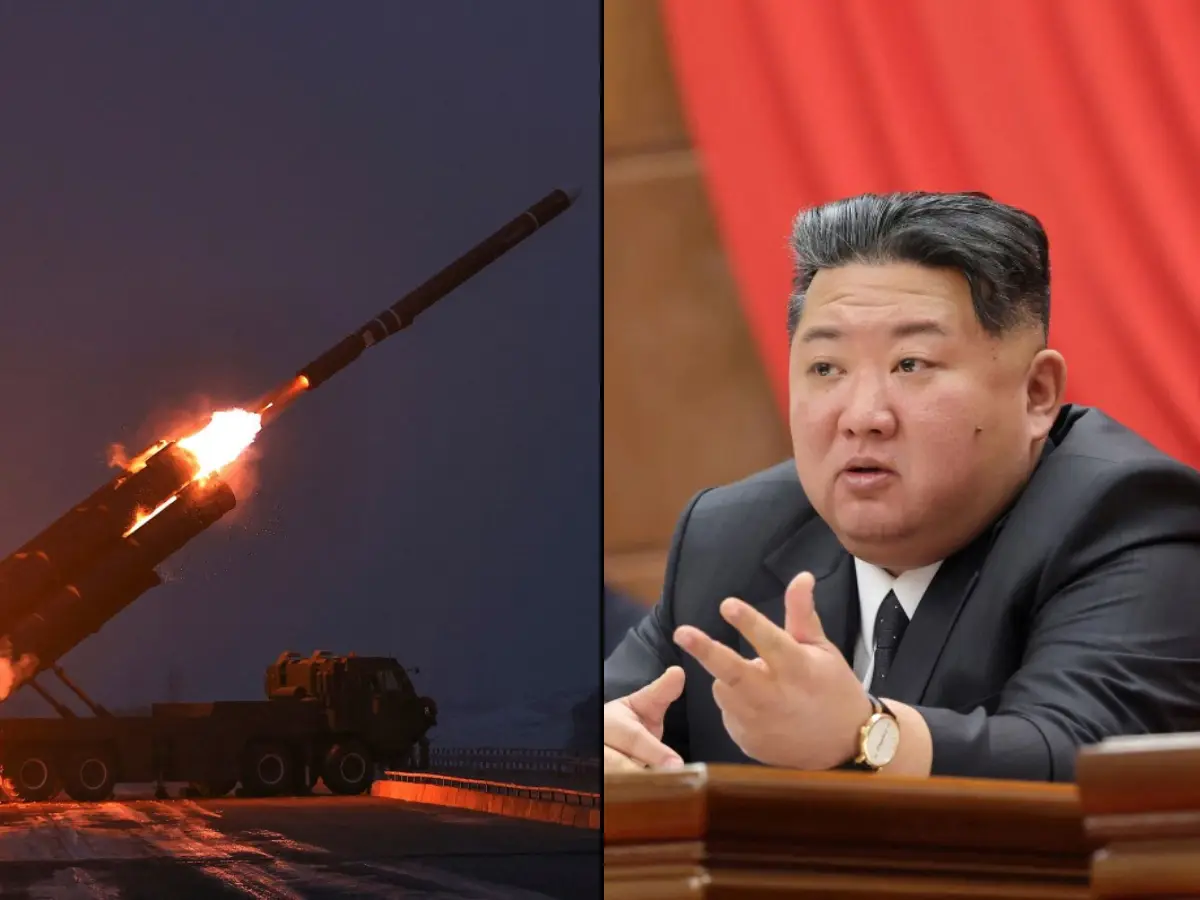
The distance to New York 11,000 km required to strike
From Pyongyang, a missile must travel approximately 10,900 kilometres. Experts confirm that North Korea now possesses multiple ICBMs with ranges well exceeding this limit, putting the US East Coast in danger.
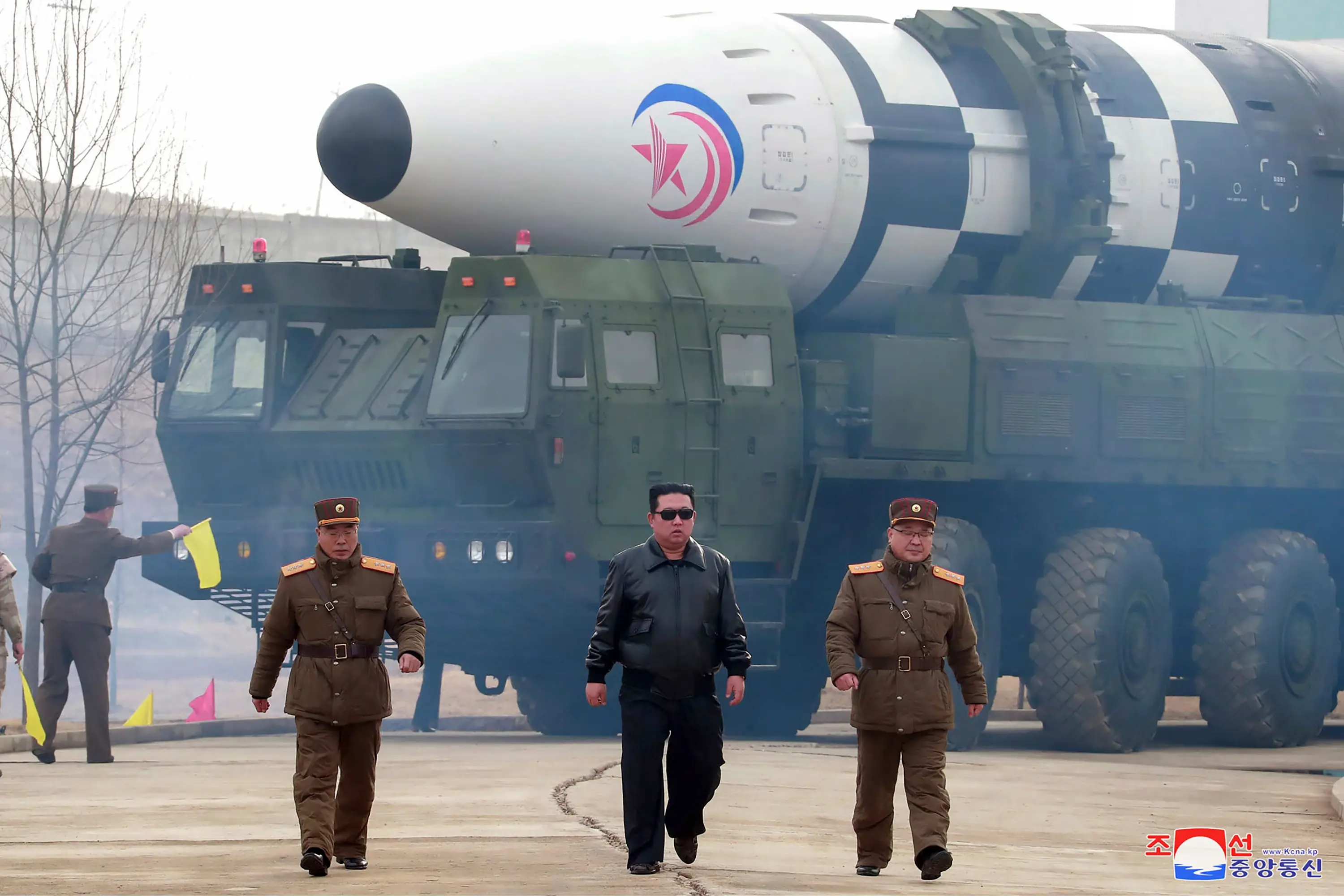
Hwasong-15: The first threat Range hits 13,000 kilometres
Tested in 2017, the Hwasong-15 was the first missile to demonstrate the ability to reach the entire US mainland. 38 North analysts estimated its range at 13,000 kilometres, enough to strike Washington or New York with a lighter warhead.

Hwasong-17: The ‘Monster’ Reaching 15,000 km with heavy loads
Unveiled in 2020, the liquid-fuelled Hwasong-17 is the world's largest road-mobile missile. Japanese officials stated it could fly over 15,000 kilometres, allowing it to carry multiple warheads (MIRVs) to any target in the US.
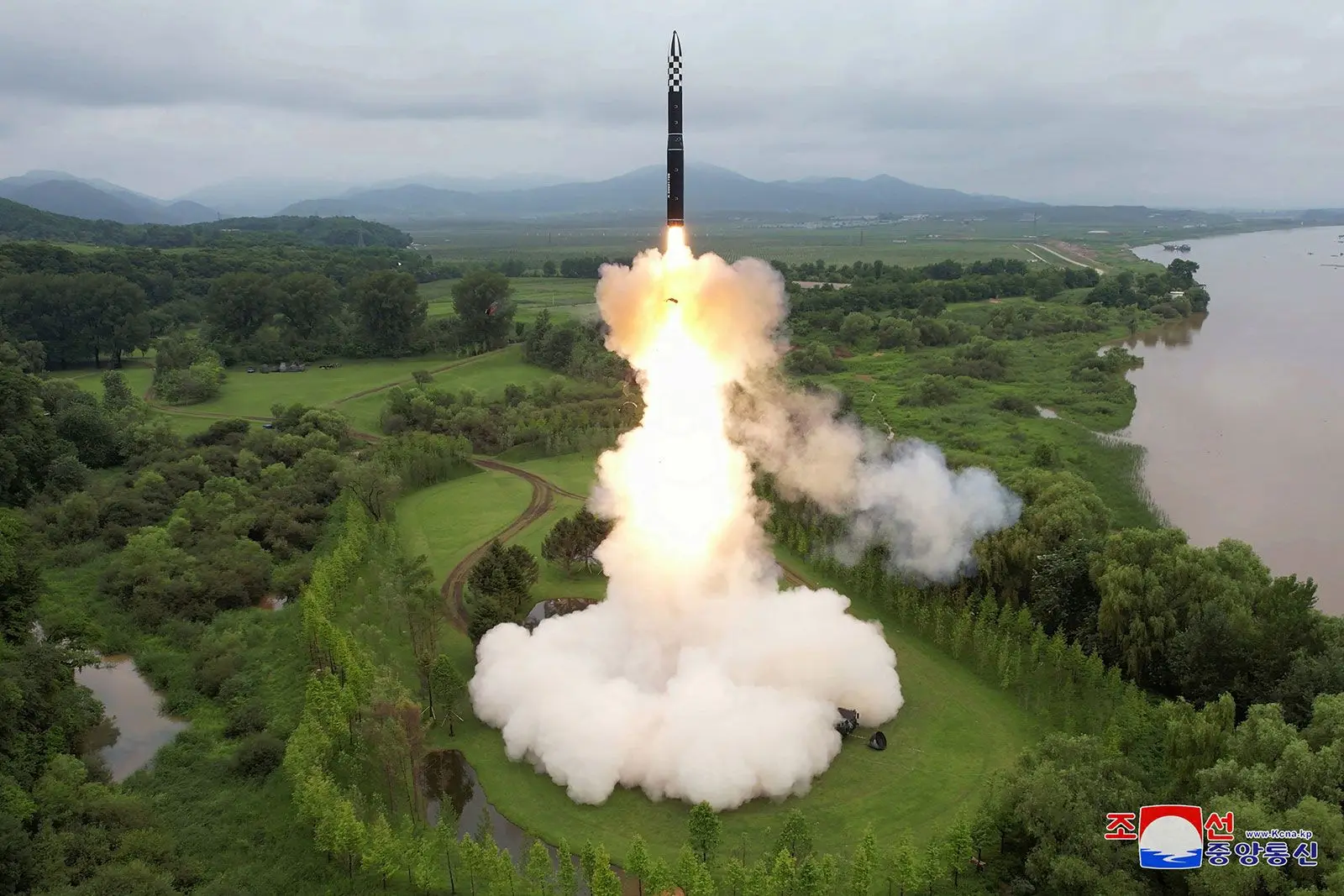
Hwasong-18: Solid-fuel stealth Harder to detect and intercept
First tested in 2023, the Hwasong-18 uses solid fuel, meaning it can be launched much faster than liquid predecessors. Reuters reports this mobility makes it difficult for US satellites to detect the launch in time for interception.

Hwasong-19: The ‘Ultimate’ weapon Reaching the highest altitude yet
Tested in late 2024, North Korean media labelled the Hwasong-19 the ‘ultimate version’ of their ICBMs. It flew higher and longer than any previous missile, confirming a range that easily covers the entire planet, excluding South America.
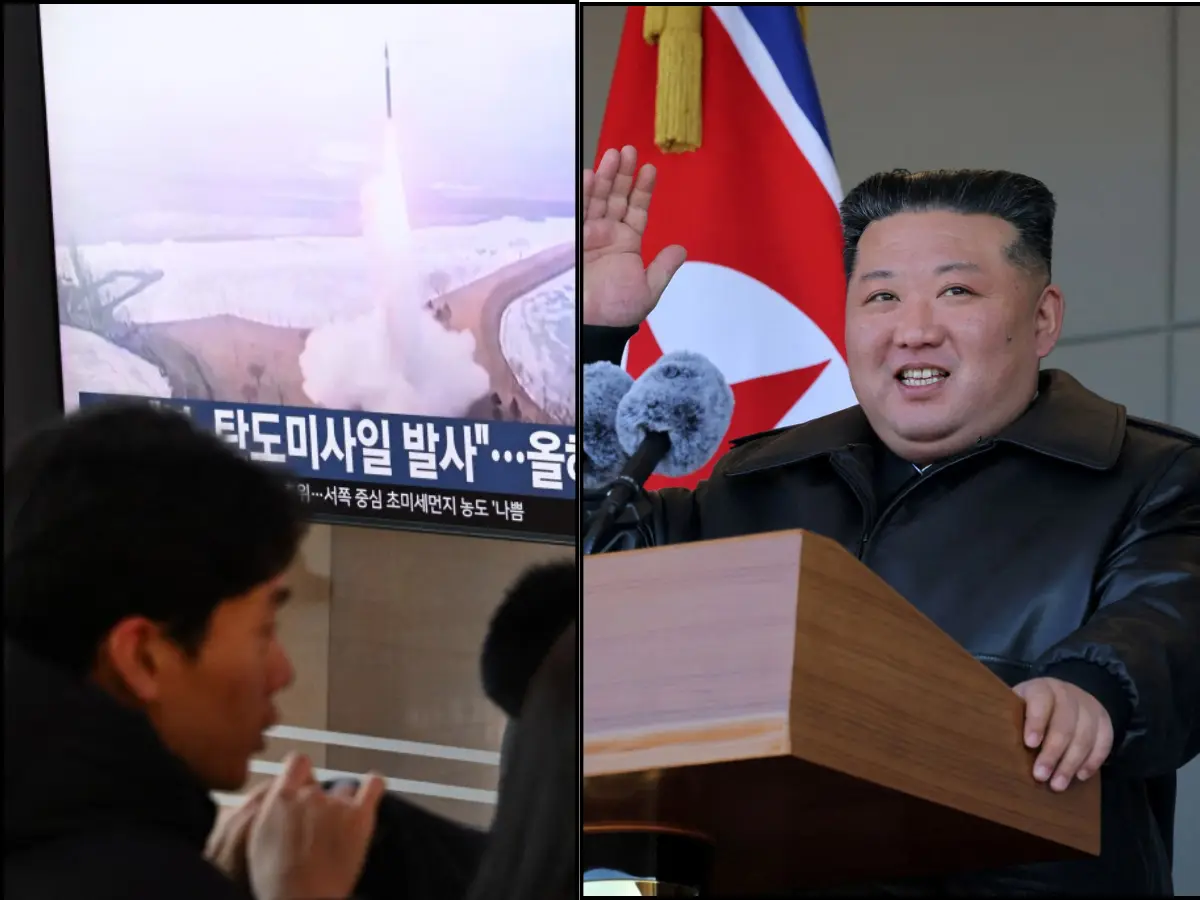
Payload power Carrying super-heavy nuclear warheads
The newer designs, particularly the Hwasong-17 and 19, are built to carry heavy or multiple nuclear payloads. This ensures that even if the missile travels the full 13,000+ kilometres to New York, it retains destructive capacity upon impact.
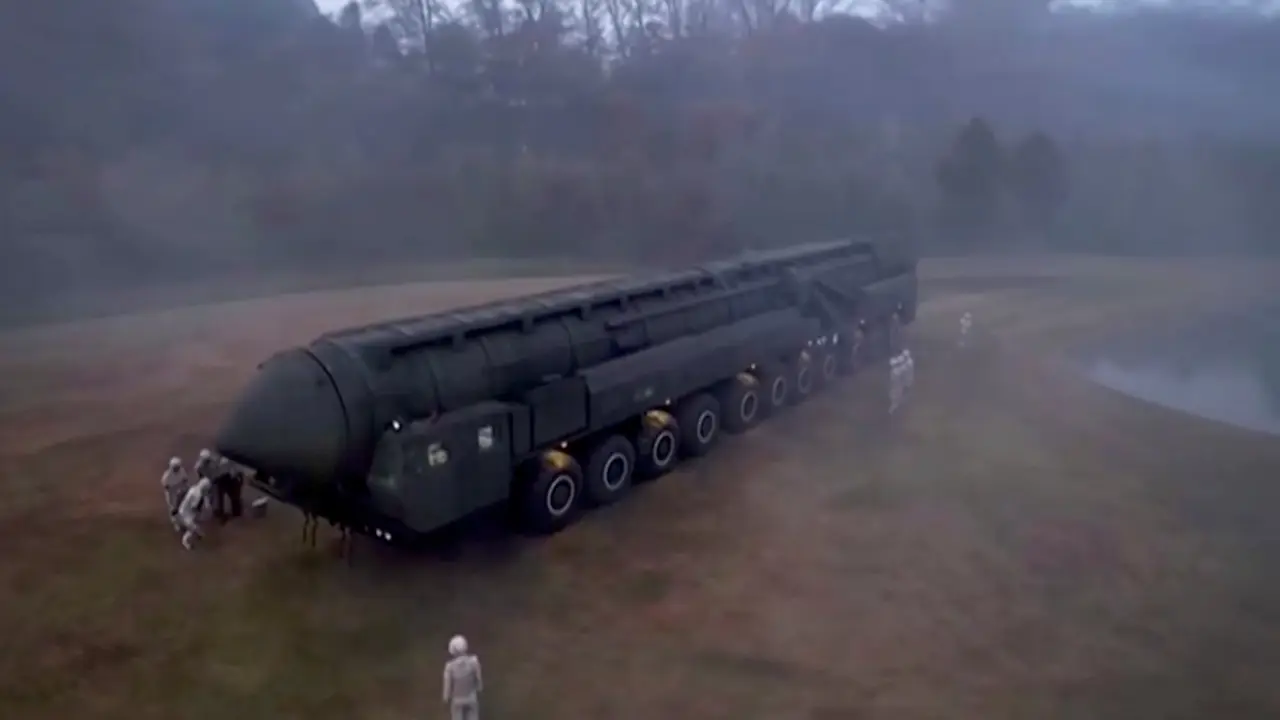
33 minutes to strike
Missile defence experts estimate that an ICBM launched from North Korea could reach the US mainland in roughly 33 minutes. With the new solid-fuel engines, the warning time for cities like New York is significantly reduced.
)
)
)
)
)