'Top speed': Why the 100,000-ton USS Abraham Lincoln is so fast

The 100,000-tonne USS Abraham Lincoln uses two nuclear reactors and 260,000 horsepower to exceed 30 knots. Its hydrodynamic hull and massive propellers make it incredibly fast.
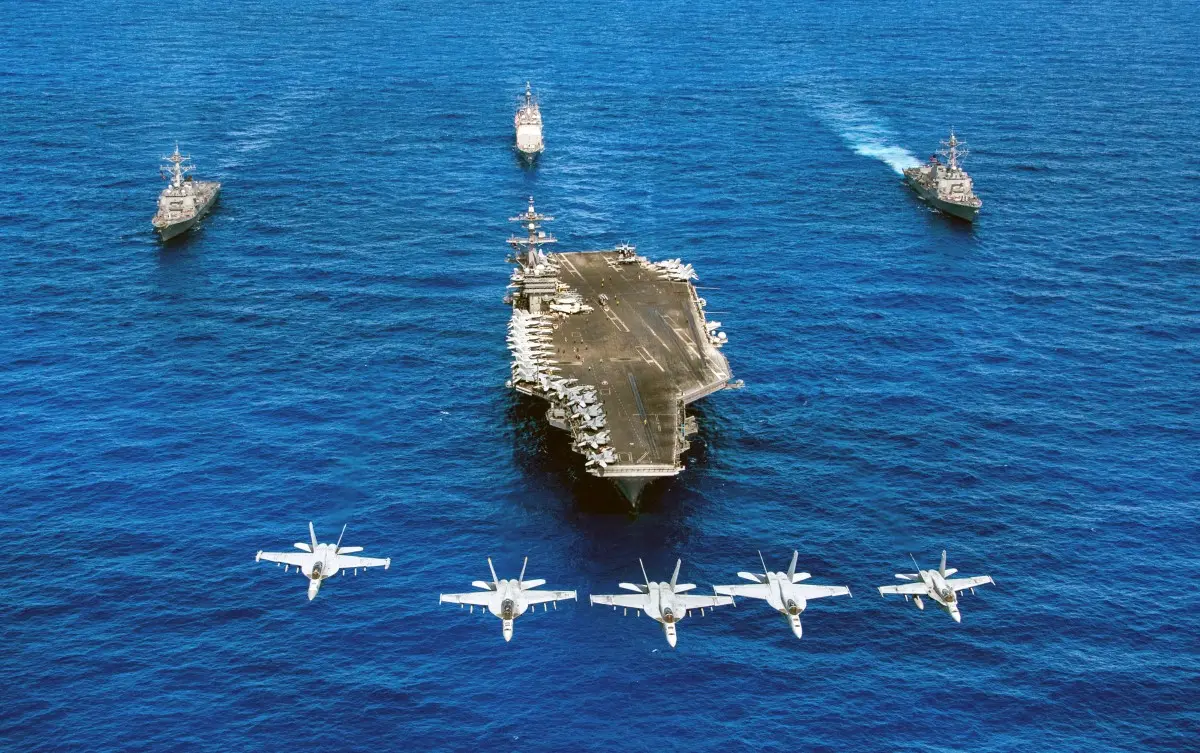
100,000-Tonne Massive Steel Hull
The USS Abraham Lincoln stretches nearly 332 metres in length and displaces over 100,000 tonnes of water. Even with this massive weight, the carrier easily moves through the ocean. Its structural design is specifically optimised for rapid open-water transits.
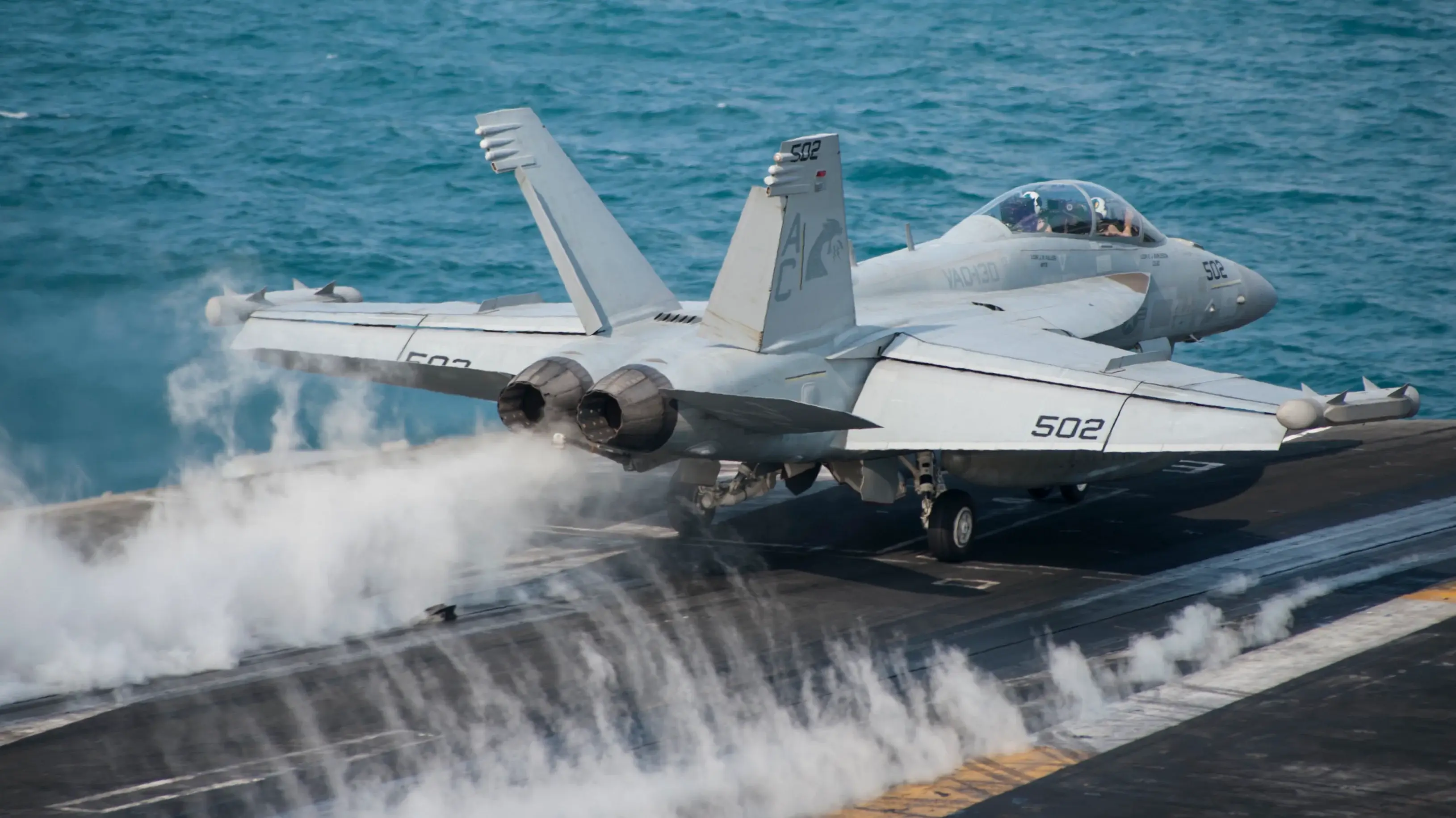
Two A4W Nuclear Reactors
The ship's speed is driven by two A4W nuclear reactors, kept in separate compartments. These reactors generate intense heat through nuclear fission, creating steam without needing conventional fuel. This gives the naval vessel an unlimited range and uninterrupted power.
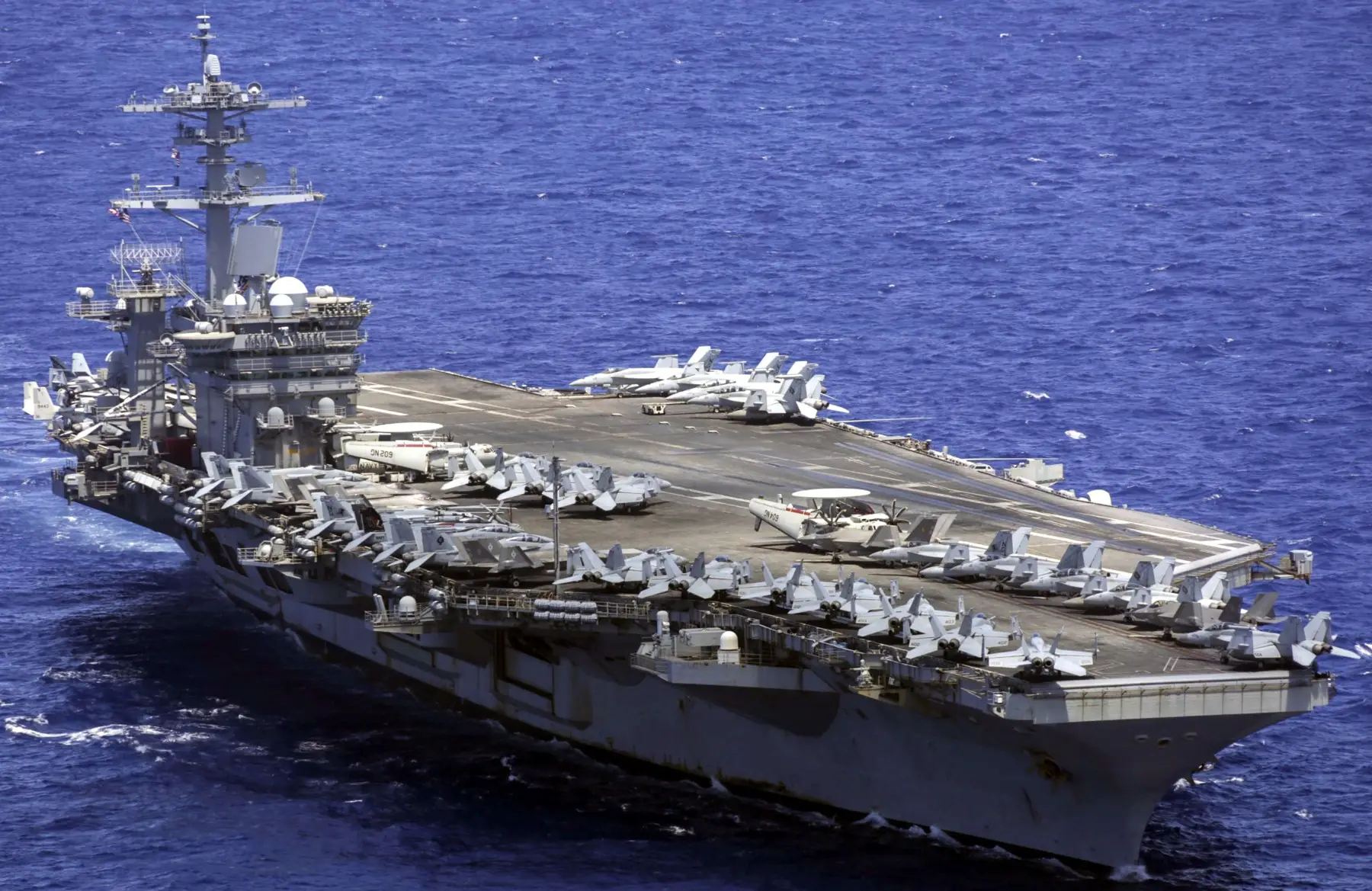
Generates 260,000 Horsepower Output
Steam from the reactors is funnelled into four turbines that generate 260,000 horsepower. This constant energy output allows the 100,000-tonne vessel to maintain its momentum. The advanced power system sustains high speeds for weeks without any performance drop.
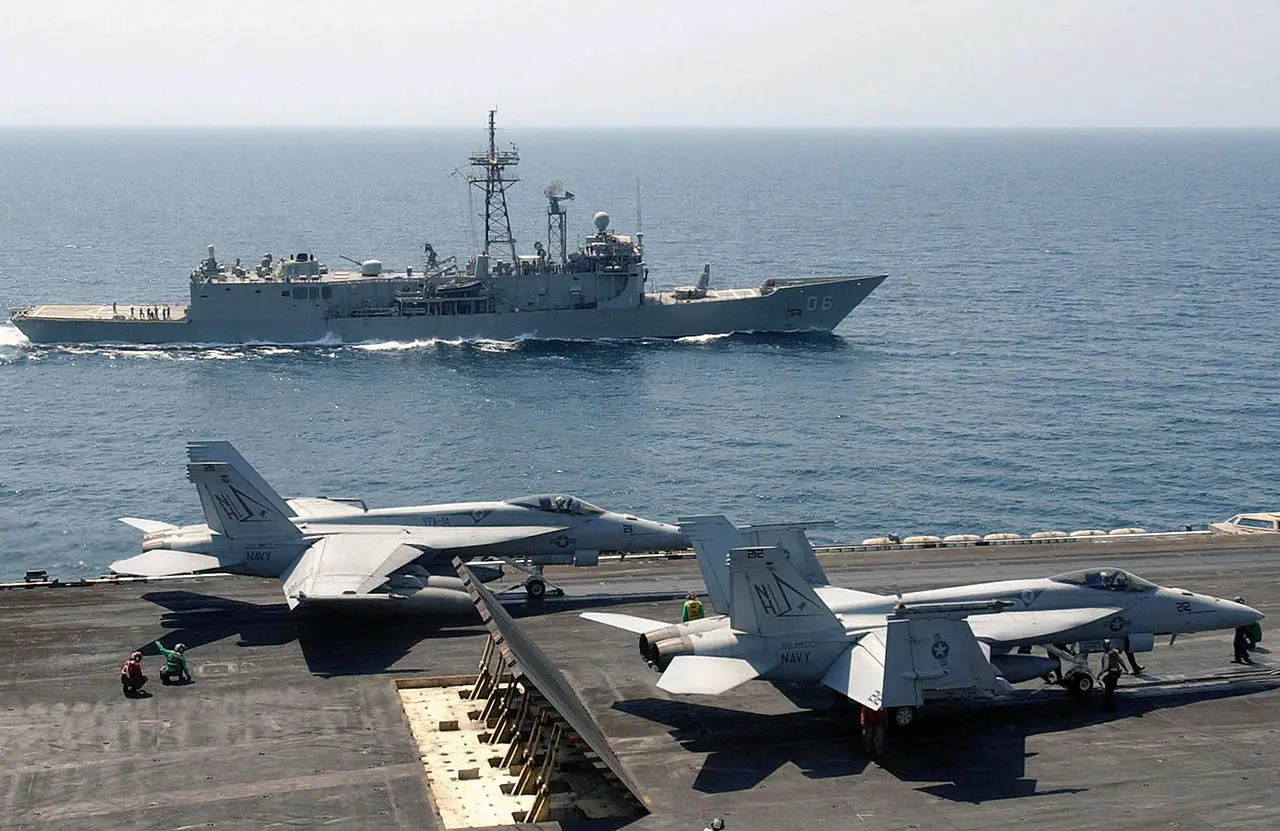
Four 30-Tonne Bronze Propellers
The mechanical power from the turbines turns four separate bronze propeller shafts. Each of these propellers measures 7.6 metres across and weighs about 30 tonnes. Their rapid rotation efficiently cuts through the ocean, pushing the heavy carrier forward.
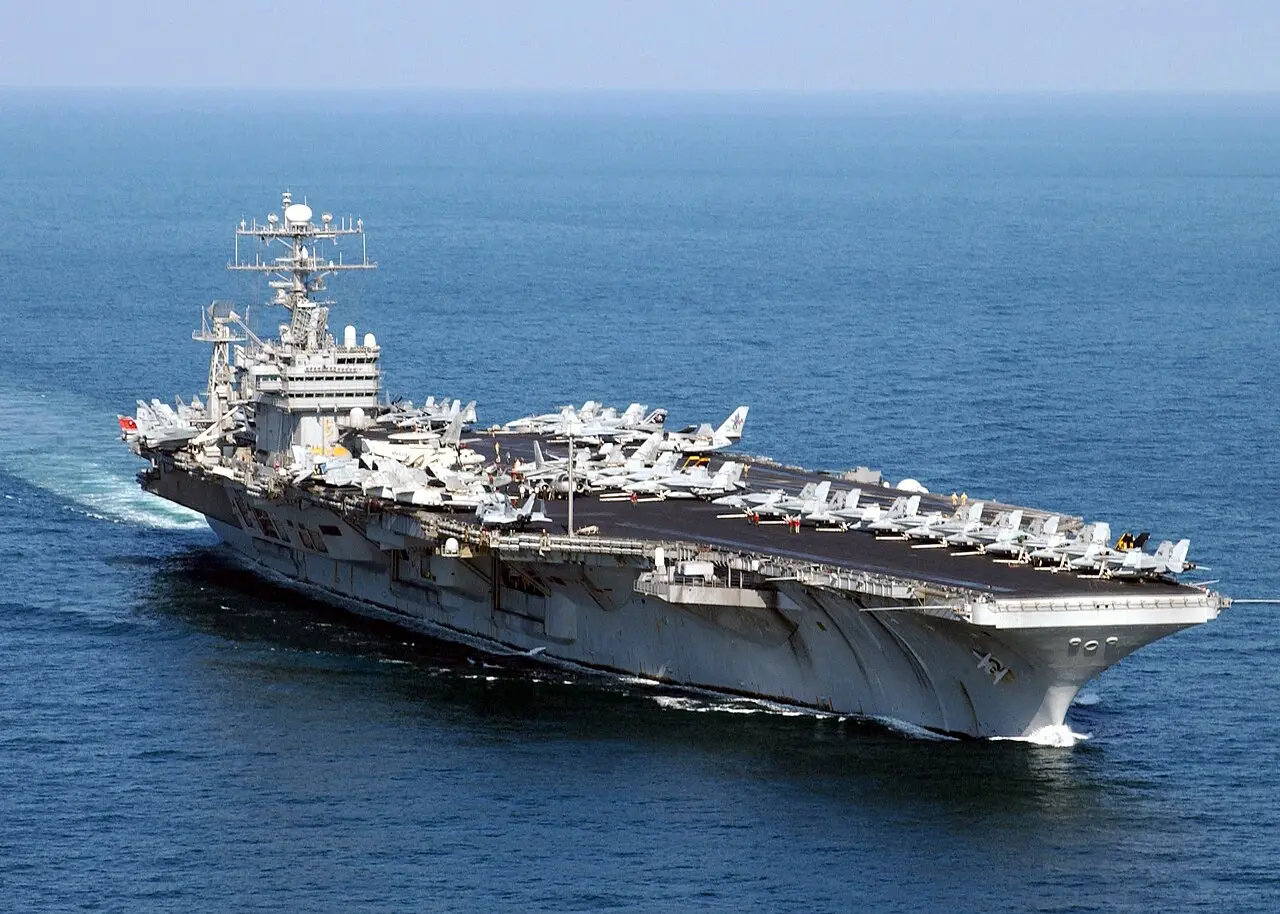
332-Metre Hull Reduces Drag
Despite a wide flight deck, the waterline of the 332-metre-long hull is surprisingly narrow. This specific shape significantly reduces water resistance and drag as the ship sails. The hydrodynamic design ensures the vessel glides smoothly instead of pushing heavy water.
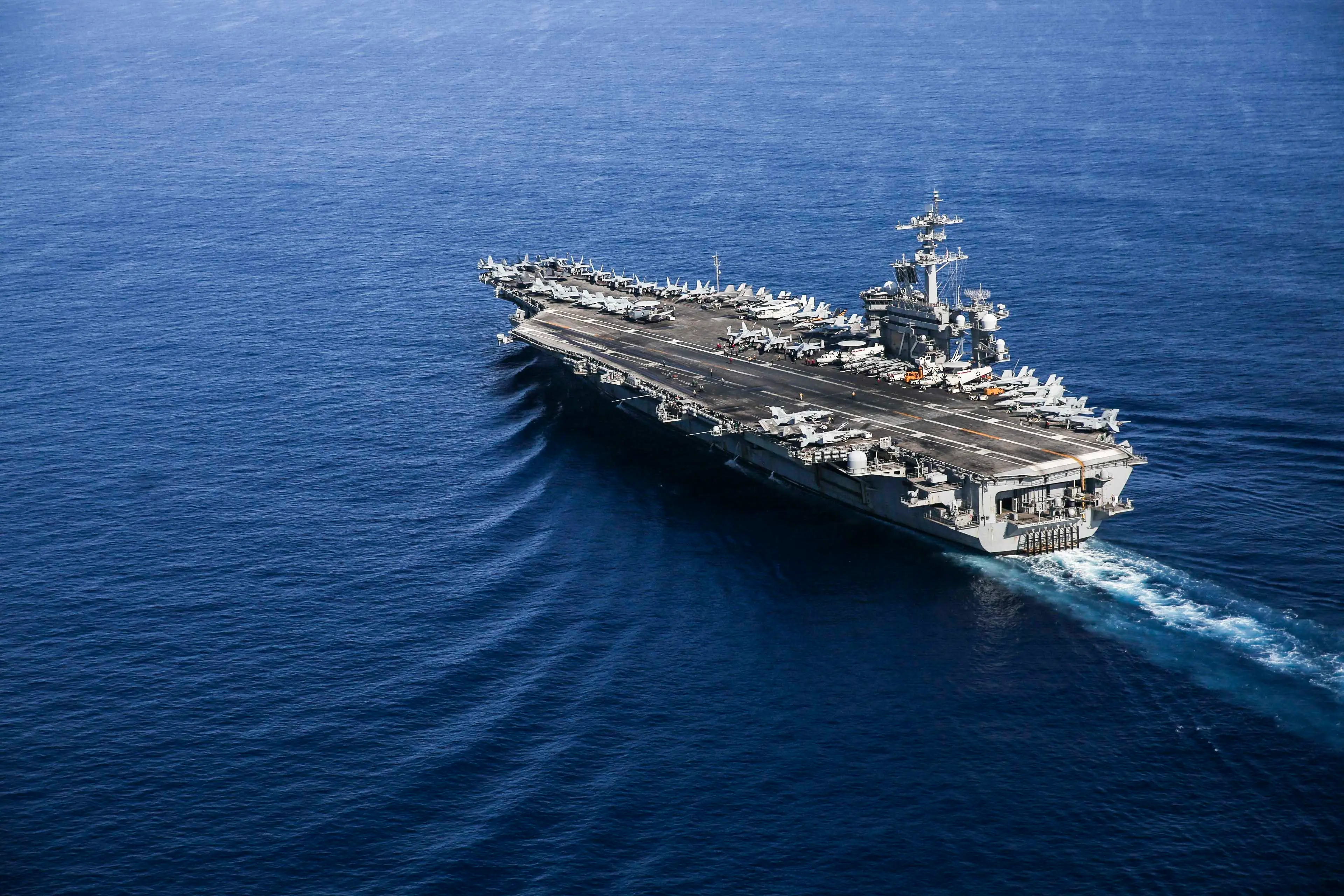
Exceeds 30-Knot Top Speed
The carrier exceeds speeds of 30 knots, or roughly 56 km/h. This is a highly unusual speed for a vessel of this size. Exact top speeds remain classified by the military for operational security reasons.
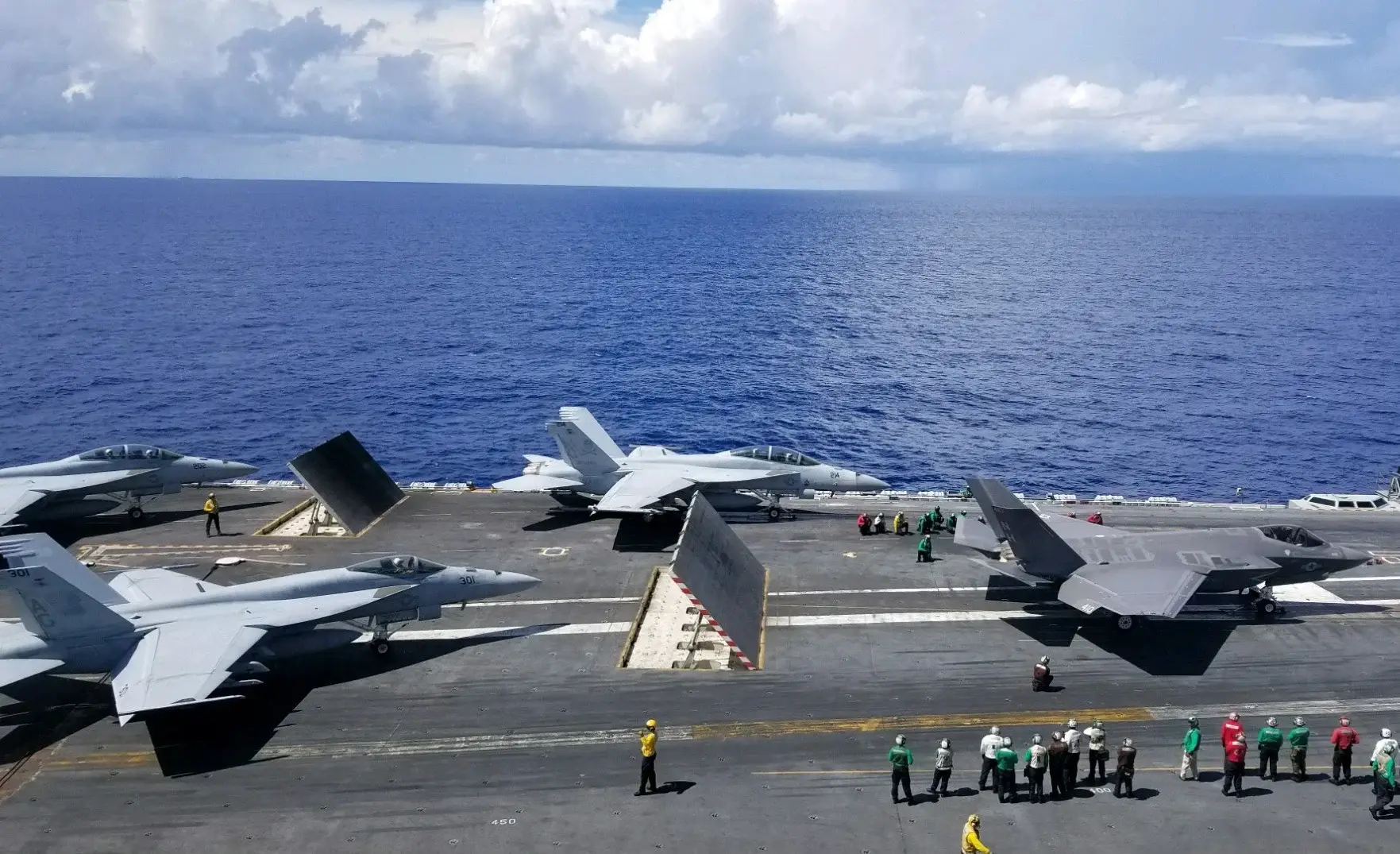
90 Aircraft Require Speed
The carrier's top speed is crucial for launching its fleet of up to 90 aircraft. By turning into the wind at over 30 knots, the ship creates strong natural lift over the deck. This allows heavy fighter jets to take off safely and operate effectively.
)
)
)
)
)