‘Too old, too slow, too expensive’: US Air Force is keeping A-10 Warthog until 2030 despite retirement calls. Why?

First flown in 1976, the A-10 has repeatedly faced retirement proposals but has remained in service due to its battlefield role and political backing.
US Extends A-10 Service Life Amid Modernisation Debate
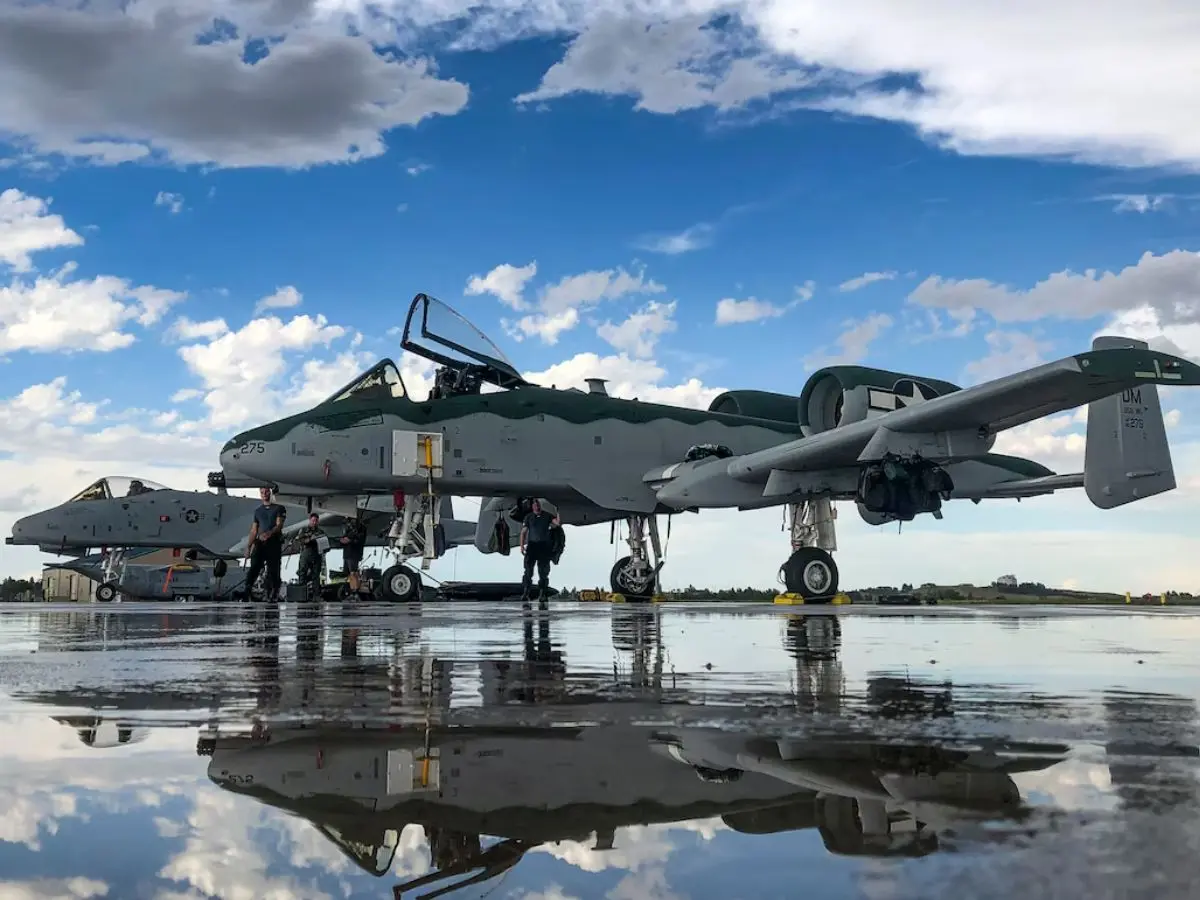
The United States Air Force has extended the operational life of the A-10 ‘Warthog’ attack aircraft to 2030, reversing an earlier plan to retire it by 2026. Air Force Secretary Troy Meink announced the decision on social media, stating, ‘We will EXTEND the A-10 ‘Warthog’ platform to 2030,’ adding that the move “preserves combat power as the Defence Industrial Base works to increase combat aircraft production.” Hegseth echoed the announcement, writing: 'Long live the Warthog.'
A Long-Running Retirement Dispute
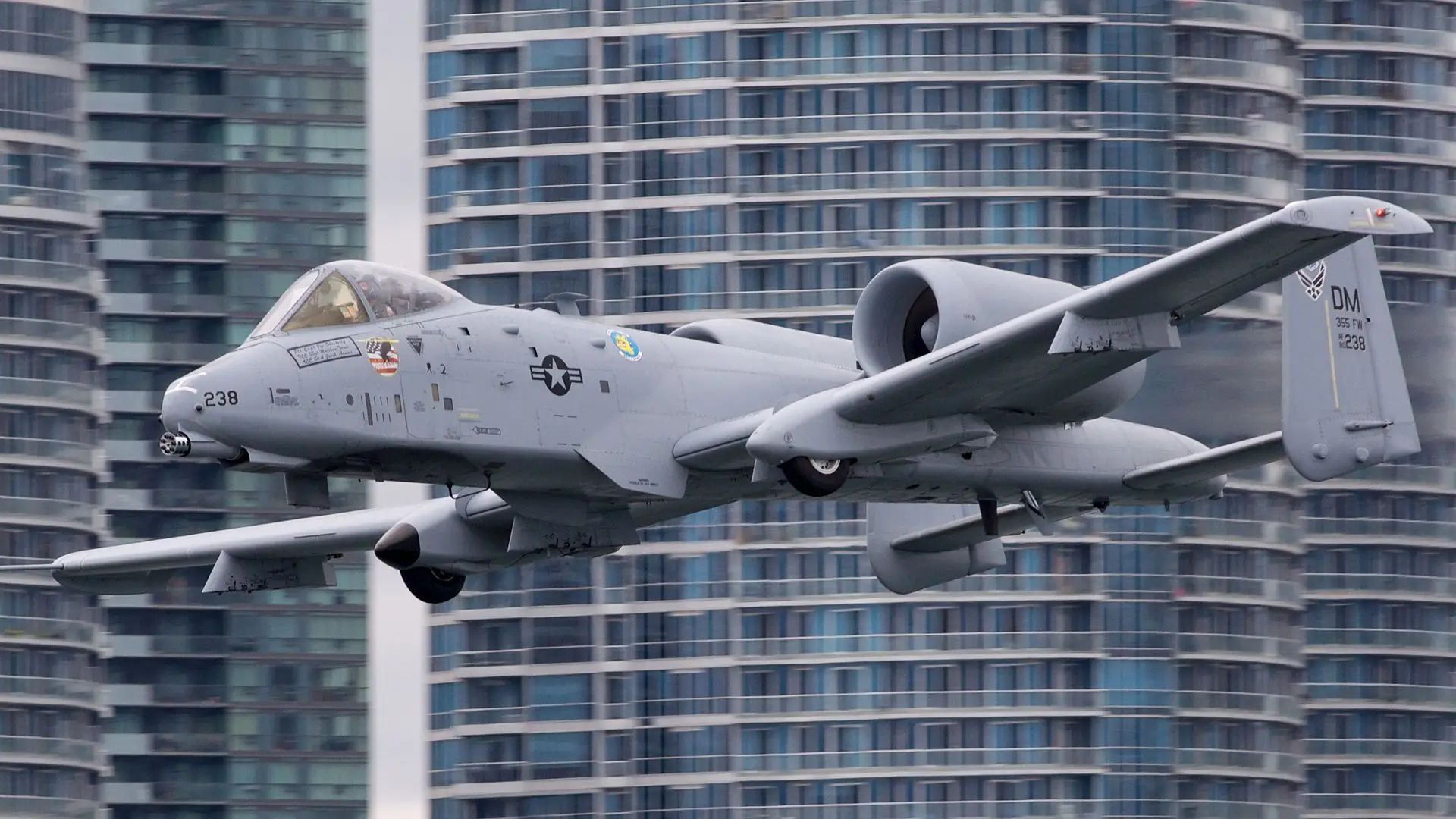
The decision marks the latest turn in a decades-long debate over the aircraft’s future. First flown in 1976, the A-10 has repeatedly faced retirement proposals but has remained in service due to its battlefield role and political backing.
Operational Role in Iran-Linked Engagements
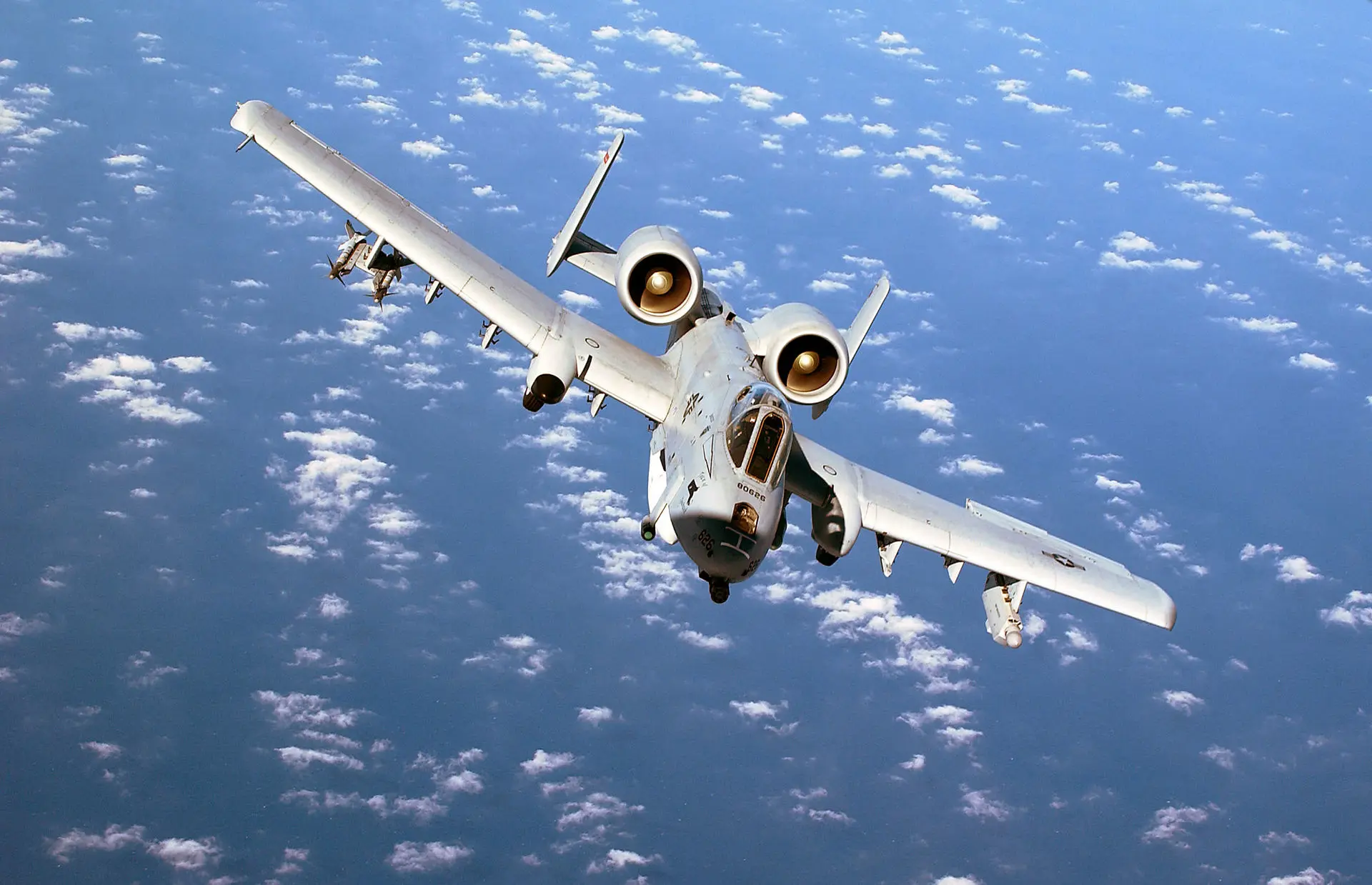
The US has claimed that A-10 aircraft have been involved in recent operations targeting Iranian maritime and aerial assets, with more than 120 Iranian vessels reportedly destroyed, including at least 44 mine-laying craft. In these missions, A-10s reportedly operated in coordination with AH-64 Apache helicopters to neutralise perceived naval threats. According to reports, at least one A-10 has been observed carrying two drone ‘kill’ markings, highlighting its continued use in active threat interception roles.
Combat Role and Firepower
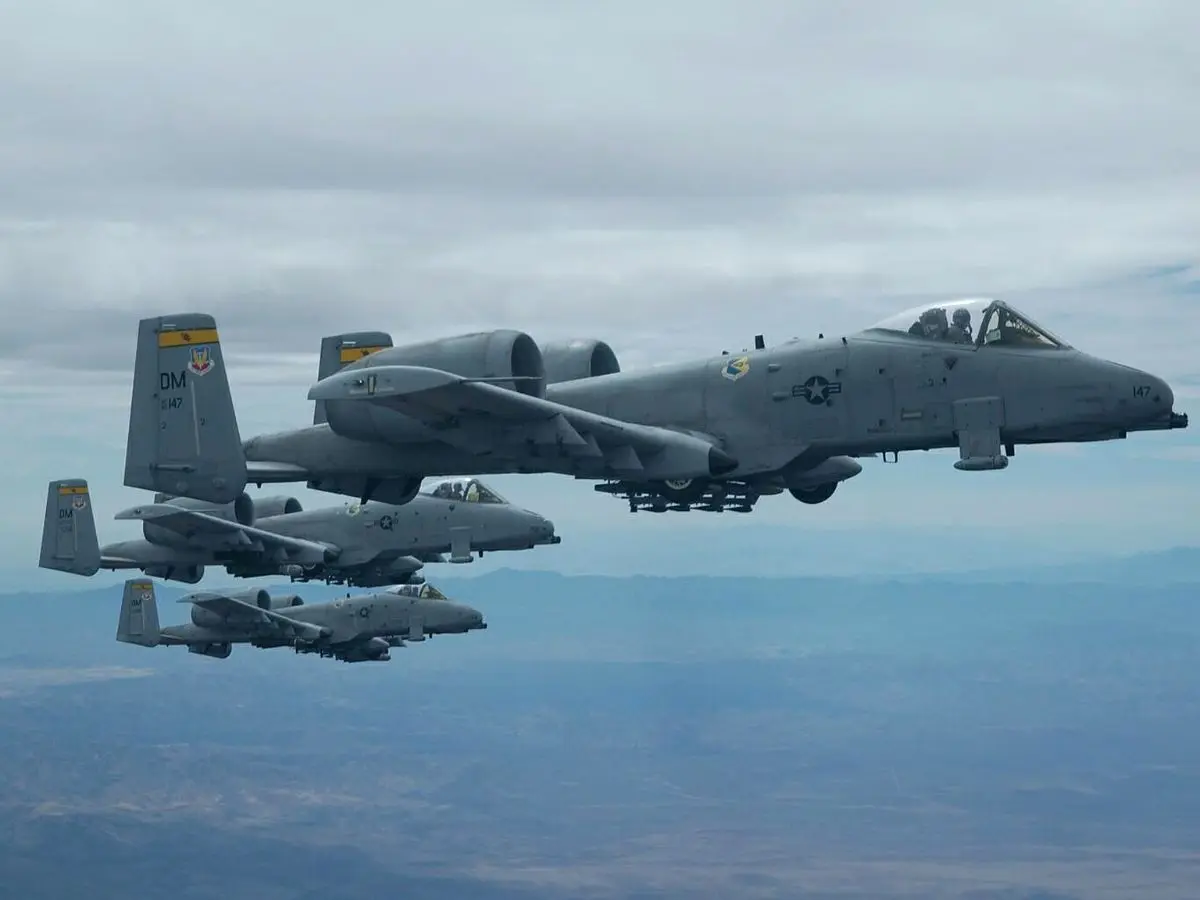
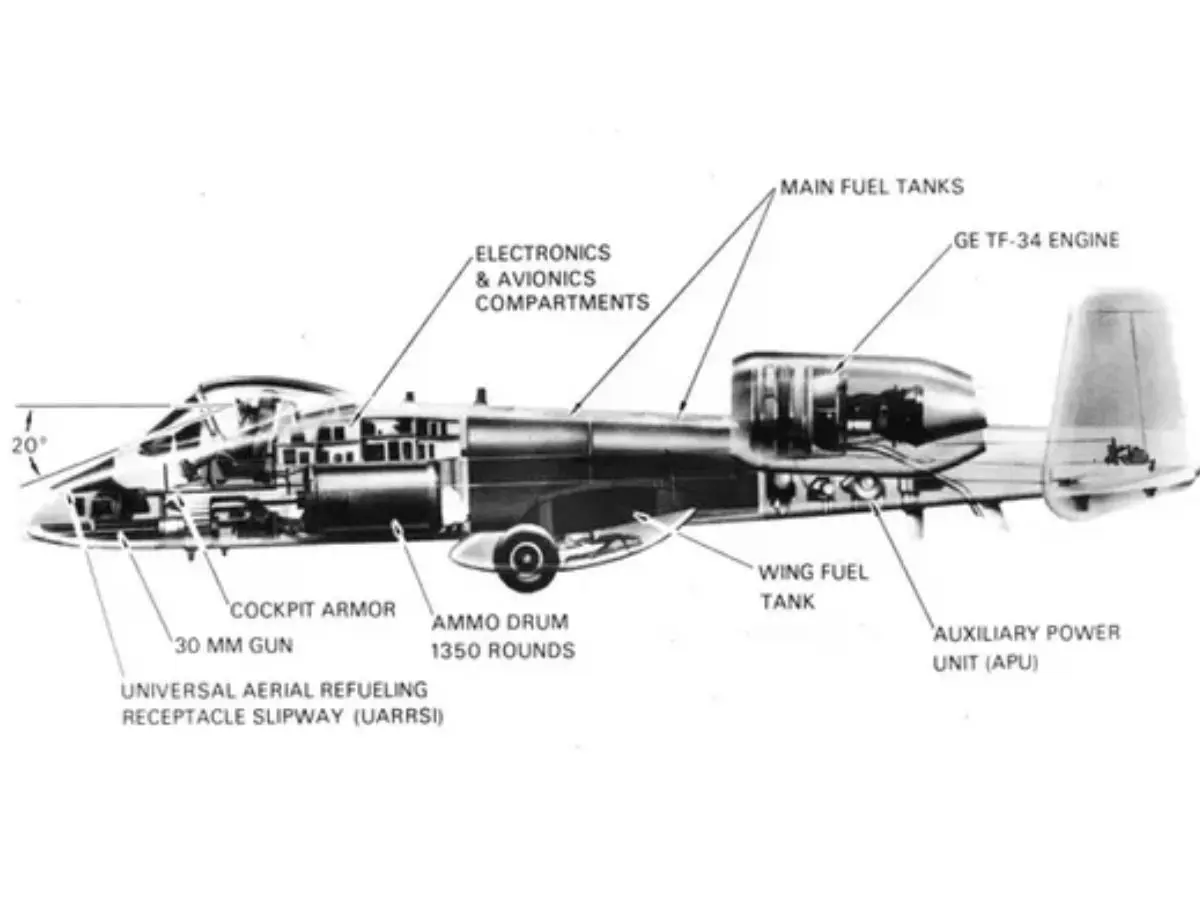
Designed for close air support, the A-10 Thunderbolt II is built around its 30mm GAU-8/A Gatling gun, capable of firing 3,900 rounds per minute. It can carry up to 16,000 pounds of ordnance, including Maverick missiles and laser-guided bombs. Its long loiter time and heavy armour have made it a key platform in conflicts such as the Gulf War, where it flew 8,100 sorties and demonstrated high mission capability rates.
Modernisation Pressure and Criticism
Reuters says that even within the Air Force, critics argue the aircraft is “too old, too slow and too expensive to maintain,” and say retiring it would free resources for next-generation systems such as hypersonic weapons. Officials have also warned that retaining the fleet strains maintenance capacity and limits mechanics available for newer aircraft.
Strategic and Political Resistance
Despite these concerns, the A-10 has proven politically difficult to retire. A significant number of aircraft are based at Davis-Monthan Air Force Base in Arizona, a major local employer in a politically influential state, according to Reuters. In 2021, Senator Mark Kelly secured legislative language blocking planned retirements, arguing that no replacement could yet fully perform the close air support role.
Operational Use and Battlefield Record
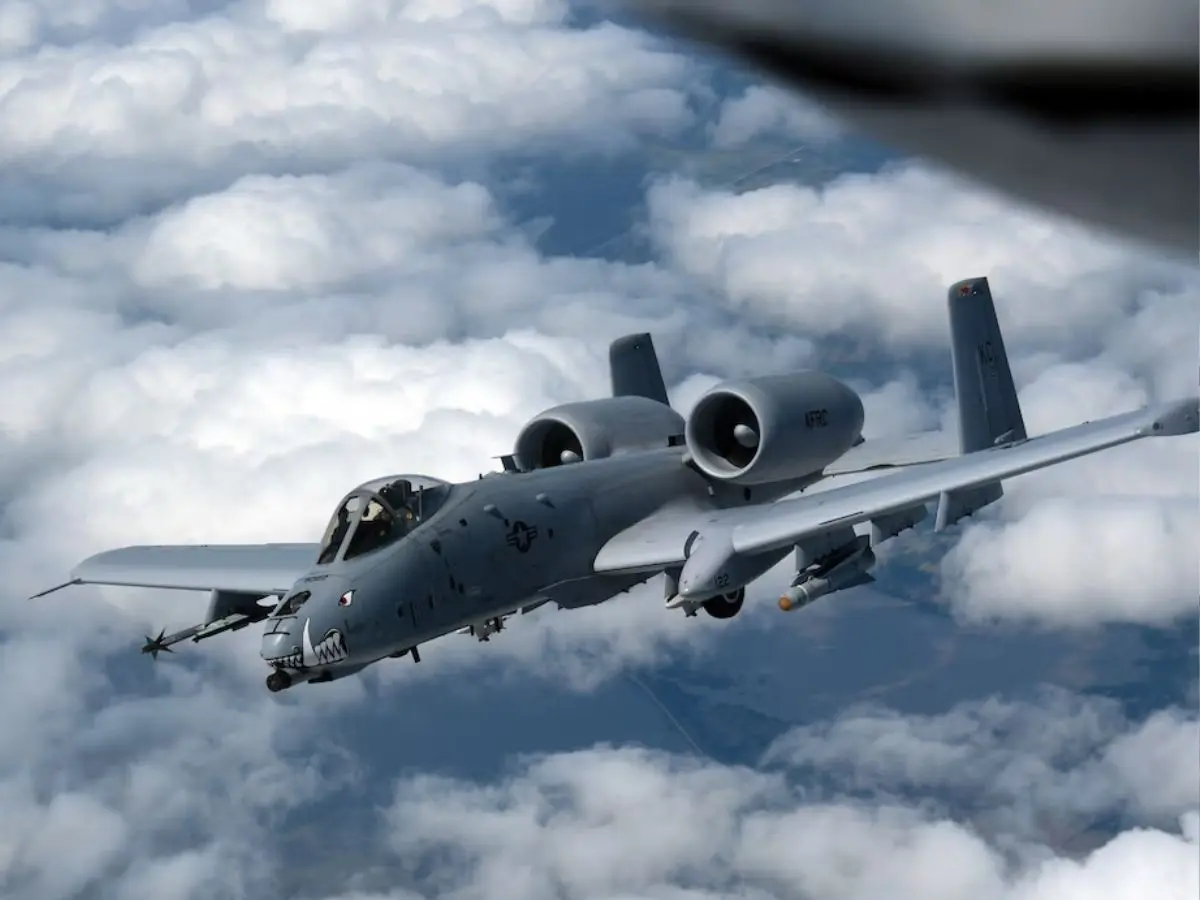
The aircraft has played a sustained role in US operations, particularly in the Middle East. Its ability to deliver precise ground fire support has kept it relevant even as the Pentagon shifts towards multi-role stealth platforms and advanced strike systems.
)

)
)
)