'Too many docs': DOJ splits Epstein release into batches, won't release all files today

The Epstein Files Transparency Act gave the DOJ exactly 30 days to release the files. It does not explicitly provide for a "rolling deadline" or a partial release.
1. The "Too Many Docs" Delay
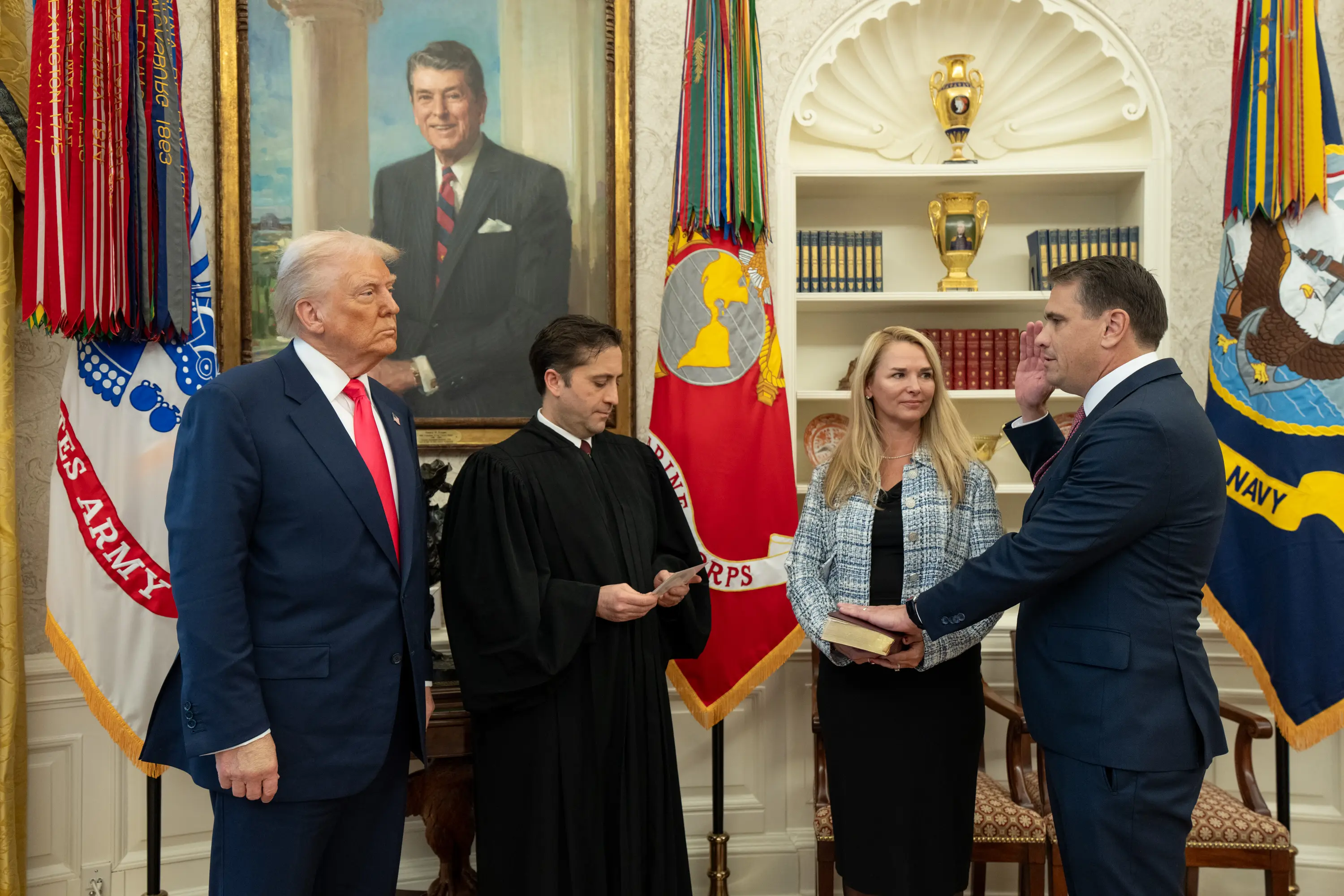
The Department of Justice admitted today that it cannot meet the full deadline set by the Epstein Files Transparency Act. Deputy Attorney General Todd Blanche told Fox News that while "several hundred thousand" documents will be released today (Friday), the sheer volume is too high to finish. He expects "several hundred thousand more" to be released over the next couple of weeks, effectively turning a hard legal deadline into a rolling window.
2. The Redaction Bottleneck
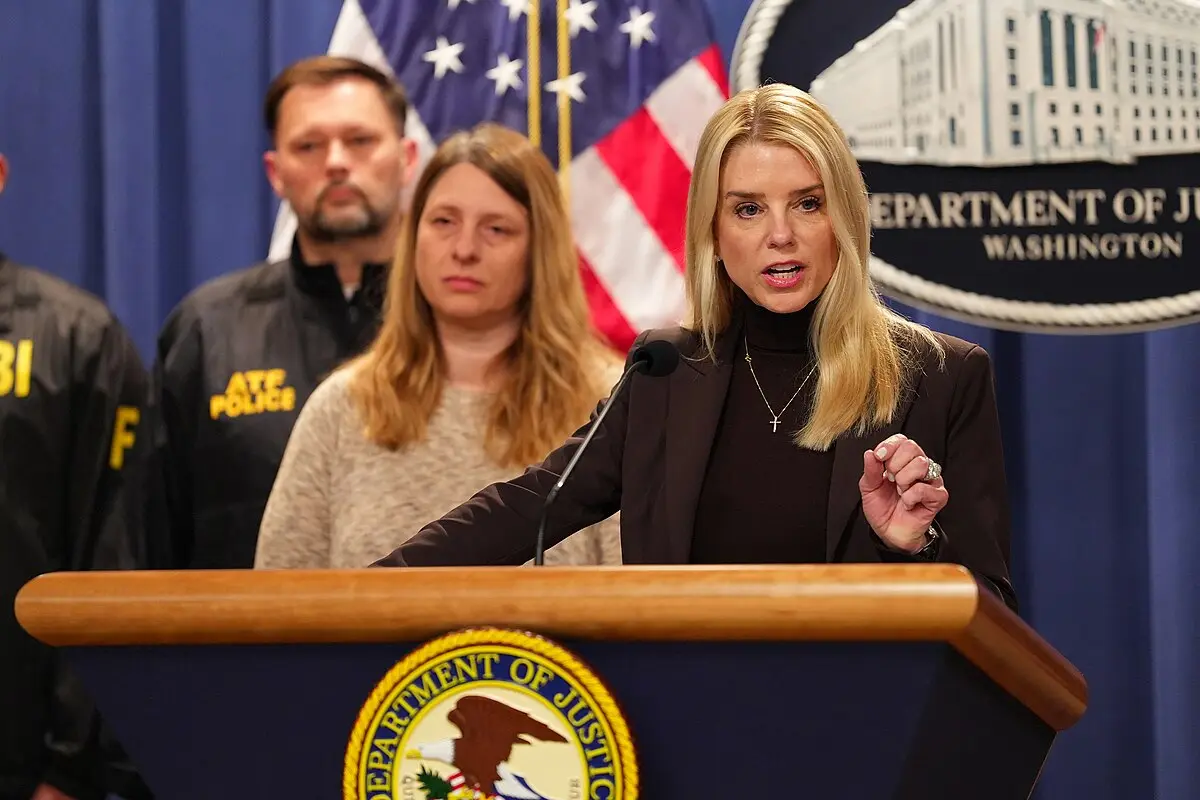
Blanche attributed the delay to the painstaking process of victim protection. "We are looking at every single piece of paper," Blanche explained, ensuring that every victim's name, identity, and story is "completely protected." The DOJ argues that rushing this process would risk exposing the innocent or traumatised, necessitating the split release.
3. The "Rolling" Violation?
The Epstein Files Transparency Act gave the DOJ exactly 30 days to release the files. It does not explicitly provide for a "rolling deadline" or a partial release. By holding back half the archive for "weeks," the DOJ could technically be running afoul of the law. Under the statute, the DOJ has 15 days to provide a written rationale for any documents withheld, a clock that is now ticking.
4. Massie’s Warning: "Ink Not Dry"
Rep. Thomas Massie (R-Ky.), who pushed the bill through Congress, warned yesterday that there is "no ambiguity" in the law. "The president... signed the law and the ink is not even dry yet," Massie said in a video statement. He emphasised that President Trump agreed to comply and that Attorney General Pam Bondi "has to comply," hinting at potential penalties or congressional oversight if the DOJ drags its feet.

5. What Will Be Released Today?
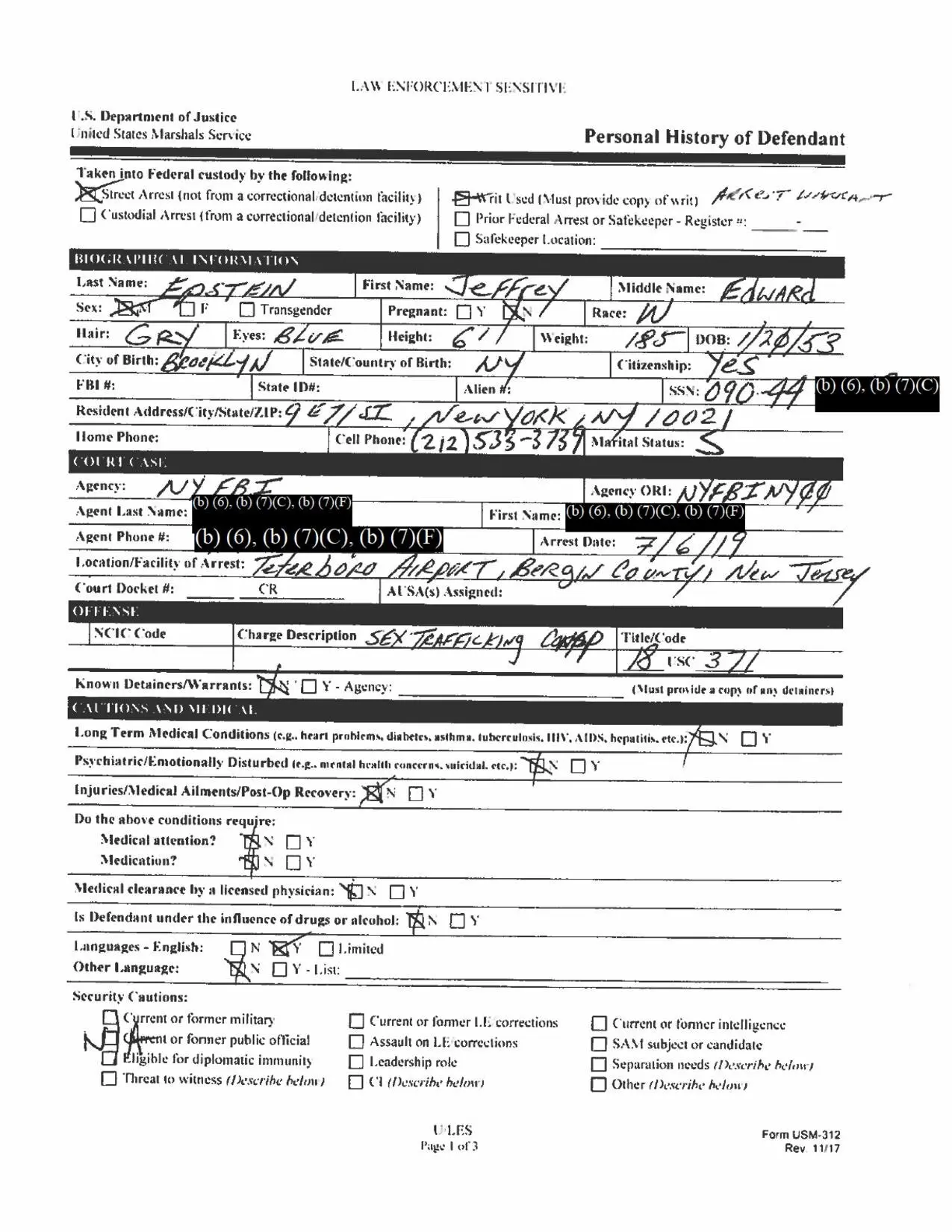
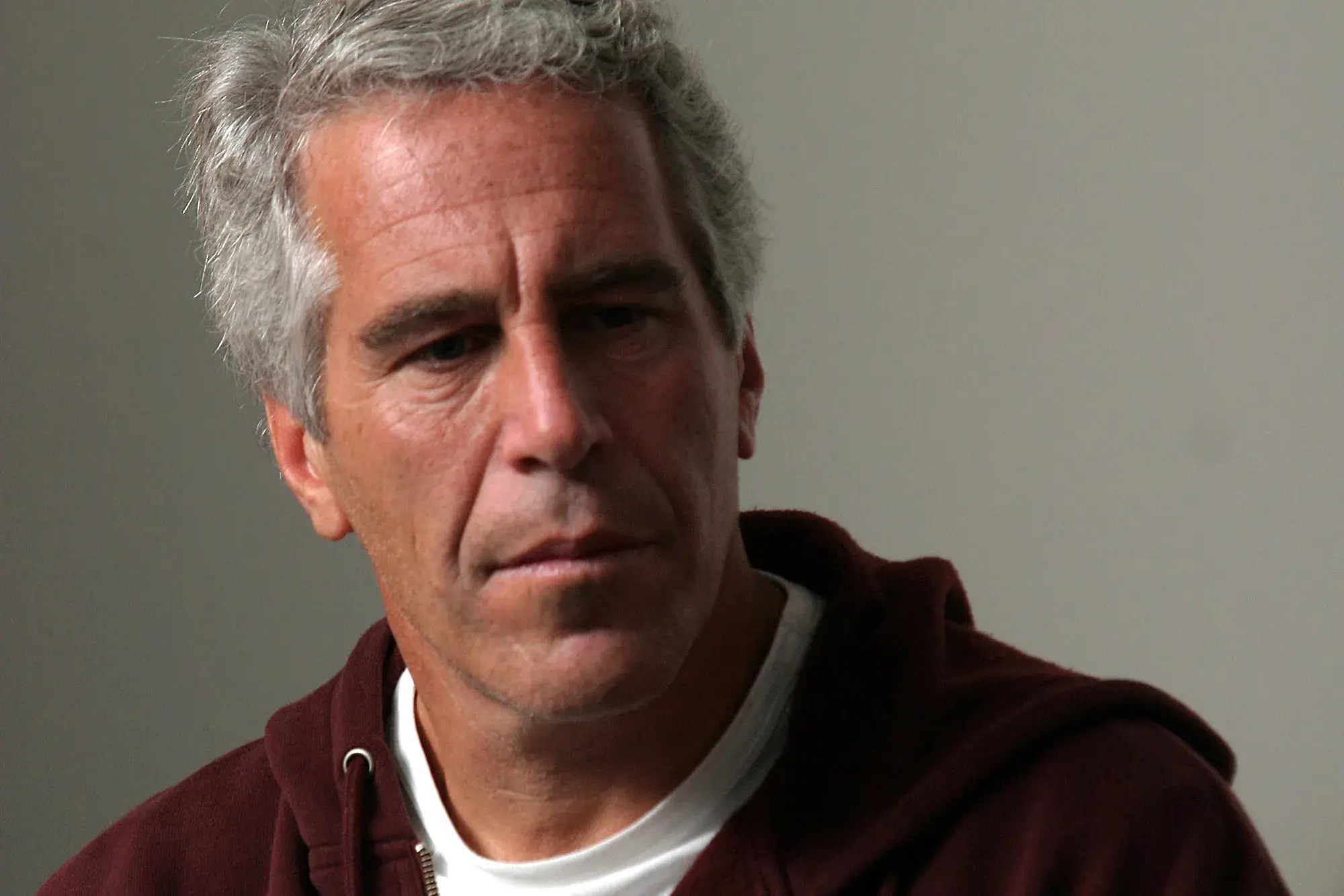
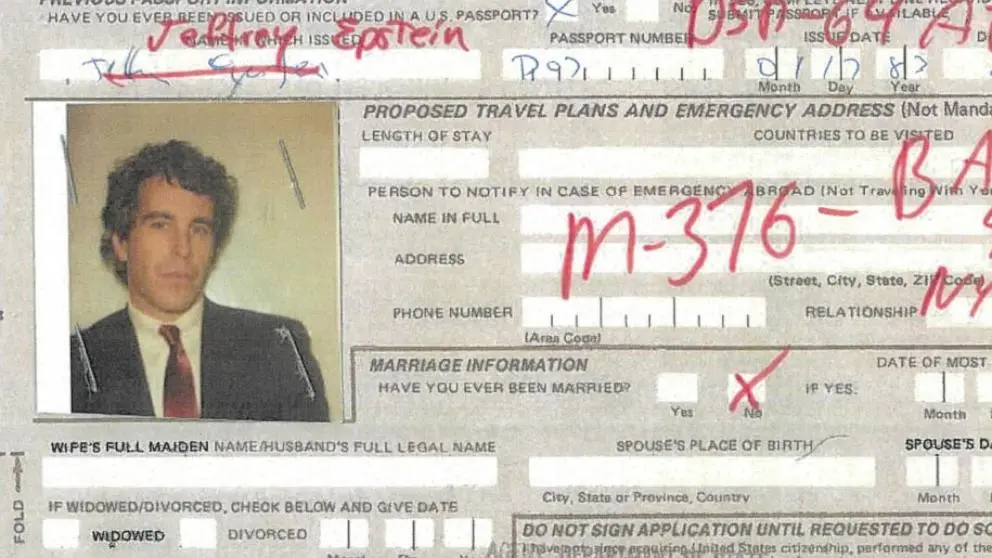
Despite the delay, today's drop is massive. Blanche confirmed the initial batch will include evidence in "all different forms," specifically mentioning photographs and other investigative materials associated with Jeffrey Epstein. This first wave is expected to be substantial, even if incomplete.
6. Trump’s Pivot
The law compelling this release passed with near-unanimous support and was signed by President Trump, who notably reversed his earlier stance opposing the release. This political backdrop makes the delay sensitive; the administration is tasked with executing a transparency mandate that the President himself eventually championed.

7. The "Unique Situation"
Massie described the scenario as "unique" because the executive branch (DOJ) is legally bound by a specific, fresh statute signed by their own boss (Trump). With the DOJ acknowledging they are withholding "hundreds of thousands" of pages for later review, the coming weeks will likely see a legal or political tug-of-war over whether "too many docs" is a valid excuse for missing a statutory deadline.
)
)
)
)
)