'Too heavy to lift?': How the USS Abraham Lincoln carries so many bombs and missiles

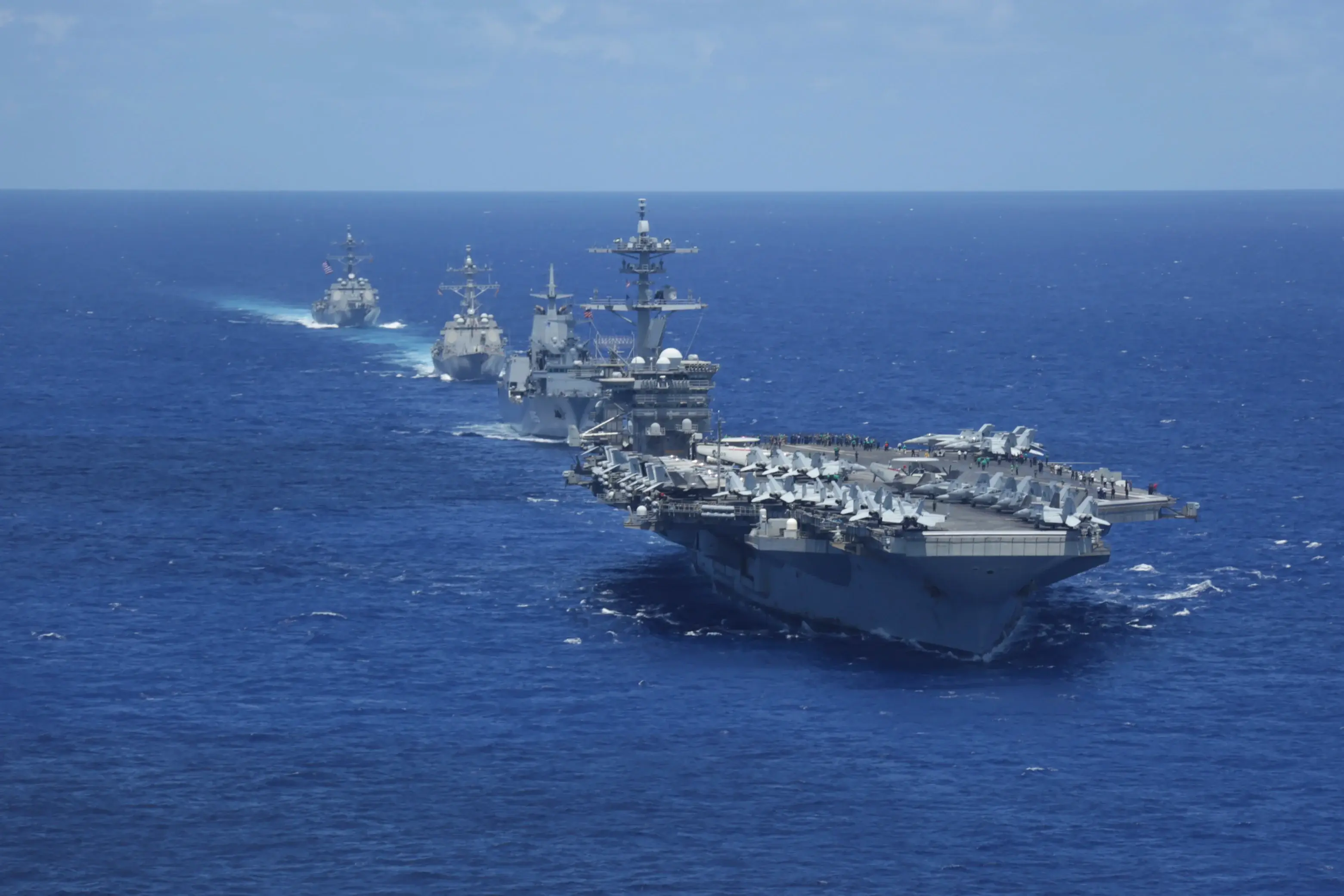
The USS Abraham Lincoln is a 100,000-tonne nuclear supercarrier capable of carrying 2,000 tonnes of ordnance. With 90 aircraft and a crew of 5,000, it projects immense power.
A 100,000-tonne giant
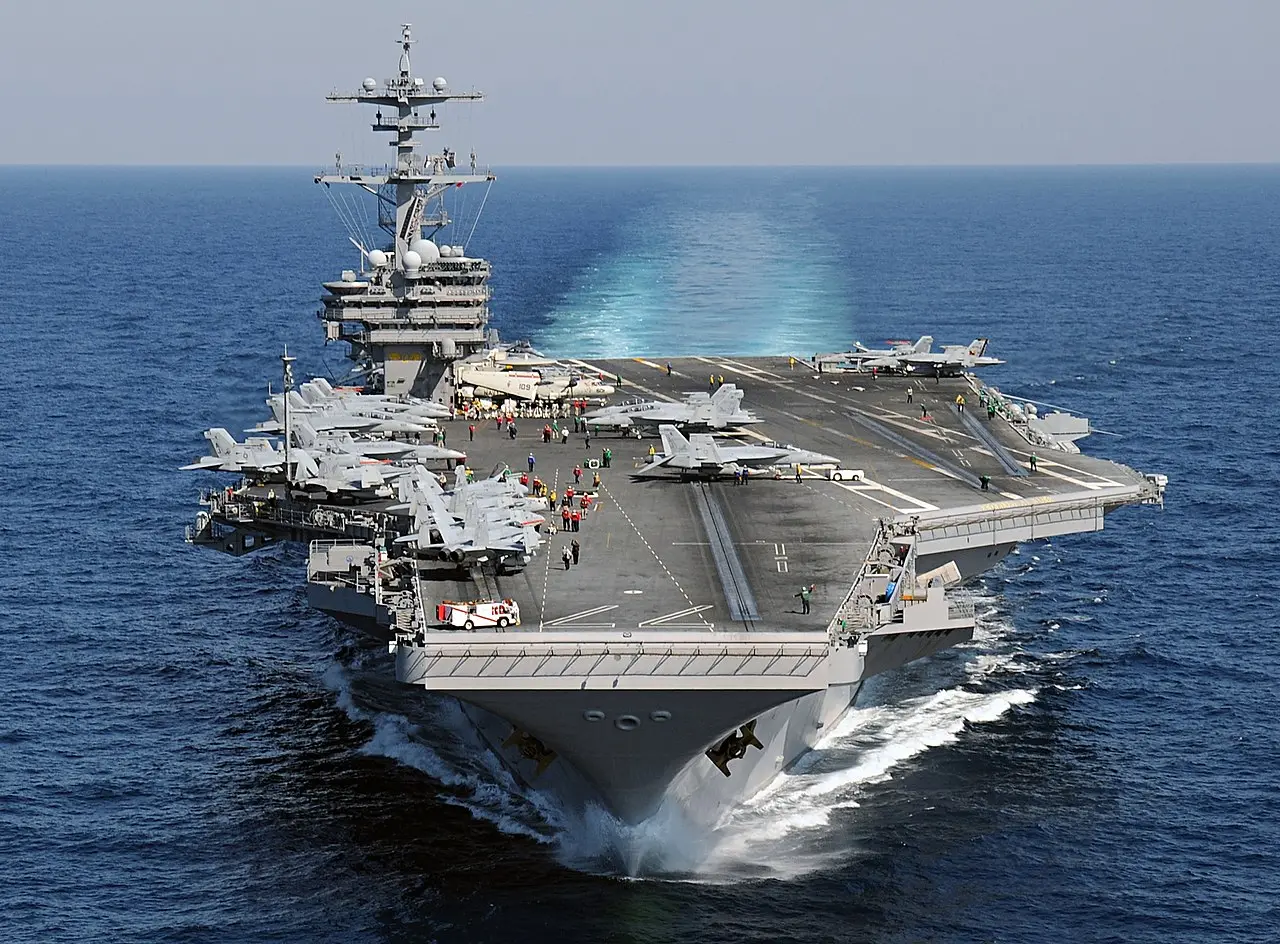
The USS Abraham Lincoln is a true titan of the seas, with a full-load displacement of approximately 104,000 tonnes. This immense size allows it to serve as a stable platform for flight operations even in rough waters. Its flight deck covers 4.5 acres, providing ample space for launching and recovering aircraft simultaneously. The ship’s sheer bulk is essential for carrying the weight of its massive air wing and munitions.
2,000 tonnes of bombs
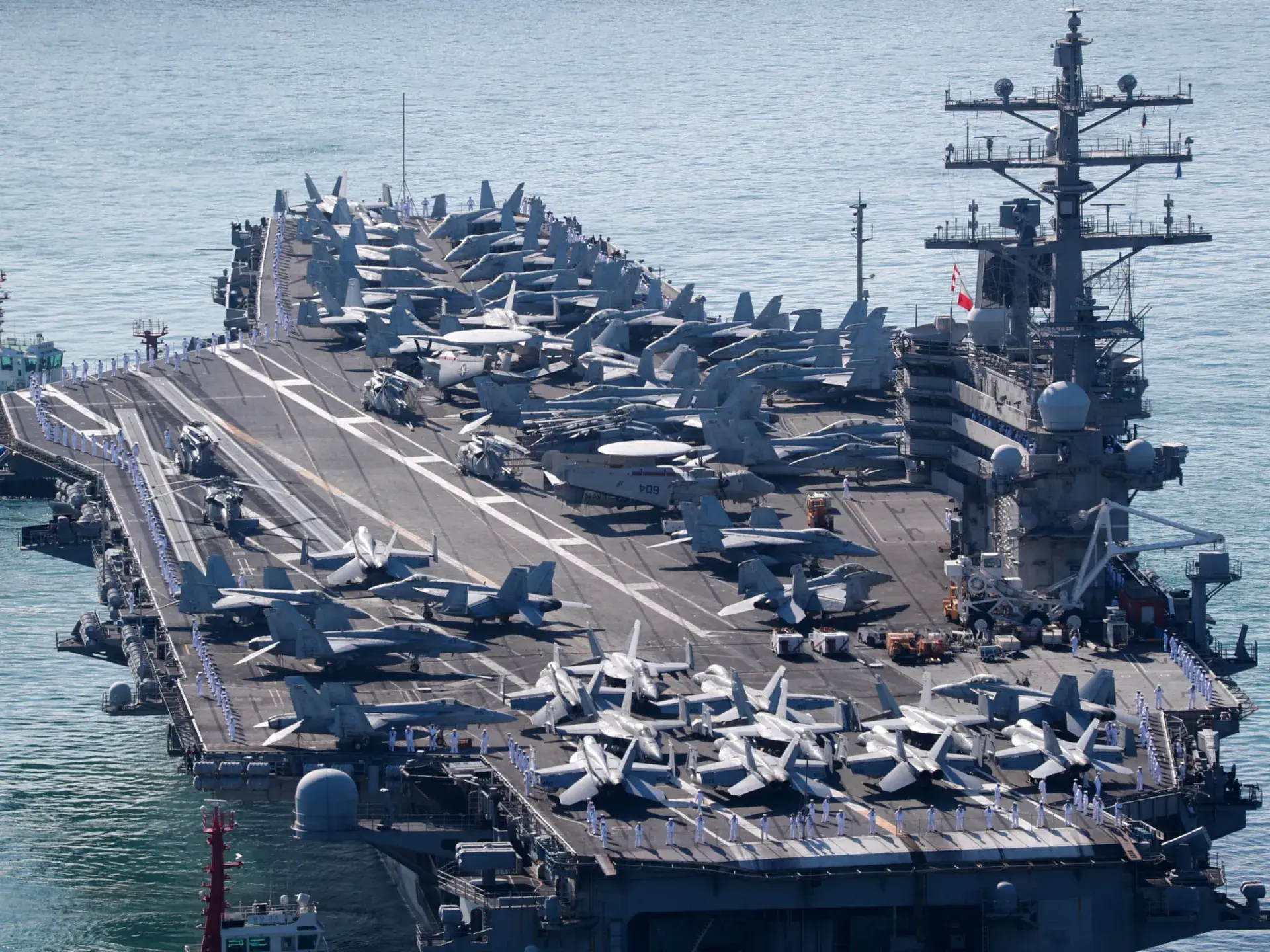
Deep within the ship's hull, protected magazines hold approximately 2,000 tonnes (nearly 4 million pounds) of aviation ordnance. This stockpile includes laser-guided bombs, air-to-air missiles, and cruise missiles. The magazines are heavily armoured to protect the ship from accidental explosions or enemy strikes. This capacity allows the carrier to sustain high-intensity combat operations for days without resupply
Moving the heavy firepower
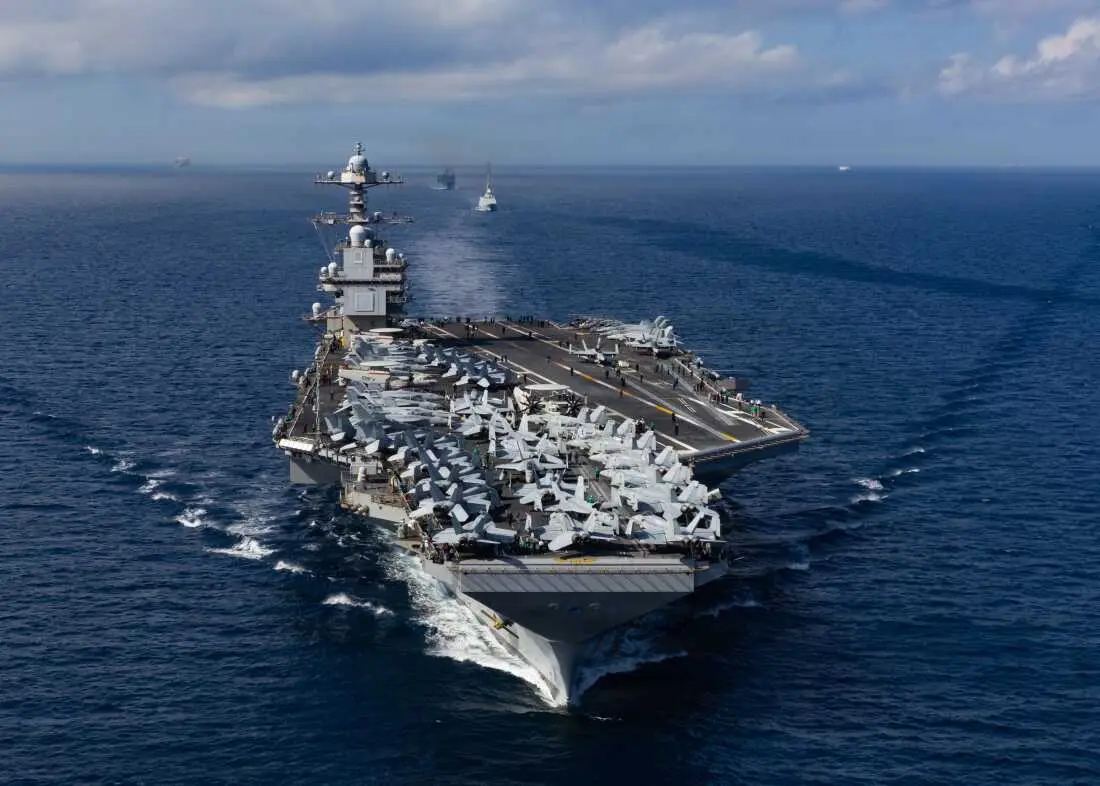
Transporting heavy bombs from deep magazines to the flight deck requires a complex system of logistics. The ship utilises dedicated weapons elevators that travel through the decks to deliver ordnance to the hangar and flight deck. These mechanical lifters are critical for maintaining the flow of munitions during combat sorties. A jam in this system can significantly slow down the ship's ability to launch strikes.
The 'Bomb Farm'
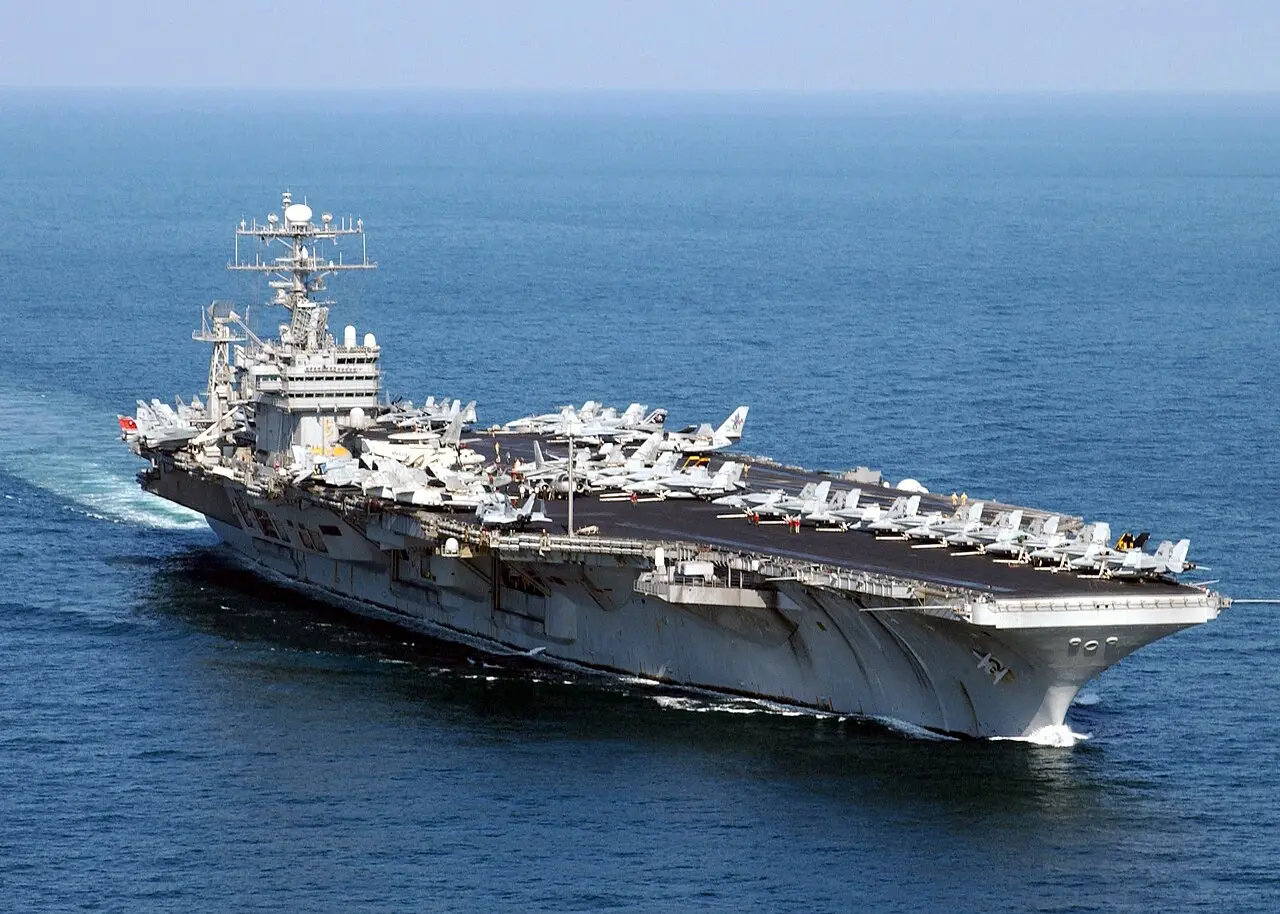
Once weapons reach the flight deck, they are staged in a designated area known by the crew as the 'Bomb Farm'. Here, aviation ordnancemen (wearing red jerseys) assemble and prepare the munitions for loading onto aircraft. This area is one of the most dangerous spots on the ship due to the concentration of live explosives. Strict safety protocols are enforced to prevent accidents in this high-tempo environment.
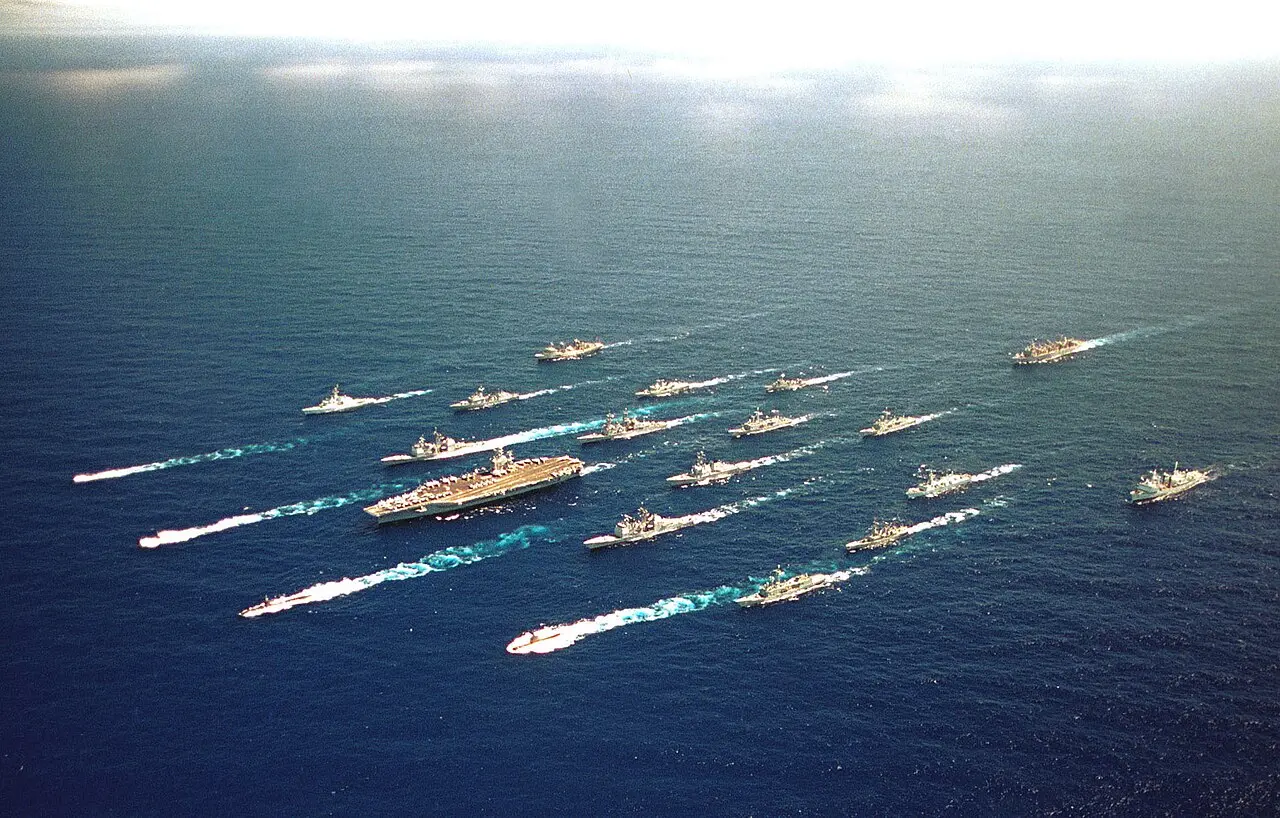
A 90-aircraft air wing
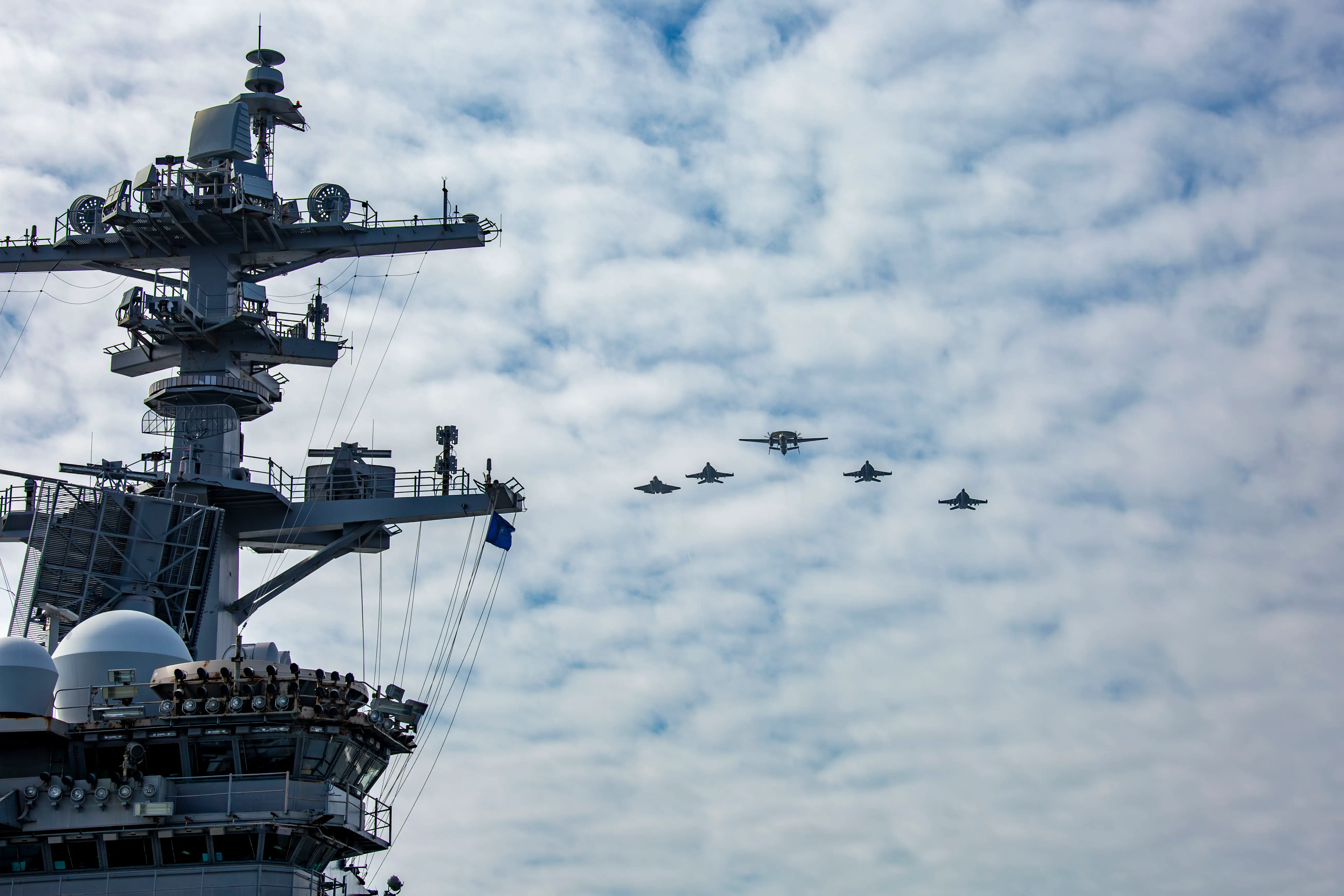
The carrier is designed to accommodate a Carrier Air Wing (CVW) of up to 90 fixed-wing aircraft and helicopters. This includes F-35C Lightning II stealth fighters, F/A-18 Super Hornets, and E-2D Hawkeye early warning planes. The mix of aircraft allows the ship to perform diverse missions, from air superiority to ground strikes. The hangar bay below the deck provides maintenance space for these sophisticated machines.
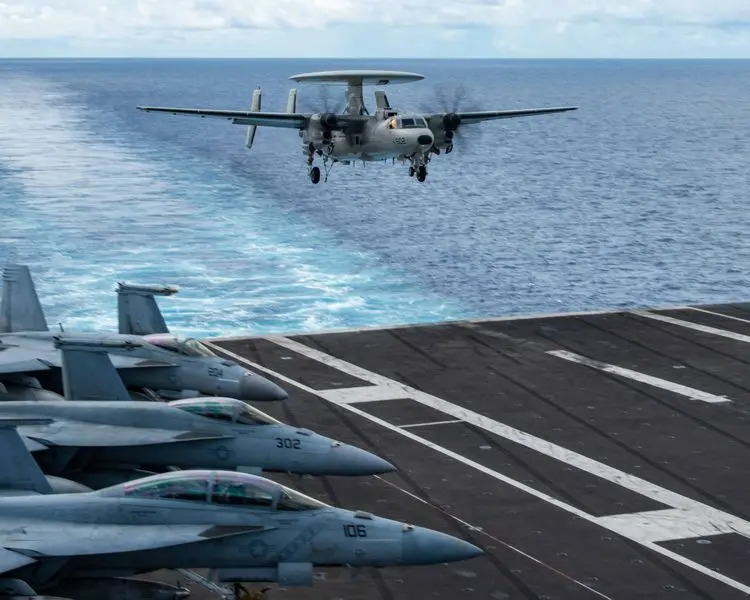
Four launches per minute
Efficiency is key to the USS Abraham Lincoln’s power, with the ability to launch up to four aircraft every minute. Four powerful steam catapults drive this sortie rate, accelerating a 30-tonne jet from zero to 160 mph in just two seconds. This rapid launch capability ensures that the ship can put a massive amount of firepower into the air quickly. It requires precise coordination between the flight deck crew and the pilots.
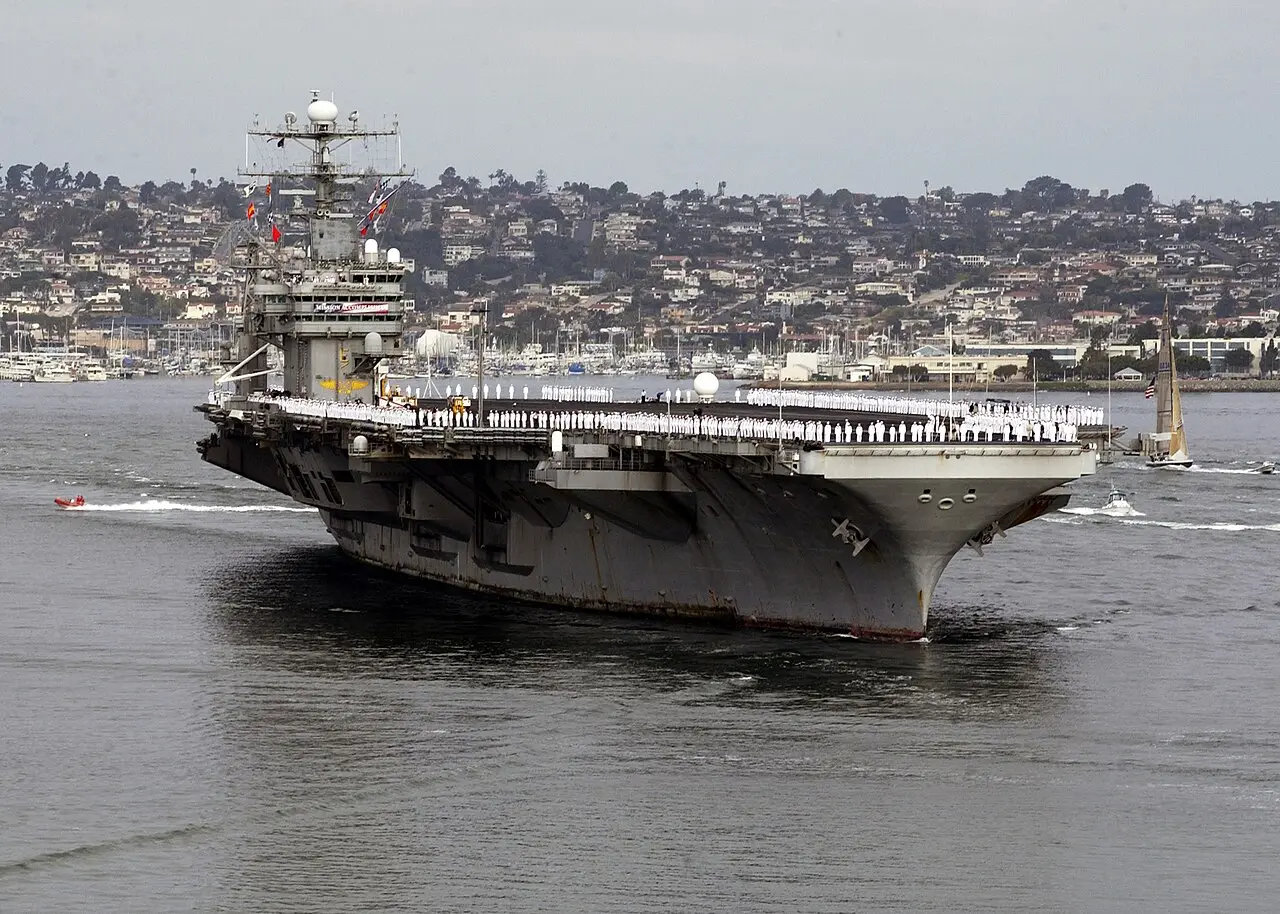
Unlimited nuclear range
Two Westinghouse A4W nuclear reactors power the ship, giving it a virtually unlimited range. It can sail for 20 to 25 years without needing to refuel, limited only by food and supplies for the crew. This nuclear propulsion frees up massive amounts of internal storage space that conventional ships would use for fuel oil. That extra space is used to carry more aviation fuel and bombs.
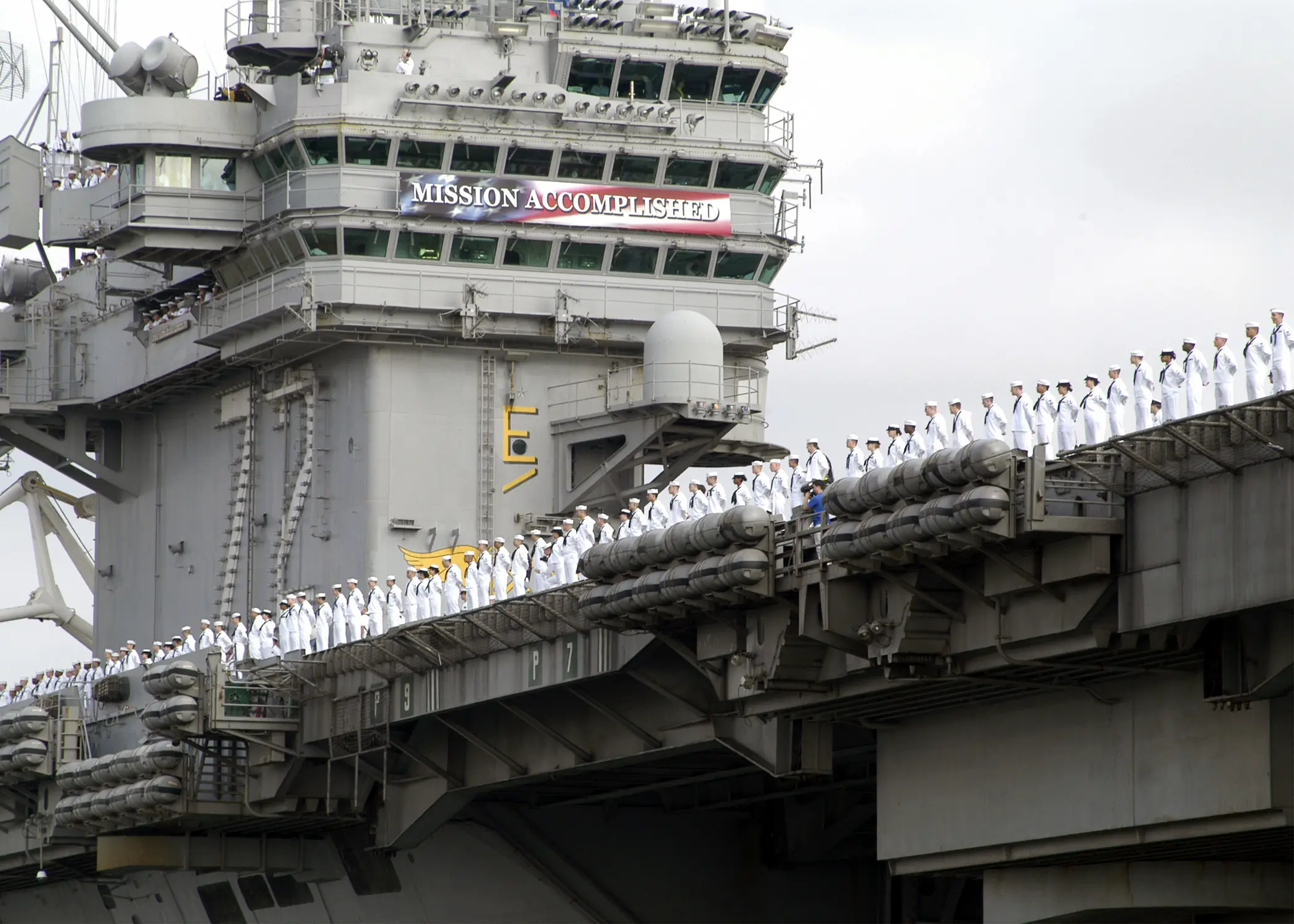
Replenishment at sea
Despite its massive storage, the carrier eventually needs more fuel and ammo during long deployments. It conducts Underway Replenishment (UNREP) operations, receiving pallets of bombs and hoses for fuel from supply ships while moving. Helicopters and wire rigs transfer tonnes of cargo between ships sailing side-by-side. This capability allows the Lincoln to stay on station near conflict zones indefinitely.
The Red Shirts
The crew members responsible for handling the explosives wear red jerseys and are affectionately known as 'Red Shirts'. Their job involves physically loading heavy missiles and bombs onto the aircraft wings, often in extreme weather. They are trained in the technical details of fusing and arming various weapon systems. Their manual labour is the final link in the chain that puts firepower on the target.
30 knots of speed
Despite being 'too heavy to lift' in a literal sense, the ship is surprisingly fast. Its four propellers, each weighing 30 tonnes, can push the vessel to speeds exceeding 30 knots (over 56 km/h). This speed is vital for generating the wind-over-deck required to launch aircraft with heavy bomb loads. It also allows the carrier group to outrun submarines and rapidly reposition across oceans.
)
)
)
)
)