'Tomahawk escorts': How USS Spruance and USS Michael Murphy clear the way for USS Abraham Lincoln

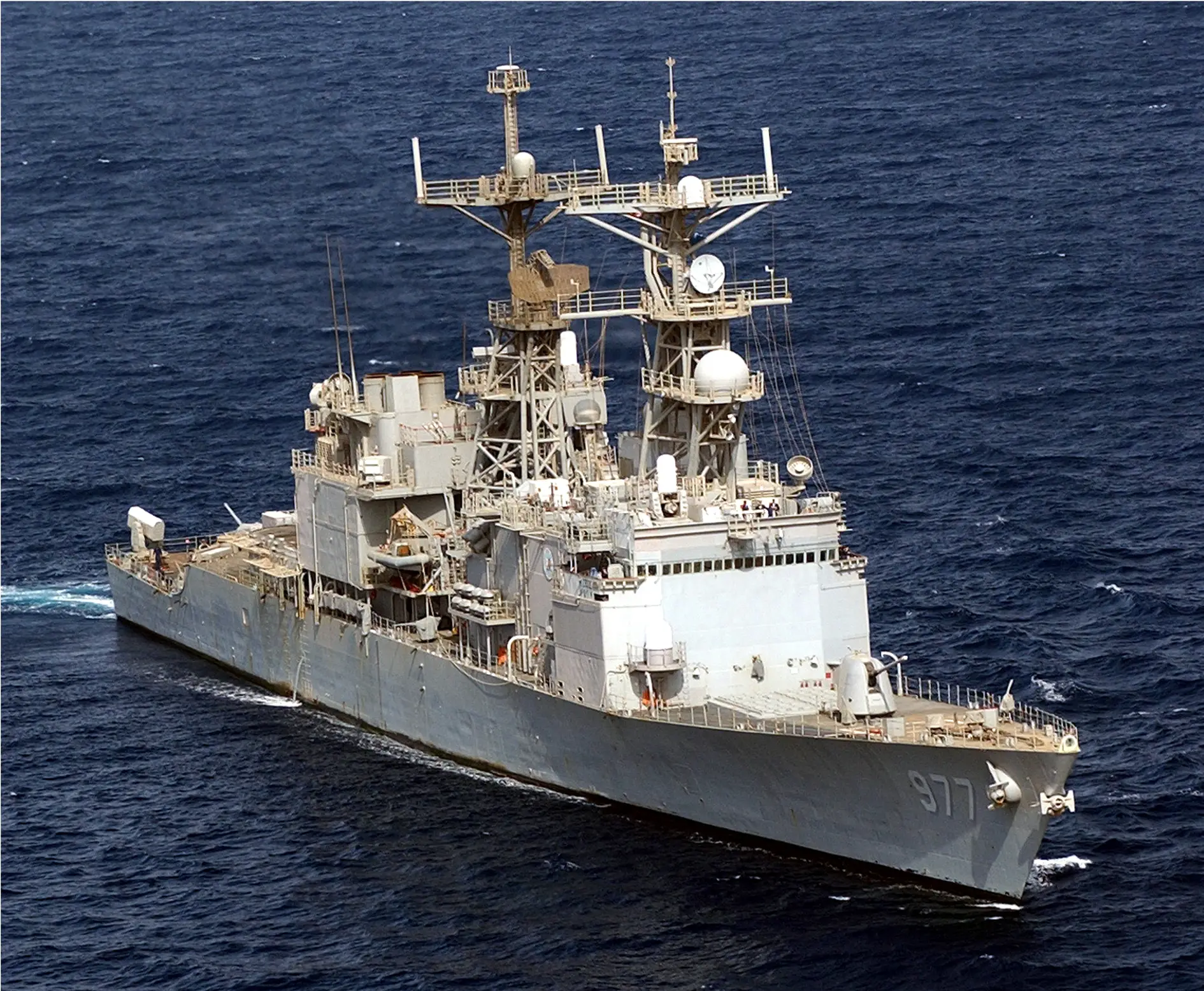
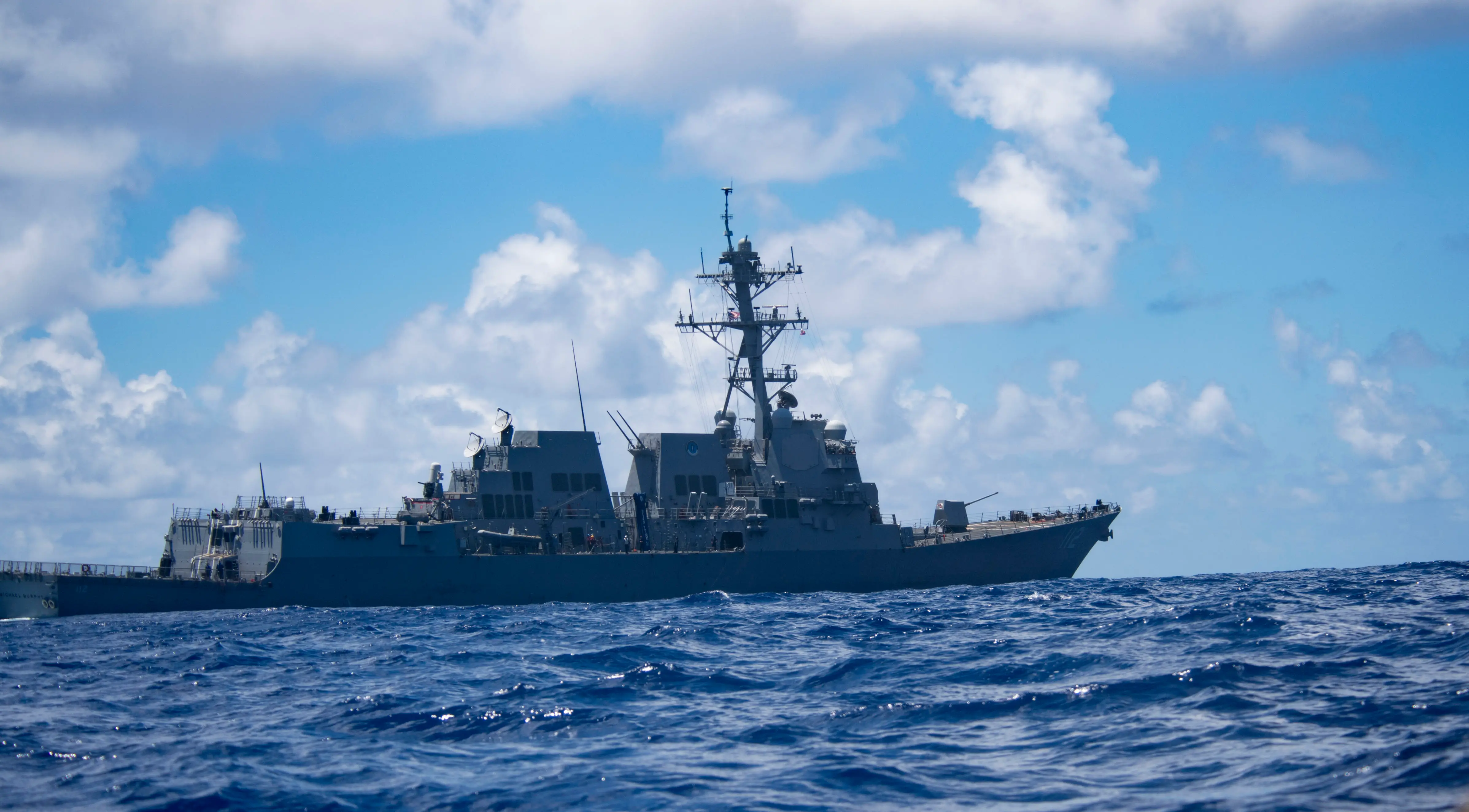
The USS Abraham Lincoln carrier strike group relies on the heavily armed destroyers USS Spruance and USS Michael Murphy. Armed with Tomahawk missiles, they neutralise threats in volatile waters.
100,000-Tonne Nimitz Class
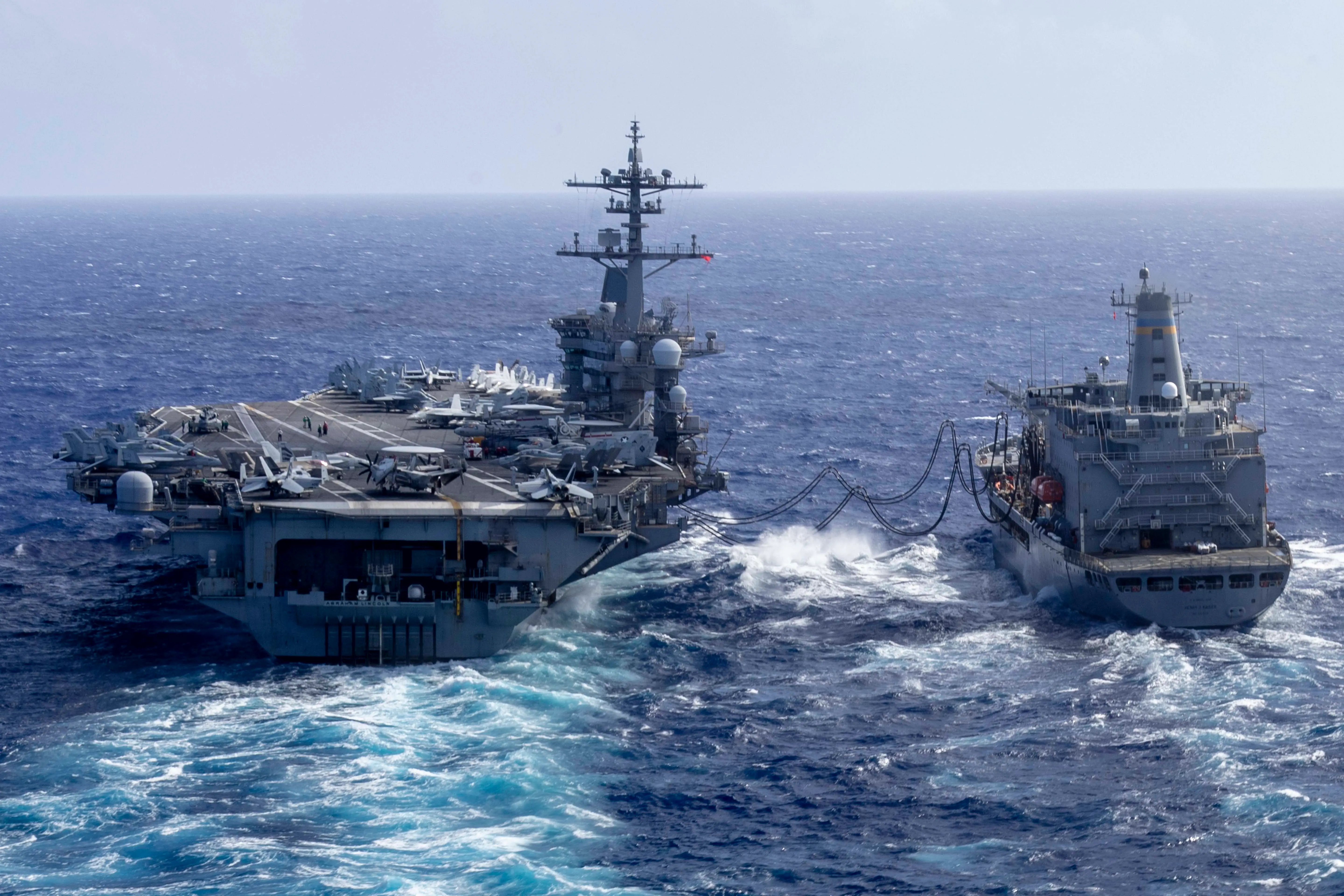
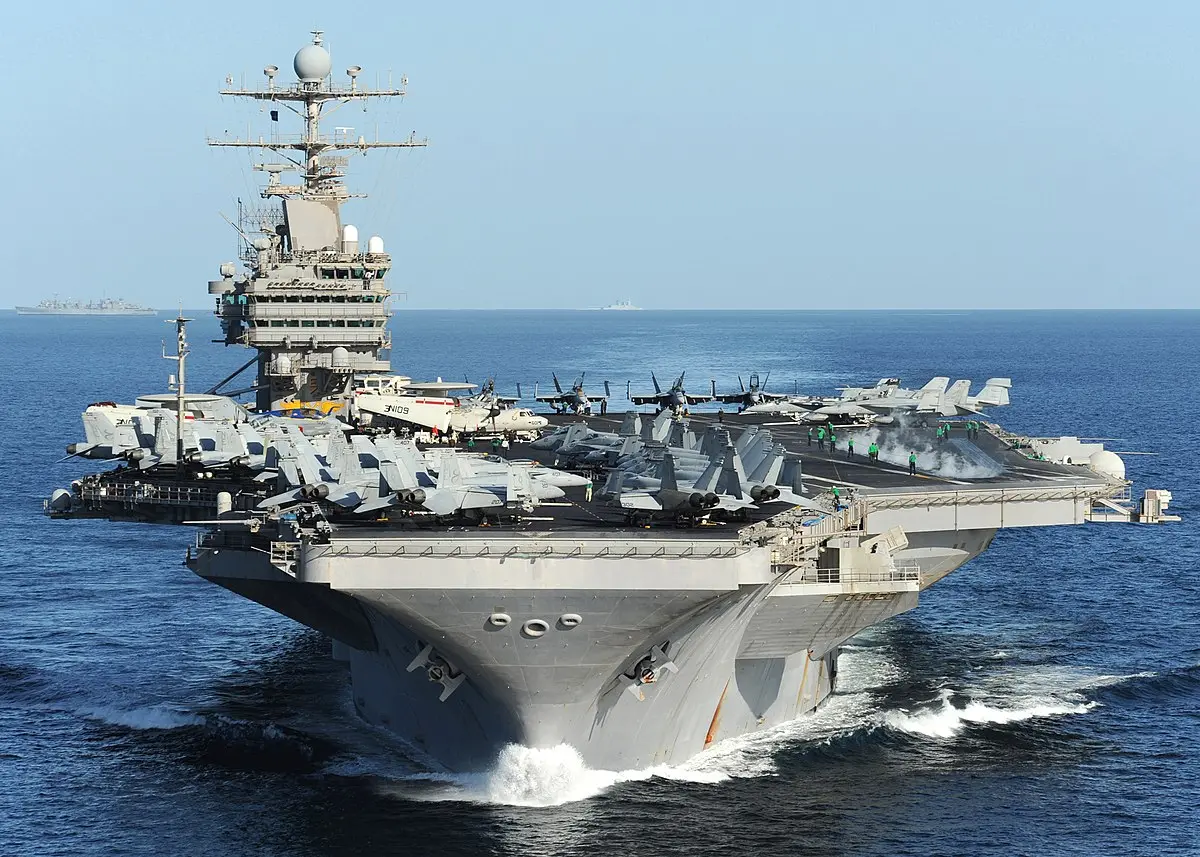
The USS Abraham Lincoln is a nuclear-powered aircraft carrier displacing over 100,000 tonnes. It serves as a sovereign mobile airbase, projecting American military power across volatile global theatres. Escorted by heavily armed destroyers, it ensures regional stability.
90 Advanced Combat Aircraft
The carrier's flight deck supports up to 90 fixed-wing aircraft and helicopters. Its arsenal includes the fifth-generation F-35C Lightning II stealth fighters and F/A-18 Super Hornets. These aircraft facilitate rapid launches for precision strikes and reconnaissance.
3 Arleigh Burke Destroyers
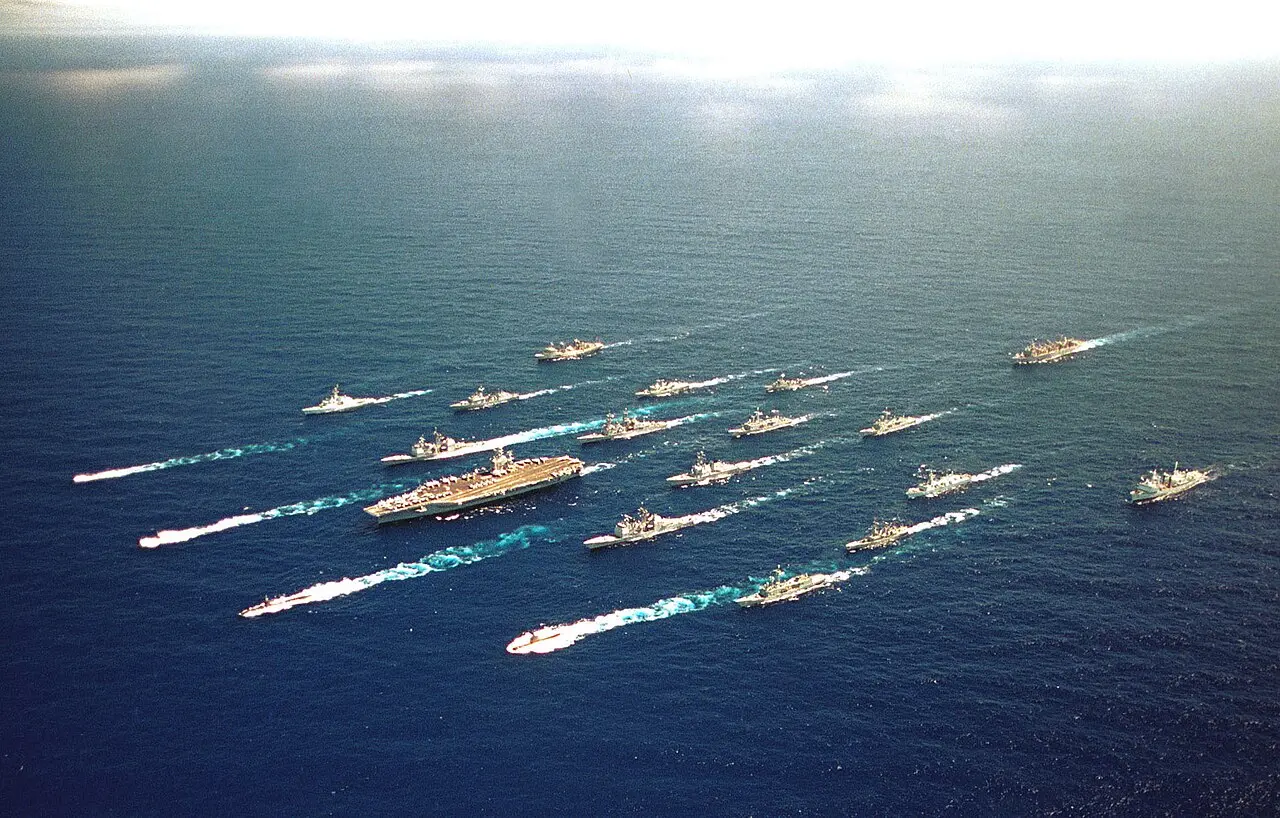
Carrier Strike Group 3 includes three Arleigh Burke-class guided-missile destroyers. The USS Spruance, USS Michael Murphy, and USS Frank E. Petersen Jr. form a protective shield around the aircraft carrier. They execute integrated air, surface, and subsurface defence operations.
1,000-km Range Tomahawks
The escorting destroyers are equipped with lethal Tomahawk land-attack cruise missiles. These long-range weapons are capable of striking high-value targets deep inland. The Tomahawk arsenal provides the strike group with a rapid-response offensive capability.
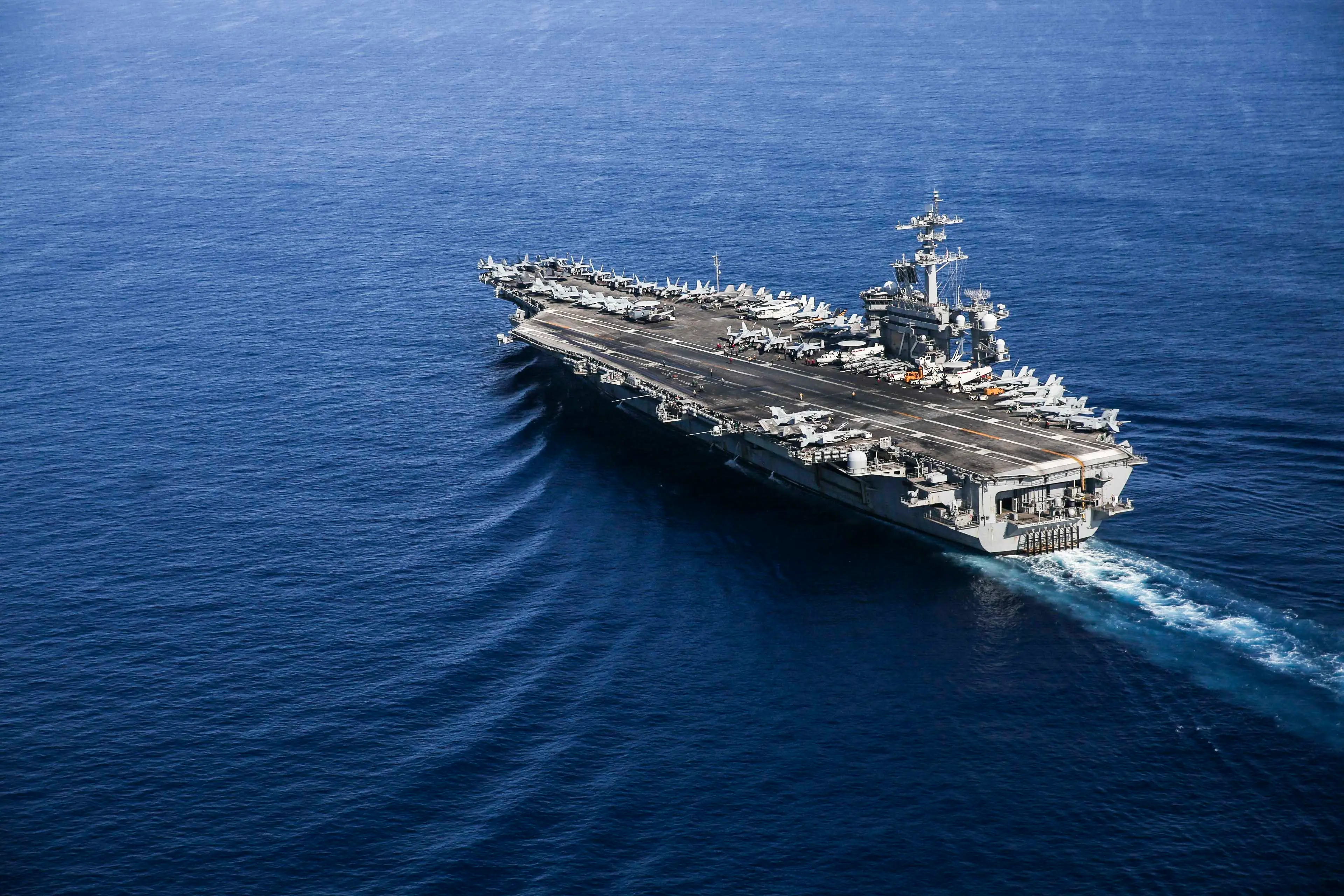
333 Metres of Power
Stretching 333 metres in length, the USS Abraham Lincoln requires a robust defensive perimeter. The USS Spruance utilises powerful radar and sensor systems to detect incoming hostile threats. This allows the carrier to operate safely in highly contested maritime zones.
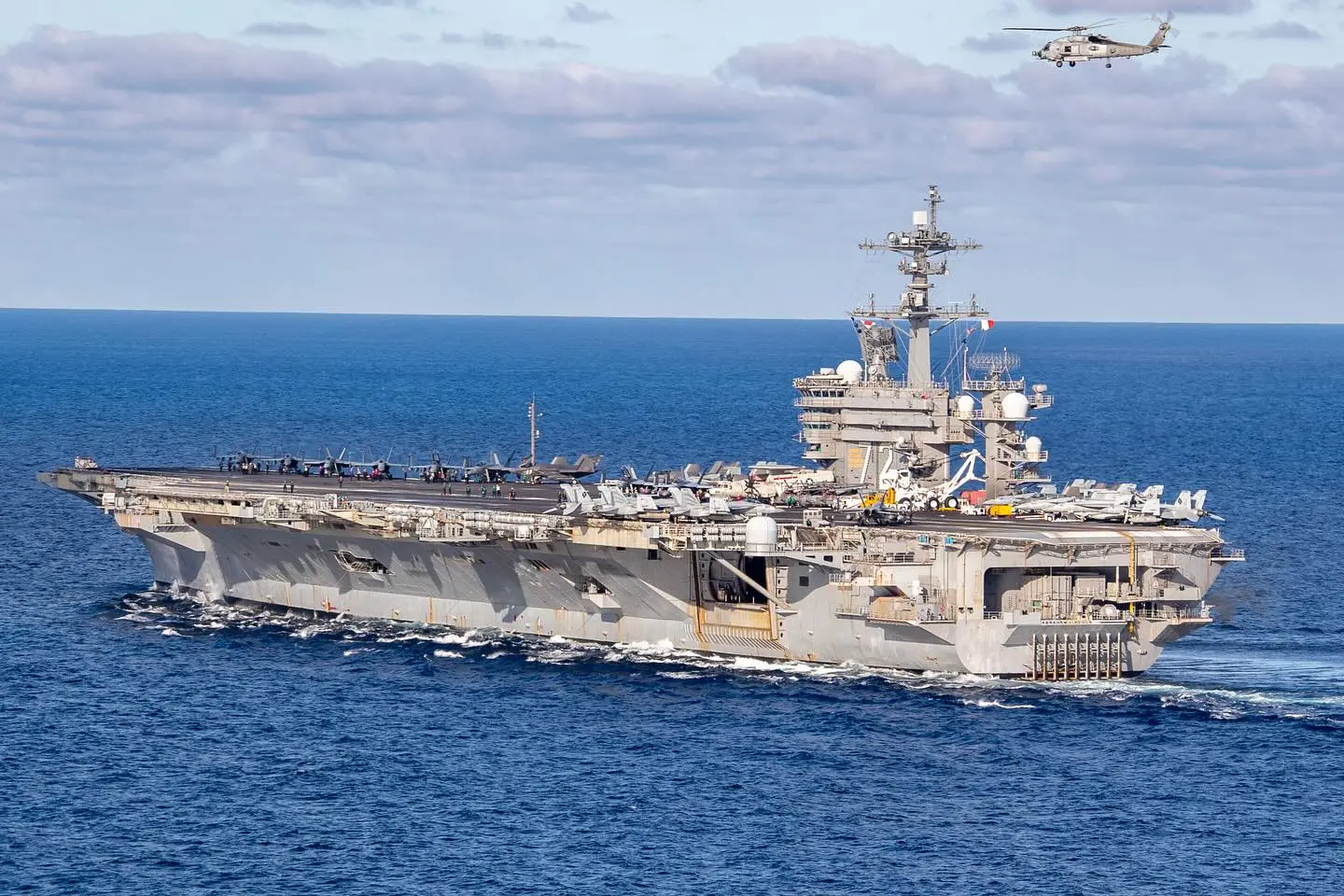
5,680 Strike Group Personnel5,680 Strike Group Personnel
The carrier accommodates a crew of roughly 3,200 sailors alongside an air wing of 2,480 personnel. The accompanying destroyers add hundreds more to the total operational force. Together, they form an elite team trained for complex maritime warfare.
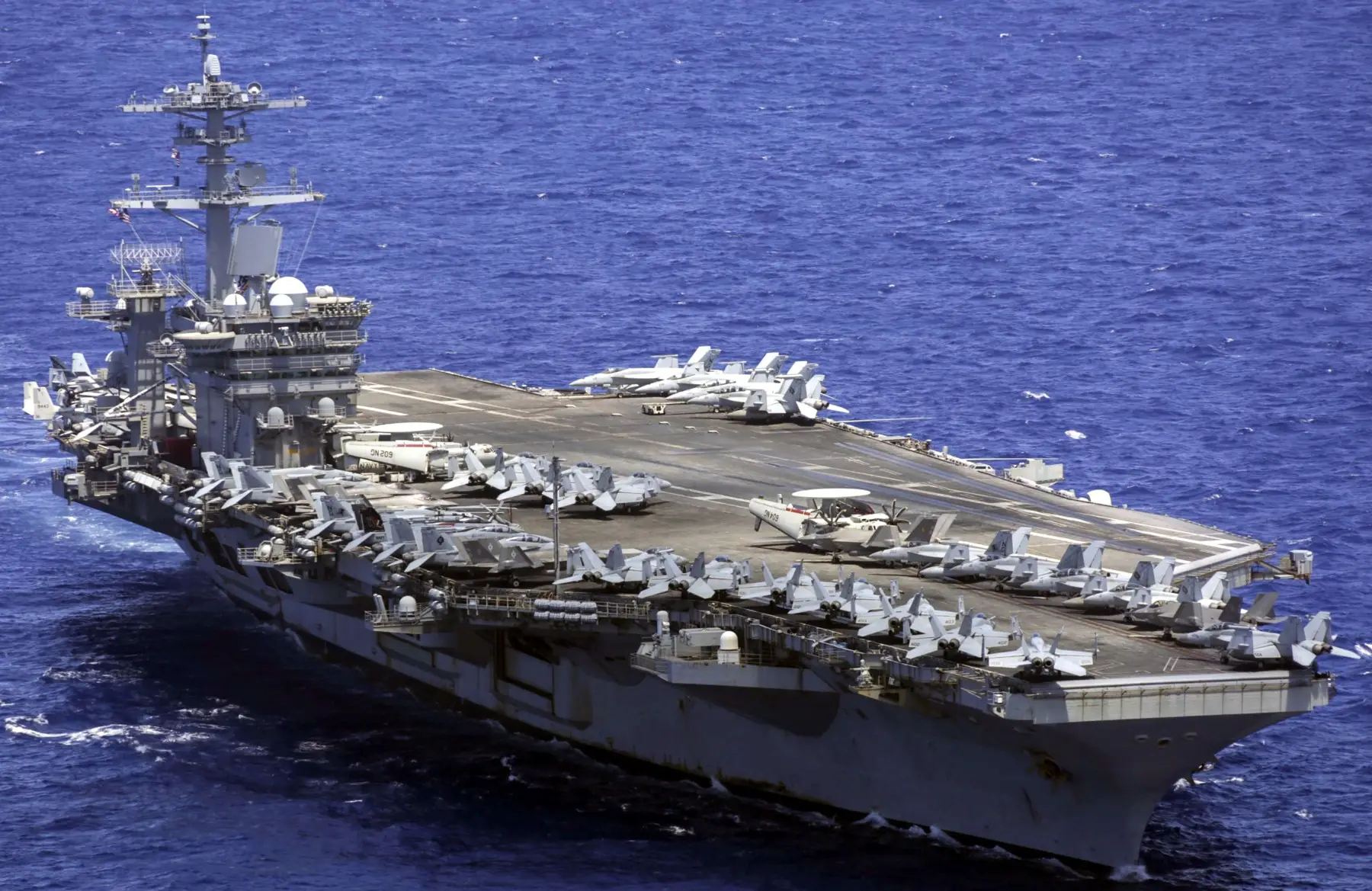
100s of Drone Threats
The strike group faces modern asymmetrical threats, including inexpensive drone swarms. The USS Michael Murphy and USS Spruance use advanced surface-to-air interceptors to neutralise these dangers. Their defensive systems are designed to counter intense saturation attacks.
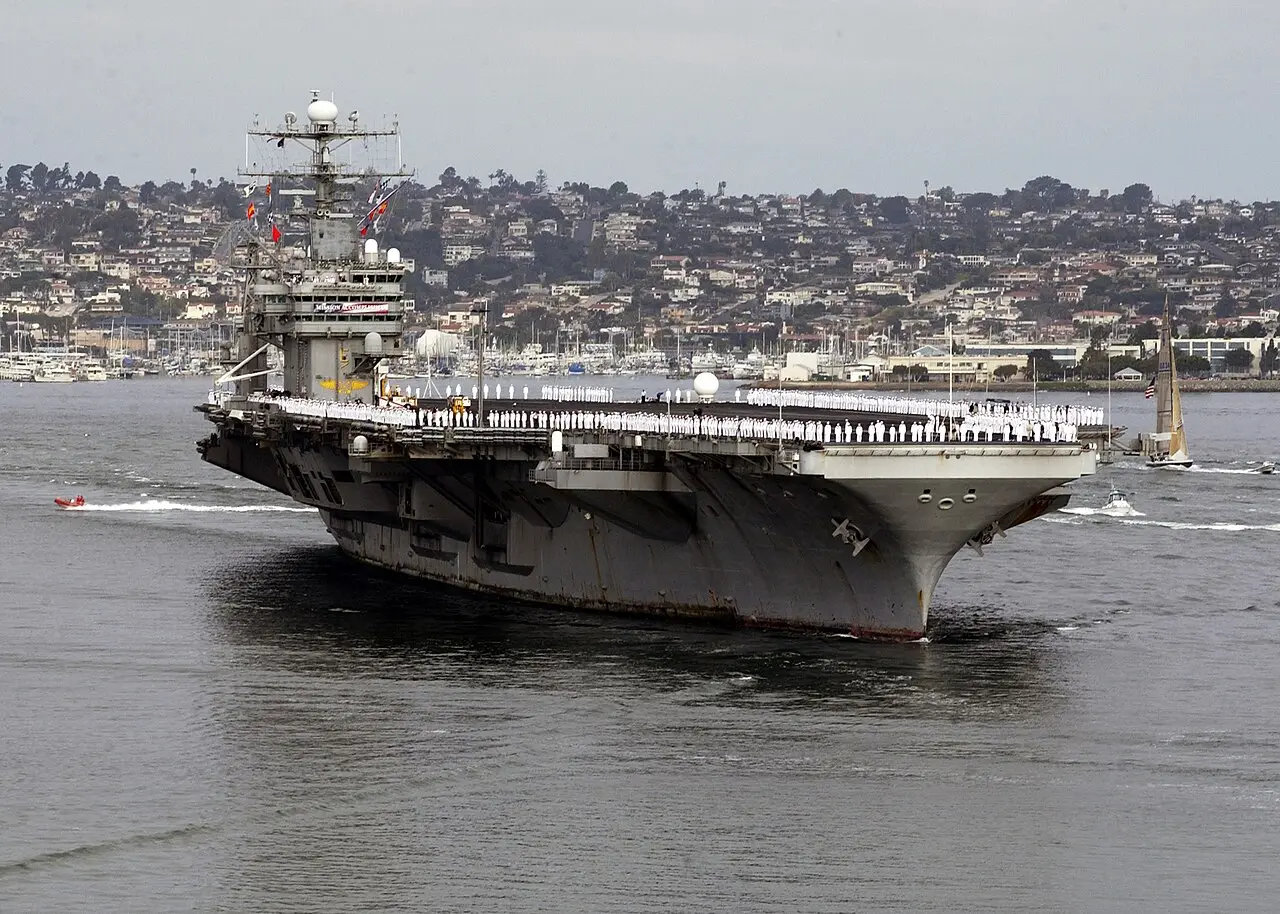
2 Nuclear Propelled Reactors
The aircraft carrier is powered by two nuclear reactors, allowing it to operate for decades without refuelling. However, its escorting destroyers rely on traditional fuel and require regular replenishment. This necessitates highly coordinated logistical support during prolonged deployments.
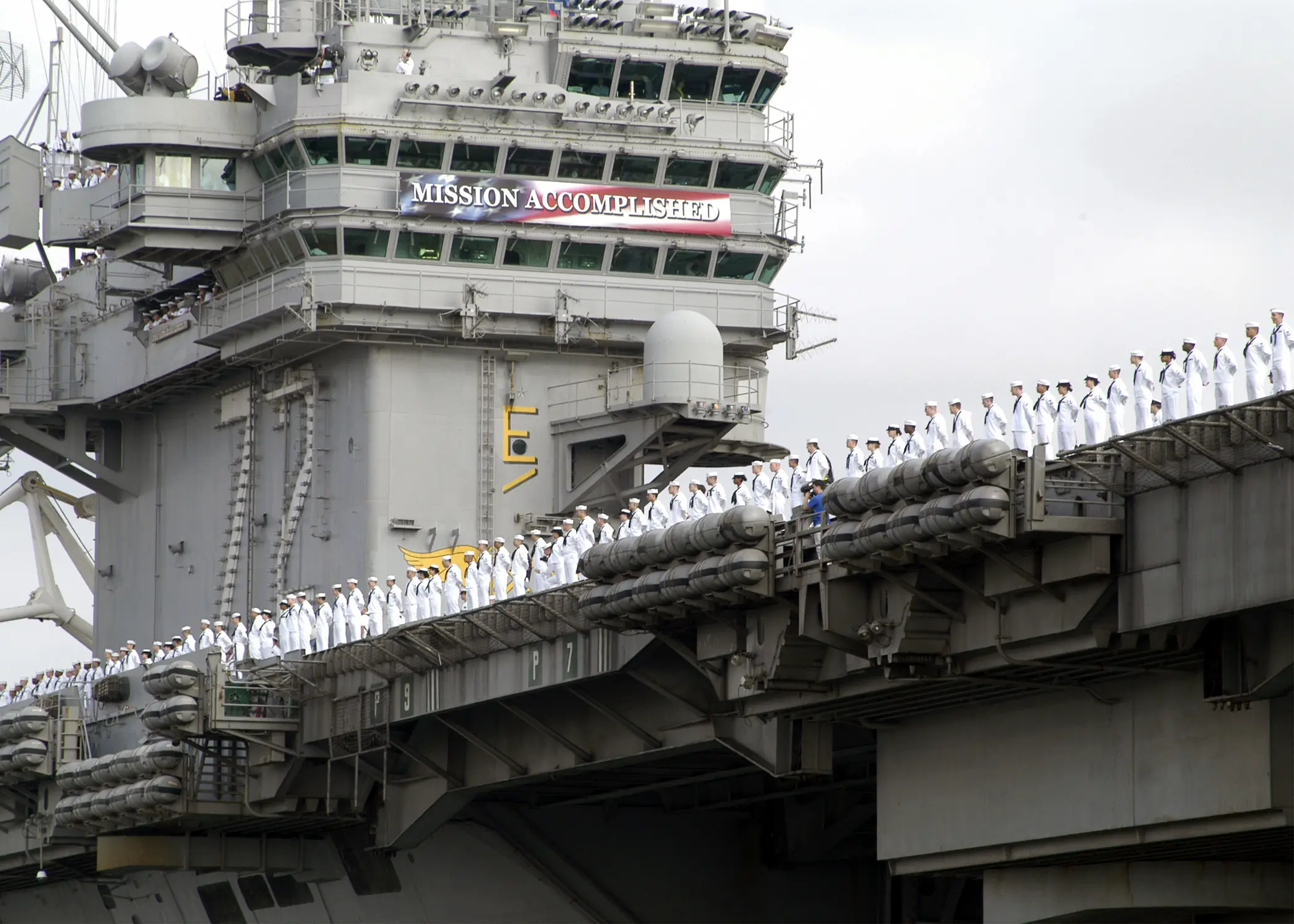
20-25 Knots Transit Speed
Cruising at speeds of 20 to 25 knots, the strike group rapidly navigates across maritime flashpoints. The destroyers clear the waters ahead, ensuring safe passage through strategic navigational chokepoints. Their presence deters hostile forces from approaching the carrier.
1 Strategic Deterrence Mission
The ultimate goal of the USS Spruance and USS Michael Murphy is to maintain escalation control. By securing the waters, they allow the USS Abraham Lincoln to launch sustained air campaigns. This formidable combination provides a decisive edge in crisis management.
)

)
)
)