'They’re toys': Has Iran war exposed Britain’s weakened armed forces & shrinking Royal Navy?

When a British military base in Cyprus was struck by a drone early in the Iran conflict in March, the UK’s response time drew attention.
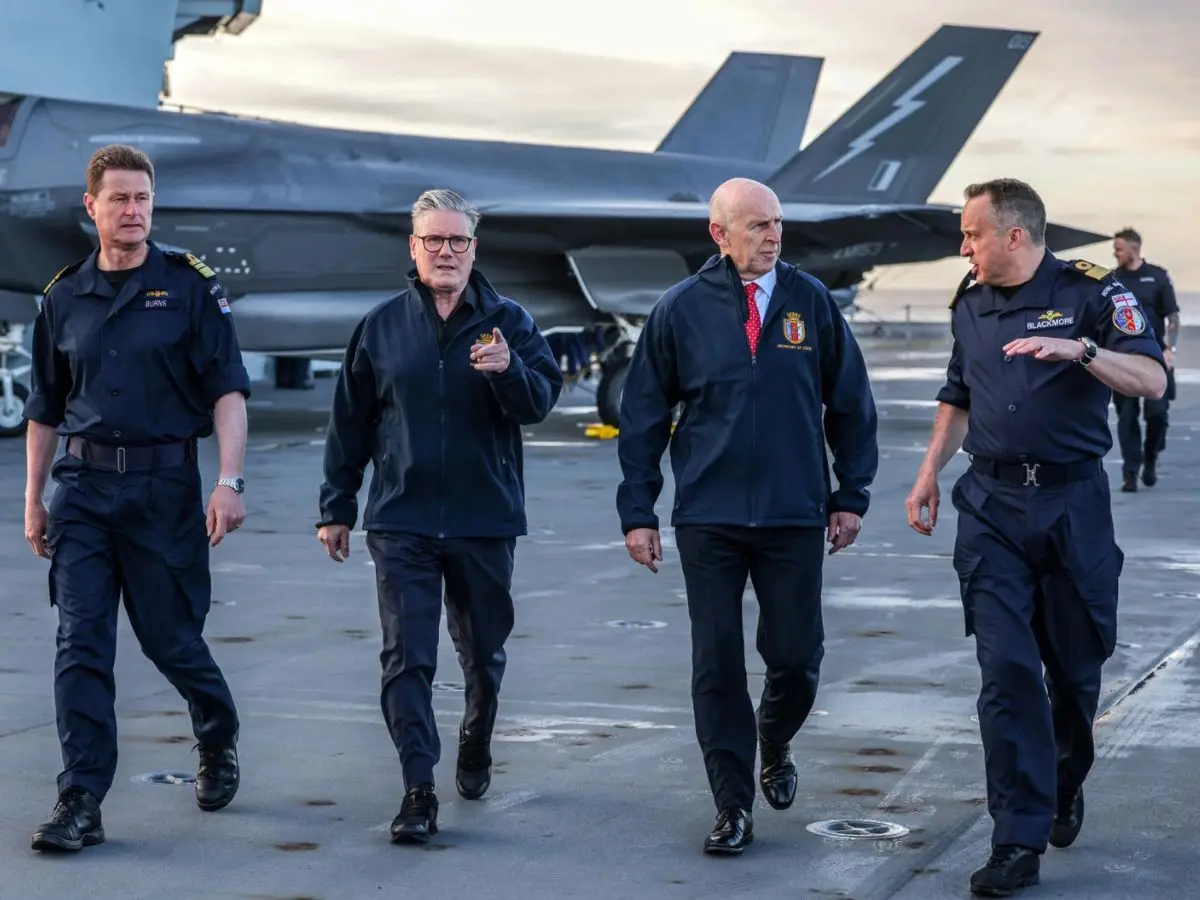
Conflict highlights strain on UK defence posture
The ongoing West Asia conflict has intensified scrutiny of Britain’s military readiness, exposing long-term reductions in force size, equipment and deployment capacity. According to Reuters, the conflict has acted as a stress test for the UK’s ability to respond rapidly to high-intensity crises across multiple theatres.
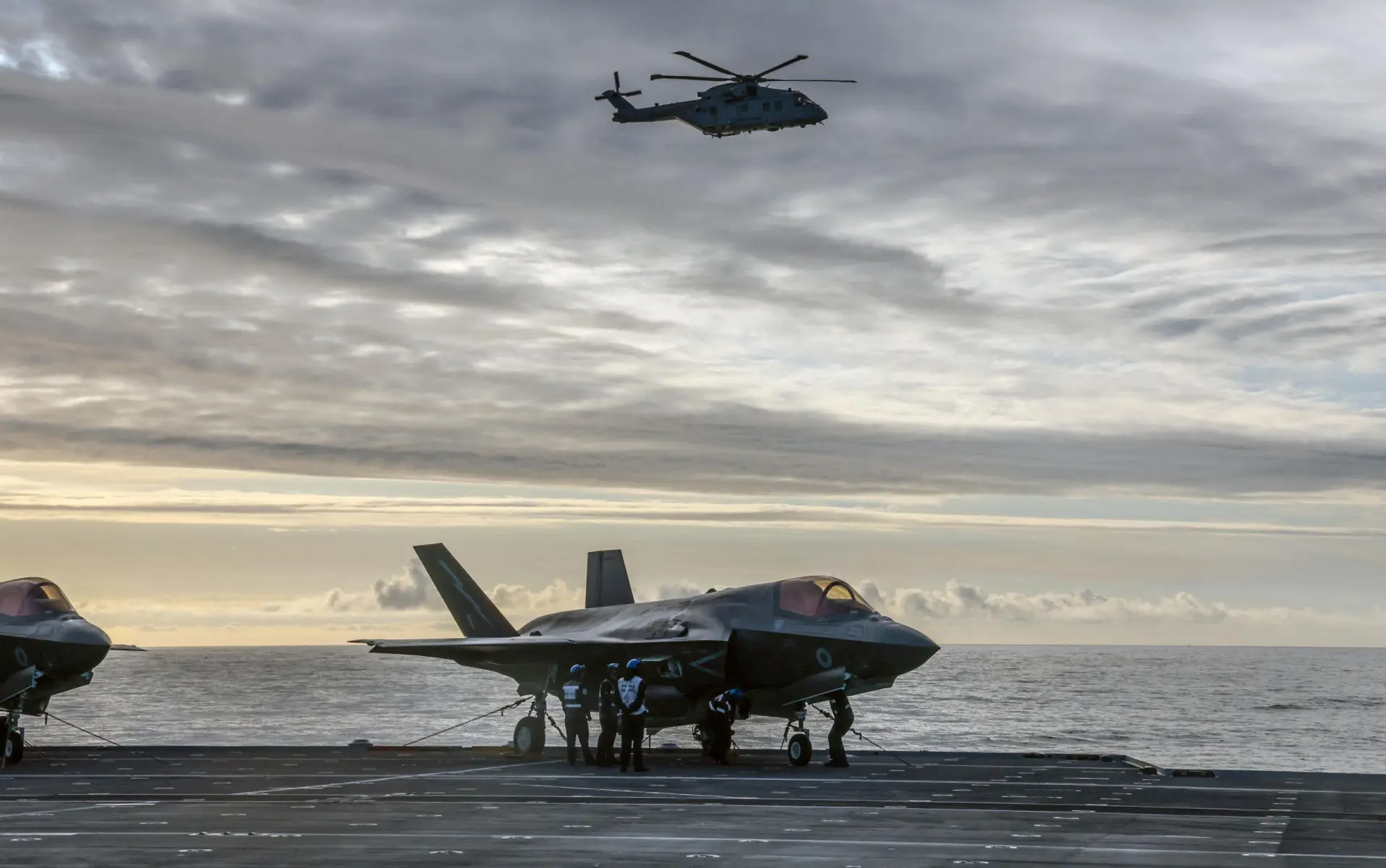
Delayed response exposes operational strain
When a British military base in Cyprus was struck by a drone early in the Iran conflict in March, the UK’s response time drew attention. Britain, whose navy was the largest in the world at the start of World War 2, took around three weeks to deploy a warship to the eastern Mediterranean. In contrast, France, Greece and Italy dispatched warships to Cyprus within days, highlighting differences in regional readiness and deployment speed.
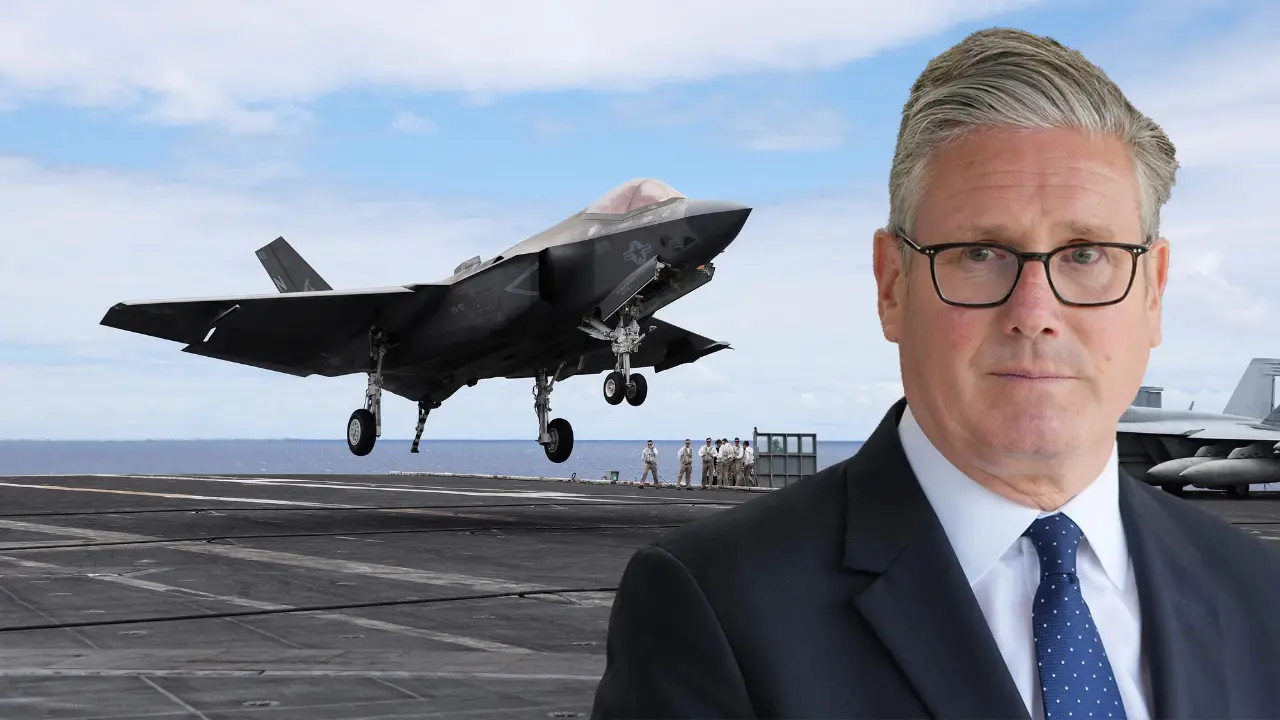
International criticism and political defence
Britain’s reduced military capacity has also been noted internationally. US President Donald Trump dismissed the UK’s two aircraft carriers as “toys”, while Defence Secretary Pete Hegseth mocked what he described as the “big, bad Royal Navy”. "That’s OK, Prime Minister Starmer, we don’t need them any longer — But we will remember. We don’t need people that join Wars after we’ve already won!", he had said. Responding to criticism, Prime Minister Keir Starmer said his government, in office for nearly two years, has implemented the “biggest sustained increase in military spending since the Cold War.”
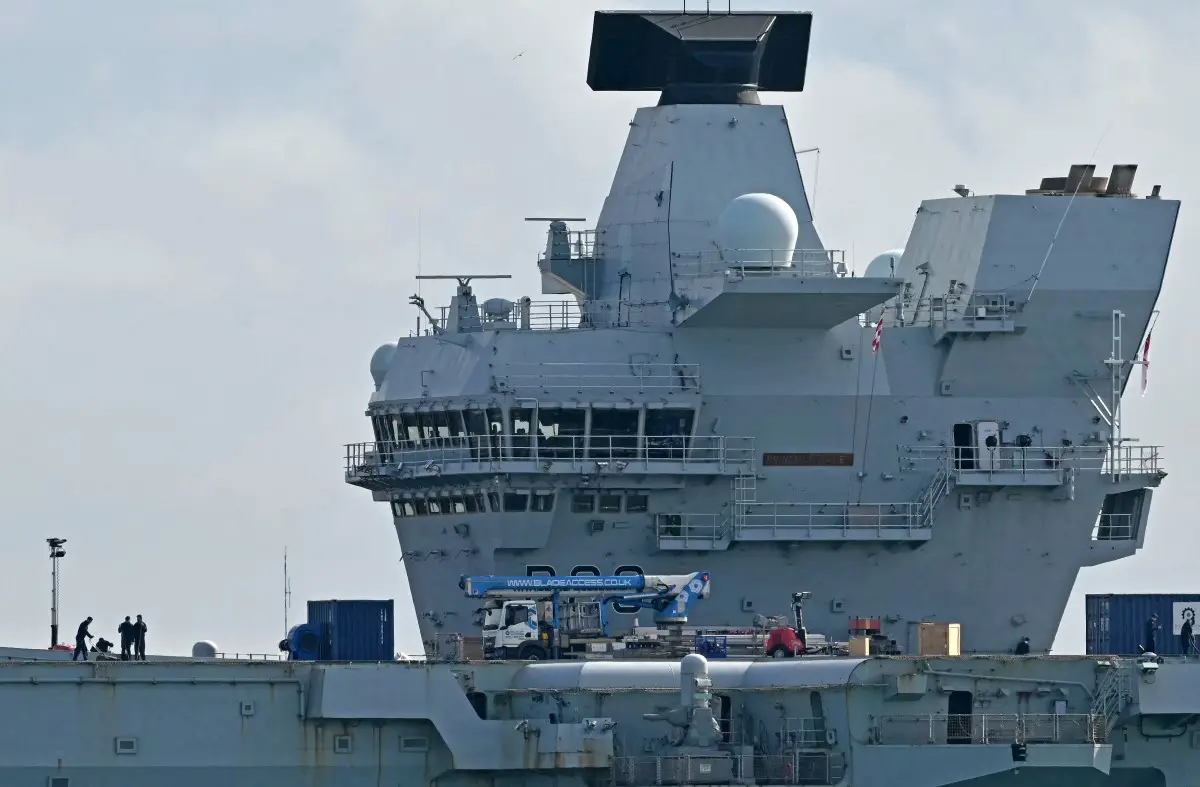
Britain Royal Navy
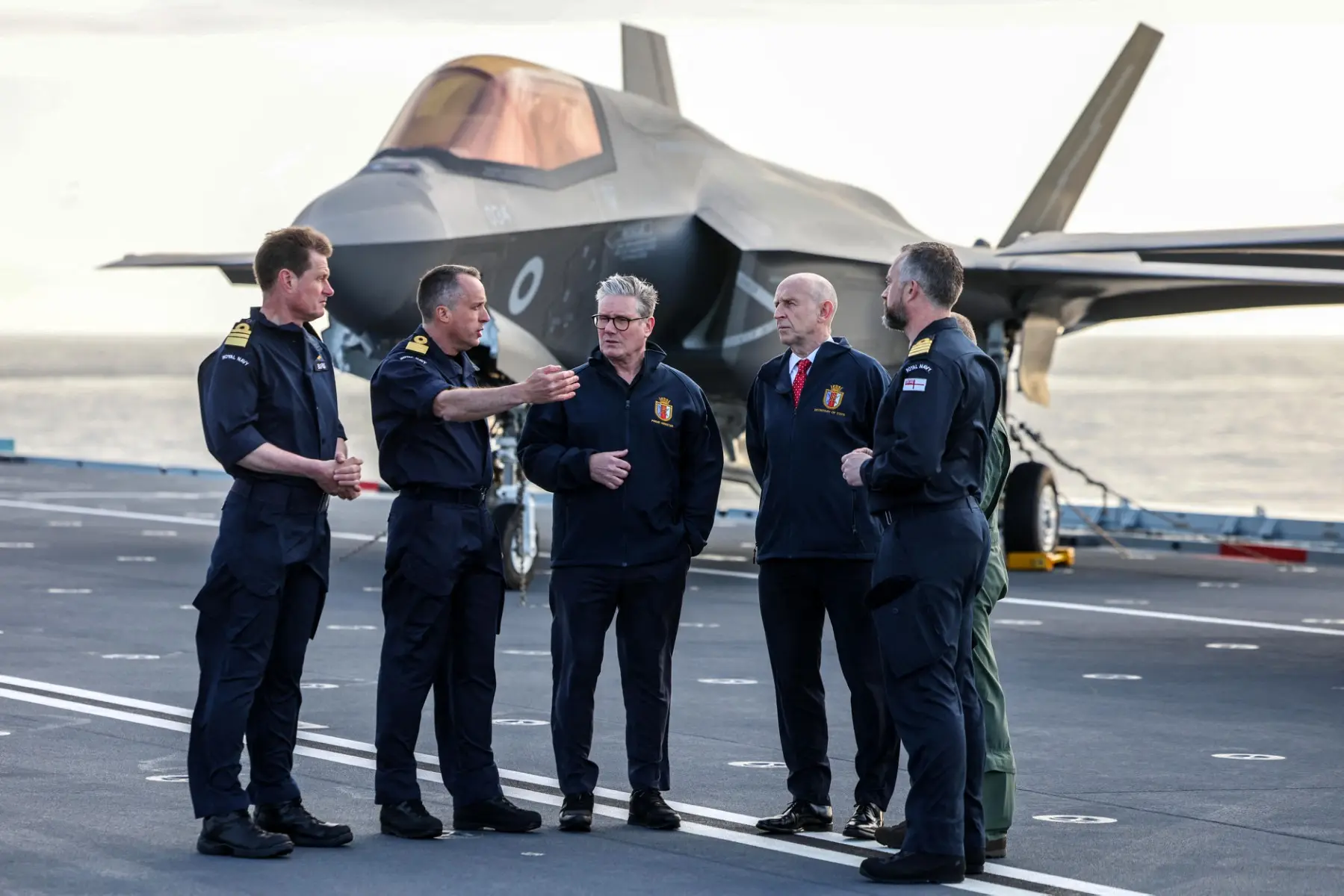
Britain’s Royal Navy now has about 38,000 personnel, operating two aircraft carriers and a combined fleet of 13 destroyers and frigates. This marks a significant reduction from 1991 levels, when the service had roughly 62,000 personnel, three aircraft carriers and around 50 destroyers and frigates.
Air Force and Army downsized
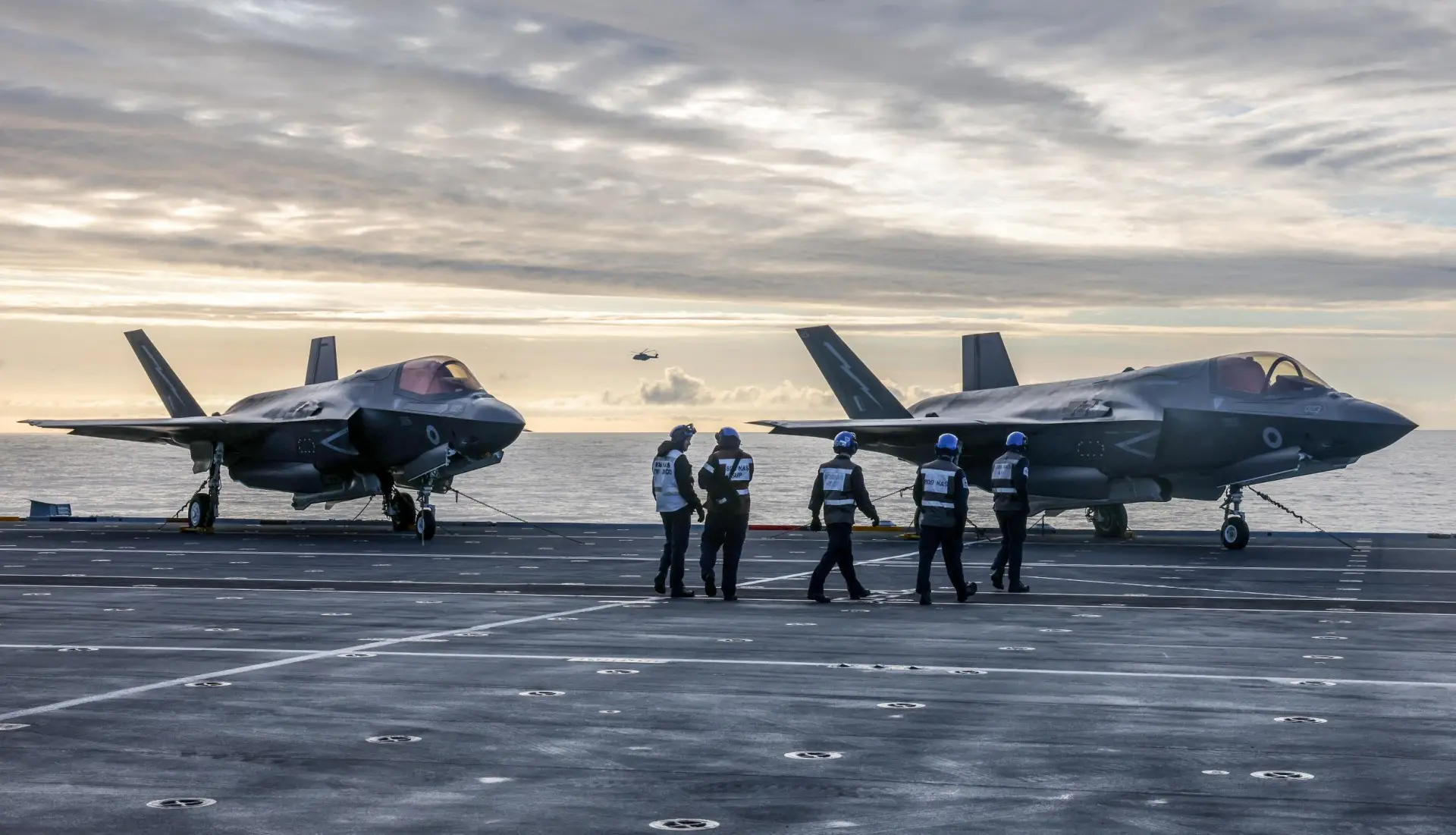
The Royal Air Force operates about 150 fighter jets, two-thirds of which are Eurofighter Typhoons and the remainder Lockheed Martin F‑35s. It has roughly 31,000 personnel, compared with around 700 aircraft and 88,000 personnel in 1991. The British Army has similarly contracted to approximately 74,000 full-time troops, with tank numbers reduced from about 1,200 in the Cold War era to roughly 150 today, says Reuters.

Limited but targeted Middle East deployment
Although not directly involved in the Iran conflict, the UK deployed six F-35 fighter jets and eight Typhoon aircraft to the Middle East. The deployment reflects a constrained operational footprint focused on alliance support rather than large-scale independent action.
Political pressure over defence spending
The Iran conflict has amplified calls for accelerated modernisation and force expansion. The broader trend reflects a long-term transition towards smaller, technology-driven expeditionary forces. However, the current conflict has underscored limitations in scale, endurance and rapid mobilisation, raising questions about sustained global operational reach.
)
)
)
)
)