'Thermal Cams': How the USS Abraham Lincoln spots tiny drones at night

The USS Abraham Lincoln is using advanced thermal imaging to track tiny drones at night in the Arabian Sea. These passive sensors allow the carrier to stay hidden while detecting low-altitude threats during Operation Epic Fury.
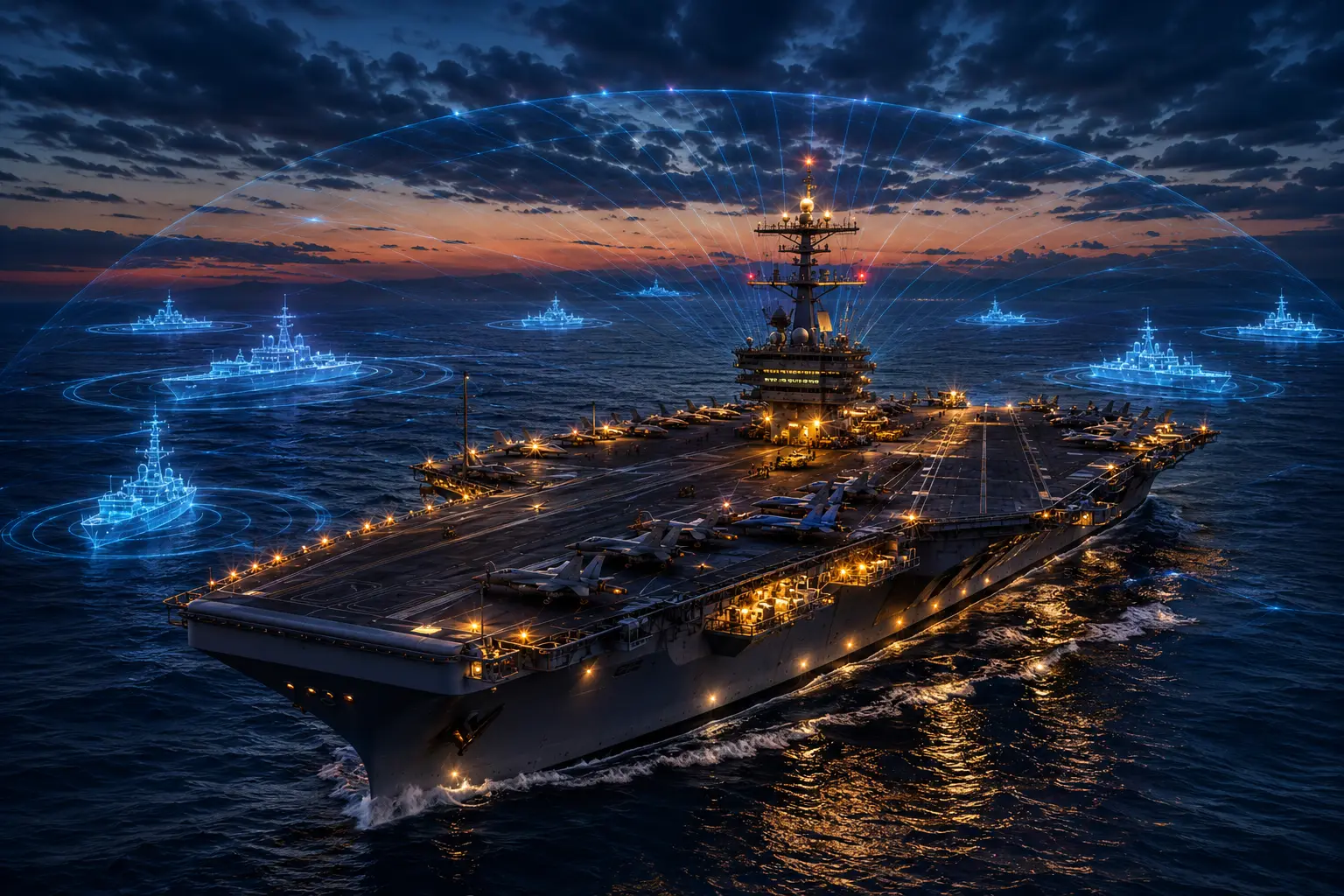
Arabian Sea Mission
The USS Abraham Lincoln is patrolling the northern Arabian Sea in support of Operation Epic Fury. The Nimitz-class carrier, valued at approximately Rs 57,000 crore, is currently enforcing a naval blockade. Night-time security is critical as the ship counters regional drone activity.
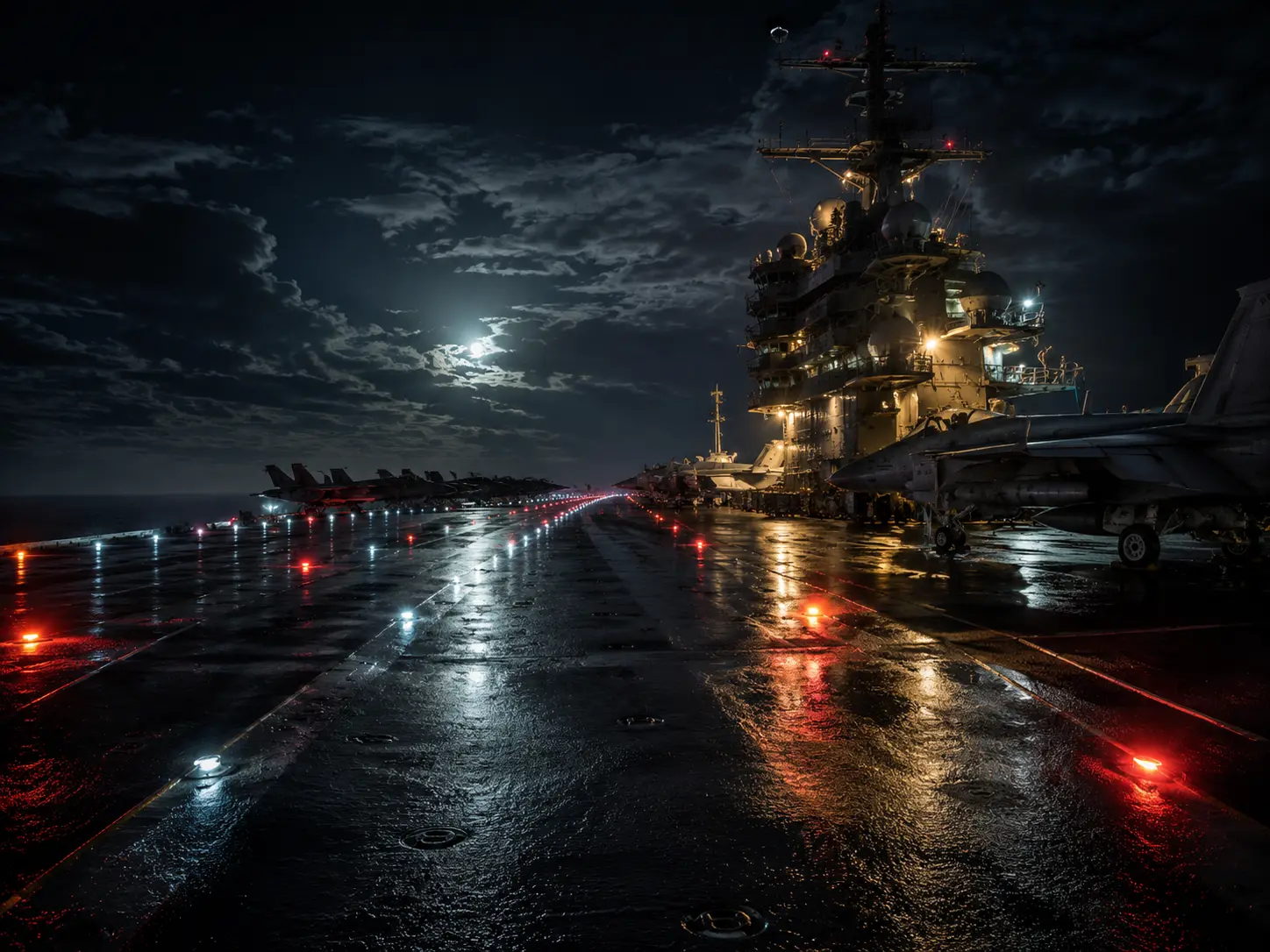
Electronic Blackout Mode
During night operations, the carrier shuts down all external lights and enters a state of emission control. This electronic silence makes the massive warship nearly invisible to enemy radar and visual spotting. The crew relies entirely on passive sensors to maintain a 360-degree watch.

Mk 20 Thermal Eye
The Mk 20 Mod 1 Electro-Optical Sensor System is the ship's primary night-vision tool. It features a high-resolution thermal imaging camera that detects minute heat variations from tiny drones. This system provides crystal-clear imagery for identification without emitting any detectable signals.
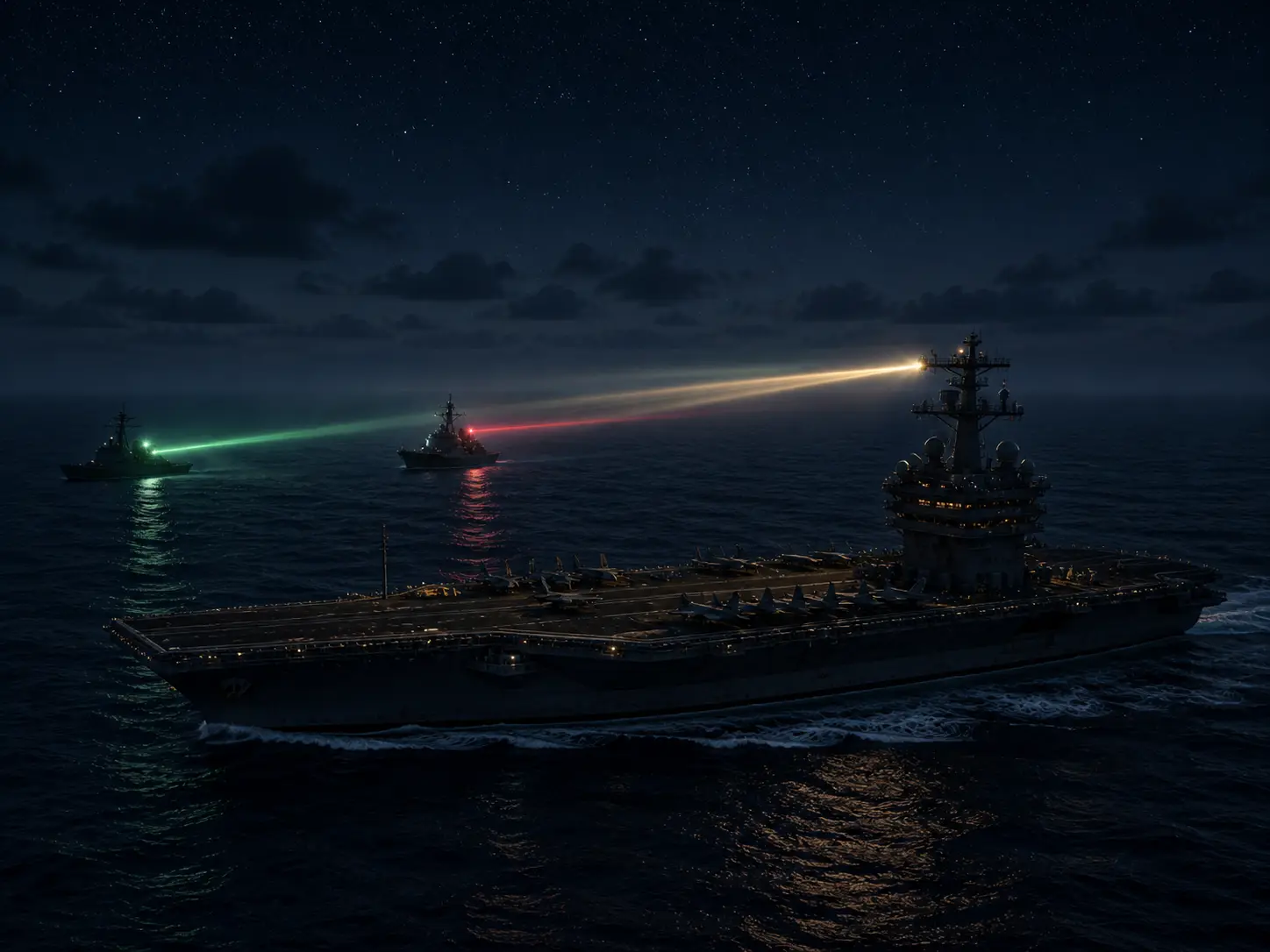
Beating Radar Stealth
Small drones are often made of composite materials that make them difficult for traditional radar to track. However, their motors and electronics emit distinct heat signatures that thermal cameras can easily lock onto. This technology prevents 'leaker' drones from approaching the ship undetected.

Super Hornet Support
Carrier-based F/A-18 Super Hornets assist the search using advanced LITENING targeting pods. These pods allow pilots to hunt for low-flying drones from high altitudes using infrared sensors. They provide real-time thermal video to the carrier's combat information centre.

Handheld Thermal Sights
Sailors stationed as lookouts use handheld thermal binoculars to scan the horizon for threats. These uncooled sensors allow human watchstanders to verify targets that automated systems might miss. It ensures 100 per cent coverage of the ship's immediate surroundings.

Integrated Defence Shield
The thermal data is integrated into the ship's Phalanx CIWS and RAM missile systems. This allows for rapid automated engagement if a drone enters the vessel's inner defence zone. The combination of thermal eyes and rapid-fire guns creates a dense protective shield.
)
)
)
)
)