'The weapon warships can’t outrun': How hypersonic anti-ship missiles are changing naval power faster than expected

Hypersonic missiles operate above Mach 5, allowing them to cover vast distances in a fraction of the time taken by traditional cruise missiles. Two main types exist.
A new contest at sea
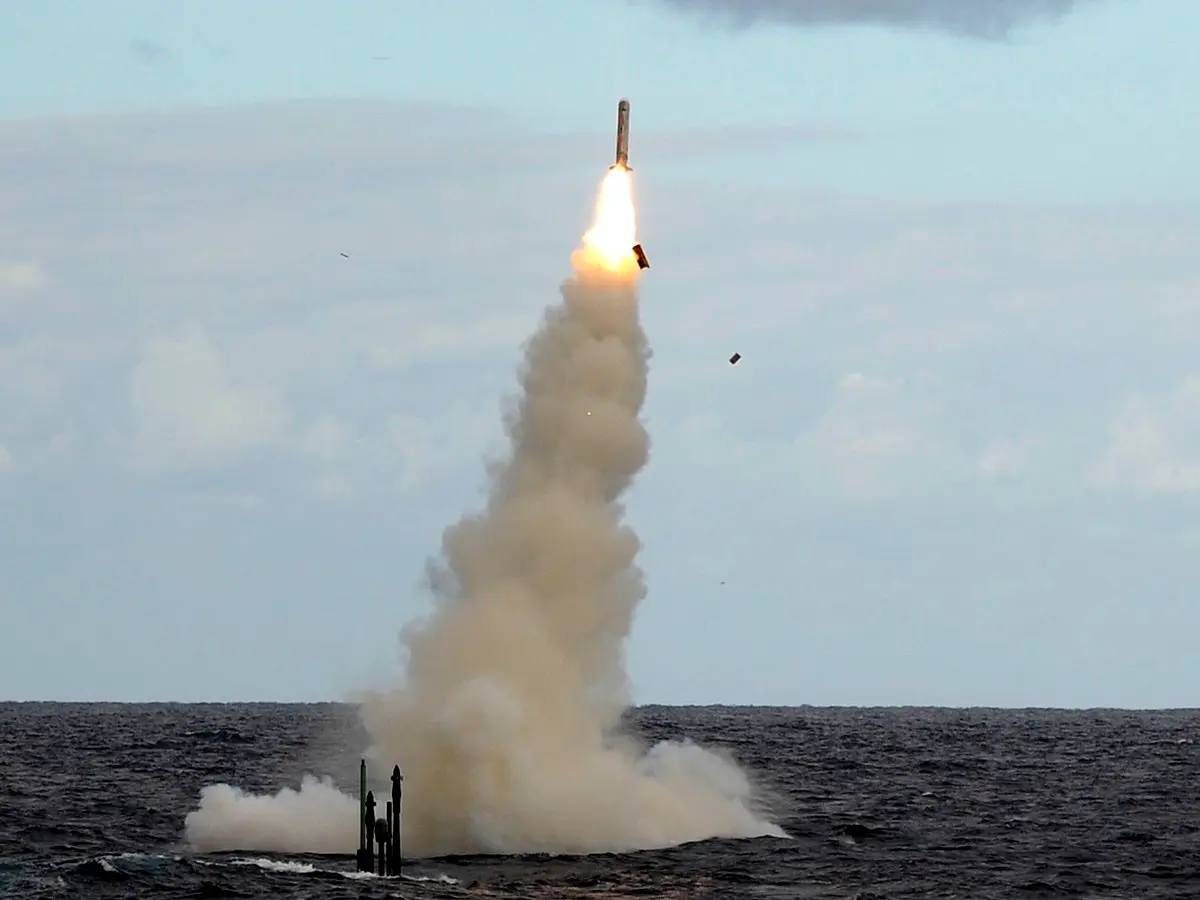
A shift is under way in naval warfare. For decades, warships relied on layered air-defence systems, radar networks and missile interceptors to defeat incoming threats. That balance has changed with the arrival of hypersonic anti-ship missiles, weapons that travel at more than five times the speed of sound, manoeuvre unpredictably, and shorten reaction times from minutes to seconds. Their emergence has triggered a new global arms race, as naval powers race to develop missiles that can penetrate modern defences and countermeasures able to stop them.
Understanding hypersonic speed
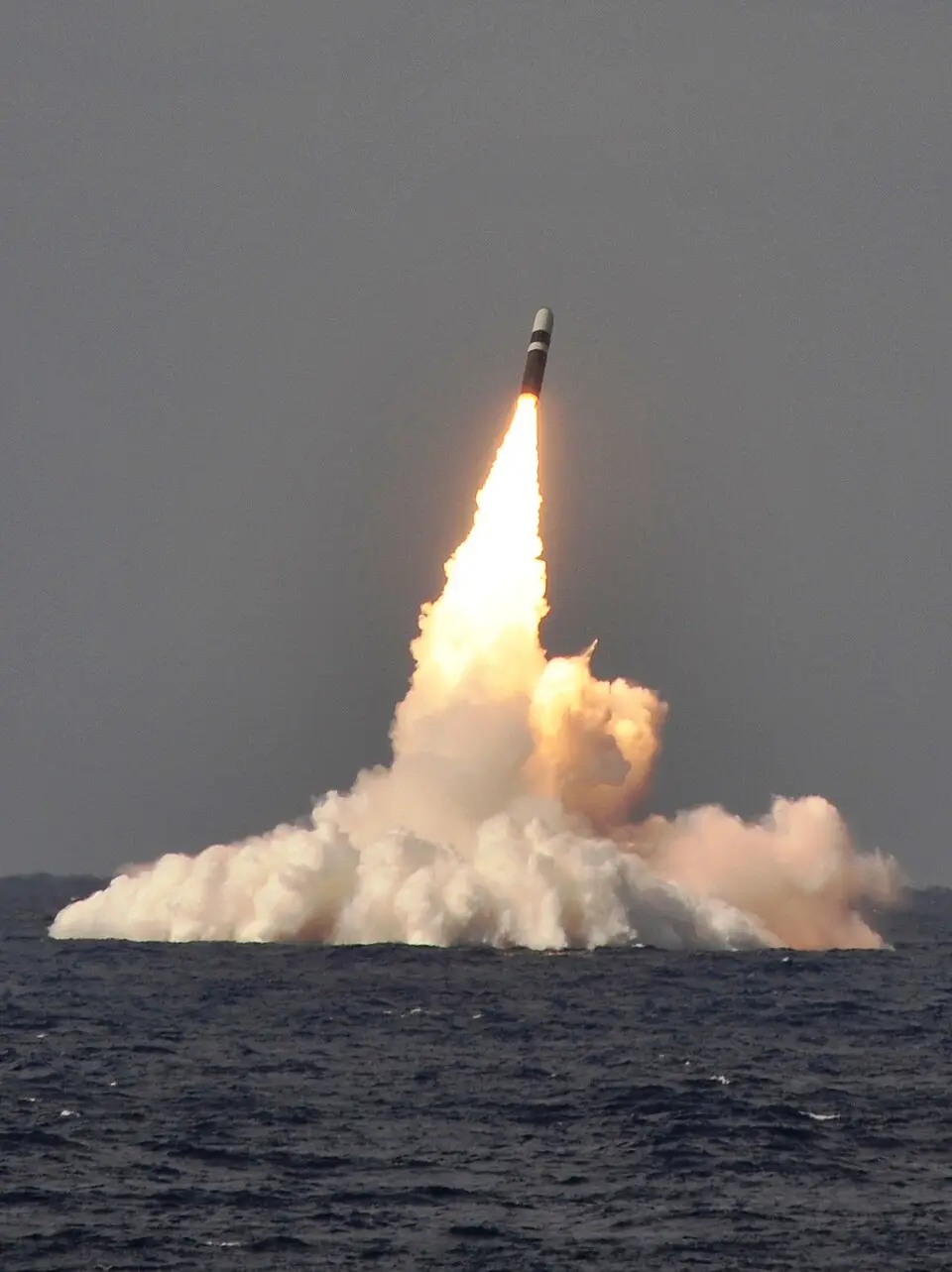
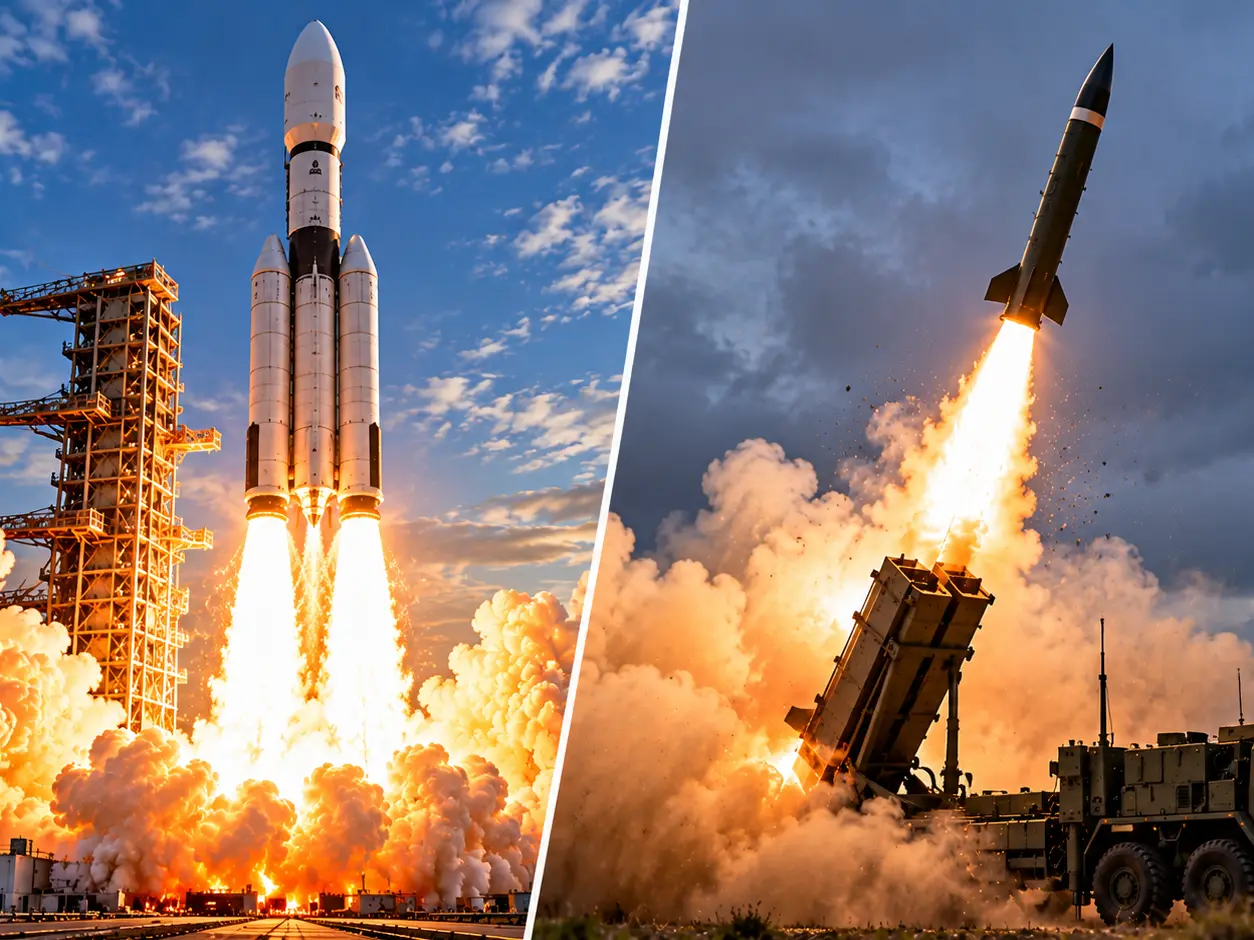
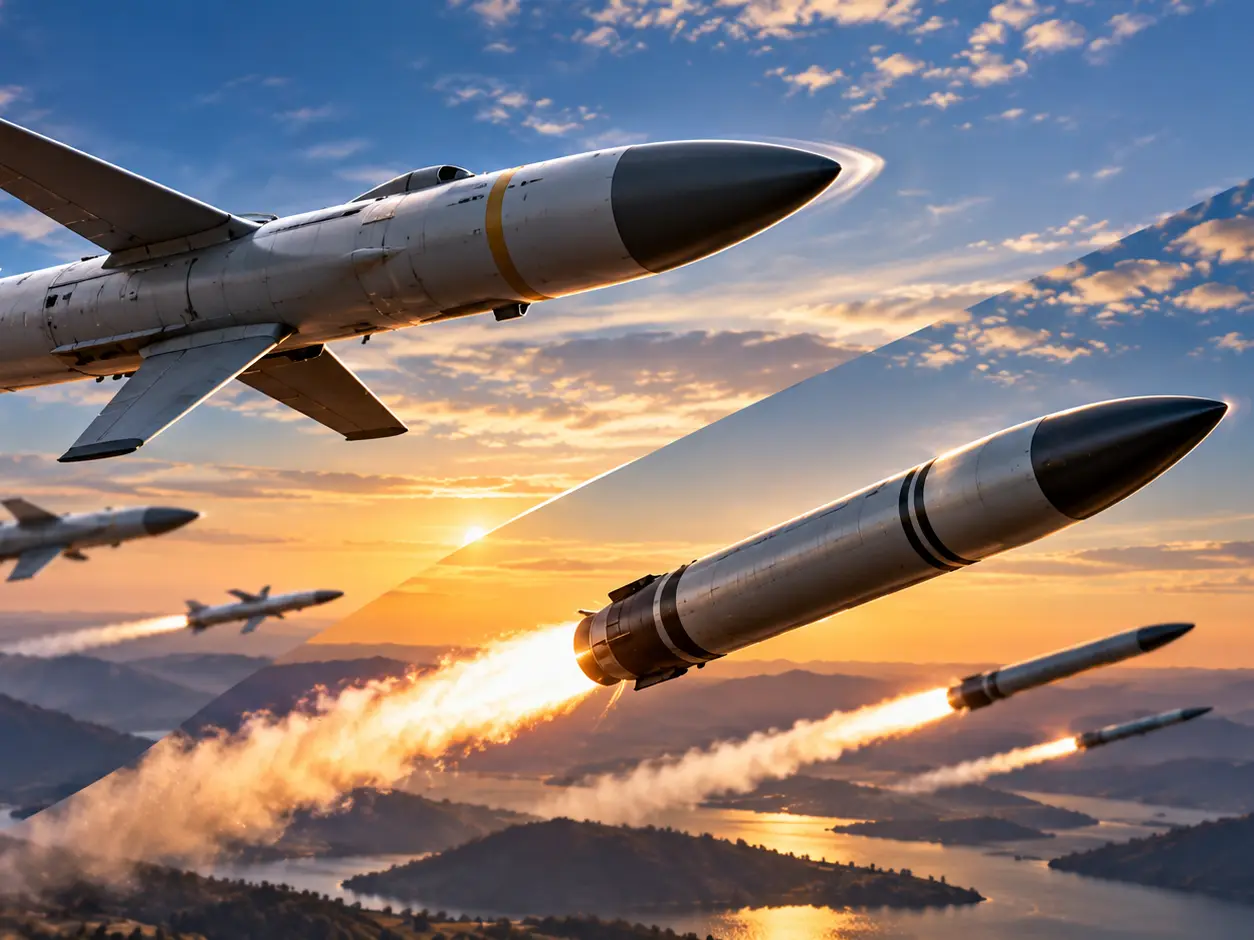
Hypersonic missiles operate above Mach 5, allowing them to cover vast distances in a fraction of the time taken by traditional cruise missiles. Two main types exist. The first, hypersonic glide vehicles, are launched on ballistic rockets before gliding through the atmosphere at extreme speeds. The second, air-breathing hypersonic cruise missiles, use engines that draw in atmospheric oxygen for sustained high-velocity flight. Both types combine speed, manoeuvrability and low flight profiles that complicate detection and interception.
Why navies are investing heavily
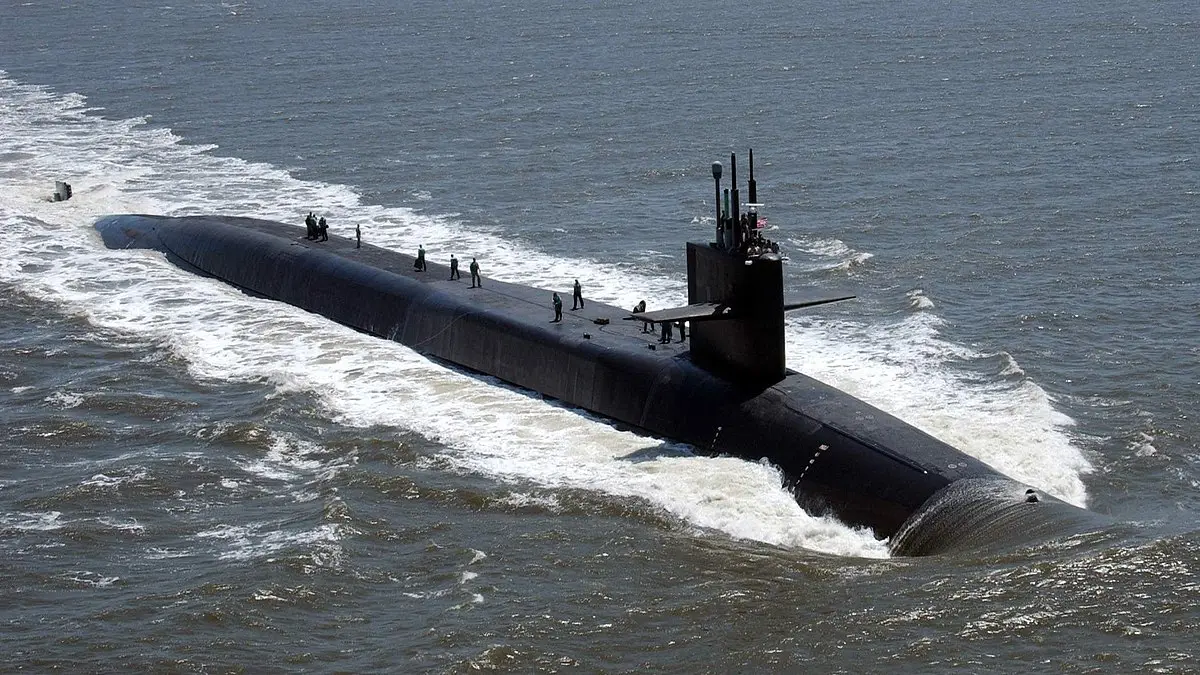
Modern warships depend on early warning and sophisticated missile-defence systems. Hypersonic missiles undermine those assumptions. Their high speeds compress decision-making time drastically, making it harder to cue defensive weapons. Their ability to vary altitude and alter direction mid-flight reduces radar tracking accuracy. For navies that must protect carrier groups and vital shipping lanes, failing to keep pace with hypersonic development risks leaving fleets vulnerable to sudden and overwhelming attack.
Changing naval strategy
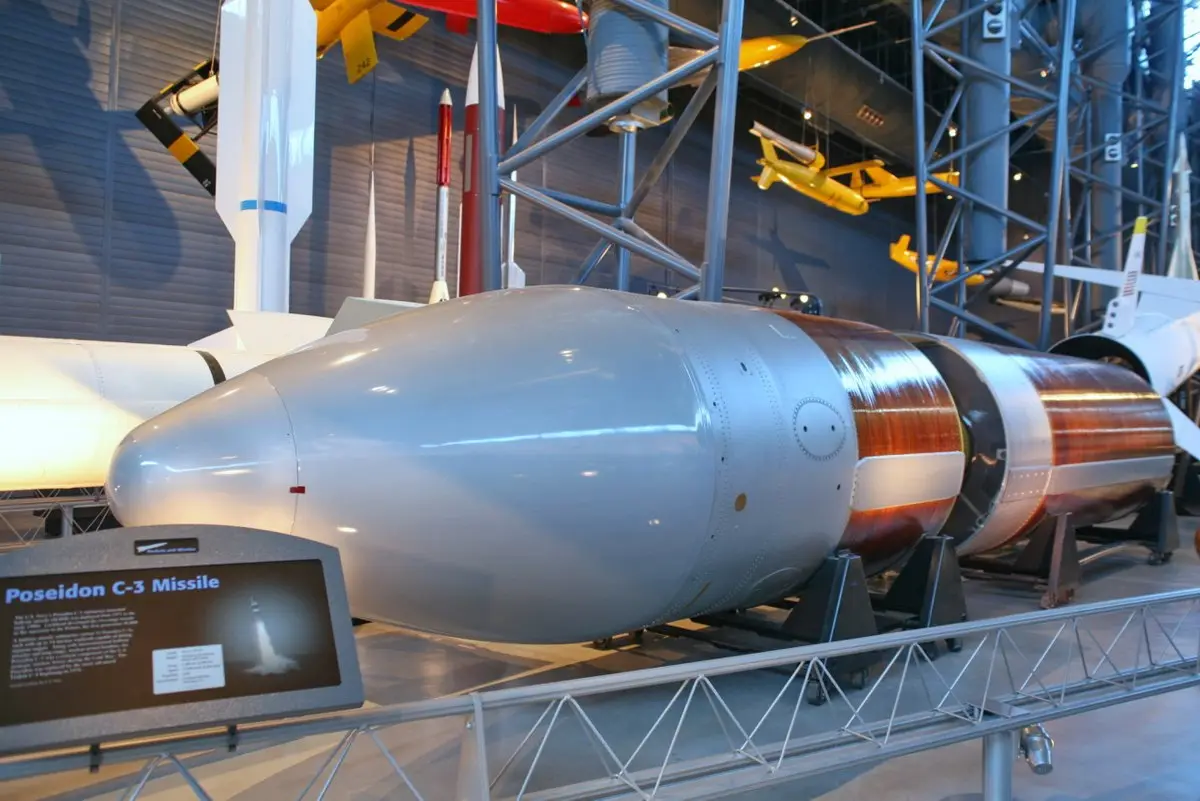
The rise of hypersonic missiles forces re-evaluation of long-established naval doctrines. Aircraft carriers, for example, operate on the assumption that layered radar and missile shields can intercept most threats. Hypersonic weapons challenge this assumption by reducing engagement windows and potentially overwhelming defensive systems with saturation attacks. As a result, navies are dispersing assets, altering patrol patterns and investing in early detection technologies that extend surveillance horizons.
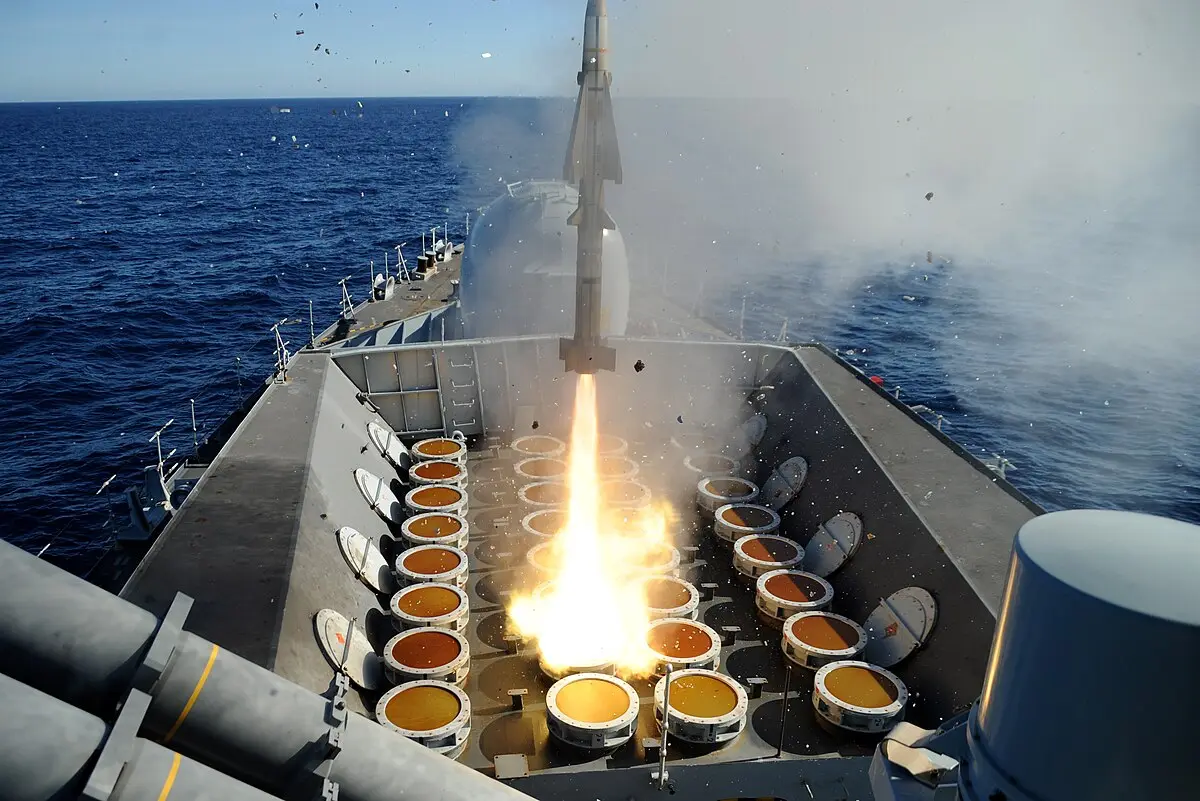
Countries developing hypersonic anti-ship missiles
Several nations are developing or deploying hypersonic anti-ship missiles as part of a rapidly intensifying maritime arms race. Countries known to possess or test such systems include Russia, China, the United States, India and France, with others such as Japan and the United Kingdom pursuing related research. These programmes vary in maturity, but all share a common objective: producing weapons capable of outmanoeuvring naval defences and delivering precise, high-speed strikes across long distances. Their development reflects a global push to secure technological superiority at sea.
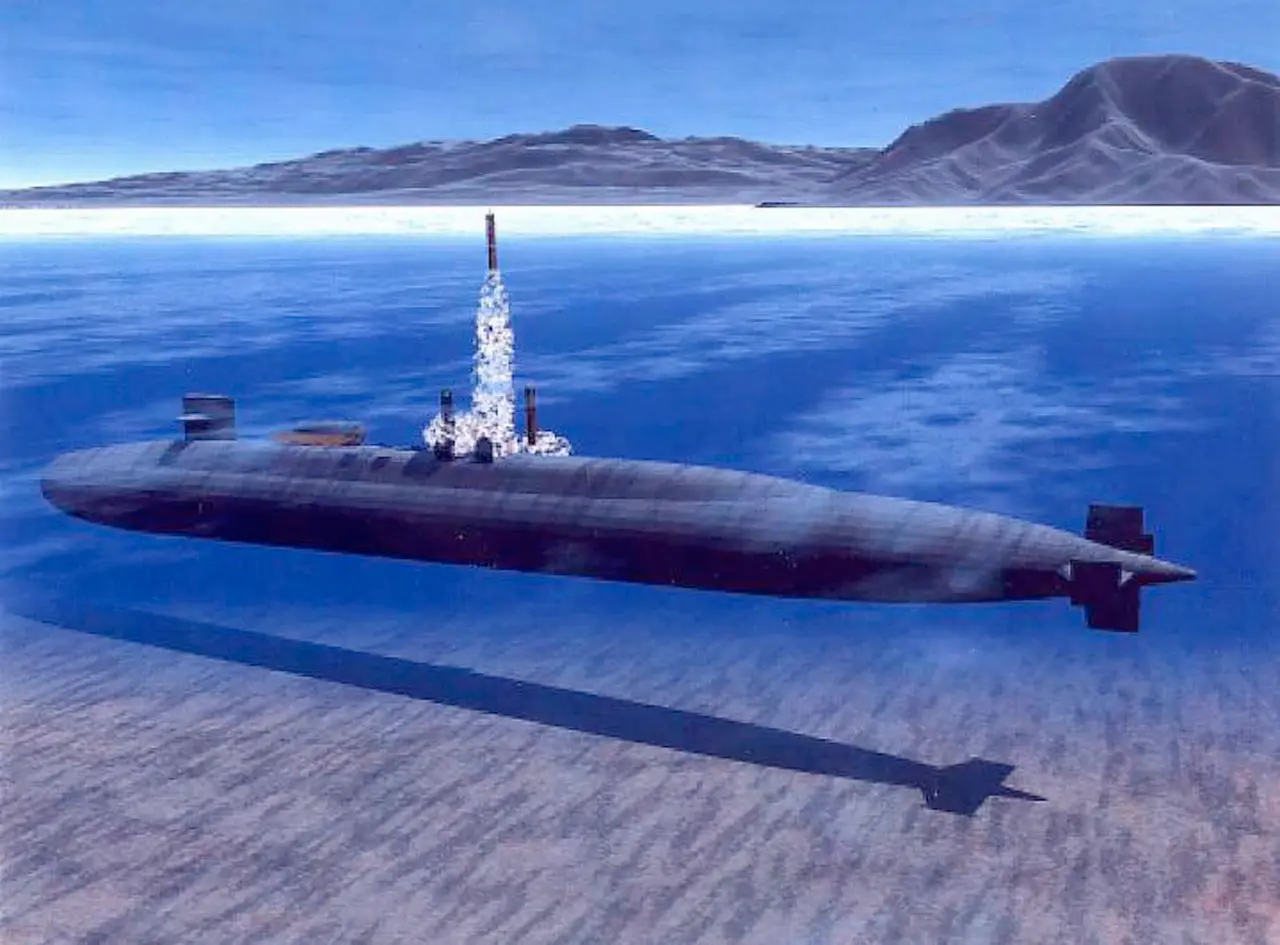
A global race for capability
Programmes include gliding vehicles designed for long-range strikes and cruise missiles optimised for coastal or open-ocean operations. The speed of this development is unprecedented, with multiple nations accelerating tests, improving guidance systems and experimenting with new materials that withstand intense heat during flight.
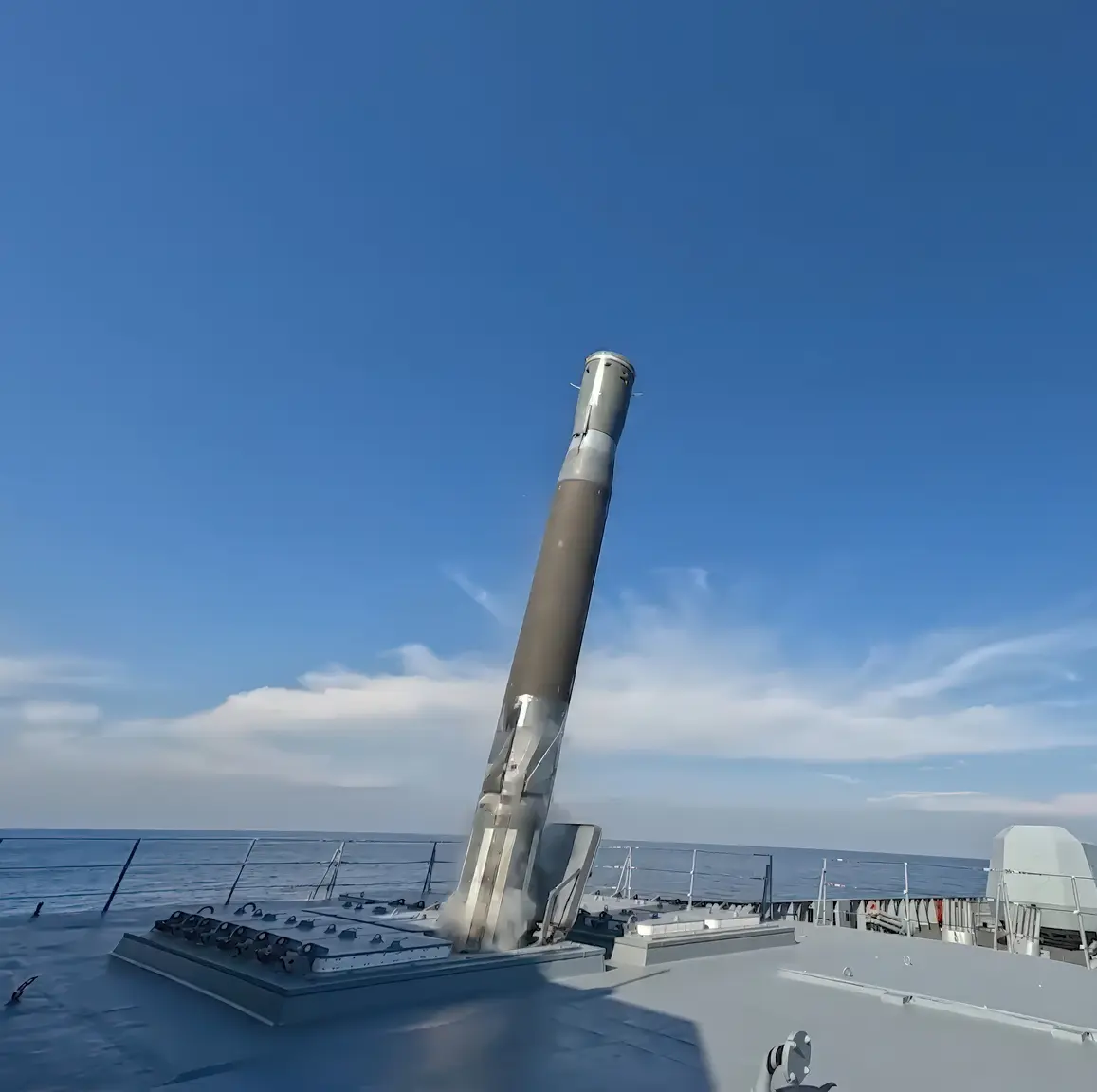
The deadliest hypersonic anti-ship missiles
Among current systems, Russia’s Zircon and China’s DF-21D and DF-26 are widely regarded as the most dangerous due to their blend of speed, range and manoeuvrability. The Zircon reportedly sustains hypersonic velocity throughout its flight, making interception exceptionally difficult. China’s missiles are designed to target large warships, including aircraft carriers, by descending on their targets from high altitudes at extreme velocity. These capabilities pose a direct challenge to established naval doctrine and have prompted other nations to accelerate their own hypersonic development programmes.
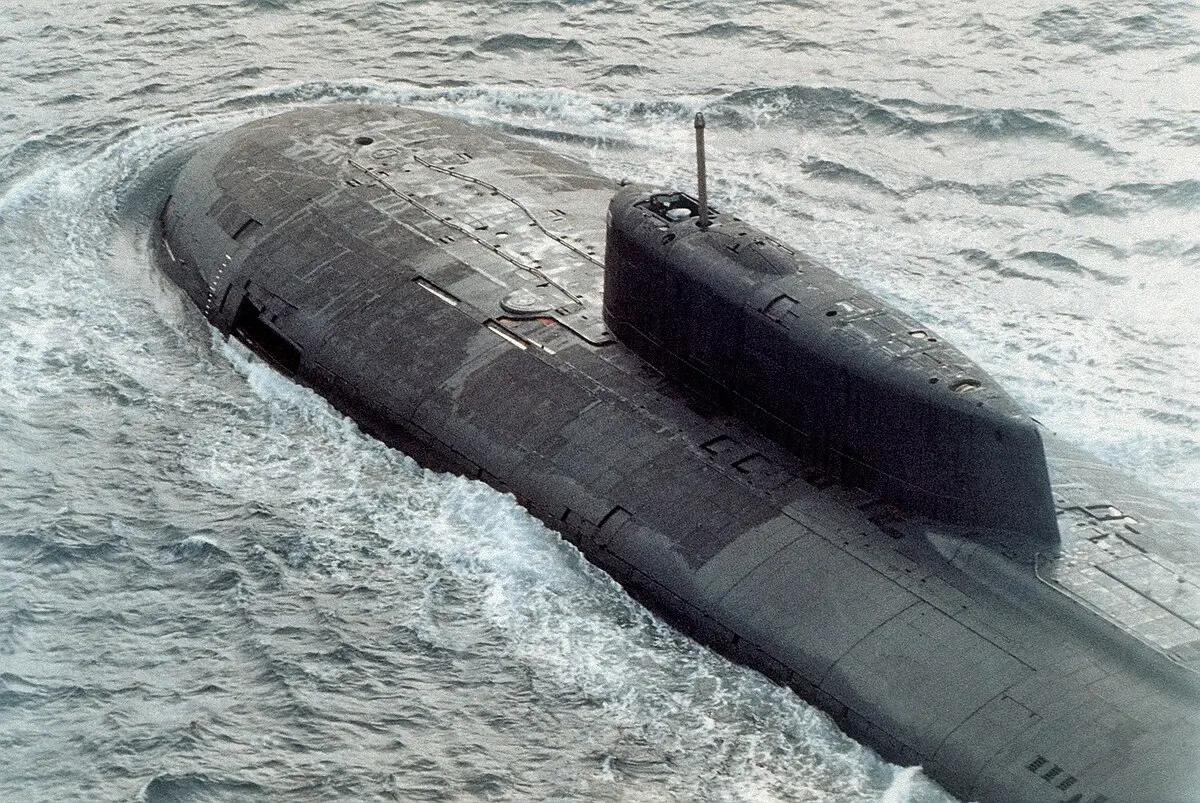
Defending against the undefendable
Stopping a hypersonic missile is one of the hardest tasks in modern warfare. Radar must track a fast-moving, agile object across long distances while filtering out background clutter. Interceptors must reach comparable speeds to intercept accurately, and guidance systems must cope with violent manoeuvres and plasma interference that can disrupt sensors. Research is under way on space-based sensors, directed-energy systems and next-generation interceptor missiles designed specifically for hypersonic threats.
Industrial and technological consequences
The hypersonic race is reshaping defence industries. Engineers are developing heat-resistant alloys, advanced composites and new propulsion technologies capable of sustaining prolonged high-temperature flight. Nations are investing heavily in wind tunnels, simulation facilities and testing ranges. The cost of these programmes is significant, but the strategic value, the ability to threaten heavily defended naval groups, drives continued development.
The future of naval deterrence
Hypersonic weapons are not merely faster missiles; they alter how nations think about naval power, deterrence and conflict. Their speed, range and unpredictability give them both offensive potential and strategic leverage. As more nations adopt them, navies must adapt or accept greater vulnerability at sea.
)
)
)
)
)