'The tailhook secret': How USS Abraham Lincoln stops fighter jets in around 315 feet

The USS Abraham Lincoln uses the Mk 7 hydraulic arresting gear to stop 50,000-pound jets hitting the deck at 150 mph. By snagging steel cables with a tailhook, aircraft decelerate to a dead stop in two seconds and just 315 feet.
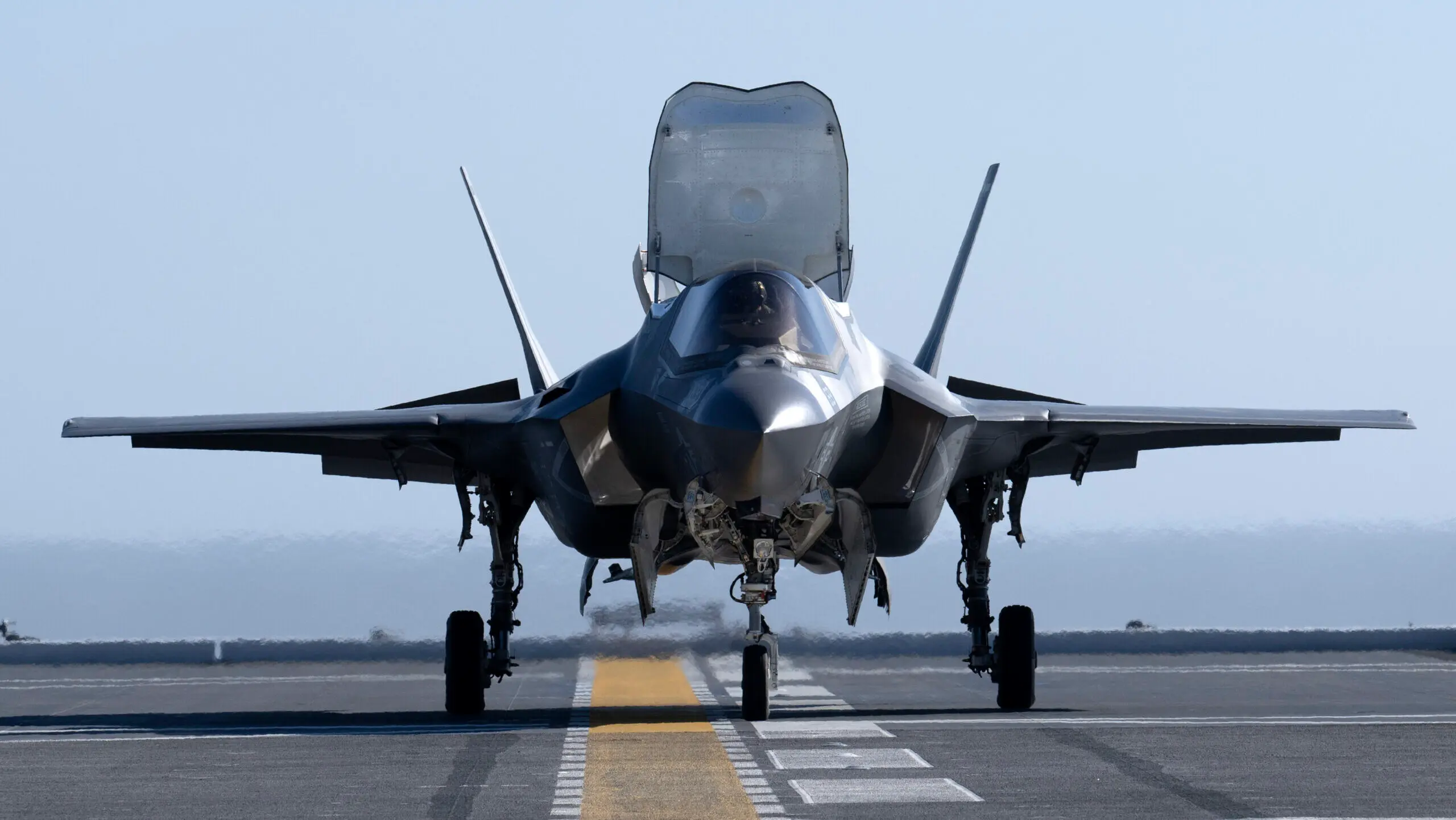
A 315-Foot Runway
A Nimitz-class aircraft carrier like the USS Abraham Lincoln offers a landing area of roughly 315 feet. To safely recover jets landing at speeds exceeding 150 miles per hour, the multi-billion dollar warship utilises the highly advanced Mark 7 arresting gear system.
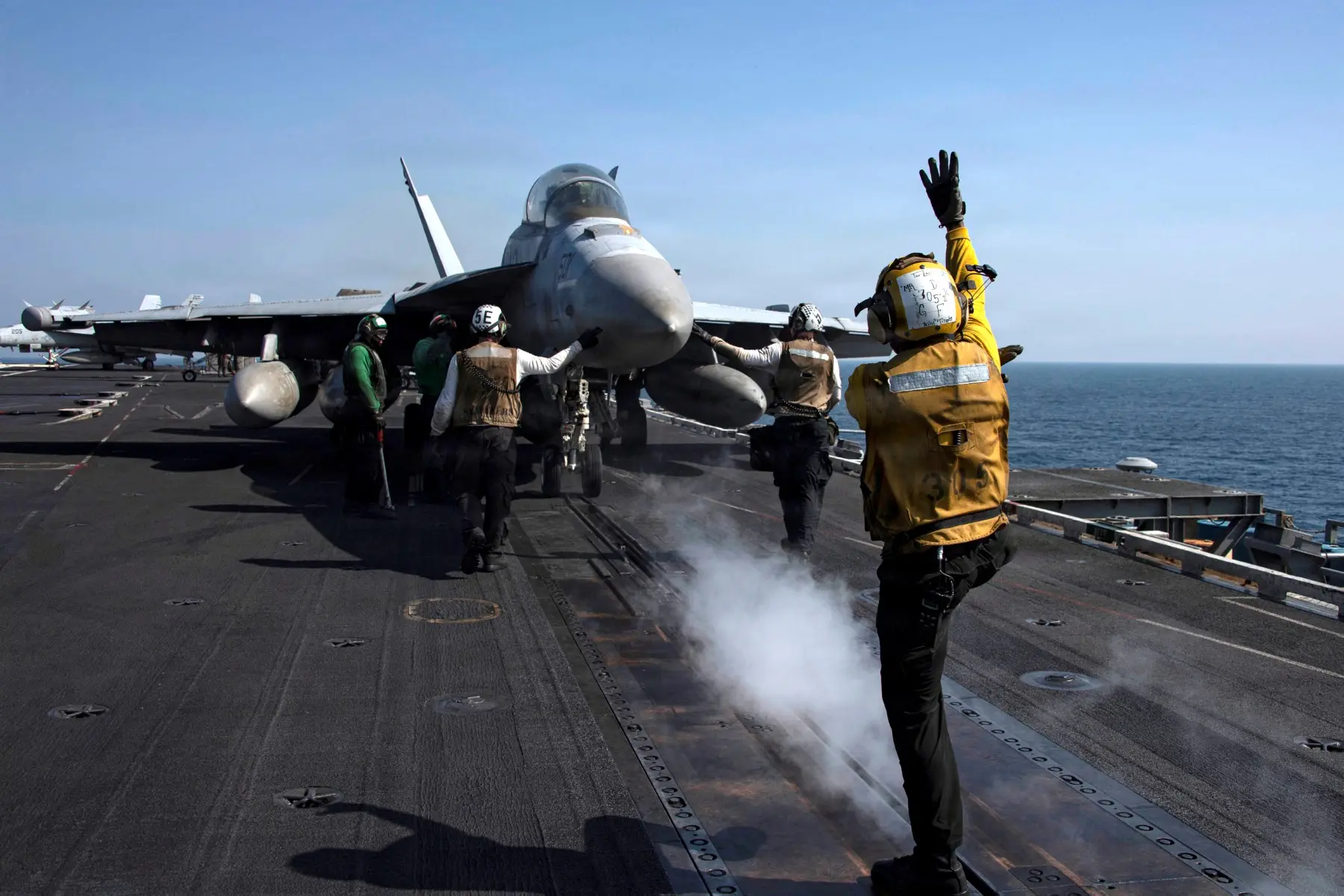
The Aircraft Tailhook
Every US Navy carrier-based fighter, such as the F/A-18 Super Hornet or F-35C Lightning II, is equipped with a heavy-duty tailhook. Mounted on the rear keel, this thick metal claw is hydraulically lowered by the pilot just seconds before touching the flight deck.
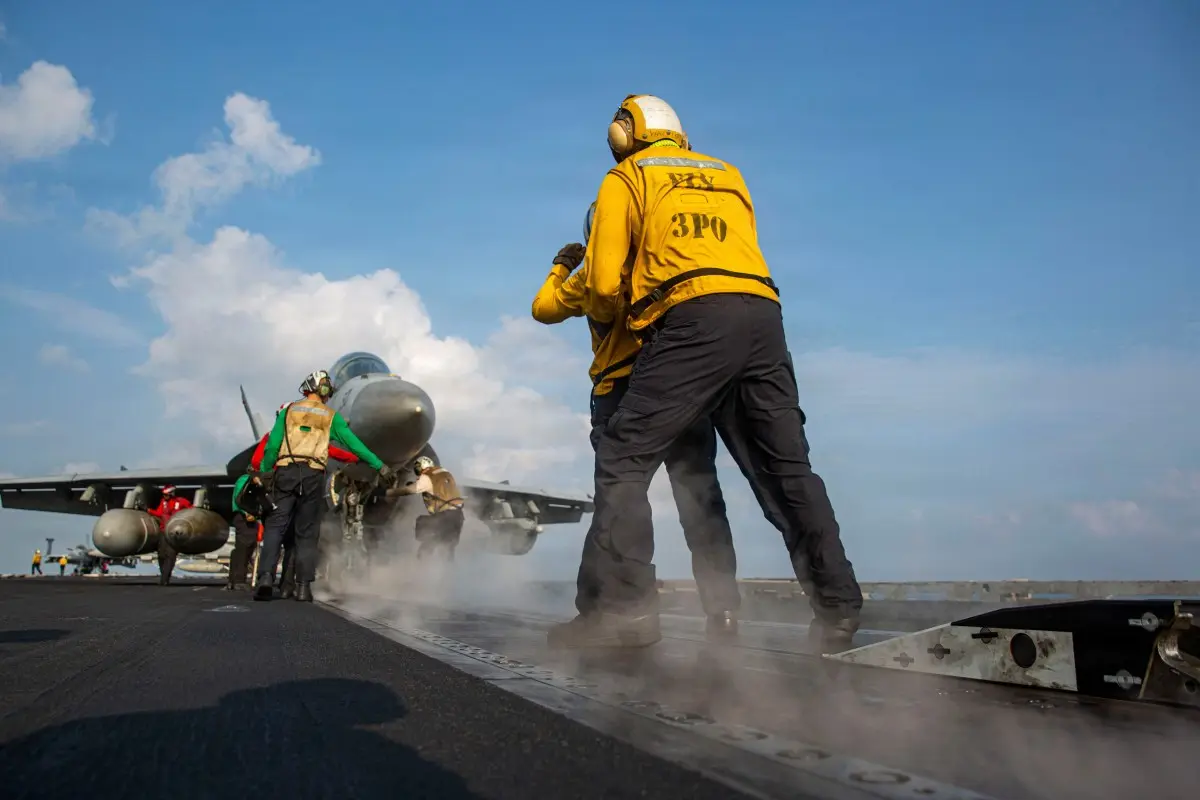
The Cross-Deck Pendants
Stretched across the landing area are four high-tensile steel cables known as cross-deck pendants. Pilots meticulously aim for the third wire, as it provides the safest mathematical glide slope to avoid a catastrophic crash into the ship's stern.
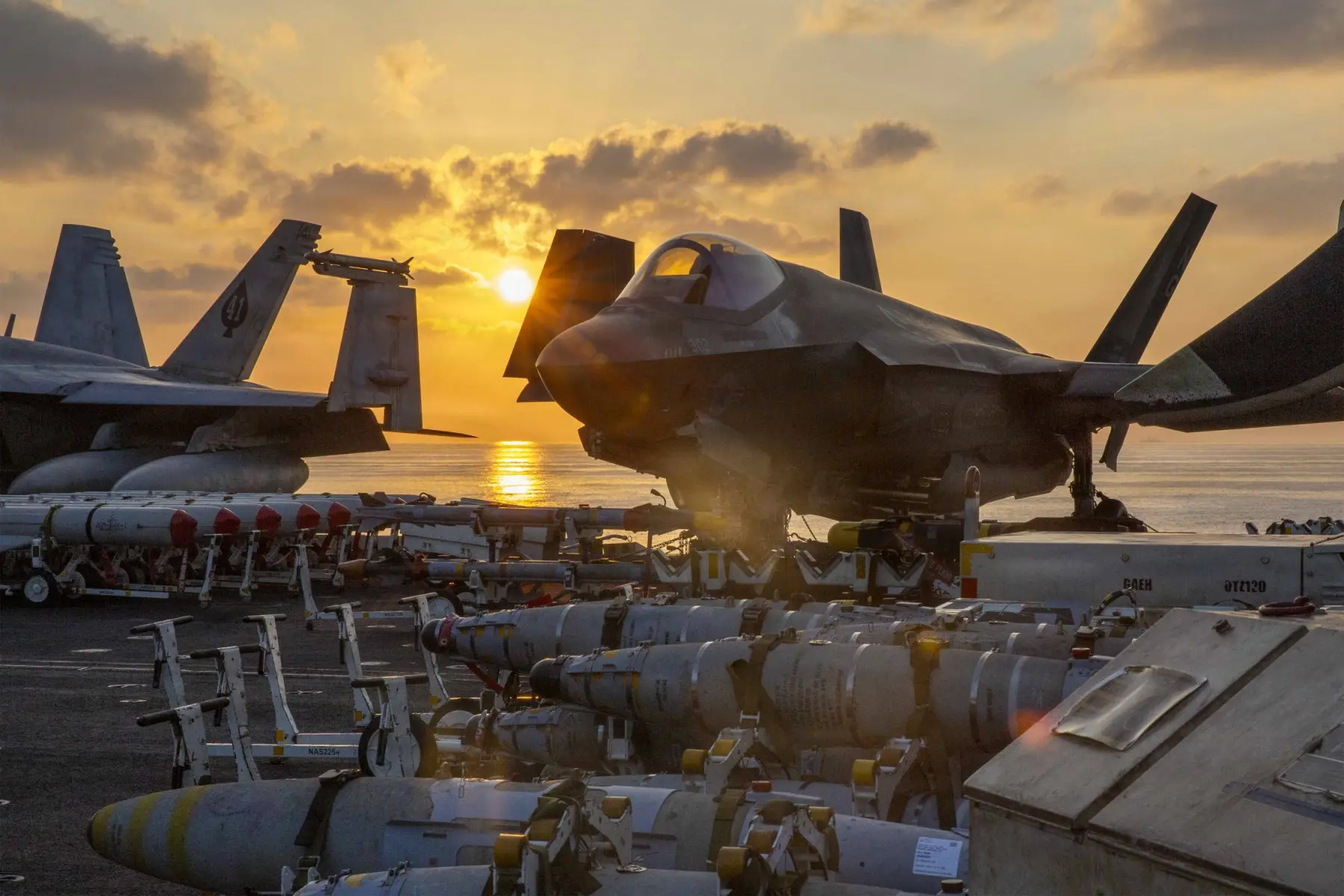
The Mk 7 Arresting Engines
When the tailhook successfully snags a cable, the massive kinetic energy is instantly transferred below the flight deck. Massive Mk 7 hydraulic arresting engines act as mechanical shock absorbers, converting the extreme kinetic force into fluid pressure to safely brake the aircraft.
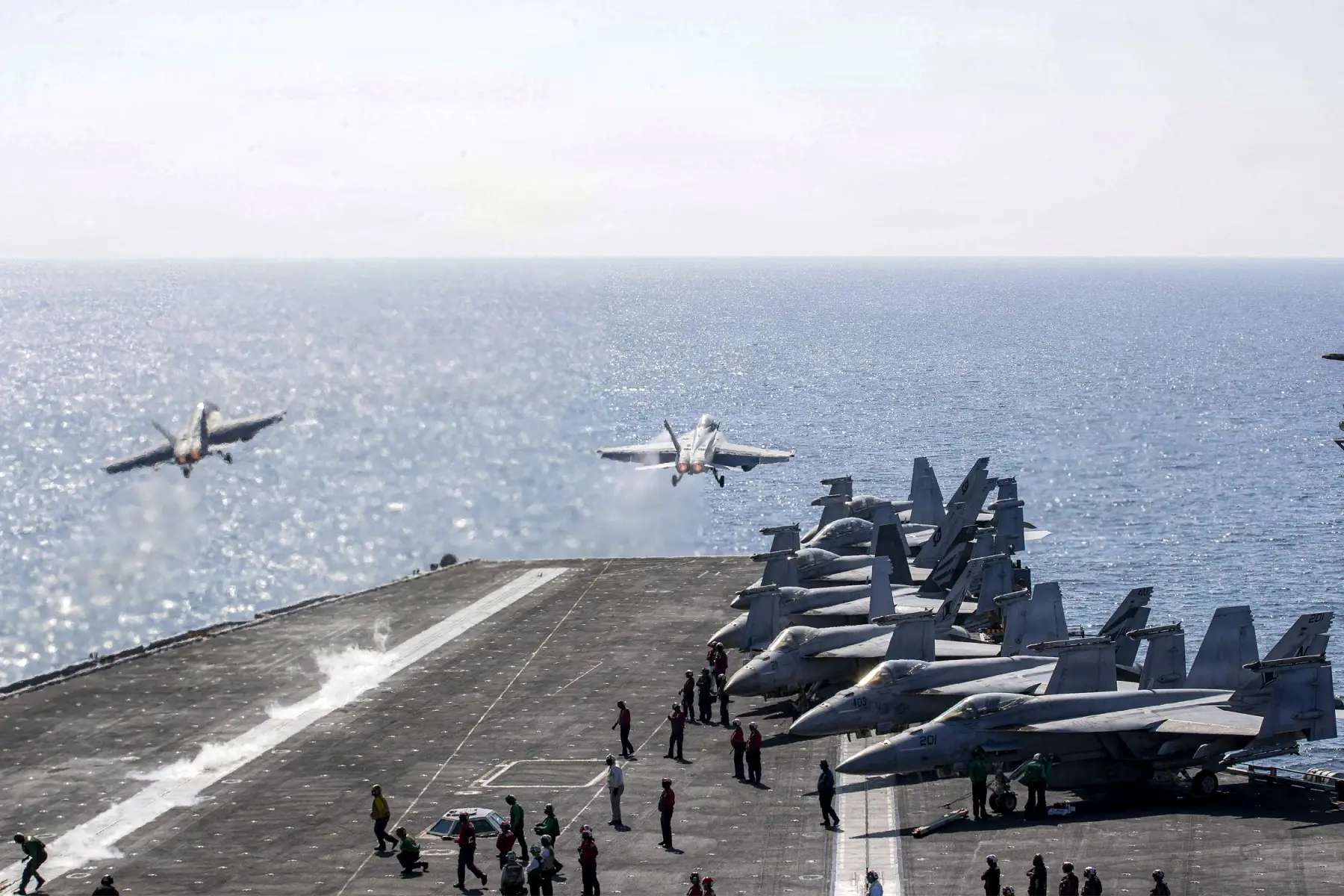
Two Seconds to Stop
The physics of an arrested landing are incredibly violent but highly controlled. The mechanical resistance generated by the hydraulic engines forcefully decelerates a 50,000-pound fighter jet from 150 miles per hour to a complete stop in exactly two seconds.
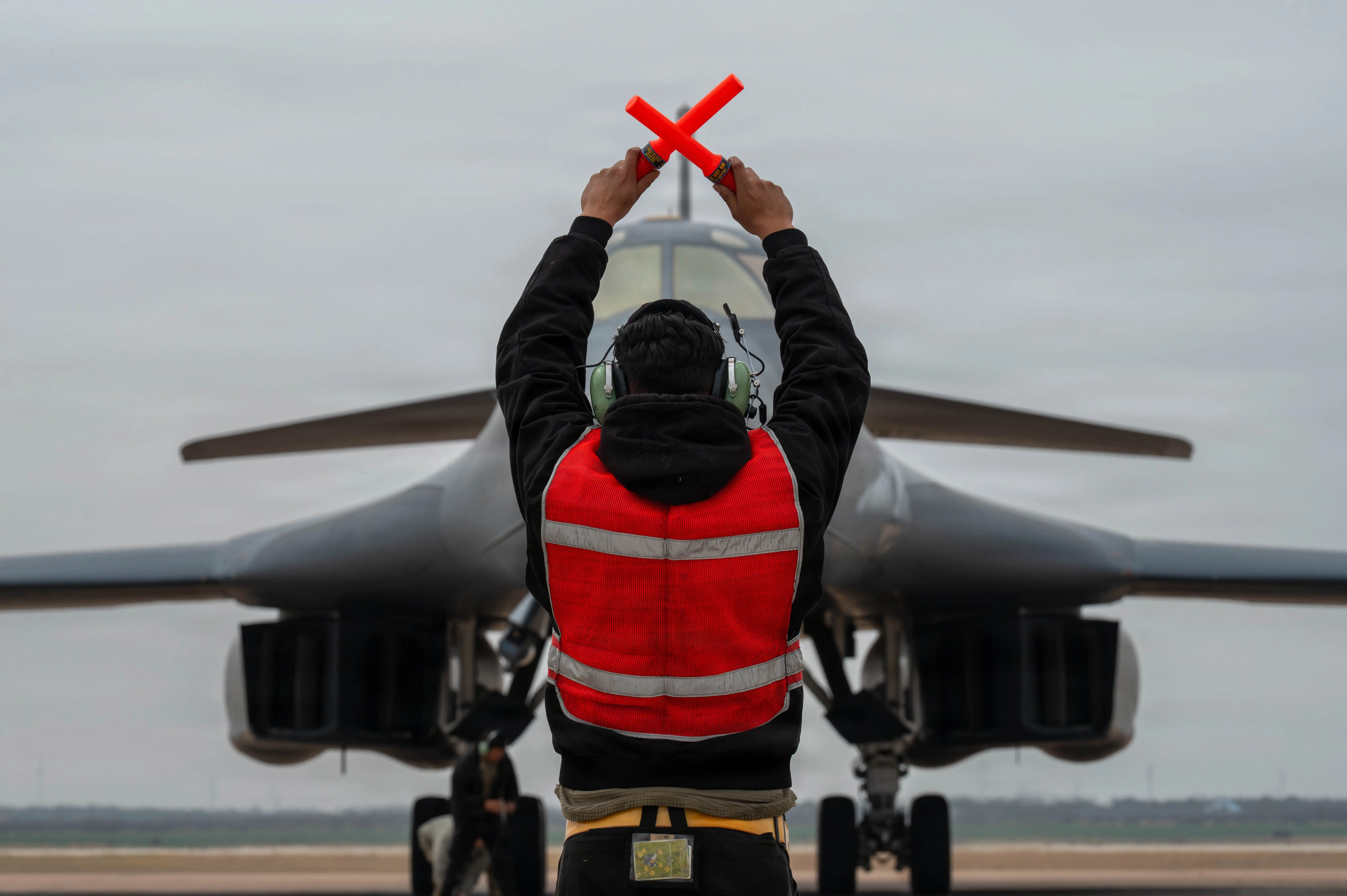
The Full-Throttle Secret
Landing an aircraft on a carrier requires a highly counterintuitive engine technique. The exact moment the fighter jet's wheels slam onto the flight deck, naval aviators immediately push their throttles to maximum military power.
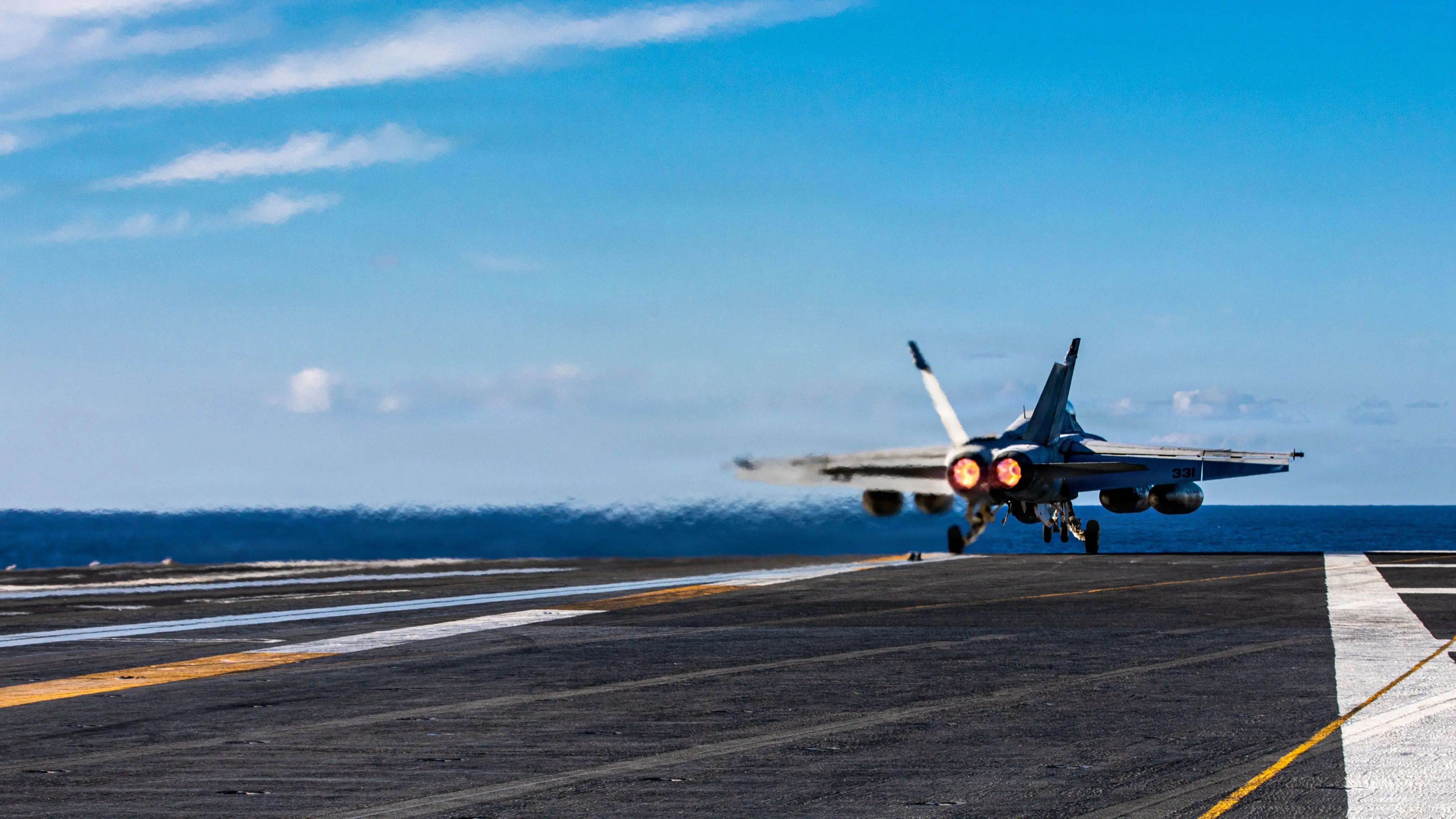
Preparing for a Bolter
This full-throttle protocol ensures survival if the tailhook completely fails to catch a wire, a dangerous scenario known as a 'bolter'. By applying maximum thrust early, the pilot has enough immediate power to safely fly straight off the angled deck and attempt another landing.
)
)
)
)
)