‘The swarm commander’: How China's new J-20 will control lethal 'loyal wingman' drones

China's J-20S is the first stealth fighter built to command 'loyal wingman' drones like the FH-97A. This twin-seat jet uses a dedicated battle manager to control robotic swarms, allowing for mass missile strikes that challenge US air superiority.
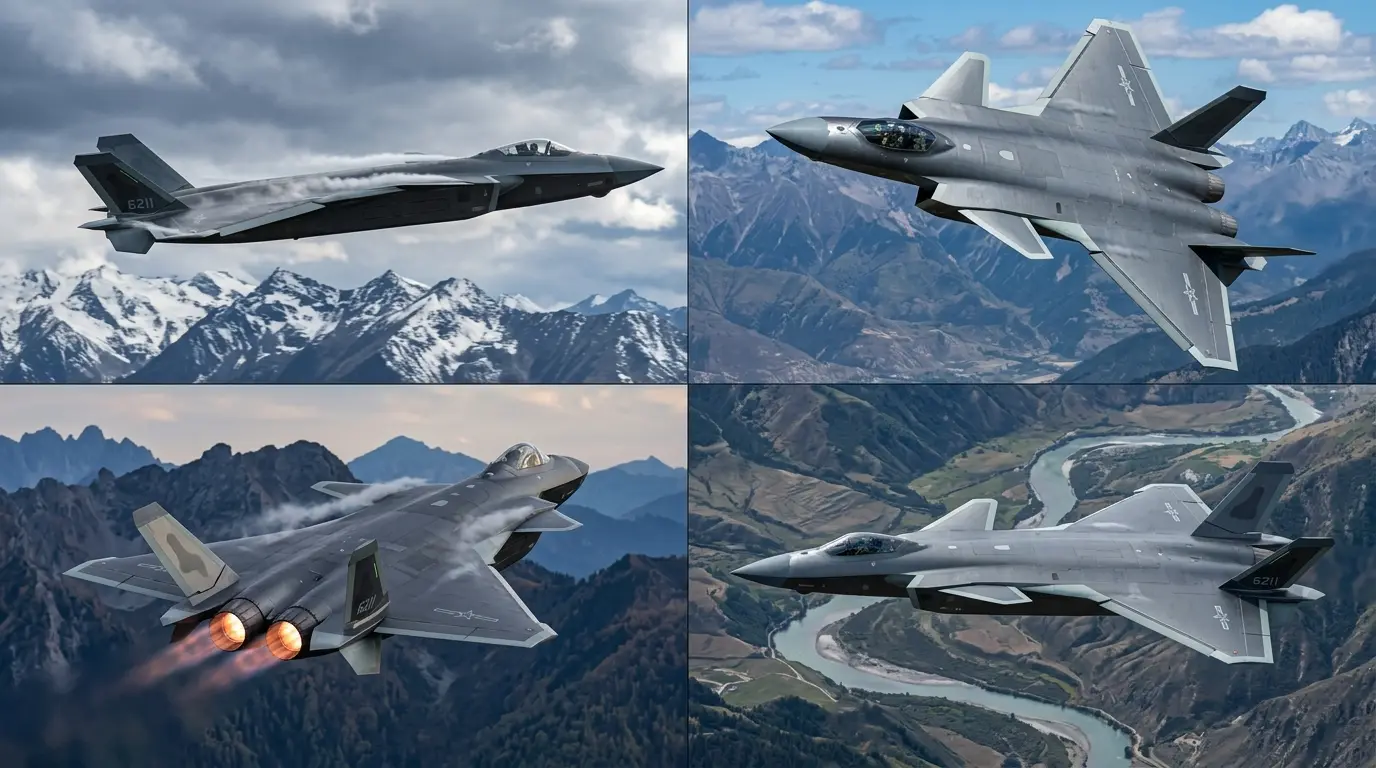
A Doctrinal Shift
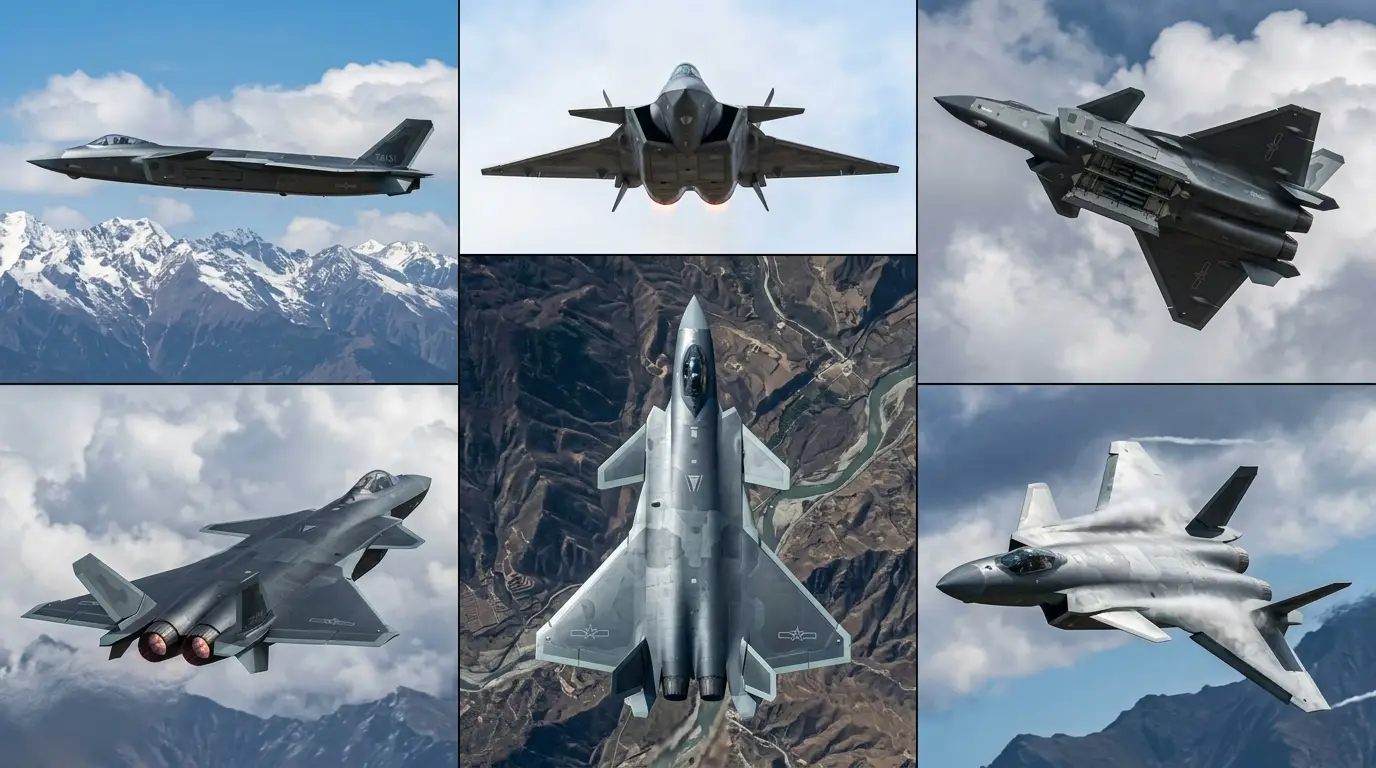
China is officially transitioning from standalone stealth operations to a networked system of systems. The Chengdu J-20S is the world’s first twin-seat stealth fighter, purpose-built to act as an airborne command centre rather than just a traditional dogfighter.
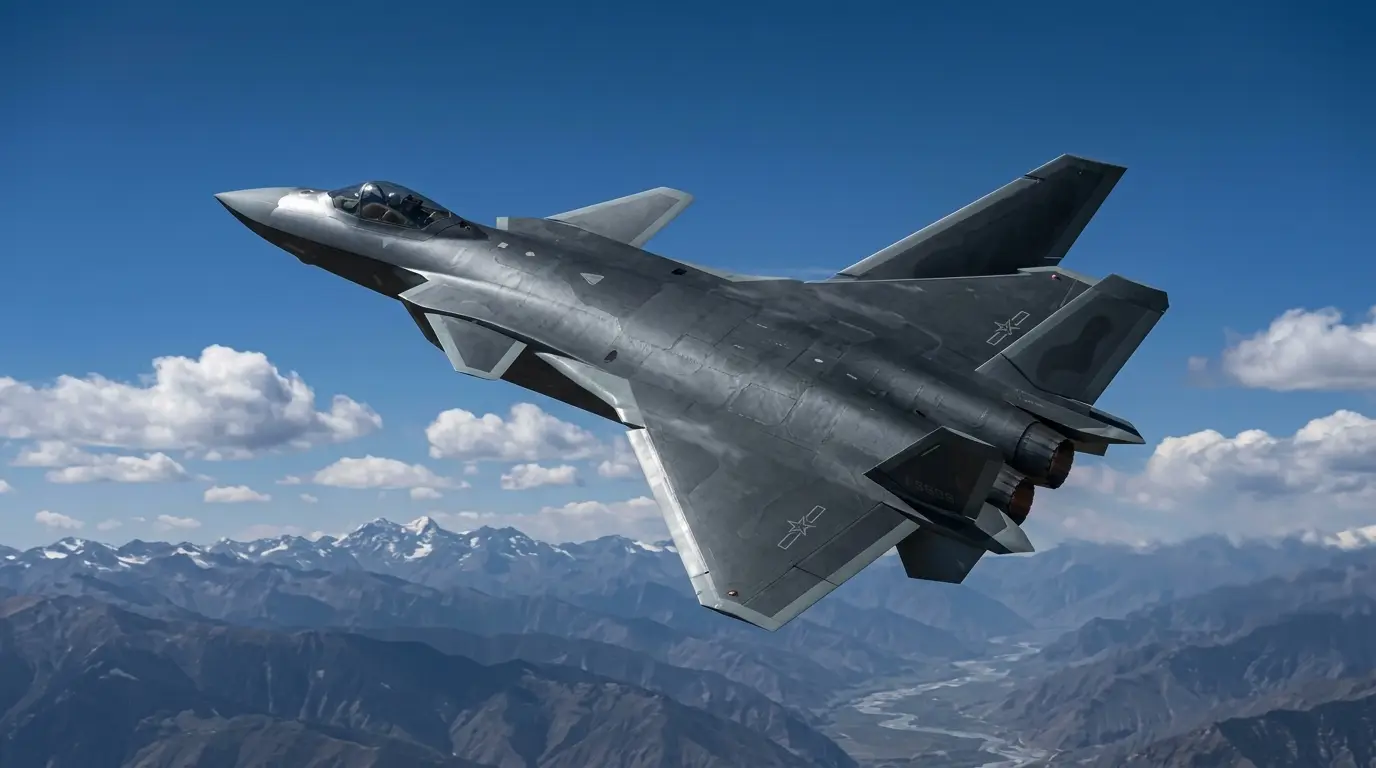
The Battle Manager
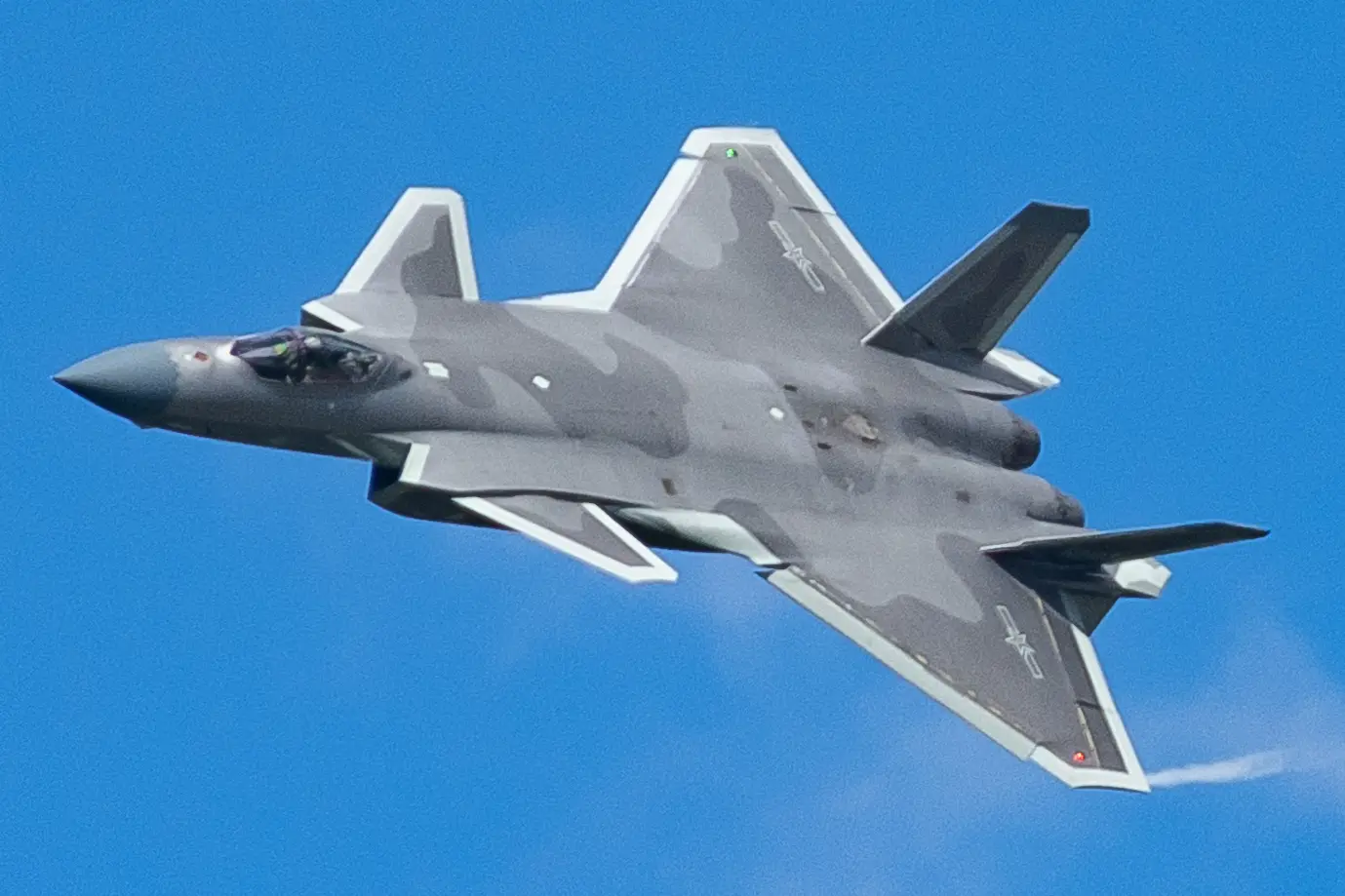
The elongated cockpit houses a second operator dedicated entirely to managing complex battlefield data. This back-seater alleviates the pilot's cognitive load by coordinating electronic warfare, long-range targeting, and lethal drone swarms in highly contested airspace.
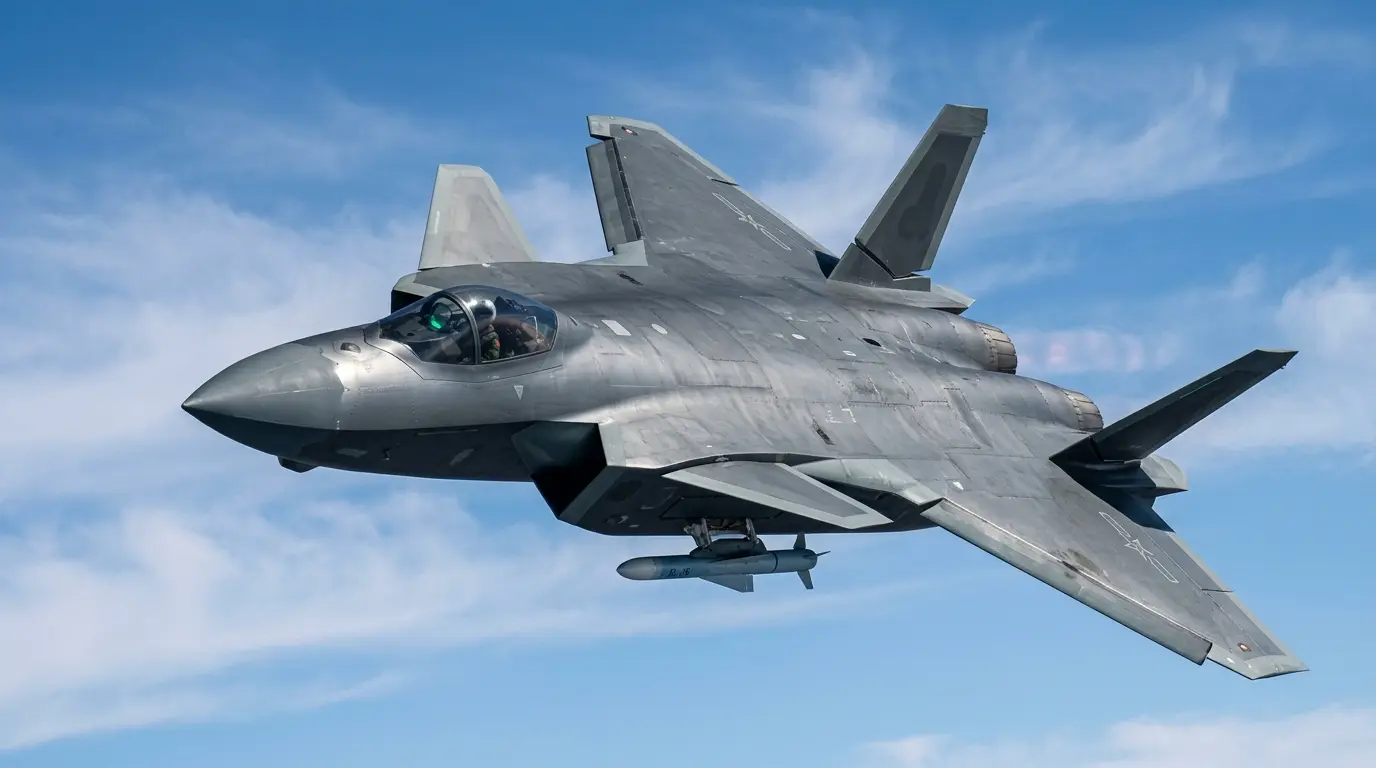
The Loyal Wingman
The J-20S is designed to pair directly with the FH-97A, an AI-piloted 'loyal wingman' drone. Functioning as a high-speed scout and decoy, this unmanned asset physically shields the USD 120 million manned fighter from incoming anti-aircraft fire.
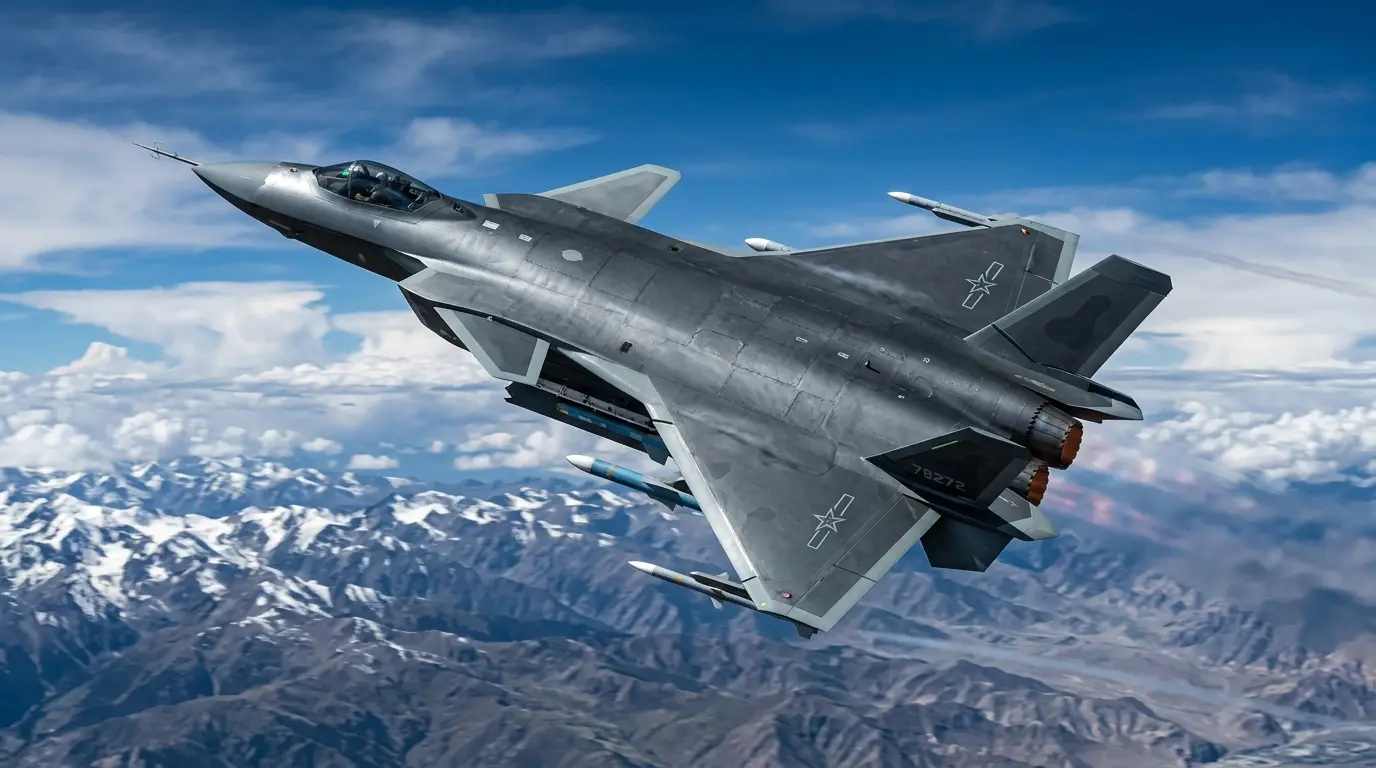
The Flying Missile Truck
Beyond surveillance, these drones act as heavily armed, disposable missile trucks. A single FH-97A can carry up to eight air-to-air munitions, allowing the J-20S commander to order massive barrages without exposing their own stealth radar profile.
Multi-Axis Saturation
By controlling a robotic armada, a solitary J-20S can execute simultaneous, multi-axis attacks. This swarm tactic is designed to completely overwhelm the radar tracking and defensive response times of American carrier strike groups operating in the Pacific.
The 95 Per Cent Win Rate
Recent combat simulations conducted by Chinese military researchers reveal the devastating effectiveness of manned-unmanned teaming. The data shows that when a single J-20 integrates with just three drones, its win rate against solitary F-22 platforms surges to 95 per cent.
A New Pacific Reality
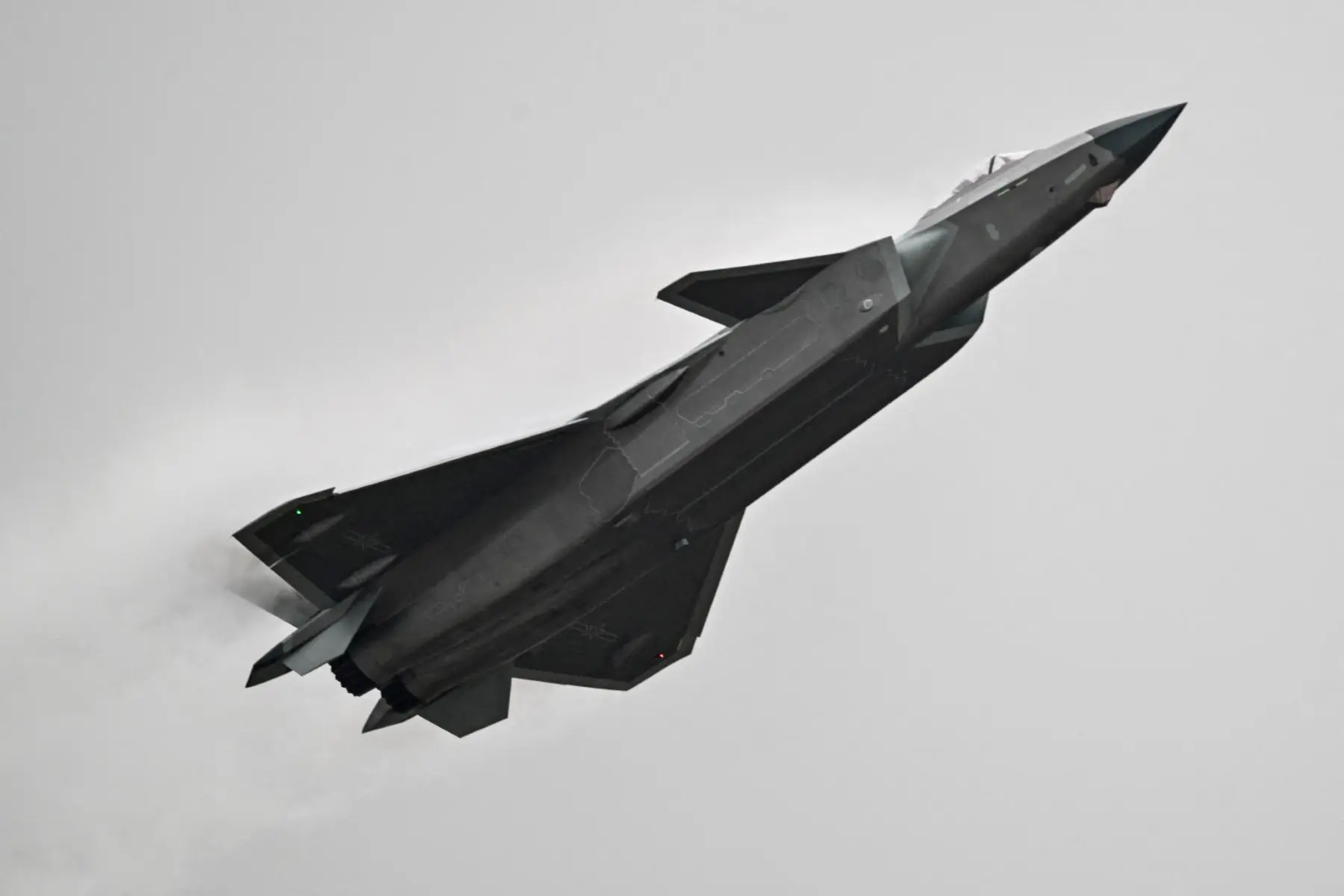
This integration of artificial intelligence and fifth-generation stealth rewrites the rules of modern aerial warfare. By fielding autonomous swarms, the People's Liberation Army Air Force (PLAAF) is drastically complicating America's ability to maintain air superiority over the Taiwan Strait.
)
)
)
)
)