The science behind ultra-fast fighter jet takeoff acceleration

Fighter jets accelerate from zero to 150 mph in 2 seconds on aircraft carriers. F-22 reaches Mach 1.2 in 25 seconds. Electromagnetic catapults consume 100 million watts per launch. Pilots experience 6+ G-forces.
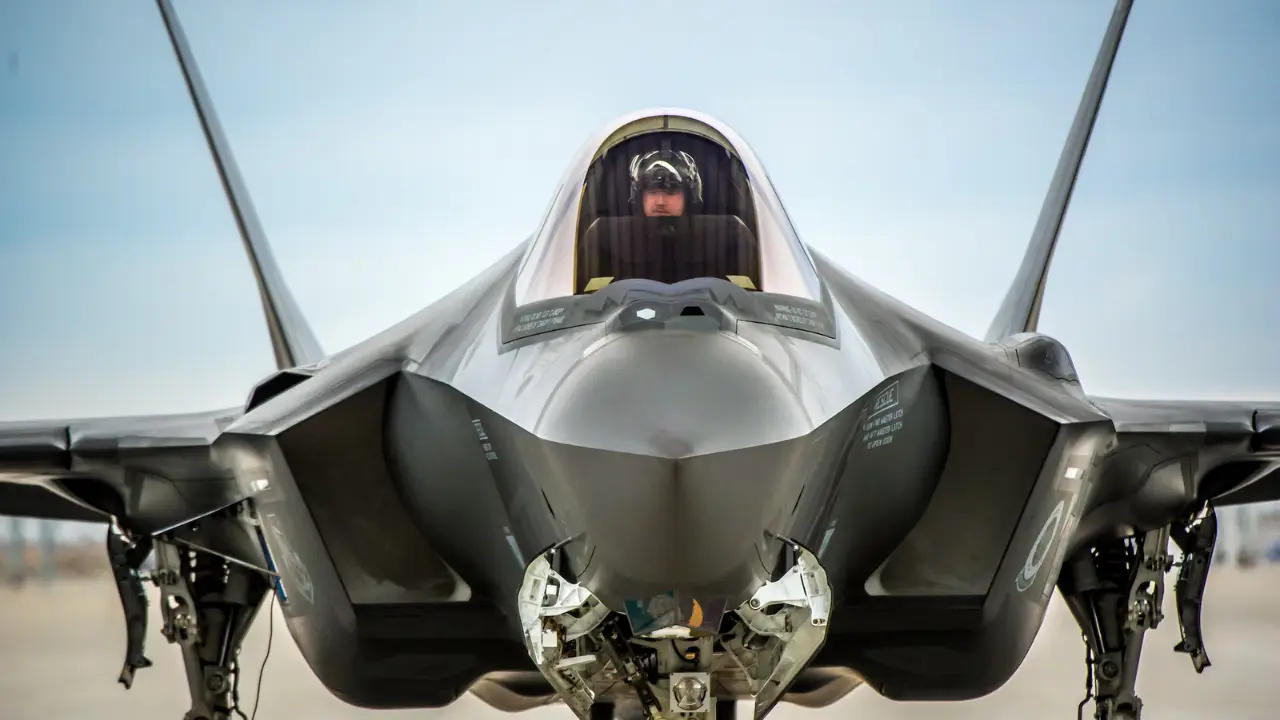
From Zero to 150 mph in 2 Seconds
Carrier-based fighter jets accelerate from stationary to takeoff speed (165 mph / 265 km/h) in just 2 seconds using steam catapults. This extreme acceleration exposes pilots to 6+ G-forces, equivalent to six times their body weight pressing down.
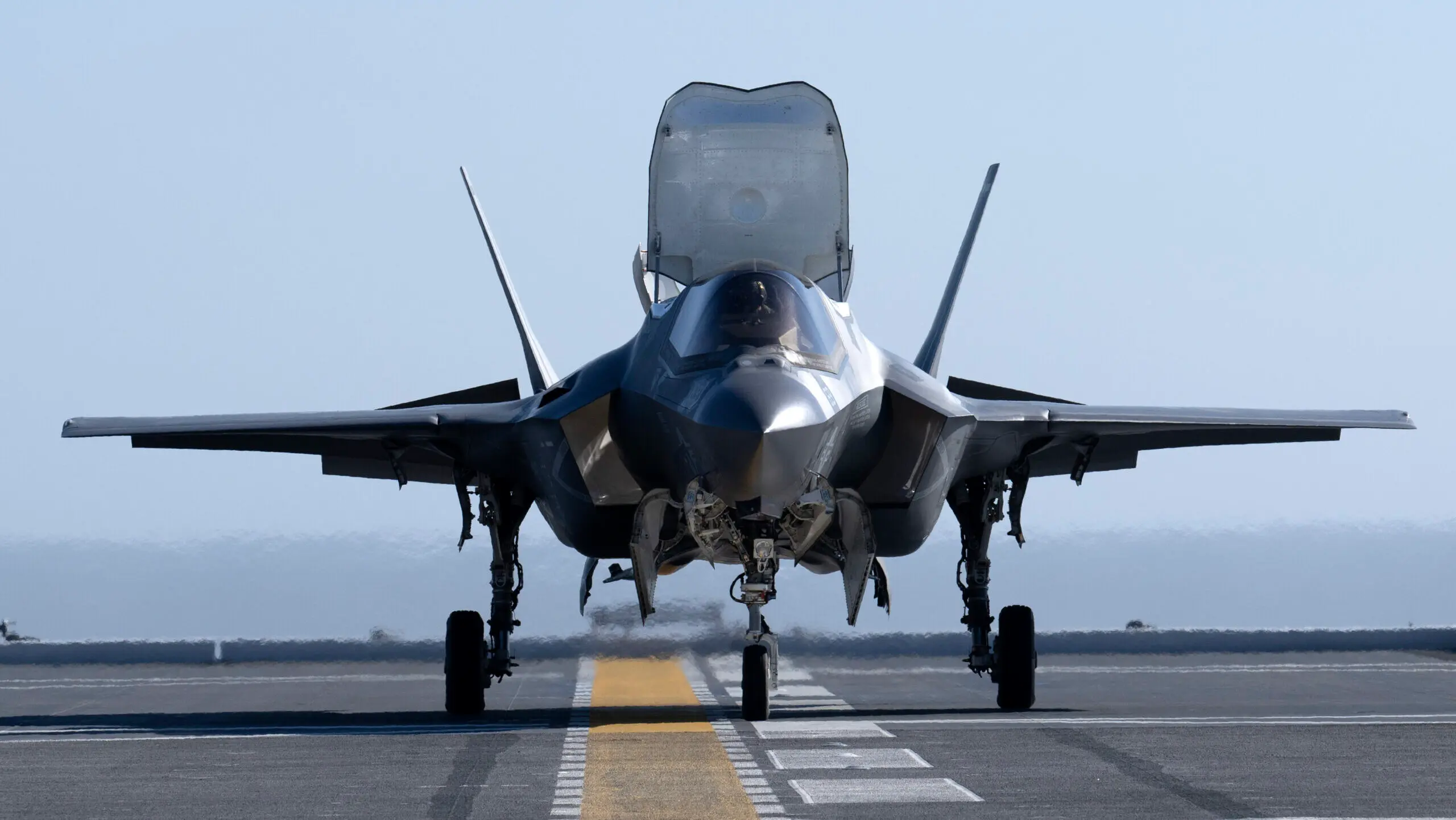
The 300-Foot Runway Challenge
Aircraft carrier runways measure only 300 feet long, compared to 8,000+ feet for land-based airfields. Catapult assistance is absolutely essential engines alone cannot generate enough lift in such short distance.
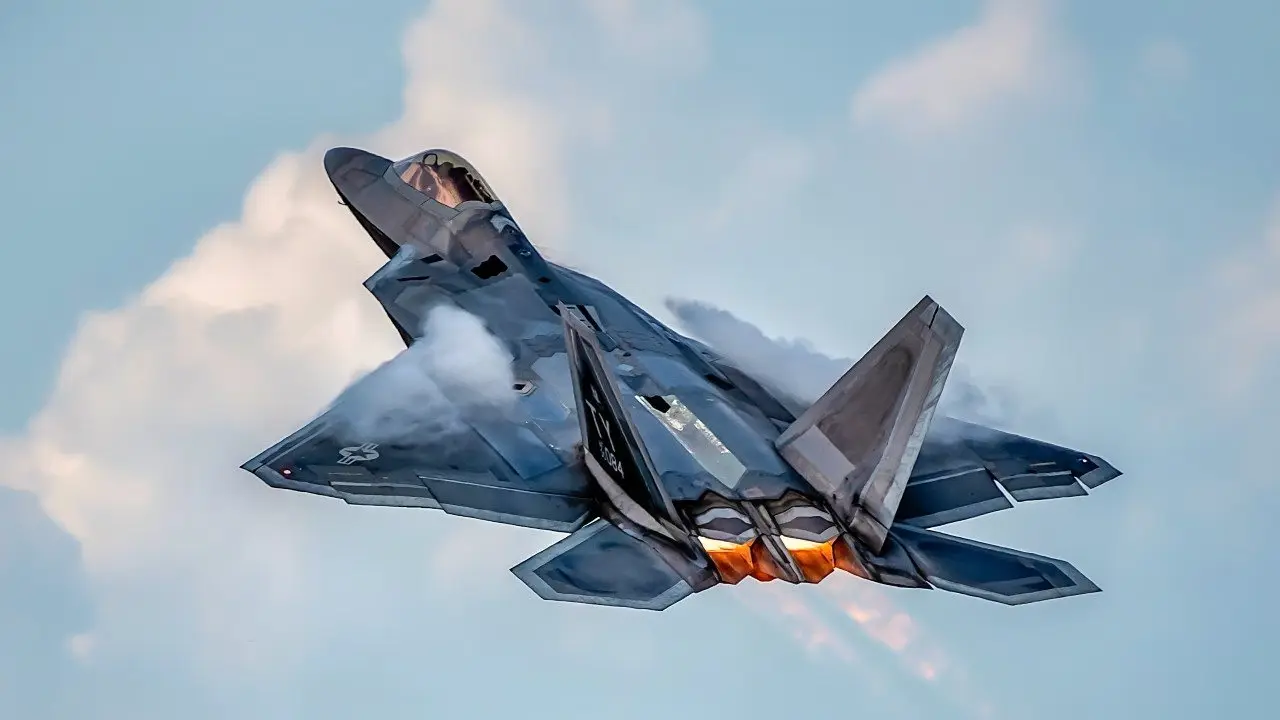
Afterburner Thrust Boost - 50% More Power
Afterburners inject fuel into the exhaust stream, increasing thrust by 50 per cent or more. This temporary power boost enables takeoff from short runways but burns fuel extremely fast, usable only for seconds.
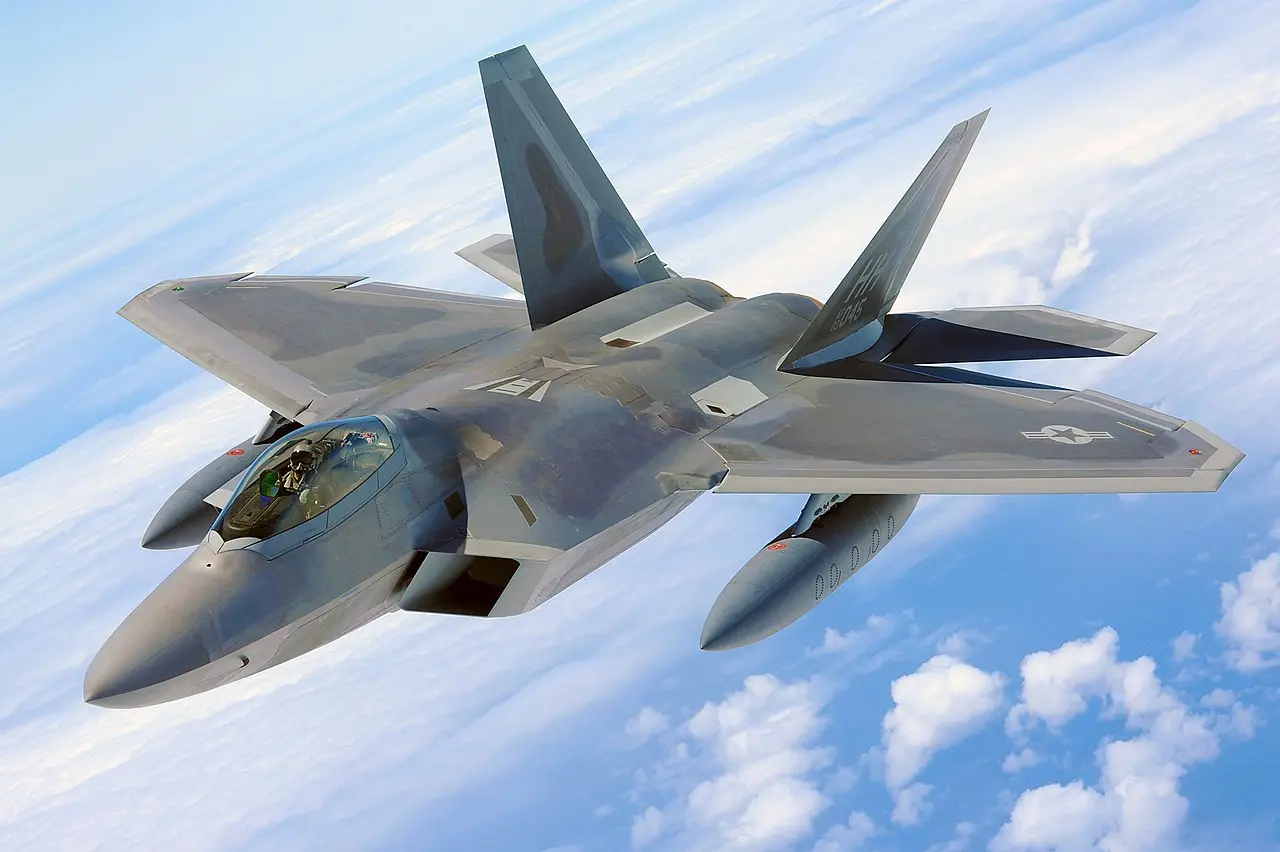
F-22 Raptor Reaches Mach 1.2 in 25 Seconds
The F-22 accelerates from standing start to Mach 1.2 (738 mph) in just 25 seconds using two Pratt & Whitney F119 engines producing 35,000 pounds of thrust with afterburners engaged.
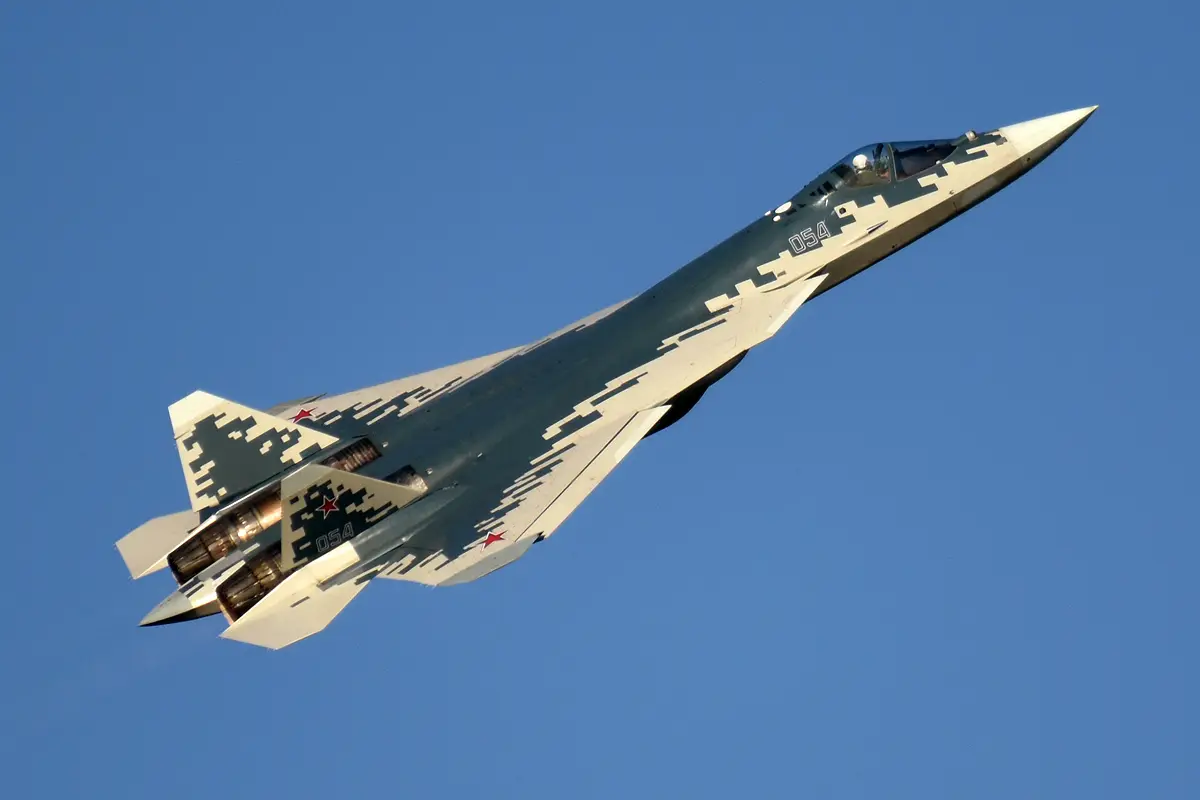
Su-57 Felon Accelerates to Mach 1.2 in 28 Seconds
Russia's Su-57 reaches Mach 1.2 in 28 seconds, slightly slower than F-22 but featuring 3D thrust vectoring for superior manoeuvrability during rapid acceleration phases.
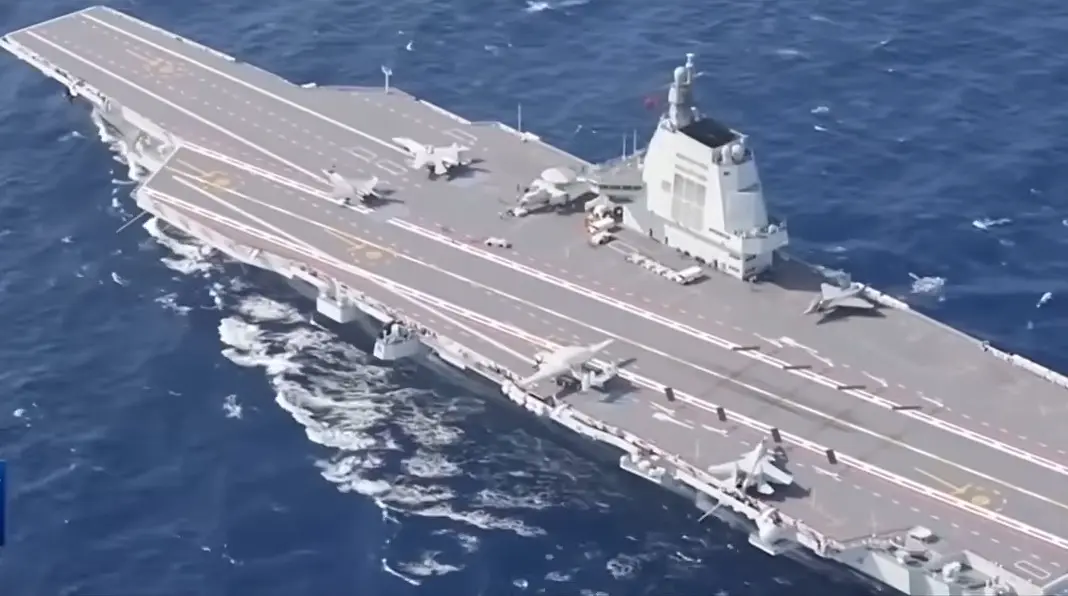
Steam Catapults vs Electromagnetic EMALS
New electromagnetic catapults (EMALS) on USS Gerald R. Ford launch aircraft every 45 seconds with each launch lasting 3 seconds. EMALS consumes 100 million watts enough power for a small town.
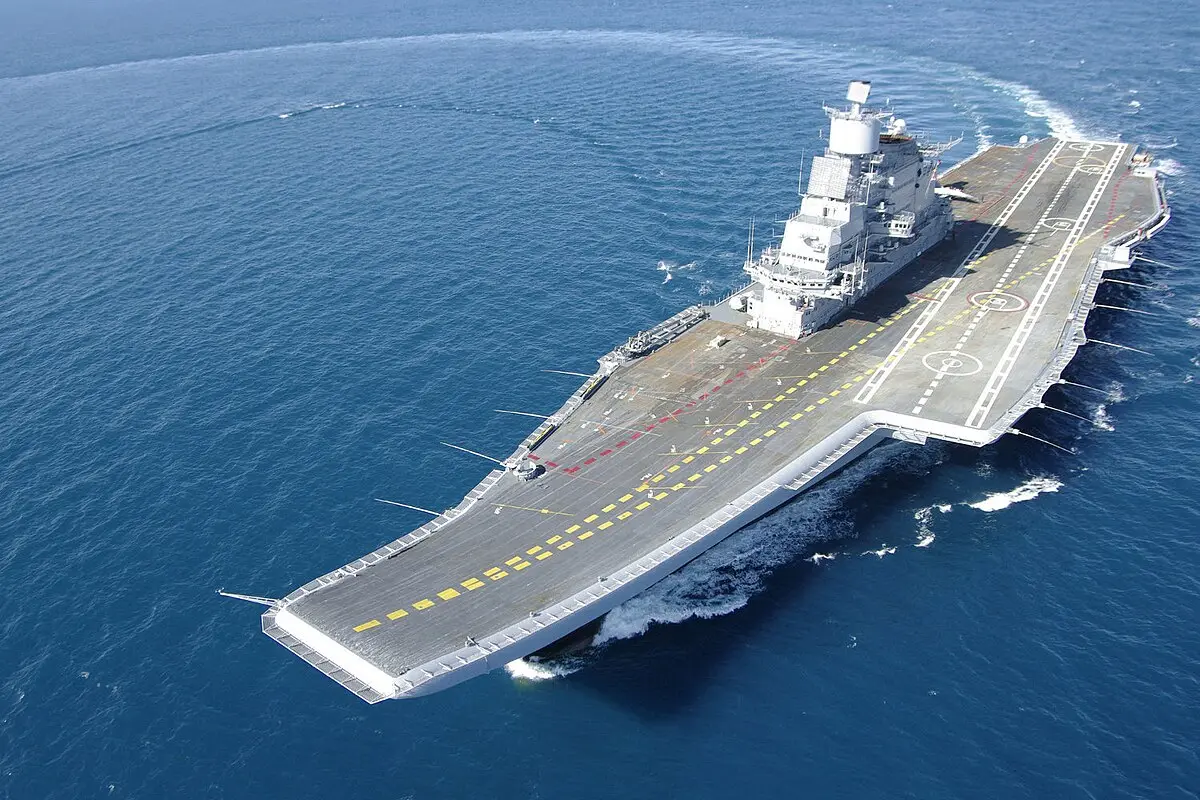
G-Force Effects on Pilot Body
Carrier takeoff acceleration of 6+ G-forces causes blood to drain from the head toward the feet, risking pilot blackout. Fighter pilots undergo G-force training and wear special anti-G suits compressing their legs to prevent unconsciousness.
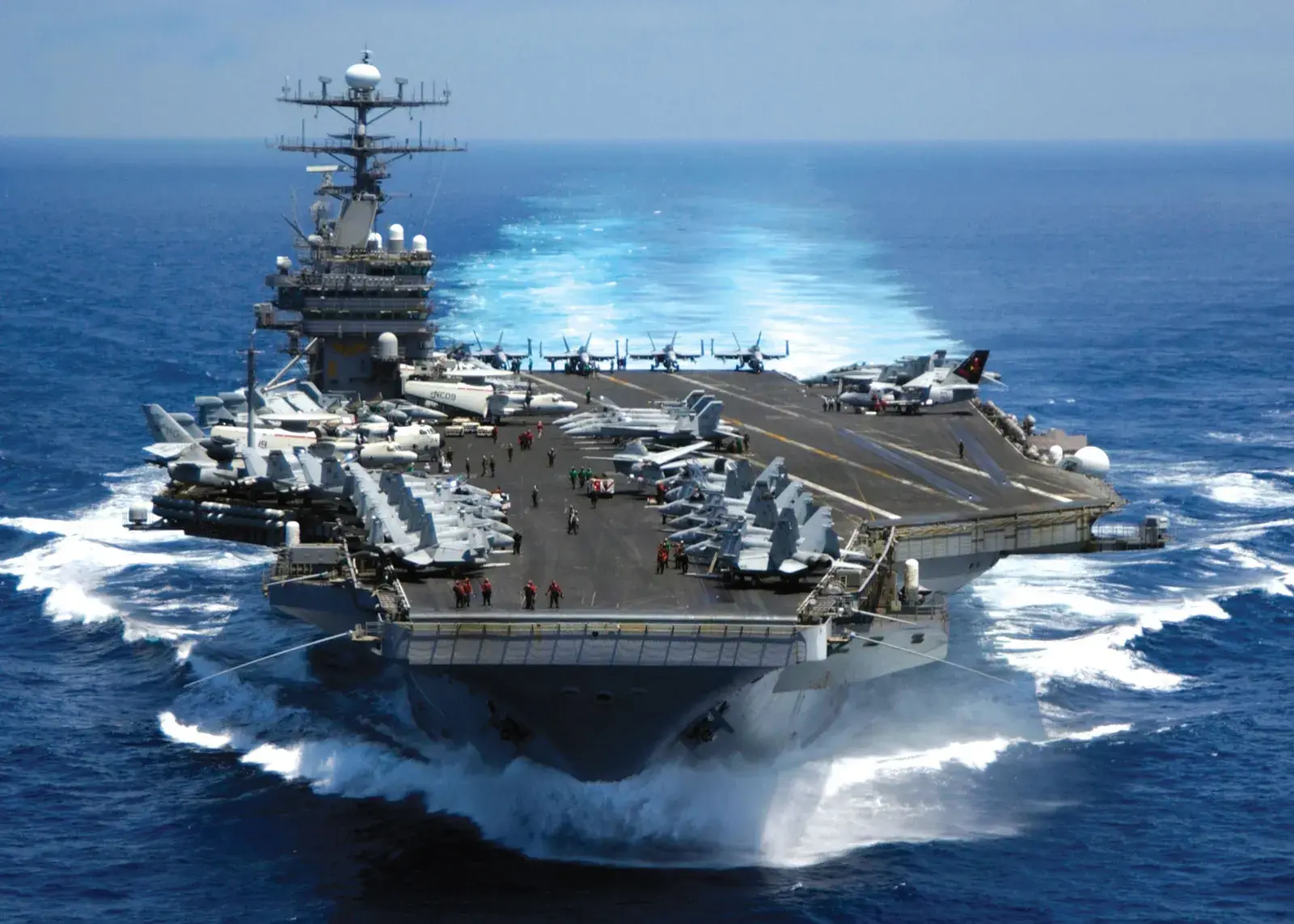
G-Force Effects on Pilot Body
Carrier takeoff acceleration of 6+ G-forces causes blood to drain from the head toward the feet, risking pilot blackout. Fighter pilots undergo G-force training and wear special anti-G suits compressing their legs to prevent unconsciousness.
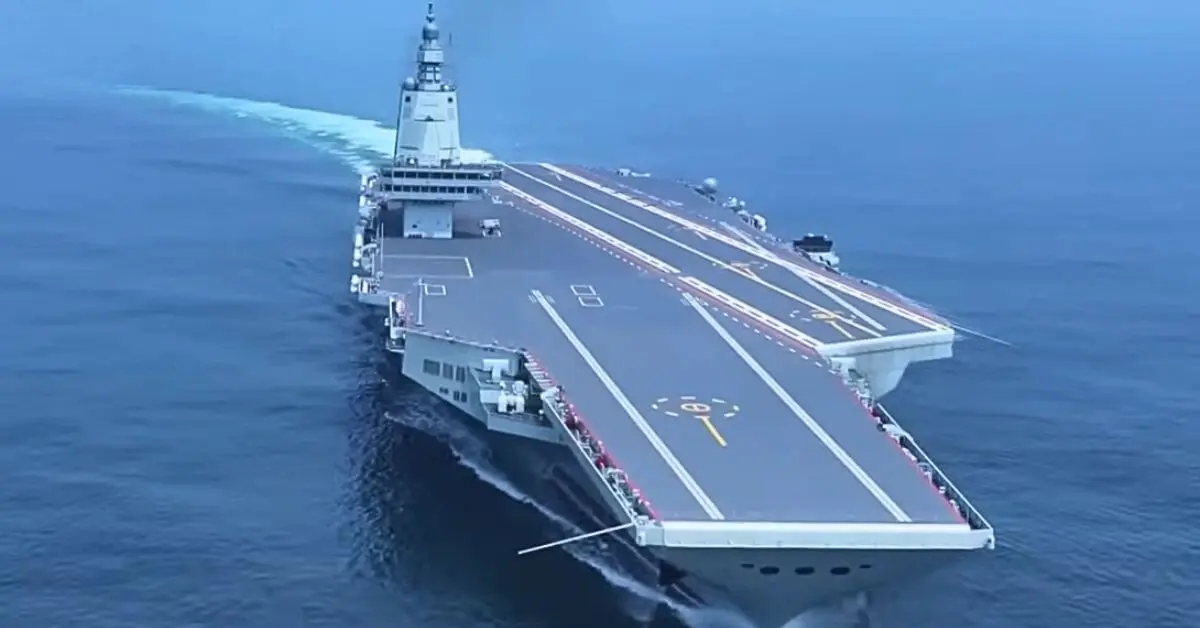
China's Fujian Carrier EMALS Technology
China's newest carrier Fujian successfully launched three aircraft types using electromagnetic catapult systems in September 2025. EMALS puts less stress on airframes than steam catapults.
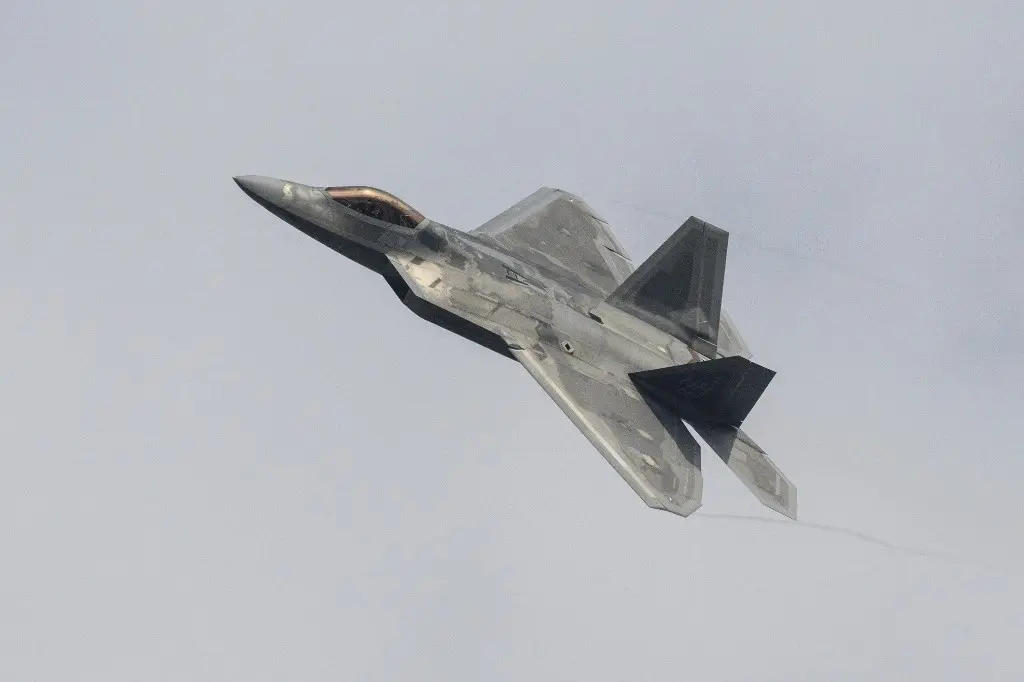
Thrust-to-Weight Ratio Determines Acceleration
F-22 achieves 1.3 thrust-to-weight ratio, meaning thrust exceeds aircraft weight. Su-35 maintains 1.15 ratio, F-35 achieves 1.07 ratio. Higher ratios enable faster acceleration and superior climb rates.
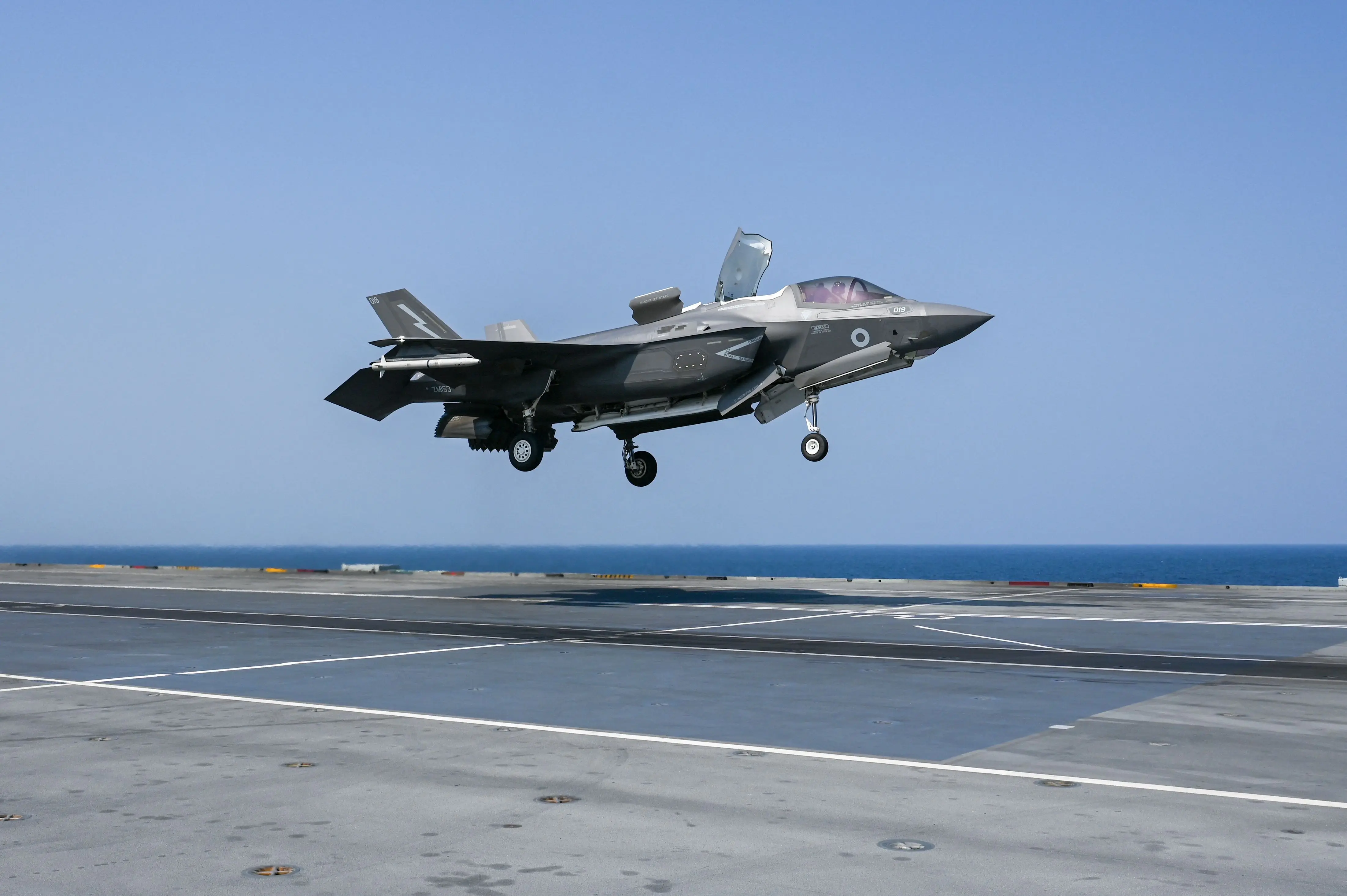
Landing Deceleration - 2 Seconds Stop
Arresting cables and friction brakes stop 150-mph jets to zero in 2 seconds during carrier landings. This creates G-forces exceeding takeoff stress, requiring similar anti-G protection for pilots.
)
)
)
)
)