'The Phalanx': How does this gun save USS Abraham Lincoln from Iran?

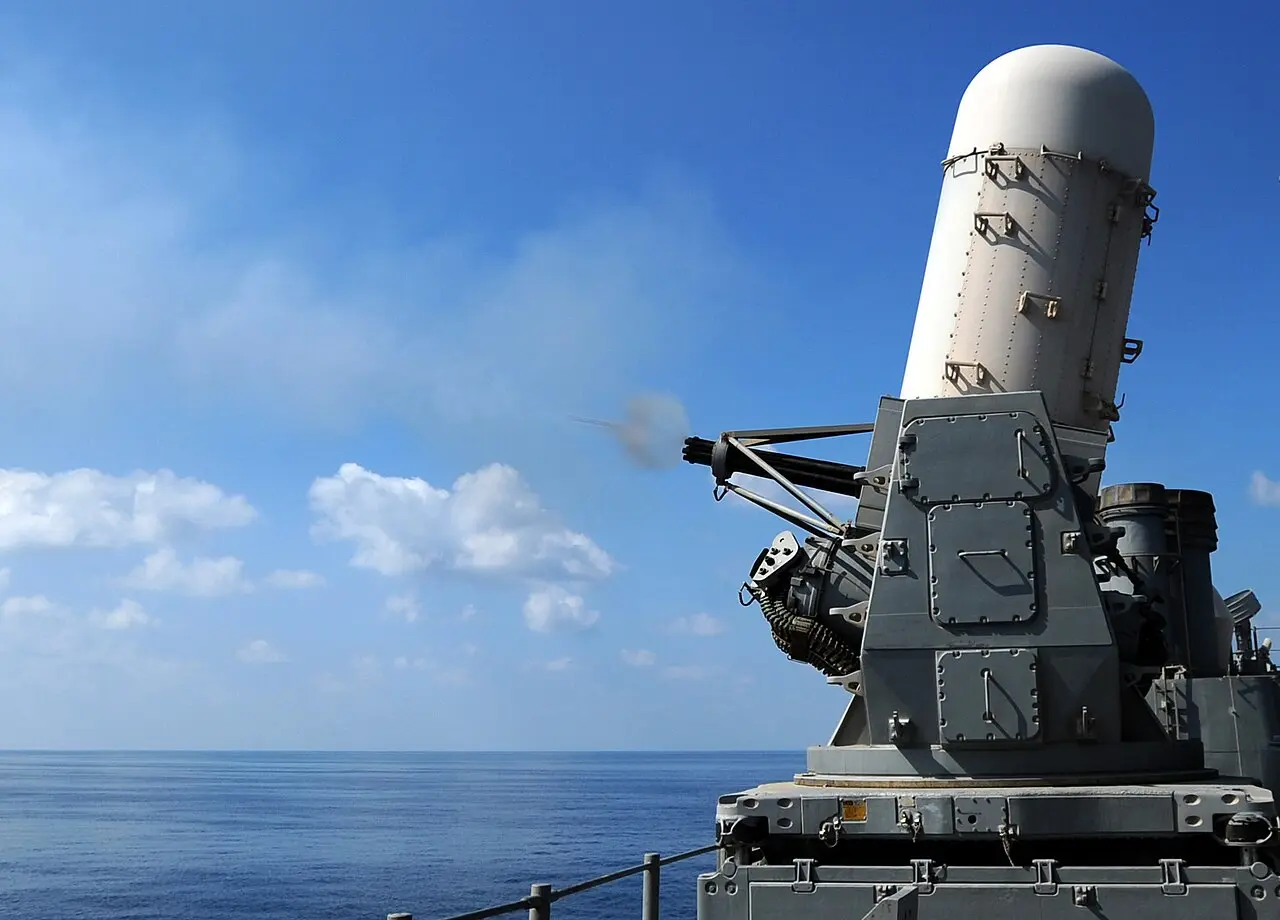
The USS Abraham Lincoln relies on the Phalanx CIWS, a radar-guided 20mm cannon firing 4,500 rounds per minute, to destroy Iranian drones and missiles as a final line of defence.
Deployed amid 2026 tensions
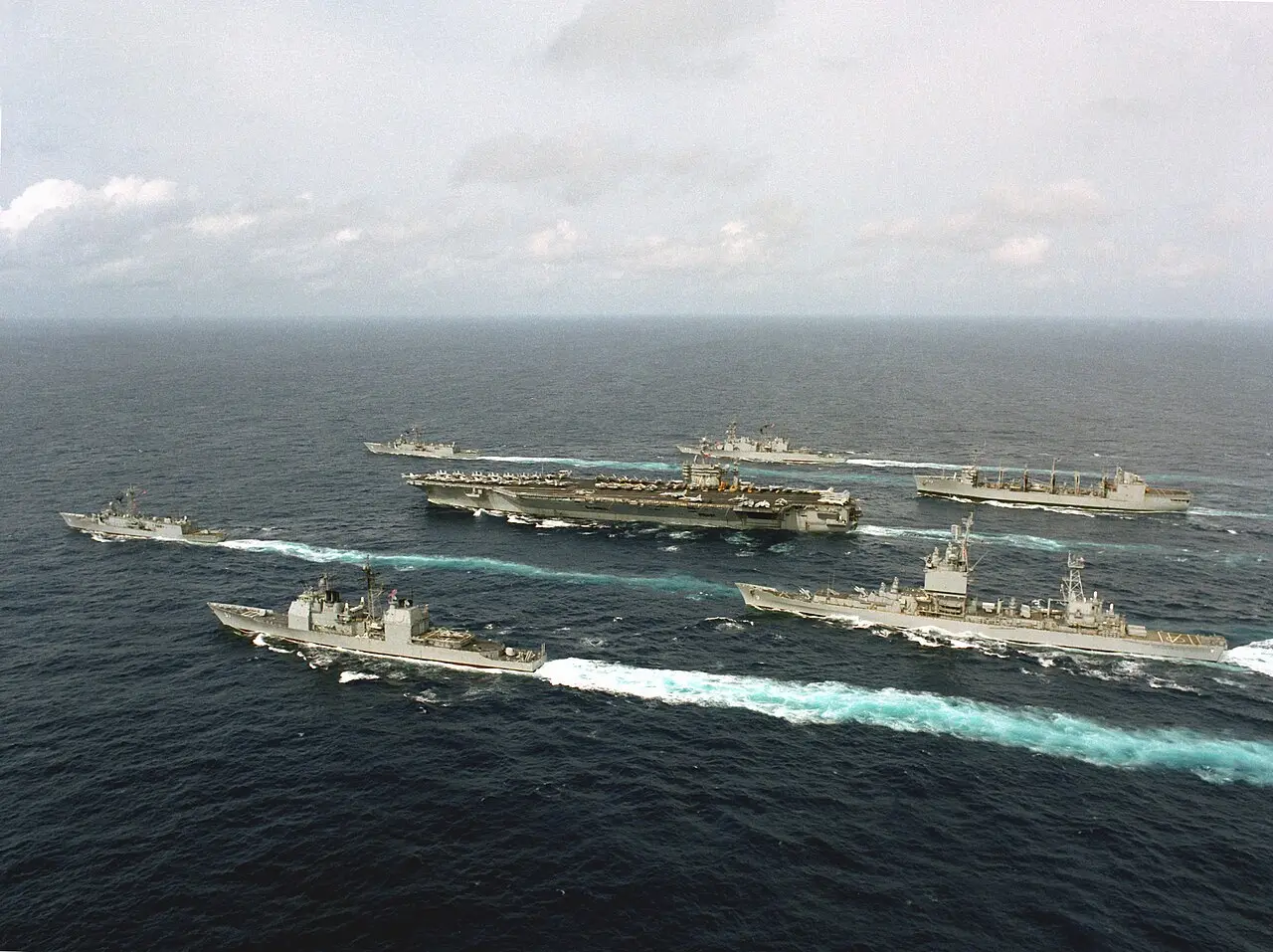
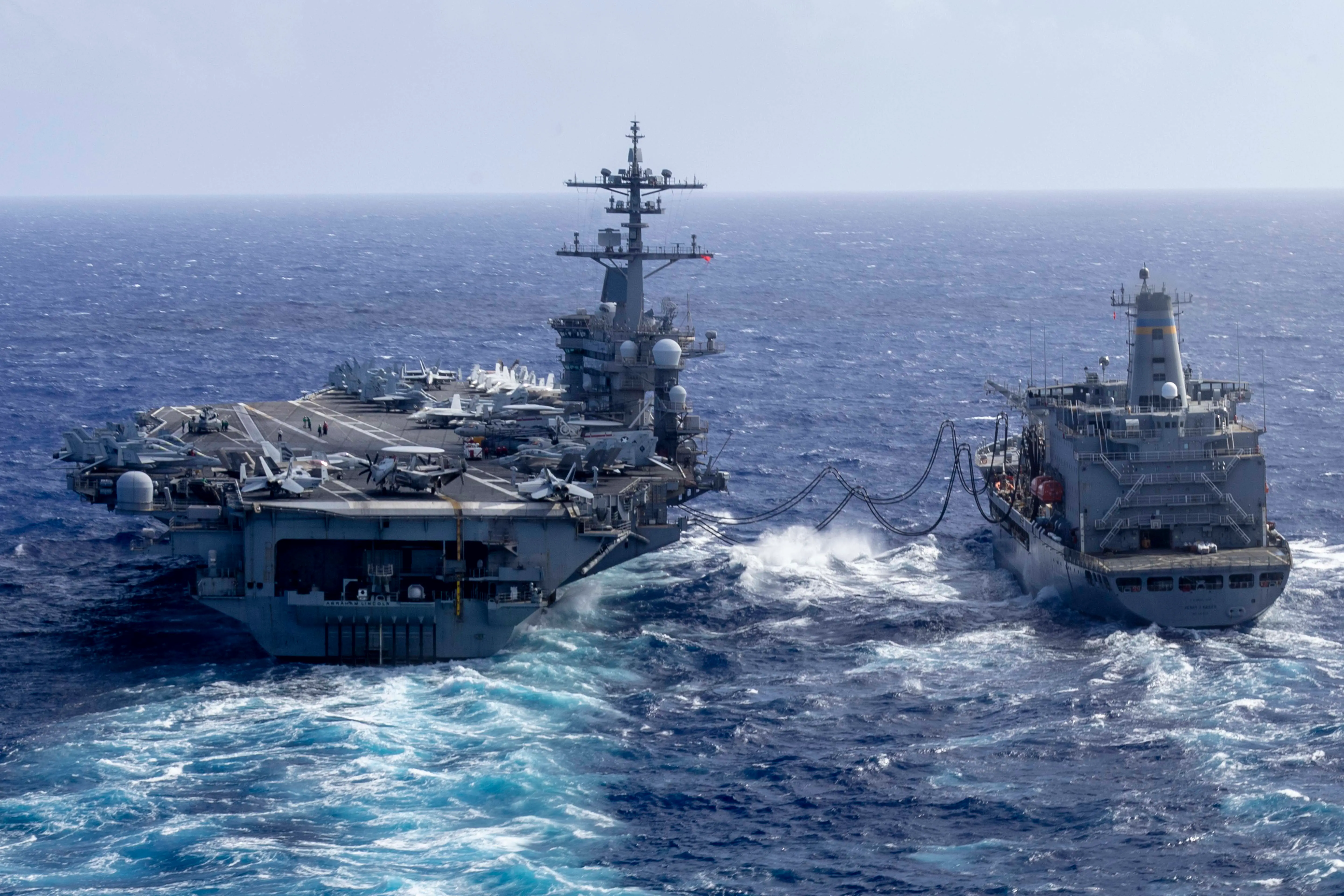
The US Navy redirected the USS Abraham Lincoln to the Middle East in early 2026 amid rising tensions with Iran. The nuclear-powered Nimitz-class carrier serves as a massive floating airbase, carrying up to 90 aircraft. It relies on a layered defence network to survive in hostile waters.
The final 1.5-km shield
When long-range interceptors miss, the Phalanx Close-In Weapon System becomes the ship's last line of survival. It is designed to engage incoming anti-ship missiles and drones within a 1.5-kilometre radius. The automated system tracks targets and destroys them before they can strike the hull.
Fires 4,500 rounds rapidly
At the heart of the Phalanx is a 20mm M61A1 Vulcan Gatling gun that boasts a staggering firing rate. It can unleash up to 4,500 rounds per minute to shred incoming aerial threats. This intense barrage creates a wall of metal that enemy projectiles simply cannot penetrate.
Features 3D Ku-band radar
The weapon does not rely on the main sensors of the carrier to spot immediate danger. It features its own built-in Ku-band radar system housed inside the distinctive white dome. This radar tracks both the incoming missile and the outgoing bullets to continuously correct its aim.
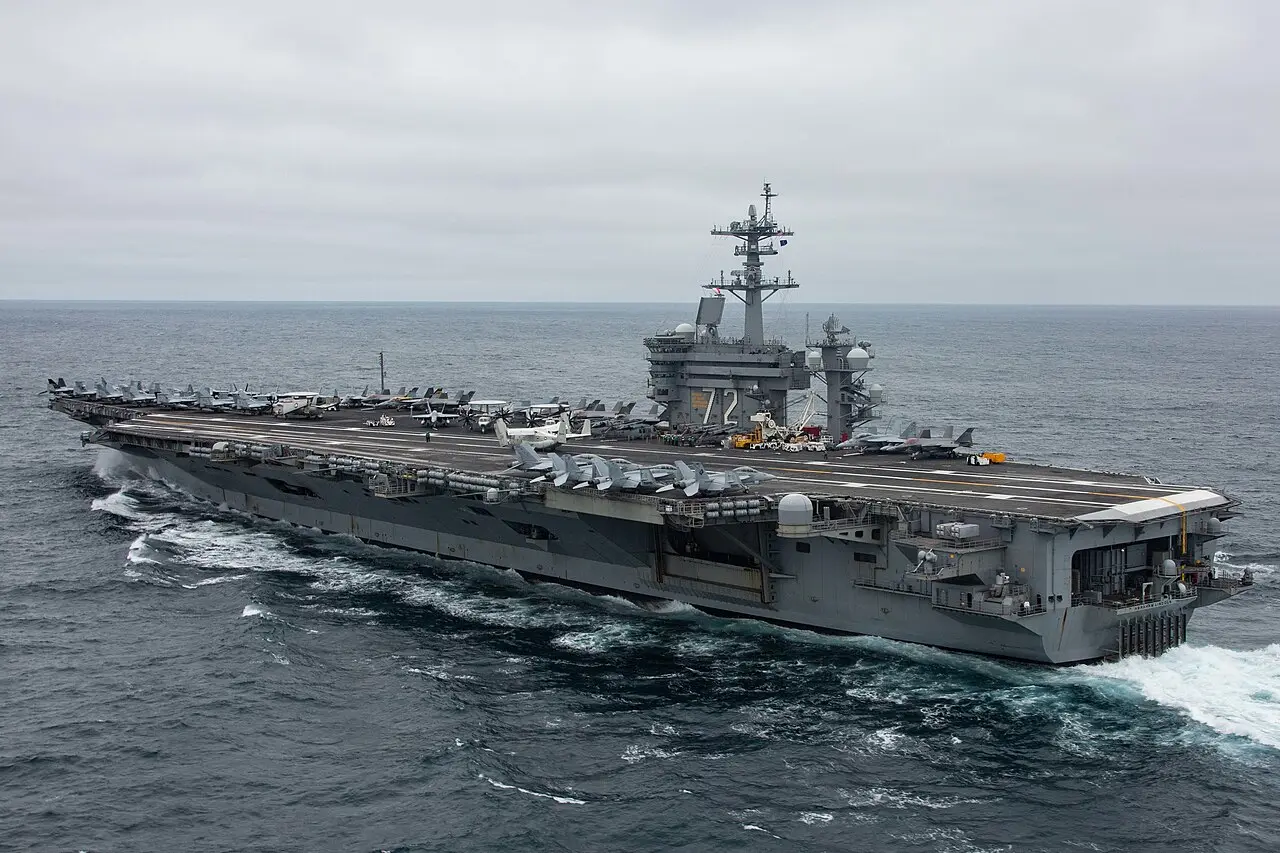
20mm armour-piercing ammunition
To ensure maximum destruction, the Phalanx fires heavy 20mm tungsten armour-piercing rounds. These bullets are engineered to punch through the thick casing of supersonic anti-ship missiles and detonate their warheads in the air. The kinetic energy alone is enough to disintegrate small attack drones.
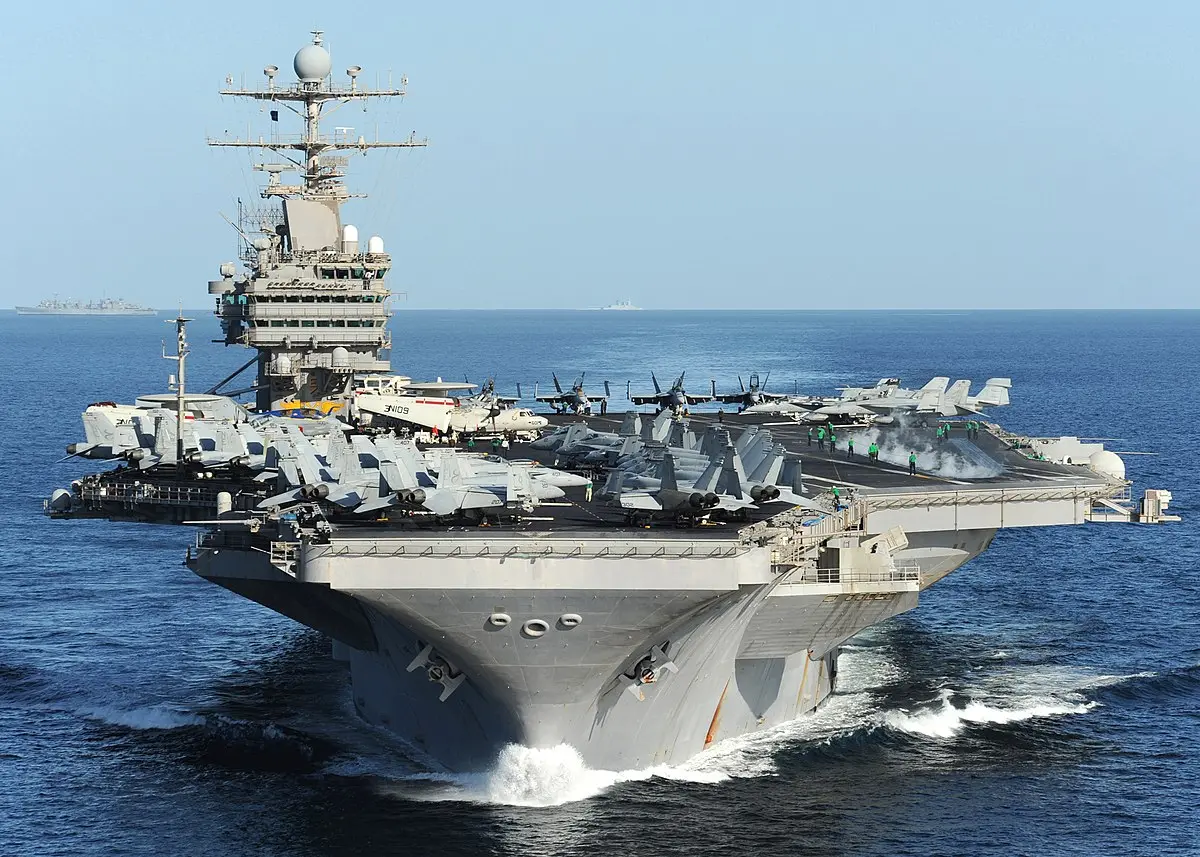
Defeats dozens of drones
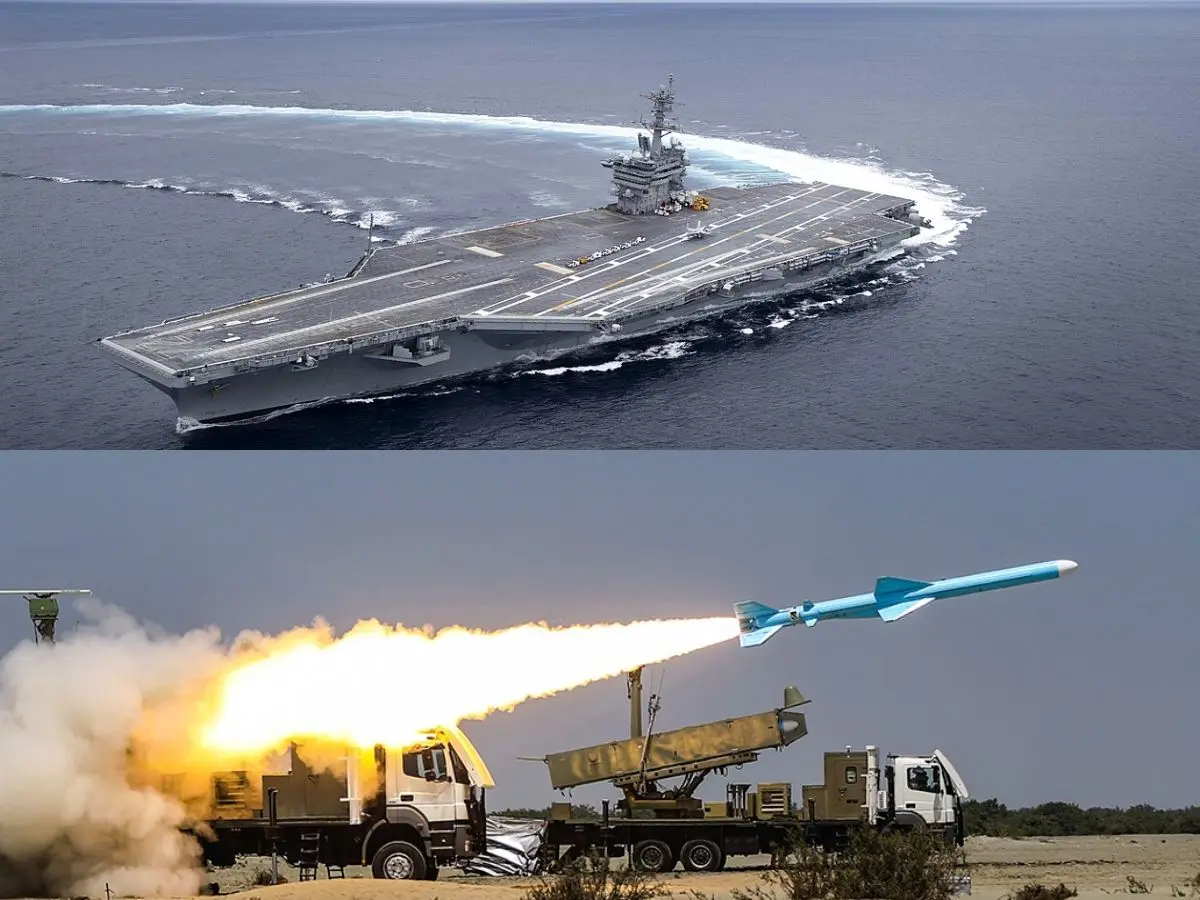
Iran frequently relies on asymmetrical warfare tactics, including the deployment of low-flying drone swarms and fast attack boats. The rapid reaction time of the Phalanx makes it highly effective against these simultaneous threats. It sweeps the sea surface and lower airspace with lethal precision.
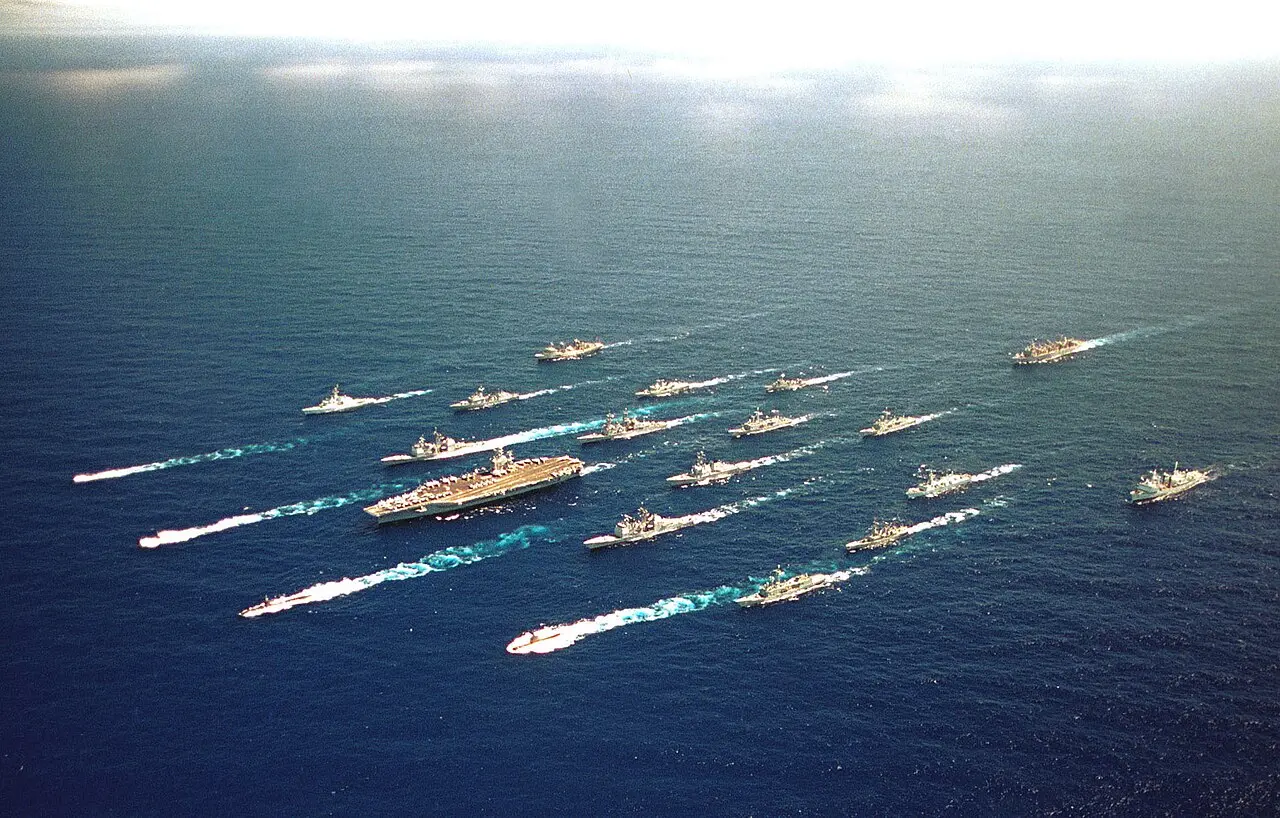
Costs nearly $5.6 million
Each Phalanx unit costs roughly $5.6 million to manufacture and install on a naval vessel. The USS Abraham Lincoln is equipped with two of these weapon systems for overlapping coverage. They provide an essential insurance policy for a warship carrying a crew of over 5,000 sailors.
)
)
)
)
)