'The Pack': How the USS Abraham Lincoln fits 70 massive jets on one roof

The USS Abraham Lincoln is a 100,000-tonne nuclear-powered aircraft carrier that uses a 332-metre angled flight deck, four steam catapults, and rapid elevators to maintain and safely launch a strike force of 70 combat aircraft across the globe.
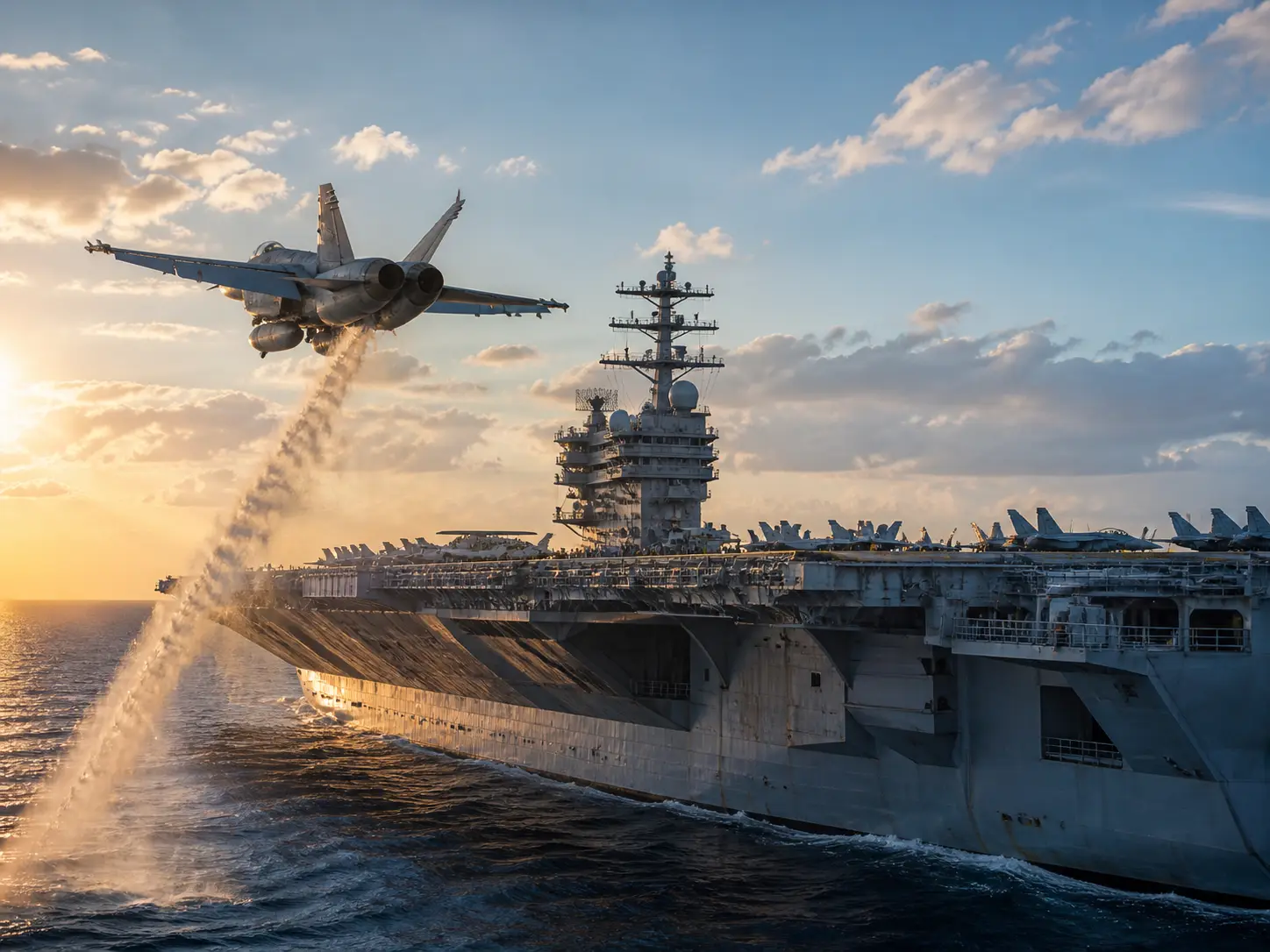
Over 100,000 Tonnes Weight
The USS Abraham Lincoln is a massive Nimitz-class aircraft carrier. It acts as a floating military city, displacing over 100,000 tonnes of steel. The warship houses nearly 6,000 crew members and carries a formidable strike group of about 70 combat aircraft.
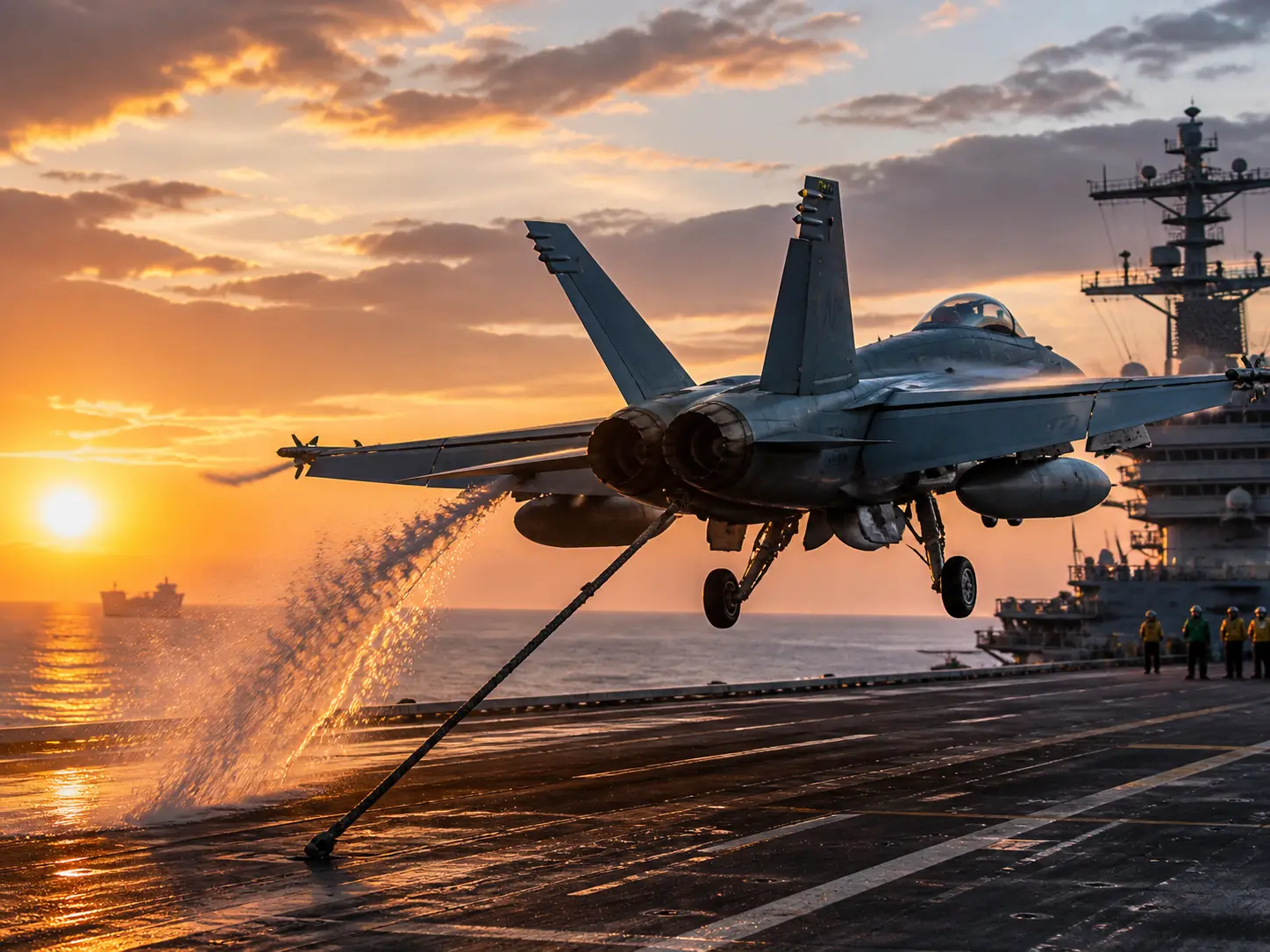
332 Metres Long Runway
The ship features a 332-metre flight deck covering roughly 4.5 acres. This angled deck layout enables simultaneous takeoffs and landings, optimising every inch of space. Highly trained crews use colour-coded uniforms to manage the busy tarmac efficiently and safely.
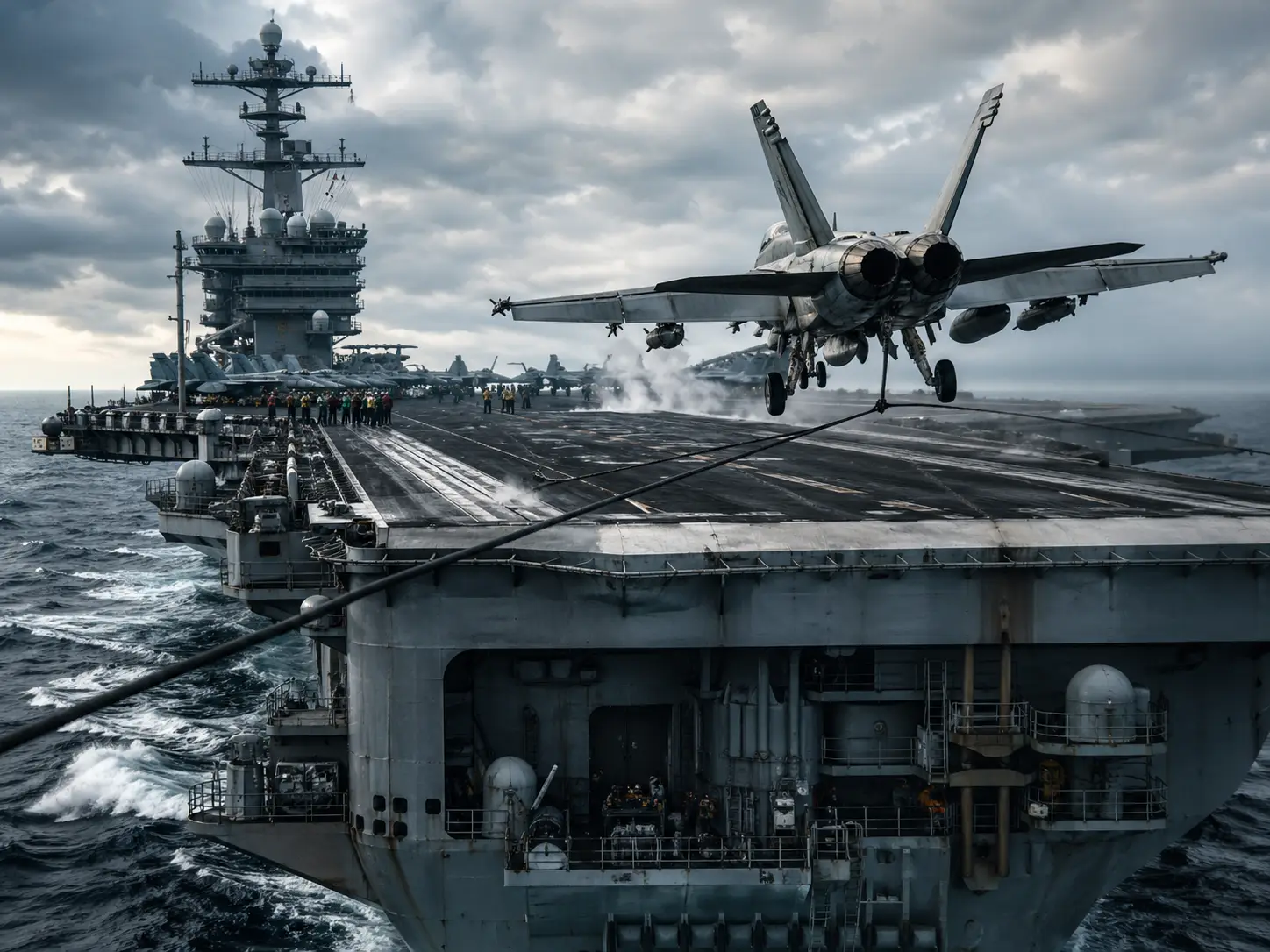
Four High-Speed Elevators
Moving massive fighter jets requires four large deck elevators. Each lift brings aircraft weighing up to 30 tonnes from the underground hangars to the flight deck in seconds. This swift transport mechanism ensures the flight deck remains clear for combat operations.
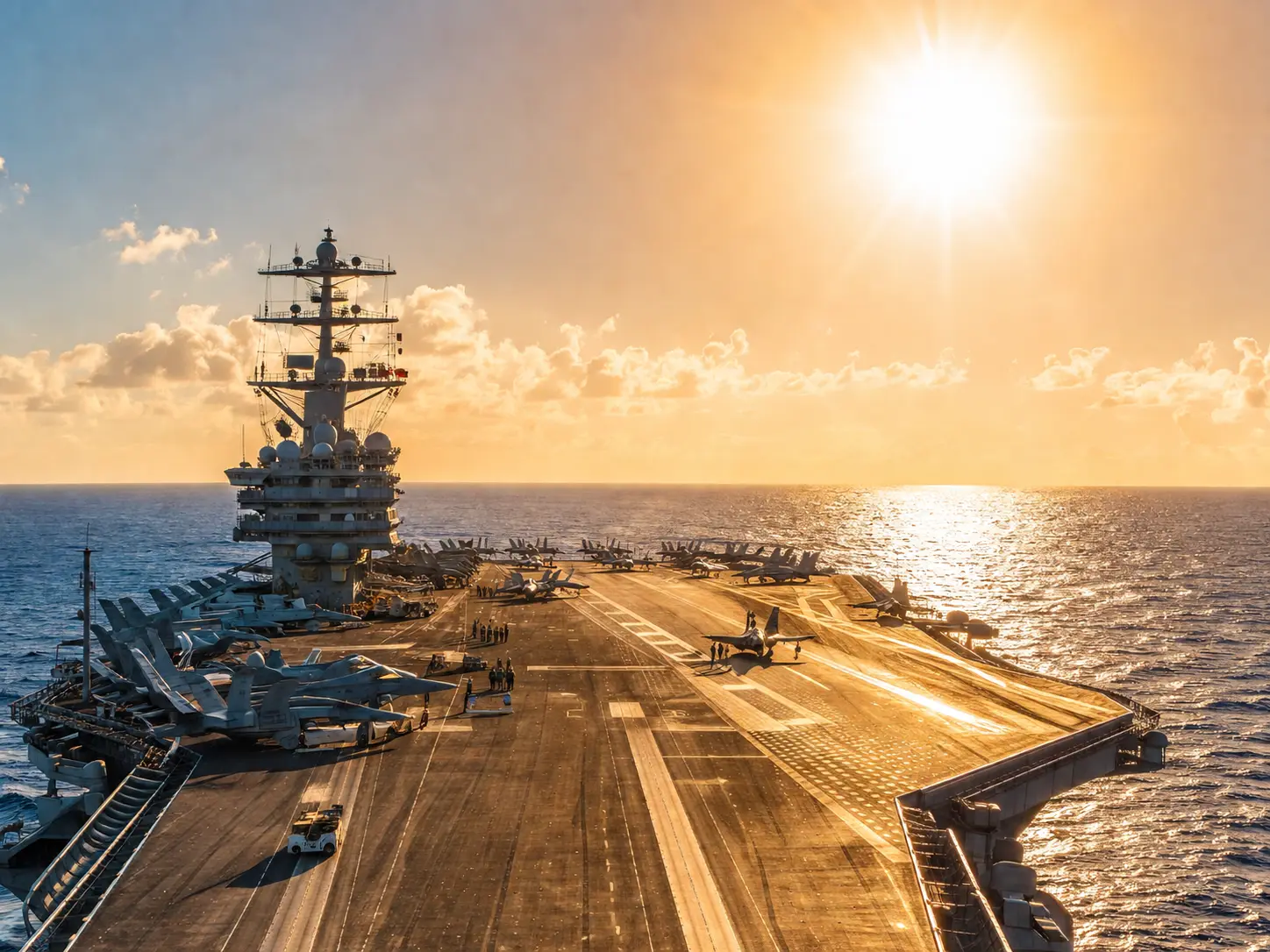
Four Powerful Steam Catapults
The carrier uses four steam-powered catapults to launch heavy jets safely. These systems can accelerate an aircraft from zero to over 240 kilometres per hour in under three seconds. This extreme thrust allows the ship to launch multiple jets rapidly.
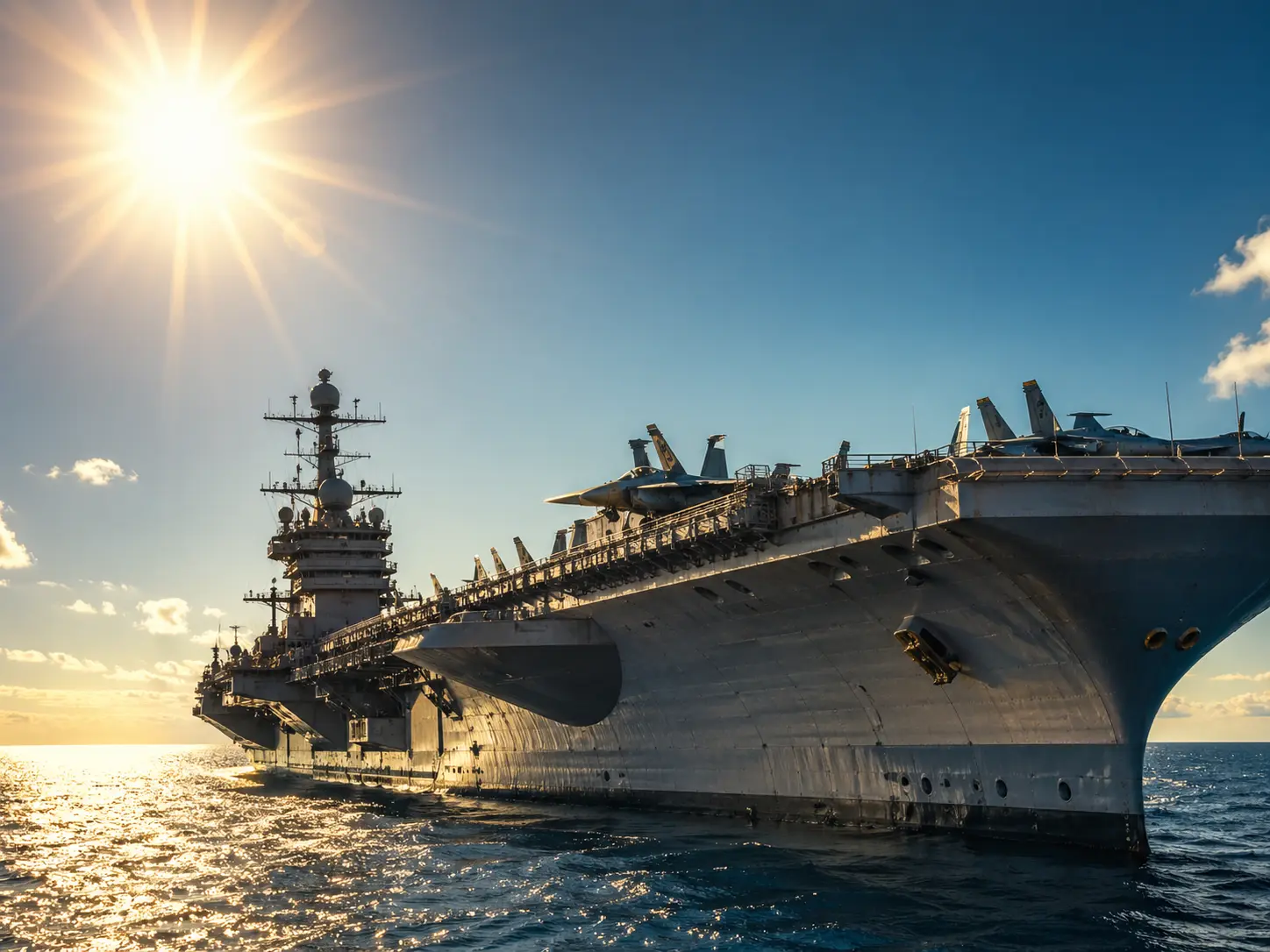
High-Tension Arresting Wires
Landing on a short deck requires extreme precision and high-tension arresting wires. While designed with four cables, the ship frequently operates with three to streamline maintenance. Incoming planes use a tailhook to catch a steel cable, halting completely within metres. This shock-absorbing system is crucial to safely stop heavy aircraft like the modern F/A-18 Super Hornet, which has a strict maximum trap weight of 44,000 pounds, preventing them from overshooting the deck.
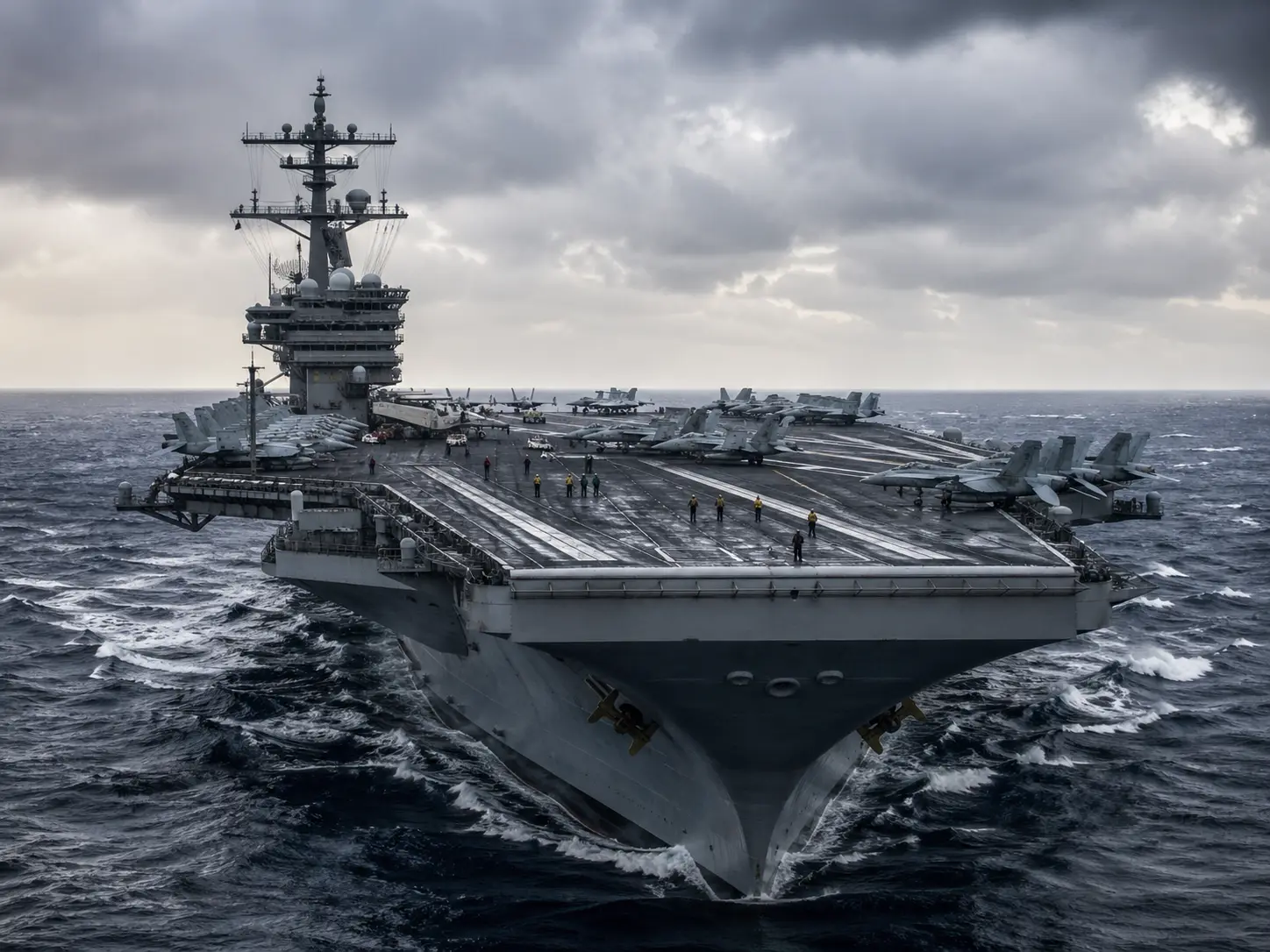
Two Nuclear Reactors Power
Two onboard nuclear reactors generate limitless energy for the entire vessel. They power the propulsion system, the steam catapults, and the daily needs of the massive crew. This allows the ship to sail continuously for up to 25 years without needing refuelling.
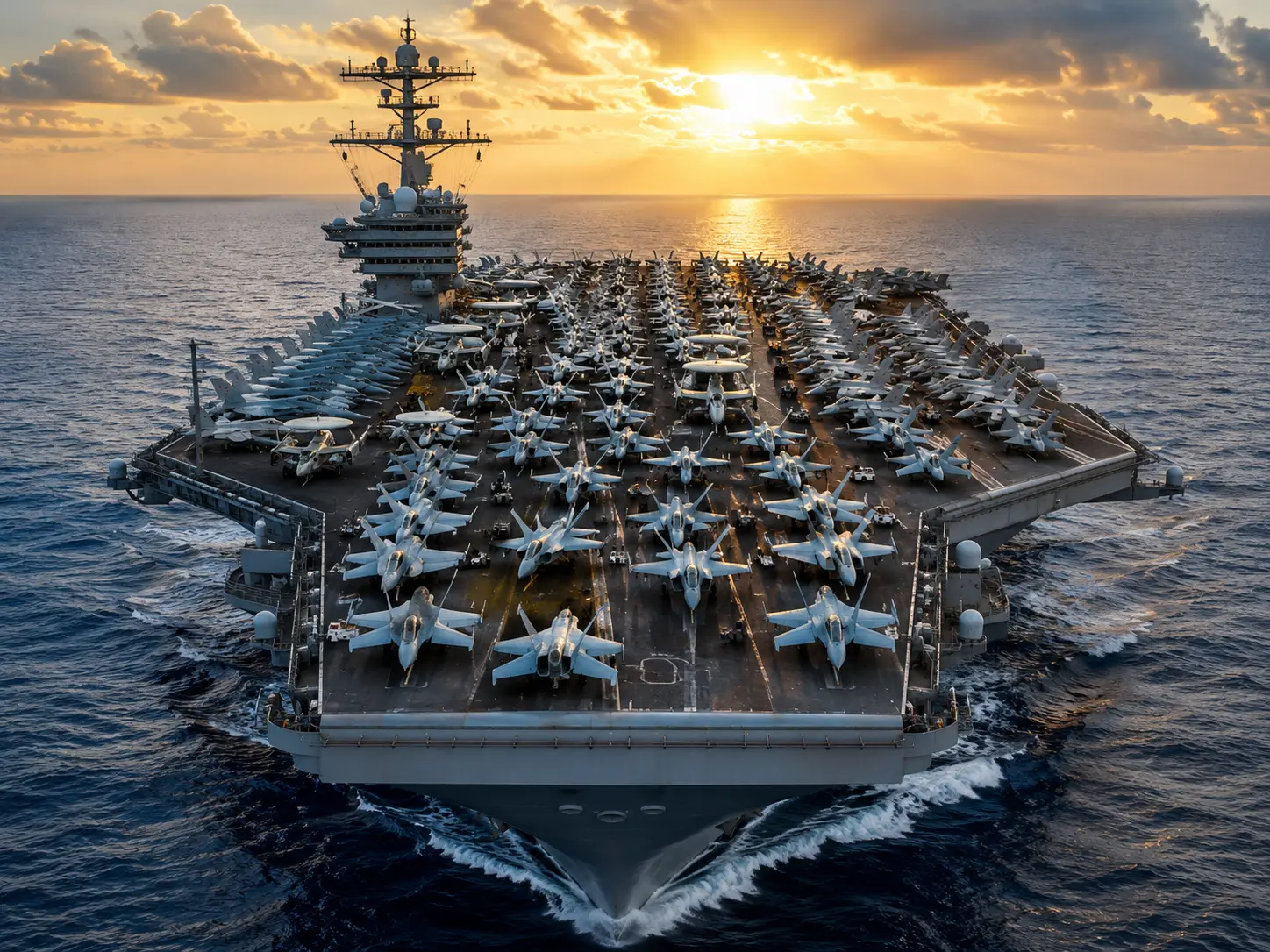
Carries 70 Advanced Aircraft
The carrier houses a formidable strike group of about 70 aircraft, including F/A-18 Super Hornets and F-35C stealth fighters. Beneath the flight deck, the hangar bay acts as a secure maintenance hub that accommodates roughly 20 to 30 jets at a time, protecting them from sea salt and the elements. Engineers constantly repair, fuel, and arm the aircraft here before combat missions, whilst the remainder of the fleet stays securely parked on the massive flight deck above.
)
)
)
)
)