'The nuclear bomb': Why Iran's peace talks could be a deadly trap for Trump

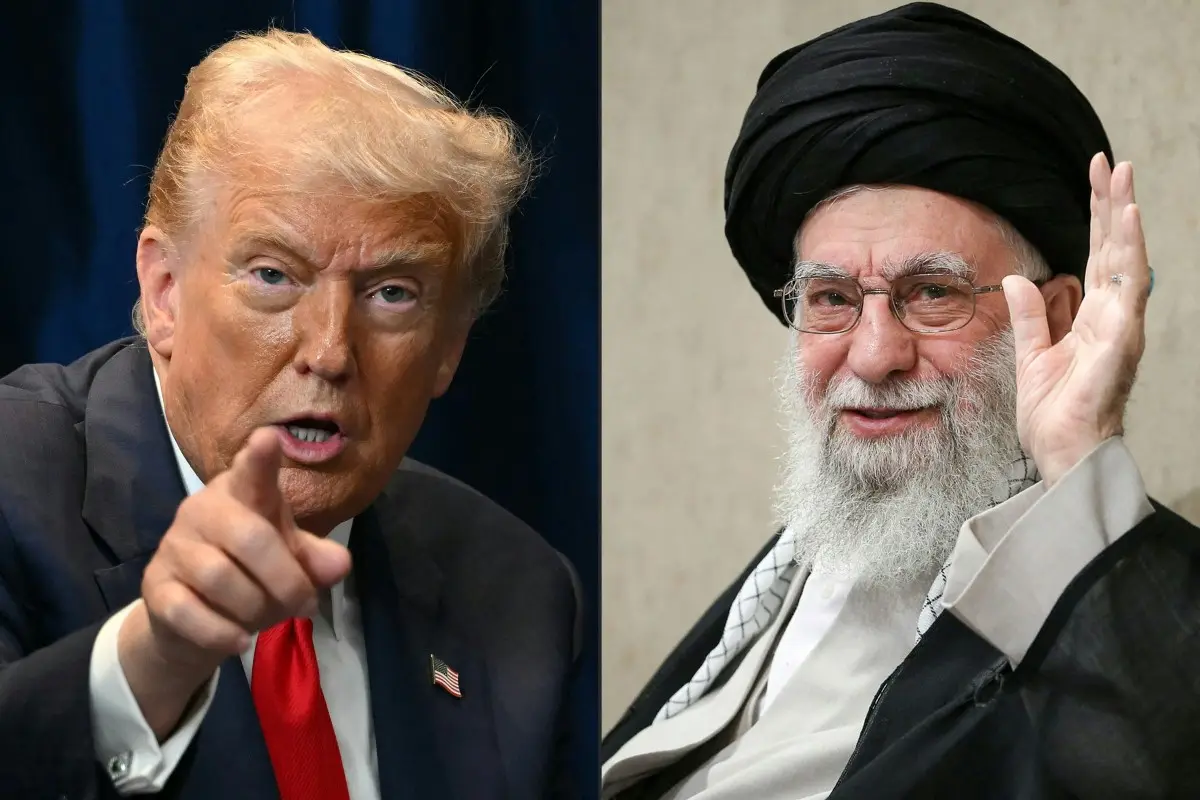
President Trump recently slapped a strict 10-to-15-day ultimatum on Tehran to agree to a "zero enrichment" deal or face catastrophic military consequences. In response, Iranian officials publicly stated they would have a counter-proposal ready in "two to three days."
1. The Diplomatic Smokescreen
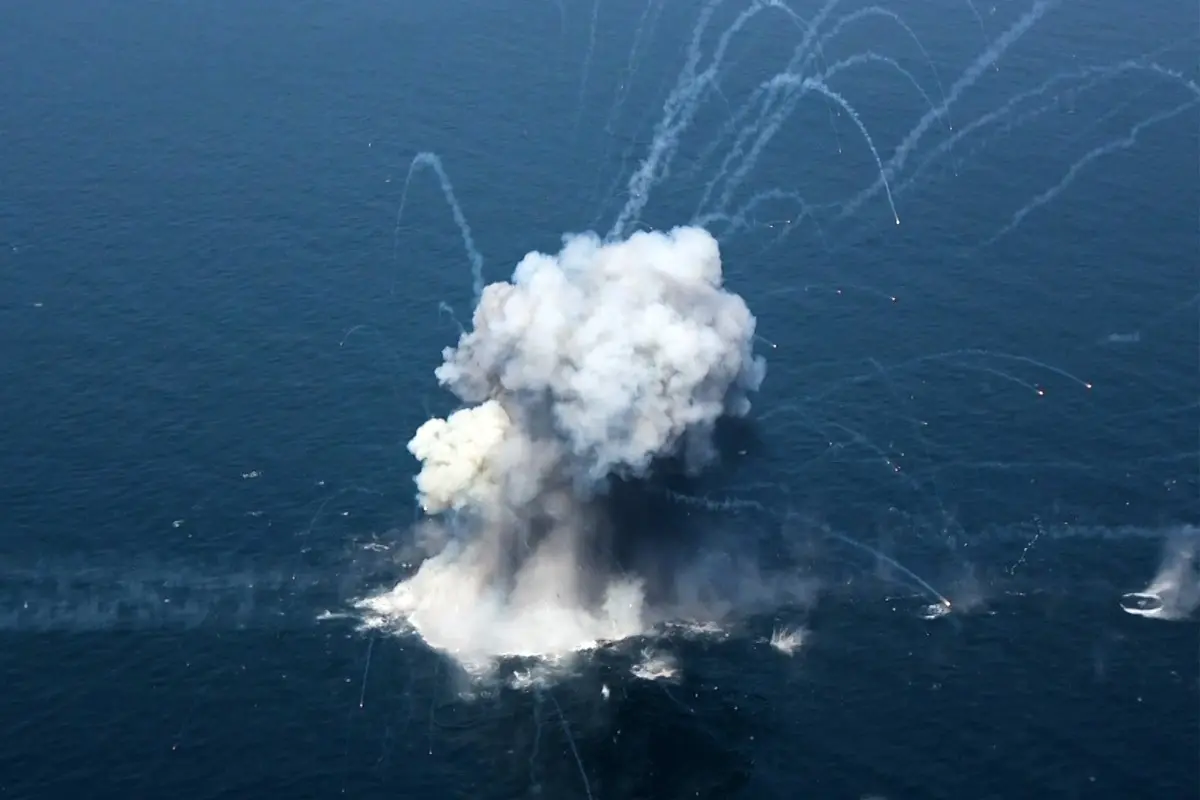
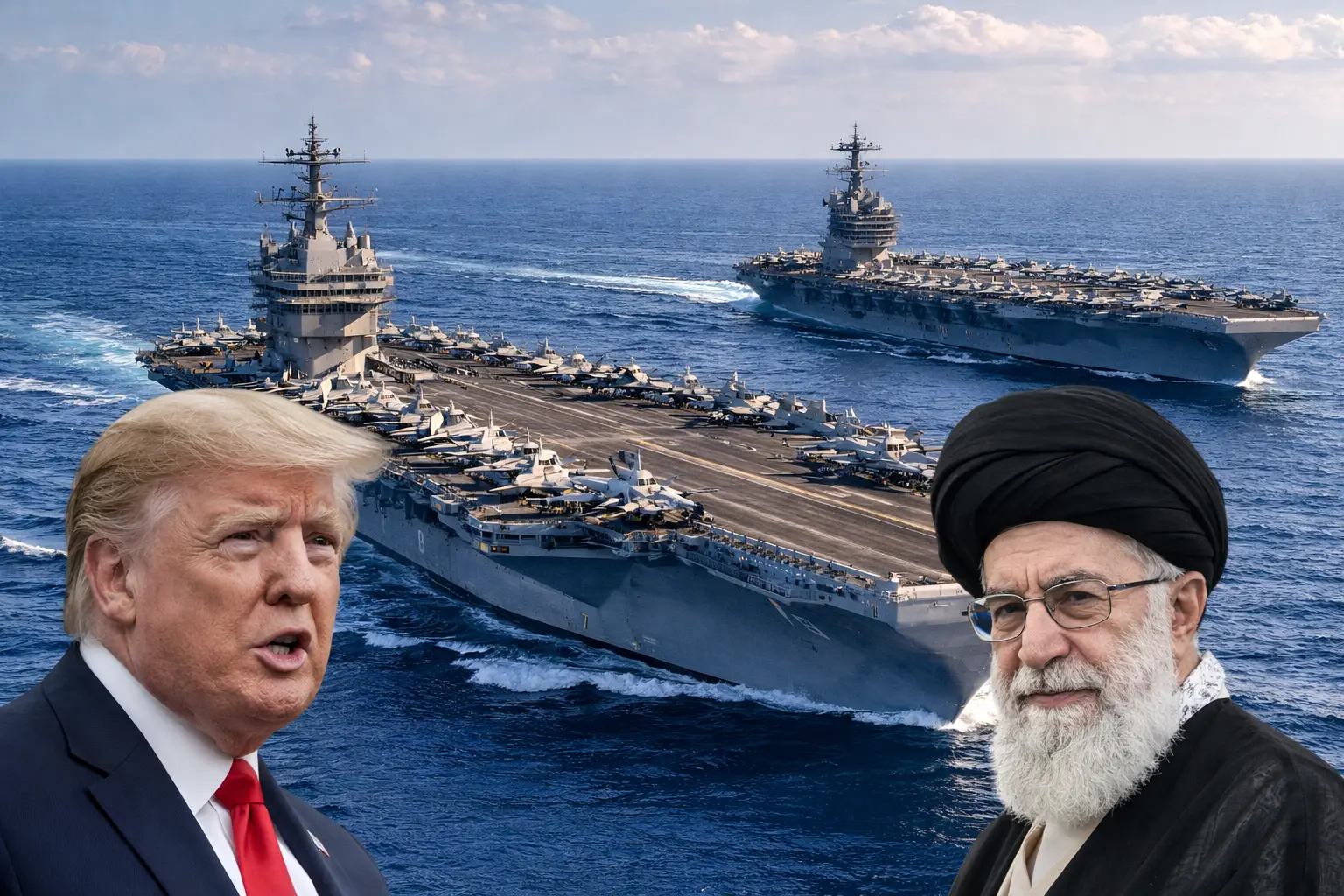
Right now, indirect talks are unfolding in Oman and Geneva between US envoys (including Steve Witkoff and Jared Kushner) and Iranian Foreign Minister Abbas Araghchi. However, defence analysts warn this sudden willingness to talk is a classic regime tactic. By engaging in high-profile diplomacy, Tehran aims to freeze US military action, using the illusion of an impending peace deal as a shield against the strike groups currently encircling them.
2. Playing the 10-Day Clock
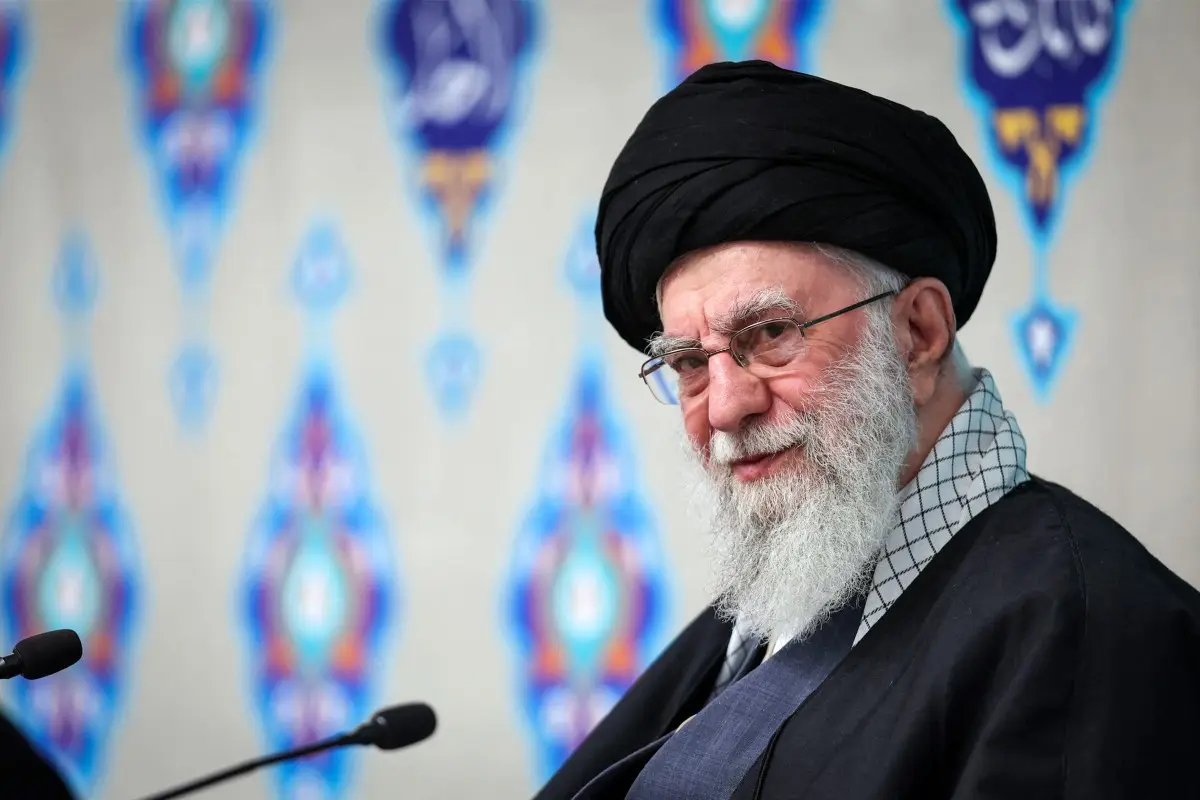
President Trump recently slapped a strict 10-to-15-day ultimatum on Tehran to agree to a "zero enrichment" deal or face catastrophic military consequences. In response, Iranian officials publicly stated they would have a counter-proposal ready in "two to three days." Critics argue this is a calculated stalling technique, dangling the carrot of a resolution just out of reach to run down the clock and keep the US military on an exhausting, indefinite hold.
3. The 'Pickaxe Mountain' Race
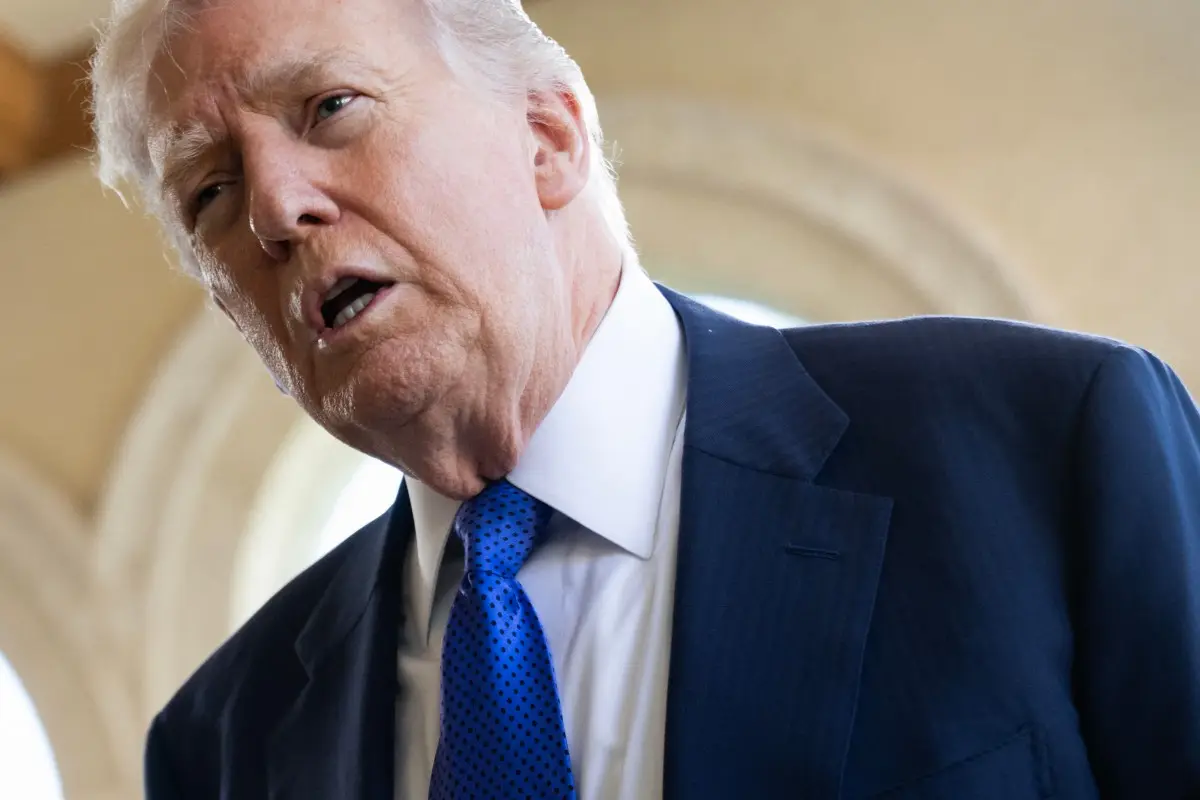
The most alarming evidence that Iran is stalling lies underground. While their diplomats smile in Geneva, satellite imagery reveals that Iranian engineers are working at a frantic pace to excavate "Pickaxe Mountain" south of Natanz. They are attempting to bury their nuclear infrastructure 80 to 100 meters deep into solid granite. The goal? To push their nuclear centrifuges so deep that they survive a direct hit from the US Air Force's terrifying GBU-57 Massive Ordnance Penetrator (MOP) bunker-buster bombs.
4. The IAEA's Terrifying Blind Spot
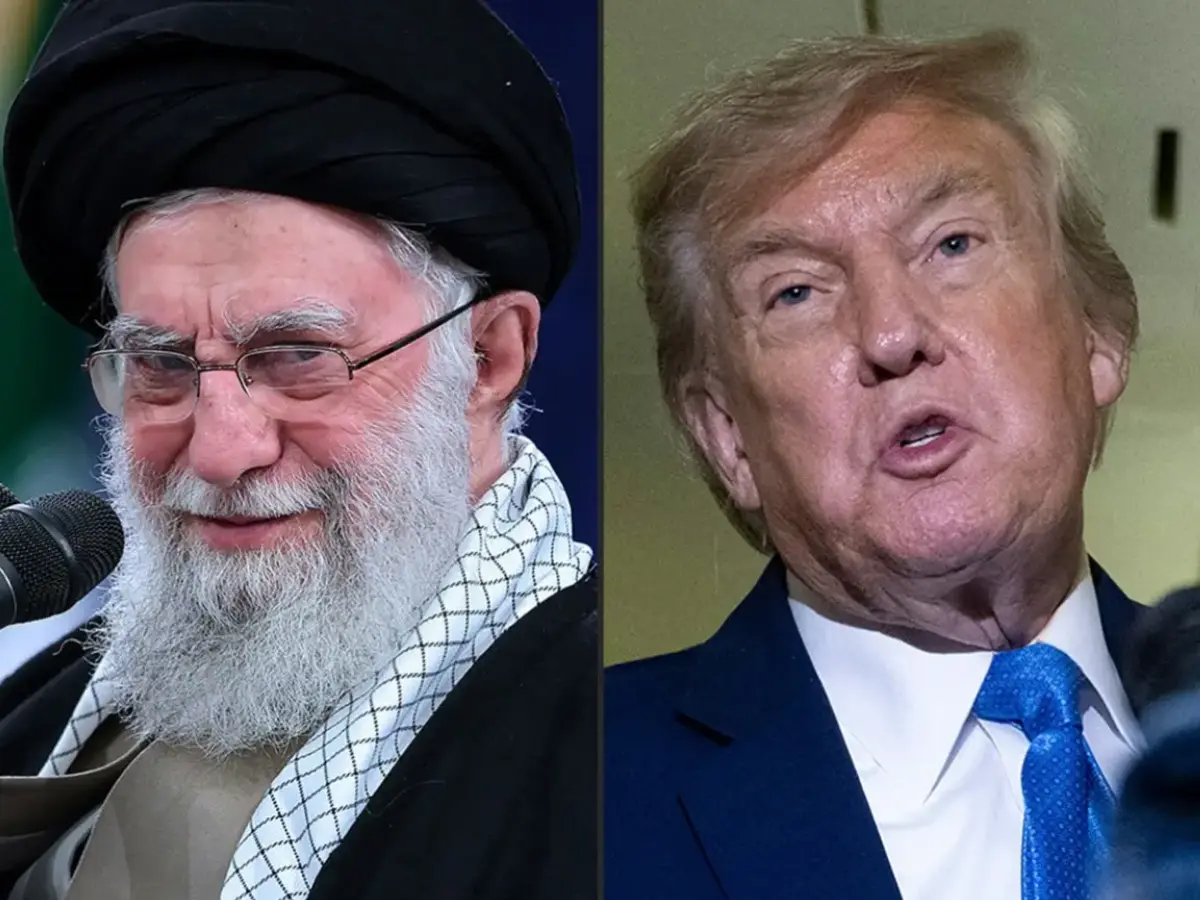
The International Atomic Energy Agency (IAEA) is effectively flying blind. Following the destruction of several Iranian sites during the brief "12-Day War" in 2025, Iran restricted access to international inspectors. IAEA Chief Rafael Grossi recently warned that the standoff "cannot go on forever" because the agency no longer knows exactly where all of Iran’s near-weapons-grade nuclear material is located. This blind spot gives Tehran the perfect cover to covertly cross the finish line.
5. The Ultimate "Insurance Policy"
Why the sudden rush for the bomb? Survival. Following the brutal government crackdowns on nationwide protests in January that left thousands dead, the Iranian regime has never been more vulnerable to internal collapse. Security analysts believe Supreme Leader Ali Khamenei views a completed nuclear weapon not just as a tool of foreign policy, but as the ultimate "insurance policy" to prevent the US from actively forcing regime change.
6. The Ballistic Missile Loophole
A major tell that Iran is not negotiating in good faith is their absolute refusal to discuss their delivery systems. Tehran has flatly rejected any US demands to include their ballistic missile program or their regional proxy networks in the Geneva talks. By isolating the negotiations to only the nuclear issue, Iran ensures that if they do successfully build a warhead in secret, they will still possess the long-range missiles required to launch it.
7. The Danger of a "Blinking" Washington
The greatest fear among hawkish military planners is that the Trump administration will accept a watered-down, prolonged diplomatic process just to avoid a messy regional war. If Washington blinks, it provides the regime with desperately needed sanctions relief and, more importantly, the crucial window of time needed to achieve “breakout” the exact moment they possess enough highly enriched fissile material to assemble their first atomic bomb before the USS Abraham Lincoln can launch a single jet to stop them.
)
)
)
)
)