‘The last top gun F-14s’: How these US fighter jets now fly only in Iran

The US retired the F-14 Tomcat in 2006, but Iran still flies these iconic jets. Purchased in the 1970s, the fleet remains operational through reverse engineering and domestic missiles like the Fakour-90.
The Shah’s billion-dollar deal
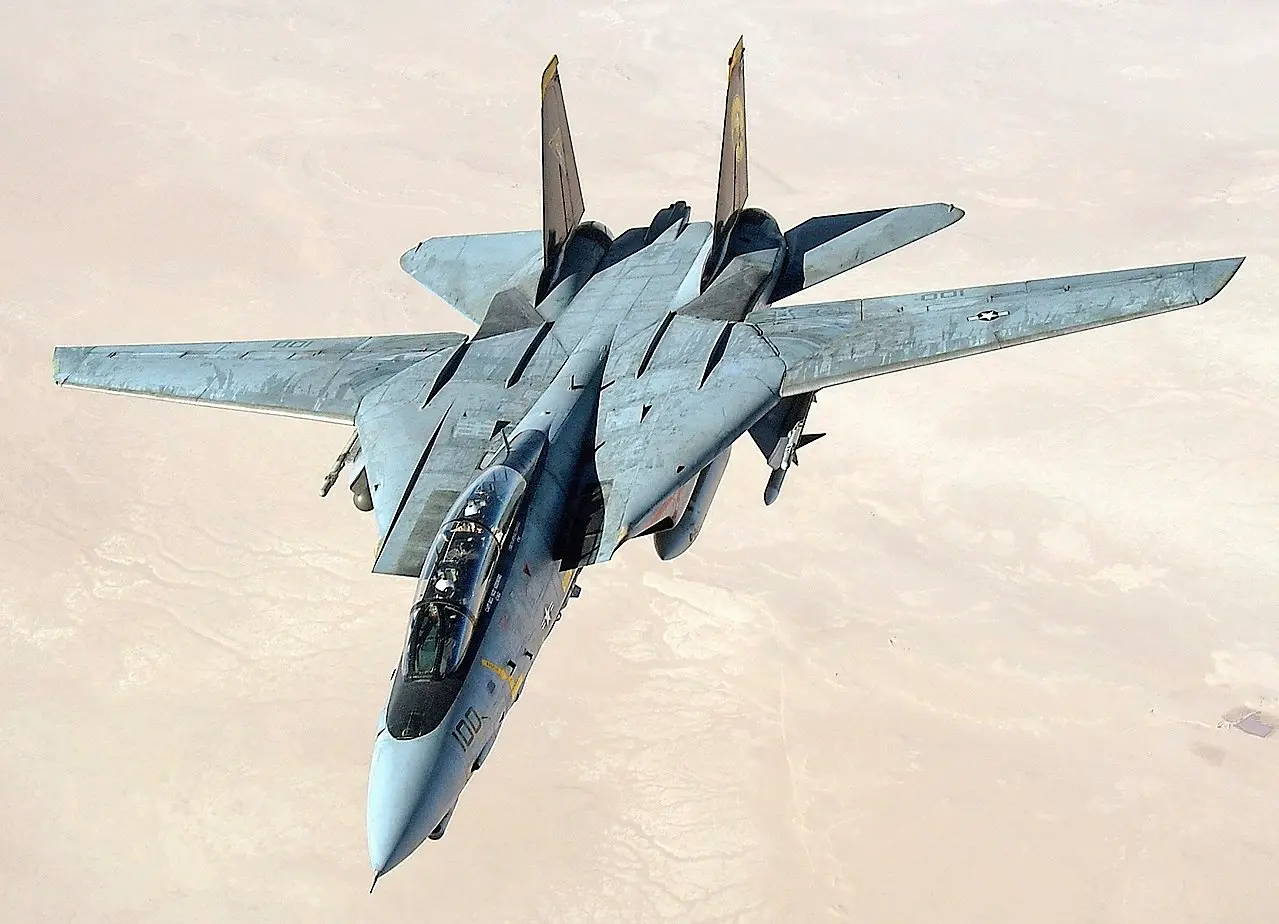
In the mid-1970s, whilst Iran was still a close US ally, the Shah ordered 80 F-14 Tomcats to counter Soviet reconnaissance flights. The deal, worth nearly $2 billion, included hundreds of advanced AIM-54 Phoenix missiles. By the time of the 1979 revolution, 79 of these powerful aircraft had been delivered to the Imperial Iranian Air Force. They were the most advanced fighters in the region at the time.
US shreds its own fleet
The US Navy officially retired the F-14 Tomcat in 2006, replacing it with the F/A-18 Super Hornet. To prevent spare parts from reaching Iran through the black market, the US Department of Defence took the drastic step of shredding the retired airframes. Thousands of components were destroyed to ensure they could not be used to maintain Tehran’s fleet, leaving Iran entirely on its own for maintenance.
The world’s sole operator
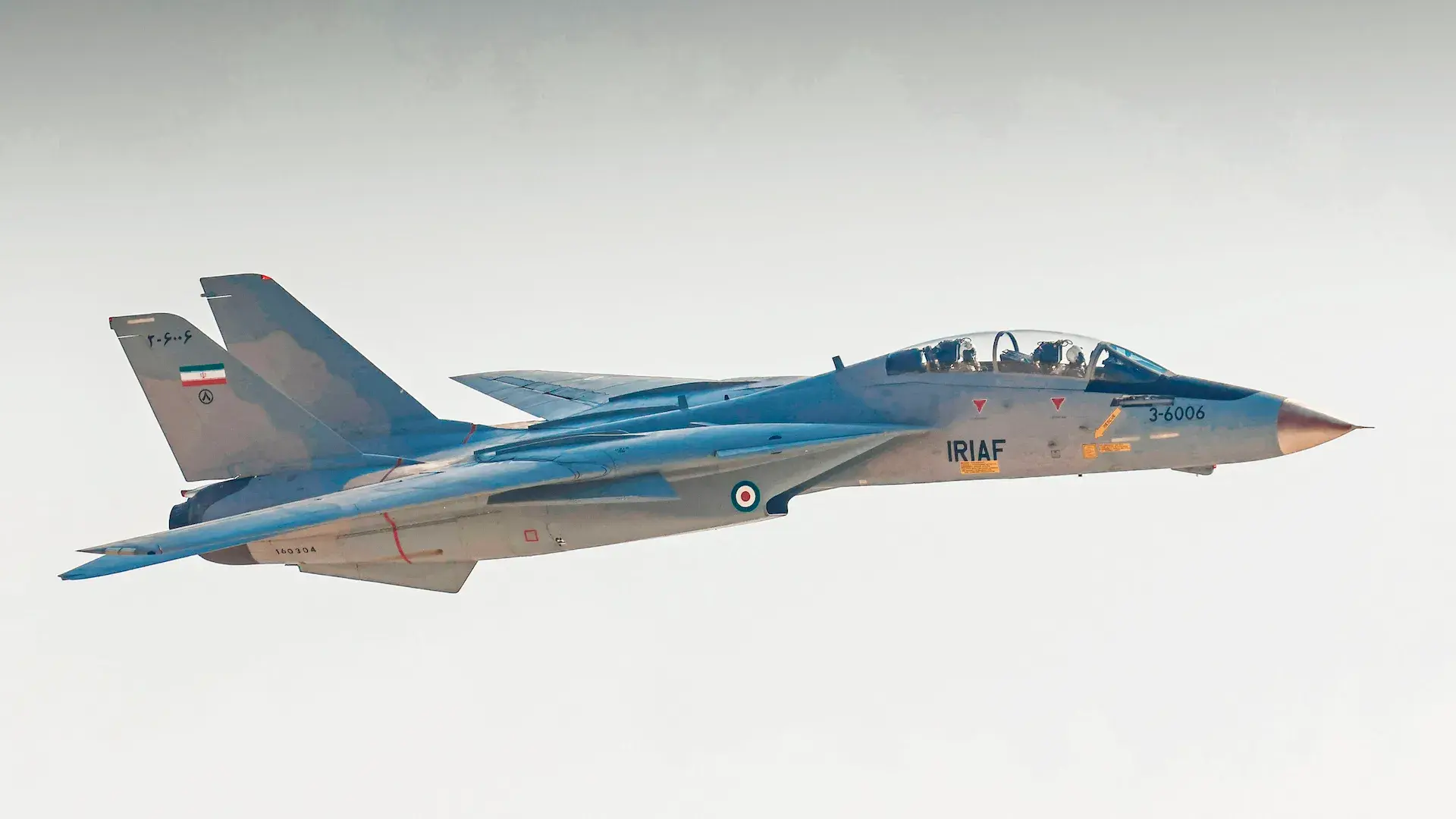
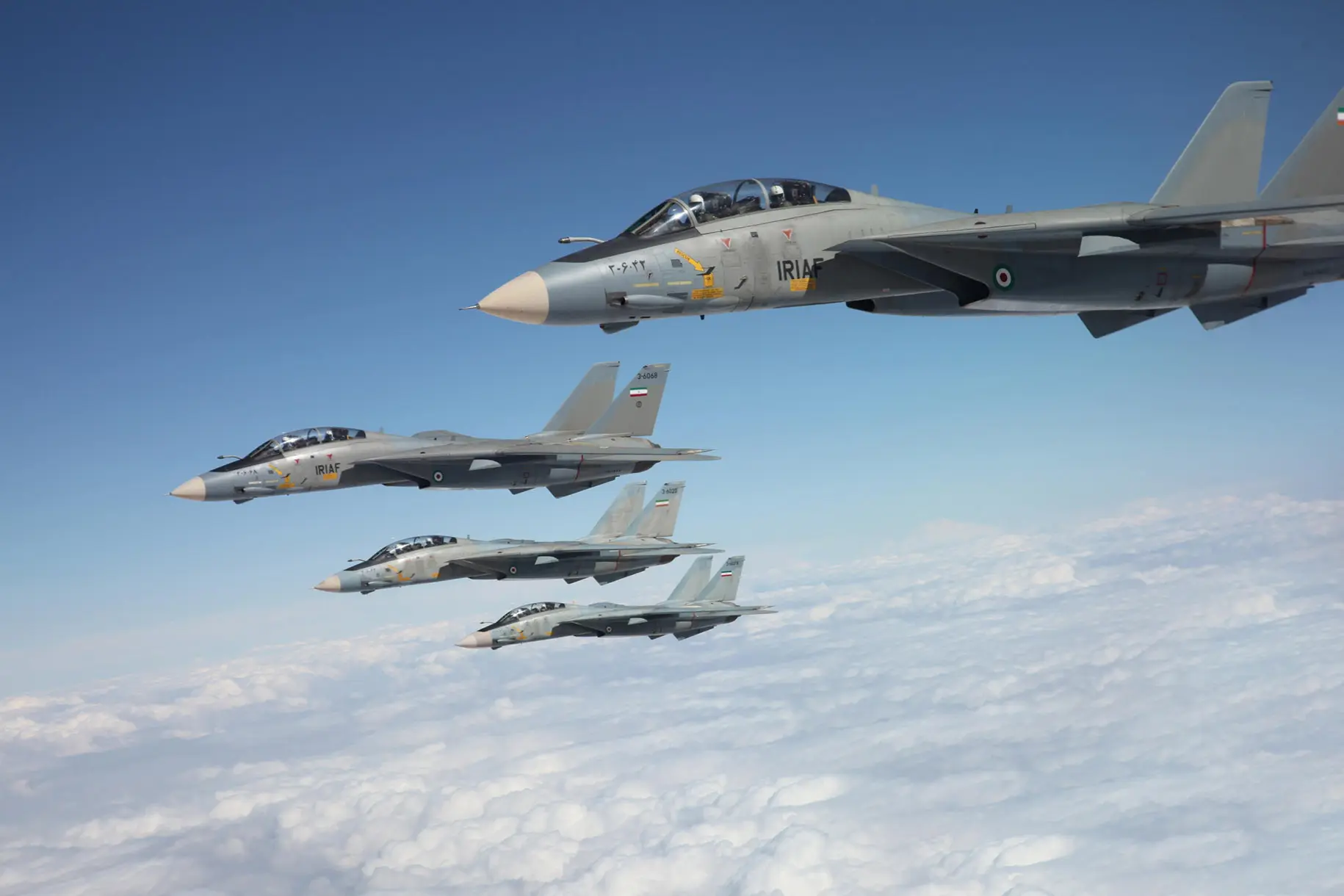
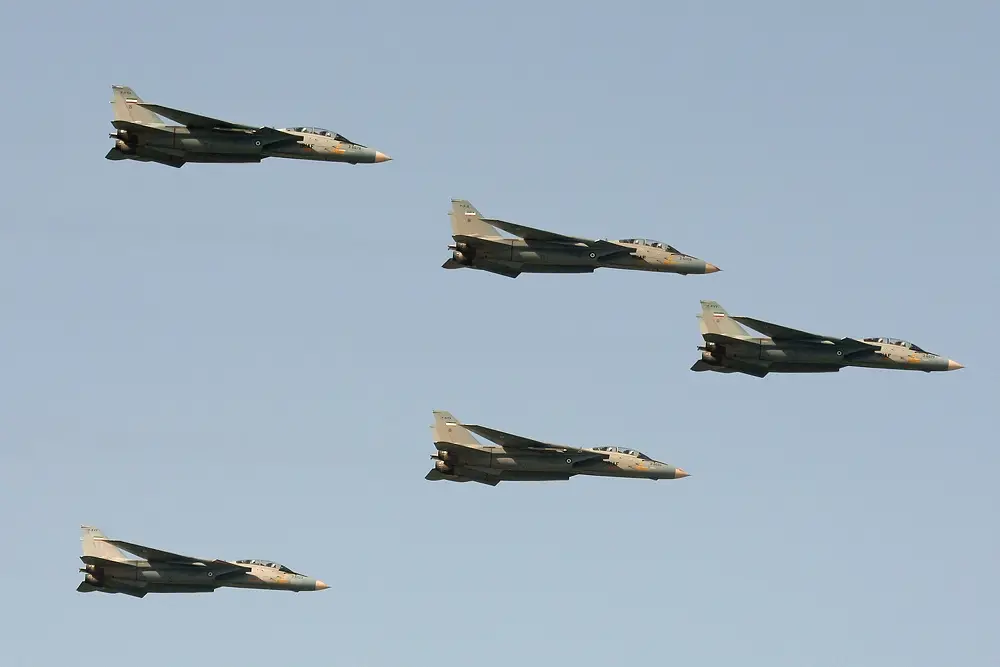
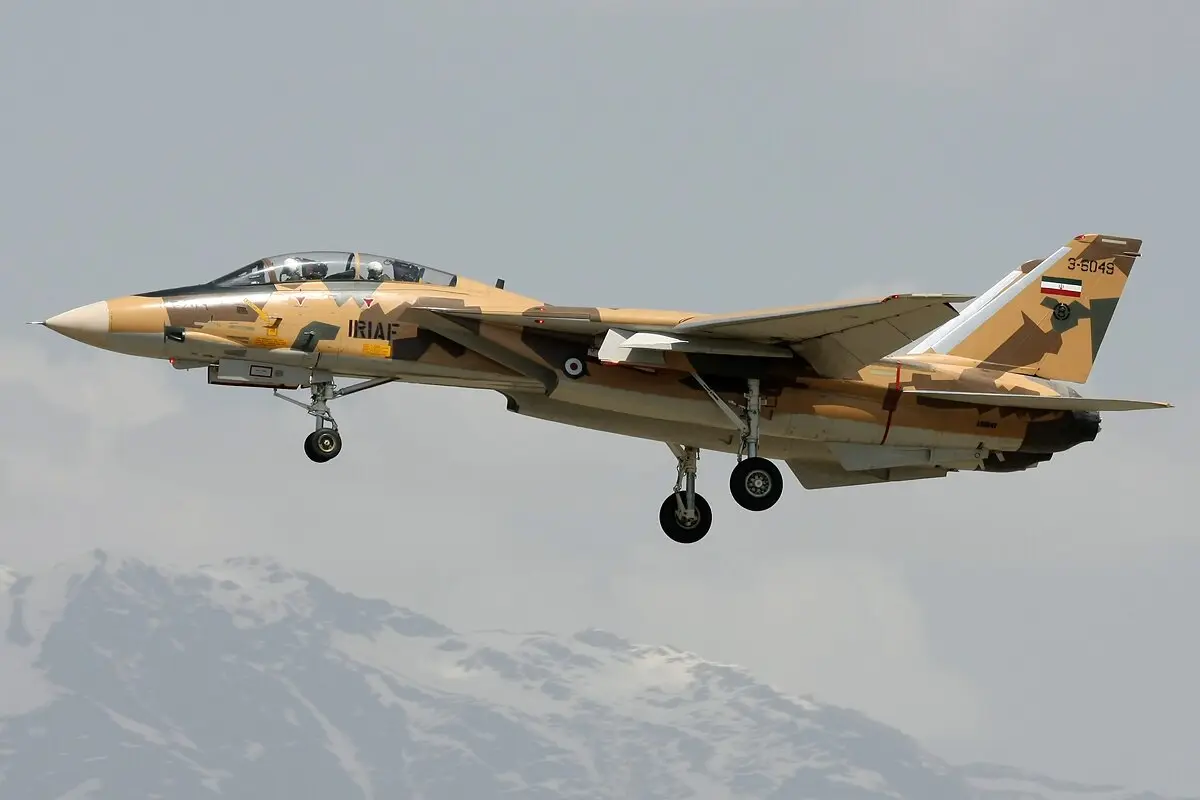
Today, Iran is the only nation on Earth that still operates the F-14 Tomcat. While the jets are now over 40 years old, they remain a symbol of Iranian military resilience. The exact number of operational aircraft is a closely guarded secret, though military analysts estimate that roughly two dozen to forty jets are still airworthy. They are often featured in military parades and exercises.
Engineering against the odds
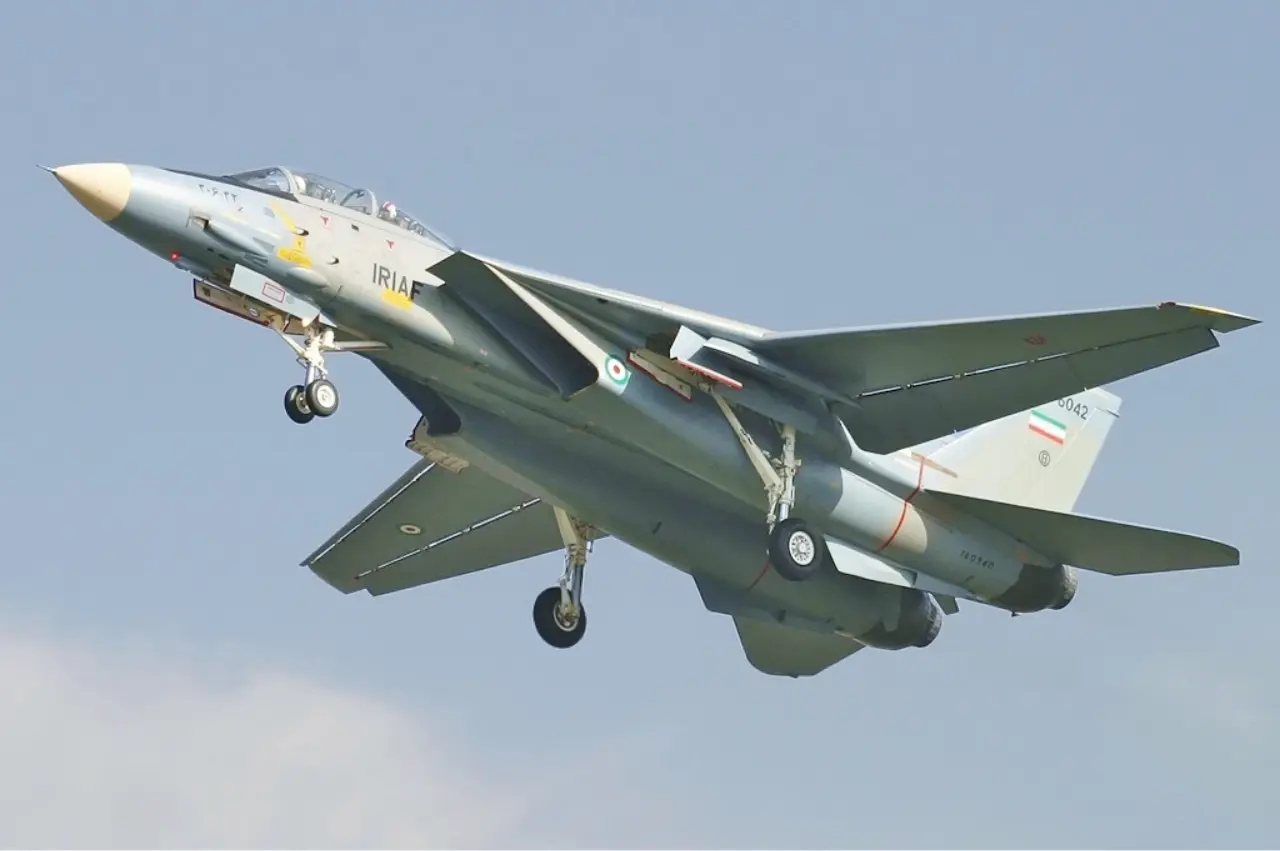
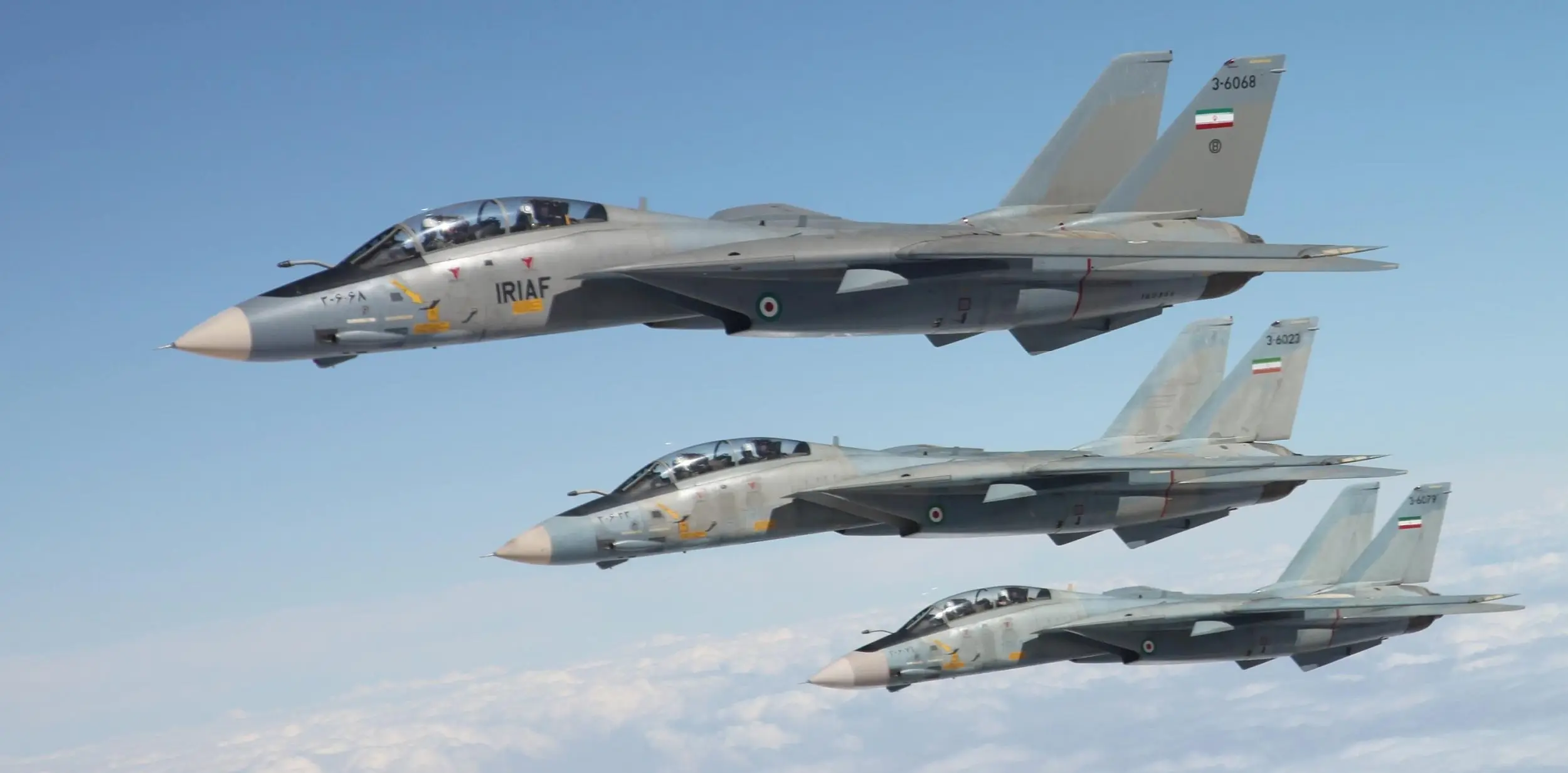
Cut off from official supplies, Iranian engineers have had to rely on reverse engineering to keep the 'Persian Cats' flying. The country’s defence industry began manufacturing vital components domestically, ranging from simple tyres to complex avionics. Reports suggest they also cannibalised parts from grounded aircraft to keep the best airframes in the sky, demonstrating significant technical ingenuity under pressure.
New fangs for old cats
The original American-made Phoenix missiles supplied in the 1970s eventually expired or were used up. In response, Iran developed the Fakour-90, a domestically produced air-to-air missile. Unveiled in recent years, this weapon is designed specifically for the F-14's fire control system, giving the ageing interceptors a renewed long-range strike capability against modern aerial threats.
Combat history in the Gulf
During the Iran-Iraq War in the 1980s, the F-14s proved to be a formidable asset against Iraqi forces. Iranian pilots claimed numerous victories against Iraqi MiGs and Mirages, using the Tomcat’s powerful radar to track enemies from great distances. The aircraft played a crucial role in protecting Iranian oil infrastructure and cities from aerial bombardment during the eight-year conflict.
A lingering threat
Despite their age, the F-14s remain a potent part of Iran’s air defence strategy. Their powerful AWG-9 radar allows them to act as 'mini-AWACS', coordinating other aircraft during operations. While they cannot match the latest fifth-generation stealth fighters, their ability to launch long-range missiles still demands caution from potential adversaries operating in the region.
)
)
)
)
)