'The Hawkeye Advantage': Why the propeller-driven E-2D is one of the most important planes on the USS Abraham Lincoln

The propeller-driven E-2D Advanced Hawkeye acts as the 'Digital Quarterback' for the USS Abraham Lincoln. Using powerful APY-9 radar, it detects stealth threats and coordinates attacks, making it arguably the most vital aircraft on the carrier.
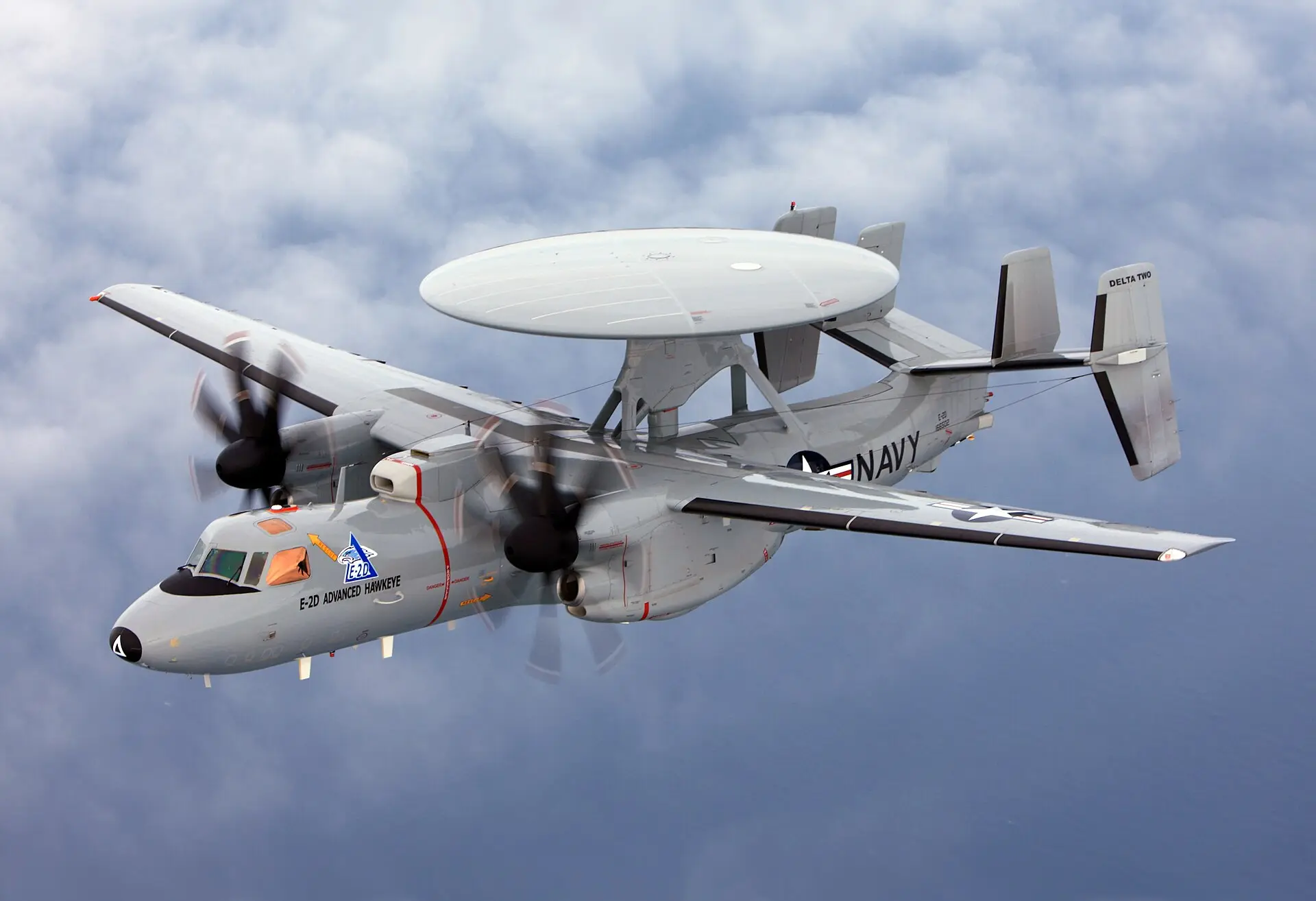
The fleet’s digital quarterback
The E-2D Advanced Hawkeye is not designed for dogfighting but for battle management. It serves as the 'digital quarterback' for the USS Abraham Lincoln, directing fighter jets like the F-35C and F/A-18 toward targets. Without its guidance, supersonic fighters would fly blind in complex combat zones.
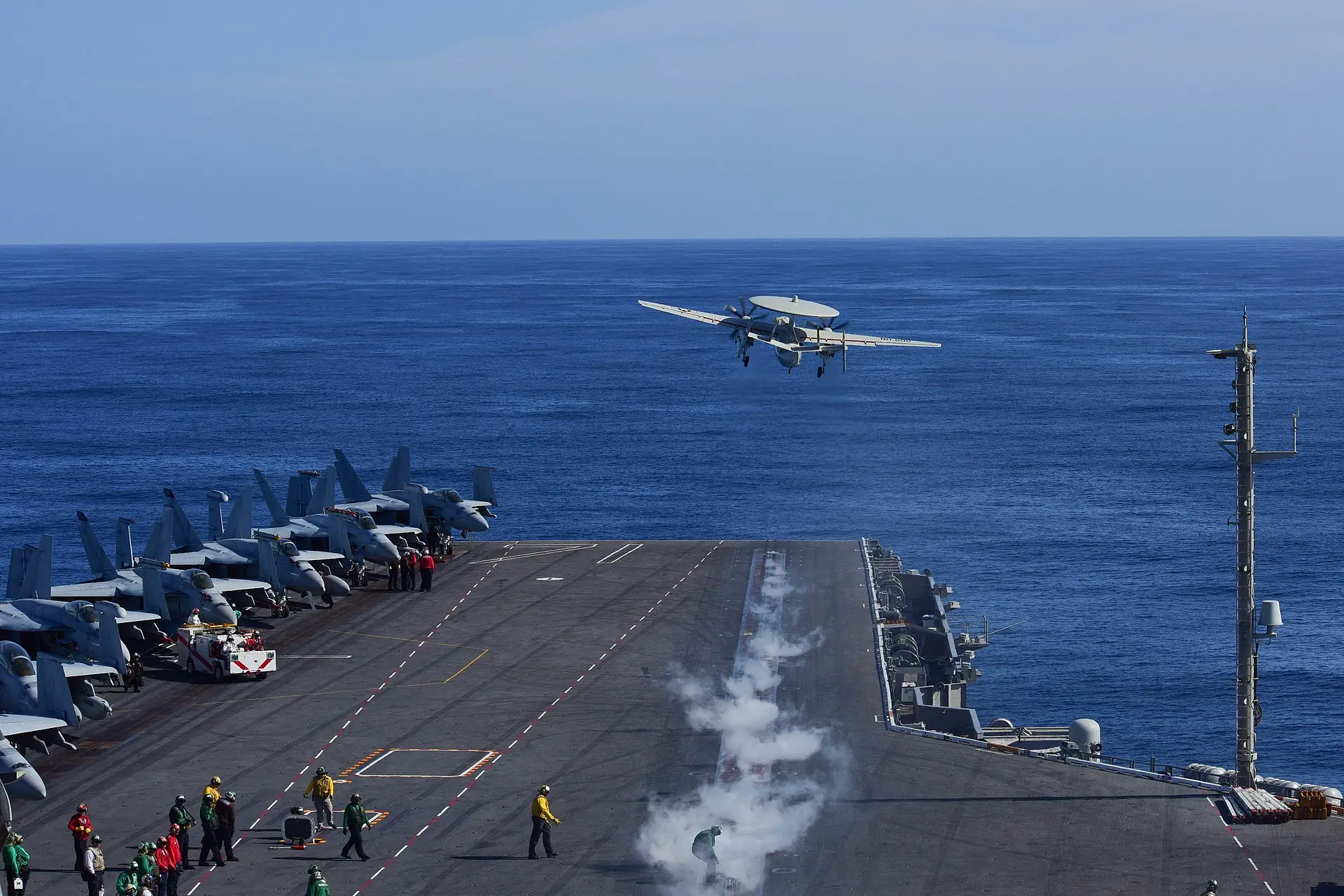
APY-9 radar sees everything
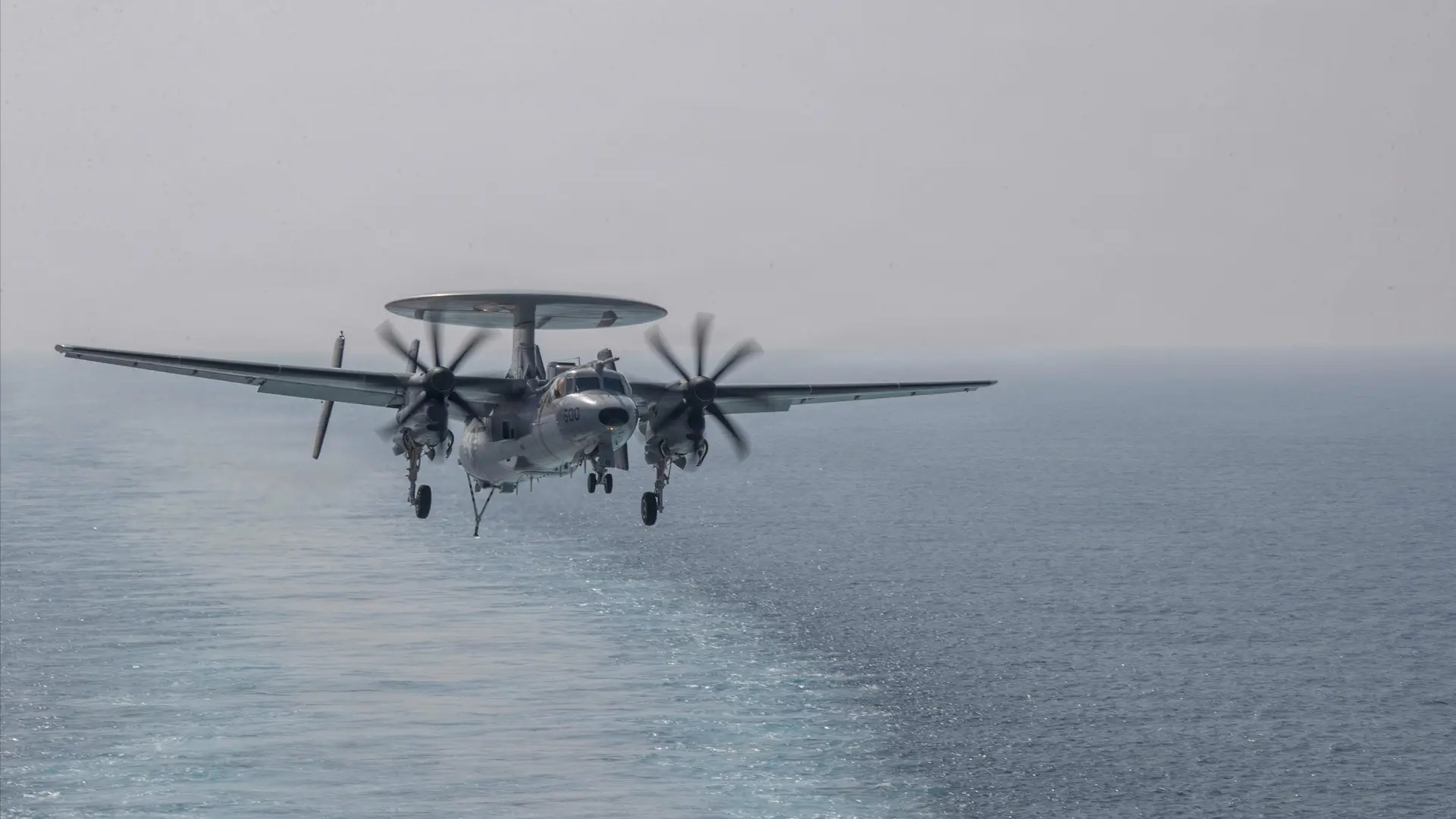
The most distinct feature of the E-2D is the massive 24-foot diameter rotodome mounted on its back. This houses the APY-9 radar system, which offers 360-degree surveillance coverage. It can mechanically rotate or electronically scan specific sectors to track ships, aircraft, and missiles simultaneously.
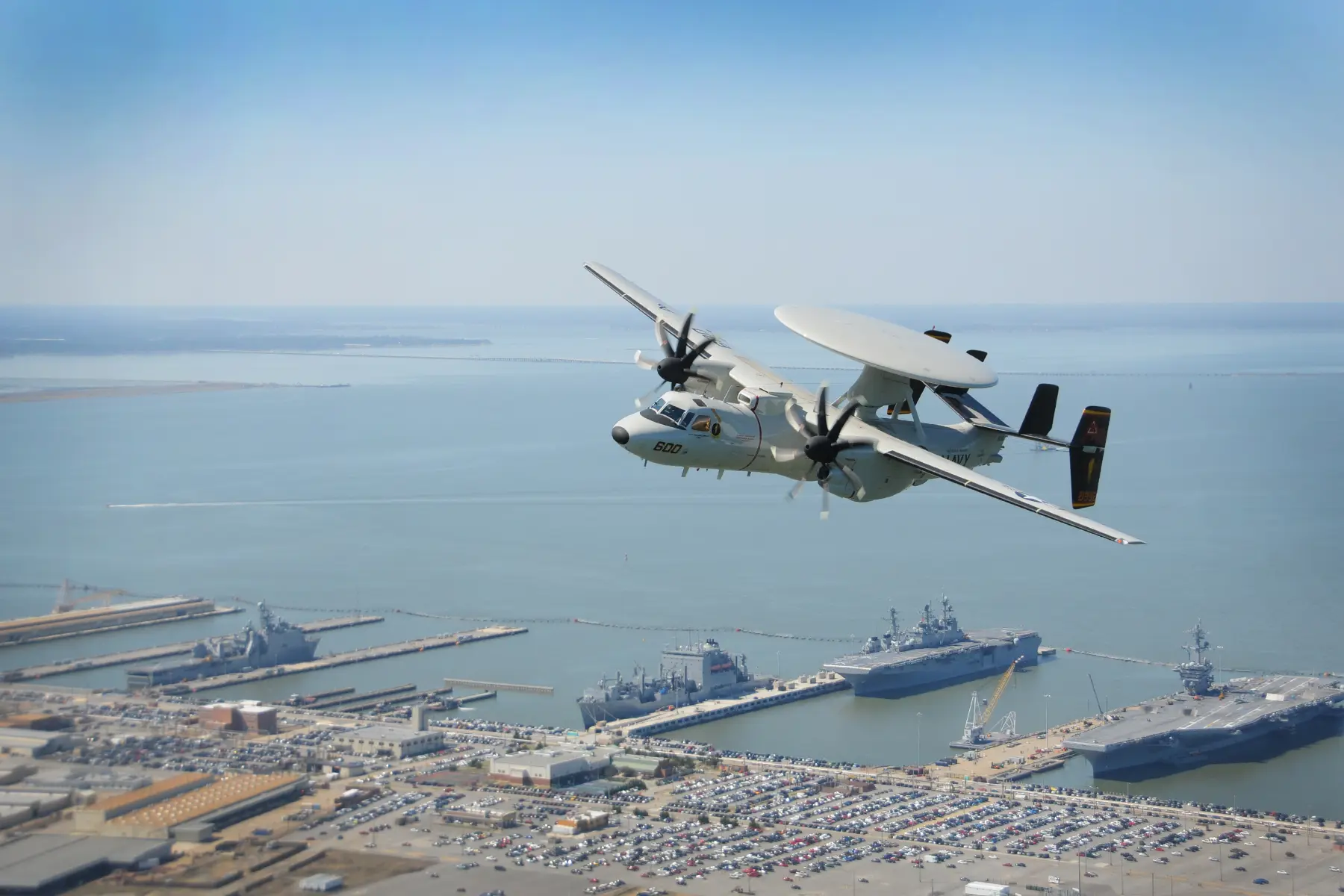
Detecting stealth fighter jets
Modern adversaries are developing advanced stealth aircraft, but the E-2D is built to counter them. Its UHF-band radar is particularly effective at detecting stealth fighters that might evade higher-frequency radars used by other jets. This capability ensures the carrier group is not surprised by fifth-generation enemy planes.
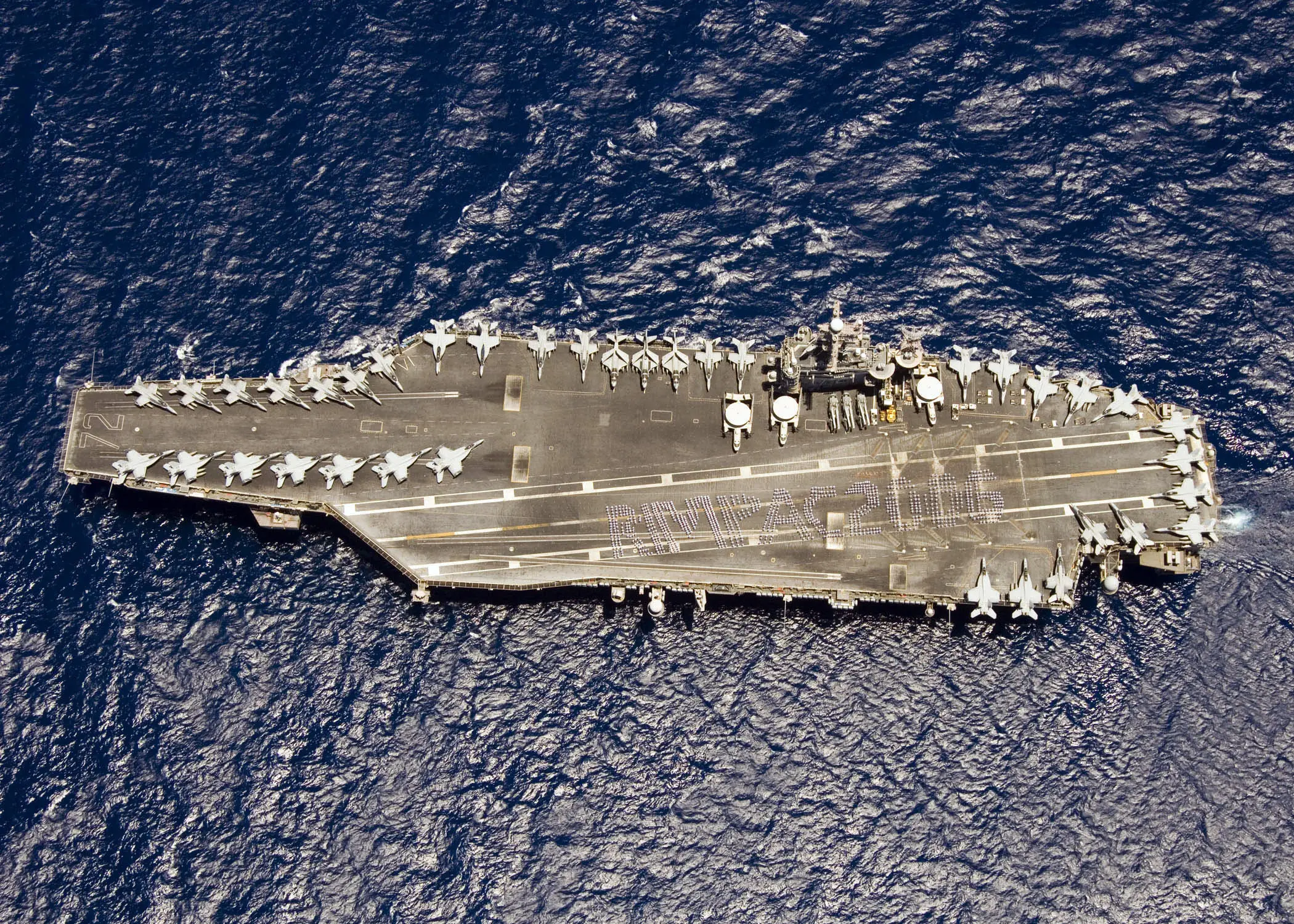
Why use propellers today?
It might seem odd to see eight-bladed propellers on a modern flight deck, but they provide essential efficiency. The turboprop engines allow the E-2D to fly slowly and loiter for extended periods, unlike fuel-guzzling jets. This endurance is critical for maintaining a constant watch over the fleet.
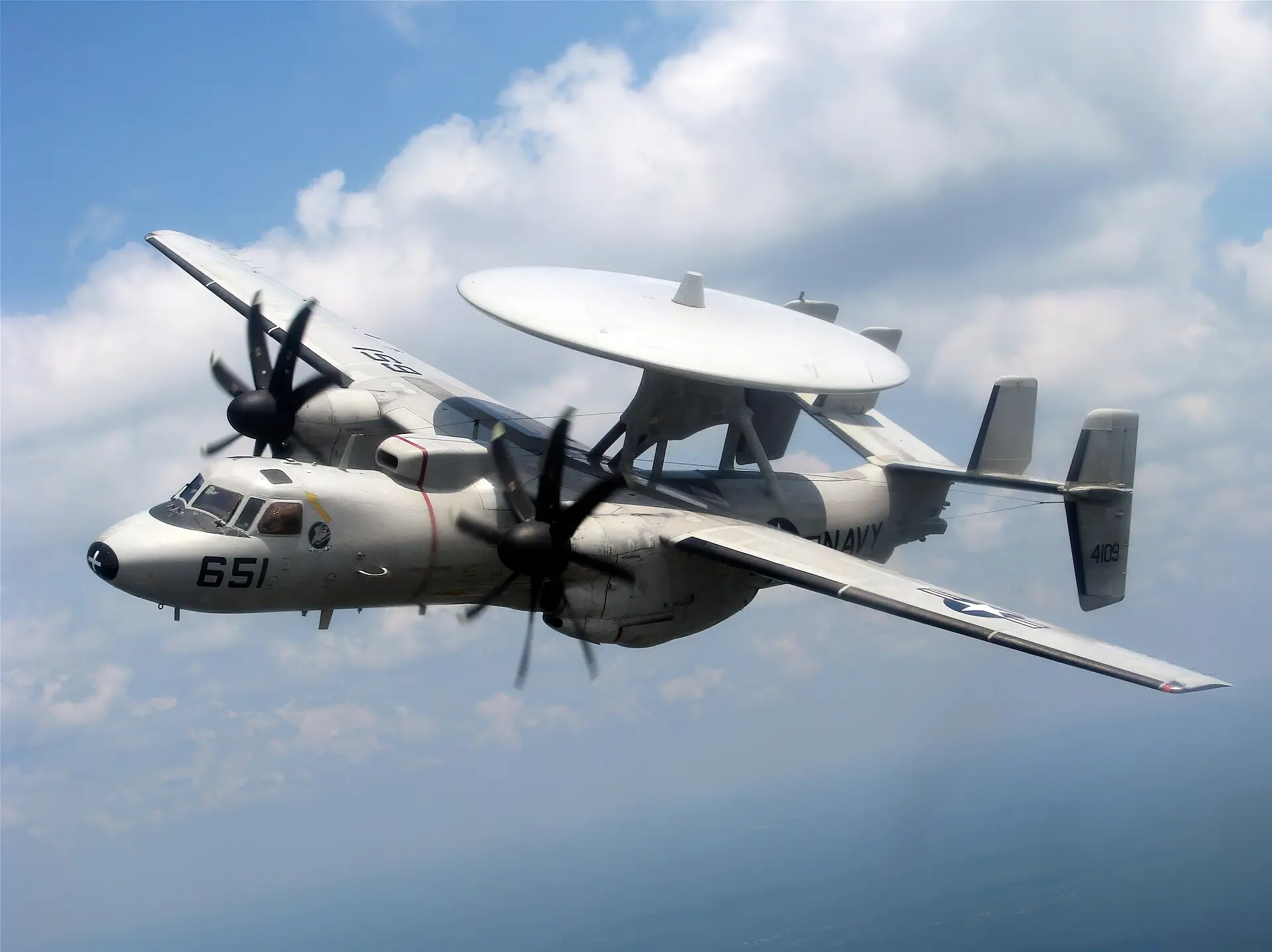
Massive surveillance range capability
The E-2D Advanced Hawkeye can detect aerial and surface targets from more than 300 miles away. This massive detection range expands the carrier strike group's lethal zone, allowing it to engage threats long before they come within striking distance of the USS Abraham Lincoln.
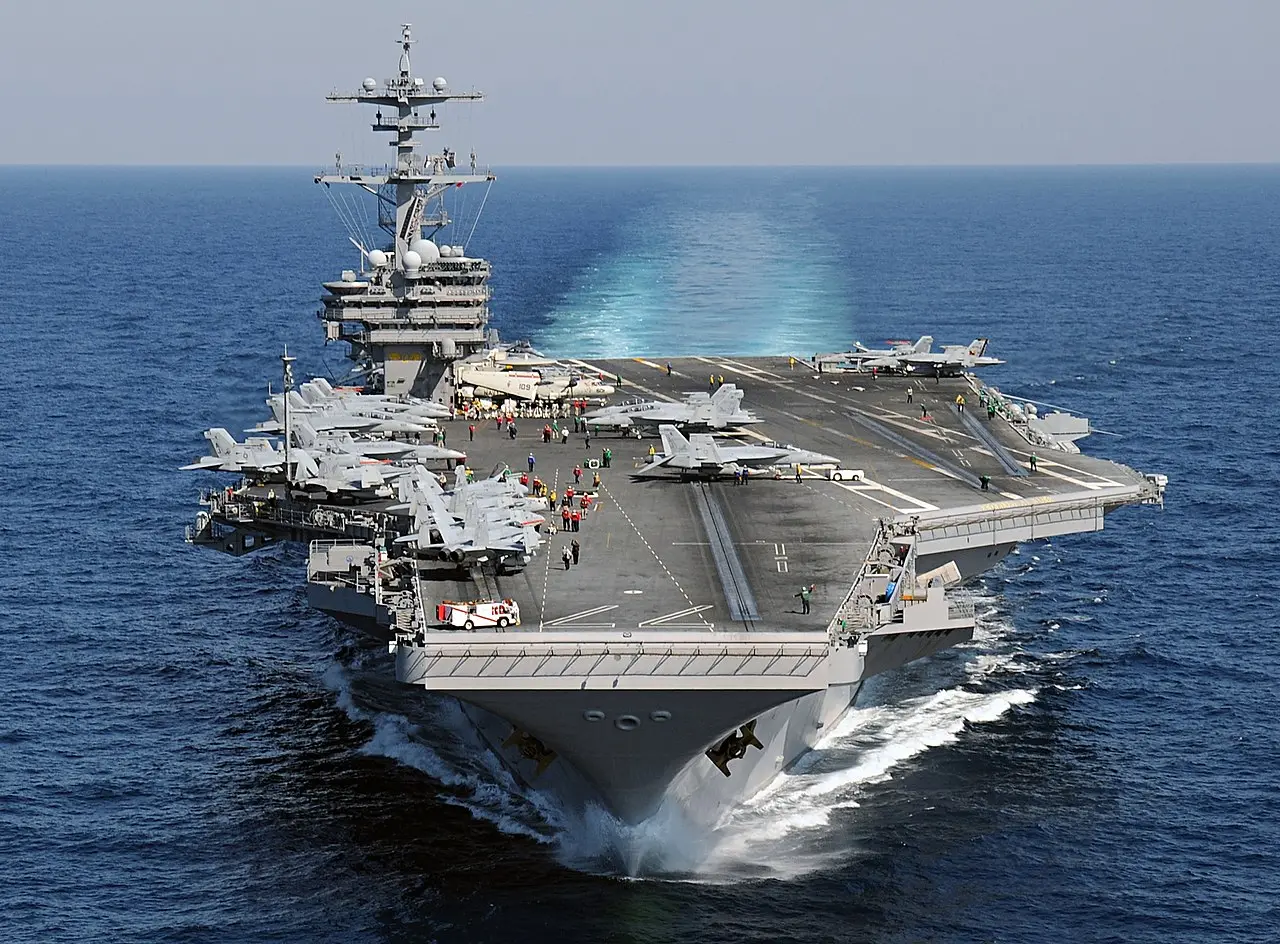
Cooperative Engagement Capability tech
Through Cooperative Engagement Capability (CEC), the E-2D shares raw radar data with other ships and aircraft in real-time. This allows a destroyer to fire a missile at a target it cannot even see, guided entirely by the data stream provided by the Hawkeye hovering miles away.
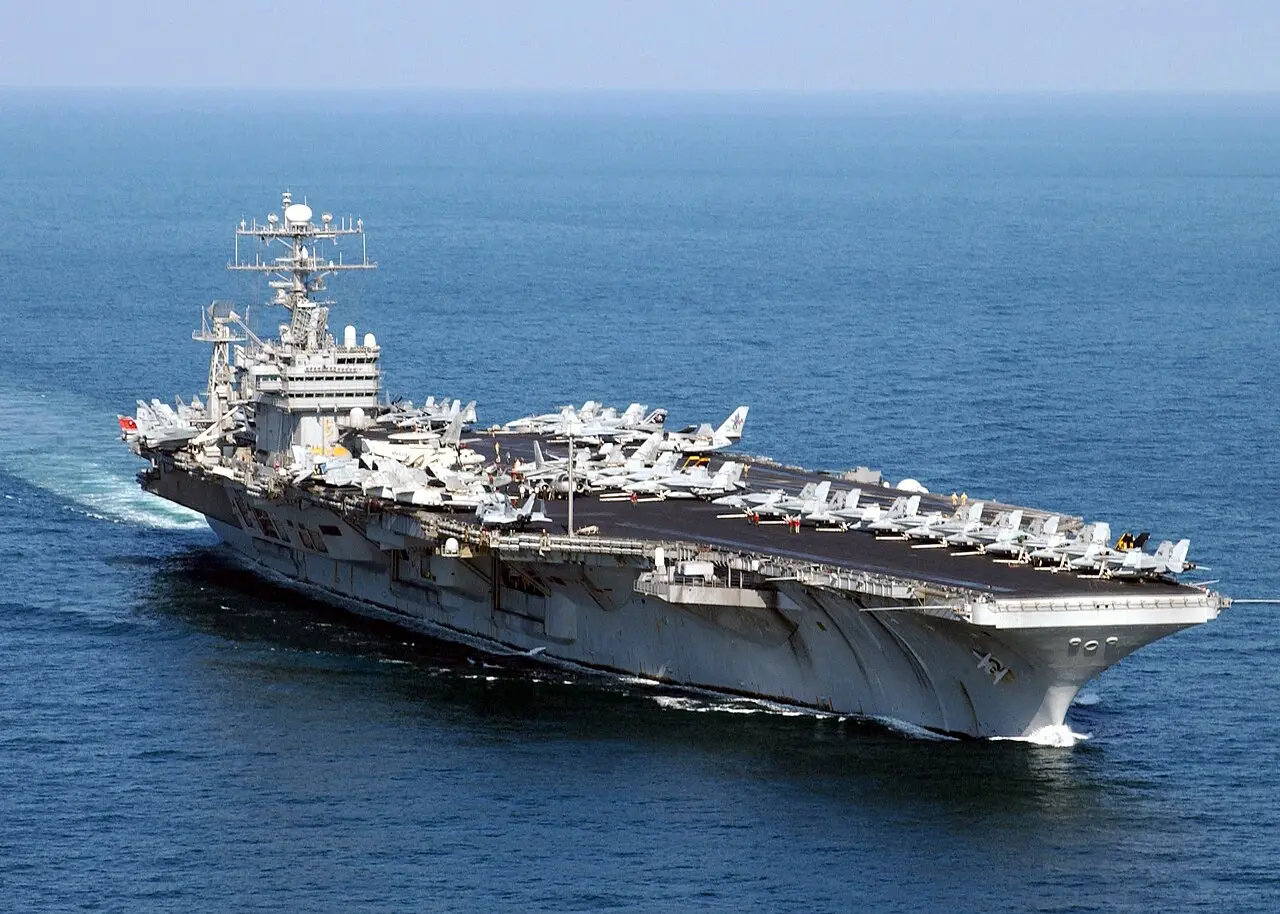
Five crew members on board
Operating this complex flying command centre requires a highly skilled team of five. The crew includes two pilots in the cockpit and three naval flight officers in the rear. These officers manage the radar systems, identify potential threats, and communicate intercept vectors to friendly fighter jets.
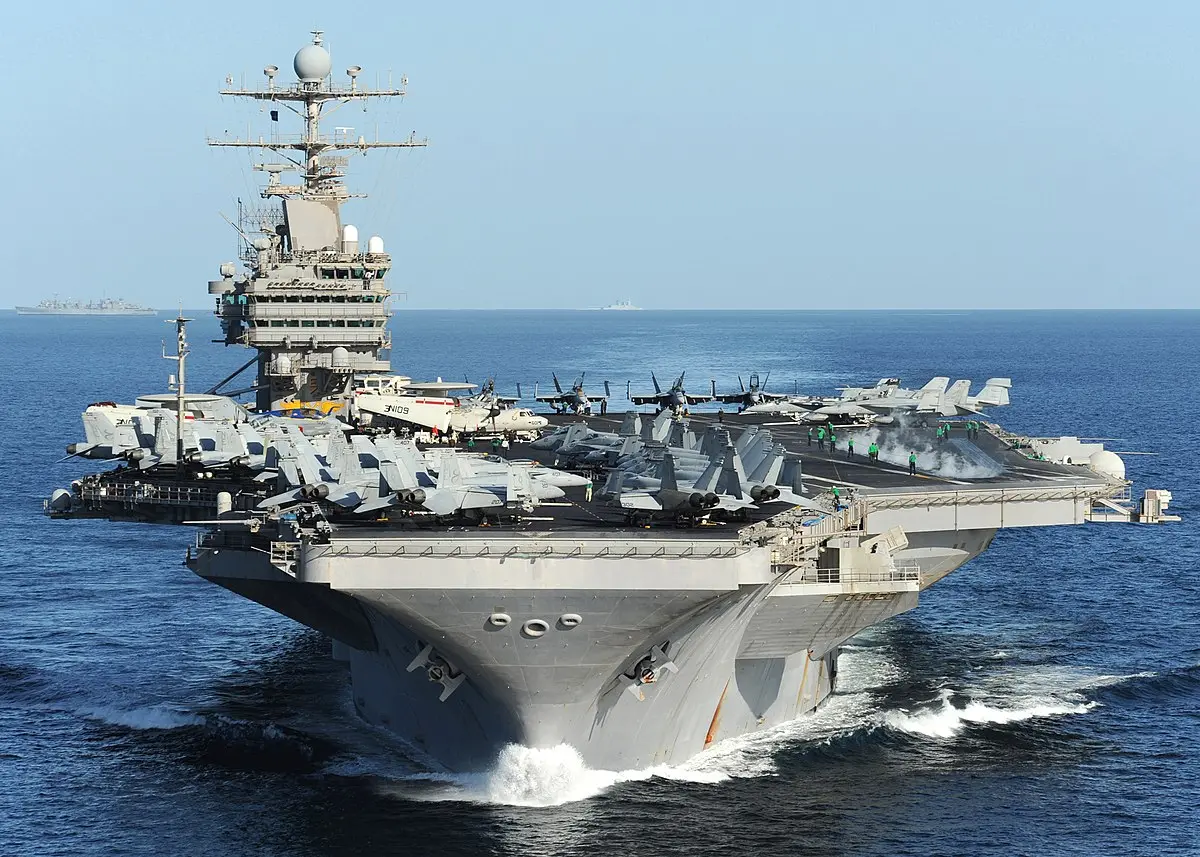
Crucial role in defence
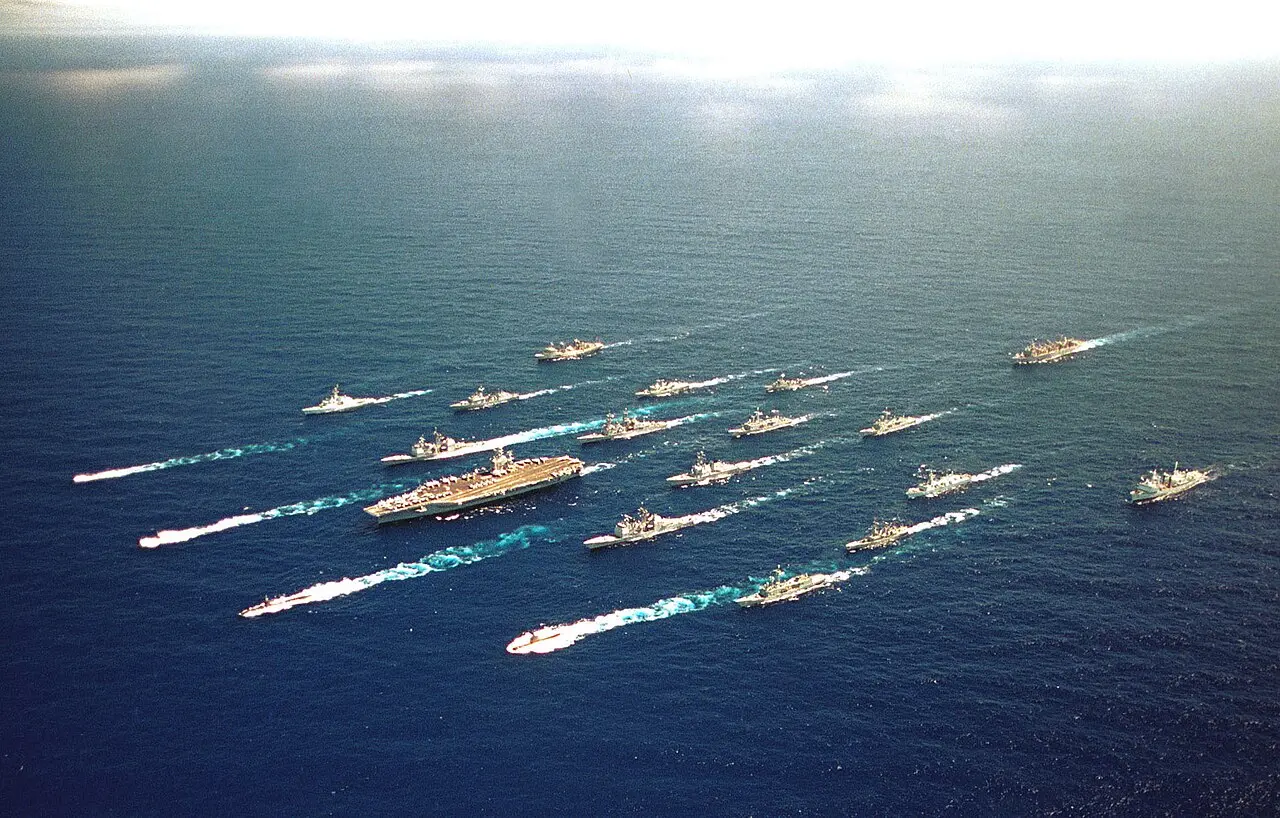
During high-tension deployments in the Middle East or Indo-Pacific, the E-2D is often the first airborne asset to launch. It provides early warning against cruise missiles and drones, acting as the primary shield for the thousands of sailors aboard the carrier and its escort ships.
A high-value airborne asset
The US Navy has invested heavily in this platform, with each unit costing roughly $400 million. This high price tag reflects the sophisticated electronics packed inside the airframe. Losing just one of these aircraft would significantly degrade the situational awareness of the entire strike group.
Aerial refuelling extends reach
Unlike previous versions, the E-2D Advanced Hawkeye is capable of aerial refuelling. This upgrade allows the aircraft to stay airborne for significantly longer missions, ensuring there are no gaps in radar coverage. It can remain on station for hours, keeping the fleet safe around the clock.
)
)
)
)
)